Nara Transportation Guide: 8 Essential Ways to Get Around
Master Nara transportation with our guide to JR and Kintetsu trains, Nara Kotsu buses, airport shuttles, and walking routes to the deer park.
On this page
Nara transportation is easy once you understand one rule: Kintetsu Nara Station is better for Nara Park, while JR Nara Station is better for Japan Rail Pass travel. The two stations are about 1 km apart, and that distance matters if you are carrying luggage or planning a packed day.
This 2026 guide compares trains from Kyoto and Osaka, Nara Kotsu buses, walking routes, airport buses, and passes. It also explains when walking beats waiting for a bus and how to avoid late-return problems.
| Best choice | Typical use | Park access | Pass logic |
|---|---|---|---|
| Kintetsu Nara | Fastest arrival from Osaka-Namba or Kyoto by Kintetsu | About 5 to 10 minutes, 0.5 to 0.8 km | Not covered by the JR Pass |
| JR Nara | JR Pass users and travelers coming via JR Osaka or Kyoto | About 20 to 25 minutes, 1.5 to 2 km | Covered on JR routes |
| Nara Kotsu Bus | Tired legs, rain, Nishinokyo, Horyu-ji, and family travel | Stops near major sights | Use IC cards or a bus pass |
Getting to Nara from Kyoto and Osaka
From Osaka-Namba, Kintetsu Express trains take about 35–45 minutes (¥680) and arrive at Kintetsu-Nara Station, just 5–10 minutes' walk from the deer park. From Kyoto, the JR Miyakoji Rapid takes 45 minutes and is free with a JR Pass.
Most visitors reach Nara by train from Kyoto or Osaka. From Osaka-Namba, Kintetsu is usually the simplest choice for a Nara Day Trip From Osaka: 10 Essential Planning Steps & Stops because it goes straight to Kintetsu Nara Station near the park. Express trains normally take about 35 to 45 minutes. Once there, understanding how to get to Nara and navigating the local system becomes your next step in planning.
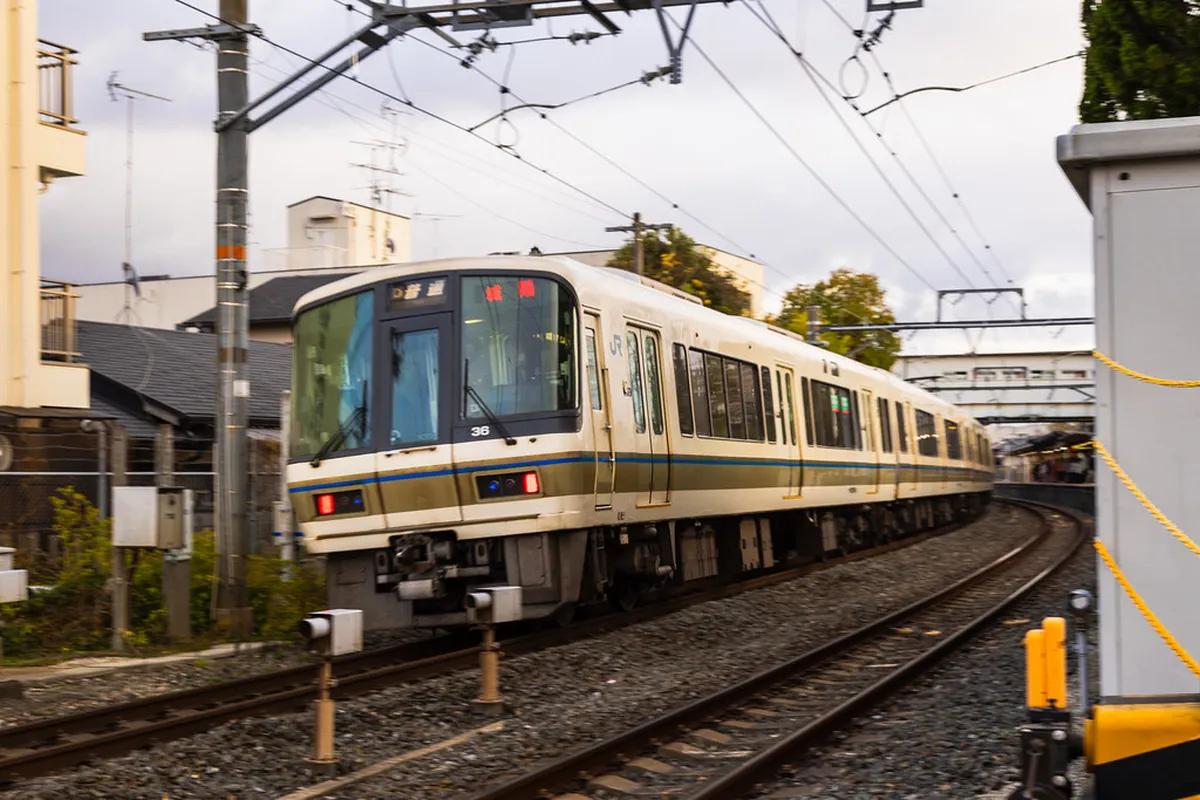
From JR Osaka Station, take the JR Yamatoji Rapid to JR Nara Station. The ride is usually about 50 minutes and is covered by the Japan Rail Pass, making it the best fit if you are staying around Umeda or already using JR lines.
From Kyoto, both JR and Kintetsu work well for a Nara Day Trip from Kyoto: The Ultimate 1-Day Itinerary. JR Miyakoji Rapid services take about 45 minutes to JR Nara and are covered by the JR Pass. Kintetsu trains cost separately but put you closer to Nara Park, Todai-ji, and the main shopping streets.
Long-Distance Access: Tokyo and Nagoya to Nara
From Tokyo, the fastest route is the Tokaido Shinkansen to Kyoto, then a JR or Kintetsu train to Nara. Budget about 3.5 to 4 hours door to door. If you are using a JR Pass, confirm which Shinkansen services are covered under your 2026 pass conditions before boarding.
Overnight highway buses are cheaper and usually take about 8 hours. They can work if you want an early arrival, but they are less comfortable before a full walking day. Check schedules on the JR Bus Kanto (Tokyo to Nara) website.
From Nagoya, Kintetsu Limited Express services avoid a Kyoto transfer and are often the most relaxed rail option. Direct highway buses may be cheaper if booked ahead, with details listed by Meitetsu Bus (Nagoya to Nara). If you arrive after lunch, focus on Nara Park and Todai-ji rather than adding Horyu-ji or Asuka.
Navigating Nara’s Two Main Train Stations
Nara has two main stations, and choosing the wrong one can add 15 to 20 minutes of walking. Kintetsu Nara Station sits near Higashimuki Shopping Street and is the better default for the Nara Deer Park Guide area. JR Nara Station is farther west, but it is the practical choice for JR Pass holders.
For Nara Park, Kintetsu Nara is about 0.5 to 0.8 km from the first park areas and roughly 1 km from Todai-ji approaches. JR Nara is about 1.5 to 2 km from the same area, usually 20 to 25 minutes on foot. Both stations have coin lockers, tourist information, toilets, and bus stops, but large suitcase lockers can fill quickly on peak weekends.
- Choose Kintetsu Nara if your priority is the shortest walk to Nara Park, Todai-ji, Kasuga Taisha, and Naramachi.
- Choose JR Nara if you are using the JR Pass, arriving by the Yamatoji Rapid, or connecting onward by JR.
- Use the bus from either station if you are going to Nishinokyo, Horyu-ji, or if 2 km of walking would drain the rest of your day.
Using the Nara Kotsu Bus Network
Nara Kotsu operates the buses that matter most to visitors, connecting JR Nara Station, Kintetsu Nara Station, Nara Park, Kasuga Taisha, Nishinokyo, and Horyu-ji. Before leaving the station, check the current map on the Nara Kotsu Bus Lines (Official English Site).
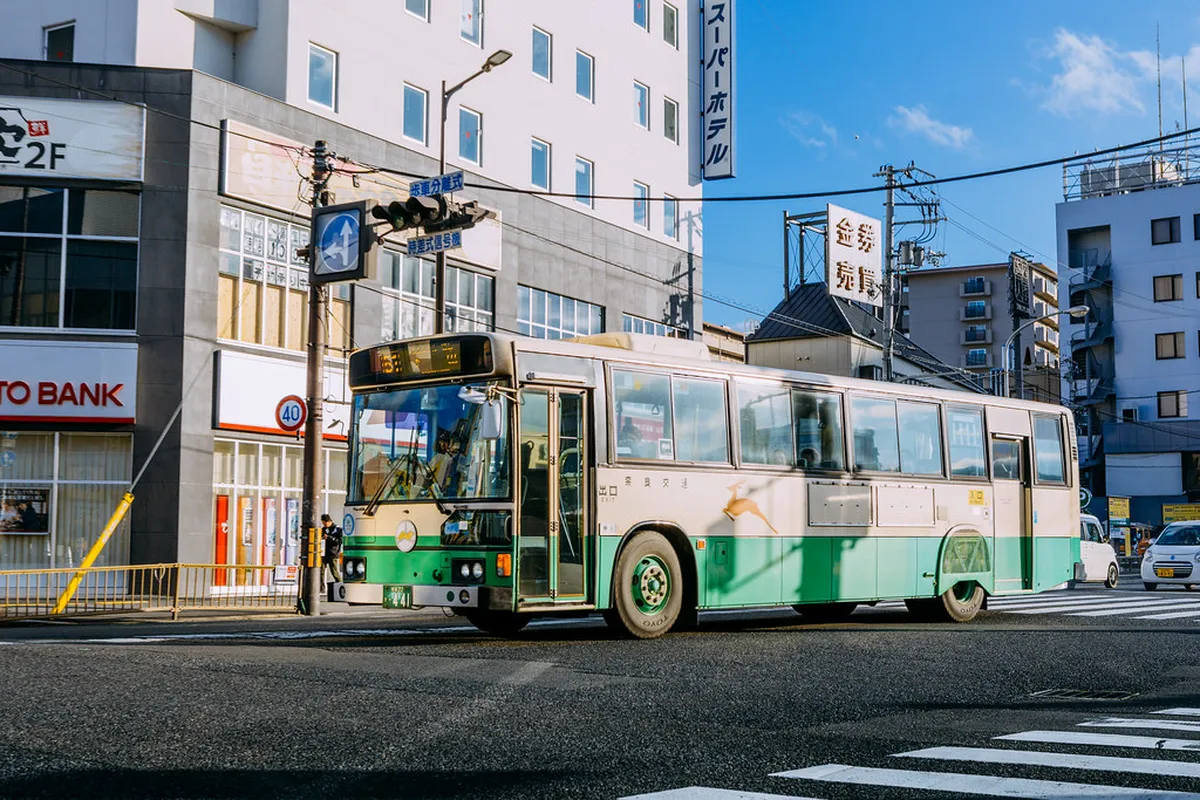
The main city loop buses help when rain, heat, or fatigue makes walking less appealing. Bus No. 1 and Bus No. 2 are the classic visitor routes around the central sightseeing zone, including station links and stops near major park approaches.
The tourist-friendly Nara Omotenashi buses are designed around sightseeing movement rather than local commuting. Low-floor buses are common on central routes, but wheelchair users should still allow extra time and confirm boarding points at the station information desk.
Use an IC card such as Suica, ICOCA, or PASMO whenever possible, and keep small coins as a backup. During peak temple hours, walking one stop can be faster than waiting for a crowded bus.
Exploring Central Nara on Foot and Bicycle
Central Nara is one of Japan's easiest historic cities to explore on foot. From Kintetsu Nara Station, the walk to the Todai-ji Temple Visiting Guide area is about 1 km and usually takes 15 to 20 minutes with photo stops. From JR Nara Station, expect about 1.5 to 2 km and 25 to 30 minutes.
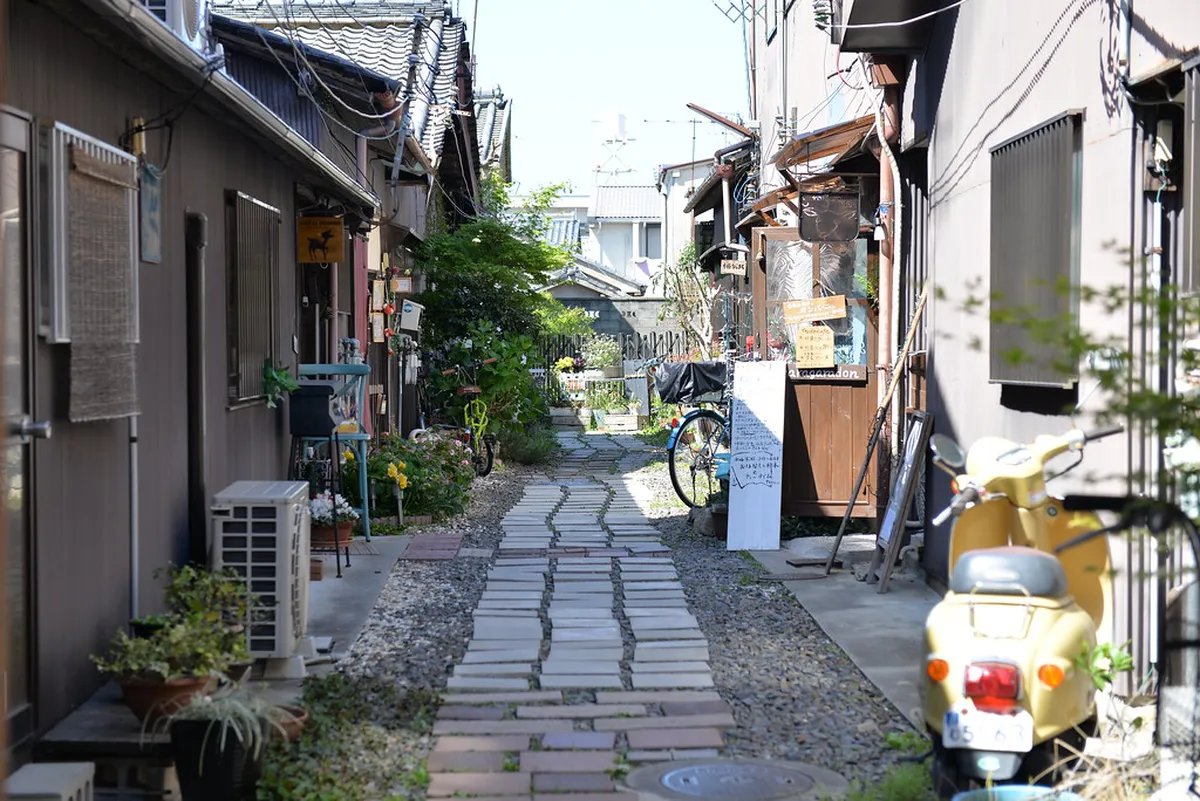
Walking is usually faster than taking a bus between Kintetsu Nara, Nara Park, Todai-ji, and the first deer areas because traffic and boarding time erase the distance advantage. It is also the best way to enjoy Higashimuki Shopping Street, Sanjo-dori, and the old lanes in the Naramachi Old Town Walking Guide area.
Bicycle rental is useful for covering Naramachi, Nishinokyo edges, or quieter streets beyond the park. Many rental shops operate near the main stations, and some offer electric-assist bikes. Several temple approaches and deer-heavy paths are pedestrian-first zones, so use designated parking areas.
- Walk from Kintetsu Nara to Todai-ji when the weather is comfortable and your group can handle 1 km easily.
- Use a bus from JR Nara if you want to save 20 to 25 minutes before starting the temple circuit.
- Use a bus or train for Horyu-ji, Nishinokyo, and Asuka because those areas are not central walking routes.
Airport Limousine Buses from KIX and ITM
Airport limousine buses are the easiest airport-to-Nara option if you have large luggage. From Kansai International Airport (KIX), direct buses usually take around 90 minutes to central Nara, depending on traffic. Check the current timetable on the Kansai Airport Transportation Enterprise (KIX to Nara) site.
From Itami Airport (ITM), limousine buses are often faster and simpler than a train transfer through Osaka. The ride is commonly about 60 minutes, with schedules and fares listed by Osaka Airport Transport (ITM to Nara).
The bus is useful after a long-haul flight because staff load your bags into the luggage hold. In 2026, many airport bus counters and machines support cards, but carry a backup payment method. If you are arriving late, confirm the final bus before choosing Nara as your first-night base.
Regional Exploration: Reaching Horyu-ji and Asuka
Nara's transport network matters most when you leave the park area. Horyu-ji Temple, Nishinokyo, and Asuka are too far from central Nara to treat as casual walks. Build these places into your day from the start rather than adding them after Todai-ji.
For Horyu-ji, Bus No. 97 from JR Nara or Kintetsu Nara can take about one hour and drops visitors close to the temple area. The JR alternative is to take the train to Horyuji Station, then walk about 20 minutes or use the local shuttle bus.
Nishinokyo, including Yakushi-ji and Toshodai-ji, is often best reached by bus or by Kintetsu rail with a transfer at Yamato-Saidaiji. Asuka is a separate half-day or full-day outing south of Nara, best explored by bicycle once you arrive. Use the Nara Itinerary for First-Timers to decide whether an outer district fits your day.
Money-Saving Transport Passes and IC Cards
Passes save money only when they match your actual route. The Japan Rail Pass helps if you are taking JR to Nara, but it does not cover Kintetsu trains. The Kintetsu Rail Pass can make sense for travelers using Kintetsu from Osaka, Kyoto, Nagoya, or other Kansai stops.
The Nara Kotsu 1-Day Pass is most useful when you plan three or more city bus rides or when your route includes Nishinokyo. Wider Nara bus passes can cover Horyu-ji and other outer areas, but do the math before buying. For Kintetsu Nara, Todai-ji, Kasuga Taisha, and Naramachi, walking plus one IC-card bus ride may be cheaper.
IC cards such as Suica and ICOCA are the easiest default for most visitors. They reduce ticket-machine queues, work on many trains and buses, and help when weather changes your plan. Check the Nara Weather & Best Time to Visit: 8 Essential Planning Tips guide before deciding how much walking to build into the day.
Accessible Travel, Luggage, and Last Trains
Travelers with limited mobility should choose routes by transfer burden, not just headline travel time. Kintetsu Nara is closer to the park, but JR Nara can be easier if you are already on JR. Both main stations have elevators, toilets, information desks, and bus access, though exits and bus platforms still require careful wayfinding.
Low-floor buses help older travelers, wheelchair users, and families with strollers, yet boarding can take time on crowded central routes. If mobility is a concern, start early, use taxis for the final uphill or return segment when needed, and avoid pairing distant Horyu-ji with a full park circuit.
Large locker sizes fill quickly on peak weekends at both Kintetsu-Nara and JR Nara stations. Store luggage immediately on arrival — before entering the park — to avoid a scramble during the busy midday period.
Day-trippers should deal with luggage immediately after arrival because large station lockers are limited. Last trains are the other easy mistake: before dinner, check the final practical JR or Kintetsu departure back to Osaka or Kyoto, including any transfer at Yamato-Saidaiji, Tennoji, Namba, or Kyoto.
Frequently Asked Questions
Which station is better for Nara Park, JR or Kintetsu?
Kintetsu Nara Station is much better for visiting the park because it is closer. It is only a 5-minute walk to the entrance. JR Nara Station is about a 20-minute walk away. Choose Kintetsu if you want to minimize walking time.
Can I use a JR Pass on the Kintetsu Nara Line?
No, the JR Pass is not valid on Kintetsu Railway lines. You must use JR trains to utilize your pass for free travel. The JR Yamatoji Line connects Osaka and Kyoto to JR Nara Station. This is a great way to save money on regional travel.
Is Nara walkable or do I need a bus pass?
Nara is very walkable for most healthy travelers visiting the main park area. Most major temples are within two kilometers of each other. However, a bus pass is helpful for reaching further sites like Horyu-ji. Consider your fitness level before deciding.
How do I get from Kansai Airport to Nara?
The easiest way is to take the direct airport limousine bus. It takes about 90 minutes and handles your luggage for you. You can also take a JR train, but it requires a transfer at Tennoji Station. The bus is usually the most stress-free option.
Are there luggage lockers at Nara Station?
Yes, both JR Nara and Kintetsu Nara stations have many luggage lockers. They come in various sizes to fit everything from small bags to large suitcases. Prices range from 300 to 800 yen. During busy holidays, these lockers can fill up very quickly.
See our Nara attractions guide for the broader city overview.
The best Nara transportation plan is usually simple: arrive at the station that matches your pass, walk the compact central route when conditions are good, and use Nara Kotsu buses for outer temples, rain, heat, or tired legs. Kintetsu saves walking time near the park, while JR saves money for rail-pass travelers.
Prepare an IC card, store luggage early, and check the return train before your final stop of the day. With those basics handled, Nara becomes easy to navigate and much easier to enjoy at the right pace.
Free: The Nara Essentials guide
Top things to do, where to stay, a perfect day plan, getting around, and the best time to go — a Nara mini-guide you can take offline.
You might also like

Continue reading
More guides you'll find useful