Nara Day Trip From Osaka: 10 Essential Planning Steps & Stops
Plan the perfect Nara day trip from Osaka with this 10-step guide. Includes transport tips, the best 1-day itinerary, deer park safety, and hidden gems.
On this page
I recommend this Nara day trip from Osaka for every first-timer visiting the Kansai region. Nara served as the first permanent capital of Japan and holds incredible historical weight. Most travelers find the mix of ancient temples and friendly wildlife to be a trip highlight.
Last refreshed after my Spring 2026 visit, this guide ensures you avoid common logistical mistakes. One deer actually tried to chew my phone charging cable during my last visit to the park. You must keep all loose straps and electronics tucked away to stay safe from hungry deer.
We found that arriving before 9:00 AM allows for a much more peaceful experience at Todai-ji. This 1-day plan focuses on maximizing your time while minimizing unnecessary walking between stations. Follow these steps to experience the best of Nara without the typical tourist overwhelm.
At a Glance: 1-Day Nara Day Trip from Osaka
A strong Nara day trip from Osaka is simple: arrive early, use Kintetsu-Nara Station if you can, visit the Great Buddha before the tour groups, then slow down in Naramachi before heading back. The sights sit in a walkable loop, but the day still adds up to 12,000 to 16,000 steps.
Our Nara Itinerary for First-Timers keeps the route compact so you do not waste the best morning hours crossing town. Plan on six to eight hours in Nara itself, plus 40 to 70 minutes each way by train.
- Arrive by 08:00 or 08:30 for quieter deer encounters.
- Use Kintetsu from Osaka Namba if convenience matters more than JR Pass coverage.
- See Todai-ji, Nara Park, Kasuga Taisha, Naramachi, and Nakatanidou in one loop.
- Carry at least 5,000 yen for temple entry, deer crackers, snacks, and small shops.
The Ultimate 1-Day Nara Day Trip Itinerary
Start with the Todai-ji Temple Visiting Guide highlights because the Great Buddha Hall becomes the busiest stop of the day. In 2026, the main hall usually opens early enough for a first stop before most visitors arrive from Osaka and Kyoto. Walking through Nandaimon Gate before 09:30 also gives you space to notice the guardian statues.
After Todai-ji, feed deer only when you are ready to move through Nara Park. Buy one pack of shika senbei at a time and put your phone cable, bag straps, paper maps, and train tickets away before you open it. Continue toward Kasuga Taisha, then loop back toward Kofuku-ji and the shopping streets.
Use lunch and late afternoon for Naramachi, mochi, gardens, and souvenirs. Many small cafes finish lunch service around 14:30, while shops begin closing between 17:00 and 18:00. If you want a quieter finale, walk up to Nigatsu-do before sunset.
- 08:00-09:30: Arrive at Kintetsu-Nara, walk through the arcade, and continue to Todai-ji.
- 09:30-11:30: Visit Nandaimon Gate, the Great Buddha Hall, and the deer around Nara Park.
- 11:30-13:30: Walk to Kasuga Taisha, then return toward Kofuku-ji and Sarusawa-ike Pond.
- 13:30-16:30: Eat in Naramachi, watch mochi pounding, shop on Higashimuki Street, and add Yoshikien if you still have energy.
- 16:30-18:00: Catch an early train back or stay for the Nigatsu-do view if the weather is clear.
Is Nara Worth Visiting? (The Honest Verdict)
From Osaka Namba, Kintetsu rapid express trains take about 40 minutes and cost around 680 yen — the fastest, cheapest option for most visitors staying near Dotonbori or Shinsaibashi.
Nara is worth visiting if you want one day that combines ancient capital history, UNESCO temples, open parkland, and a very different pace from Osaka. Todai-ji alone justifies the trip for most first-time visitors. The Great Buddha is one of the clearest ways to understand how powerful Nara was in the eighth century.
The honest downside is crowd pressure. Weekends, school holidays, cherry blossom season, and autumn foliage weeks can make the deer-feeding area feel chaotic by late morning. Families should still go, but the Nara Deer Park Guide advice matters when children are holding crackers near assertive deer.
If your Kansai itinerary is short, choose Nara over another Osaka shopping day, but do not force it between Kyoto temples and an evening food tour. The day works best when you can leave Osaka early and accept a slower cultural rhythm.
How to Get to Nara from Osaka or Kyoto
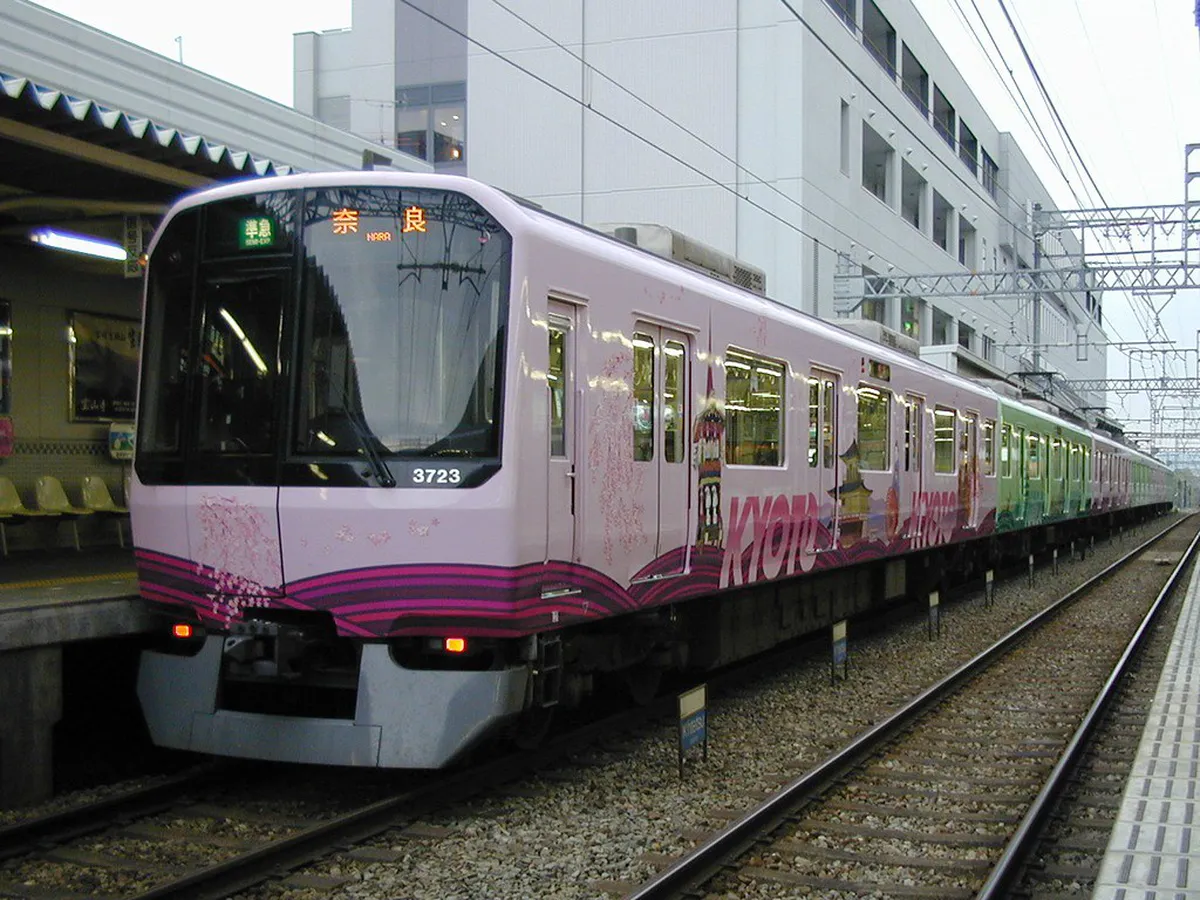
Choosing the right train line is the most important logistical decision of the day. Kintetsu-Nara Station is closer to Nara Park, Todai-ji, Kofuku-ji, and Higashimuki Street. JR Nara Station is useful if you have a JR Pass or are starting from Osaka Station, but it adds 15 to 20 minutes of walking.
From Osaka Namba, Kintetsu Railway rapid express trains usually take about 40 minutes and cost around 680 yen one way. From JR Osaka Station, the JR West Yamatoji Rapid usually takes about 50 to 60 minutes and costs around 820 yen. Travelers using JR should check the JR Nara Station Map before arrival.
Consult our Nara Transportation Guide: 8 Essential Ways to Get Around if you are comparing passes, lockers, or Kyoto connections. Both lines accept the ICOCA IC card for tap-to-ride travel without buying paper tickets. For most visitors staying in Namba, Shinsaibashi, Dotonbori, or Nipponbashi, Kintetsu is the better default.
| Route | Typical time | Best for | Walk to Nara Park |
|---|---|---|---|
| Kintetsu Osaka Namba to Kintetsu-Nara | About 40 minutes | Namba and Dotonbori stays | About 5-10 minutes |
| JR Osaka to JR Nara | About 50-60 minutes | JR Pass users and Osaka Station stays | About 20-25 minutes |
| Kintetsu Kyoto to Kintetsu-Nara | About 35-50 minutes | Kyoto day trippers | About 5-10 minutes |
Must-See Nara Attractions: Temples and Shrines
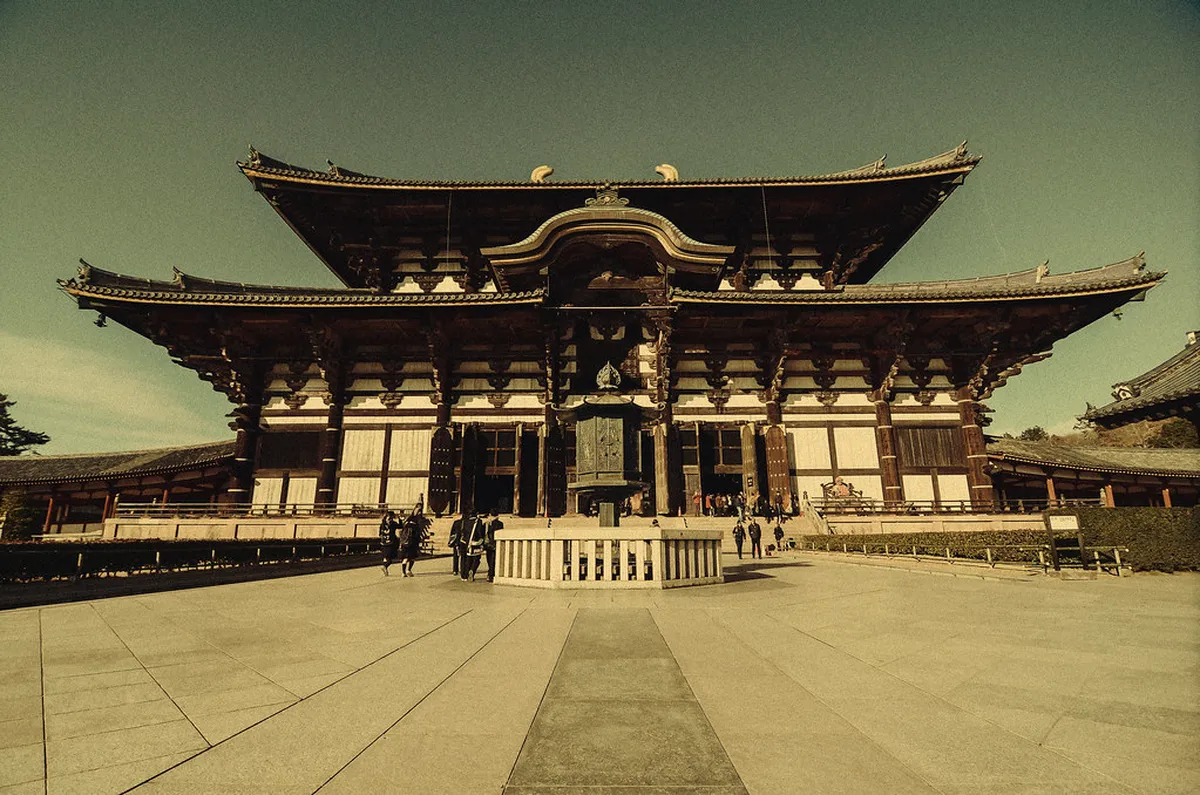
Nara is home to several of the Seven Great Temples of Nara, and Todai-ji is the essential stop. The Daibutsu, or Great Buddha, stands about 15 meters tall inside the Great Buddha Hall. Entry is a paid ticket, but the scale of the hall, the bronze statue, and the surrounding Nandaimon Gate make it the strongest cultural anchor of the day.
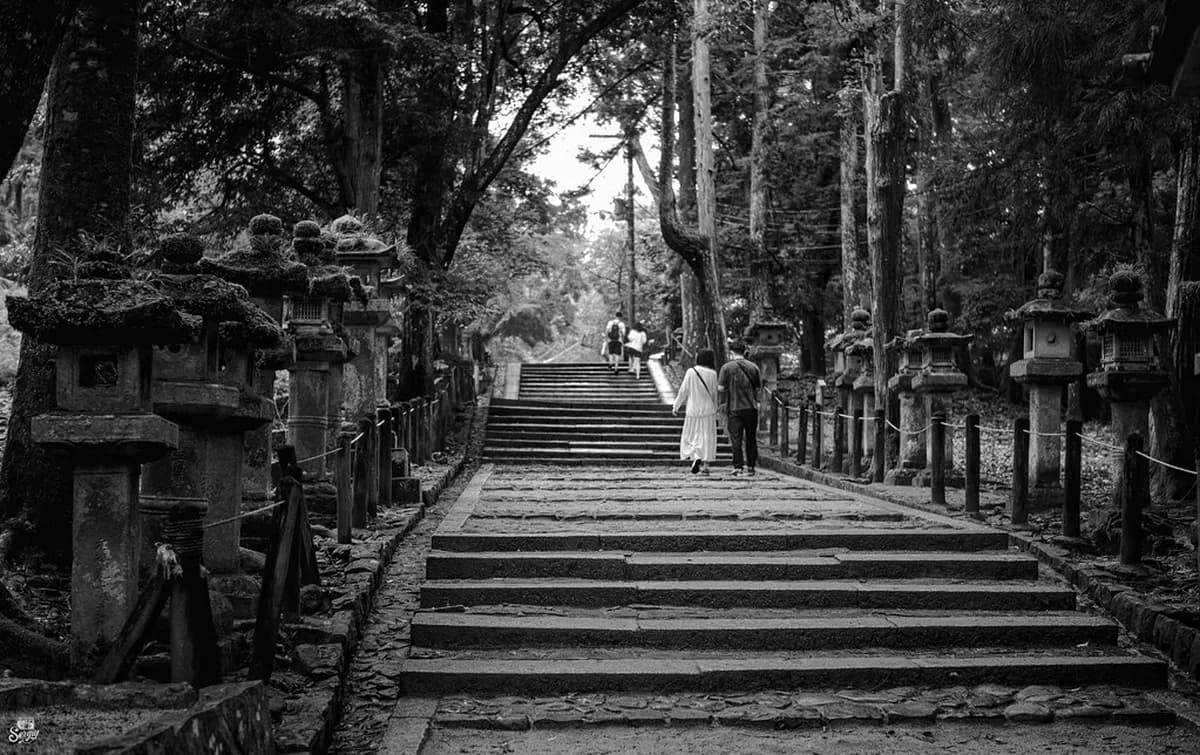
Kasuga Taisha should not be treated as optional if you have the energy for the forest walk. The Kasuga Taisha Shrine Guide: Lanterns, Deer, and History area is lined with mossy stone lanterns and hanging bronze lanterns, and the atmosphere changes completely from the open deer park. It is a Shinto shrine, not a Buddhist temple, so the mood and etiquette are different from Todai-ji.
Kofuku-ji is the easiest temple to add because it sits near the shopping streets and station route. Its five-story pagoda is undergoing long restoration work into the early 2030s, but the temple grounds, halls, and National Treasure Museum still help explain Nara's Fujiwara history. If you are short on time, see Todai-ji and Kasuga Taisha first, then use Kofuku-ji as your flexible stop.
Nara Deer Park: Safety, Etiquette, and "Deer Crackers"
The deer in Nara are protected wild animals, not pets, even though many bow for food. Buy shika senbei only from official vendors, usually around 200 yen per pack, and never feed the deer bread, sweets, paper, or convenience-store snacks. Once you open a pack, the nearby deer will notice quickly.
Pro tip: The safety detail most visitors underestimate is loose gear. On my last visit, a deer tried to chew a dangling phone charging cable while another deer was focused on crackers. Put cables, paper tickets, bag straps, scarves, and plastic wrappers inside a zipped bag before feeding, because deer investigate anything that looks like food or moves near your hands.
Bow if you want the classic interaction, offer the cracker flat-handed, then show both empty palms when you are done. Do not tease the deer, wave crackers above their heads, or turn your back while holding food. Bigger males can push, nip, or headbutt when frustrated, especially in crowded feeding zones.
- Feed only shika senbei bought in the park.
- Keep children beside you rather than several steps ahead with crackers.
- Store phone cables, maps, straps, and plastic bags before opening a cracker pack.
- Move away calmly after feeding; do not run, shout, or pull food back at the last second.
Where to Eat: Mochi Pounding and Naramachi District
Watching the high-speed mochi pounding at Nakatanidou is one of Nara's easiest food wins. The shop sits near the entrance to Higashimuki and Sanjo-dori, so you can pass it on the way out or back. Demonstrations happen repeatedly through the day rather than on a fixed public timetable, often roughly every 30 minutes when the shop is busy, so wait nearby instead of building your whole schedule around one exact minute.
For lunch, head into the Naramachi Old Town Walking Guide area rather than eating beside the busiest deer paths. Look for kaki-no-ha sushi, cha-gayu tea porridge, udon, soba, or small machiya cafes in restored wooden houses. Lunch service can be short, so aim to sit down before 13:30 if you want more than snacks.
You should also visit the Nakagawa Masashichi Shoten Flagship Store if you want well-made local crafts instead of generic deer souvenirs. Higashimuki Street is better for quick snacks, covered walking in rain, and last-minute gifts before the train. Naramachi is better for atmosphere, coffee, and a quieter look at old merchant streets.
Essential Tips for a Smooth Nara Day Trip
You do not need to book standard train tickets or temple entry far in advance for a normal day trip. The exceptions are guided walks, special Nara National Museum exhibitions, ryokan dinners, and seasonal events such as the Shoso-in exhibition. If your date overlaps with a Japanese holiday period, check opening hours before leaving Osaka.
Pack for walking, not for a city shopping day. Nara's central loop includes slopes, stone paths, temple steps, gravel, and park grass. A small day bag is better than a tote because deer can tug at loose handles when they smell food.
Deer crackers (shika senbei) are around 200 yen per pack from official vendors only. Never feed the deer bread, sweets, or convenience-store snacks — it causes digestive problems for the animals.
Pro tip: If you are carrying luggage between Osaka and Kyoto, use station lockers before entering the park. Kintetsu-Nara and JR Nara both have lockers, but large sizes can fill on weekends. Do not drag a suitcase through Nara Park.
- Bring cash for deer crackers, temple tickets, lockers, and small food shops.
- Wear shoes that handle gravel, not only smooth pavement.
- Carry water in summer and a light layer in winter; open park areas can feel exposed.
- Download offline maps before the train ride, especially if you rely on eSIM signal in older shopping arcades.
How Long Do You Really Need in Nara?
A half-day Nara trip works only if you choose Todai-ji, a short deer encounter, and a quick station-area snack. It is enough to say you visited, but it skips the best texture of the city: the lantern paths, gardens, old town streets, and quieter views. Most travelers should give Nara a full day from Osaka.
Six hours in Nara is the practical minimum for the main loop. Eight hours lets you add Yoshikien, Naramachi lunch, mochi, and Nigatsu-do without rushing. If you want Mount Wakakusa, Nara National Museum, or a slow tea stop, consider staying overnight or cutting another attraction.
Pro tip: Leave before the Osaka commuter crush if you are tired. Trains run into the evening, but standing for the full ride after a long temple-and-park day is a poor trade for one extra souvenir shop.
Blend In Anywhere: Cultural Tips for Nara
Understanding the difference between a temple and a shrine makes Nara feel less like a checklist. Todai-ji is Buddhist, so bow quietly, keep your voice low, and do not clap in front of the Great Buddha. Kasuga Taisha is Shinto, so the common prayer flow is two bows, two claps, a silent prayer, and one final bow.
Use the chozuya water pavilion at shrines when it is open, and follow posted photo rules inside halls and museums. Many sacred interiors prohibit photography even when outdoor grounds are free to photograph. If a sign asks visitors not to touch lanterns, pillars, statues, or ropes, treat that as part of the visit rather than a suggestion.
The deer have cultural meaning too. They are associated with Kasuga Taisha and have been protected in Nara for centuries. Feeding them should feel calm and respectful, not like a challenge to create the funniest video.
OFFBEAT JAPAN: Hidden Gems Beyond the Main Park
Most day trippers stay between Todai-ji, the deer, and the shopping streets, which is why the quieter stops feel so rewarding. The Yoshikien Garden Free Entry Guide area is especially useful because foreign passport holders can often enter free. It has a pond garden, moss garden, and tea ceremony garden within a short walk of Todai-ji.
Isuien Garden next door is more famous and usually costs about 1,200 yen, so choose it if you want a more polished paid garden experience. Choose Yoshikien if you want a peaceful reset without adding much cost. In autumn, both gardens can be more satisfying than another crowded loop through the deer-feeding area.
Nigatsu-do is the other easy win. It is part of the Todai-ji complex but sits uphill, away from the densest tour groups. The balcony view over Nara is free, and the walk there naturally filters out visitors who only came for the quickest photo stops.
Frequently Asked Questions
Which is better from Osaka: Kintetsu or JR Nara?
Kintetsu is better because the station is closer to Nara Park. It saves you a twenty-minute walk from the JR station. Use Kintetsu if you are staying in Namba.
How do you avoid getting bitten by deer in Nara?
Do not tease the deer with food or hide crackers in your pockets. Show your empty hands to the deer when you are finished. Stay calm and move slowly.
Is Nara worth visiting for just a half day?
Yes, a half day is enough to see the Great Buddha and feed deer. However, you will miss the quiet gardens and the old town. A full day is recommended.
See our Nara attractions guide for the broader city overview.
A Nara day trip from Osaka is one of the most rewarding experiences in Japan. The combination of massive wooden architecture and roaming deer creates a truly magical atmosphere. I hope this itinerary helps you plan a smooth and memorable visit to the ancient capital.
Remember to arrive early and wear your best walking shoes for the day. Nara's history and charm will stay with you long after you return to Osaka. Safe travels as you explore the incredible temples and parks of this historic city.
More Osaka Travel Guides
Keep planning your trip with these Osaka guides:
Free: The Nara Essentials guide
Top things to do, where to stay, a perfect day plan, getting around, and the best time to go — a Nara mini-guide you can take offline.
You might also like


Continue reading
More guides you'll find useful