Naramachi Old Town Walking Guide
Plan naramachi old town walking guide with top picks, neighborhood context, timing tips, and practical booking advice for a smoother trip.
On this page
Naramachi is the old merchant quarter south of central Nara, where narrow lanes, machiya townhouses, small shrines, tea shops, and sake counters sit close together. It works best as a slow walking district, not a checklist stop between the deer park and the station.
This 2026 Naramachi old town walking guide is built for first-time visitors who want a practical route, families who need easy pacing, and travelers deciding whether to book a local guide. It also fits neatly into a broader Nara Itinerary for First-Timers because the main streets are walkable from Kintetsu Nara Station.
The strongest plan is simple: start near Sarusawa-ike Pond or Kintetsu Nara Station, walk south through the shopping arcades, spend the afternoon around museums and shops, then finish with sake, tea, or dinner.
1-Day Naramachi Old Town Walking Guide At a Glance
Give Naramachi three to five hours if you only want the main highlights, or a full afternoon if you want museums, snacks, and a guided walking tour. Most visitors start around 10:00, when shops and public houses begin opening, and finish before 17:00, when many small businesses close.
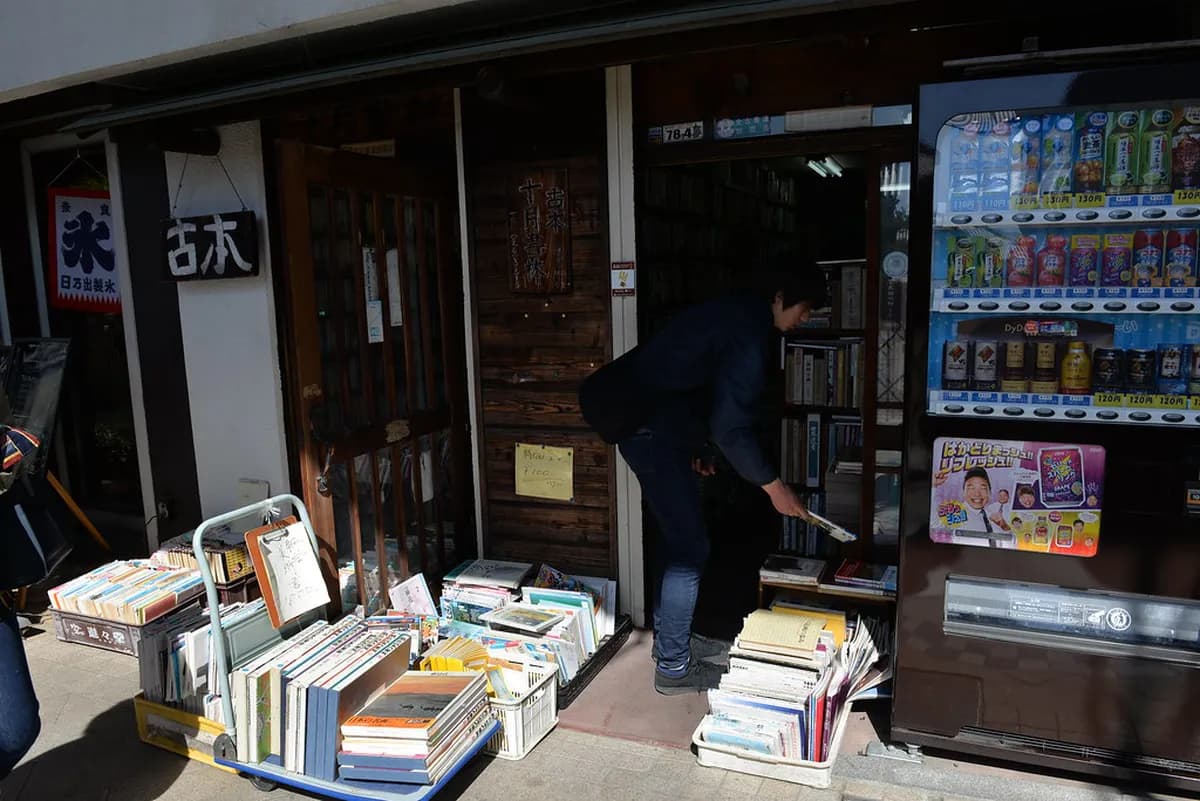
The route is easiest from Kintetsu Nara Station. Walk through Higashimuki Shopping Street and Mochiidono Center Gai, then continue south toward the older lanes around Gangoji Temple, Naramachi Koshi-no-Ie, Harushika Brewery, and the small shrine streets.
Budget travelers can keep costs low because the neighborhood itself is free to explore. Set aside about 1,000 to 2,500 yen for temple entry, a snack, tea, or the 700 yen sake tasting at Harushika when available.
- Morning or early afternoon is best for open shops and museums.
- Kintetsu Nara Station is the easiest meeting point for most walks.
- Comfortable shoes matter because the route is flat but slow and stop-heavy.
- Pair the walk with 20 Best Nara Attractions around the park if you only have one day.
Must-See Naramachi Attractions
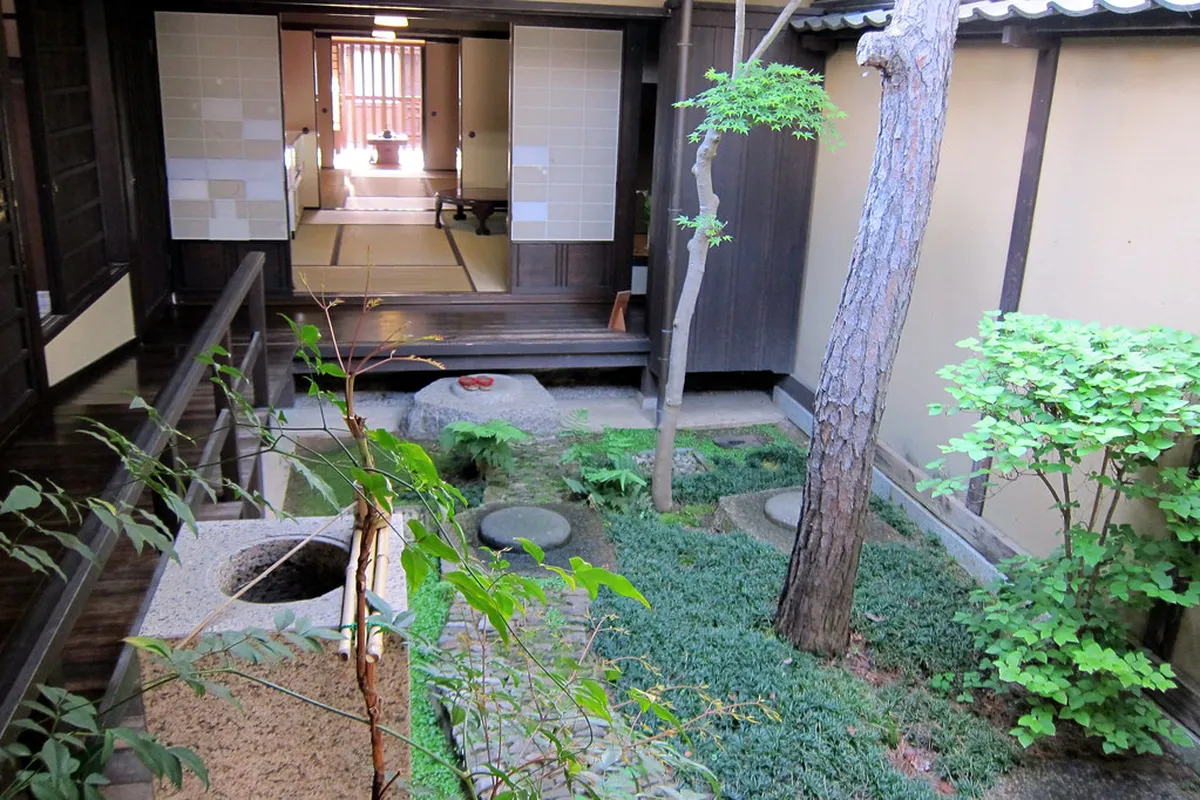
Start with Naramachi Koshi-no-Ie, the lattice-fronted townhouse that shows how merchant families used narrow street frontage, deep interiors, raised tatami rooms, and small inner courtyards. It gives the district immediate context and is more useful at the start than at the end of the walk.
Gangoji Temple anchors the old town historically. The district developed around the former temple grounds, and the temple still explains why this part of Nara feels different from the grand shrine-and-park axis farther north.
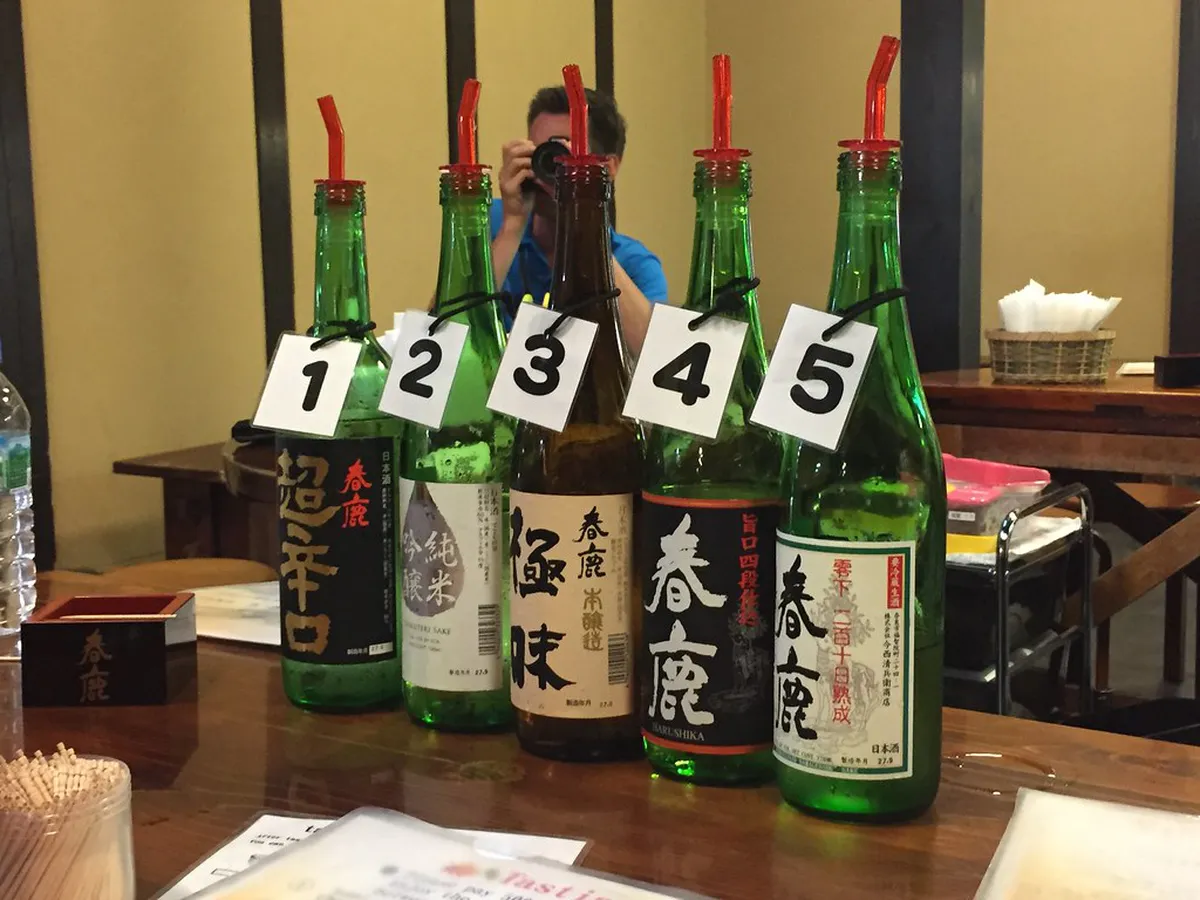
Harushika Brewery is the easiest food-and-drink stop to build into the walk. The tasting is usually priced around 700 yen per person, but arrive earlier in the afternoon because small tasting rooms can fill quickly on weekends and irregular closure days do happen.
Most Naramachi shops and house museums open around 10:00 and close by 17:00. The sake tasting at Harushika Brewery runs around 700 yen per person — arrive before 14:00 on weekends to avoid the tasting room filling up.
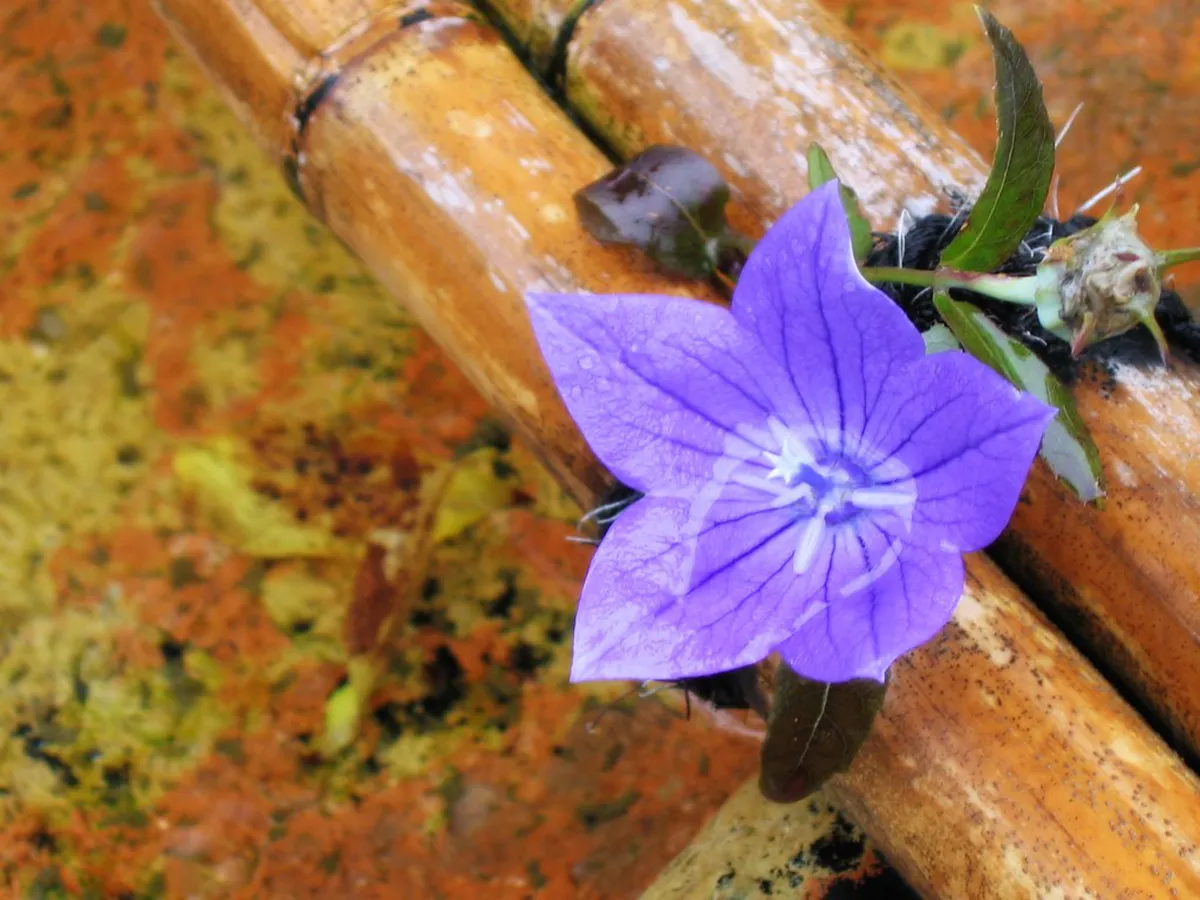
Also leave time for Kikuoka Herbal Medicine Shop and the streets around Goryo-jinja Shrine. Kikuoka adds a living-commerce angle, while Goryo-jinja is where you will notice red koshin monkey charms hanging from eaves and storefronts.
Museums, Art, and Culture in Naramachi
Naramachi's cultural value is in ordinary details: lattice windows, low doorways, storage rooms, shop signs, and old tools rather than one large museum complex. That is why the best walk mixes one or two paid cultural stops with free wandering.
The Naramachi Museum is useful for understanding koshin beliefs, local household objects, and the neighborhood's visual symbols. Nara Craft Museum adds another layer if you are interested in brushes, lacquerware, textiles, and the skilled trades that connect Nara's past to present-day shops.
For architecture, Imanishi-ke Shoin is worth checking when open because it shows a more refined historic residence than the simpler townhouse stops. For a rainy day, combine the craft museum, Koshi-no-Ie, and a tea shop instead of trying to photograph every lane.
Parks, Gardens, and Outdoor Spots in Naramachi
Naramachi is not a park district in the same way as the Nara Deer Park area, but it has good outdoor pauses. Sarusawa-ike Pond is the natural northern gateway, especially if you want a quick view toward Kofukuji before entering the lanes.
Inside the old town, the best outdoor moments are small courtyards, shrine precincts, and quiet side streets rather than formal gardens. Goryo-jinja Shrine works well as a calm midpoint, and the alleys around it are better for slow photos than the busier approach roads.
If you need more greenery, add Ukimido or Isuien Garden before or after Naramachi instead of forcing them into the old-town loop. This keeps the walking guide realistic and prevents the afternoon from becoming a rushed city-wide route.
Family-Friendly and Budget-Friendly Options in Naramachi
Naramachi is one of the easier Nara areas for families because the distances are short and you can leave the route at almost any point. The Karakuri Toy Museum is a good child-friendly stop because traditional mechanical toys are more engaging than another silent display room.
For children 0-5, keep the walk short and avoid loading the day with temple interiors. Strollers can pass through the main shopping streets, but some machiya houses have raised thresholds, narrow entries, and tatami areas where you may need to fold the stroller or carry a child.
For children 6-12, turn the route into a small discovery walk: red koshin charms, old shop signs, tea roasting smells, toy mechanisms, and a snack stop in Mochiidono Center Gai. These details make the old town easier to understand than a long explanation of Edo-period merchant history.
Budget planning is straightforward. Walk the streets for free, pick one paid temple or museum, and save food money for local snacks or Nara food specialties instead of booking every add-on.
How to Plan a Smooth Naramachi Attractions Day
The most common mistake is starting too late. If you arrive after 15:00, you can still enjoy the lanes, but you may miss house museums, craft stops, or sake tasting because many small places wind down before evening.
Wheeled luggage makes Naramachi's narrow old lanes harder to navigate and can inconvenience residents. Use coin lockers at Kintetsu Nara Station (available near the gates) before heading into the old town.
A practical route is Kintetsu Nara Station, Higashimuki Shopping Street, Mochiidono Center Gai, Sarusawa-ike Pond, Gangoji Temple, Koshi-no-Ie, Kikuoka, Goryo-jinja, and Harushika. Reverse it only if you are coming from the south or staying in a nearby ryokan.
Use coin lockers at the station if you have luggage. The old streets are narrow, and wheeled bags make the walk less pleasant for you and for residents using the same roads.
For accessibility, the main streets are mostly flat, but the most atmospheric stops are not always step-free. Travelers with strollers, canes, or limited mobility should treat machiya interiors as optional and focus on the street-level route, shrine grounds, and shops with open fronts.
Nara Old Town Walking Tour
A guided Nara Old Town Walking Tour makes sense if you want stories behind the townhouses, local commerce, shrine customs, and small businesses. Competitor tours usually run about three hours, often in English, and may cap groups around six people for easier movement through the lanes.
Typical meeting places are JR Nara Station or the east side of Kintetsu Nara Station. Kintetsu is better if Naramachi is your first stop because it avoids backtracking, while JR works if you arrive from Osaka or Kyoto and want a guide to manage the transition into town.
Before booking, check what is included. Some tours exclude transport, admission, meals, and drinks, and optional sake or tea experiences may cost extra. A private tour is worth it for older travelers, photographers, or families who need a slower pace.
On Mondays, Wednesdays, and Fridays
Day choice matters more in Naramachi than in the deer park. Some guided walks advertise Monday, Wednesday, and Friday operation during spring, early summer, and autumn periods, while other newer products run only on Fridays and Saturdays.
Many individual shops close on Mondays, Tuesdays, or irregular family-run schedules. Check current listings through the local tourism site before you go, especially around New Year, Obon, and national holidays.
Weekends bring more energy, more bookable tours, and a better chance that food stops are open. Weekdays are quieter and better for photography, but you should keep the plan flexible and avoid relying on one specific shop unless you have confirmed it.
Children 0-5 and Children 6-12
Tours and activities may price children differently, and some providers list separate policies for children 0-5 and children 6-12. Do not assume toddlers are free or that every old-house interior welcomes strollers, because small operators often set rules based on room size and group control.
For children 0-5, the best version is a 90-minute stroll with one toy, snack, or shrine stop. For children 6-12, a two- to three-hour route works if you add hands-on elements such as karakuri toys, tea roasting, local sweets, or a simple scavenger hunt for red charms and lattice windows.
If you book a guide, ask about the minimum adult count, cancellation deadline, and whether the guide can shorten the route. Some tours require at least two adults and advance reservation two or three days before the tour date.
Customer Reviews and Booking Signals
Reviews are most useful when they mention pacing, guide clarity, and how much time was spent inside Naramachi rather than only in shopping arcades. A strong review should describe specific stops, not just say the guide was friendly.
Look for signs that the tour matches your travel style. Food-focused walks may spend more time around Mochiidono Center Gai, culture-focused walks may prioritize tea ceremony and machiya interiors, and history-focused walks should explain Gangoji, merchant life, and local shrine customs.
For independent travelers, reviews still help by revealing practical constraints: whether a sake tasting was crowded, whether a tea stop felt rushed, and whether the meeting place was easy to find. These details matter more than star ratings.
Frequently Asked Questions
How much time should you plan for Naramachi?
Plan for two to four hours to walk the main streets. This allows time for museums and a quick snack. Most visitors finish the loop in one afternoon.
Which Naramachi attractions fit first-time visitors?
The Koshunoya lattice house and Harushika Sake Brewery are top picks. They offer a mix of history and local flavor. These stops are very easy to find.
Is Naramachi worth it on a short trip?
Yes, it offers a necessary break from the busy deer park. The architecture is unique and very photogenic. It adds great depth to any Nara visit.
Naramachi is worth adding when you want Nara to feel like a lived-in city, not only a temple-and-deer stop. It is compact, affordable, and easy to pair with a Nara Day Trip from Kyoto: The Ultimate 1-Day Itinerary.
For the smoothest 2026 visit, start before lunch, confirm any guided-tour or shop schedule, and keep the route flexible. Stay near the old town for a quiet evening, or use the Nara Transportation Guide: 8 Essential Ways to Get Around to connect the walk with your next stop.
Free: The Nara Essentials guide
Top things to do, where to stay, a perfect day plan, getting around, and the best time to go — a Nara mini-guide you can take offline.
You might also like


Continue reading
More guides you'll find useful