Omizutori Festival Todai-ji Guide: Dates, Rituals, and Tips
Plan your visit to Nara's Omizutori festival at Todai-ji. Learn about the Otaimatsu fire ceremony, sacred water rituals, and the best times to visit Nigatsu-do.
On this page
The Omizutori festival represents one of the oldest and most sacred Buddhist events found anywhere in Japan. This ancient ceremony takes place every March at the historic Nigatsu-do hall within the massive grounds of the Todai-ji temple complex in Nara. Visitors travel from across the globe to witness the dramatic fire rituals that signal the official arrival of spring. Understanding the deep spiritual roots of this event will help you appreciate the chanting and flames that define the experience.
Nara becomes a center of spiritual energy during the first two weeks of March as monks perform intense rituals of repentance. This omizutori festival todai-ji guide covers the history, the nightly fire displays, the rarely-discussed Dattan inner ceremony, and practical advice for 2026 visitors. You will learn how to navigate the crowds and find the best viewing spots for the Otaimatsu torch ceremony. This tradition has continued without a single interruption for more than twelve centuries.
What is the Omizutori (Shuni-e) Festival?
The official name for this two-week event is Shuni-e, which translates to Second Month Service in the lunar calendar. Most people call the broader festival Omizutori, a term that specifically refers to the sacred water-drawing ritual held on the final nights. The event is a period of public repentance where monks pray for the peace and prosperity of the entire world, as documented on the official Todai-ji Shuni-e page. Exploring the various 20 Best Nara Attractions during this time allows you to feel the unique spiritual atmosphere of the city.
Eleven dedicated monks known as Renkyoshu perform these taxing rituals to cleanse the sins of the people and the land. They follow a strict schedule of prayers and physical movements that continue throughout the day and deep into the night. The festival acts as a spiritual bridge between the cold winter months and the upcoming warmth of cherry blossom season. Locals believe that the weather only truly warms once the final torches have been extinguished at Nigatsu-do.
The Shuni-e encompasses three distinct ceremonial elements: the ongoing repentance rituals performed privately six times daily, the nightly Otaimatsu fire ceremony on the outer balcony, and the climactic Omizutori water-drawing in the early hours of March 13th. Many visitors arrive expecting only the fire show and leave surprised to discover how layered the full two-week event is. Knowing this distinction in advance helps you decide which night and which moment matter most to you.
The History and Legend of the Water-Drawing Ceremony
The origins of this festival date back to 752 when the monk Jitchu first established the sacred ritual. Jitchu was a disciple of the famous monk Roben who helped found the magnificent Todai-ji temple. Legend says that Jitchu invited thousands of gods to attend the ceremony but one deity arrived late. The deity Onyu-myojin offered sacred water from the Onyu River in Wakasa as an apology for his delayed arrival.
The water supposedly sprang from the ground near the Nigatsu-do hall at the spot where the deity appeared. Monks built a sacred well called the Wakasa-i to protect this miraculous source for future generations. This legend forms the basis for the water-drawing ritual that remains the spiritual climax of the entire two-week event. Ancient records, summarized in the Omizutori Wikipedia entry, show that the ceremony has never been canceled even during periods of war or major natural disasters.
A second legend describes how Jitchu came across divine beings performing a ritual to wash away sins. He was so moved that he decided to teach it to humans, recognizing it would be a demanding task. Both legends share a common thread: the idea that ordinary people can access divine purification through sincere ritual effort. This inclusive spirit explains why the festival continues to draw enormous crowds more than twelve centuries later.
Emperor Shomu originally supported these rituals to ensure the stability of the nation through divine protection. Today the festival remains a symbol of Nara's role as the cradle of Japanese civilization and Buddhist thought. The continuity of Shuni-e is itself considered a form of spiritual merit, each unbroken year adding to the accumulated blessing that the monks believe protects Japan.
To avoid the worst crowds, visit any night from March 1–10. The fire display is equally beautiful on early nights and the hillside is far more comfortable. March 12 is peak-crowd night with 11 extra-large torches — arrive by 17:00 for a front-row position.
The Otaimatsu Fire Ceremony: A Spectacle of Flame
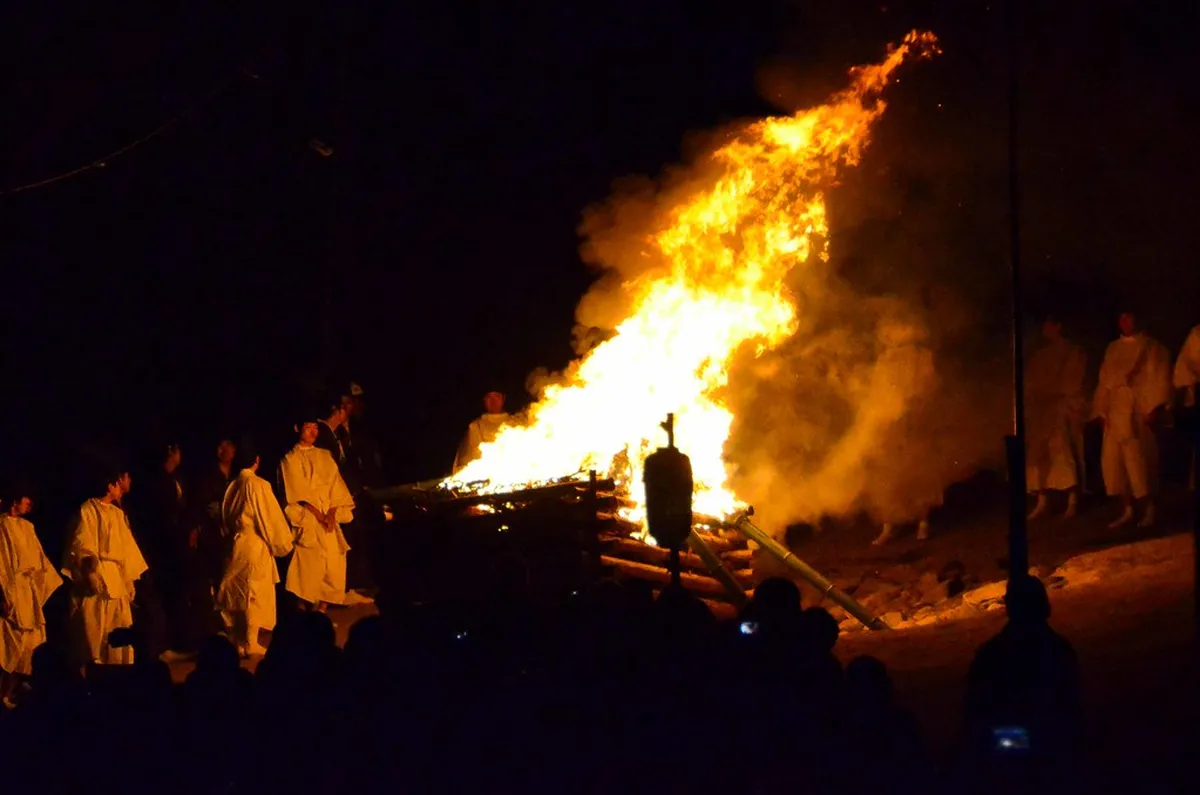
The Otaimatsu fire ceremony is the most visually stunning part of the festival and draws the largest crowds. Every evening after sunset monks carry massive pine torches up the stairs to the wooden balcony of Nigatsu-do. They run across the balcony while swinging the burning torches to create a cascading shower of orange sparks below. The sparks are believed to protect spectators from evil and bad luck in the year ahead.
The size and number of torches change depending on the specific night you visit. On most evenings ten torches are carried across the balcony in a sequence lasting about twenty minutes. Visiting the Todai-ji Temple Visiting Guide can help you locate the best paths through the temple grounds to reach Nigatsu-do before the crowds close in.
The most intense display occurs on March 12th when the torches are much larger and the ritual lasts significantly longer. On this night eleven massive torches create an overwhelming wall of fire on the balcony. The sparks fall like rain over the assembled crowd as monks move with speed and strength across the wooden structure. Many visitors regard this night as the absolute festival highlight despite the massive crowds that form from early afternoon.
Safety is a priority during the fire ceremony because Nigatsu-do is a precious wooden building of great historical value. Trained staff and local fire crews stand by to ensure the flames do not damage the ancient structure. Spectators must stay within designated viewing areas to avoid getting too close to falling embers. The sight of burning torches against the dark night sky over the Nara hills creates a memory that stays with travelers for years.
The Sacred Ritual of Drawing Water (Omizutori)
The actual Omizutori ritual takes place in the very early hours of March 13th under total darkness. Monks descend from Nigatsu-do to the sacred Wakasa-i well while carrying torches to light their way down. They draw the sacred water and carry it back up to offer it to the Goddess of Mercy, Kannon. This water is believed to have healing properties and is stored in special jars within the temple for the entire year.
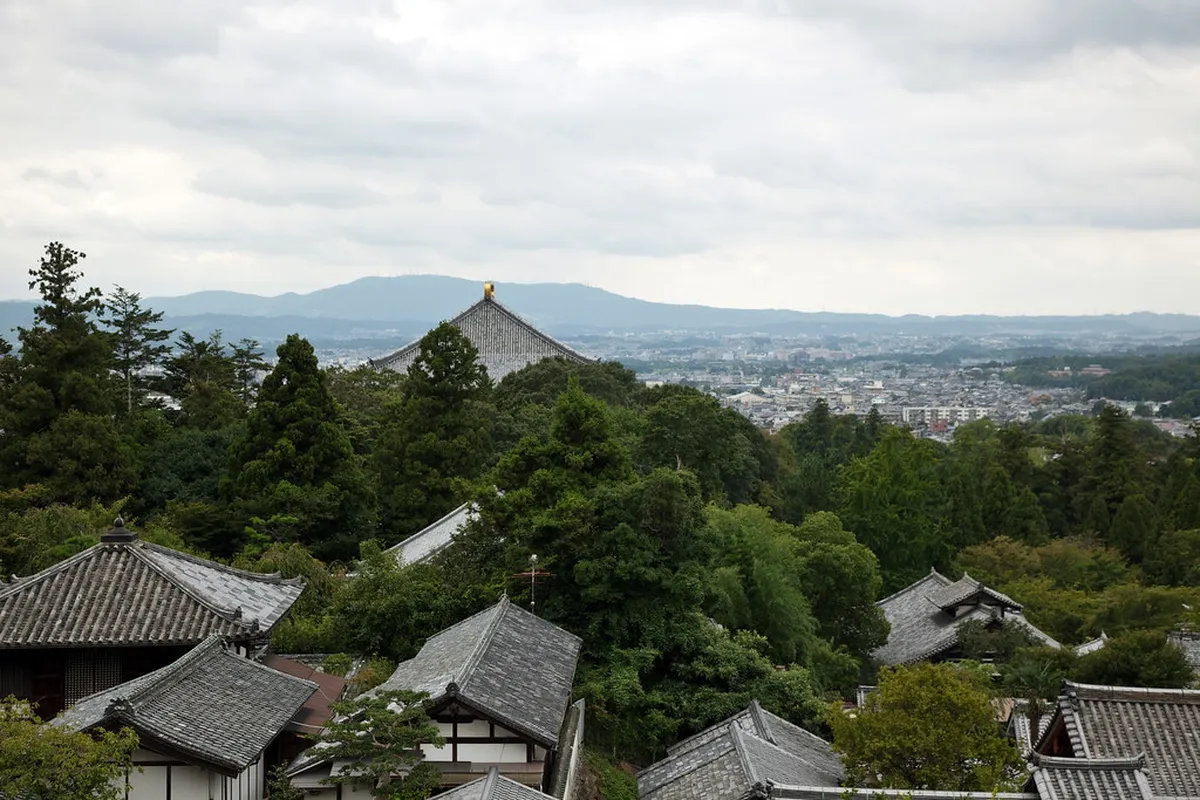
Only the monks and a few select officials witness the actual drawing of the water at the well. The public can watch the procession of torches as the monks move between the hall and the sacred well site. This quiet and solemn ritual provides a sharp contrast to the loud and energetic fire displays seen earlier that same evening. The transition from intense heat to cool stillness represents a powerful spiritual balance at the heart of the ceremony.
The water-drawing ritual concludes with prayers for the continued health and safety of the community and nation. It signifies the successful completion of the most demanding part of the Shuni-e rituals for the participating monks. Many locals wait to receive a small portion of the sacred water later in the year during other temple ceremonies. Two pots are kept: one containing water from the current year, one holding water accumulated from all previous ceremonies — a living continuity of blessing spanning more than twelve centuries.
The Dattan Ceremony: The Ritual Most Visitors Never See
Immediately after the Omizutori water-drawing, a second and far less publicized ceremony called Dattan begins inside the hall. It is performed entirely within the closed interior of Nigatsu-do, which means the public cannot observe it directly. What observers standing outside can hear is striking: the blowing of horns, the ringing of bells, and the rapid swinging of burning torches by monks in a darkened space. This continues until roughly 03:00, making it one of the longest and most physically demanding rituals in the entire two-week event.
The Dattan is a fire rite aimed at driving away evil spirits and purifying the space for the new year. The monks swing the torches at tremendous speed in tight arcs, filling the hall interior with light and sound that bleeds through the wooden walls. It is believed the combined effect of the fire, the percussion of the bells, and the chanting breaks the hold of negative forces on the world. For those willing to stay on the cold hillside well past midnight on March 13th, the auditory experience is deeply unsettling and memorable in equal measure.
Very few travel guides mention the Dattan because the ceremony is invisible from the standard viewing zone. Position yourself on the stone steps just below the hall rather than in the main torch-viewing area if you want to hear the ceremony clearly. The combination of exhausted monks performing secret rites behind closed doors and the faint glow leaking through the wooden lattice creates an atmosphere that feels far removed from the festival crowd experience of earlier in the evening.
Essential Visitor Information: Dates and Location
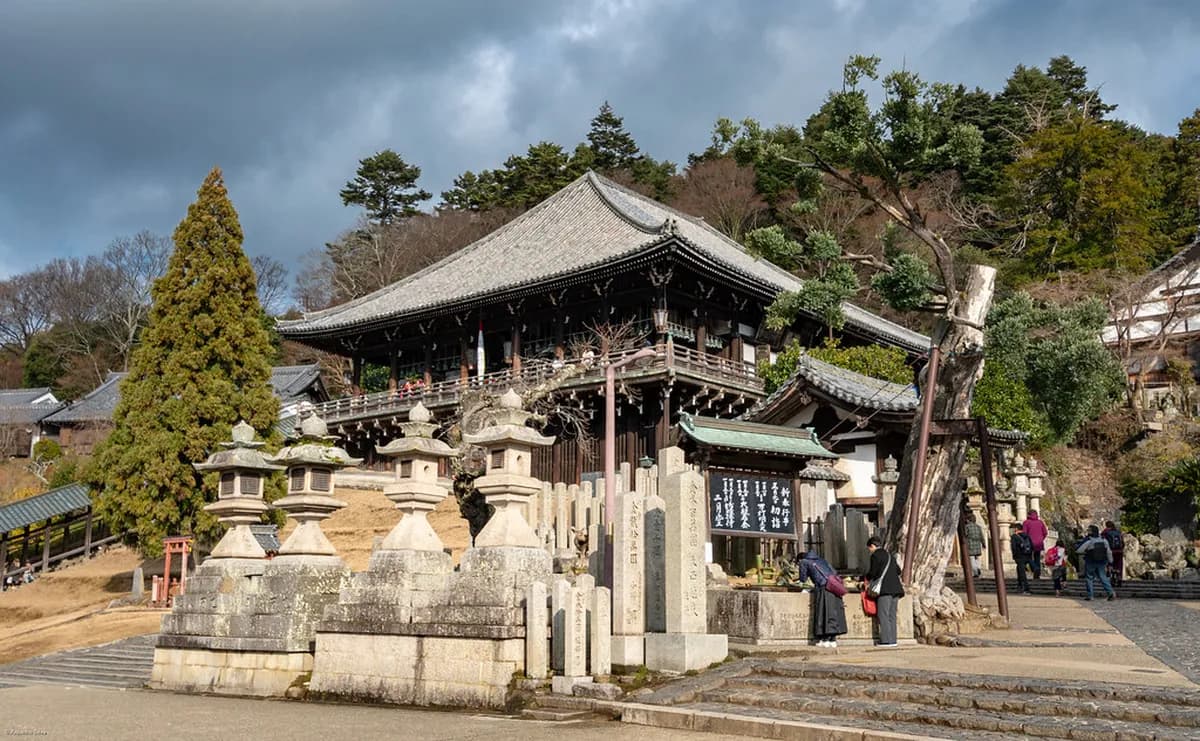
The Omizutori festival always runs from March 1st to March 14th each year. Nigatsu-do hall sits on the eastern hillside of the Todai-ji complex and requires a short uphill walk from the main Daibutsuden gate. From JR Nara or Kintetsu Nara Station, take a city bus to the Todai-ji Daibutsuden stop, then follow the lantern-lit path east and uphill for about 15 minutes through the deer park and past the Great Buddha Hall. Follow signs reading "Nigatsu-do" or "Hall of the Second Month" — the final approach is a stone staircase that climbs the hillside. Use the Nara Transportation Guide: 8 Essential Ways to Get Around to plan your return journey, as late-night buses can be infrequent after 21:00.
The torch ceremony schedule changes depending on the night. Below is the breakdown for 2026:
| Date | Start Time | Duration | Torches | Crowd Level |
|---|---|---|---|---|
| March 1–11 | 19:00 | ~20 min | 10 standard | Moderate |
| March 12 (peak) | 19:30 | ~45 min | 11 extra-large | Very high — arrive by 17:00 |
| March 13 | 19:00 | ~20 min | 10 standard | High; Dattan inside until ~03:00 |
| March 14 (final) | 18:30 | ~10 min | 10 (lit simultaneously) | Moderate |
- March 1–11: Ceremony at 19:00, approximately 20 minutes, 10 standard-size torches. Moderate crowds.
- March 12 (peak night): Ceremony at 19:30, approximately 45 minutes, 11 extra-large torches. Arrive by 17:00 for a front-row position. Extremely high crowds.
- March 13: Ceremony at 19:00, approximately 20 minutes, 10 standard torches. Crowds remain high after the peak night. Dattan ceremony follows inside the hall until approximately 03:00.
- March 14 (final night): Ceremony at 18:30, approximately 10 minutes, 10 torches lit simultaneously. Moderate crowds; the shorter duration makes this a good option for travelers who prefer a less intense visit.
Admission to the Nigatsu-do viewing area is free. The surrounding Todai-ji grounds are also free to enter at night during the festival period, though the Great Buddha Hall closes to paid visitors in the late afternoon. Official timing updates for 2026 are posted on the Nara Tourism Shuni-e listing.
Flash photography is strictly prohibited during the Otaimatsu fire ceremony, and tripods are generally not allowed in the crowded viewing areas. Avoid silk or light-coloured clothing — sparks and ash fall over the viewing area throughout the display.
Practical Tips for Attending Omizutori in Nara
Early March in Nara is colder than most visitors expect because of lingering winter winds from the surrounding hills. Locals call this annual cold snap the "Omizutori Cold," a traditional belief that spring only truly arrives once the festival ends. Check the Nara Weather & Best Time to Visit: 8 Essential Planning Tips guide and pack thermal base layers, a heavy coat, and warm socks. Evening temperatures regularly drop to 2–5°C on the open hillside, and you will be standing still for up to 45 minutes on peak night.
The fire ceremony produces a significant amount of ash and small sparks that float over the viewing area. Avoid expensive or delicate clothing — silk, down jackets, and light-colored wool can be damaged or stained by embers. A dark-colored wool overcoat or a windproof outdoor jacket is the best choice. Many people wear a hat or hood to keep ash out of their hair during the display.
Respectful and quiet behavior is essential because this is a serious religious ritual for the monks. Flash photography is strictly prohibited during the ceremony. Follow the instructions of temple staff and police officers who manage crowd flow. Tripods are generally not allowed in the crowded viewing areas.
To avoid the worst crowds, visit on any night from March 1st through March 10th. The fire display is just as beautiful during the early days and the hillside is far more comfortable. Plan dinner before the ceremony — most restaurants near Kintetsu Nara Station will be full until late evening on busy nights. Walking back through Nara Park after the ceremony is atmospheric but bring a small flashlight, as the paths through the park are only partially lit.
Frequently Asked Questions
What is the best day to see the Omizutori fire ceremony?
March 12th offers the most spectacular display with the largest torches and the longest duration. However, it is also the most crowded night of the festival. For a more relaxed experience with smaller crowds, consider visiting between March 1st and March 10th instead.
Is the Omizutori festival free to attend?
Yes, the evening fire ceremony at Nigatsu-do hall is free for the public to observe. You do not need to purchase a ticket to enter the temple grounds during the event. Be sure to check the Nara Transportation Guide: 8 Essential Ways to Get Around to ensure you can return to your hotel late at night.
What time do the torches start at Todai-ji?
The torches typically start at 7:00 PM from March 1st to March 11th and on March 13th. On the peak night of March 12th, the ceremony begins at 7:30 PM. The final night on March 14th starts earlier at 6:30 PM and is much shorter.
What is the meaning behind the water-drawing ritual?
The ritual symbolizes purification and the offering of sacred water to the Kannon deity. It is based on an ancient legend where a god provided miraculous water to the temple. The monks draw this water to ensure the health and prosperity of the nation for the coming year.
How do I get to Nigatsu-do hall from Nara Station?
You can take a bus from JR Nara or Kintetsu Nara Station to the Todai-ji Daibutsuden bus stop. From there, it is a 15-minute walk through the temple grounds and up the hill to Nigatsu-do. Follow the signs for the Hall of the Second Month to find the location.
Attending the Omizutori festival at Todai-ji is a profound way to experience the living history of Nara. The combination of ancient fire rituals, the secret Dattan ceremony, and the sacred water-drawing creates a spiritual atmosphere that is truly unique to Japan. By following this guide you can navigate the crowds and enjoy the spectacle while respecting the sacred traditions of the monks. If you enjoy this event you might also want to read our Yamayaki Festival Nara Guide: 7 Essential Planning Tips for more fire-related traditions.
Nara continues to preserve these 1,250-year-old customs with incredible dedication and pride. Witnessing the sparks fall from the Nigatsu-do balcony is a highlight for any traveler visiting Japan in early March 2026. Prepare for the cold weather and arrive early to make the most of this unforgettable Buddhist celebration. Your journey to Todai-ji during Shuni-e will provide a deep connection to the spiritual heart of the ancient capital.
Free: The Nara Essentials guide
Top things to do, where to stay, a perfect day plan, getting around, and the best time to go — a Nara mini-guide you can take offline.
You might also like


Continue reading
More guides you'll find useful