Yamayaki Festival Nara Guide: 7 Essential Planning Tips
Plan your trip to Nara's Wakakusa Yamayaki with our guide. Includes 2025/2026 dates, transport tips from Osaka/Kyoto, and how to see the deer and Great Buddha.
On this page
The Wakakusa Yamayaki Festival is a breathtaking fire event held every January in the heart of Nara. This ancient tradition involves setting the entire slope of Mount Wakakusa on fire to welcome the new year. Visitors flock to the city to witness massive fireworks exploding over the blazing mountain landscape. As part of Nara festivals and events, this ceremony offers a window into the city's deep spiritual traditions.
Planning a visit requires understanding the local logistics and the unique history of this ancient capital. Our Nara Itinerary for First-Timers tips will help you navigate the crowds and find the best viewing spots. Prepare for a night of vibrant culture and intense heat against the cold winter sky.
The Origins of the Wakakusa Yamayaki Festival
Nara was established as Japan's first permanent capital in the year 710 CE, predating even Kyoto's prominence. The city was eventually relocated because the powerful temples here were exerting too much influence over imperial politics — a tension that still echoes in the festival's joint Buddhist-Shinto ceremonies today. That deep spiritual infrastructure makes the Yamayaki something far older and stranger than a simple bonfire spectacle. Compared to modern festival scenes in Osaka, the Yamayaki is fundamentally spiritual.
The precise origin of the mountain burning is genuinely contested. One tradition blames a boundary dispute between the monks of Kofukuji Temple and Todaiji Temple, claiming a fire was deliberately set during the conflict. A rival theory holds that early residents burned the mountain grass to drive out wild boars and evil spirits. A third account simply frames it as an annual purification — clearing the previous year's growth so the new one can begin clean.
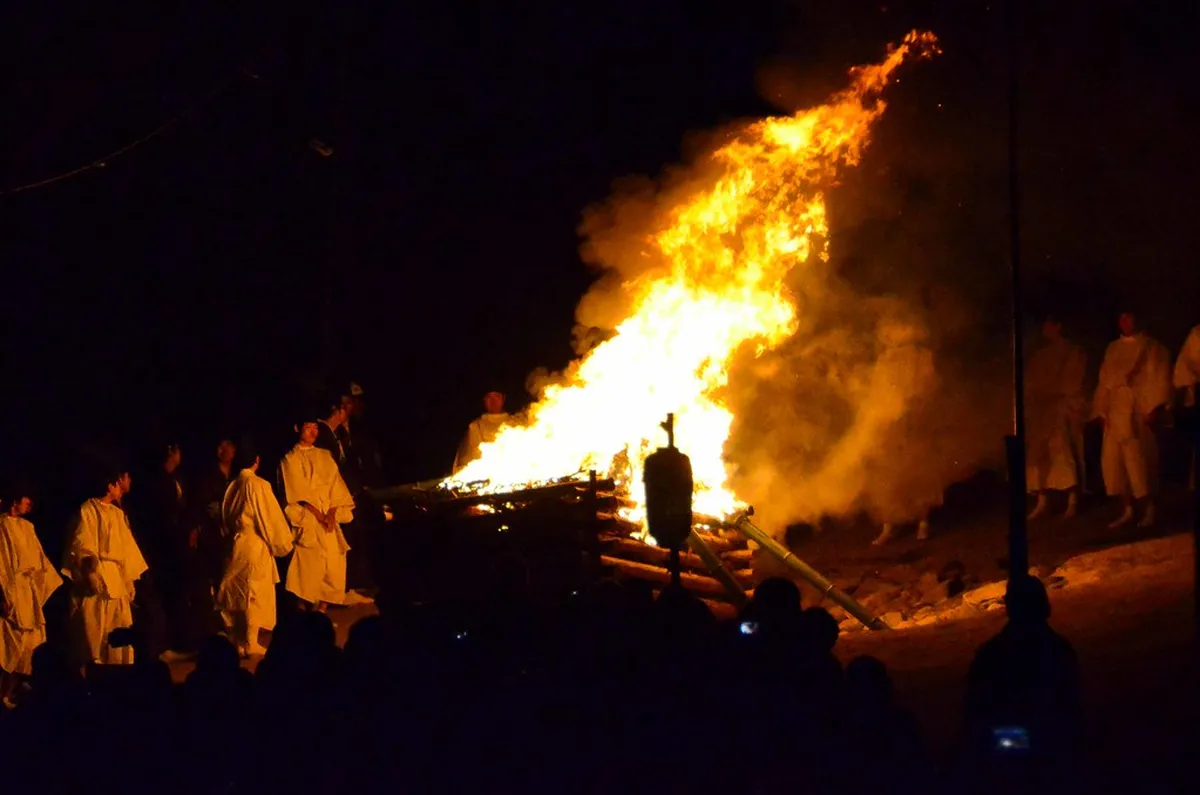
Whatever the true origin, today the ceremony blends Shinto and Buddhist traditions in a rare display of cooperation between the two faiths. Monks from Todaiji and representatives of Kasuga Taisha shrine march together in a torchlit procession before the ignition. That unity is central to the 20 Best Nara Attractions experience — many of the city's most interesting sites sit within walking distance of each other precisely because they grew up alongside one another over thirteen centuries.
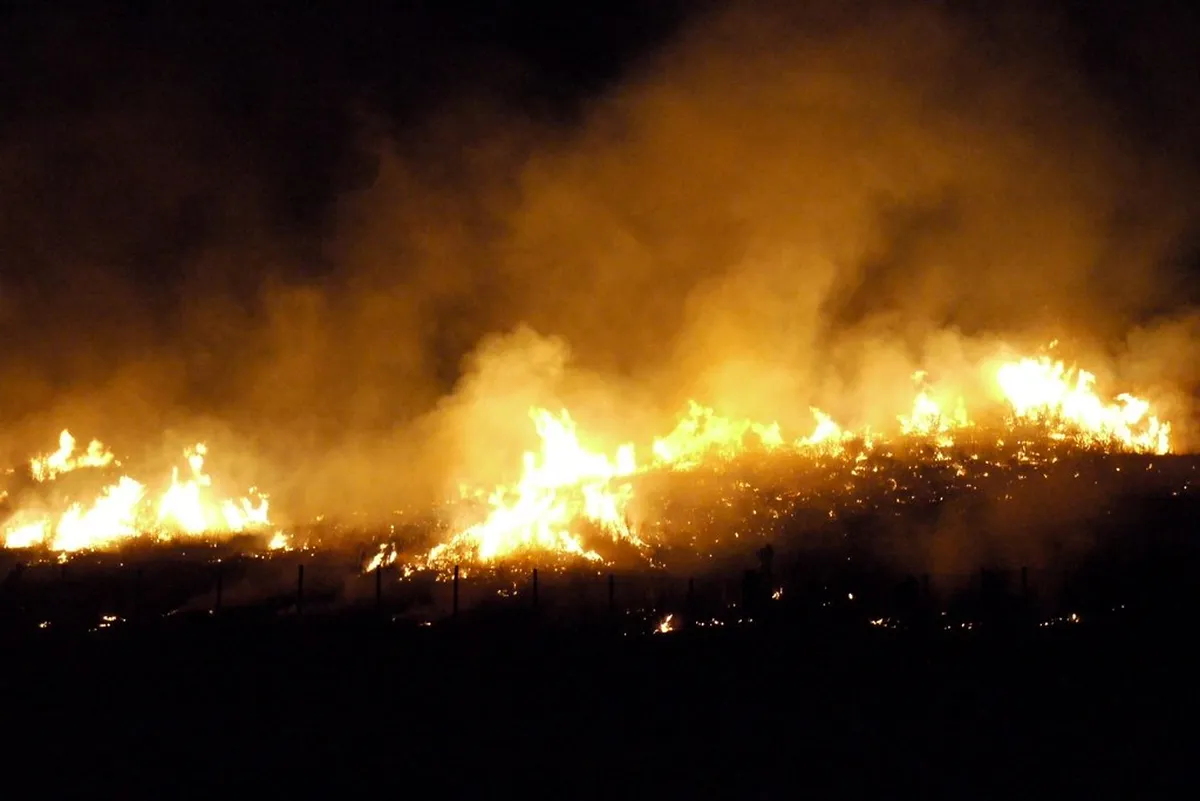
Watching the fire spread across the dry winter grass is a mesmerizing experience. The flames represent a cleansing of the land and a fresh start for the upcoming year. Local residents take great pride in maintaining this tradition, and approximately 300 firemen are involved each year to keep the burn controlled and safe.
2025/2026 Schedule and Rain Date Policy
The festival takes place on the fourth Saturday of January each year. For 2026, that falls on January 24. The main ceremonies begin in the late afternoon, but the site is active from midday — arriving early makes this a natural full-day trip rather than a rushed evening sprint.
The official timetable runs roughly as follows. A senbei-throwing contest and daytime stall activity continue until around 15:00. At 17:00, the ceremonial torch-lighting procession begins near Mizutani Shrine at the base of the mountain. The parade arrives at Nogami Shrine on Wakakusa around 17:45. Fireworks begin at 18:00 and last approximately 15 minutes. Immediately after, the 300 firemen carry torches from the bonfire and set the mountain grass alight. The fire typically burns between 30 and 60 minutes depending on wind and moisture conditions. Check the Official Nara Tourism site for final timing confirmation closer to the date.
The rain date policy is a critical detail that many visitors overlook. If heavy rain or snow threatens the fire, the entire festival is postponed to the following Saturday.
If heavy rain or snow threatens the fire, the entire festival is postponed to the following Saturday. Light drizzle rarely cancels the event, but the fire burns far less dramatically when the grass is wet. Always keep your Sunday free if you are travelling specifically for the mountain burn — and check the official Nara Tourism site the morning of the event.
Transport Strategy: Reaching Nara from Osaka or Kyoto
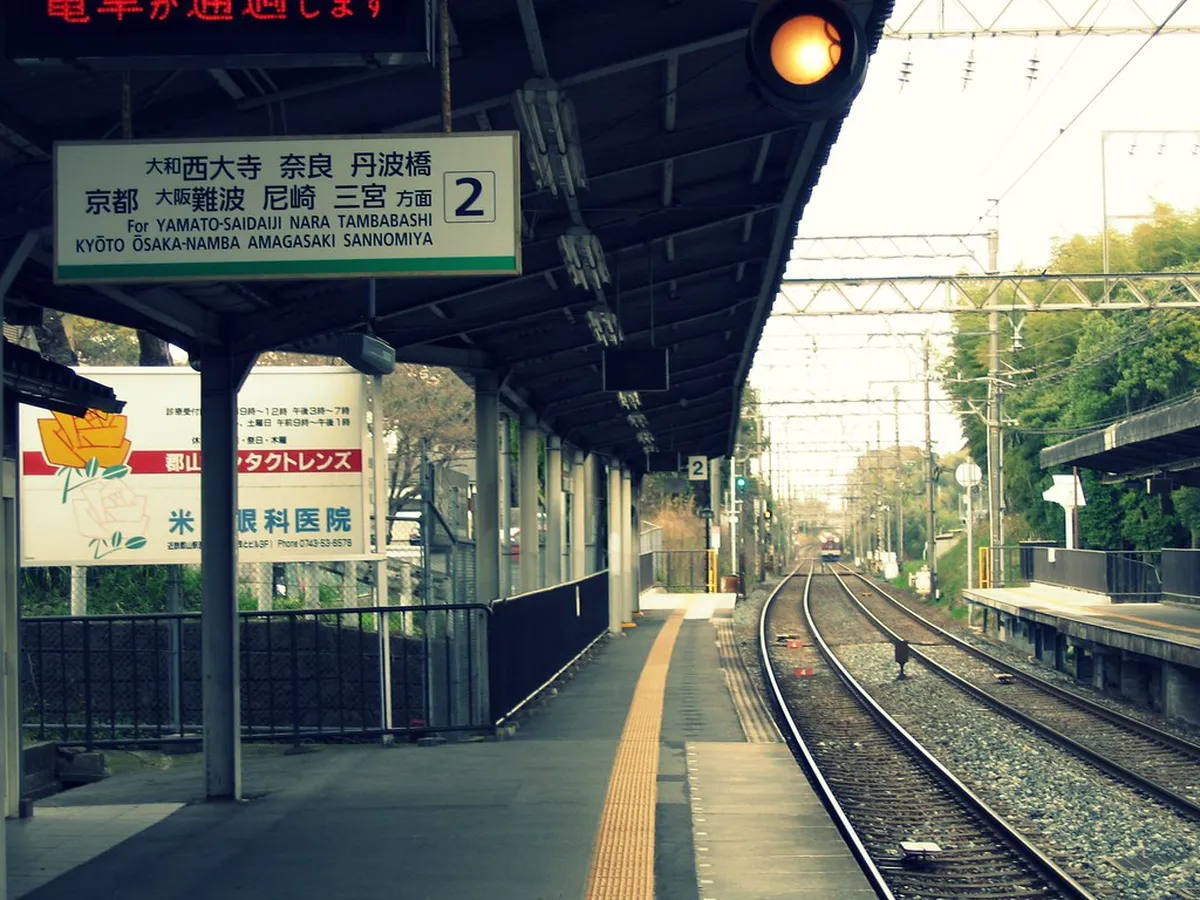
Both Osaka and Kyoto are easy jumping-off points, but the train line you choose matters more on festival day than on a normal visit. Kintetsu Nara Station puts you a five-minute walk from the park entrance. JR Nara Station requires a 20-minute walk or a bus. On a cold January evening with crowds spilling onto the streets, that difference is significant.
From Osaka, take the Osaka Loop Line to Tsuruhashi Station, then transfer to the Kintetsu Osaka Line bound for Kintetsu Nara. The journey takes around 40 minutes and costs approximately 680 yen. From Kyoto, the Kintetsu Kyoto Line runs direct to Kintetsu Nara in about 45 minutes for 710 yen. If you hold a Japan Rail Pass, JR Nara is covered — factor in the longer walk and plan to arrive earlier to compensate.
| Route | Journey time | Cost | Walk to park | Best for |
|---|---|---|---|---|
| Kintetsu from Osaka (via Tsuruhashi) | ~40 min | 680 yen | 5 min | Most visitors |
| Kintetsu from Kyoto | ~45 min | 710 yen | 5 min | Most visitors |
| JR Nara Line from Kyoto | ~45 min | 720 yen (or JR Pass) | 20 min | JR Pass holders |
Trains back to Osaka and Kyoto become extremely crowded the moment the fire starts to die down. One practical move: linger for a late yatai dinner and let the first wave of commuters clear out. Using an IC card (Suica or ICOCA) speeds up both boarding and the return journey — you will not want to be hunting for the ticket machine in a queue of thousands. Our Nara Transportation Guide: 8 Essential Ways to Get Around covers IC card setup and other line options in more detail.
Visiting Todaiji Temple and the Great Buddha
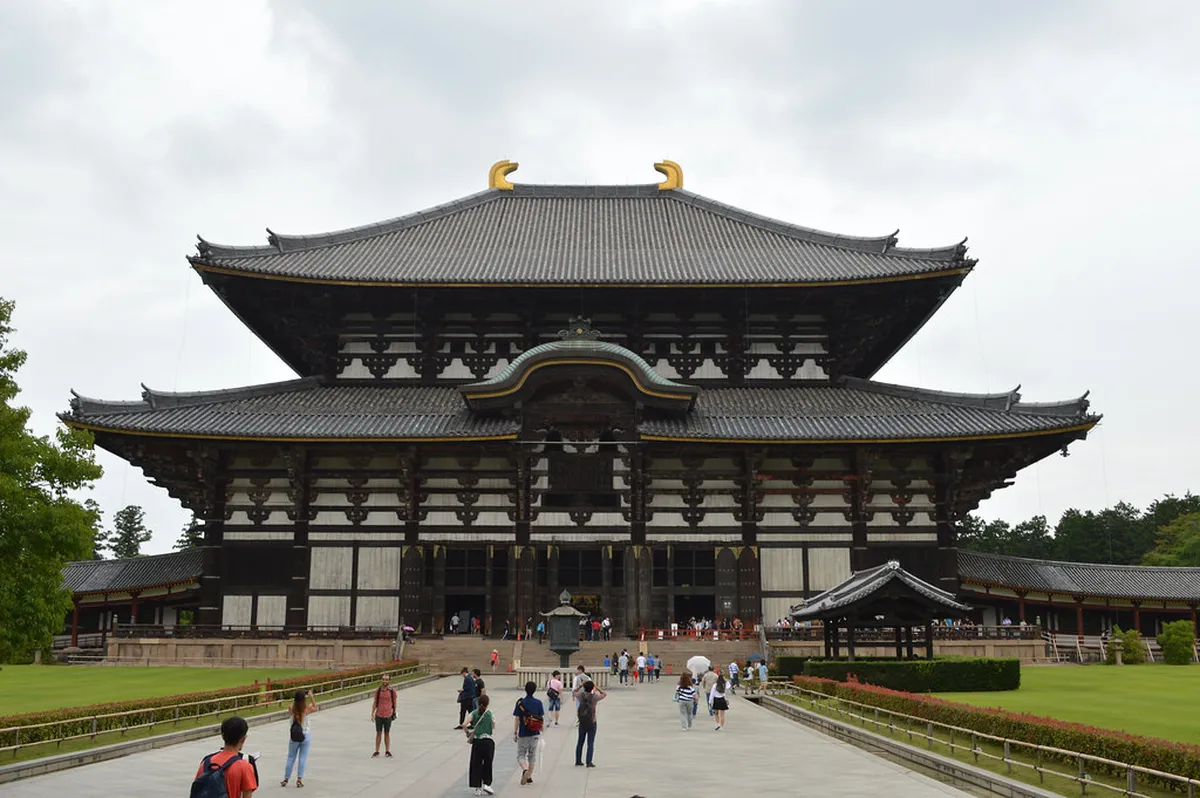
No visit to Nara is complete without seeing Todaiji Temple. The main hall — the Daibutsuden — is the world's largest wooden building, and it houses a 15-metre bronze Buddha that dominates the interior. The structure standing today dates from 1692 and is already a reconstruction at two-thirds of the original scale, which makes the size of the original temple almost impossible to comprehend. Entry costs 600 yen for adults.
On festival day, aim to enter the Daibutsuden before 15:00 to beat the pre-fire rush. The Nandaimon gate that leads into the complex is flanked by two enormous guardian statues — look closely through the protective mesh as you pass through. Inside the hall, beyond the great Buddha, there is a small wooden pillar with a hole bored through its base. Local tradition holds that squeezing through it earns you enlightenment in your next life; children attempt it, adults mostly photograph the attempt.
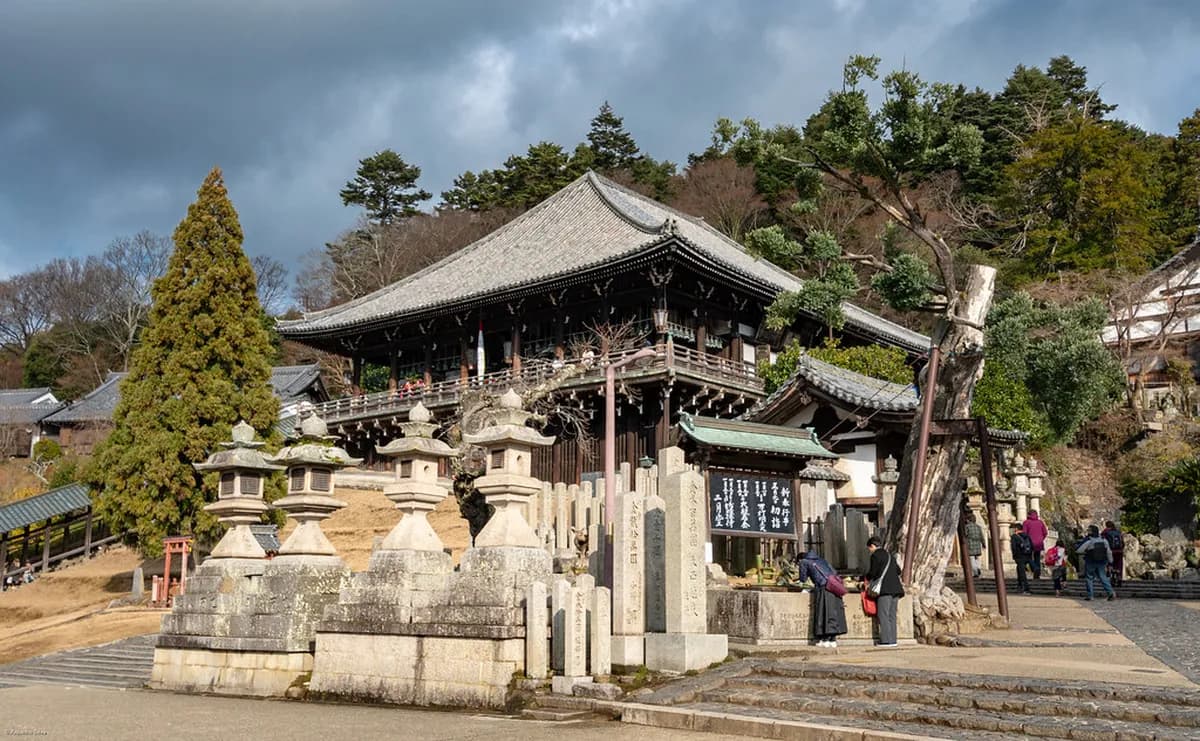
The temple has a direct ceremonial link to the fire festival. Monks from Todaiji participate in the torch-lighting procession at the base of Wakakusa each year, carrying those torches up to Nogami Shrine where prayers for protection from natural disasters are offered before ignition. Walking through the ancient halls in the afternoon gives the evening fire a different weight — you understand that the fire is not just a spectacle but part of a living religious calendar that has run for centuries. The Todaiji Temple visiting guide covers the full complex, including Nigatsu-do Hall, which has a free balcony with one of the best views over Nara's rooftops.
Nara Park and the 1,200 Wild Deer
Nara Park is home to more than 1,200 free-roaming sika deer, considered messengers of the gods in the Shinto tradition. They wander the paths, the temple grounds, and occasionally the streets with complete indifference to traffic. The park is also the gathering point between Kintetsu station, Todaiji, and the slope of Mount Wakakusa — meaning you will spend a significant part of the day walking through it.
Deer crackers (shika-senbei) are sold by vendors throughout the park for 150 yen a bundle. The well-mannered deer will bow to request food; the less well-mannered will simply grab the bag out of your hand. Keep crackers hidden until you are ready to feed, and distribute them one at a time to avoid being mobbed. Avoid feeding the deer human food — it disrupts their diet and is prohibited by park rules. Our Nara Deer Park Guide covers the feeding etiquette and the best areas for photography in more detail.
Between 13:00 and 15:00 on the day of the festival, a giant senbei-throwing contest is held on the grounds near Wakakusa. Competitors who throw a cracker more than 30 metres enter a draw to win a prize. It runs on a small scale, but it is an entertaining and genuinely local activity worth watching while you wait for the afternoon to become evening. Most visitors arriving by midday will catch it without any extra planning.
As the fire starts, the deer generally move away from Wakakusa toward the quieter forest areas near Kasuga Taisha Shrine to the south. If you want your best photographs with the deer, take them in the afternoon before the crowds concentrate around the mountain base.
Top Viewing Locations for the Fire and Fireworks
The base of Mount Wakakusa delivers the most immersive experience. You can feel the heat, smell the burning grass, and hear the crackle of the fire moving up the slope. The downside is that the best base positions fill up by 16:00, and the crowd presses tightly once fireworks begin. If you want that intensity, arrive no later than 15:30 and position yourself close to Nogami Shrine.
For photographs that capture both the fireworks and the burning mountain in a single frame, the area near the Kofukuji Temple five-storey pagoda is the classic choice. From there you get elevation, distance, and enough sky to frame the spectacle cleanly. The reflection of the fire in Sarusawa-ike Pond, south of Kofukuji, is another popular shot — softer crowds and a unique mirror effect. Refer to the Japan-Guide Wakakusa Yamayaki page for a crowd map of the main viewing zones.
If you plan to shoot seriously, bring a tripod and set exposure manually before the fireworks start — there is no time to adjust once the display begins. The fireworks portion lasts only around 15 minutes, so a failed first shot is a meaningful loss. Position yourself before 17:00 to anchor your tripod spot without fighting the crowd. The fire itself burns longer and is more forgiving to capture, but the strongest shots come in the first ten minutes while the flames are highest.
Festival Day Tips: Yatai Food, Cold Weather, and Crowd Management
Street food stalls (yatai) line the paths from Kintetsu Station all the way to the mountain base. Takoyaki, yakisoba, grilled mochi, and hot amazake (a sweet low-alcohol rice drink) are the staples. Hot amazake in particular is worth seeking out — a cup warms your hands for 20 minutes and costs around 300 yen. Our 8 Must-Try Nara Food Specialties: A Local Cuisine Guide covers the broader local food scene beyond the festival stalls.
A word on the games at these stalls: lottery games have extremely low win rates and are not worth the money. The stall operators are experienced at making the prizes look close. Spend on food and on the senbei-throwing contest instead — you get something tangible either way.
January in Nara is genuinely cold, and the mountain area grows noticeably colder after sunset. Temperatures commonly drop to 1–4°C by 18:00, with wind chill amplifying the effect near the exposed slope.
Temperatures near the Wakakusa viewing area drop to 1–4°C after sunset in January, with wind chill making it feel colder on the exposed slope. Wear thermal base layers, a heavy insulated coat, and a hat covering your ears. Disposable hand warmers (kairo) cost around 100 yen at any convenience store and are worth carrying in your pockets throughout the evening.
Plan your departure before the fire fully extinguishes. Leaving at 19:00, when the blaze is still active but starting to subside, lets you catch a train before the main crowd surge. The station gates at Kintetsu Nara get extremely congested between 19:30 and 20:30 as tens of thousands of visitors funnel out simultaneously.
Frequently Asked Questions
What time does the Wakakusa Yamayaki fire start?
The fireworks begin at 6:00 PM, followed immediately by the mountain fire at around 6:15 PM. You should arrive at your chosen viewing spot by 5:00 PM to ensure a clear view. The fire typically burns for 30 to 60 minutes. Check our Nara Day Trip From Osaka: 10 Essential Planning Steps & Stops guide for transport timing.
Is the Nara fire festival cancelled if it rains?
The festival is postponed to the following weekend if weather conditions are severe. Light rain may not stop the event, but the fire will be less dramatic. Always check official local weather reports on the morning of the festival. This policy ensures the safety of all participants and visitors.
Can you see the Yamayaki festival for free?
Yes, viewing the fire and fireworks is free from most public areas in Nara Park. Some premium viewing areas near the mountain base may require a small fee or early reservation. Most travelers find that the free spots offer excellent views of the spectacle. Arriving early is the best way to secure a prime location.
How do you feed the deer in Nara Park during the festival?
You can buy deer crackers from official vendors located throughout the park for a small price. Bow to the deer, and they will often bow back before you give them a treat. Be careful as they can get excited when they see the crackers. Avoid feeding them human food as it can make them very sick.
The Wakakusa Yamayaki is a powerful reminder of Nara's rich spiritual and cultural history. Witnessing the mountain glow against the night sky is an experience you will never forget. Proper planning — the right train line, an early arrival, warm layers, and a flexible backup day — is the difference between a frustrating crowd experience and a genuinely memorable winter evening.
From the giant Buddha to the friendly deer and the senbei contest in the afternoon, Nara offers magic at every hour of the day. Book transport and accommodation early; this is one of the most popular winter events in western Japan and fills up fast. Enjoy the warmth of the flames and the hospitality of this ancient city.
Free: The Nara Essentials guide
Top things to do, where to stay, a perfect day plan, getting around, and the best time to go — a Nara mini-guide you can take offline.
You might also like

Continue reading
More guides you'll find useful