8 Must-Try Nara Food Specialties: A Local Cuisine Guide (2026)
Discover the best Nara food specialties with our guide to local cuisine. From persimmon leaf sushi to sake lee pickles, explore Nara's unique flavors.
On this page
Traditional Nara shops often open around 10:00–11:00 and close by 17:00–18:00. Plan your food stops before the late afternoon to avoid finding shuttered fronts after Kasuga Taisha.
After my third visit to Nara, I realized that many travelers leave after the deer park and temples without tasting the city's deeper identity. Nara food is not loud like Osaka street food or polished like Kyoto kaiseki. It is older, quieter, and built around preservation, pure water, mountain produce, and temple cooking.
This 2026 Nara food specialties guide focuses on the dishes that define the Yamato region: persimmon leaf sushi, Narazuke pickles, Miwa somen, chagayu, Yoshino kuzu sweets, Yamato beef, local sake, and persimmon delicacies from Gojo. The old saying "Nara ni umai mono nashi," or "there is no delicious food in Nara," misses the point.
If you are planning a Nara Day Trip From Osaka: 10 Essential Planning Steps & Stops from Osaka, choose one sit-down meal and one portable specialty before you arrive. Many traditional shops close by 17:00 or 18:00, and some family-run restaurants shut on Tuesday or Wednesday.
Why Nara Food Tastes Different
Nara was Japan's first permanent capital, but it is also landlocked. That shaped a cuisine based on keeping food safe before refrigeration: vegetables were buried in sake lees, fish was salted and wrapped in leaves, and mountain starches were refined with exceptionally clean water. The result is food that tastes preserved, aromatic, and earthy rather than flashy.
The famous Saba-kaido, or Mackerel Road, explains why fish became part of inland Nara cooking. Salted mackerel traveled from the Kumano-nada Sea toward the Yoshino area, where locals pressed it onto rice and wrapped it in persimmon leaves for festivals. The tannins in the leaves helped slow spoilage and gave kakinohazushi its signature fragrance.
Temple culture mattered just as much. Around Todaiji and the old Yamato region, simple meals such as chagayu used tea, rice, and seasonal sides to stretch ingredients without waste. Before visiting the Great Buddha on a route like the Todai-ji Temple Visiting Guide, a bowl of tea porridge gives useful context. This style of eating also connects to Kyoto's temple cuisine traditions.
Narazuke (Sake Lee Pickles)
Narazuke are vegetables pickled for months or years in sake lees, the thick kasu left behind after sake brewing. White gourd is the classic version, but Nara shops also sell cucumber, ginger, melon, burdock root, carrot, and sometimes persimmon. The color is deep brown, the texture stays crunchy, and the aroma is sweet, salty, and noticeably alcoholic.
This is one of the clearest links between Nara cuisine and Heijo-kyo, the ancient capital. Early versions were called kasuzuke on Wikipedia because the lees from unrefined sake were used to preserve vegetables. In 2026, the best way to try them is still with plain rice, where the intensity makes sense.
For a first taste, look for Mori Nara-zuke or another specialist around Naramachi rather than buying the cheapest station pack. Small souvenir packs usually cost ¥800 to ¥1,800 depending on the vegetable and aging time. Ask for a sample if available, because Narazuke can be too strong for travelers expecting a light pickle.
Kakinohazushi (Persimmon Leaf Sushi)
Kakinohazushi is Nara's most recognizable food specialty: pressed rice topped with salted fish, then wrapped in a persimmon leaf. The leaf is not normally eaten. It perfumes the rice and reflects the older preservation method that made seafood possible in a mountain and basin region.
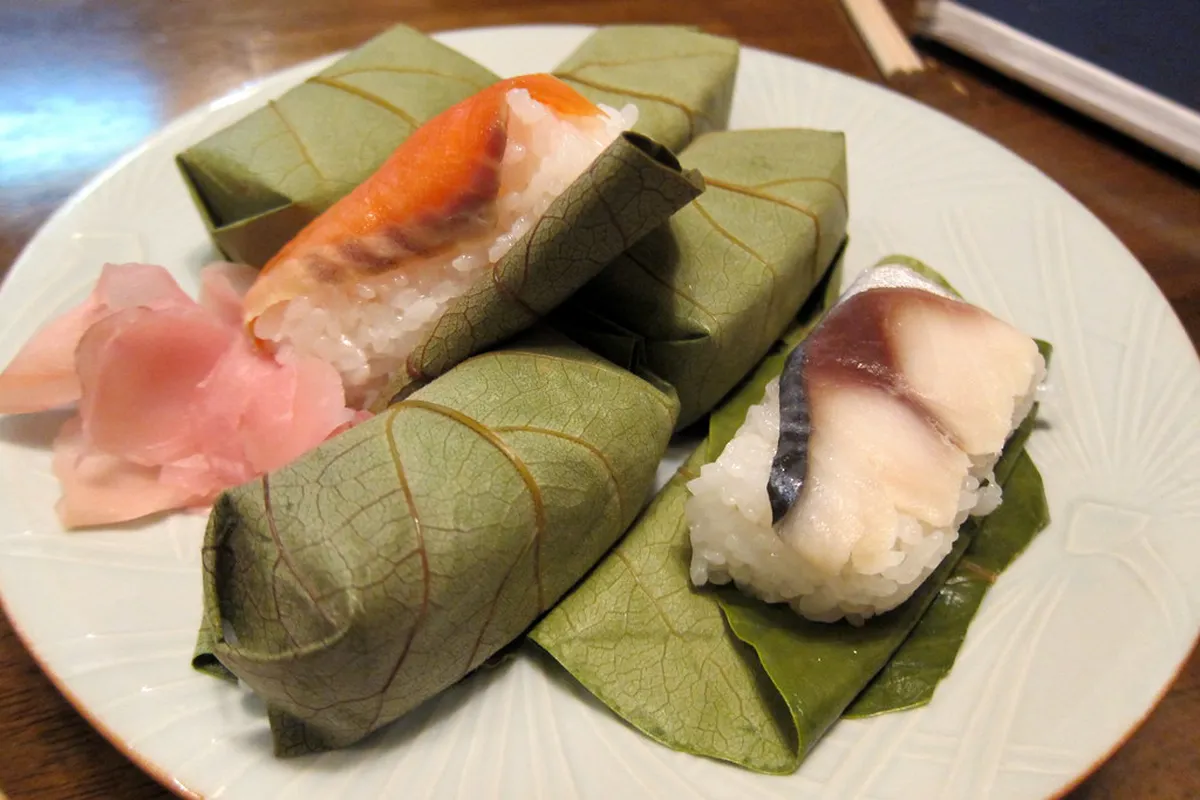
Mackerel is the most traditional choice because of the Saba-kaido history. Salmon is milder and more approachable for first-timers, while sea bream tastes cleaner and is often used in premium boxes. Shrimp, eel, and seasonal versions appear at larger shops, but a mackerel and salmon mixed box is the safest first order.
Izasa and Kakinohazushi Yamato are reliable names, and shops near Nara Park or major stations make this easy to buy before a train ride. Expect ¥1,200 to ¥2,500 for a small meal set or boxed selection. If you are using a longer Nara Itinerary 2 Days: The Ultimate Guide to Japan's Ancient Capital, compare a station box with a Gojo or Yoshino restaurant set.
- Mackerel has the strongest cured flavor and best expresses the old preservation style.
- Salmon is softer and sweeter, making it the easiest version for children or cautious eaters.
- Sea bream is lighter and more refined, but it usually costs more and sells out faster.
Miwa Somen (Hand-Stretched Noodles)
Miwa somen are very thin wheat noodles associated with the Miwa district near Mt. Miwa in Sakurai. The craft is often described as more than 1,200 years old, and the best noodles have a springy texture despite looking delicate. Their clean flavor depends on skilled stretching, careful drying, and the water of the Yamato region.
Summer and winter preparations are different. In hot weather, order cold somen dipped into a light tsuyu sauce, often with ginger, scallion, or myoga. In winter, ask for nyuumen, the warm version served in a clear dashi broth with mountain vegetables or simple garnishes.
Miwa Yamamoto is the classic name for travelers who want a specialist meal, though some restaurants in Nara City also serve Miwa somen at lunch. A bowl or set usually costs ¥1,000 to ¥2,000, and many shops operate roughly 11:00 to 16:00. Check transport before committing to Sakurai, because the best noodle stops sit outside the main park loop covered in a typical Nara Transportation Guide: 8 Essential Ways to Get Around.
Chagayu (Roasted Green Tea Porridge)
Chagayu is rice porridge cooked with roasted green tea. It is simple, soupy, and fragrant, with a nutty aroma that makes it more interesting than plain okayu. Nara tradition connects it to monks around Todaiji, and older local sayings describe mornings in Yamato beginning with tea porridge.
The dish makes the most sense at breakfast or as part of a traditional set meal. Ryokan and older restaurants may serve it with Narazuke, seasonal vegetables, tofu, grilled fish, or small simmered dishes. The flavor is gentle, but the side dishes add salt and texture.
If you want to try several specialties without arranging a separate food tour, book one night at a traditional inn from a guide such as 9 Best Nara Ryokans for First Timers. Breakfast is often the easiest place to find chagayu in a natural setting. For lunch, look for tea houses and restaurants near Naramachi or the older temple areas, with sets usually around ¥1,500 to ¥3,000.
Kuzukiri and Kuzumochi (Yoshino Kuzu Sweets)
Yoshino kuzu is a refined starch made from kudzu root, valued for its clarity, texture, and clean finish. The Yoshino area has cold weather and pure water suited to traditional refining, which is why Nara's kuzu sweets are treated seriously. When mixed with hot water, the starch turns translucent and slightly shimmering.
Kuzukiri are clear noodle-like strips, usually dipped in kuromitsu black sugar syrup. Kuzumochi are softer dumplings with a gentle chew. Both are best eaten immediately, because fresh kuzu changes texture as it cools and can turn cloudy within minutes.
Nakai Shunpudo is the key stop for travelers who want the process, not just the sweet. The shop is known for fresh kuzu sweets and hands-on experiences where visitors can make and eat them right away. Budget about ¥1,000 to ¥1,800 for a fresh order, and reserve ahead for workshops during busy 2026 weekends.
Yamato Beef and Heirloom Vegetables
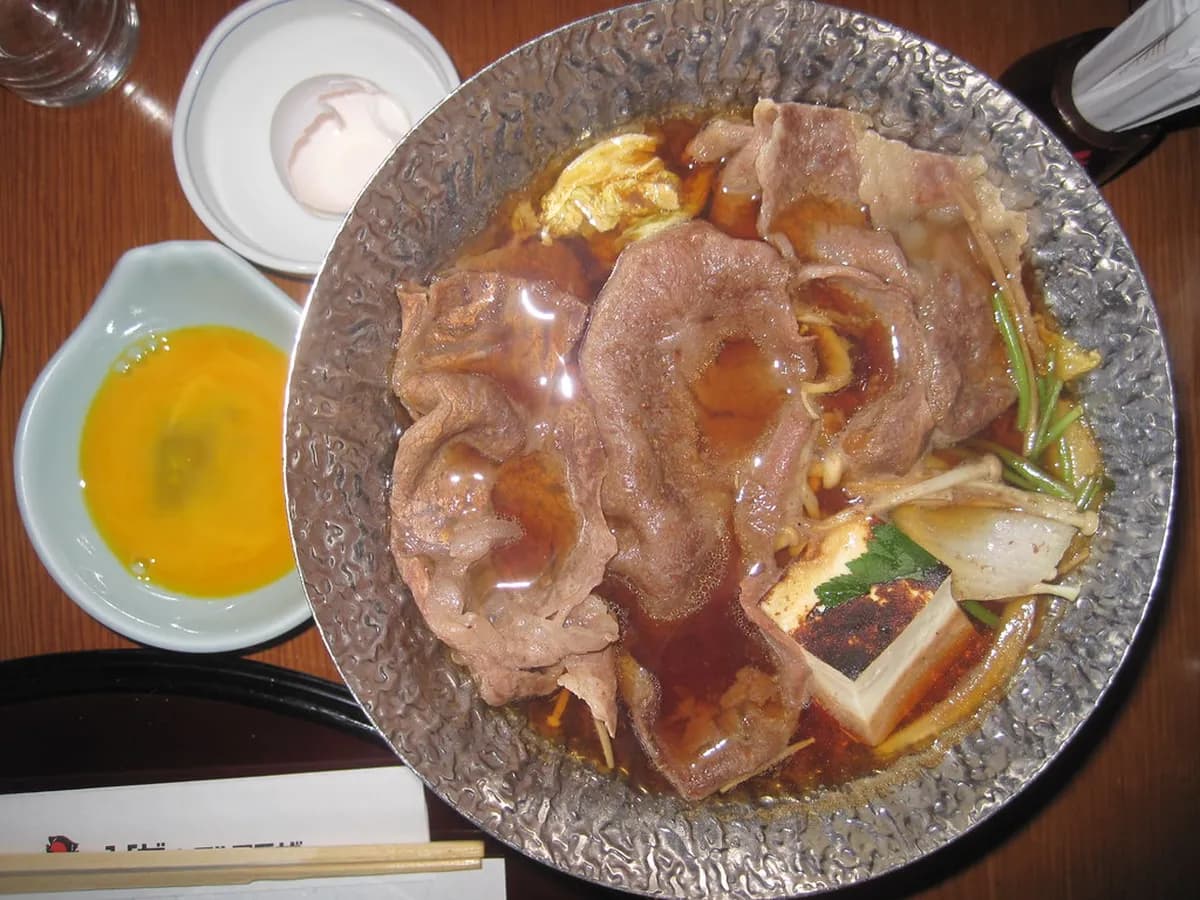
Yamato beef gives Nara a richer specialty for travelers who want something beyond preserved foods and noodles. It is a local wagyu known for marbling, tenderness, and a rounded sweetness. Steak houses serve it simply, but sukiyaki or shabu-shabu can be more memorable because the broth also highlights local vegetables.
Yamato vegetables are the quieter half of this meal. Traditional produce such as Yamato mana greens, round eggplant, local taro, and seasonal mushrooms often appear in ryokan dinners, lunch sets, and small kappo-style restaurants. These ingredients explain why Nara food can feel subtle rather than bland.
For lunch, look for Yamato vegetable set meals around Naramachi or near the station. For beef, reserve dinner and expect ¥5,000 to ¥15,000 per person depending on the cut and course size. Pair this with a stay at the best restaurants in Nara for the full dining experience. If your route is temple-heavy, schedule this for the evening after the day crowds leave the park.
Nara Sake (The Birthplace of Seishu)
Nara is widely associated with the birth of refined sake, or seishu. Brewing techniques developed at Shoryaku-ji Temple helped shape clearer, more controlled sake production, and the region still treats sake as part of its cultural identity. Omiwa Shrine in Sakurai is also tied to sake worship, drawing brewers for rituals connected to the brewing season.
Harushika Brewery in Naramachi is the easiest tasting stop for most visitors. A small tasting flight is usually inexpensive, often around ¥500 to ¥1,000, and it lets you compare dry, aromatic, and seasonal bottles without committing to a full bar visit. Exploring the Naramachi Old Town Walking Guide pairs well with a brewery stop because the area keeps its old wooden storefront atmosphere.
Sake also connects back to Narazuke. The lees that remain after brewing are not waste here; they become the bed for pickling vegetables and can appear in soups or seasonal dishes. If you visit in winter, ask whether a brewery or shop has fresh sake kasu for sale, but pack it carefully because the aroma travels.
Narazuke pickles have a noticeable alcoholic aroma from months of aging in sake lees. Ask for a sample before buying a full pack — the intensity surprises travelers expecting a light vegetable pickle.
Persimmon Delicacies from Gojo
Gojo is one of Nara's important persimmon areas, and autumn makes the connection visible when fruit is hung to dry. Persimmons appear in more forms than most visitors expect: dried hoshigaki, jellies, leaf tea, vinegar, jam, butter, wine, and sweets wrapped around yuzu peel. The flavor ranges from fresh and lightly astringent to dense and honeyed.
These products are useful because they bridge local agriculture and practical souvenir shopping. Fresh persimmons are seasonal and harder to carry, but dried fruit, tea, vinegar, and boxed sweets travel well. Prices vary widely, though small sweets and condiments often sit between ¥500 and ¥2,000.
If you are not visiting Gojo, check Nara Station shops, department store food floors, and specialty counters near Nara Park. In autumn and early winter, hoshigaki is the standout choice. Outside that season, persimmon tea or jelly is easier to find and less fragile.
Food Souvenirs That Travel Well
Nara's preservation-heavy food culture is useful for travelers because many specialties survive a train ride or hotel transfer. Narazuke is the most durable option, especially vacuum-packed gourd or ginger. Persimmon leaf sushi can work for same-day travel, but it should be eaten within the shop's stated window and kept out of heat.
For gifts, choose sealed persimmon sweets, Yamato tea, kuzu powder, or packaged kuzumochi instead of fresh kuzukiri. Sake is a good purchase if your luggage allows liquids, but check airline and customs rules before buying full bottles. Smaller breweries often sell compact bottles that are easier to pack than standard 720 ml sizes.
Avoid relying on decorative deer cookies as your main food memory of Nara. They are easy to find but rarely show what the region does best. A better souvenir set is one pack of Narazuke, one persimmon product, and either Miwa somen or Yoshino kuzu for cooking at home.
Essential Tips for Your Nara Food Tour
| Specialty | Typical price | Best place to try |
|---|---|---|
| Kakinohazushi (persimmon leaf sushi) | ¥1,200–¥2,500 | Izasa or Kakinohazushi Yamato near station |
| Narazuke (sake lees pickles) | ¥800–¥1,800 per pack | Specialist shop in Naramachi |
| Miwa somen (hand-stretched noodles) | ¥1,000–¥2,000 | Miwa Yamamoto or Nara City lunch spots |
| Chagayu (roasted green tea porridge) | ¥1,500–¥3,000 set | Naramachi tea houses or ryokan breakfast |
| Kuzukiri / kuzumochi (Yoshino kuzu sweets) | ¥1,000–¥1,800 | Nakai Shunpudo (reserve ahead) |
| Yamato beef (local wagyu) | ¥5,000–¥15,000 dinner | Naramachi steak or sukiyaki restaurants |
| Harushika sake tasting flight | ¥500–¥1,000 | Harushika Brewery, Naramachi |
| Persimmon sweets (hoshigaki, jelly, tea) | ¥500–¥2,000 | Nara Station shops or Gojo in autumn |
Build your food plan around opening hours. Traditional shops often start around 10:00 or 11:00 and close by late afternoon, while dinner-focused beef restaurants need reservations. If you only have one day, eat Miwa somen or kakinohazushi for lunch, then buy Narazuke or persimmon sweets before the shops close.
Do not judge Nara food by intensity alone. Some dishes, such as Narazuke and aged mackerel sushi, are powerful. Others, such as chagayu, kuzu sweets, and Yamato vegetables, are intentionally restrained. The appeal is the contrast between preserved flavor, clean water, and seasonal produce.
For the smoothest route, keep food stops close to your sightseeing path unless you have two days. Naramachi works well for sake, pickles, tea, and traditional meals. Sakurai and Miwa are better for somen, while Gojo and Yoshino deepen the story behind persimmons, kuzu, and kakinohazushi.
Explore Nara Food and Dining
Use these guides to compare local dishes, dining areas and practical food experiences in Nara.
Building the rest of the trip? Our Nara attractions guide covers the sights, districts and logistics around this guide.
Frequently Asked Questions
What is the most famous food in Nara?
Kakinohazushi, or persimmon leaf sushi, is widely considered the most famous dish in Nara. It features salted mackerel or salmon pressed onto rice and wrapped in a leaf for preservation. You can find it at many shops near the main train stations.
Is Nara the birthplace of Japanese sake?
Yes, Nara is officially recognized as the birthplace of refined sake, or Seishu. The Shoryaku-ji Temple developed the first large-scale brewing techniques during the 15th century. Today, the Naramachi district is home to several historic breweries offering tastings.
What are Narazuke pickles made of?
Narazuke pickles are made by marinating vegetables like shirouri (white gourd) in sake lees, the byproduct of sake production. The process can take up to three years, resulting in a dark, crunchy pickle with a strong alcoholic aroma. They are a popular local souvenir.
Pair this with our broader Nara attractions guide for the full city overview.
Nara's food scene is a hidden gem that rewards those who look past the surface-level tourist attractions. By trying these eight specialties, you gain a deeper understanding of the region's history and its connection to the land. Whether you are sipping refined sake or enjoying a quiet bowl of tea porridge, the flavors of Nara are unforgettable.
Don't forget to pick up some persimmon leaf sushi for your journey home to extend the experience. The combination of ancient tradition and high-quality local ingredients makes Nara a must-visit destination for any serious food lover in Japan.
Free: The Nara Essentials guide
Top things to do, where to stay, a perfect day plan, getting around, and the best time to go — a Nara mini-guide you can take offline.
You might also like


Continue reading
More guides you'll find useful