12 Best Places to Eat in Niseko: A Complete Food Guide (2026)
Discover the ultimate Niseko food guide. From Ezo Seafoods to hidden ramen spots, we cover the 12 best restaurants, reservation tips, and mountain eats.
On this page
After five winter seasons exploring the powder fields of Hokkaido, I have found that the dining scene here is as legendary as the snow.
Niseko has evolved from a quiet cluster of farms into a world-class culinary destination where Michelin stars meet humble ramen stalls. This niseko food guide draws on years of personal experience to help you navigate the crowded villages and hidden mountain gems.Finding a table during the peak winter weeks requires more than just luck; it requires a calculated strategy. This guide was last refreshed in May 2026 to ensure all pricing, booking windows, and restaurant statuses are current for your trip. Whether you are looking for a quick bite between runs or a multi-course crab feast, the variety here is staggering.
Hokkaido's rich volcanic soil and cold coastal waters provide ingredients that are arguably the best in all of Japan. Prepare your palate for creamy dairy, succulent lamb, and seafood so fresh it barely needs seasoning.
Essential Niseko Food Specialties to Try
Hokkaido is often called the breadbasket of Japan due to its massive agricultural output and high-quality livestock. Dairy is a particular point of pride, with local cows producing milk that is remarkably rich and sweet. You must try the local soft-serve ice cream and cheese tarts, which utilize this fresh dairy to create world-famous desserts.
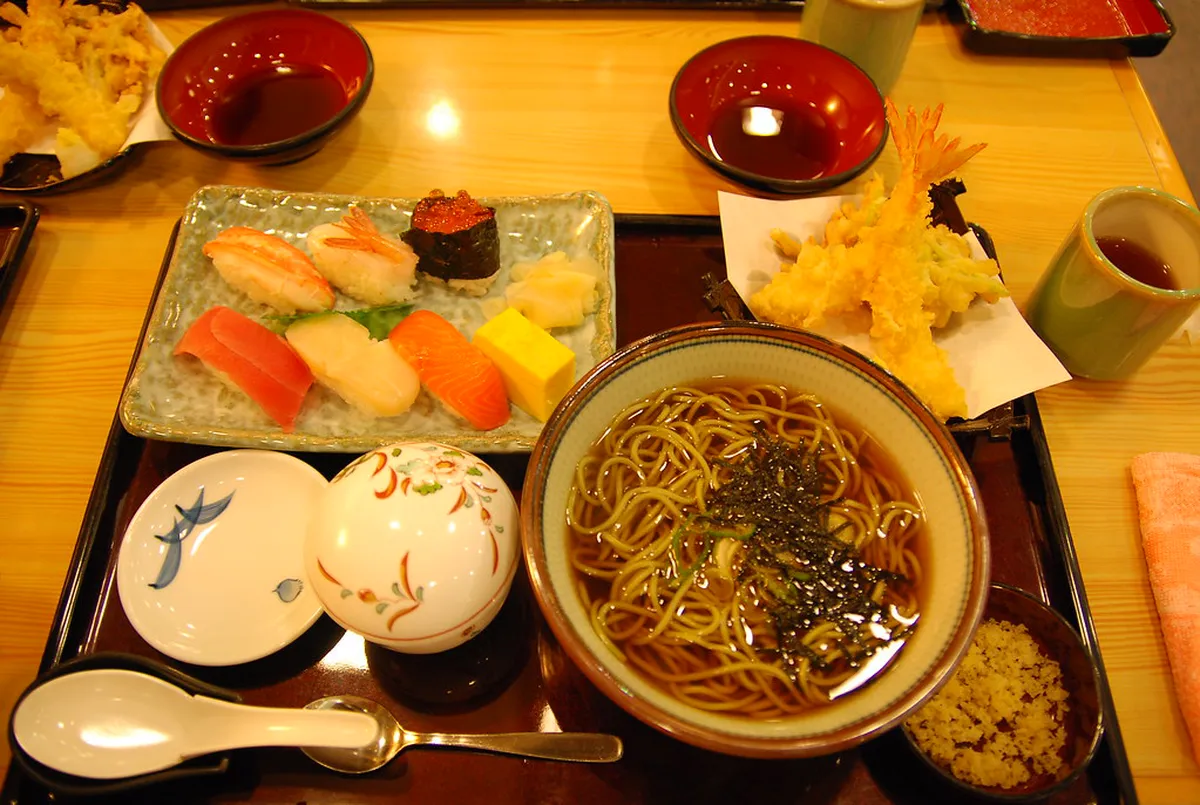
Genghis Khan is another regional staple that every first-time visitor should experience during their stay. This dish consists of succulent lamb or mutton grilled on a convex metal skillet with heaps of local vegetables. The meat is typically lean and tender, providing a hearty meal that is perfect for recovering after a long day of skiing the deep powder.
Seafood lovers will find themselves in paradise thanks to the proximity of the Sea of Japan and the Pacific Ocean. Hokkaido crab, particularly the King and Snow varieties, is a seasonal delicacy that draws foodies from across the globe. Uni, or sea urchin, is another must-try item that tastes significantly creamier and fresher here than in Sapporo's urban centers.
Ezo Seafoods: Fresh Seafood & Takeaway
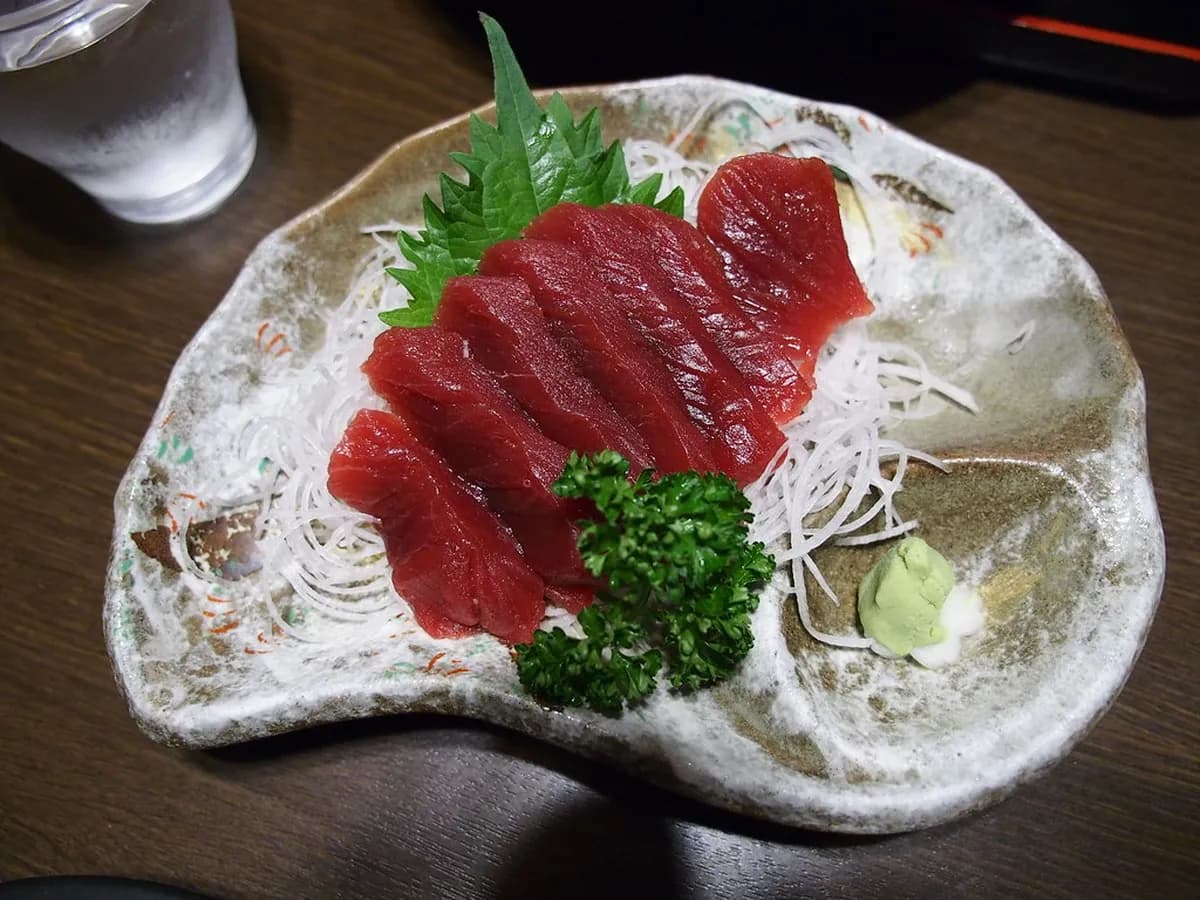
Ezo Seafoods is the premier destination for fresh Hokkaido oysters, crab, and sashimi platters in Niseko, and since the pandemic the operation has shifted to a takeaway-only model. The owner James runs a lean team offering premium edomae sushi, chirashi, and wine for collection from their Hirafu location. You get high-quality fish at a price point that is still reasonable by Japanese ski resort standards.
The custom chirashi platter overflowing with uni, ikura, fatty tuna, and Hokkaido scallops is the standout order. Message them at least one week in advance to secure it; last-minute orders generally receive smaller standard boxes. If you want a wooden sushi boat for a special lodge dinner, request that at the time of booking too.
The venue operates from 17:00 to 21:00 during the winter season only. On peak weeks in January and February, slots for popular platter combinations fill within hours of opening. Budget roughly ¥6,000–¥15,000 per person depending on market prices for the premium cuts.
Niseko Milk Kobo: Hokkaido Dairy & Tarts
Niseko Milk Kobo is the essential dairy stop in the region, situated at Takahashi Dairy Farm near Niseko Village. The cheese tarts here — both regular and chocolate — are exceptional, with a filling that oozes from a buttery shortbread crust. On clear days the farm sits with a full view of Mount Yotei, which makes the stop feel like more than just a snack break.
The Hokkaido milk and uji matcha soft-serve are equally worth your time, and the drinkable yogurt in glass bottles is a travel-friendly probiotic hit before a long day on the slopes. Individual items cost between ¥400 and ¥1,200, making this one of the most affordable and rewarding stops on the entire food trail. Hours are 10:00 to 17:00 in winter; arrive by 15:00 because the popular tarts sell out most afternoons.
Niseko Ramen Potera: Famous Potato Ramen
Niseko Ramen Potera has relocated from its original Hirafu spot to operate as a one-man show, but the potato ramen is every bit as good as the original.
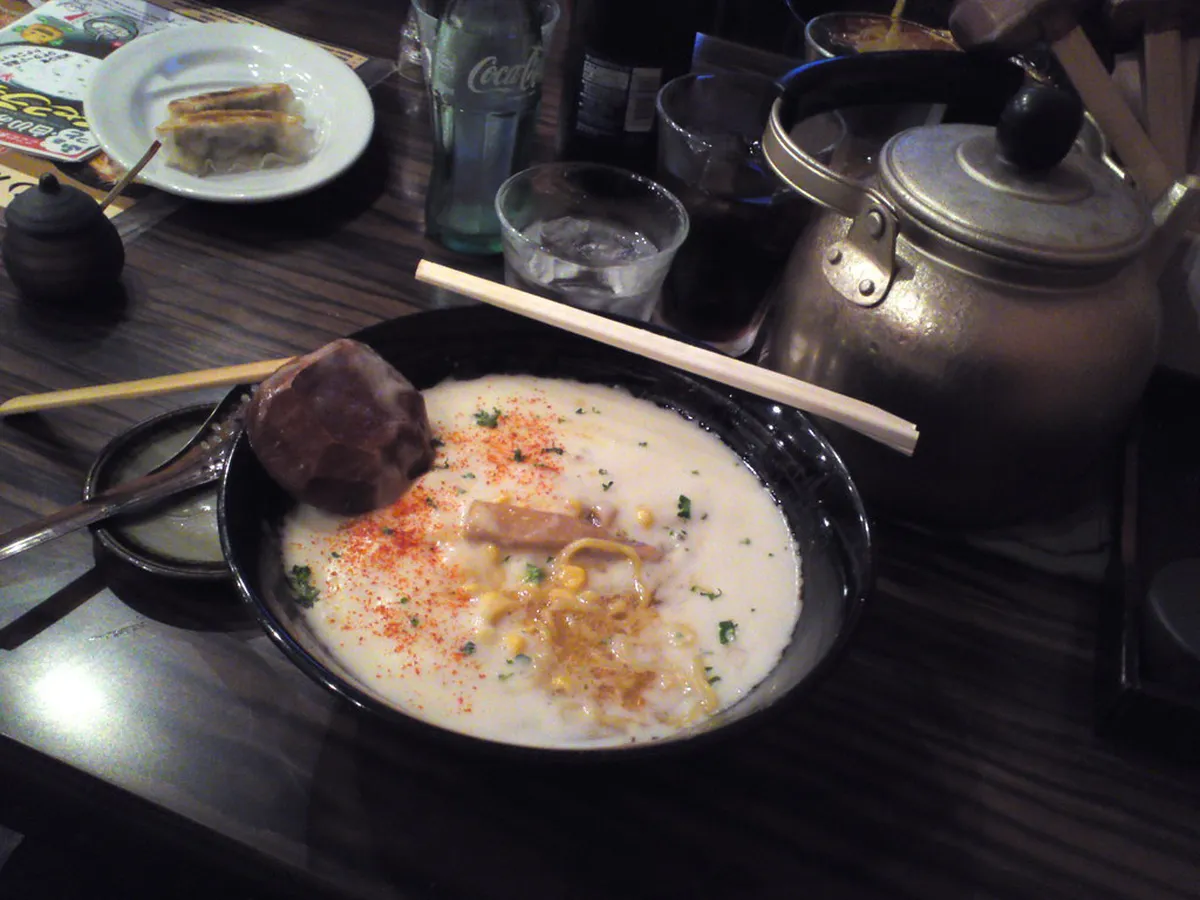
The 'Kutchan Ramen' features a frothy potato foam on top that amplifies the savory depth of the broth. The owner previously had long queues; the new location is quieter but still fills up fast at lunch. Arrive before noon or plan for an early dinner sitting to avoid a wait. Noodles are made from 100% Hokkaido wheat, which gives them a firmer, nuttier chew than standard ramen.
Baby Crosta at Niseko-Yo: Top-Tier Pizza
Baby Crosta is an import of Manila's top-ranked pizzeria Crosta, and the Niseko outpost sits right at the base of the Niseko Village mountain. The light, crispy Roman-style pies use Japanese premium flour and rotate toppings based on seasonal Hokkaido produce. The maitake mushroom slice is a reliable standout; the housemade A5 wagyu pancetta topping on the omakase menu is genuinely impressive.
Upstairs, sibling chefs Yuichi and Naomi Ito run a pizza omakase that pulls from Yuichi's training at Tokyo's Pizza Bar on 38th. The format blends pizza courses with small dishes featuring Hokkaido ingredients. Book the omakase by DM well in advance; seats are limited and go fast once the season opens. Standard pizzas cost ¥2,500–¥4,500; the omakase is a separate reservation and priced at market rate for the season.
Bang Bang: Iconic Hirafu Yakitori
Bang Bang is the most reliably beloved izakaya on the main road in Hirafu, running for decades and serving grilled skewers to hungry skiers alongside a deep menu of market-price specials. The yakitori master grills everything over charcoal with the kind of focused attention that makes each skewer worth savoring. Expect to spend ¥5,000–¥10,000 per person for a full spread with drinks.
The A4 wagyu beef steak, butter corn, mushroom roll, and kawa chicken skin skewers are the standout orders. Grilled Hokkaido scallops showcase the quality of local shellfish perfectly. Reserve at least three months in advance for peak January and February dates — this is not an exaggeration. Walk-ins are essentially impossible during the busy season, and the cancellation list fills quickly too.
Crab Dining Kanon: Premium Hokkaido Crab
Crab Dining Kanon specializes in multi-course crab feasts, running through seven courses that move from hairy crab
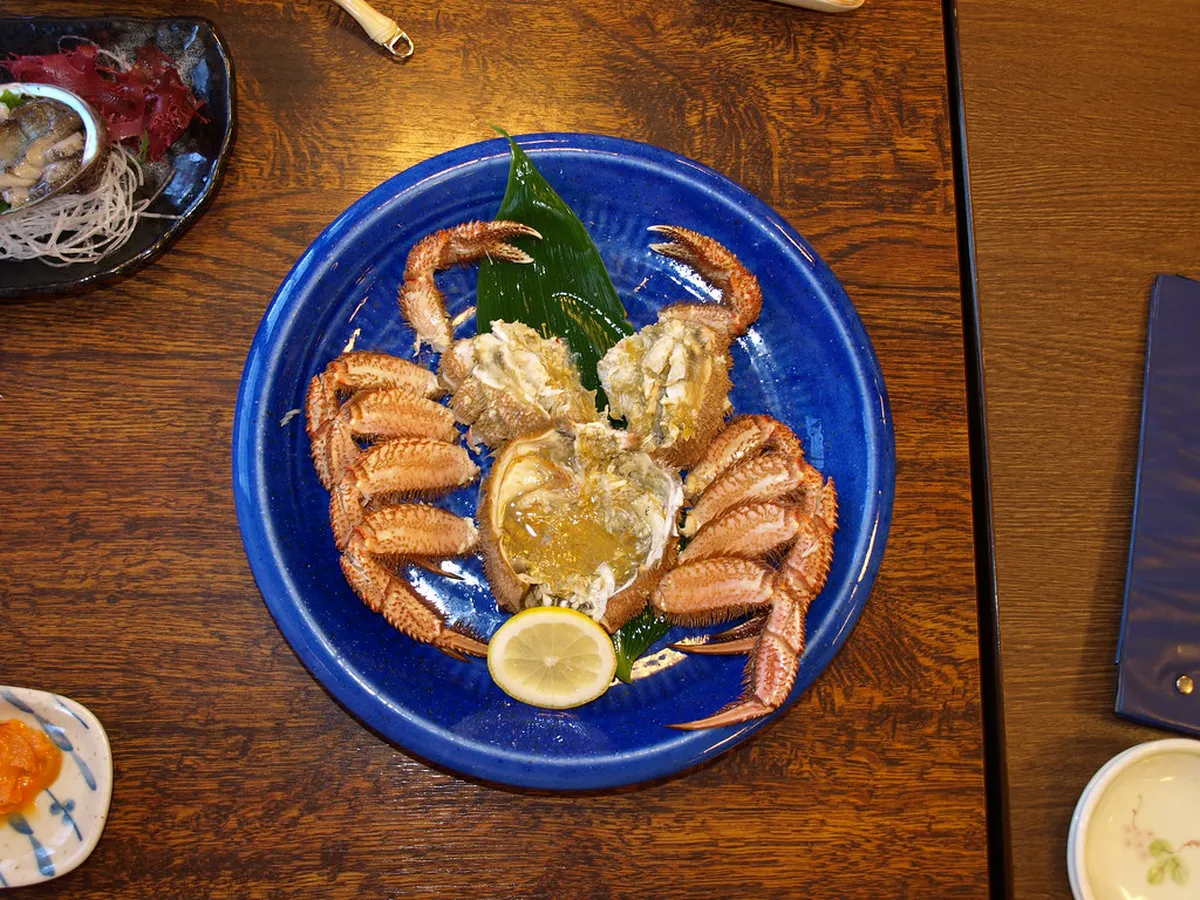
Reservations are required and handled via Crab Dining Kanon's TableCheck page, with sittings between 17:00 and 21:30. Portions are intentional rather than enormous, but the progression is designed so you leave satisfied. Wear comfortable clothing — this is a meal to eat slowly over two hours, not a quick dinner stop.
Rakuichi: Authentic Handmade Soba
Rakuichi started as a 16-seater soba house where chef Tatsuru Rai hand-pulled buckwheat noodles in front of his guests, with a menu of exactly one dish: soba, cold or hot, duck or plain. Today the format has evolved into a nine-course kaiseki anchored by the same handmade soba at its heart. Anthony Bourdain and René Redzepi have both praised it; some call it the best soba in Japan.
The restaurant operates Friday to Tuesday from December through March, with reservations strictly required. Book the moment flights are confirmed — regulars in the region say "first we book Rakuichi, then we book our flights." Kaiseki lunch and dinner are priced in the ¥10,000–¥20,000 range depending on the session and season. The wooden lodge dining room, run by Tatsuru and his wife Midori, creates an atmosphere unlike anything else in the resort.
Best On-Mountain Dining: King Bell Hut & Ace Hill
King Bell Hut sits at the top of the Grand Hirafu Gondola and is the most popular mid-ski lunch stop on the mountain. Hearty bowls of beef, pork katsu curry, miso ramen, and udon cost between ¥1,200 and ¥2,200, delivering good value for food at altitude with slope views from the window tables. The hut operates during lift hours, roughly 09:00 to 15:30; arrive by 11:15 to avoid the noon crush.
Tanta-an, located next to the Grand Hirafu gondola base, is the hidden gem for on-mountain eating. The pork katsu curry is so deeply flavored and soul-warming that frequent visitors eat it multiple days in a row. The big windows frame Mount Yotei perfectly while you eat, and a Sapporo Classic lager alongside the curry is one of the great simple pleasures of a Niseko ski day. Ace Hill Hut at the top of the Ace Quad Lift offers solid ramen with slope views as a quieter alternative to King Bell's crowds.
Most mountain huts require a valid lift pass to access. If you want to eat at King Bell or Ace Hill without skiing, check the resort's pedestrian gondola policy for the day — some sessions allow non-skiers to ride up for a fee. Tanta-an at the base is freely accessible to everyone.
Hirafu Food Trucks: Casual & Budget Eats
The food truck cluster at the Hirafu intersection has grown significantly in 2026, now offering everything from Thai curry to Hokkaido venison burgers, pork burgers, garlic naan, and soup curry. Most trucks open around 17:00 and stay busy until the nightlife scene picks up around 22:00. Meals typically cost ¥1,000–¥2,000, making this the best spot for a cheap and social dinner after the lifts close.
Wood-fired pizza from the truck outside Seicomart is worth knowing about if you cannot make it to Niseko Pizza in Kutchan. Stand near one of the communal fire pits to stay warm while you eat — the outdoor setup is part of the charm, not an inconvenience. Cash is still preferred at several trucks, so keep some yen on hand. Niseko Pizza's Kutchan location also doubles as a good stop during a supermarket run at the MaxValu nearby.
Where to Drink: Niseko's Best Bars & Mixology
The apres-ski bar culture in Niseko is not as frenetic as in European resorts, but there is a genuinely strong cocktail and sake scene built up around Hirafu Village. Bar Haku, part of The Select complex that also houses Yakitori Fujiwara, is consistently praised for its award-winning cocktails and intimate counter seating. Chuya Tea House at the edge of Niseko-yo opens at 15:00 and transitions into a bar by evening, with drinks led by the team from Asia's 50 Best Bar Penrose in Kuala Lumpur — the quality here is well above resort-bar average.
BarGyu+ is the most photographed bar in the resort, accessed through an actual fridge door, and the drinks justify the Instagram fame. Powder Room Niseko draws a later crowd for DJs and what regulars call "caviar shots." Wild Bill's is the straightforward rowdy option if your group wants fireball shots from a shotski after a hard day on the powder. Music Bar Mina Mina rounds out the list for vinyl sets in a quieter, more local-feeling space.
The sake selection in Hirafu's izakayas is worth exploring too. Several bars stock Hokkaido-brewed junmai ginjo that you will not easily find in Tokyo. Ask your server for a local label rather than the national brands — the terroir difference is noticeable and the price is usually lower than imports.
Niseko Dining Logistics: Reservations & Neighborhoods
| Restaurant | Booking Lead Time (Peak) | Price per Person |
|---|---|---|
| Rakuichi | 60–90 days | ¥10,000–¥20,000 |
| Bang Bang | 60–90 days | ¥5,000–¥10,000 |
| Crab Dining Kanon | 30–60 days | ¥18,000+ |
| Baby Crosta omakase | 30–60 days | Market rate |
| Ezo Seafoods (custom platter) | 1 week minimum | ¥6,000–¥15,000 |
| Bion Niseko / Niseko Loft Club | 1–2 weeks | Varies |
| Food trucks / Tanta-an / Milk Kobo | No booking needed | ¥400–¥2,200 |
Understanding the layout of the resort is vital for a smooth dining experience, especially when moving between Hirafu and Niseko Village. Hirafu has the highest density of restaurants and is the center of après-ski activity, while Kutchan town offers more local, affordable prices and is where the supermarkets are. Taxis are notoriously difficult to hail during dinner hours, so book your transport in advance or plan to use the shuttle.
Most high-end restaurants use TableCheck for reservations. The most in-demand spots — Bang Bang, Ezo Seafoods, Rakuichi — open their calendars exactly 30 or 60 days in advance, often at midnight. If you miss the opening window, join the cancellation list by calling the restaurant directly; cancellations happen regularly in resort destinations. Here is a practical booking-lead guide based on 2026 conditions: Rakuichi and Bang Bang require 60–90 days for peak dates; Crab Dining Kanon and Baby Crosta omakase need 30–60 days; Bion Niseko and Niseko Loft Club can often be secured 1–2 weeks out; food trucks, Tanta-an, and Milk Kobo need no booking at all.
The United Shuttle bus runs between villages and is reliable if you have a lift pass. For those without a pass, the local Niseko Area bus is inexpensive but stops running before midnight. Always check the last bus time before committing to a late dinner — the walk back in heavy snow gear is not pleasant. For groups of four or more, splitting a taxi or pre-booking a shuttle is often worth the extra cost.
Niseko Dining in Summer: What Stays Open
Niseko is increasingly promoted as a summer destination in 2026, with hiking, cycling, and rafting drawing visitors from June through September. But the dining landscape changes dramatically once the snow melts, and many travelers arrive expecting the full restaurant scene only to find roughly half of it closed. Knowing which spots operate year-round saves a frustrating evening of wandering.
Year-round operations include Rakuichi (Friday–Tuesday outside the ski season), Niseko Ramen Potera (closed Monday and every other Sunday regardless of season), Niseko Milk Kobo, Yang Shu Ten, and Gogyo at Niseko Village. These form the reliable backbone for a summer visit. Restaurants that are definitively winter-only include Ezo Seafoods Fresh, Bang Bang, Baby Crosta, Crab Dining Kanon, the food trucks, and most of the bars in Hirafu — they typically close between April and November.
Summer dining has its own rewards that winter visitors miss entirely. The Hokkaido lamb season peaks in late summer, corn and potatoes from the surrounding Kutchan fields are extraordinary in August, and fresh uni from the Sea of Japan is available through summer without the premium winter markup. Rakuichi's summer soba is made with buckwheat harvested the previous autumn — arguably at its most nutty and expressive before the new crop arrives. If you are visiting in July or August, book Rakuichi first and build the rest of the trip around what is locally in season.
Managing Dietary Restrictions in Niseko
While Japan is making progress, finding vegetarian or gluten-free options in traditional restaurants can still be a challenge. Many dashi broths contain fish flakes, so be very specific when communicating your needs to the staff. The international food trucks in Hirafu are often the most accommodating for specific dietary requests.
If you have a severe gluten allergy, consider staying in a lodge with a kitchen and shopping at the MaxValu in Kutchan. This supermarket has a wider selection of fresh produce and labeled ingredients than the smaller village convenience stores. Modern fusion spots like Lupicia Restaurant and Moka are well-versed in handling allergies when notified during the booking process.
Vegetarians should note that soba restaurants like Rakuichi can provide a vegetarian dipping sauce with advance notice. Baby Crosta has vegetable-forward options using seasonal Hokkaido produce. Do not assume that 'vegetable' dishes are meat-free in traditional izakayas — small amounts of pork or bonito are common for flavor.
What to Skip: Niseko Dining Pitfalls
The United Shuttle bus runs between Hirafu, Niseko Village, and Annupuri and is reliable with a lift pass. For groups of four or more moving between villages for dinner, splitting a taxi or pre-booking a shuttle is often worth the extra cost. The local Niseko Area bus stops running before midnight — always check the last bus time before committing to a late dinner.
One of the biggest mistakes visitors make is paying for expensive hotel breakfast buffets every morning. While convenient, these often offer standard international fare that lacks the soul of the local culinary scene. Visiting a local bakery or grabbing fresh onigiri from Seicomart is a much cheaper and more authentic start to the day.
Skip the generic pizza chains that have appeared to serve the tourist influx. These spots charge premium prices for mediocre pies that ignore the incredible local Hokkaido flour and ingredients. Stick to Baby Crosta or Niseko Pizza if you are truly craving a slice after a day on the hill.
Niseko is increasingly a summer destination in 2026, but half the restaurant scene closes April–November: Ezo Seafoods Fresh, Bang Bang, Baby Crosta, Crab Dining Kanon, and most Hirafu bars are winter-only. Year-round options include Rakuichi, Niseko Ramen Potera, Niseko Milk Kobo, and Gogyo at Niseko Village.
Finally, avoid waiting in two-hour queues for 'famous' ramen shops that do not take reservations. There are dozens of excellent, lesser-known noodle shops in Kutchan that offer better quality without the freezing outdoor wait. Your time in Niseko is valuable — spend it eating at a table rather than standing on a sidewalk in the snow.
Explore Niseko Food and Dining
Use these guides to compare local dishes, dining areas and practical food experiences in Niseko.
Building the rest of the trip? Our Niseko attractions guide covers the sights, districts and logistics around this guide.
Explore food guide in other cities
Frequently Asked Questions
How far in advance should I book Niseko restaurants?
For popular spots like Ezo Seafoods or Bang Bang, you should book at least 30 to 60 days in advance. Many restaurants release their winter slots in November, so mark your calendar early. Check official websites for specific booking window openings.
Are there budget-friendly food options in Niseko?
Yes, the Hirafu food trucks and convenience stores like Seicomart offer excellent meals for under $15. Kutchan town also has many local izakayas and ramen shops that are significantly cheaper than those in the main resort villages.
Can I eat at mountain huts without a ski pass?
Most mountain huts require a lift pass to access, but some gondolas allow foot passengers for a fee. King Bell Hut is generally only accessible to skiers and snowboarders. Always check the resort's pedestrian policy before heading up.
Niseko is truly a world-class destination where the food is just as impressive as the famous Hokkaido powder. By planning your reservations early and exploring the local shops in Kutchan, you can enjoy a diverse and delicious trip. Whether you visit in winter for the crab feasts and mountain huts or in summer for the lamb and fresh soba, there is always a compelling reason to eat well here.
Remember to respect local customs and always notify restaurants if your group size changes or if you are running late. Safe travels and enjoy every bite of the incredible bounty that Hokkaido has to offer.
Free: The Niseko Essentials guide
Top things to do, where to stay, a perfect day plan, getting around, and the best time to go — a Niseko mini-guide you can take offline.
You might also like


Continue reading
More guides you'll find useful