How To Get To Niseko From Tokyo: 8 Essential Travel Tips
Discover the best ways to get to Niseko from Tokyo. Compare flights, Shinkansen trains, and driving routes with expert tips on luggage and local transfers.
On this page
How To Get To Niseko From Tokyo: 8 Essential Travel Tips
Niseko sits roughly 1,250 kilometres north of Tokyo in Hokkaido — Japan's northernmost island. Getting there involves at least two stages regardless of which route you choose. This guide covers every option for the 2025/26 season with current prices and schedules so you can plan without guesswork.
The fastest route for most people is a domestic flight from Haneda to New Chitose Airport followed by a direct coach to the resort. Total door-to-door time runs about five hours. The Hokkaido Shinkansen is slower at eight to nine hours but suits rail pass holders and those who prefer not to fly. Below is a quick comparison before diving into the detail.
| Route | Total Time | One-way Cost | Best For |
|---|---|---|---|
| Fly + Resort bus | ~5 hours | ¥15,000–¥25,000 | Most travellers |
| Hokkaido Shinkansen + local train | ~8–9 hours | ¥26,450 (or JR Pass) | Rail pass holders |
| Ferry (Oarai–Tomakomai) + drive | 20+ hours | ¥35,000+ with car | Those driving own vehicle |
| Private transfer from CTS | ~5 hours total | ¥48,000–¥60,000 per vehicle | Groups of 4+ |
Learning how to get to Niseko from Tokyo efficiently saves both time and money. Whether you prefer the speed of a jet or the comfort of a train, multiple paths exist — and the right choice depends on group size, budget, and how much luggage you are carrying. For nearby winter options, also see things to do in Sapporo if your schedule allows.
Free: The Niseko Essentials guide
Top things to do, where to stay, a perfect day plan, getting around, and the best time to go — a Niseko mini-guide you can take offline.
Start by Navigating Tokyo's Rail Hubs
Tokyo Station serves as the primary gateway for those choosing the overland rail route. High-speed Shinkansen trains depart frequently from the dedicated JR East platforms. Most travellers heading to the airport will use either the Narita Express or the Tokyo Monorail. A Suica or Pasmo IC card covers seamless transfers between different operators and is strongly recommended.
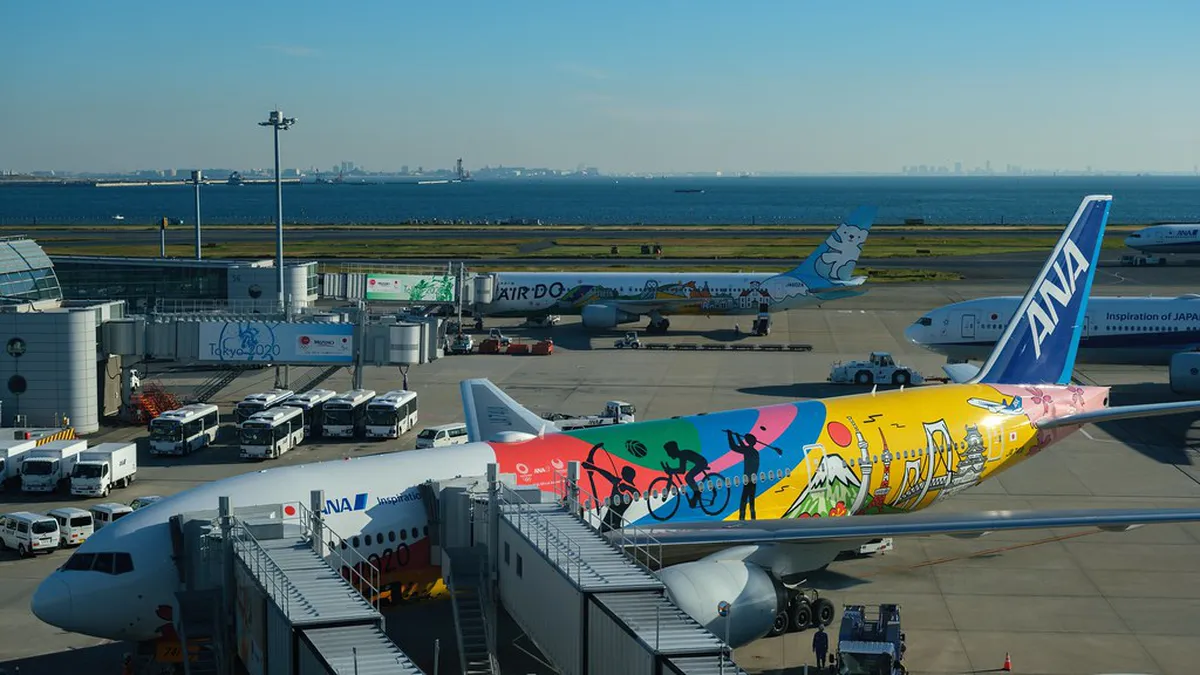
Haneda Airport (HND) is the better choice for domestic flights to Hokkaido. It sits about 30 minutes from central Tokyo via the Tokyo Monorail from Hamamatsucho (¥500 / ~$3.50) or the Keikyu Line from Shinagawa (15 minutes, ~¥300). Narita Airport (NRT) is 60–90 minutes from the city centre via the Narita Express (~¥3,000 / ~$20 reserved). Low-cost carriers like Peach and Jetstar concentrate operations at Narita, so budget hunters should factor in the longer transfer time.
Domestic flights to Hokkaido stop running around 20:00–21:00 from both airports. If your international flight lands after that window, plan to overnight near the airport and catch a morning departure. Haneda's terminal hotels fill quickly during December to February, so book in advance. The First Cabin capsule hotel in Haneda Terminal 1 or 2 is compact, quiet, and costs around ¥7,000 / ~$47 per night — far cheaper than a missed connection taxi to the resort.
Choose the Right Flight: Haneda vs Narita
Book flights to New Chitose at least six weeks ahead for December and the New Year period. Budget airlines like Peach and Jetstar concentrate at Narita, so factor in the longer airport transfer time when comparing fares with ANA and JAL out of Haneda.
Flying remains the most efficient way to reach Hokkaido. Six carriers operate the Tokyo–New Chitose route daily: JAL and ANA at the premium end, then Air Do, Skymark, Peach Aviation, and Jetstar Japan at the budget end. Peak-season one-way fares typically run ¥8,000–¥20,000 on LCCs and ¥18,000–¥35,000 on full-service airlines. Book at least six weeks ahead for December and the New Year period. Consult a guide on the best time to visit to time your booking for the lowest fares.
The flight itself is 90 minutes. New Chitose Airport (CTS) has separate domestic and international terminals connected by a short shuttle bus — confirm your terminal before booking onward transfers. International travellers arriving directly into CTS from cities like Seoul, Taipei, Hong Kong, or Sydney (Qantas launched a seasonal direct service from Sydney in December 2025) can skip Tokyo entirely and connect straight to Niseko.
Budget airlines enforce strict baggage rules, especially for ski gear. A ski bag typically counts as oversized luggage and can add ¥2,000–¥5,000 each way if not pre-purchased. Check limits before you book, then compare the fee against Takkyubin shipping costs — the courier service often wins on both price and convenience.
Consider the Shinkansen for a Scenic Journey
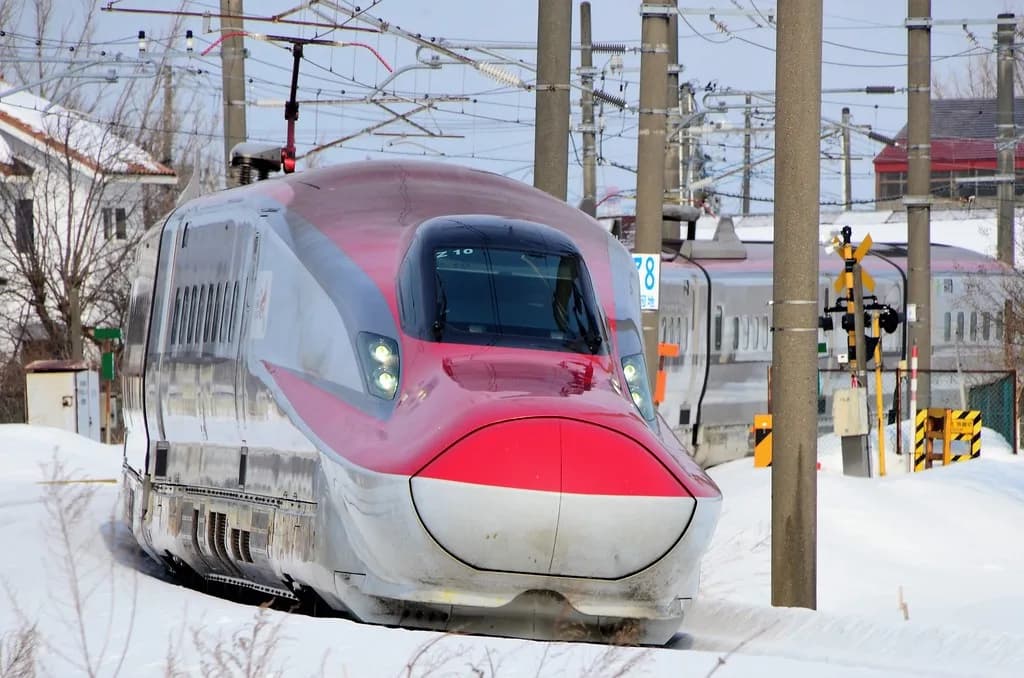
The Hokkaido Shinkansen runs from Tokyo Station to Shin-Hakodate-Hokuto Station in about four hours and fifteen minutes on the Hayabusa Express. From there you transfer to the JR Hokkaido Limited Express Hokuto to Oshamambe (68 minutes), then the JR Hakodate Line local to Kutchan (90 minutes). Total rail travel time to Kutchan is approximately eight to nine hours including waits. Without a rail pass, the one-way fare is ¥26,450 / ~$175.
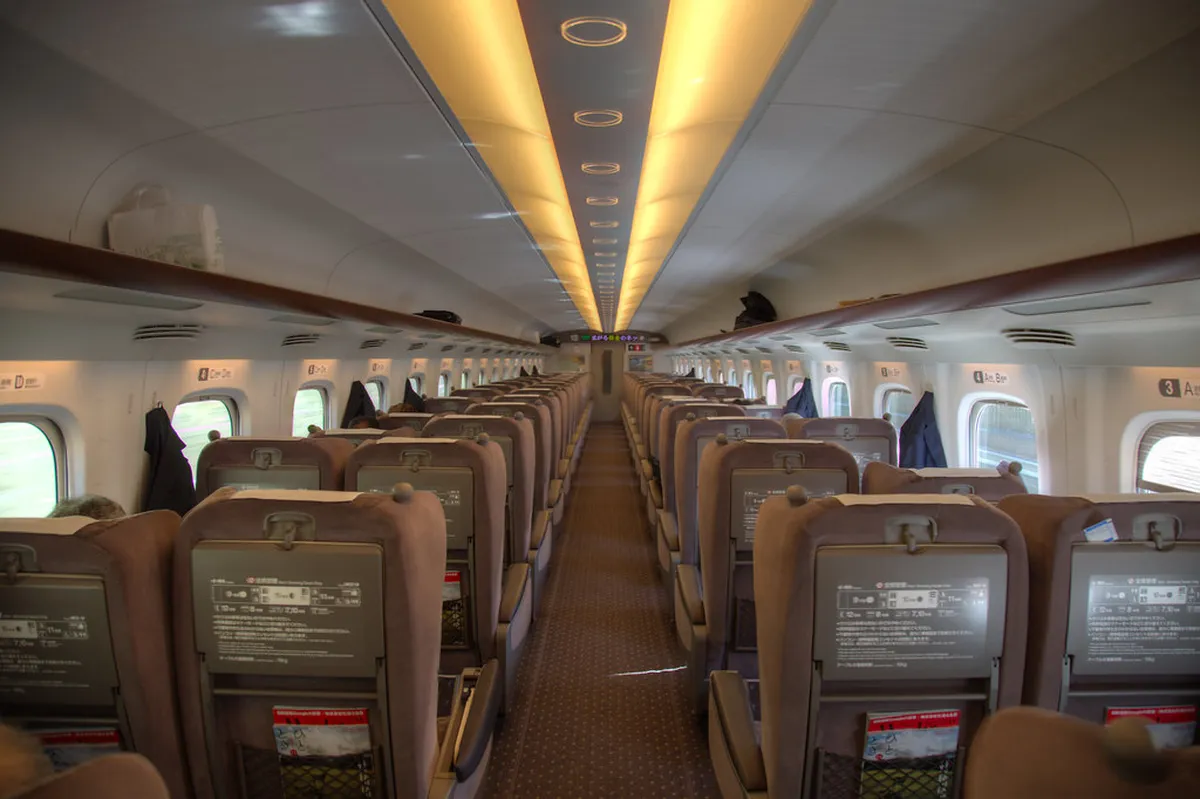
The JR East–South Hokkaido Rail Pass covers the entire journey at around ¥27,000 for six days — useful if you plan side trips around Hokkaido. The nationwide Japan Rail Pass and the JR Hokkaido Pass also cover this route. Reserved seats on the Hayabusa are mandatory, so book your ticket several days before travel, especially during December–February peak weeks. You can find current rail schedules on the Samurai Snow website.
The Shinkansen is not ideal for heavy ski bags. Luggage space on local JR Hokkaido diesel trains is limited and rack space disappears fast during peak season. If you take the rail route, ship your ski gear ahead with Takkyubin and travel with only a carry-on. The scenic ride through the Seikan Tunnel under the Tsugaru Strait is genuinely impressive and worth the slower travel time for those who aren't in a rush.
Master the Transfer from New Chitose to Niseko
Three options cover the final leg from New Chitose Airport to the Niseko resort area. The Hokkaido Resort Liner coach is the simplest door-to-door choice. It runs daily from December through March with seven departures from the domestic terminal (09:40–17:45) and five from the international terminal (13:50–17:55). Fares are ¥6,000 / ~$40 one way for adults; pre-book online as December and New Year departures sell out weeks ahead. Journey time to the final resort stop is about 3.5 hours.
The train costs less at ¥3,940 / ~$26 one way. Take the Rapid Airport service from New Chitose to Otaru (75 minutes), then the JR Hakodate Line to Kutchan (75 minutes). The transfer at Otaru is straightforward — the connecting train is usually waiting on the opposite platform. Note that the last train to Kutchan departs around 17:30; allow at least one hour after landing to collect bags and buy tickets (JR ticket machines at CTS are cash-only, so use the airport ATM first).
A private transfer is the best option for groups of four or more. Companies like SkyExpress and NearMe run dedicated vehicles from CTS to any Niseko accommodation for ¥48,000–¥60,000 per vehicle, which works out cheaper per person than four resort bus tickets once you count luggage surcharges. Consult your Niseko itinerary to decide which transfer option suits your arrival time and group size.
Getting from Kutchan Station to Your Resort
Kutchan Station is the main rail gateway to the Niseko area, not Niseko Station — this is one of the most common points of confusion for first-timers. If you are staying in Hirafu or Hanazono (the most popular resort villages), Kutchan Station is about 15–20 minutes away by road. If you are staying in Niseko Village or Annupuri, Niseko Station is slightly closer at about 10 minutes by car. Both stations are small and have limited taxi availability during heavy snowfall, so pre-arrange your final transfer.
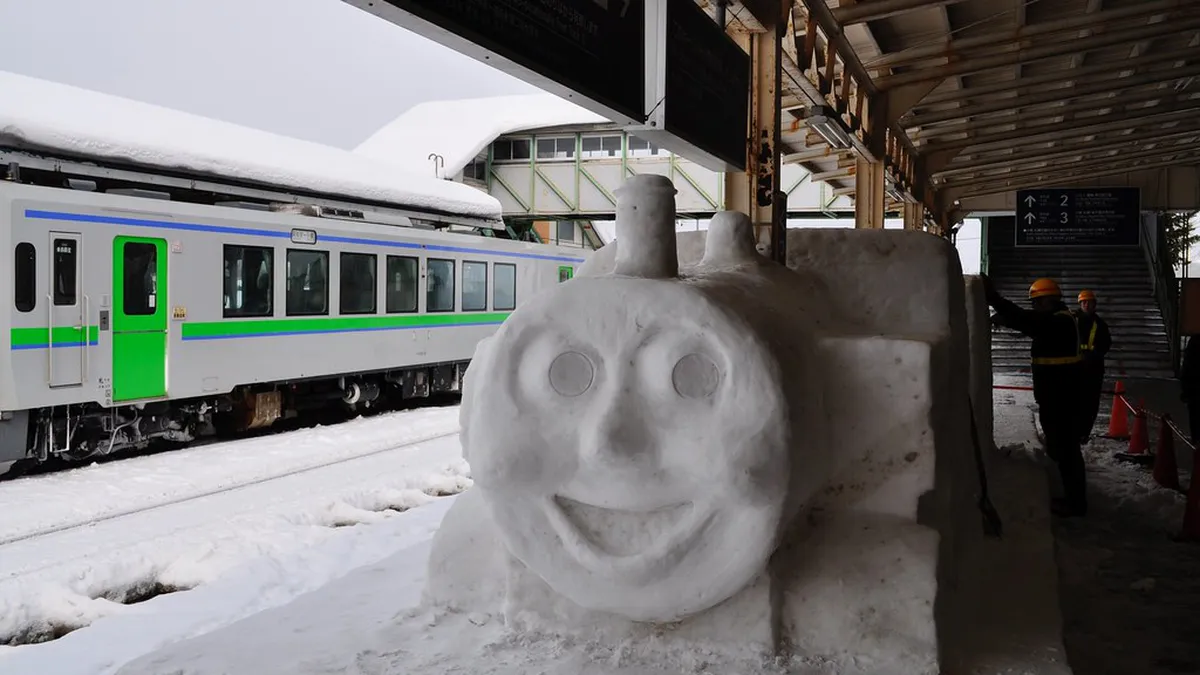
A free shuttle bus runs from Kutchan Station to Hirafu Welcome Center six times daily (07:50–16:40), and to Hilton Niseko Village three times daily. This service is free for guests with a valid ski pass; otherwise it costs ¥800 one way. Most hotels also offer a pick-up from either Kutchan or Niseko Station if you notify them at least 48 hours in advance — always confirm this when you book your accommodation.
Once at the resorts, the Niseko United Shuttle Bus connects all four resort areas (Grand Hirafu, Hanazono, Niseko Village, Annupuri) on an hourly circuit from 07:40 to approximately 20:00 during the 2025/26 season (November 29, 2025 – April 5, 2026). The service is free with a valid Niseko United lift pass and costs a few hundred yen per ride without one. This inter-resort shuttle is underutilised by first-time visitors who don't realise it exists — it removes the need for taxis entirely once you are based in the area. Taxis from Kutchan Station to Hirafu cost about ¥3,500 as a fallback.
Evaluate Niseko Tour Packages for Convenience
Bundled packages combining flights, transfers, and lift passes can simplify planning for first-time visitors, especially those travelling solo or in pairs. The most common structure is a Sapporo-based day-trip option: a round-trip bus from Sapporo plus a six-hour lift pass at Niseko Grand Hirafu runs around ¥18,000–¥20,000 per person. This is reasonable value if you are already based in Sapporo and want a single day on the slopes without booking each element separately.
Multi-day packages that include accommodation and airport transfers make more sense for groups flying from Tokyo. Booking through operators like Ski Japan, Snow Japan Guides, or your hotel's package desk often saves 10–15% compared to booking each element individually during peak December–February weeks. Always check whether ski equipment rental is included, as this is frequently excluded from the headline price.
One caveat: full package deals usually lock you into specific resorts and transfer times that may not suit late arrivals or itinerary changes. Independent booking gives more flexibility — particularly useful if you plan to explore the Niseko accommodation areas spread across Hirafu, Village, Annupuri, and Hanazono rather than staying in one place.
Explore Driving and Ferry Routes for Flexibility
You cannot drive directly from Tokyo to Hokkaido — there is no road access through the Seikan Tunnel. The realistic driving option involves taking the Sunflower Ferry from Oarai Port in Ibaraki Prefecture (about one hour from Tokyo) to Tomakomai in southern Hokkaido, then driving two hours west to Niseko. The ferry crossing takes approximately 17–18 hours. A standard cabin plus a mid-size car costs from ¥35,000–¥45,000 one way depending on cabin class and car size. Book at least two months ahead for the New Year period.
Winter driving in Hokkaido requires a vehicle fitted with studded snow tyres or winter tyres and preferably four-wheel drive. Rental cars from Hokkaido depots come pre-fitted with the correct tyres. If you intend to drive, factor in expressway tolls of roughly ¥3,000–¥5,000 from Tomakomai to Niseko and the real possibility of whiteout conditions on the Niseko Annupuri approach road. Check your Niseko accommodation for available parking before committing to this route.
The ferry is best suited to those who want to bring their own vehicle, travel with a large family, or explore multiple Hokkaido ski areas over a longer trip. For everyone else, flying is quicker, cheaper, and far less stressful in winter conditions.
Use Takkyubin to Ship Your Heavy Ski Gear
Budget airlines enforce strict baggage rules for ski gear. A ski bag typically counts as oversized luggage and can add ¥2,000–¥5,000 each way if not pre-purchased. Compare the surcharge against Takkyubin shipping costs — the courier service (from ¥2,500 per bag) often wins on both price and convenience.
Lugging heavy ski bags through Tokyo's crowded subway stations is one of the most common mistakes first-time Niseko visitors make. Japan's Takkyubin service, operated by Yamato Transport, offers a clean solution. You can drop bags at any convenience store (7-Eleven, Lawson, FamilyMart) or at a Yamato counter in your Tokyo hotel. Shipping a ski bag from a central Tokyo hotel to your Niseko accommodation costs roughly ¥2,500–¥4,000 / ~$17–$27 depending on size and weight.
The key constraint is timing. Send your gear at least two days before you arrive at the resort — three days is safer during peak season when Yamato experiences high volume. From New Chitose Airport, Yamato has a dedicated counter near the arrivals exit. Airport-to-resort delivery costs around ¥4,000 per ski bag (cash only) and typically arrives the same day or next morning. This makes it viable even if you did not pre-ship from Tokyo.
After your trip, the same service can return bags to your Tokyo hotel or directly to Haneda or Narita's luggage storage counters in time for your international departure. Verify that your specific accommodation accepts incoming deliveries before you ship. I highly recommend this service if you plan on exploring Niseko food guide spots immediately after arrival — carrying large bags into small ramen shops is nearly impossible and often frowned upon.
Frequently Asked Questions
What is the fastest way to get from Tokyo to Niseko?
Flying from Haneda to New Chitose is the fastest method. The flight takes 90 minutes, and the bus transfer takes 3 hours. Total travel time is about 5 hours.
Can I use the JR Pass to get to Niseko?
Yes, the JR Pass covers the Shinkansen and local trains to Kutchan. However, it does not cover the resort buses. You will still need to pay for local shuttles.
Which airport in Tokyo is better for Niseko?
Haneda is better for convenience and speed. Narita is better for budget travelers using low-cost airlines. Both offer frequent daily flights to Sapporo.
Getting to Niseko from Tokyo is a straightforward process once you understand the stages. Most travellers find that flying offers the best balance of cost and speed, while rail pass holders will get solid value from the Hokkaido Shinkansen. Whichever route you choose, ship your ski gear with Takkyubin and use the Niseko United Shuttle Bus to move between resort areas once you arrive.
Book your transfers and flights early — December and the New Year period sell out weeks in advance. The incredible powder of Niseko awaits.
Free: The Niseko Essentials guide
Top things to do, where to stay, a perfect day plan, getting around, and the best time to go — a Niseko mini-guide you can take offline.
You might also like

Continue reading
More guides you'll find useful