Hida Folk Village Takayama: Complete Visitor Guide
Plan your visit to Hida Folk Village (Hida no Sato) in Takayama. Discover gassho-zukuri farmhouses, hands-on crafts, winter light-ups, and the best bus ticket deals.
On this page
Hida Folk Village offers a peaceful look into the rural history of the Japanese Alps. Visitors can explore over 30 traditional houses moved from across the Hida region to this scenic hillside. This open-air museum serves as one of the top 20 Best Takayama Attractions: The Complete 2026 Guide for travelers seeking authentic Japanese culture. Walking through the gate feels like stepping back in time to the Edo period.
What is Hida Folk Village (Hida no Sato)?
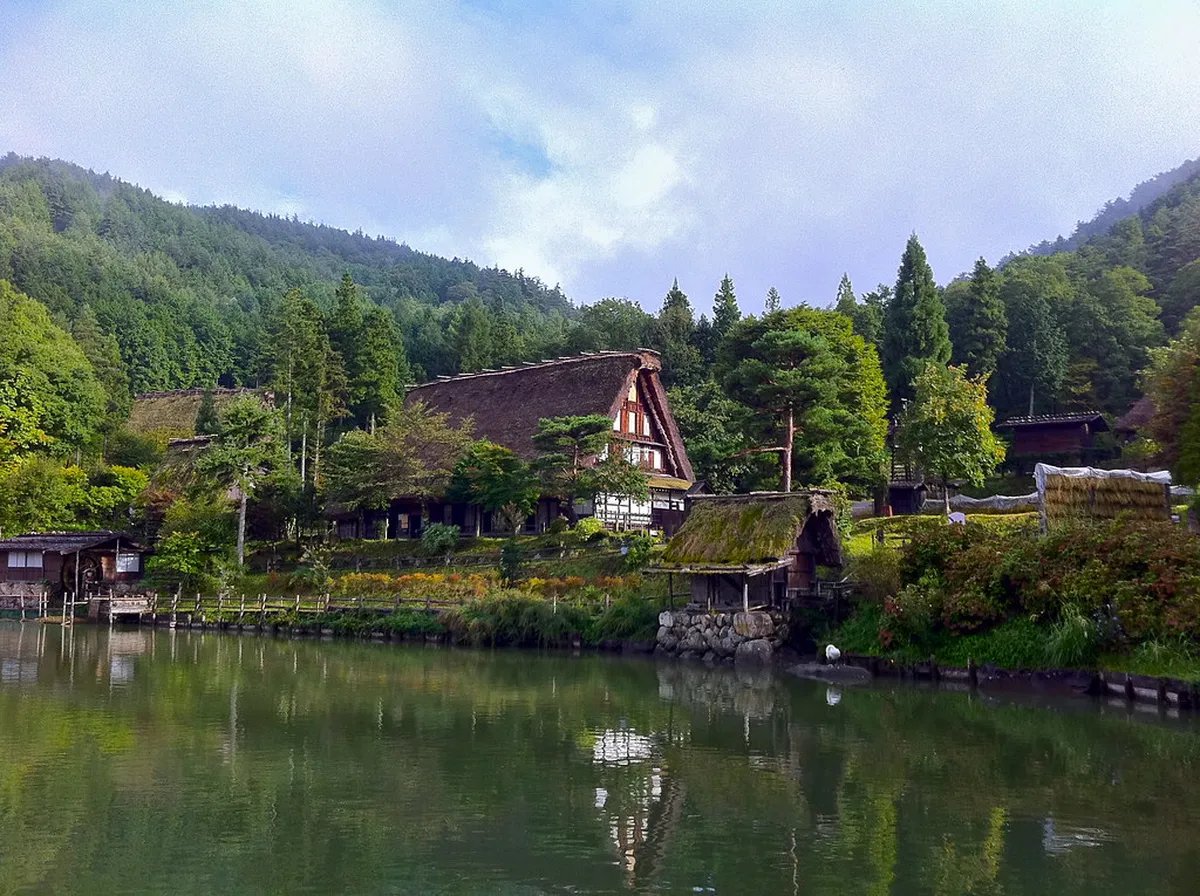
Hida Folk Village is a preserved open-air museum that showcases the traditional lifestyle of mountain farmers and craftspeople in the Hida region. The site was established in 1971 to rescue historic buildings threatened by rapid modernization across the Gifu Prefecture highlands. Each structure was carefully dismantled, transported, and rebuilt here to form a cohesive village setting around the central Goami Pond. You will find farmhouses, storehouses, a temple, workshops, and a watermill arranged along well-maintained gravel paths on the hillside.
The museum spreads across a forested hillside roughly 10 minutes by bus from central Takayama. Ducks swim on Goami Pond while seasonal flowers and trees frame the thatched rooftops throughout the year. Most visitors find this site feels like a living community rather than a static display of objects. Multilingual signs in Japanese, English, Chinese, and Korean stand beside each building to explain its history and the village it was relocated from.
Unlike Shirakawa-go, which is a still-inhabited community an hour's drive away, Hida Folk Village is organized entirely around education and preservation. You can enter almost every building freely and move through the rooms at your own pace. The elevated location also delivers clear views toward the Japan Alps on fine days. In 2026 the site remains one of the most compelling cultural destinations in Gifu Prefecture and a strong alternative for visitors short on time.
The Architecture of Gassho-zukuri Farmhouses
The gassho-zukuri houses are defined by their steep thatched roofs built at roughly 60 degrees to shed the enormous snowfall that hits this mountain region each winter. Their name translates to "praying hands" because the angular roof shape resembles two palms pressed together in prayer. The thick thatch provides remarkable insulation against temperatures that regularly drop well below freezing between December and March. Massive roof beams are lashed with sturdy rope rather than metal fasteners, which allows the structure to flex during seismic events without cracking.
One building that draws particular attention is Yoshizane's House, a large farmhouse famous for surviving a powerful earthquake in 1858. Its resilience comes from a forked-pillar construction technique, where the main support posts branch near the top to distribute seismic load across a wider base. You can see this structural detail clearly when you stand inside the lower floor and look upward at the junction between the post and the roof frame. This single engineering choice turned a near-disaster into a proof of traditional mountain craftsmanship that architects still study today.
Inside the houses, open floor plans allowed smoke from the irori sunken hearth to rise naturally through multiple levels. Museum staff keep fires smoldering in the irori year-round, so the interiors carry a faint woodsmoke scent that immediately deepens the historical atmosphere. This continuous smoke also preserved the structural timber and kept insects away from the thatch above, which is why many buildings have survived for two centuries or more. The upper floors were historically used for raising silkworms in spring, and you can still see the simple shelving systems designed for that purpose.
Top Exhibits and Interior Displays to See
Each house contains tools and household items that illustrate a specific aspect of rural life in the Hida mountains. You will find old looms, hand-carved wooden sleds, farming implements, and the irori cooking hearths in the main living areas. Some buildings focus on silk production, while others highlight the woodworking and paper-making traditions that supported the local economy for centuries. The English-language signage beside each display is thorough enough to understand the objects without needing a guide.
A notable outdoor feature is the kurumada, a small circular rice paddy located near Goami Pond. This unusual planting arrangement follows an ancient agricultural method unique to the region, and museum staff plant and harvest it each season to keep the tradition alive. Watching the paddy change through spring planting, summer growth, and autumn harvest adds another layer of seasonal interest to the visit. The wooden watermill turning gently nearby completes the picture of a self-sufficient mountain settlement.
Storehouses and outbuildings around the village perimeter hold collections of winter survival equipment: straw boots, woven cloaks, and heavy snow shovels scaled for alpine conditions. Religious life is represented through small household altars in almost every farmhouse, ranging from simple wooden boxes to elaborately lacquered shrines with gold fittings. A relocated temple building on the upper path adds another building type to the variety on offer. Allow extra time for the smaller outbuildings because they frequently contain the most specific and memorable displays.
Hands-on Activities at the Takayama Crafts Experience Center
The Hida Takayama Crafts Experience Center sits directly beside the Sarubobo Bus stop, making it a natural first stop before entering the museum grounds. No reservations are needed for most activities, so you can join a session on the spot. Completing any craft activity here earns you a small discount on folk village admission — a practical bonus worth knowing before you buy your entrance ticket. A half-day tour that includes both the folk village and the living village of Takayama can incorporate these workshops into a structured itinerary if you prefer a guided format.
The most popular activity is making a sarubobo doll, the faceless red charm that has symbolized the Hida region for generations. These were traditionally sewn by grandmothers for grandchildren as protective amulets, and the workshop takes about 40 minutes from ¥2,500. A quicker option is the senbei rice cracker grilling session, where you cook eight crackers over a small charcoal kiln for ¥800 in roughly 15 minutes. Children enjoy this one particularly because the result is an immediate warm snack to carry into the museum.
Other workshop options include painting a Maneki Neko beckoning cat, assembling a small kaleidoscope, and hand-weaving textile samples on a simple frame loom. Instructors guide each step and the sessions are designed for beginners with no prior experience required. Most families find one or two workshops fits naturally into a two-hour village visit without rushing. Check the activity board near the center entrance for the current day's schedule and any pricing updates when you arrive.
Seasonal Beauty: From Cherry Blossoms to Winter Light-ups
Spring brings cherry blossoms that cluster along the banks of Goami Pond, typically peaking in early April. The pink petals reflect in the still water to create one of the most photographed views in Takayama. Museum staff also perform a ceremonial planting of the kurumada circular paddy each spring, an event worth timing your visit around if you are traveling in the region. In summer, Tanabata decorations appear throughout the village alongside special children's events tied to the July festival calendar.

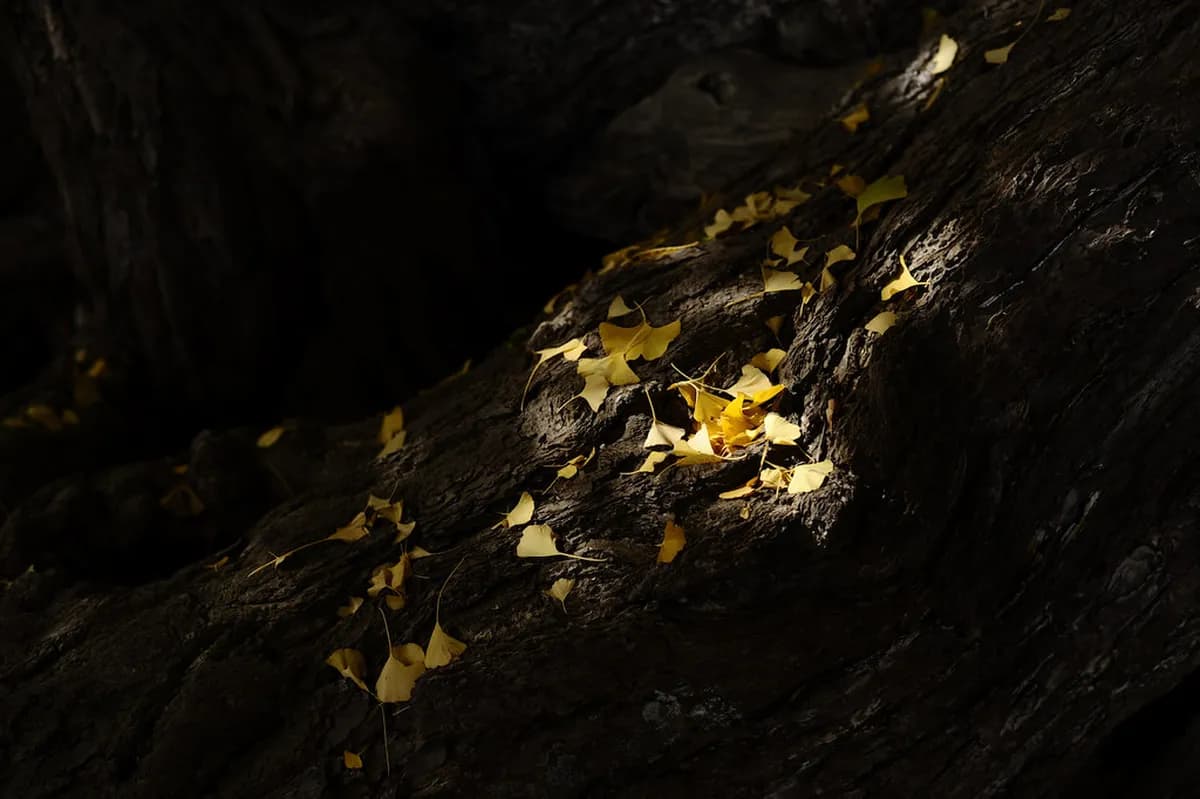
Autumn is arguably the most striking season at the village. The surrounding hillside turns vivid shades of orange and crimson from mid-October through mid-November, and the thatched rooftops glow against the color. Evening light-up events run throughout this autumn window, with spotlights catching the foliage and its reflection in the pond after dark. The atmosphere during these autumn illuminations is markedly different from a daytime visit and well worth staying for if you are in Takayama overnight.
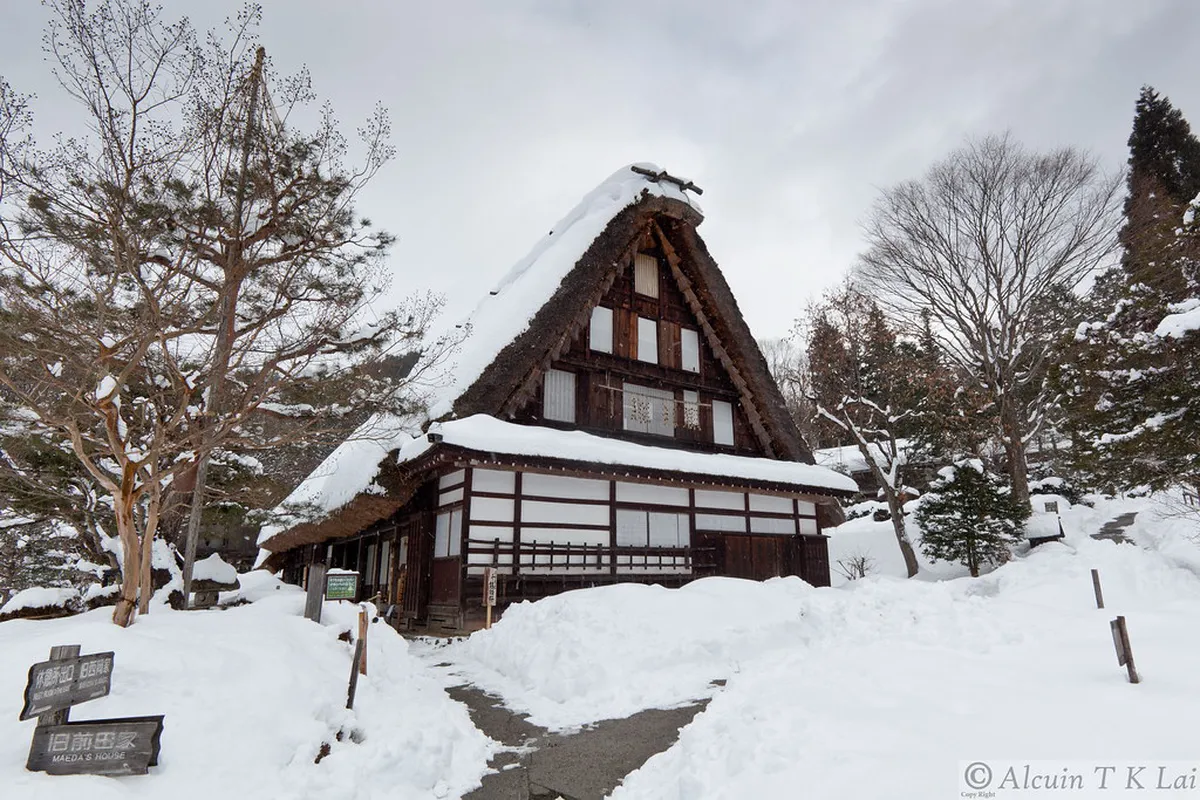
Winter delivers the village's most iconic image. Snow accumulates on the steep thatched roofs to create the same scene associated with Shirakawa-go, but with smaller crowds and no long bus journey. See Takayama in Winter Snow: 10 Essential Experiences & Guide for timing advice. Evening winter light-ups run from mid-January to the end of February, and a reduced admission of ¥300 applies specifically for these after-dark sessions — less than half the standard daytime rate of ¥700, making a winter evening visit the best-value entry at the museum all year.
Hida Folk Village vs. Shirakawa-go: Which is Right for You?
The two sites share the gassho-zukuri architecture but offer fundamentally different experiences. Hida Folk Village is 10 minutes from Takayama by bus, costs ¥700 to enter, and suits a two to three hour visit. Exploring shirakawa-go from takayama requires a 50-minute bus ride each way, with the Nohi Bus return ticket running around ¥2,600 on top of a separate entry fee. If your schedule is tight or you only have one night in Takayama, the folk village delivers a richer cultural experience in far less time and at significantly lower cost.
The crowd dynamic is also very different. Hida Folk Village draws far fewer tour groups than Shirakawa-go, which is one of Japan's most heavily visited UNESCO World Heritage Sites. At the folk village you can enter every building freely and examine rooms without rope barriers or waiting queues. The variety of structures is also greater — farmhouses, storehouses, a mill, a temple, and the kurumada paddy — compared to the single dominant architectural typology that defines the Shirakawa-go townscape.
Shirakawa-go wins on scale and landscape drama. The valley panorama from the Ogimachi viewpoint is genuinely breathtaking, and the village looks its most spectacular in deep winter seen from above. If you have a full day and want the UNESCO skyline photograph, Shirakawa-go is worth the journey. For depth of understanding, hands-on activities, and a relaxed morning that finishes before lunch, Hida Folk Village is the sharper choice. A useful approach for visitors with two nights in Takayama: visit Hida no Sato first to build a solid understanding of the architecture, then head to Shirakawa-go to see those same structures at living-village scale.
Essential Visitor Info: Hours, Fees, and Facilities
The museum is open daily from 08:30 to 17:00, year-round with no regular closure days. Standard adult admission is ¥700 and children's tickets cost ¥200. During evening winter light-up events from mid-January to the end of February, a reduced admission of ¥300 applies for those entering after dark. Group discounts are available for parties of 20 or more — ask at the ticket window on arrival.
The ¥1,000 Hida no Sato Set Ticket from the Nohi Bus Center covers both the round-trip Sarubobo Bus fare and museum admission. Buying separately costs ¥1,120, so the set ticket saves ¥120 and removes the need for exact change on the bus.
Payment is accepted in cash and also by major credit cards including Visa and Mastercard, IC cards such as Suica and ICOCA, and QR-code services including PayPay and Alipay. Free Wi-Fi under the network name "Free_Wi-Fi_Takayama" is available across the museum grounds. Multilingual pamphlets are provided at the entrance in four languages. If you need overnight accommodation nearby, Book your accommodations in Takayama. before your visit to secure the best options during busy seasons.
Facilities include clean restrooms at multiple points on the grounds, a small gift shop near the entrance, and free luggage lockers at the main gate. A cafe beside Goami Pond serves light snacks and drinks throughout the day. The museum is pet-friendly and welcomes leashed dogs on all paths. Free wheelchair and stroller rentals are available at the entrance gate, and Oyado Hachibei 1-388 Kamiokamotomachi, Takayama Gifu is a convenient lodging option within easy reach of the museum.
How to Get There: Walking Routes and the Sarubobo Bus
The Sarubobo Bus departs from the Nohi Bus Center adjacent to JR Takayama Station and stops directly at the folk village entrance. The ride takes about 10 minutes and costs ¥210 per trip. Buses run roughly every 30 minutes throughout the day. Buying the ¥1,000 set ticket at the bus center covers both the round-trip fare and museum admission, which is the simplest approach for most visitors arriving from the station.
Once inside, the village offers three color-coded walking circuits mapped on the free guide available at the entrance gate. The 15-minute wheelchair-accessible route loops around Goami Pond and passes the central farmhouses — the right choice for visitors with limited mobility or very limited time. The 30-minute route adds the outer storehouses, the watermill, and the kurumada paddy to give a well-rounded survey of all the building types. The full 60-minute route climbs to the rear of the site where smaller outbuildings sit among the trees and a clear view of the Japan Alps opens up behind the rooftops, rewarding those who make the extra effort.
| Route | Duration | Accessible? | Highlights |
|---|---|---|---|
| Short (blue) | 15 min | Yes (paved) | Goami Pond, central farmhouses |
| Standard (green) | 30 min | Partial | Storehouses, watermill, kurumada paddy |
| Full (red) | 60 min | No (steep) | Rear outbuildings, Japan Alps viewpoint |
You will remove footwear to enter almost every farmhouse, so wear socks without holes. The 60-minute route has steep hillside sections — proper walking shoes matter more than sandals or loafers on this trail.
Walking from the station is a pleasant alternative when the weather cooperates. The full walk takes 30 to 35 minutes along well-signposted roads through quiet residential neighborhoods and gives a more complete picture of everyday Takayama than the bus route provides. Taxis take 5 to 10 minutes and cost around ¥1,000, making them a sensible option for groups or guests with heavy luggage. Most drivers know the destination as Hida no Sato in Japanese.
The Hida no Sato Set Ticket: Is it Worth It?
The Hida no Sato Set Ticket costs ¥1,000 and bundles the round-trip Sarubobo Bus fare with museum admission. Buying those separately would cost ¥420 for the two bus trips plus ¥700 for the entrance fee — a total of ¥1,120. The set ticket saves ¥120 and removes the need to carry exact change for the bus, which is a genuine convenience when you are managing a busy sightseeing day. It is a good way to simplify your Takayama Itinerary for First-Timers while keeping costs predictable.
Purchase the set ticket at the Nohi Bus Center ticket window before boarding. Ask for the "Hida no Sato Set" and pay at the counter — staff generally speak enough English to handle the transaction without difficulty. Show the ticket to the bus driver when boarding and to the admissions staff at the village gate. The pass is valid for one full day and covers the standard Sarubobo Bus loop, plus small discounts at some shops near the museum entrance.
If you plan to walk to the village and only need the entry fee, the standard ¥700 gate ticket is perfectly fine. The set ticket's main value lies in bus convenience rather than a large financial saving. Budget-conscious visitors who walk both directions pay nothing beyond the ¥700 admission. Note that the ¥300 discounted winter evening admission is a separate gate purchase and does not have a corresponding bus bundle.
Tips for a Smooth Visit: Footwear and Photography
Wear comfortable shoes with intact socks because you will remove your footwear to enter almost every farmhouse. The central paths are well-maintained gravel but can become muddy after rain, and the free rain boot rentals at the entrance gate are worth grabbing on wet days. The hillside section of the 60-minute route has several steeper stretches, so proper walking shoes matter more than sandals or loafers. Arriving by 09:00 gives you roughly 20 to 30 minutes before tour groups begin arriving mid-morning.
The most celebrated photography spot is the rear viewpoint, which frames the gassho-zukuri rooftops against the Japan Alps on clear days. The Goami Pond reflection is equally rewarding, particularly in early morning when the water is still and cherry blossoms or autumn foliage provide a colorful foreground. Tripods are permitted as long as you do not block the walking paths. During winter evening light-up events, a slow shutter speed and a stable surface produce striking images of the snow-covered thatched roofs glowing in the dark.
Visitors with limited mobility should request the free wheelchair at the entrance and follow the 15-minute accessible route along the pond perimeter. This paved loop covers the landmark central farmhouses and gives a genuine sense of the village without requiring the steeper hillside sections. Free stroller rentals are available at the same counter for families with young children. Ask for the accessibility map at the entrance, which marks the smoothest surfaces and nearest bench rest points along the route.
Frequently Asked Questions
Is Hida Folk Village worth it if I'm going to Shirakawa-go?
Yes, it is worth visiting because it offers more detailed interior exhibits and a quieter atmosphere. You can learn about history without the heavy crowds found at Shirakawa-go. It is also much closer to the city and easy to fit into a busy 10 Essential Things to Know About Takayama Morning Markets schedule.
How long do you need to spend at Hida Folk Village?
Most visitors spend about 1.5 to 2 hours exploring the houses and the pond area. If you plan to participate in craft workshops, allow an extra hour for your visit. The site is compact enough to see thoroughly in a single morning or afternoon trip.
Can you take a bus from Takayama Station to Hida Folk Village?
Yes, the Sarubobo Bus runs every 30 minutes from the Nohi Bus Center next to the station. The ride takes about 10 minutes and stops right at the museum entrance. You can buy a discounted set ticket that covers both the bus and the entry fee.
Is Hida Folk Village open during the winter?
Hida Folk Village remains open all year round, including the winter months. The snow-covered farmhouses create a beautiful scenery that is very popular for photography. Special night illuminations are often held during the peak of winter to showcase the village in the dark.
Hida Folk Village provides a wonderful look at the traditional heart of rural Japan. Whether you love architecture or history, this open-air museum offers something for everyone. Combine your visit with a walk through the Takayama Old Town Sanmachi Suji: Complete Visitor Guide for a perfect cultural day. Enjoy the peaceful atmosphere and the unique beauty of the Hida region.
Free: The Takayama Essentials guide
Top things to do, where to stay, a perfect day plan, getting around, and the best time to go — a Takayama mini-guide you can take offline.
You might also like


Continue reading
More guides you'll find useful