

Takayama Winter Snow: 10 Essential Experiences, Jan–Feb
Time your visit for deep snow from mid-January to mid-February, with 10 picks including Old Town walks, illuminations, hot springs and Hida beef.
On this page
I visited Takayama in late January, and the silence of the snow-covered Old Town was truly magical. The best time to visit for deep snow is mid-January to mid-February. This guide covers everything you need for a snowy escape in 2026. You will find the town transformed into a serene landscape that feels like an Edo-period painting.
Our late-January trip hit a massive blizzard that delayed the train for several hours. The heavy snowfall creates a thick white blanket over the historic wooden buildings. Check the Takayama Weather By Month: A Seasonal Travel Guide before booking your winter flight. Temperatures often hover between -5°C and 4°C / 23°F to 39°F during the peak winter months.
Winter offers a unique sense of peace that the popular spring and fall crowds simply cannot match. Plan your Takayama Itinerary for First-Timers carefully to account for shorter daylight hours and slower walking on icy streets. The crisp mountain air makes every bowl of ramen and cup of sake taste significantly better.
What to Expect: Takayama's Winter Weather and Snowfall
The Siberian winds bring heavy snow to the Gifu region starting in late December. These cold gusts create the iconic white-capped roofs found in the historic district. According to Japan Meteorological Agency regional climate data, the town receives several meters of snow each season. You will see locals clearing paths with specialized shovels every single morning.
Daytime highs usually reach 3°C / 37°F while nights drop well below freezing. The air is remarkably dry, which makes the cold feel biting against exposed skin. I recommend staying at a Ryokan in Takayama (2026) to enjoy indoor hot springs after a long day on foot. Warm baths are essential for thawing out after a day exploring the frozen streets.
Winter in Takayama is best for travelers who enjoy slow, mood-rich travel. Streets can be snowy or wet, and walking takes longer than you might expect. The reward is atmosphere: traditional streets look more dramatic under snow, steam rising from food stalls feels more inviting, and indoor stops become part of the experience rather than just a break. Most major streets are heated from below to melt ice, but side alleys remain covered in packed snow requiring careful footing.
Strolling Through Sanmachi Suji: A Winter Morning in the Old Town
The Takayama Old Town Sanmachi Suji: Complete Visitor Guide district is the heart of the city. Wooden merchant houses line the narrow streets, their eaves heavy with hanging icicles. Arrive by 08:00 to see the district before the day-trippers arrive. The sound of your boots crunching on fresh snow is the only noise you will hear at that hour.
Walk from the station and turn left into Kami-Ninomachi before cutting south. This specific route lets you pass the quieter canal section where ice forms along the stone edges overnight. The sake breweries on this stretch hang large cedar balls called sugidama over their entrances to signal new sake. Most offer tastings for a few hundred yen inside heated rooms, which is a welcome stop on a cold morning.
Stop by Kikura Kami Ninomachi for a Hida beef skewer. The steam rising from the food stalls creates a wonderful atmosphere for photos. Be careful of the slippery wooden steps leading into the traditional shops, and watch for snow falling without warning from the steep eaves above.
Hida Folk Village in Snow: Walking vs. Bus Decision
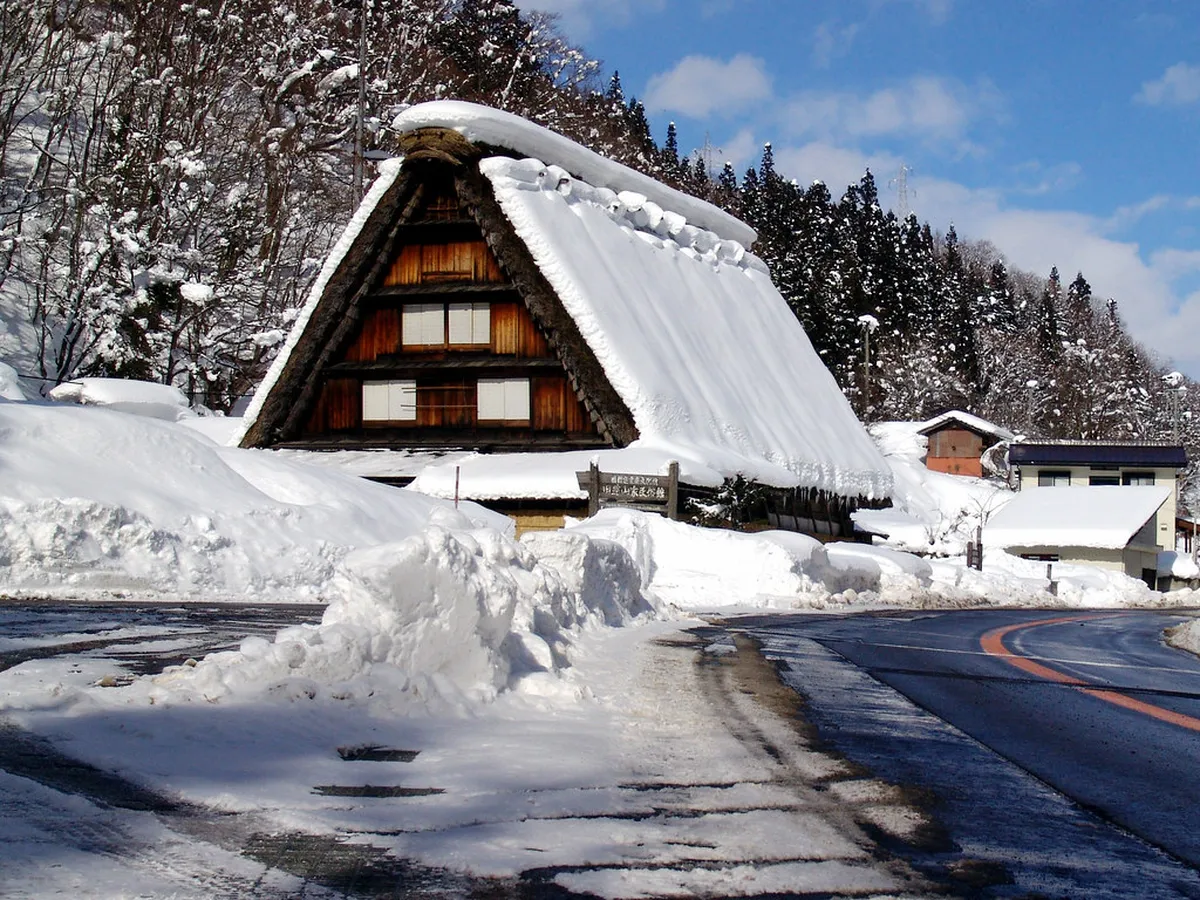
The Hida Folk Village Takayama: Complete Visitor Guide is one of the most visually striking sites in winter. This museum features traditional gassho-zukuri thatched-roof houses moved from across the Hida region. During winter, the village hosts special evening illuminations where golden light reflects off deep white drifts, creating a truly ethereal scene. Plan to arrive during blue hour — roughly 30 minutes before full sunset — for the best snow photography.
The Sarubobo bus from the station takes about 10 minutes and drops you at the entrance. Walking takes 20 minutes but lets you see the quiet residential neighborhoods under snow. Walking is fine when paths are freshly cleared in the morning, but the route becomes genuinely slippery by late afternoon as melt refreezes. If you are not wearing boots with metal grip attachments (you can buy cheap slip-on crampons at local hardware stores for around ¥500), take the bus for the evening illumination visit.
Inside the houses, traditional charcoal hearths are often lit during winter opening hours to provide warmth. The smell of wood smoke adds to the historical feel of the museum. Expect to spend at least two hours here to see all the structures properly, with another hour if you stay for illuminations.
Hida Folk Village evening illuminations run January 11 through February 28, timed for peak snow depth. Arrive at blue hour (about 30 minutes before full darkness) for the best combination of illuminated gassho-zukuri rooftops and fading twilight. The Sarubobo Bus from JR Takayama Station takes 10 minutes and costs ¥100.
Shinhotaka Ropeway and Crystal Snow Park
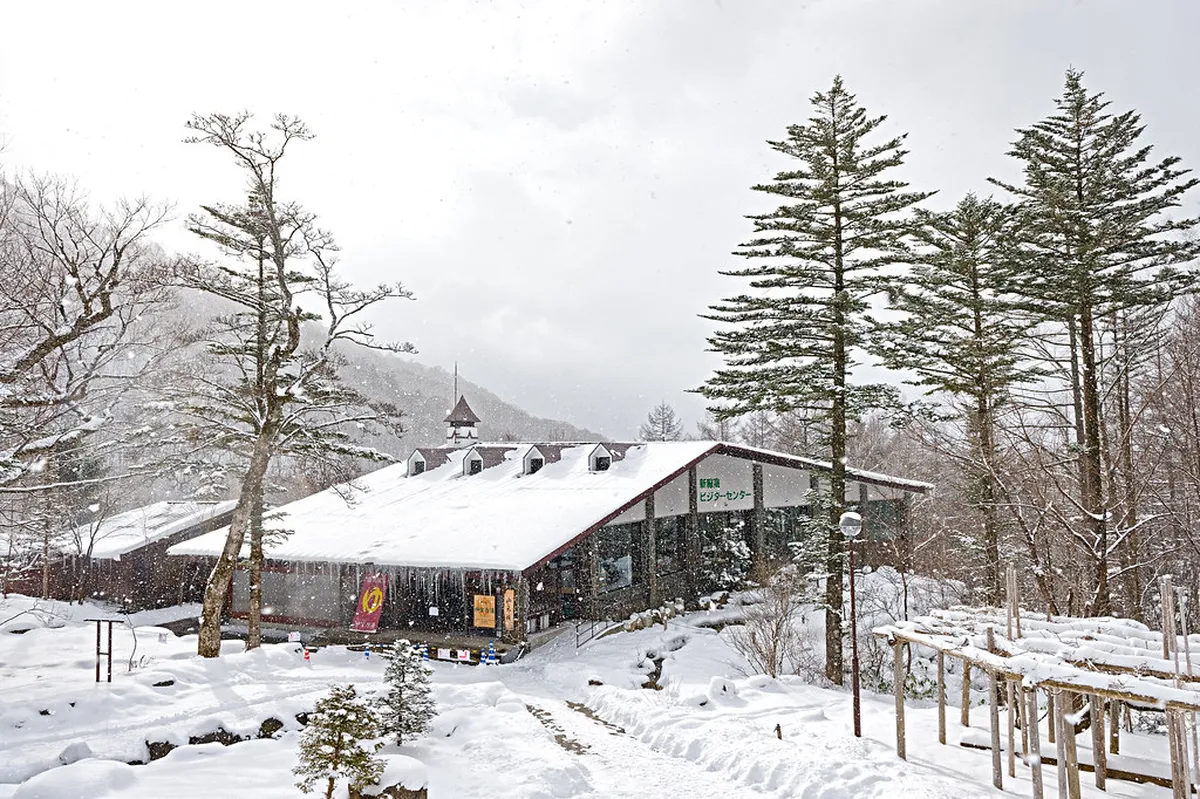
Shinhotaka Ropeway is Japan's only double-decker gondola and reaches an observation deck at 2,156 metres above sea level. In winter, the views over the Northern Japanese Alps are completely unobstructed — snow strips the vegetation away and leaves only granite ridgelines and white valleys. On clear days you can see Yari-ga-take, sometimes called "Japan's Matterhorn," along with the sweeping panoramas of Oku-Hotakedake, Japan's third-highest peak.
The bus from Takayama Station to Shinhotaka takes about 75 minutes and runs several times daily. Book a morning departure to maximize clear-sky probability; afternoon clouds tend to roll in from the west by 13:00 in winter. The ropeway itself may close temporarily if wind speeds exceed safe operating limits, so check the Hida Takayama Tourist Information site the morning before you go. The round trip including bus and ropeway tickets costs approximately ¥4,000–¥5,000 per person.
The Shinhotaka Crystal Snow Park is a separate winter-only event held at Chubu Sangaku National Park near the ropeway base — the 90-minute bus journey from JR Takayama Station is worth it. Beyond the mountain panoramas, the park hosts traditional craft events and local food stalls exclusive to the cold months. Combining a morning ropeway ride with an afternoon at the Crystal Snow Park, then a soak in one of Shinhotaka Onsen's riverside rotenburo pools, is the most rewarding way to fill a full day in the Okuhida highlands. Bring hand warmers — the temperature at the top runs about 10°C colder than downtown Takayama.
Winter Events: Morning Markets and Year-End Rituals
Takayama's morning markets run year-round at Jinya-mae (in front of the old government building) and along the Miyagawa riverside. In winter they start a little later and finish earlier, but remain worth attending for fresh pickles, local crafts, and the rhythm of locals stocking up in the cold. The standout event is the Toshi-no-se-ichi, held December 27 through 31 — one of the three largest morning markets in Japan, packed with New Year decorations, fresh produce, and handmade goods. Arrive by 08:30 for the best atmosphere before daytime crowds arrive.
On January 24, the Niju-yokka-ichi market fair takes over Yasugawa Shotengai, a covered shopping street closed to traffic for the day. Dating back to the old lunar calendar, the fair pairs permanent shops with pop-up stalls selling traditional crafts, foods, and local sake. Locals joke the fair always comes with a blizzard — wrap up accordingly.
If you are in Takayama over New Year, two Shinto rituals offer a cultural depth that sightseeing cannot replicate. On December 30, the misogi shinji takes place at the Aragi River (about 20 minutes from the station), where participants wade into 4°C water for purification — visitors are welcome to observe or join. The following evening, Sakurayama Hachimangu shrine holds the Shiwasu no obarai: you write your name on a paper doll (hitogata), breathe your impurities onto it, and hand it to priests for ceremonial burning. The shrine is lit by lanterns against the snow, entry is free, and arriving around 22:00 lets you participate before the midnight hatsumode crowds gather.
Nakao Kamakura Festival: Shinhotaka's Snow Hut Village
From February 1 to 10, 2026, the Nakao Kamakura Festival transforms the Shinhotaka Onsen area — about 95 minutes by bus from Takayama Station — into a village of snow huts. Builders construct kamakura of various sizes that serve as pop-up bars, onsen soaking areas, food stalls, and music stages. On designated days, a traditional Nakao Lion Dance performance adds a ceremonial dimension to the festivities.
This event barely appears in standard winter guides to Takayama, yet it delivers one of the most immersive cold-weather experiences in the Japanese Alps. The combination of firelit snow huts, open-air onsen steam rising into alpine darkness, and mountain silence at night is unlike anything available in the city center. If your trip overlaps with the first or second week of February, consider an overnight stay in Shinhotaka rather than day-tripping — most kamakura activities run into the evening and the late buses back to Takayama fill quickly.
The festival is free to enter; individual food and drink stalls charge separately. Accommodation in Shinhotaka is limited, so book as far ahead as possible. Temperatures at the ropeway base drop well below -10°C overnight in early February — this is one occasion where every layer you packed earns its keep.
Winter Illuminations: Evening Walks in the Snow
Takayama's illumination calendar runs from December through late February across several sites. At Nakabashi Bridge over the Miyagawa River, lights run December 1 through March 2, making the covered bridge and its reflection in the partly frozen river one of the most photographed scenes in the city. At Hida Folk Village, the illumination season runs January 11 through February 28 — timed to coincide with peak snow depth so the gassho-zukuri rooftops carry the most dramatic white loads under warm light.
Out in the Okuhida area, the Aodaru Illumination at Fukuji Onsen runs December 24, 2025 through late March 2026 (weather dependent). The blue-toned lighting in a mountain onsen setting draws a quieter, more local crowd than the city-center events. At Hirayu Onsen, the Hirayu Great Falls freeze into a solid ice pillar each winter and are lit up every night from late December through the end of February — the frozen waterfall is free to visit, and the 15-minute walk from the Hirayu bus stop is manageable even in heavy boots.
For city-center illuminations, arrive after 17:30 when full darkness sets in. The Nakabashi area is a five-minute walk from Sanmachi Suji, making it an easy addition to an evening after dinner. Most food stalls along the canal serve hot drinks — amazake (sweet fermented rice drink) for ¥300–¥400 makes a practical handwarmer as you walk the lit streets.
Okuhida Onsengo: Choosing Between the Five Hot Spring Towns
The Okuhida Onsengo area contains five distinct onsen towns within 30 kilometres of Takayama. Each has a different character and a different bus journey time. Hirayu is the closest (about 55 minutes by bus) and has the most facilities, making it the best choice if you want a quick half-day onsen escape. Fukuji is a single-street village 65 minutes out with a quieter feel and cheaper accommodation. Shinhotaka is 80 minutes away and sits directly at the ropeway base — combining a morning ropeway trip with an afternoon soak in one of its outdoor rotenburo pools overlooking snow-covered peaks is the classic pairing.
Tochio and Kamitaka round out the five, but both require timing around infrequent bus departures and are better suited to travelers with a full extra day. For most winter visitors, the Hirayu or Shinhotaka combination covers the essentials without complicated logistics.
Outdoor rotenburo pools (露天風呂) in Shinhotaka stay open even during snowfall — soaking in 41°C water while snowflakes fall around you is one of those experiences that is genuinely hard to replicate anywhere else. Most ryokan with private outdoor baths charge ¥800–¥1,500 for non-guest day-use entry. Book the Takayama Ouan Hotel in the city center if you prefer to base yourself downtown and day-trip to Okuhida.
A Taste of Takayama: Hida Beef and Winter Comfort Foods
Cold weather is the perfect excuse to indulge in the local Takayama Food Guide: What to Eat and Where to Eat favorites. Hida beef is the star of the region, known for its intense marbling. Try it at Hida Beef Experiences in Takayama locations like Kyoya, where it is served on a hoba leaf over a small charcoal burner. The warmth from the open fire makes the meal feel incredibly cozy on a cold winter evening.
Hoba miso is another winter staple — savory paste grilled on a magnolia leaf with mushrooms and leeks. Combined with a bowl of Takayama ramen (thin noodles in dark soy-based broth), it forms the core of a satisfying winter meal. I highly recommend Kyoya for an authentic hearth-side experience.
For sake, the Harada Sake Brewery in the Old Town is the best value tasting stop. Entry costs ¥100, which gets you an ochoko cup and 14 varieties to sample — you keep the cup. Takayama's cold climate and crystal-clear mountain water create ideal brewing conditions, and winter sake straight from the press (shiboritate) is available only in December and January. The warm interior of the brewery, with its centuries-old wooden beams, is one of the best places to defrost during a long morning walk.
Shirakawa-go in Winter: Day Trip Reality Check
Shirakawa-go is visually spectacular in winter — the UNESCO-listed gassho-zukuri farmhouses under deep snow look like an illustration from a storybook. The bus from Takayama takes about 50 minutes through mountain tunnels and the Nohi Bus service runs several times daily. The trip is straightforward, but winter adds specific complications that most guides skip over.
The light-up illumination events in late January and February are the peak draw, but they are also the most crowded days of the year. Buses sell out weeks in advance and the village paths become genuinely congested. If you can visit on a non-illumination day — any standard winter weekday — you get much of the same scenery with far fewer people. Book your Shirakawa-go from Takayama bus tickets at least three days ahead regardless of which day you choose.
Snow conditions on the village paths are uneven. The main paved walkways are cleared, but the hillside trail to the Ogimachi lookout point is steep and icy. That viewpoint is worth the climb, but wear grip-soled boots. The round trip from Takayama including bus and two hours on the ground fits easily into a half-day, leaving afternoon free for Takayama's own evening atmosphere.
Practical Planning: What to Wear and Where to Stay
Footwear is the most important decision you will make for this trip. Bring waterproof boots with substantial grip — smooth-soled shoes become dangerous on the refrozen slush that forms in side streets by late afternoon. If your boots are not aggressive enough, buy disposable rubber slip-on crampons at a local hardware store or the Takayama station tourist shop for around ¥500–¥800. Japanese convenience stores sell kairo heat packs for ¥200–¥400 per pack; use them in your pockets and shoes during long outdoor stretches.
Layer underneath rather than relying on one heavy coat. Japanese buildings are typically kept very warm (25°C+), so you will be removing and adding layers constantly. A high-quality thermal base layer, a mid-layer fleece, and a waterproof outer shell covers every situation from indoor sake tasting to outdoor ropeway observation decks.
- Waterproof boots with grip — the single most important item
- Thermal base layers (moisture-wicking tops and leggings)
- Insulated gloves and wool hat — exposed fingers go numb within minutes at -5°C
- Strong moisturizer and lip balm — the dry alpine air causes cracking within a day
- Kairo heat packs from any convenience store (¥200–¥400 per pack)
Watch for snow falling from steep roofs — locals post warning signs near buildings with heavy accumulation. Walk slowly and keep your hands free for balance. Most central streets are heated from below, but the heating cuts off at night, making early morning and late evening the iciest periods.
Heavy snow can delay or cancel the JR Hida Limited Express between Nagoya and Takayama. Check the JR Tokai website for any suspension notices the morning of your travel day in January–February, and build extra buffer time into your departure schedule.
For accommodation, staying within 10 minutes of Takayama Station simplifies bus connections to Okuhida, Shinhotaka, and Shirakawa-go — especially important in winter when waiting outside for a late bus is genuinely unpleasant. If atmosphere matters more than convenience, the Old Town area provides immersive early mornings and easy walking to the Nakabashi illuminations after dinner. Winter is one of the strongest seasons to justify a ryokan stay: after a full cold day on foot, a warm tatami room and private onsen bath are worth every yen. See the full area-by-area breakdown at Areas and Hotel Picks for Where to Stay in Takayama.
Frequently Asked Questions
Is Takayama worth visiting in winter?
Yes, Takayama is one of Japan's most beautiful winter destinations. The snow-covered Old Town and Hida Folk Village offer a magical atmosphere. You will enjoy fewer crowds and delicious winter comfort foods.
How much snow does Takayama get?
Takayama receives heavy snowfall, often reaching several meters throughout the season. The deepest snow typically occurs in late January and early February. Most central streets are heated to keep them clear.
Can I do a day trip to Shirakawa-go in winter?
A day trip is very easy using the Nohi Bus from Takayama Station. The journey takes about 50 minutes each way through scenic tunnels. Make sure to book your bus tickets several days in advance.
Takayama in winter snow is a bucket-list experience for anyone visiting Japan. The combination of historic architecture and deep white drifts creates an unforgettable setting. Whether you are eating Hida beef by a charcoal fire, soaking in a Shinhotaka rotenburo while snowflakes fall, wandering the Nakao Kamakura Festival's snow hut village in early February, or attending the quiet Shiwasu no obarai ceremony on New Year's Eve, the magic is everywhere. Plan your trip for late January to mid-February to see the city at its absolute peak.
Don't forget to pack your warmest layers and waterproof boots. Book your accommodation early — winter ryokan rooms fill fast. The memories of the quiet, frozen streets will stay with you long after you leave.
See our Takayama attractions guide for the broader city overview.
Free: The Takayama Essentials guide
Top things to do, where to stay, a perfect day plan, getting around, and the best time to go — a Takayama mini-guide you can take offline.
You might also like


Continue reading
More guides you'll find useful


