6 Essential Tips for Your Takayama Jinya Guide
Discover Japan's last surviving Edo-period government office with our Takayama Jinya guide. Includes history, architecture highlights, and morning market tips.
On this page
Takayama Jinya stands as a unique landmark in the heart of the Hida region. It is the only building of its kind left in Japan from the Edo period — a former Shogunate government office that survived while the other 60 like it vanished. What makes it extraordinary is that officials worked inside these very rooms right up to 1969, giving the interiors a lived-in authenticity that museum reconstructions cannot replicate.
Visitors can walk through expansive tatami rooms and see where taxes were collected, trials were conducted, and the Tokugawa Shogunate extended its reach deep into the mountain interior. The site sits conveniently close to many other 20 Best Takayama Attractions: The Complete 2026 Guide in the city center, making it an easy anchor for a full morning in the historic district.
This guide covers the historical context, the rooms worth lingering in, the architectural details most visitors miss, and the practical logistics for your 2026 visit.
What Is Takayama Jinya?
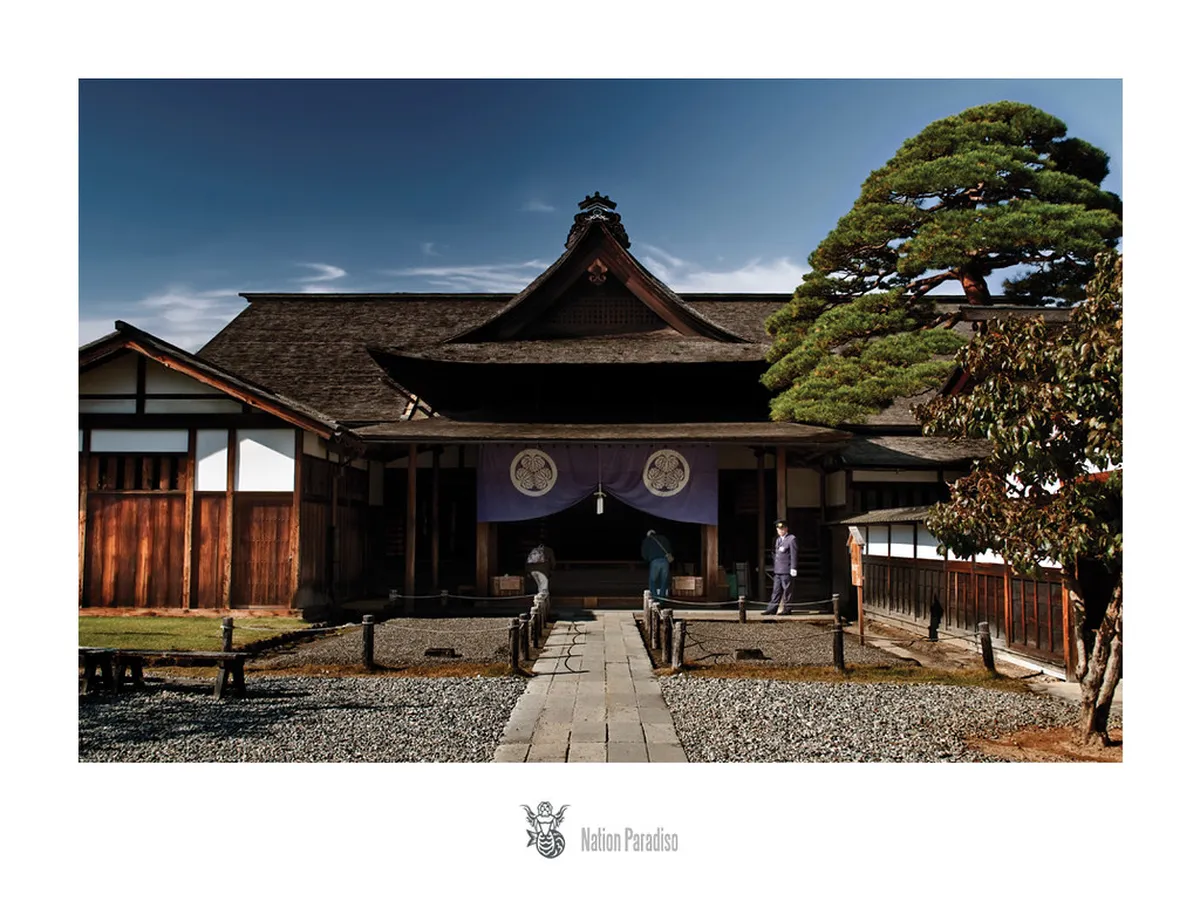
Takayama Jinya served as the administrative center for the Hida region for over 170 years. Originally, it was the villa of Lord Kanamori, who ruled the area from Takayama Castle. When the Kanamori clan moved, the Tokugawa Shogunate took direct control of the region.
This direct control made Takayama a "tenryo" territory, which was vital for its timber and mineral resources. The Shogunate officials managed local law, finance, and forestry from this very outpost. It is a remarkable survivor, as over 60 such offices once existed across Japan.
What makes the Jinya remarkable is its continuous, uninterrupted use. It was not mothballed after the Edo period ended — it kept operating as a government office through the Meiji, Taisho, and Showa eras before transitioning to a public museum in 1969. That active use is the primary reason its floors, fittings, and rooms survive in such precise original condition. The building was also designated a National Historic Site, and most current structures date to 1816 though the site has older roots.
You can easily combine a visit here with a stroll through the Takayama Old Town nearby. The proximity of these sites makes it easy to visualize the social structure of the Edo period. History buffs will appreciate the authentic atmosphere that remains unchanged by modern development.
Inside the Only Remaining Shogunate Outpost
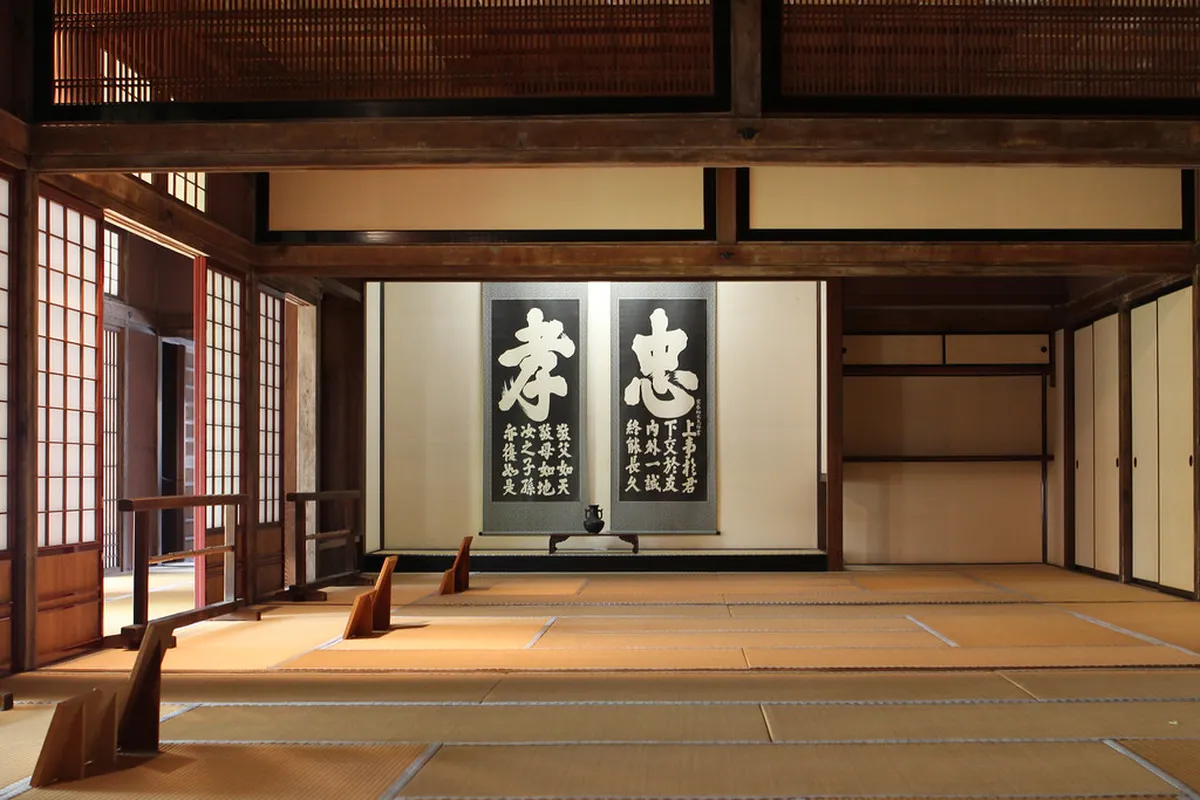
The interior of Takayama Jinya is divided into functional zones that reflect the hierarchy of the time. The Daikansho area contains the administrative offices where officials handled daily paperwork and tax records. Large tatami rooms allowed for formal meetings between the governor and local village leaders.
One of the most striking areas is the Oshirasu, or the judicial court. This is where interrogations and trials took place in a very formal setting. You can see the heavy trial weights used during questioning to encourage suspects to speak the truth. The floor level difference between the raised judge's seat and the gravel pit below — where the accused knelt — makes the power dynamic viscerally clear in a way that no exhibit panel can fully capture.
What most visitors miss is the rōya, the holding cells attached to the judicial wing. Suspects awaiting trial were held here in low-ceilinged wooden cells, separated by gender. The cells are austere and small; standing inside them for even a minute gives a sense of the judicial severity that underpinned Shogunate rule. No other surviving structure in Japan shows this part of the criminal justice process intact, which makes the Jinya's judicial complex genuinely unique.
The living quarters provide a glimpse into the private lives of the officials and their families. These rooms are simpler but elegant, featuring beautiful woodwork and sliding paper doors. Each space was designed with a specific purpose, from tea ceremonies to private study.
The massive rice storehouse is another highlight of the complex. It once held the rice paid as taxes by local farmers to the Shogunate. Today, it serves as a museum displaying historical maps, tools, and documents that tell the story of the Hida region.
Architecture and Garden Highlights
Keep your eyes on the ceiling beams as you walk through the main building. Hidden throughout the structure are 152 rabbit-shaped nailhead concealers known as Mame-usagi. These bronze decorations were fitted over nail heads to conceal unsightly ironwork. Rabbits were chosen because their long ears symbolize listening to the people — a quality expected of good administrators and a reminder carved into the very fabric of the building.
One practical detail that most visitors miss: the internal wall panels were packed with miso paste during the cold Hida winters to insulate the rooms. When spring arrived, the miso was removed and the panels restored. It is a small but striking detail that underscores how this was a genuinely working building through the harshest mountain seasons, not simply a preserved showpiece.
The traditional garden offers a peaceful view from the open corridors of the main building. It features meticulously maintained trees, stones, and water elements designed for seasonal change. On a clear day the garden framed against the Hida mountain backdrop is one of the more quietly memorable views in the historic district.
Visitors must remove their shoes at the entrance to protect the ancient wooden floors and tatami mats. Staff provide plastic bags so you can carry your footwear throughout the tour. Photography is generally permitted in the main rooms and garden, but some exhibit rooms holding fragile documents have restrictions — check posted signs or ask staff before shooting.
Takayama Jinya closes on the 26th of every month (except August and the New Year period). If your visit falls on the 26th, plan for a different morning anchor — the Miyagawa Morning Market and Sanmachi Suji are open daily without closures.
Jinya-mae Morning Market: The Perfect Pairing
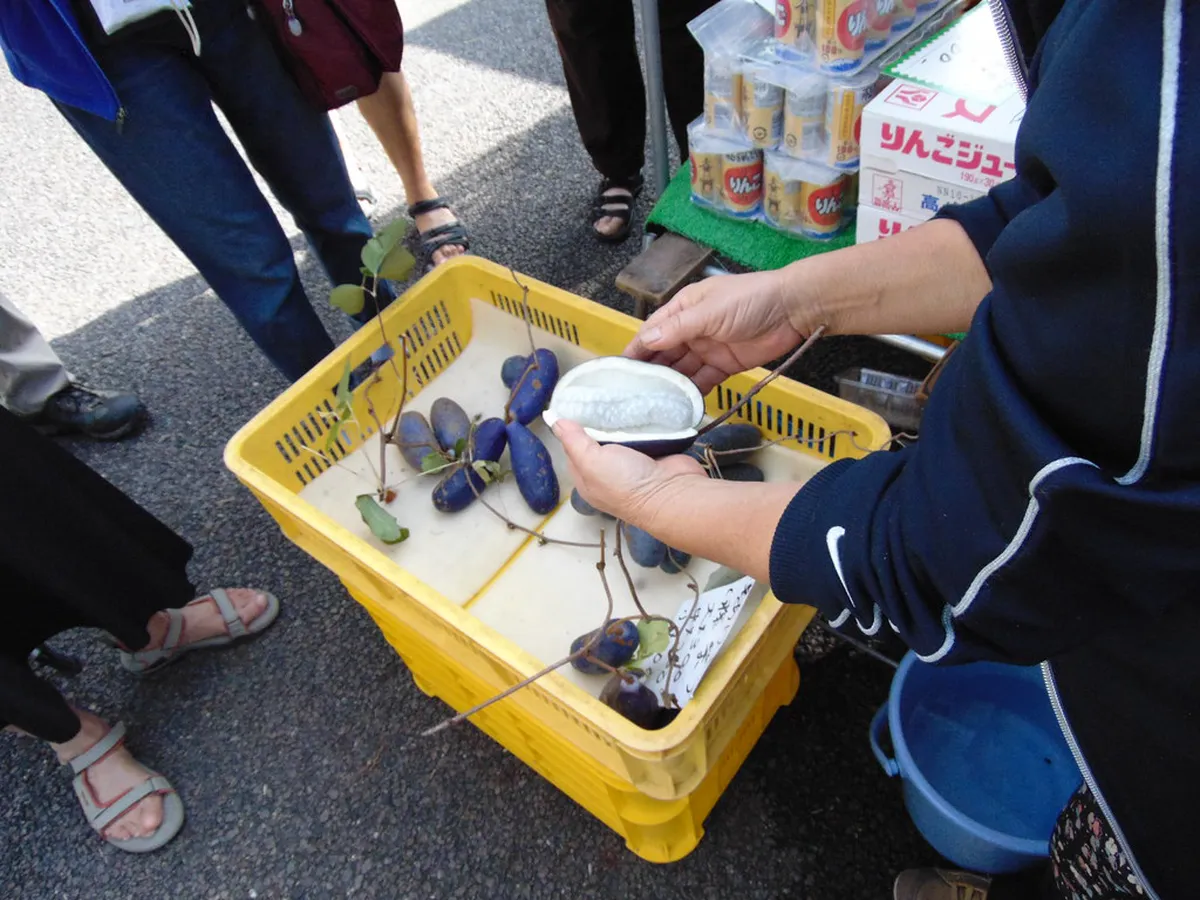
The Jinya-mae Morning Market takes place right in front of the main gate every day. This market has been a local tradition for hundreds of years, connecting farmers with city residents. It is one of the best morning markets in Takayama for authentic local experiences.
Stalls open around 08:30 and start packing up by noon. The best window is 08:30 to 10:00, when produce is fully stocked and before tour-group buses arrive. Because the Jinya gates open at 08:45, the ideal sequence is market first, then step straight through the gate — you move from fresh seasonal vegetables and pickles to four centuries of administrative history in under a minute.
The atmosphere is lively and friendly, with many vendors offering samples of their goods. Buying directly from the producers supports the local economy and offers a taste of Hida culture. Many visitors find the market to be a highlight of their morning in the city.
If you are following a Takayama itinerary, starting here is a great way to kick off your day. The market and the Jinya together take about two to three hours to fully experience. This leaves plenty of time to explore other parts of the city in the afternoon.
Practical Information: Access, Hours, and Fees
Admission to Takayama Jinya costs 440 yen for adults, while students and children often enter for free. Hours follow a seasonal pattern: 8:45 AM to 5:00 PM from March through October, and 8:45 AM to 4:30 PM from November through February. The site closes on the 26th of every month except August and the New Year period, so confirm the schedule on the Official Takayama Jinya Website before you go.
The ideal sequence for the historic district: arrive at the Jinya-mae Morning Market by 08:30 for the freshest produce, then step through the Jinya gates at 08:45 when they open. You clear both the market and a full tour of the complex before tour buses arrive at around 10:00.
The site offers free guided tours in English and Japanese to help you understand the history. These tours are highly recommended because they provide context that you might miss on your own. You can find more details on the Takayama Jinya Guided Tour Info page.
To reach the Jinya on foot from JR Takayama Station, exit the east gate and walk straight along Hirokoji Street for about 700 metres. Turn right just before the Miyagawa River bridge and follow the riverside path south for one block — the Jinya's white-walled gate appears on your left. Total walking time is about 10 minutes. Local buses also stop at the Jinya-mae bus stop immediately in front of the gate if you prefer not to walk.
For those planning a longer stay, consider looking for Areas and Hotel Picks for Where to Stay in Takayama near the historic district. Being close to the Jinya allows you to beat the crowds at the morning market. Early morning is the best time for photography before the tour groups arrive.
- The Regular Guide runs 50 to 60 minutes and covers all major rooms, the judicial court, and the rice storehouses with full historical context. Available free in English and Japanese.
- The Summary Guide lasts 15 to 20 minutes and hits the key highlights only — suitable for visitors with limited time or those who prefer to explore independently before asking specific questions.
Is Takayama Jinya Worth Visiting?
Takayama Jinya is absolutely worth visiting for anyone interested in Japanese history and architecture. It offers a unique perspective that you cannot find anywhere else in the country. The sheer scale of the preserved complex is impressive even to those who are not history buffs.
History buffs will want the full Regular Guided Tour (50–60 minutes) to catch details like the rōya cells and the significance of the timber tax records. Casual tourists can complete a satisfying loop through the main rooms, garden, and rice storehouse in around 30–40 minutes using the Summary Guide. Either way, the site rewards every visitor differently depending on how deep they want to go.
If time is limited, rank the Jinya above Sanmachi Suji if you are choosing between the two on the same morning — you can walk Sanmachi's preserved merchant streets any time, but the Jinya's combination of judicial, administrative, and domestic spaces in one intact complex is irreplaceable. For a complete morning in the historic district, pair it with the Jinya-mae Morning Market and then follow the riverside south into the old town.
Frequently Asked Questions
How much time should I spend at Takayama Jinya?
Most visitors spend between 60 and 90 minutes exploring the entire complex. This allows enough time to see the administrative offices, the judicial court, and the rice storehouse museum. If you join a free guided tour, plan for at least an hour for the tour itself.
Is photography allowed inside Takayama Jinya?
Yes, photography is permitted in most areas of the complex, including the gardens and main rooms. However, some specific exhibit rooms containing sensitive historical documents may prohibit flash or all photography. Always look for signs or check with the staff if you are unsure about a specific area.
Do I need to book a guided tour in advance?
No, you do not need to book the free guided tours in advance. You can simply ask at the reception desk upon arrival if a guide is available. These tours are a great way to learn about the unique features of the Jinya from a local expert.
Is Takayama Jinya accessible for people with mobility issues?
The site has some challenges for those with mobility issues due to the traditional architecture. Visitors must remove their shoes, and many areas feature tatami mats and wooden steps. However, the staff can provide assistance and some areas are accessible via ramps or specialized equipment.
Takayama Jinya is a remarkable window into Japan's administrative and social past. From the symbolic rabbit nailheads to the somber judicial court and the miso-packed winter walls, every corner tells a story of people who actually lived and worked here across four centuries. It remains a must-visit destination for anyone traveling to the Hida region in 2026.
Arrive at the morning market by 08:30, step through the Jinya gates at 08:45, and you will have cleared the main crowds before 11:00. The combination of history, architecture, and the lively market right at the gate makes this one of the most rewarding two-hour stretches in all of Takayama.
Free: The Takayama Essentials guide
Top things to do, where to stay, a perfect day plan, getting around, and the best time to go — a Takayama mini-guide you can take offline.
You might also like


Continue reading
More guides you'll find useful