
10 Essential Things to Know About Takayama Morning Markets
Plan your visit to the Takayama morning markets with our guide to Miyagawa and Jinya-mae. Discover top street foods, local crafts, and essential visiting tips.
On this page
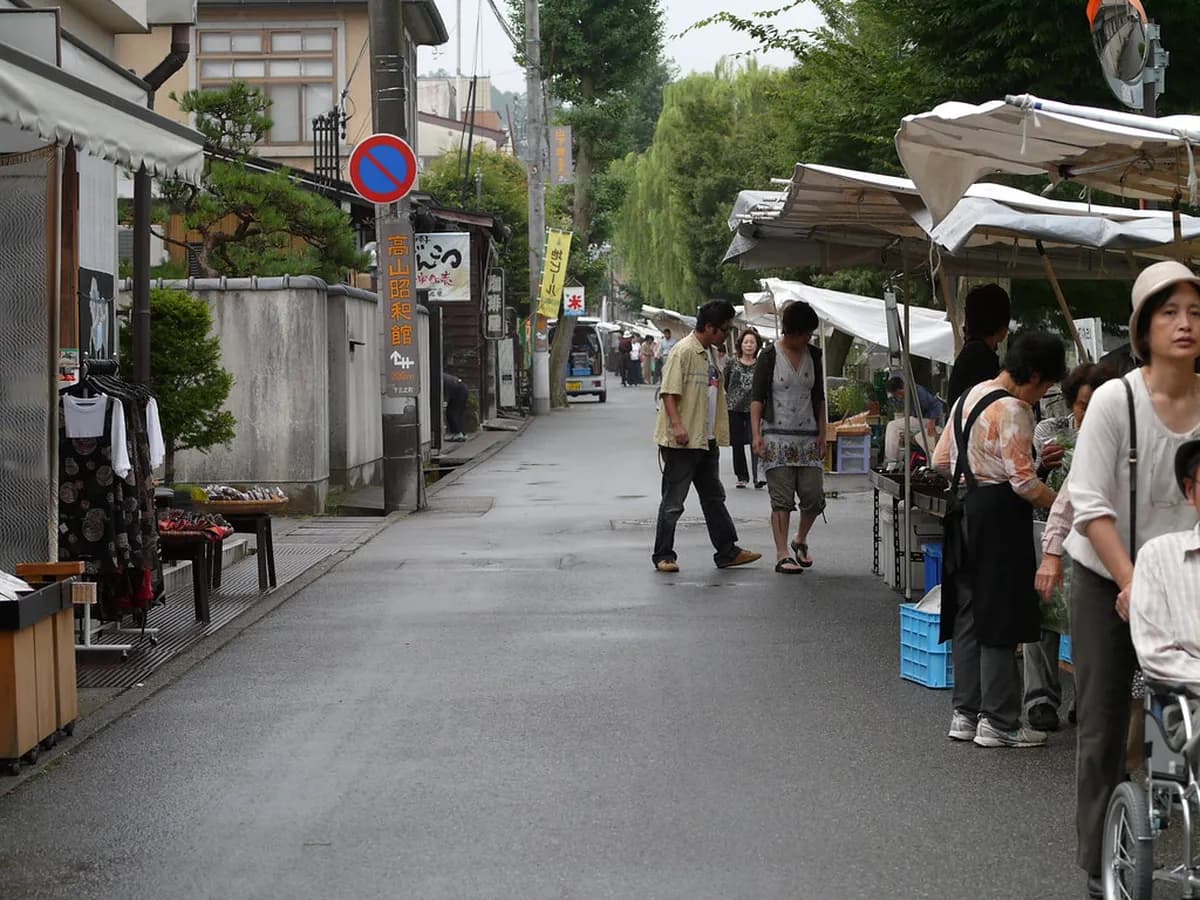
The Takayama morning markets offer a vibrant glimpse into the heart of Japanese alpine culture. These daily gatherings bring together local farmers, talented artisans, and hungry travelers under the crisp morning sky. You will find two distinct locations that each provide a unique atmosphere and selection of goods. Exploring these stalls is widely considered a highlight of any visit to this historic city.
Known locally as Asaichi, these markets have served the community for over two centuries. Miyagawa is recognized alongside Wajima in Ishikawa and Katsuura in Chiba as one of Japan's three most celebrated morning markets — a national reputation the modest riverside stalls wear lightly. Visiting early allows you to experience the authentic bustle of local life before the midday crowds arrive. Prepare your appetite for a morning of discovery along the scenic riverbanks of Gifu.
The History of Takayama's 200-Year-Old Asaichi Tradition
The tradition of the Takayama morning markets dates back over 200 years to the Edo Period. Farmers originally gathered to sell mulberry trees and silk to local residents in the city center. The markets expanded significantly in the late 19th century when farming families — particularly the women of those households — began bringing homegrown vegetables to sell, giving rise to the "morning market" name used today. Over time, the inventory widened to include flowers, pickles, and handmade household goods.
These markets were once essential for survival in the remote mountain regions of Japan. Local residents relied on these gatherings to trade seasonal goods during the harsh winter months. The markets survived modernization and continue to thrive as a bridge between the past and present. Walking through the stalls feels like stepping back into a quieter era of Japanese community life.
The two main locations evolved to serve different segments of the city population. The Jinya-mae market grew up around the provincial government office, catering to officials and their households, while Miyagawa developed as a broader commercial hub along the river. This historical divide still influences the slightly different characters you will feel at each site today. Understanding this heritage adds a layer of depth to every purchase you make at the stalls.
Miyagawa Morning Market: The Best Spot for Street Food
The Miyagawa Morning Market stretches along the eastern bank of the Miyagawa River in the city center, running for several blocks from Kajibashi Bridge. Around sixty different stalls offer everything from fresh seasonal fruit to intricate wooden carvings. Many travelers make a point of finding the Andersen Bakery stall, whose buttery, flaky croissants have become something of a local institution — arrive by 08:30 to guarantee a fresh one. This market is widely considered the more food-focused of the two options and is a great anchor for your Takayama food exploration.
The riverside setting provides a beautiful backdrop for a leisurely morning stroll. Buy a bag of fish food for ¥100 near the riverbank to feed the large koi swimming below — ducks regularly join the queue, making it a genuinely charming moment for families with young children. The sound of the flowing water adds a calm layer to the otherwise busy shopping experience. The stretch between Kajibashi and Nakabashi Bridge is the most photogenic part of the walk.
Look for marshmallow treats shaped like cats, locally pressed apple juice, and a coffee served in an edible cookie cup. Local artisans often display handmade chopsticks and lacquerware that make excellent and compact gifts. Most vendors are happy to explain their products even if they only speak limited English. The variety of goods ensures that every member of your group will find something worth carrying home.
Jinya-mae Morning Market: The Best Spot for Local Produce
The Jinya-mae Morning Market operates in the open square directly in front of the historic Takayama Jinya building, with around a dozen stalls shaded by mature trees. This market focuses heavily on fresh local produce brought in by farmers from the surrounding mountain villages. Visitors can find traditional Japanese pickles — tsukemono — displayed in large wooden tubs alongside homemade miso and seasonal jams. Exploring this market makes a natural prelude to touring the Takayama Jinya government house immediately next door.
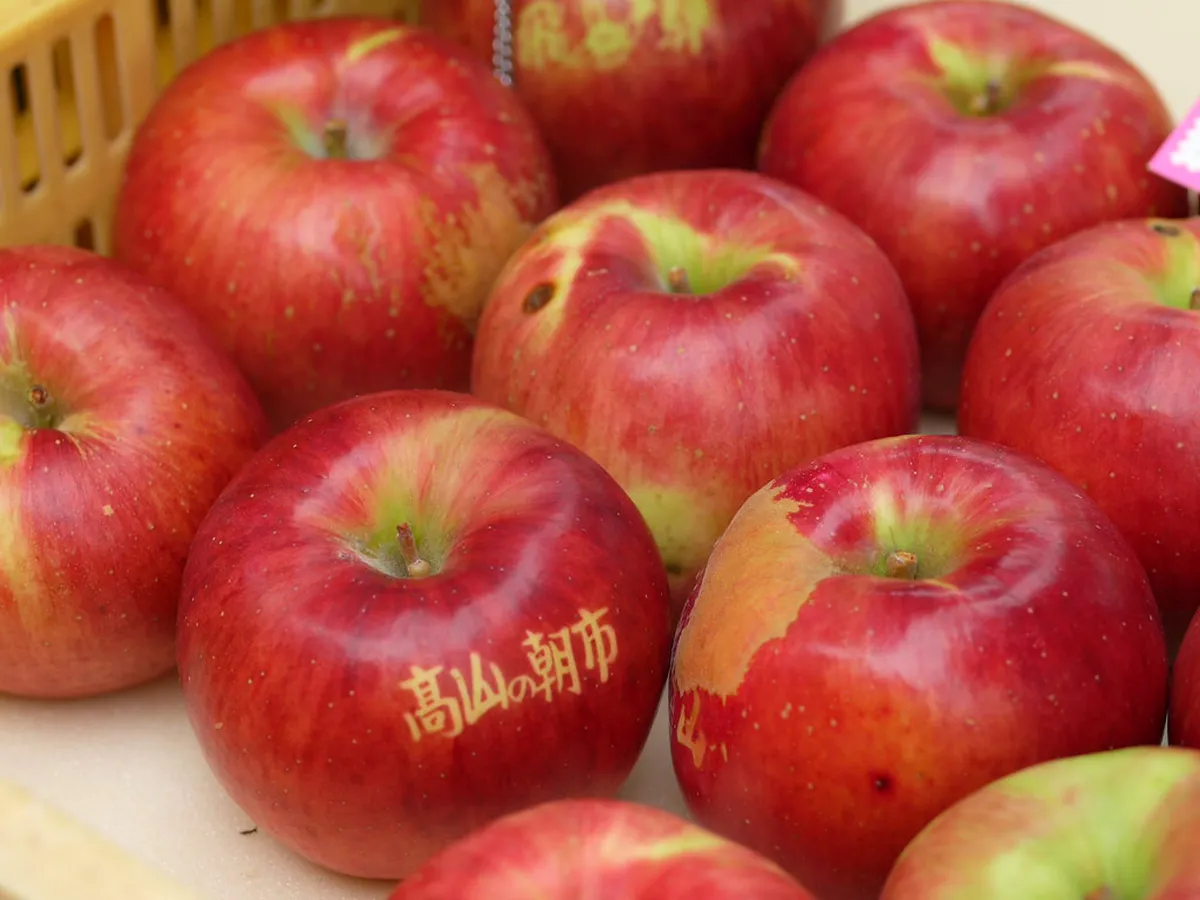
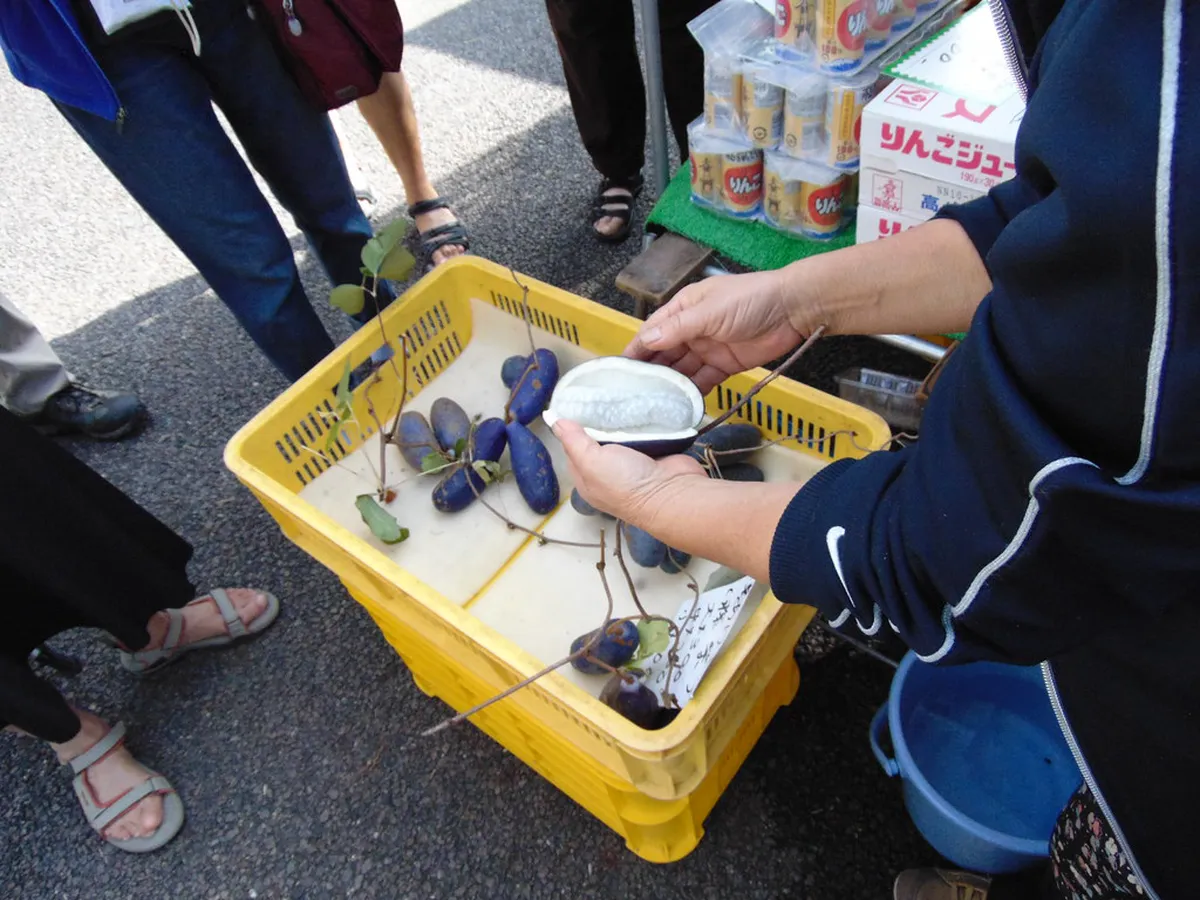
The seasonal rhythm here is particularly pronounced. In spring, look for sansai — wild mountain vegetables such as fiddlehead ferns and butterbur shoots that appear briefly and sell out fast. Summer brings sweet peaches and cucumbers direct from nearby farms. Autumn fills the stalls with fresh mushrooms and crisp Hida apples, while winter offers an edited selection of root vegetables, dried goods, and warming pickles that keep well through the cold months.
The vibe at Jinya-mae is generally quieter and more focused on the daily needs of local residents than the bustle of Miyagawa. Many vendors are elderly locals who have been coming here for years and who speak a distinctive Hida dialect. The stall count is smaller, but the authenticity of the transaction — buying food grown by the person in front of you — is hard to replicate. Bring a sturdy bag if you plan on purchasing several jars of preserves.
Must-Try Snacks: Hida Beef Croquettes and Gohei Mochi
| Market Snack | Price | Best Time to Buy |
|---|---|---|
| Hida beef croquettes | ¥300–500 | Before 10:00 (hot & fresh) |
| Gohei mochi (rice cake skewer) | ¥200–350 | 07:00–11:30 |
| Mitarashi dango (soy dumpling skewer) | ¥100–150 | 07:00–noon |
| Hida beef nigiri sushi | ¥800–1,000 | Arrive before 11:00 |
| Andersen Bakery croissant | ~¥300 | By 08:30 (sells out fast) |
Sampling the local street food is one of the most rewarding parts of exploring these historic riverside stalls. Savory Hida beef croquettes offer a rich taste of the region's famous wagyu in a portable, handheld form, typically priced between ¥300 and ¥500. They are prepared fresh throughout the morning, so they are reliably hot and crisp if you arrive before 10:00. This is the most crowd-pleasing market snack for first-time visitors.
Gohei mochi are another essential stop — skewered rice cakes grilled over charcoal and coated in a sweet walnut miso glaze. They cost around ¥200 to ¥350 and take just a couple of minutes to prepare at the grill. The smoky, slightly caramelized coating is a flavor specific to the Hida region and worth trying even if you usually skip rice cakes. Many stalls also offer mitarashi dango, a soy-glazed skewered dumpling, as a milder alternative.
For something sweet, look for the Owara Tamaten — a delicate local confection made from egg whites and sugar that melts quickly on the tongue. Pairing any of these snacks with a cup of hot green tea or the Andersen Bakery's fresh-baked goods makes for a complete breakfast on the go. Most items fall between ¥200 and ¥700, so it is easy to graze across several stalls without breaking the budget.
Unique Souvenirs: Sarubobo Dolls and Washi Paper Crafts
The markets are the best place in the city to find authentic, handmade souvenirs from the Hida region. Sarubobo dolls are the most iconic symbol of Takayama — faceless red cloth figures traditionally made by grandmothers as gifts for their grandchildren. Different colors carry different meanings: red for good health, yellow for wealth, green for safety on the road. Prices run from ¥500 for palm-sized versions to ¥3,000 for larger display pieces, and they are considerably cheaper here than in the boutiques downtown.
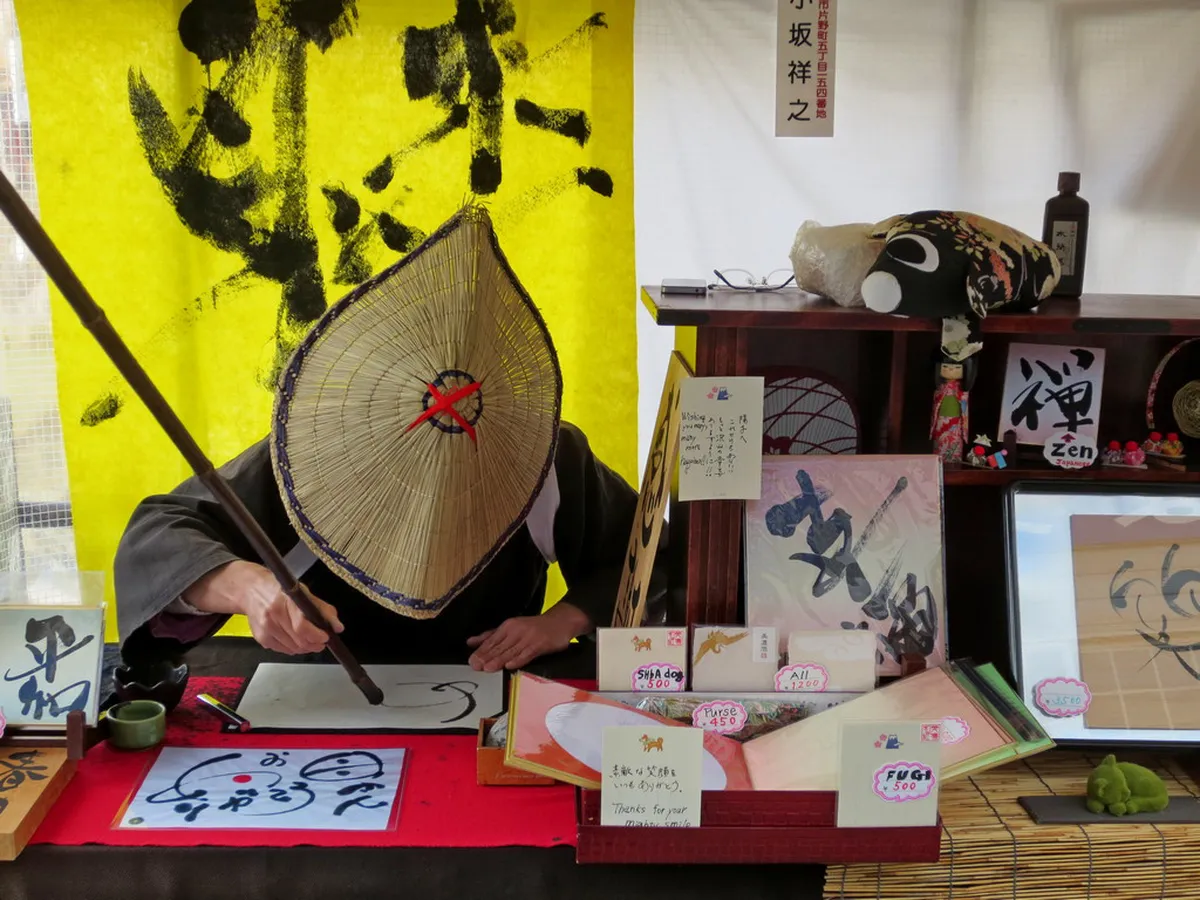
Washi paper products are another local specialty worth seeking out. Notebooks, fans, and stationery made with traditional techniques feature bold seasonal patterns and a satisfying texture that mass-produced paper cannot match. Wooden kitchenware carved from local cedar or cypress — cutting boards, spoons, chopsticks — is prized for both its durability and its faint forest scent. Artisans who make and sell their own work are common at both markets, and many will show you the tools they use if you express genuine interest.
Indigo-dyed textiles, yew wood carvings, and hand-painted ceramics round out the craft offering. Items made entirely by the vendor are labeled as such at most stalls — look for small handwritten signs. Purchasing directly from the maker keeps the money in the local economy and gives your souvenir a story worth telling when you get home.
How to Join a Market Tour and Cooking Lesson
Choosing between a solo walk and a guided tour depends on what you want from the morning. Independent exploration gives you complete flexibility — you can linger at a stall for twenty minutes or walk the entire stretch in thirty, entirely on your own terms. A guided market tour typically adds a cooking lesson in a traditional machiya townhouse, where you use ingredients purchased at the market that same morning. Expert guides provide context about the farmers and the seasonal items that would be hard to discover alone.
Booking a tour is particularly useful for navigating the language barrier when asking about specific mountain vegetables or inquiring about traditional preparation methods. Many cooking classes take place in historic buildings just a short walk from the markets, offering a look at local domestic architecture alongside the culinary lesson. You will often learn to make staples like miso soup or a seasonal vegetable dish, then eat what you cooked as lunch. These experiences typically run three to four hours and cost between ¥5,000 and ¥10,000 per person.
Solo travelers who want some structure without committing to a full tour can try arriving at 07:00 and following the market route from Kajibashi Bridge south along the river, then doubling back to Jinya-mae before 09:00. A translation app is useful for the more obscure mountain greens. Either way, interacting with vendors — even briefly — is a highlight of the experience that no amount of research can fully replicate.
Essential Logistics for Takayama Morning Markets
Both markets run daily throughout the year with no regular closing days. From April through October, stalls begin opening from 07:00 and the markets close at 12:00. From November through March, the start time shifts to 08:00 to account for colder mornings, though the 12:00 closing time stays fixed. Arriving within the first hour gives you the widest selection; by 10:30 the most popular food stalls often sell out of their best items. Integrating the markets into a broader Takayama Itinerary for First-Timers helps you sequence the rest of your day efficiently.
The smartest route if you want to cover both sites: start at Jinya-mae when it opens, since the smaller stall count makes it easy to browse in 20–30 minutes before the Jinya itself opens to visitors. Then walk 10 minutes north to Miyagawa, which hits its peak atmosphere — full stalls, freshly prepared food, busiest atmosphere — around 08:30 to 09:30. This sequence lets you see Jinya-mae at its quietest and Miyagawa at its liveliest, without backtracking. Most visitors do the reverse and consequently find Jinya-mae already winding down.
Almost all vendors at both markets are cash-only. Bring small yen notes (¥1,000 bills are fine; ¥10,000 notes can cause difficulty at busy stalls). The Andersen Bakery stall at Miyagawa sells out of fresh croissants fast — arrive by 08:30 to be sure of getting one.
Both markets are a 10–15 minute walk from JR Takayama Station through the Old Town. The Miyagawa Market main entrance starts from Kajibashi Bridge on Shimosannomachi. Neither market charges admission. Check the Miyagawa Morning Market Official Site for any schedule changes around public holidays. Almost all vendors are cash-only, so bring small yen notes and coins — ¥1,000 bills are fine, ¥10,000 notes can cause difficulty at smaller stalls.
Nearby Must-See Spots: Takayama Jinya and the Old Town
The markets sit within walking distance of several other major cultural landmarks in the historic heart of the city. After browsing the Jinya-mae stalls, step directly into the Takayama Jinya — the only remaining Edo-era provincial government office in Japan, now a free-entry museum with tatami-floored rooms and original court furniture. The connection is not accidental: the market grew up to serve the people who worked in this building, and seeing both in sequence makes each one more legible. Allow 30 to 45 minutes inside the Jinya after your market stroll.
From Miyagawa, a short walk leads you into Takayama Old Town — the Sanmachi Suji district of preserved Edo-era merchant houses. Sake breweries, craft shops, and small galleries fill the dark wooden facades along the main lanes. Kajibashi Bridge provides a good vantage point for photos looking back along the river toward the market stalls. The Nakabashi Bridge, with its distinctive red railings, is another photogenic stop just a few minutes further south.
You can easily spend an entire morning in this concentrated area of history and commerce. Planning your route to end in the Old Town is ideal for finding a traditional lunch spot. The proximity of these sites makes Takayama one of the most walkable and self-contained historic cities in Japan. Comfortable shoes are essential — expect two to three hours on foot at a relaxed pace.
Where to Stay for the Best Morning Market Experience
Booking accommodation near the Miyagawa River puts you within minutes of the stalls at opening time, before the larger tour groups arrive from hotels near the station. Many travelers prefer staying in a traditional ryokan to enjoy a classic Japanese breakfast after their market visit — though some ryokan guests find that waking up for a 07:00 market start conflicts with the inn's breakfast service, so confirm timing when booking. Hotels near JR Takayama Station are a practical alternative with easy access to the markets on foot. Reserve well in advance during the Takayama Matsuri in mid-April and mid-October, when the city books out weeks ahead.
Staying in the Sanmachi Suji area provides the most immersive experience in the city's historic atmosphere. Early morning is the only time you can walk the Old Town lanes without large daytime tourist crowds, and combining that walk with the market visit is one of the genuine pleasures of Takayama in 2026. Many local guesthouses offer a warm, family-style welcome that complements the friendly vendor culture of the morning markets. Choose a location that balances historic charm with proximity to both market sites.
Local Etiquette and Tips for a Smooth Visit
Both markets close at 12:00 daily and many popular food stalls — especially Hida beef croquettes and gohei mochi grills — sell out well before noon on busy days. If you arrive after 10:30, expect a reduced selection. Winter hours shift the opening to 08:00 instead of 07:00.
Following local etiquette ensures a respectful experience for both the hardworking vendors and your fellow market visitors. Eat your street food standing near the stall where you bought it rather than walking through the market while eating — it keeps the narrow paths clear and signals respect to nearby vendors. Carry a small bag for your own waste, as public bins are nearly nonexistent throughout central Takayama. Using exact change or ¥1,000 notes will make transactions faster for the busy stall owners during peak hours. These are valuable travel tips that apply throughout the city.
Always ask for permission before taking close-up photos of vendors or their handmade products. Be mindful of blocking the walkways when you stop to examine a stall or frame a shot. Free samples of pickles and miso are frequently offered — accept them graciously and there is no obligation to buy. A simple "Arigato gozaimasu" (ありがとうございます) after any interaction goes a long way in building goodwill with locals who have staffed these markets for decades.
Frequently Asked Questions
What is the difference between Miyagawa and Jinya-mae markets?
Miyagawa Market is larger and features more street food and souvenirs along the river. Jinya-mae Market is smaller and focuses on fresh produce and pickles sold directly by local farmers. Both offer a unique look at local culture. Learn more about regional travel on the Japan Activity Blog.
What time do Takayama morning markets close?
Both markets typically close around 12:00 PM daily. It is best to arrive before 10:00 AM to see the full variety of goods. Some vendors may start packing up earlier if they sell out of seasonal items. Arriving early also helps you avoid the largest crowds.
Are the Takayama morning markets open in winter?
Yes, the markets remain open throughout the winter, though they start one hour later at 7:00 AM. You will find fewer stalls during heavy snow, but many vendors still offer winter specialties like hot sake and pickles. The snowy riverside setting provides a beautiful and unique atmosphere for visitors.
What are the best snacks to try at Miyagawa Morning Market?
The most popular snacks include Hida beef croquettes, Gohei mochi, and fresh croissants from Andersen Bakery. You should also try the "tamaten" egg sweets and locally pressed apple juice. Most snacks are prepared fresh and offer a delicious taste of the Hida region's culinary traditions.
The Takayama morning markets are a must-see attraction that perfectly captures the spirit of this historic mountain city. Whether you are looking for delicious street food or unique handmade gifts, these stalls offer something for everyone. Starting your day with a riverside stroll provides a peaceful and authentic connection to local Japanese life. Make sure to include both market locations in your next trip to experience the full diversity of the Hida region.
Free: The Takayama Essentials guide
Top things to do, where to stay, a perfect day plan, getting around, and the best time to go — a Takayama mini-guide you can take offline.
You might also like


Continue reading
More guides you'll find useful

