7 Best Ryokan in Takayama (2026): Authentic Stays in the Japanese Alps
Discover the best ryokan in Takayama with our expert guide. Compare top-rated traditional inns featuring private onsens, Hida beef dining, and Edo-period charm.
On this page
Choosing the right accommodation defines your entire experience in the Japanese Alps. Takayama offers a rare glimpse into Edo-period Japan, and the magic truly happens when you trade your shoes for slippers at a traditional entryway. Staying in a ryokan here is not just about a bed — it is about the steam from a mountain hot spring and the marbled perfection of Hida beef served in your room. Our editors have vetted these properties to ensure they deliver the authentic hospitality that this mountain town is famous for in 2026.
This guide covers the seven highest-rated traditional inns in the Hida Takayama region, with specific detail on onsen type, dining format, location, and price range. Prices and meal plans change seasonally, so always confirm directly with the inn or on Jalan and Rakuten Travel before booking.
| Ryokan | Rate/person (JPY) | Location | Private bath? |
|---|---|---|---|
| Oyado Koto No Yume | 30,000–55,000 | Near station (5-min walk) | Heated pool (not spring) |
| Hidatei Hanaougi | 65,000–110,000 | Near station | Yes, private rotenburo |
| Hanaougi Bettei Iiyama | 75,000–130,000 | 20-min walk (shuttle) | Yes, every room |
| Suihoen | 40,000–80,000 | Near Hida Folk Village | Shared + kashikiri |
| Yamazatonoiori Soene | 46,000–87,000 | Fukuji Onsen (rural) | Complimentary family baths |
| Miyama Ouan | 36,000–70,000 | Hirayu Onsen | Yes, private cypress bath |
| Honjin Hiranoya Kachoan | 58,000–125,000 | Old Town (opposite Jinya) | Shared baths |
Why Choose a Ryokan in Takayama?
The Hida region is famous for its high-quality timber and master carpenters who built the imperial palaces in Kyoto. Staying in a local inn lets you experience this craftsmanship firsthand through intricate woodwork and traditional joinery. Many buildings have survived for over a century, offering a tangible connection to the merchant history of the town. A ryokan provides a level of cultural immersion that no standard hotel can replicate.
Dining is perhaps the most significant reason to book a traditional stay in Gifu Prefecture. Most high-end inns serve A5-grade Hida beef, Japan's most intensely marbled wagyu, often prepared on a hoba magnolia leaf over a small charcoal brazier at your own table. This culinary experience is typically included in the room rate and represents the pinnacle of local hospitality. If you are unsure which area suits your travel style, our guide on where to stay in Takayama breaks down the neighborhoods before you commit.
The thermal waters of the Hida Takayama Onsen are prized for their skin-softening alkaline minerals and muscle-relaxing properties. Soaking in an outdoor bath while snow falls around you is a quintessential Japanese experience. Each district offers a slightly different atmosphere, from the bustling station area to the quiet temple paths of Higashiyama.
Which Takayama Neighborhood Is Right for You?
Location has a bigger impact on your stay than most booking platforms communicate. Takayama's ryokan are spread across three distinct zones, and picking the wrong one creates avoidable friction — long walks with luggage during festival crowds, taxi dependency after dark, or missing the morning markets at their best hour.
The Takayama Station area is the practical choice for short stays and first-timers. Properties like Oyado Koto No Yume and Hidatei Hanaougi sit within a 10-minute flat walk of the east exit. You can reach the Sanmachi Suji sake breweries and the morning markets in 12–15 minutes on foot. The morning markets open at 07:00, which is manageable before a 10:00 checkout. Station-area ryokan also tend to have more reliable shuttle schedules, which matters in winter when roads are icy.
The Old Town area suits visitors who want total atmospheric immersion, especially during festivals. Honjin Hiranoya Kachoan sits directly opposite the Takayama Jinya government house, with the Nakabashi bridge visible from superior rooms. During the Takayama Spring Festival in April and the Autumn Festival in October, staying inside the historic district means you are steps from the decorated floats without transport headaches. However, expect higher rates and street noise on festival nights. Book at minimum six months before festival dates to secure Old Town rooms — top room types close within hours of the calendar opening.
The outlying onsen districts — Fukuji Onsen and Hirayu Onsen — sit 30–45 minutes by road and depend on shuttle access. Yamazatonoiori Soene in Fukuji and Miyama Ouan in Hirayu fall into this category. The trade-off is clear: deeper rural immersion and typically a lower per-person rate, but limited access to the Old Town without a car or taxi. These properties make most sense if you are spending two or more nights in Takayama and want one night of genuine mountain retreat.
Hida Takayama Onsen: What the Waters Are Actually Like
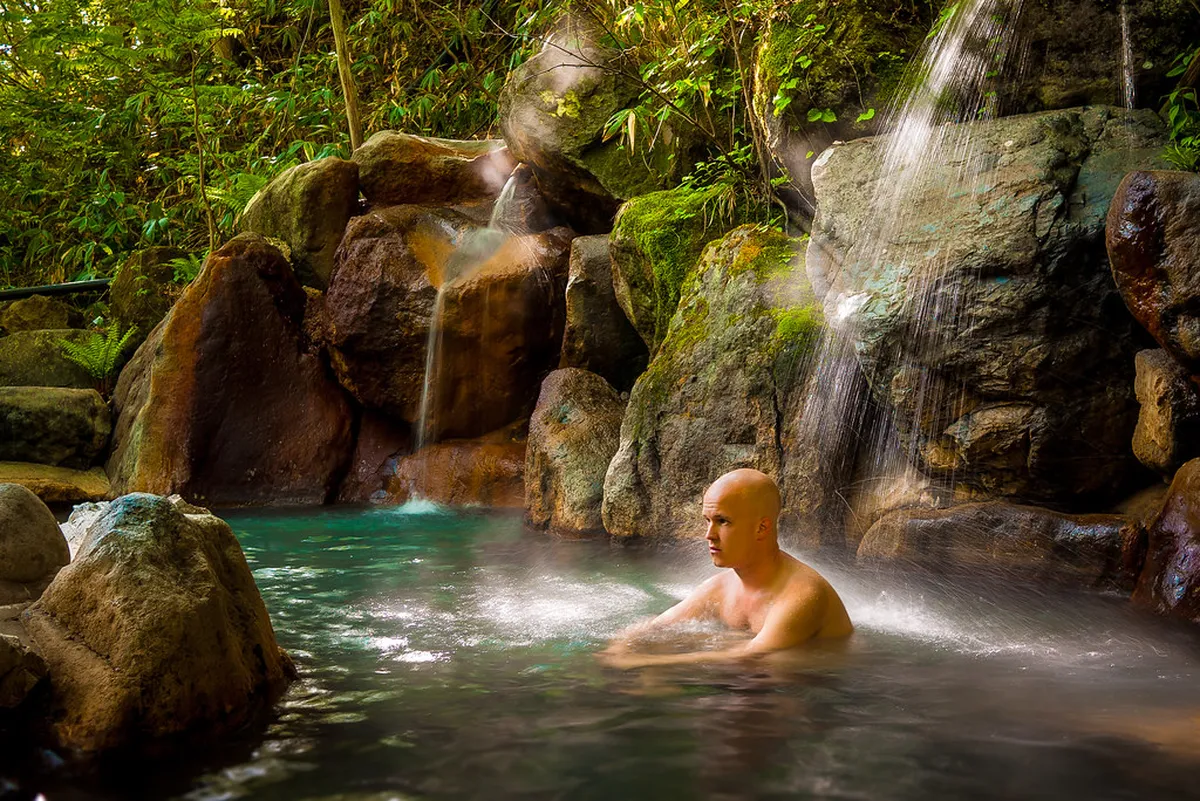
Takayama's hot springs draw from a sodium bicarbonate source, which gives the water a noticeably silky quality on the skin. Bathing here is different from the sulfurous springs of Beppu or the highly acidic waters of Kusatsu — the pH is gentler, making it suitable for sensitive skin and children over two years old. Regular bathers describe an almost moisturizing effect after a single 15-minute soak at around 41–43°C.
Communal baths are separated by gender and require bathing without swimwear per Japanese custom. Private family baths (kashikiri buro) are gender-neutral enclosed rooms reserved in advance, typically for 45-minute slots. One detail that most booking sites omit: infants still in diapers cannot use communal baths at any ryokan in Japan. If you are traveling with a baby, you must book a room with a private in-room rotenburo or reserve a kashikiri buro. Hidatei Hanaougi and Hanaougi Bettei Iiyama both have private outdoor baths attached directly to premium rooms — the most convenient option for families. Yamazatonoiori Soene handles this with complimentary private family onsen rooms on the grounds, available first-come at no additional charge.
For solo travelers and couples seeking total spontaneity, the private balcony rotenburo is worth the higher room rate — you can soak at 02:00 if the mood strikes without reservations or waiting lists.
Hida Beef and Kaiseki: How Dining Works at Each Property
Hida beef is certified wagyu from Gifu Prefecture and must meet A4 or A5 grading on the Beef Marbling Score. A5 indicates the highest fat distribution — the steak appears almost white with interlaced fat. Most top-tier ryokan serve it hoba-miso style (on a dried magnolia leaf with miso paste and seasonal vegetables over a small charcoal brazier) or as shabu-shabu with a local sake pairing. Ask at booking which preparation is standard for your room type; some luxury suites include both styles across a multi-course dinner.
The dining format matters as much as the beef grade. Hidatei Hanaougi, Hanaougi Bettei Iiyama, and Honjin Hiranoya Kachoan all offer in-room kaiseki service with a dedicated attendant — the most formal and private experience available. Suihoen and Oyado Koto No Yume use a shared dining room format that feels slightly more communal. If privacy during dinner is a priority, confirm the exact format before booking. This detail is rarely stated clearly on third-party platforms.
Dietary restrictions require at least one week's notice. Traditional kaiseki menus are set in advance around local seasonal ingredients and cannot be restructured the night you arrive. Vegetarian alternatives are possible at most properties but need early coordination. Raw fish is a standard course and removing it changes the course structure, so communicate any aversions clearly at the time of reservation.
Oyado Koto No Yume
This colorful boutique ryokan sits less than a five-minute flat walk from Takayama Station and steps from the historic Sanmachi Suji district. Staff are known for attentive English-language support and helping guests dress in formal yukatas — the widest yukata selection on this list. This is the best entry point for first-time ryokan visitors who want a central location with walkable access to everything in town.
- Rates: ¥30,000–¥55,000 per person including breakfast; dinner plans add approximately ¥8,000–¥15,000.
- Public onsen is gender-separated; the private bath is a heated pool (not natural spring water), suitable for couples bathing together.
- Dining takes place in a shared dining room — the most casual format on this list.
- Laundry facilities and a small gift shop on the ground floor are useful for longer trips.
Hidatei Hanaougi
Located near Takayama Station, this luxury property is the top recommendation for families and couples wanting private outdoor baths without traveling far. Premium rooms have private rotenburo attached directly, and the alkaline thermal water is among the smoothest of all properties on this list. Staff pre-arrange baby equipment — potty seats, bouncers, and diaper pails — if you request these before arrival.
- Rates: ¥65,000–¥110,000 per person for a full kaiseki experience with A5 Hida beef served in-room.
- In-room kaiseki dining with a dedicated attendant throughout the meal.
- Request a garden-side room for koi pond views during morning tea service.
- Ideal for families with infants who need private bathing facilities and strong logistical support from staff.
Hanaougi Bettei Iiyama
Each of the 15 guest rooms at this intimate property has its own private outdoor hot spring bath — the most consistently private onsen experience on this list. The kaiseki dinner features A5-grade Hida beef prepared in a private dining room with a dedicated attendant throughout the meal. The staff-to-guest ratio here is the highest of all seven properties.
- Rates: ¥75,000–¥130,000 per person including two multi-course meals.
- Check-in from 15:00; checkout strictly at 10:00. A shuttle from the station is essential — walking exceeds 20 minutes.
- Hoba-miso Hida beef preparation is the standard course; shabu-shabu can be requested in advance.
- Best for couples and honeymooners who want total privacy during both bathing and dining.
Suihoen
This traditional establishment overlooks the Hida Folk Village with tatami mat flooring throughout and river fish sourced from the local Miyagawa stream. The communal dining room format gives it a livelier, more informal atmosphere than the formal luxury properties — a good fit for travelers who want authenticity without strict ceremony.
- Rates: ¥40,000–¥80,000 per person for standard traditional rooms during regular season.
- Public baths open 06:00 to midnight; private family baths available by advance reservation.
- The morning markets are a short walk away — time your 10:00 checkout to stop there before your next destination.
- Best for: mid-range travelers wanting genuine atmosphere at a lower price point than the top-tier luxury properties.
Yamazatonoiori Soene
Located in the Fukuji Onsen area, this rustic lodge features massive open hearths and century-old wooden beams — the most atmospheric interior of any property on this list. There are no in-room baths, but complimentary private family onsen rooms on the grounds are available first-come with no reservation fee, making them accessible even for families with infants.
- Rates: ¥46,000–¥87,000 per person including the signature hearth-cooked dinner and breakfast.
- Check-in from 14:00 to 21:00; shuttle access from the local bus stop is essential given the rural location.
- The hearth dinner is the most distinctive meal format on this list — local mountain vegetables and river fish cooked tableside.
- Best for: travelers comfortable without in-room baths who want the deepest rural mountain retreat.
Miyama Ouan
This resort-style ryokan in the Hirayu Onsen district blends modern facilities with traditional mountain aesthetics and suits groups well. Large communal baths stay open through the night, and free late-night ramen is served after the evening soak — a detail that makes it popular with younger travelers and hiking groups.
- Rates: ¥36,000–¥70,000 per person for a room with a private cypress wood bath and mountain views.
- Complimentary shuttle connects to the nearby ropeway — useful if you are adding a hiking day to your trip.
- The most affordable property on this list that still offers a private in-room bath.
- Best for: groups and budget-conscious travelers who want private onsen access without the top-tier price.
Honjin Hiranoya Kachoan
This prestigious inn stands directly opposite the Takayama Jinya government house and delivers some of the most attentive service in Gifu Prefecture. Guests receive a dedicated room attendant who serves the multi-course kaiseki dinner in-suite — the most formal in-room dining experience on this list — with views of the red Nakabashi bridge from superior rooms.
- Rates: ¥58,000–¥125,000 per person for luxury traditional suites.
- Main entrance staffed 24 hours; early departures before 07:00 morning markets open are easily accommodated.
- Prime Old Town location means festival float viewing is steps from the front entrance.
- Book at least six months ahead for April and October festivals — top room types sell within hours of the calendar opening.
Essential Takayama Ryokan Booking Tips
Most high-end Takayama ryokan open reservation calendars exactly six months in advance for the April and October festivals. Top room types at Honjin Hiranoya Kachoan and Hanaougi Bettei Iiyama close within hours of the calendar opening — set a reminder for the exact six-month mark if you want festival dates.
Securing a room during the Takayama Autumn Festival in October requires extreme advance planning. Most high-end ryokan open their reservation calendars exactly six months in advance. If you miss this window, check for cancellations around 30 days before the event — festivals sometimes generate last-minute availability as group bookings rearrange. The official festival dates are published each year on the Takayama City Tourism Board site.
Hida beef is certified wagyu from Gifu Prefecture at A4 or A5 grading. The standard serving method at most ryokan is hoba-miso style — the beef is placed on a dried magnolia leaf with miso paste and seasonal vegetables over a small charcoal brazier at your own table. Ask at booking which preparation your room rate includes.
Always verify whether your chosen inn offers a shuttle from Takayama Station. Walking 15 minutes through snow with heavy luggage in winter is the most common avoidable mistake for first-time visitors. Most shuttles operate from the east exit between 14:00 and 17:00; a call from the station information desk can often summon one outside scheduled hours. Properties in the Hirayu and Fukuji Onsen areas have longer drives and less frequent shuttle windows — factor this into your arrival planning.
Inform the kitchen of dietary restrictions at least one week before arrival. Traditional kaiseki menus are prepared around seasonal availability and cannot be restructured on the day you arrive. Vegetarian substitutions are possible but require early coordination. Most major ryokan in Takayama have staff who speak functional English and provide translated etiquette guides, so language is rarely a practical barrier.
Frequently Asked Questions
Is staying in a Takayama ryokan worth the high price?
Yes, because the price includes a gourmet multi-course dinner and breakfast featuring local Hida beef. You also gain access to private onsen facilities and experience traditional Japanese hospitality that standard hotels cannot match. It is a complete cultural experience rather than just a place to sleep.
How far in advance should I book for the Takayama Festival?
You should book at least six months in advance for the April or October festivals. These dates are the busiest of the year and top-rated ryokan sell out within hours of opening their calendars. Always check for cancellations about 30 days before the event if you missed the initial window.
Do I need to speak Japanese to stay at a traditional inn?
No, most major ryokan in Takayama have staff who speak basic English and provide translated guides for onsen etiquette. While a few phrases are appreciated, you can navigate the check-in and dining process easily. Many inns also use visual menus to help international guests understand the local ingredients.
Choosing the best ryokan in Takayama is the most effective way to turn a simple trip into a lifelong memory of Japan. The combination of historic architecture, soothing thermal waters, and world-class Hida beef creates an atmosphere that is genuinely unique to Gifu. Whether you choose the colorful Oyado Koto No Yume for its central location or the total privacy of Hanaougi Bettei Iiyama, book early and arrive with an appetite for the incredible mountain flavors waiting for you.
For more help planning your route through the Japanese Alps, check out our Takayama itinerary for first-timers for the ideal three-day route. Safe travels through the wooden streets and hidden hot springs of Hida Takayama.
Free: The Takayama Essentials guide
Top things to do, where to stay, a perfect day plan, getting around, and the best time to go — a Takayama mini-guide you can take offline.
You might also like


Continue reading
More guides you'll find useful