

Takayama 3-Day Itinerary: 6 Essential Planning Steps
Plan the perfect Takayama 3-day itinerary with this 6-step guide covering Shirakawa-go, Hida beef, sake breweries, and local morning markets.
On this page
Three days is the sweet spot for Takayama. It is long enough to do Shirakawa-go properly, wander every lane of the Sanmachi Suji district, and still leave time for an unhurried Hida beef dinner. This guide covers the full 2026 itinerary — day by day, with transport details, opening times, and the one evening move most visitors completely miss.
Most tourists rush through in a single day. Three days lets you arrive before the tour buses at the morning market, linger at sake breweries in the afternoon, and discover what Takayama looks like when the day-trippers are gone. Refer to the Official Takayama City Website for seasonal event updates during your visit.
At a Glance: 3-Day Takayama Itinerary
This quick overview shows the logic of the schedule. Day 1 stays entirely in town to settle in and cover the Old Town classics. Day 2 is the full-day Shirakawa-go excursion. Day 3 uses the morning market and Hida Folk Village to close out before your departure.
| Day | Focus | Key Sites | Approx. Cost |
|---|---|---|---|
| Day 1 | Old Town, sake & Hida beef | Miyagawa Market, Takayama Jinya (¥440), Sanmachi Suji breweries | ¥6,000–10,000 |
| Day 2 | Shirakawa-go day trip | Nouhi Bus (¥2,800 round trip), Wada House (¥300), onsen evening | ¥5,000–8,000 |
| Day 3 | Markets & Folk Village | Jinya-mae Market, Hida Folk Village (¥700), Higashiyama Walkway | ¥3,000–5,000 |
- Day 1 — Old Town, sake, and Hida beef: Miyagawa Morning Market at 07:00, Takayama Jinya by 09:30, Sanmachi Suji and sake breweries in the afternoon, Hida beef dinner in the evening.
- Day 2 — Shirakawa-go day trip: First Nouhi Bus at 08:30 from Takayama Bus Terminal, full day in the UNESCO village, return by 17:00, onsen evening.
- Day 3 — Markets and folk village: Jinya Mae Morning Market in the morning, Hida Folk Village by 10:00, Higashiyama temple walkway at sunset.
Everything on Day 1 and Day 3 is walkable from the station. Day 2 requires the Nouhi Bus round trip — book that ticket before anything else.
Logistics: Getting to and Around Takayama
Takayama sits deep in the Hida Mountains of Gifu Prefecture and is only accessible by one train line. The JR Hida Wide View limited express runs from Nagoya to Takayama in approximately 2 hours 30 minutes. The non-reserved fare is around ¥6,140 one way and is covered by the JR Pass. From Tokyo, take the Shinkansen to Nagoya first, then switch to the Hida. From Kyoto or Osaka the journey takes about 3 hours via Nagoya.
Once you arrive, the city centre is fully walkable. The Miyagawa Morning Market, Sanmachi Suji, and Takayama Jinya are all within 15 minutes on foot from the station. The only spots that require a bus are the Hida Folk Village (City Bus Line 1 or 2, ¥100 per ride, 10 minutes) and Shirakawa-go (Nouhi Bus, 50 minutes).
Book the Nouhi Bus Shirakawa-go Line at least 30 days before you travel during peak periods — autumn foliage (late October to mid-November) and winter illumination (January to February) sell out within hours. The round-trip fare is approximately ¥2,800. Seats are reserved, so you will board at your scheduled time from the Takayama Expressway Bus Terminal, a 5-minute walk south of JR Takayama Station.
The Sarubobo Bus between JR Takayama Station and Hida Folk Village costs only ¥100 per ride (or ¥500 for an all-day pass) and runs about every 30 minutes. It is the most practical way to reach the Folk Village without adding a 30-minute walk to an already busy day.
Day 1: Old Town, Sake, and Hida Beef
Start at the Miyagawa Morning Market by 07:00 before the tour groups arrive. Vendors line the riverbank selling fresh mountain vegetables, handmade pickles, Sarubobo dolls (the red faceless lucky charms of the Hida region), and hot street food. The market runs until noon, but the best produce and the most authentic atmosphere belong to the first two hours. Most stalls are cash only, so keep small yen bills on hand.
Walk ten minutes south to Takayama Jinya by 09:30. This is the only surviving Edo-period government building of its type in Japan — every other regional jinya was demolished after the Meiji Restoration. Entry costs ¥440. Pick up the English audio guide at the entrance; it turns the tatami rooms and the interrogation chamber from a collection of old objects into a coherent story. Allow about one hour.
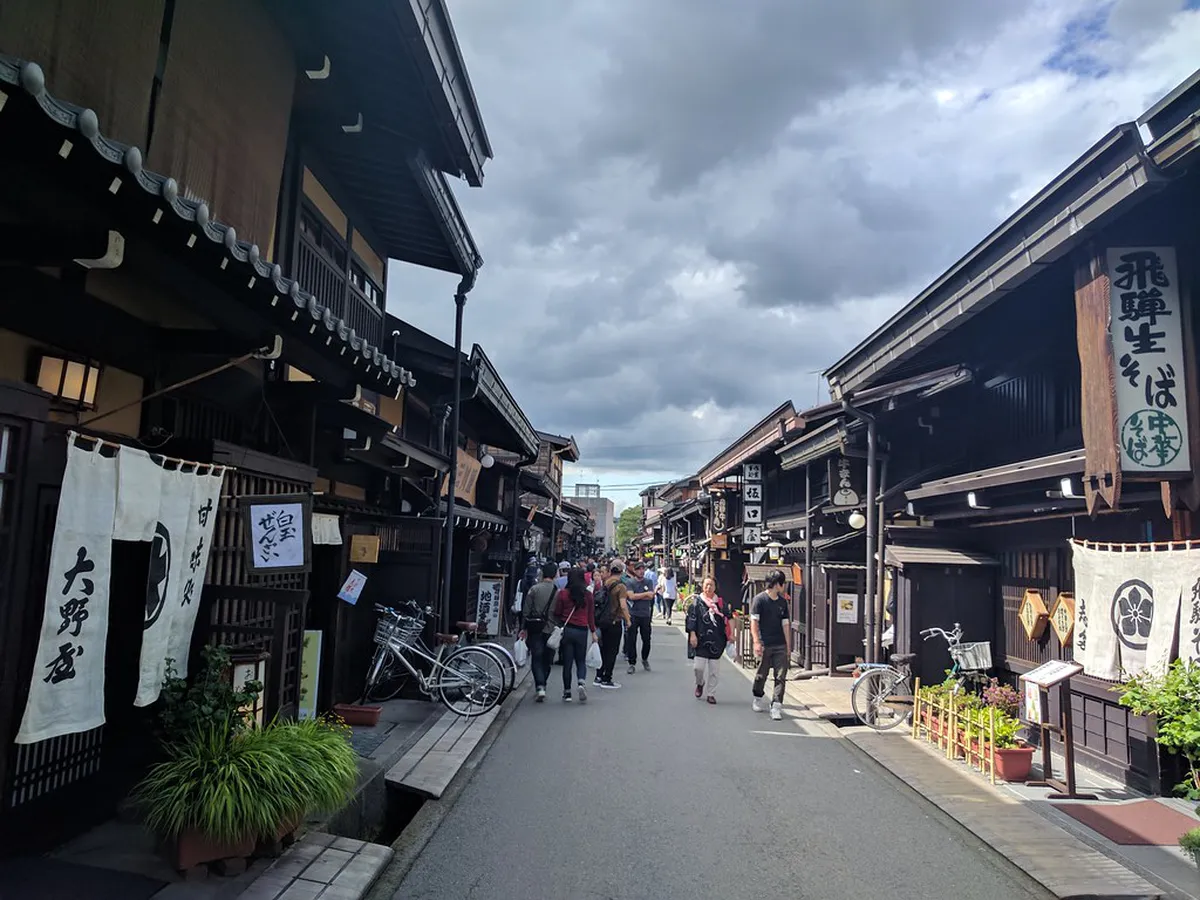
The afternoon belongs to Sanmachi Suji and the sake breweries. The three parallel streets of preserved merchant buildings contain seven active breweries within easy walking distance of each other. Funasaka Shuzo is one of the oldest and offers a wide tasting selection; Harada Sake Brewery is smaller and friendlier. Most offer free pours on the assumption you buy a bottle — a fair deal. Try a junmai (pure rice sake) side by side with a ginjo (fruity, floral) to understand the range. Drink water between stops and eat something. The street food skewers — mitarashi dango, gohei mochi, and Hida beef skewers — are legitimate lunch and perfect for pacing yourself.
For dinner, book a table at a proper Hida beef restaurant before your trip. Maruaki does excellent yakiniku where you grill thin-sliced A5 wagyu at the table. Kyoya is the other reliable choice and uses charcoal grills. Expect to spend ¥4,000–8,000 per person for a full set. If you missed a reservation, the small windows in the Old Town selling Hida beef sushi nigiri for ¥500–800 per piece are a perfectly satisfying alternative.
Day 2: Shirakawa-go UNESCO World Heritage Site
Take the first Nouhi Bus of the day at 08:30 from the Takayama Bus Terminal. You arrive in Shirakawa-go at around 09:20, well ahead of the tour bus crowds that peak between 11:00 and 13:00. The village sits in a mountain valley and its gassho-zukuri farmhouses — named for the steepled thatched roofs that resemble hands pressed together in prayer — are found almost nowhere else in the world. UNESCO listed the village in 1995. For more information on day trips from Takayama, see our detailed regional guide.
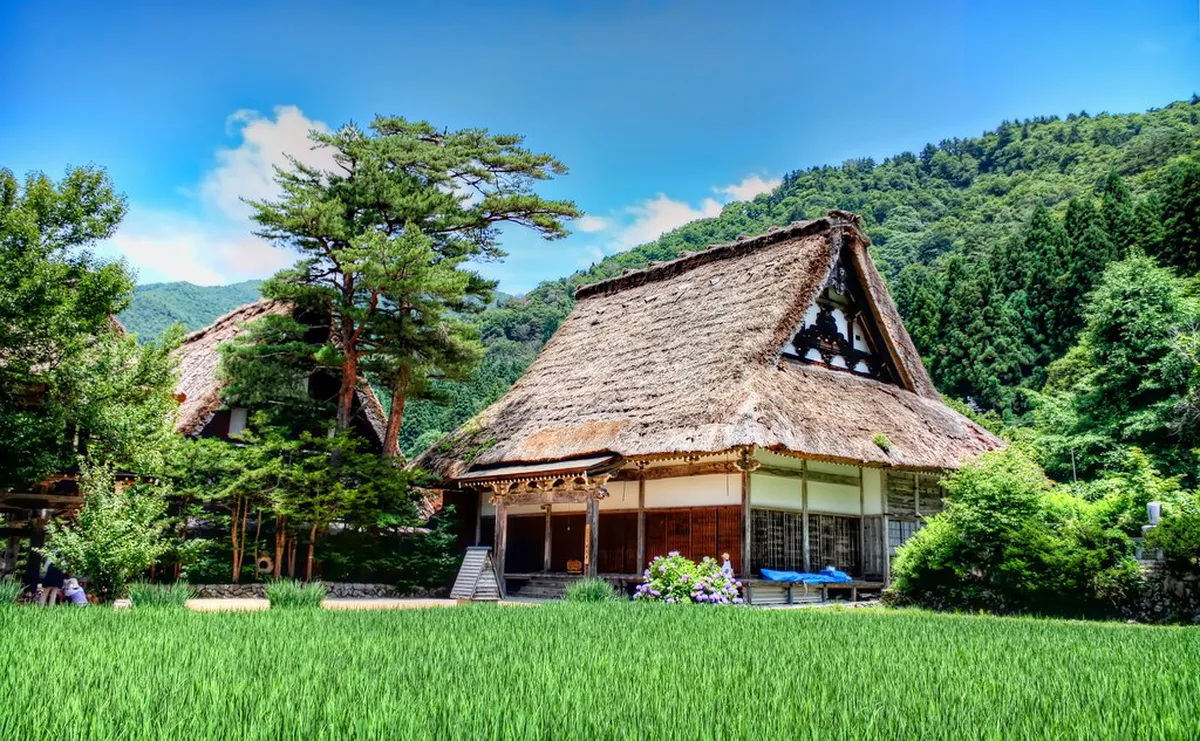
Start with the Shiroyama Observation Deck. The 20-minute uphill walk (or ¥200 shuttle bus) gives you the classic postcard view of the entire village spread across the valley floor. Take this photo in the morning before haze builds. Come back down and walk the main street at your own pace. Enter the Wada House (¥300), the largest surviving farmhouse and home to the village's former silk-trading family — the interior shows four centuries of adaptive reuse. The Doburoku Festival Museum adjacent to the main shrine is free and explains the village's tradition of home-brewed cloudy sake.
Allow four to five hours total in Shirakawa-go, then catch a mid-afternoon return bus to be back in Takayama by 17:00. The return bus options run roughly every 90 minutes; check the schedule when you book your outbound seat. Spend the evening at your ryokan's onsen or a local sento — your legs will thank you.
Day 3: Morning Markets and Hida Folk Village
On your final morning, visit the Jinya Mae Morning Market in front of the Takayama Jinya building. This market is smaller and less photographed than the Miyagawa market, which means it retains a more genuinely local feel. Vendors sell preserved vegetables, dried mushrooms, wild mountain herbs, and fresh yuzu. It runs from around 07:00 to noon.
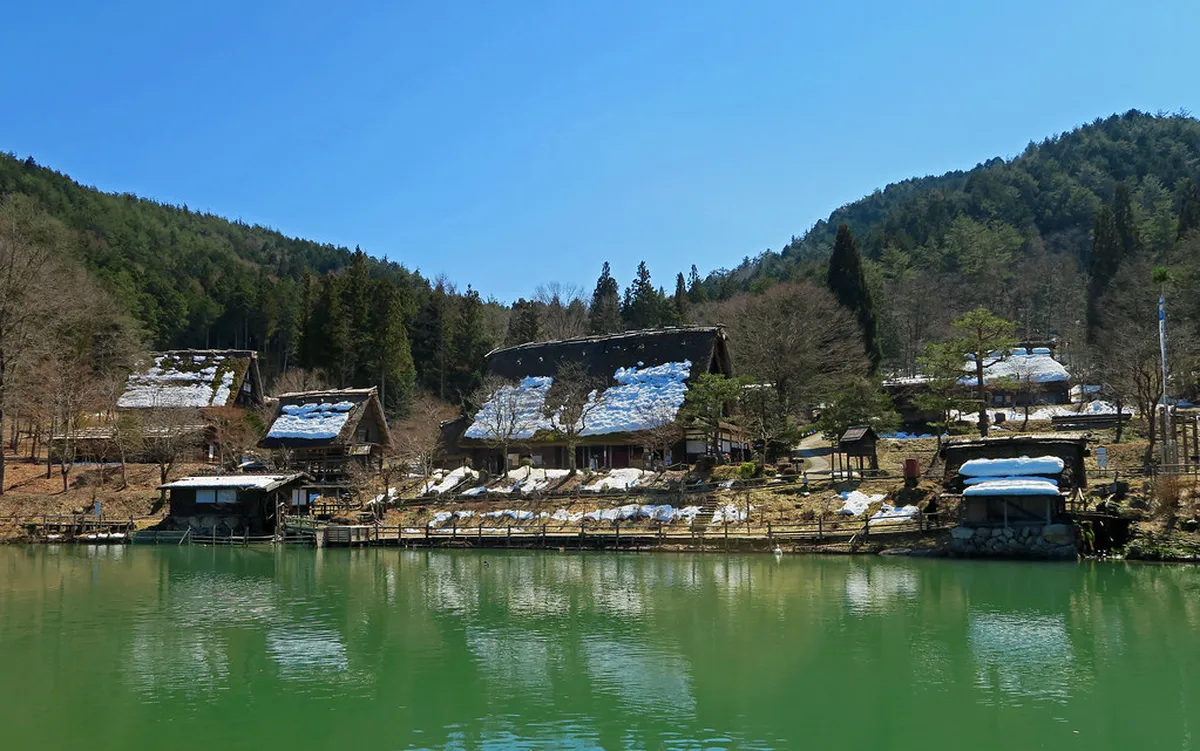
By 09:30, board the City Bus toward the Hida Folk Village (Hida no Sato). The 10-minute ride drops you at the entrance where admission is ¥700. The open-air museum preserves over 30 traditional farmhouses relocated from villages across the Hida region, many of them gassho-zukuri style like Shirakawa-go but in a quieter, more walkable setting. Allow two hours. The village is consistently less crowded than Shirakawa-go and the exhibits inside the houses are more interactive — visitors can enter freely and examine the hearths, silk-spinning equipment, and storage lofts. Refer to the Takayama Museum of History and Art for context on the Hida folk tradition before or after your visit.
Spend your final afternoon on the Higashiyama Walkway, a 3.5-kilometre path linking a chain of Buddhist temples and Shinto shrines on the wooded hillside east of the station. The walk takes about 90 minutes at a relaxed pace and ends near the Old Town, making it easy to stop for farewell drinks at a sake brewery or pick up last-minute Sarubobo souvenirs before heading to the station.
Sanmachi Suji After the Crowds Leave
Most shops on Sanmachi Suji close at 17:00 and the day-trippers follow them out of town within 30 minutes. By 17:30 the three main streets are nearly empty. This is the best 90 minutes of the entire trip for anyone who has a camera or simply wants to experience the district as it was designed to feel.
The paper lanterns in front of the breweries and merchants switch on at dusk, usually around 17:45 in autumn and 18:30 in summer. The orange glow against the dark cedar-lattice facades is unlike anything you will find in Kyoto or Tokyo. Two sake venues are worth noting for late visiting: Funasaka Shuzo runs its outdoor vending machines until approximately 18:00 and the sheltered tasting area stays open; a small gohei mochi stall near the Kaji-bashi Bridge typically operates until 19:00. Several izakayas tucked into the parallel side streets open their dinner service from 18:00 onward — these are where locals eat, not the tourist-facing spots on the main drag.
If you are on Day 1 of the itinerary and have already done the afternoon sake brewery loop, coming back after dinner for a 20-minute stroll costs nothing and transforms your memory of the district entirely. This window is especially good for photography because there is no crowd management, no competing umbrellas, and the low evening light hits the wooden facades at a flattering angle.
Food Guide: Hida Beef and Local Snacks
Hida beef is a premium wagyu brand produced in the Hida region of Gifu Prefecture. The cattle are raised on local feed and mountain water for at least 14 months, producing fat marbling scores that rival Kobe and Matsusaka. You will encounter it in several formats: yakiniku (table-grilled thin slices), shabu-shabu (swished through hot broth), Hida beef sushi (lightly seared nigiri), and street-stall skewers. The skewers at ¥500–800 are the most affordable entry point and genuinely reflect the local street food culture — eating them while walking Sanmachi Suji is perfectly acceptable.
Beyond beef, Takayama has a strong local food identity rooted in mountain ingredients. Mitarashi dango (sweet soy-glazed rice dumplings) and gohei mochi (rice cakes coated in sweet walnut or sesame miso) are sold from stalls throughout the Old Town for ¥200–300. Takayama ramen uses flat, slightly wavy noodles in a light shoyu broth garnished with green onions and chashu — it is lighter than most regional ramen styles and makes an ideal lunch. Mountain vegetables are central to Hida cuisine: pickled warabi (bracken fern) and zenmai (royal fern) appear in set meals at traditional restaurants and are sold by the packet at both morning markets.
For a proper sit-down meal, Kyoya and Maruaki are the benchmark Hida beef restaurants and both require reservations. Ajikura Tengoku serves affordable set lunches on weekdays without the wait. If you prefer a quieter meal sourced from a single local farm, look for small restaurant owners who advertise their own produce — several operate in the area between the Jinya and the river and do not appear on major booking platforms. Ask at your accommodation for current recommendations.
Most sake breweries and market stalls on Sanmachi Suji are cash-only. Bring small yen notes — ¥10,000 bills can be difficult at busy stalls during the morning rush.
Where to Stay: Best Neighborhoods in Takayama
Choosing where to stay in Takayama depends on your budget and how early you need to catch buses. The area immediately around Takayama Station is the most practical. Business hotels and modern properties here are five minutes from the expressway bus terminal for the Shirakawa-go departure and have coin lockers for luggage storage. If you are arriving by a late train on your first evening, staying near the station removes any navigational stress.
For a more traditional experience, a ryokan inside or adjacent to the Sanmachi Suji district puts you on the preserved streets themselves. You sleep on futon, dinner and breakfast are multi-course kaiseki featuring local Hida ingredients, and you walk out your front door into the Edo-period atmosphere before any tourists arrive. These stays range from ¥20,000 to ¥40,000 per person per night including meals and should be booked three to four months in advance for spring and autumn. Check the Takayama Museum of History and Art nearby for context on the local heritage of the area.
Mid-range travelers have a good option in the riverside area between the station and the morning market — several small guesthouses and machiya (townhouse) rentals here offer private rooms with modern bathrooms at ¥8,000–15,000 per night. Book any type of accommodation at least six weeks out during the Takayama Autumn Festival (second weekend of October) and Sanno Festival (mid-April), when the entire town fills within days of rooms becoming available.
Frequently Asked Questions
What is the best time of year to visit Takayama?
Visit in April or October for the famous festivals and mild weather. Winter offers beautiful snow scenes, while summer is humid but green.
Is Shirakawa-go worth a day trip from Takayama?
Yes, it is a must-see UNESCO site just 50 minutes away by bus. The gassho-zukuri farmhouses are unique to this specific region of Japan.
Can you see Takayama in one day?
One day covers the Old Town and morning market. However, you need three days to include Shirakawa-go and the Hida Folk Village.
Takayama remains one of my favorite destinations in Japan because of its preserved history and food. Following this takayama 3 day itinerary ensures you see the famous landmarks without feeling constant stress. Remember to bring comfortable walking shoes for the cobblestone streets and enough cash for the markets. The combination of mountain scenery and Edo-period charm creates a trip you will never forget.
Use our Takayama attractions hub to plan the rest of your trip.
Free: The Takayama Essentials guide
Top things to do, where to stay, a perfect day plan, getting around, and the best time to go — a Takayama mini-guide you can take offline.
You might also like


Continue reading
More guides you'll find useful


