
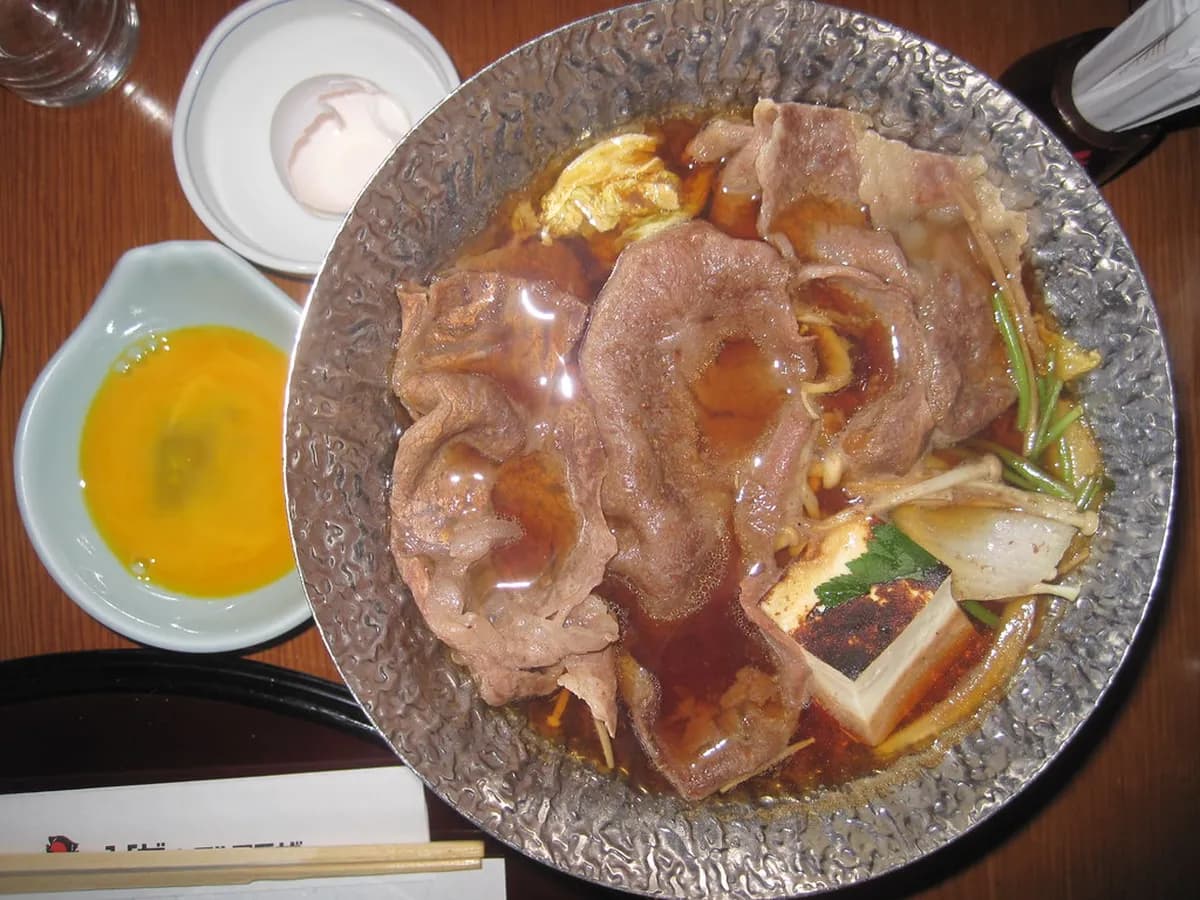
10 Best Hida Beef Experiences in Takayama (2026)
Discover where to eat Hida beef in Takayama with our curated list of the top 10 restaurants, street food stalls, and local tips on reservations and etiquette.
On this page
Takayama is one of the best places in Japan to eat well without compromise. The city pairs its perfectly preserved Edo-period streets with a food culture that peaks at Hida-gyu — a certified regional Wagyu variety raised in the Gifu mountains. This 2026 guide covers the top restaurants, street food stalls, sake breweries, and the practical details you need to eat like a local without the usual tourist frustrations.
The goal is to match the right venue to the right moment in your trip. One high-end dinner at a hoba miso house, a few pieces of beef nigiri from a Sanmachi Suji stall, and a bowl of chuka soba before the morning market — that combination tells the full story of this city's food culture far better than a single expensive splurge alone. Use this guide to plan that combination.
Understanding Hida Beef: The Alpine Treasure of Japanese Wagyu
Hida beef (Hida-gyu) comes from black-haired Wagyu cattle raised within Gifu Prefecture for a minimum of fourteen months. To earn the official certification from the Hida Beef Brand Promotion Conference, the meat must reach quality grade A3, A4, or A5. The cold mountain water, clean air, and high-altitude pasture produce a fat that melts at a lower temperature than commodity beef — the reason the texture feels almost liquid on the palate.
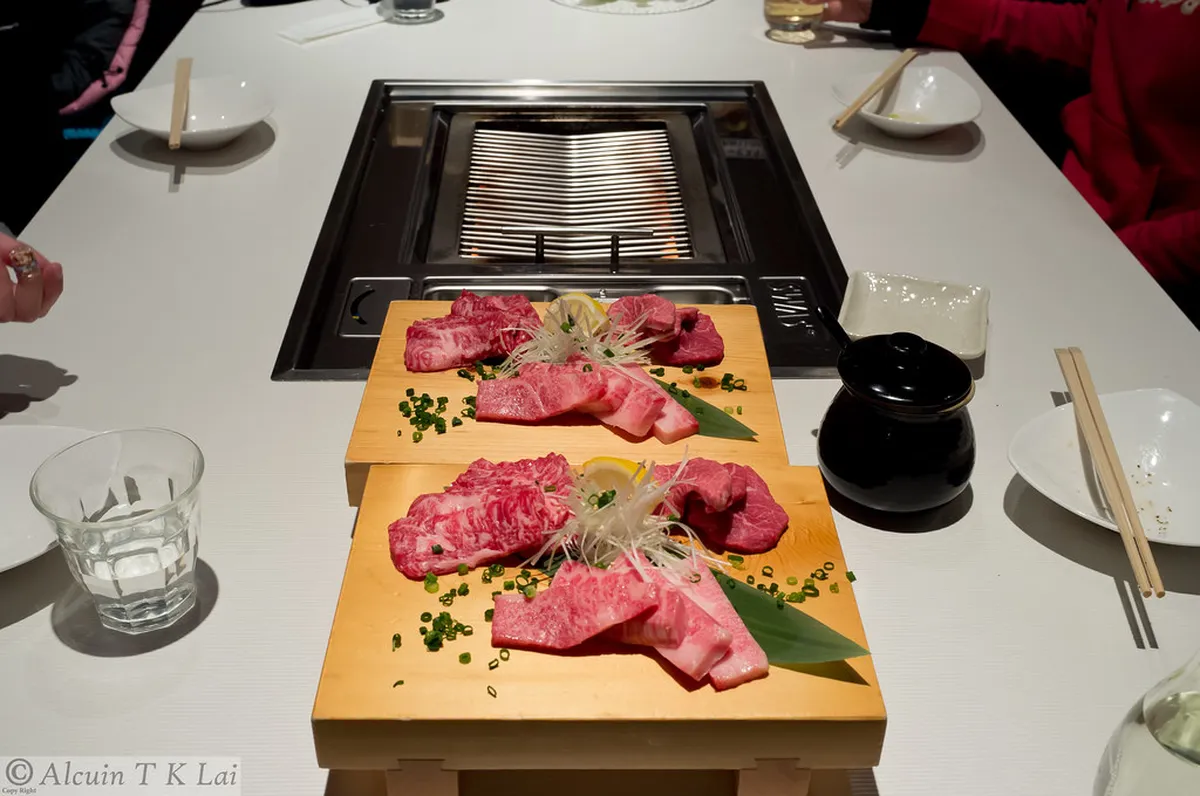
Certified Hida beef restaurants display their grading certificates and provenance documents at the entrance or on the wall. If you cannot see certification in a restaurant marketing "Wagyu," ask the staff — authentic Hida-gyu shops are proud to show the paperwork.
Many travelers ask whether Hida beef beats Kobe beef. The honest answer is that they are different in character rather than one being superior. Kobe is known for lean sweetness; Hida is celebrated for intense marbling, deeper umami, and a creamier finish. Hida beef is also significantly cheaper than Kobe because you are eating it at the source. A4 grade delivers exceptional quality without the A5 price premium, which is worth knowing before you order.
One practical check: certified Hida beef restaurants display their grading certificates and provenance documents at the entrance or on the wall. If you cannot see any certification in a restaurant marketing "Wagyu," ask the staff — authentic Hida-gyu shops are proud to show the paperwork. This is the fastest way to confirm you are not paying premium prices for uncertified meat.
Maruaki: The Most Famous Hida Beef Specialist in Town
Maruaki Hida-Takayama Store sits near the Miyagawa River and operates as both a high-end butcher and a yakiniku restaurant. It does not accept reservations. Arrive at least thirty minutes before the 11:00 opening to add your name to the walk-in list. By noon the wait regularly reaches ninety minutes, and on autumn foliage weekends it can push two hours.
The setup is table grilling — you cook A5 sirloin and rib cuts yourself over a charcoal grill set into the table. A lunch set with a range of cuts runs roughly ¥4,000–¥7,000 per person (~$27–$47). Dinner escalates to ¥6,000–¥10,000 for comparable portions. The quality is consistently exceptional; the queue is the only real obstacle. If you are planning your route through the city, see our Takayama Itinerary for First-Timers for how to sequence the morning market, morning streets, and a Maruaki lunch in one half-day.
Kyoya: Traditional Hoba Miso and Grilled Beef in a Historic House
Hoba miso is the dish that most clearly belongs to this part of Gifu. A large magnolia leaf is placed over a small tabletop charcoal brazier, miso paste is spread across it, and Hida beef is laid on top to grill slowly in the aromatic steam. The fragrance of scorching miso and wood smoke is as much of the experience as the flavor itself. Japan's official tourism guide highlights this preparation as emblematic of the region's culinary identity.
Kyoya occupies a 150-year-old folk house about ten minutes on foot from the station. Unlike Maruaki, it accepts reservations — call two days ahead or ask your hotel concierge to book. Meal sets run ¥2,500–¥5,000 per person (~$17–$34), making it one of the better-value formal dining options in town. Request a seat near the irori (sunken hearth) for the most atmospheric setting. Kyoya also serves hoba miso without beef for guests who want the dish in vegetarian form.
Center4 Hamburgers: A Gourmet Western Twist on Local Wagyu
Center4 Hamburgers is the most reliably kid-friendly Hida beef option in the city. Located in the old town district, the shop has a striking collection of vintage Americana décor and a menu built around Hida beef patties. It produces a limited number of burgers each day and closes once they are gone — reservations are mandatory and slots fill early in peak season.
Lunch sets with a burger, fries, and drink cost ¥2,000–¥3,500 (~$14–$24). The format makes Hida beef approachable for travelers who are not ready for a full yakiniku session or a formal steakhouse dinner. The NAVITIME Travel guide also highlights it specifically for families with children, and the staff are accustomed to handling English-language reservations. Book at least two days ahead for weekend visits.
Kottegyu: The Ultimate Old Town Street Food (Beef Nigiri)
Hida beef nigiri is Takayama's most photographed street food. Kottegyu, located in the heart of Takayama's Sanmachi Suji old town, serves lightly seared A5 slices on senbei rice crackers instead of the usual plastic tray. The cracker absorbs a trace of the beef's fat as you eat, creating a texture combination that is genuinely unusual. Two pieces cost ¥800–¥1,000 (~$5–$7).
Queues at Kottegyu build quickly after 10:00 and the best cuts often sell out before mid-afternoon. Go early. Sakaguchiya, a short walk away in the same historic district, offers a similar beef nigiri format alongside hand-pressed soba noodles — it is a good backup if Kottegyu's line is too long. Both shops provide a small standing area for eating; finish your snack there before continuing your walk rather than eating while moving through the narrow streets.
Ajikura Tengoku: Premium Yakiniku Near Takayama Station
Ajikura Tengoku sits directly beside JR Takayama Station and is owned by the local agricultural cooperative — the same organization that certifies Hida beef grades. That ownership makes it one of the most reliable addresses in the city for authentic, consistently graded meat at fair market prices. It also accepts online reservations, which is unusually convenient by Takayama standards.
Dinner platters showcasing different cuts and fat contents run ¥4,500–¥8,000 per person (~$30–$54). The restaurant uses a digital kiosk at the entrance to manage queues, so you can add your name and explore nearby shops while you wait. It is also one of the establishments that has offered halal-certified Hida beef sets for Muslim travelers — verify current certification status when booking, as availability can change seasonally.
Menya Shirakawa: Takayama Ramen with a Deep Soy-Based Soul
Takayama ramen — known locally as chuka soba — is the everyday food that locals actually eat between beef meals. The style features thin, curly noodles in a clear soy-sauce broth made from chicken bones and dried bonito. It is lighter and less rich than Tokyo or Hakata ramen, which makes it the ideal restorative meal after a heavy yakiniku session or a long morning of walking. See our travel tips guide for dining etiquette and navigation strategies.
Menya Shirakawa serves only chuka soba and nothing else. That single-minded focus has made it one of the most popular ramen spots in the city, with lines forming before the restaurant opens. A bowl costs ¥800–¥1,300 (~$5–$9). The most effective way to avoid the queue is to arrive at 14:00–15:00 when the lunch rush has cleared. The restaurant stays open for late dinners until 22:00, making it a practical final stop after a sake brewery tour.
More Street Eats: Beef Buns, Skewers, and the Morning Market Circuit
Beyond beef nigiri, Takayama's street food circuit covers enough ground to fill an entire day of snacking. Kihachiro specializes in steamed beef buns (gyuman) — fluffy, piping hot, and filled with Hida beef and seasonal vegetables. One large bun costs ¥400–¥600 (~$3–$4). Jugemu serves Hida beef skewers in two formats: lean akami cuts for around ¥400 and premium shimofuri (marbled) cuts for ¥1,000 or more. Sampling both at the same stall is the clearest way to understand how dramatically fat content changes the flavor experience.
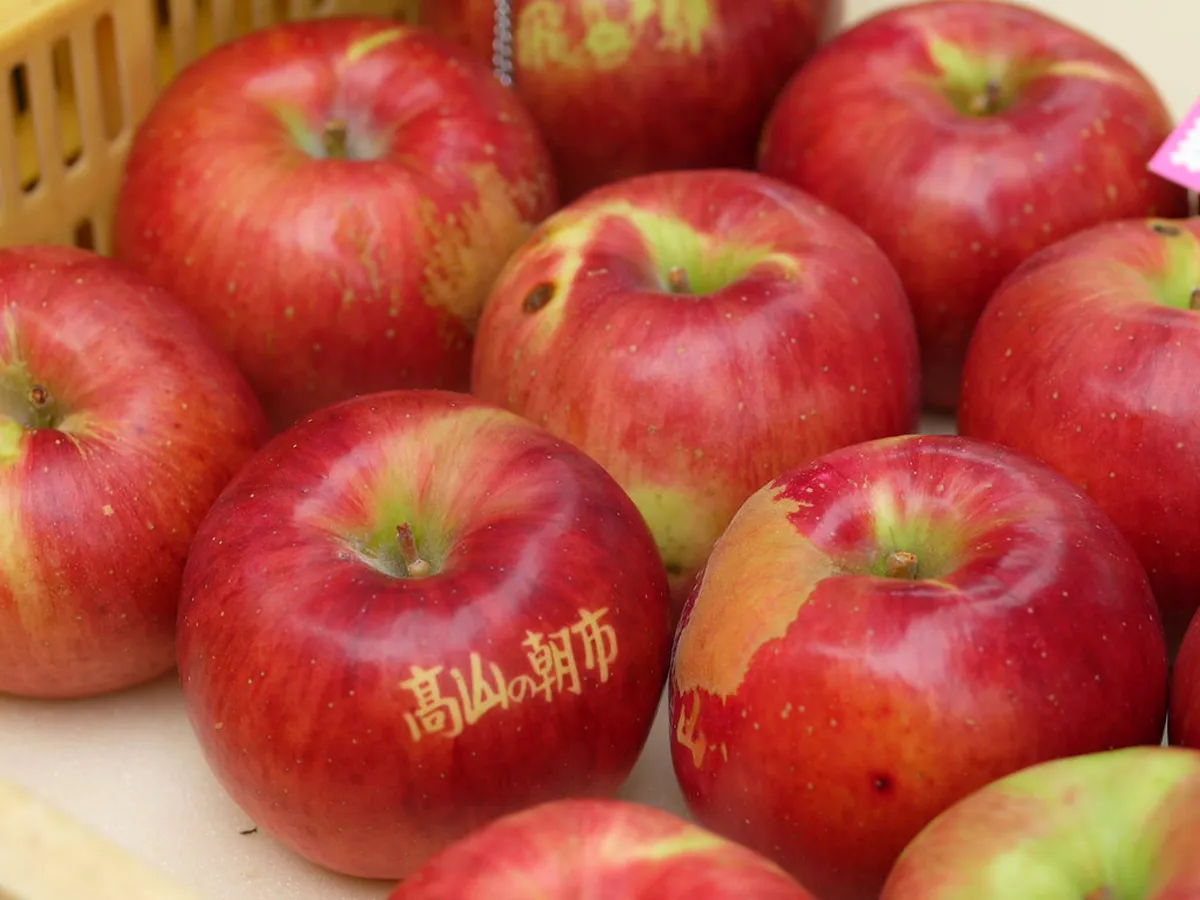
For a broader circuit that includes local vegetables, pickles, and homemade sweets alongside beef snacks, read our guide on 10 Essential Things to Know About Takayama Morning Markets. The Miyagawa Morning Market, held along the river from 07:00 to 12:00, is where farmers and local producers sell directly. Arrive by 08:00 for the best selection. Mitarashi dango (rice dumplings with a savory soy glaze) and gohei mochi (skewered mashed rice with walnut-miso sauce) are the must-try non-beef options for this walk.
Local Sake and Sweets: Completing the Takayama Culinary Experience
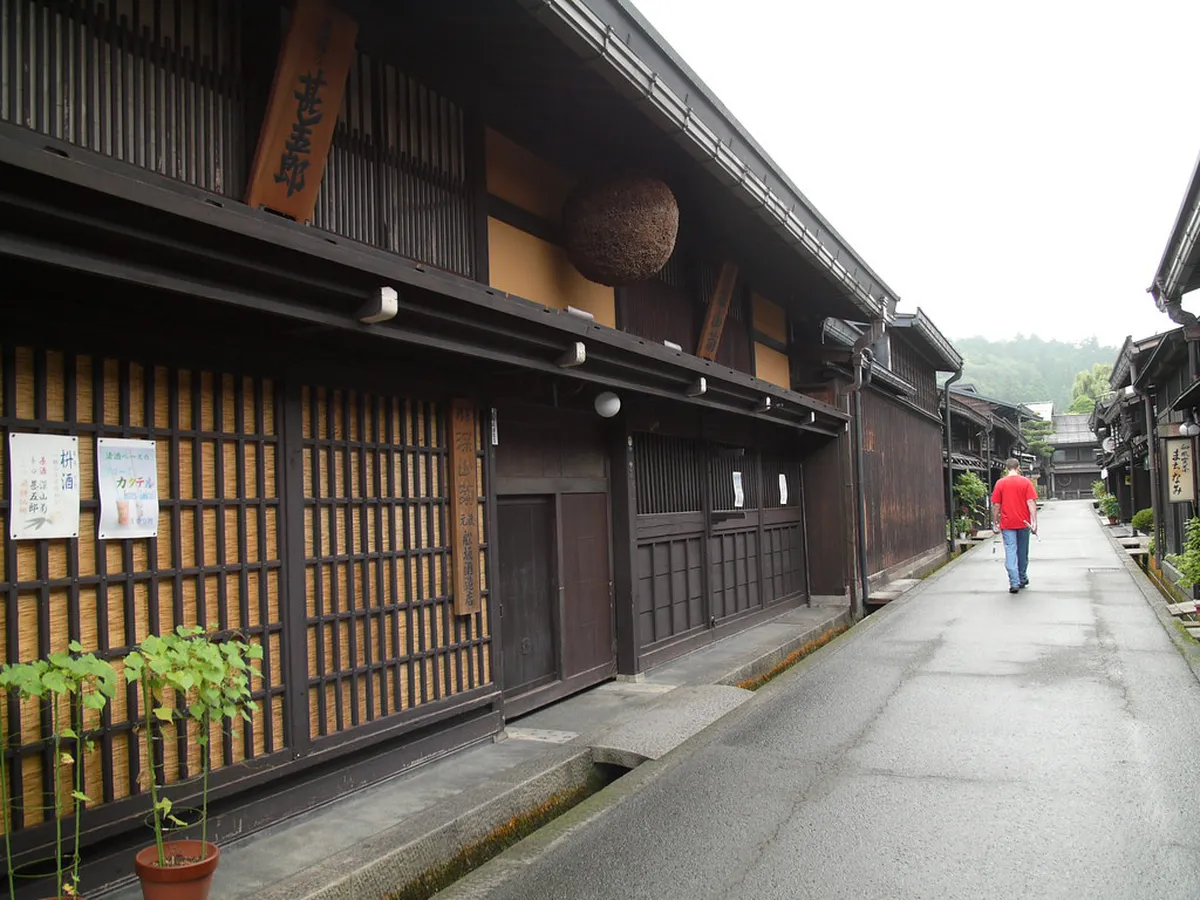
Takayama's old town contains seven sake breweries within walking distance of one another. The combination of pure mountain snowmelt water, high-quality Gifu rice, and cold winters produces sake with a delicate, floral character quite different from larger brewery regions. Funasaka Sake Brewery functions almost like a sake theme park, with a restaurant, souvenir shop, and multiple tasting stations. Hirase Sake Brewery, founded in 1623, is the oldest in Hida and offers a more austere tasting experience — a small cup of their nigori cloudy sake pairs well with beef sushi from a nearby stall. For more details on Takayama dining traditions, consult the official Takayama tourism board's Hida beef guide.
For sweets, prioritize mitarashi dango from Jinya Dango Shop and the soy sauce soft-serve ice cream at Oida Sake Brewery. Both are made with local ingredients and cost under ¥300 each. Sasarindo sweets — rice-flour confections with sweet bean paste and seasonal fruit — are a Gifu regional specialty that you will not find easily outside the prefecture. Some shops offer short workshop sessions where you can make a small batch yourself, which takes about thirty minutes and costs ¥500–¥800.
Lunch Sets vs. Dinner Pricing: Getting More Hida Beef for Less
This is the single most useful planning insight that most visitors miss: Takayama's yakiniku and steak restaurants typically offer the same certified A4 and A5 cuts at lunch for 30–40% less than the equivalent dinner price. Maruaki's lunch sets start around ¥4,000, while comparable dinner orders run ¥6,000–¥10,000. Ajikura Tengoku follows the same pattern. The beef grade on the certificate is identical — the price difference is purely a function of time slot and the formality of the dinner service.
| Venue | Lunch price range | Dinner price range | Reservations? |
|---|---|---|---|
| Maruaki | ¥4,000–¥7,000 | ¥6,000–¥10,000 | Walk-in only |
| Kyoya | ¥2,500–¥5,000 | ¥2,500–¥5,000 | Call 2 days ahead |
| Ajikura Tengoku | ¥4,500–¥8,000 | ¥4,500–¥8,000 | Online booking |
| Center4 Hamburgers | ¥2,000–¥3,500 | N/A (lunch only) | Mandatory |
| Kottegyu (street food) | ¥800–¥1,000 (2 pcs) | N/A | Walk-in |
Maruaki does not accept reservations and operates walk-in only. Arrive at least 30 minutes before the 11:00 opening to add your name to the list. Weekend wait times can reach 90 minutes during autumn foliage season.
The practical strategy for a two-night stay: eat one formal dinner at a reservation-only spot like Kyoya (where hoba miso sets are reasonably priced at any hour), do your Maruaki yakiniku as a late lunch on arrival day, and fill the gaps with street food from Kottegyu and the morning market. This approach lets you taste Hida beef in three or four distinct preparations — nigiri, yakiniku, hoba miso, steamed bun — without concentrating the entire budget into one dinner. Budget travelers who try only the dinner slots often overspend and leave without experiencing the full range of the region's beef culture.
One more cut-level note worth understanding before you order: akami is leaner red meat with a cleaner, more mineral flavor; shimofuri is the heavily marbled section that melts almost immediately on the tongue. A5 grade nearly always refers to shimofuri. If you find the richness of A5 overwhelming after a few bites, the A4 akami cuts give you the certified Hida-gyu flavor in a more approachable form. Most menus include a simple diagram — ask the server to point to the relevant sections.
Essential Tips for Reservations, Etiquette, and Avoiding Long Lines
The reservation picture in Takayama is split cleanly down the middle. Walk-in only: Maruaki and Menya Shirakawa (arrive 30 minutes before opening; expect 60–90 minute waits on weekends). Accepts reservations: Kyoya (call two days ahead), Ajikura Tengoku (online), Center4 Hamburgers (phone or email). For any restaurant that requires a phone call, ask your hotel concierge to book on your behalf — this is standard practice and most Takayama hotels offer it automatically. For accommodation options close to the main restaurant corridor, see our guide to areas and hotel picks for where to stay in Takayama.
Eating while walking is a nuanced issue in Takayama. The narrow lanes of Sanmachi Suji are historically pedestrian streets, and the local preference is to eat at or near the stall that sold you the food. Most vendors provide a small standing counter or a couple of benches for exactly this purpose. Finish your snack, dispose of packaging in the bin provided by the stall, and then continue walking. This is not a strict legal prohibition but a social norm that local residents care about — following it takes ten seconds and keeps the street clean.
One practical pitfall to avoid: pre-packaged Hida beef jerky and canned beef products sold in souvenir shops are not representative of the fresh meat's quality and are significantly overpriced for what they deliver. If you want a food souvenir, buy a Sasarindo sweet box, a bottle of locally brewed sake, or a jar of quality hoba miso paste — all of which travel well and capture the region's food identity more honestly.
Frequently Asked Questions
Do I need a reservation for Maruaki in Takayama?
Maruaki does not typically accept phone reservations for small groups and operates on a first-come, first-served basis. You should arrive at least thirty minutes before opening to put your name on the list. Expect wait times of sixty to ninety minutes during peak tourist seasons.
Is Hida beef better than Kobe beef?
Hida beef is often considered to have a more intense marbling and a creamier fat texture compared to Kobe beef. While Kobe is more famous globally, Hida beef offers a similar luxury experience at a slightly lower price point. Both are top-tier Wagyu varieties with distinct regional flavors.
Are there halal Hida beef options in Takayama?
A few select restaurants in Takayama, such as Ajikura Tengoku, have started offering halal-certified Hida beef sets for Muslim travelers. It is essential to check their current certification status and book in advance to ensure availability. Some street food stalls may use mirin or alcohol in sauces, so always ask first.
Takayama's food scene rewards travelers who spread their meals across formats rather than concentrating everything into one venue. Arrive hungry on day one, queue early for Maruaki or grab beef nigiri from Kottegyu, and save one dinner for a proper hoba miso sitting at Kyoya. Add a sake brewery stop and a morning market circuit on day two and you will have covered the full range of what this city does exceptionally well.
For a full itinerary that sequences these food stops with the city's temples, markets, and historic districts, see our Takayama 3-day itinerary. Enjoy every bite of this regional treasure and safe travels through the beautiful Gifu Prefecture.
Free: The Takayama Essentials guide
Top things to do, where to stay, a perfect day plan, getting around, and the best time to go — a Takayama mini-guide you can take offline.
You might also like


Continue reading
More guides you'll find useful


