Matsumoto to Takayama Bus Tips 2026: Direct in 2h33m
The direct limited express covers Matsumoto to Takayama in 2h 33min, skipping the longer Nagoya or Toyama train transfer. See 2026 schedules and where to book.
On this page
The Matsumoto to Takayama bus is the simplest public transport link between Matsumoto's castle district and Takayama's old merchant streets. In 2026, the direct limited express bus crosses the Northern Japan Alps in about 2 hours 33 minutes, avoiding the long train detour through Nagoya or Toyama.
This route is best for travelers building a Japan Alps itinerary, moving from Nagano Prefecture into Gifu, or adding Hirayu Onsen and Shinhotaka Ropeway. From the Tokyo area, this is a natural extension of a broader Chubu region circuit. Seats are reserved for the full intercity trip, so choose the right departure, book early, and plan luggage before adding a mountain stop.
2026 Timetable and Travel Time
| Destination | One-Way Adult Fare | Typical Journey Time |
|---|---|---|
| Matsumoto → Takayama | ¥4,400 | ~2 hr 33 min |
| Matsumoto → Hirayu Onsen | ¥3,000 | ~1 hr 20 min |
| Matsumoto → Shinhotaka Ropeway | ¥3,910 | ~1 hr 45 min (seasonal) |
The standard 2026 green-season schedule runs from Matsumoto Bus Terminal toward Hirayu Onsen, Takayama, and on selected dates Shinhotaka. Core departures include morning, midday, afternoon, and evening buses, with the fastest useful services reaching Takayama Nohi Bus Center in about 2 hours 33 minutes. The route is jointly operated by Alpico Kotsu and Nohi Bus.
Typical Matsumoto departures in the published 2026 schedule include 7:40, 9:55, 11:55, 13:05, 14:55 on limited peak dates, and 17:45. Arrival times in Takayama include 10:13, 12:28, 14:28, 15:38, and 20:18. Check the operator schedule close to travel because seasonal notes, weather, and holiday buses can change the practical choices.
The bus is usually much more direct than rail between these two cities. A train journey normally requires a wide detour, multiple transfers, and a higher fare. If you are planning a wider Matsumoto itinerary, the morning bus gives the cleanest transfer day because you still reach Takayama before lunch.
Fares, Reservations, and Payment Rules
Reservations open one month before travel for the intercity sections. Online booking is via Highwaybus.com. Do not count on same-day walk-up seats during foliage weekends, Golden Week, or Obon — book each direction as a separate one-way trip.
The 2026 one-way adult fare from Matsumoto Bus Terminal to Takayama Bus Terminal is 4,400 yen. The fare to Hirayu Onsen is 3,000 yen, and the fare to Shinhotaka Ropeway is 3,910 yen when that routing is available. Children generally pay half fare, but the operators ask families to reserve seats for young children on highway and limited express buses because seat belts are required.
Reservations are required for the Matsumoto to Takayama intercity ride. Online booking is handled through Highwaybus.com, and Nohi Bus states that internet reservations are accepted from one month before the same calendar date until 30 minutes before the first stop departure. Counter purchase is still useful if you are already at the terminal, but do not count on same-day seats during foliage weekends, Golden Week, Obon, or the New Year travel window.
Round-trip tickets are no longer sold on this route, so book each direction as a separate one-way trip. If you pay online before travel, bring the QR code or printed confirmation and arrive early enough to find the platform. If you are still choosing when to go, the seasonal advice in our best time to visit Matsumoto guide helps you avoid the most crowded mountain weekends.
- The main 2026 fare to Takayama is 4,400 yen one way for adults.
- Reservations open one month before travel for the intercity sections.
- Tickets are separate from the Japan Rail Pass, JR regional passes, and local rail tickets.
- Boarding without a reservation is risky on peak dates, even when weekday buses look quiet.
Boarding at Matsumoto and Arrival in Takayama
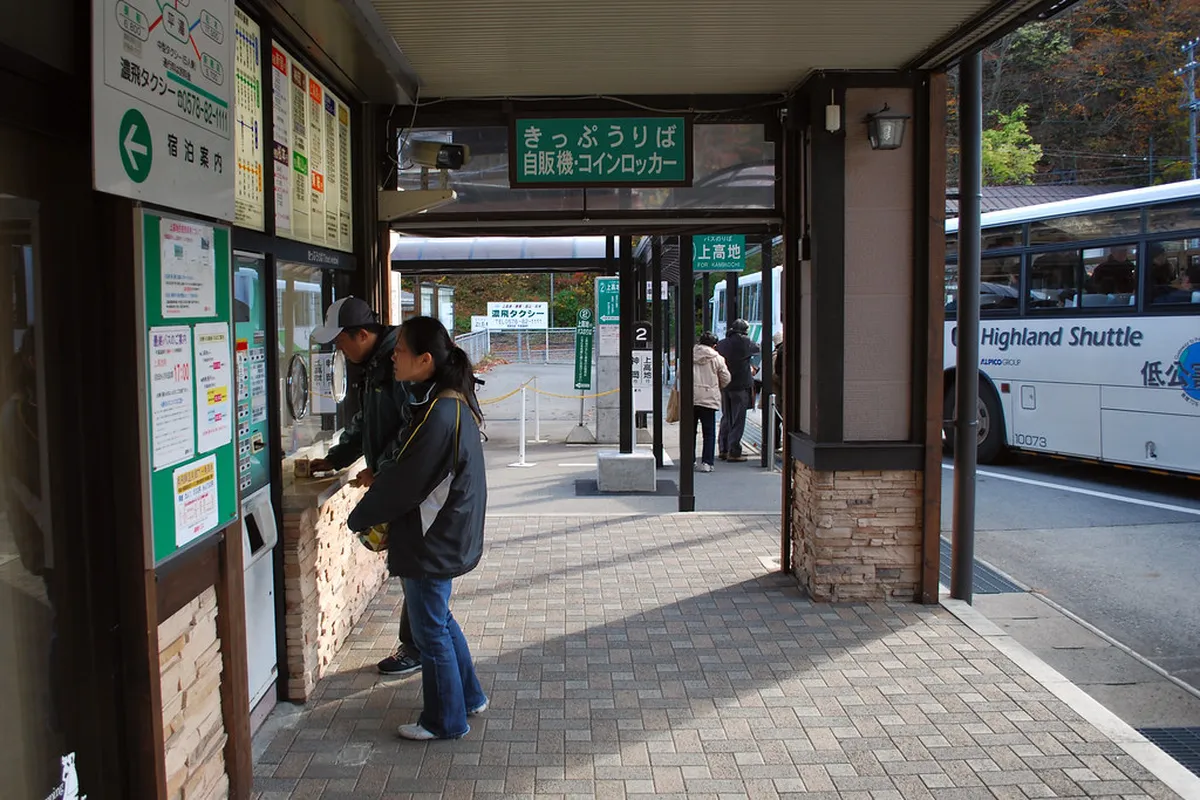
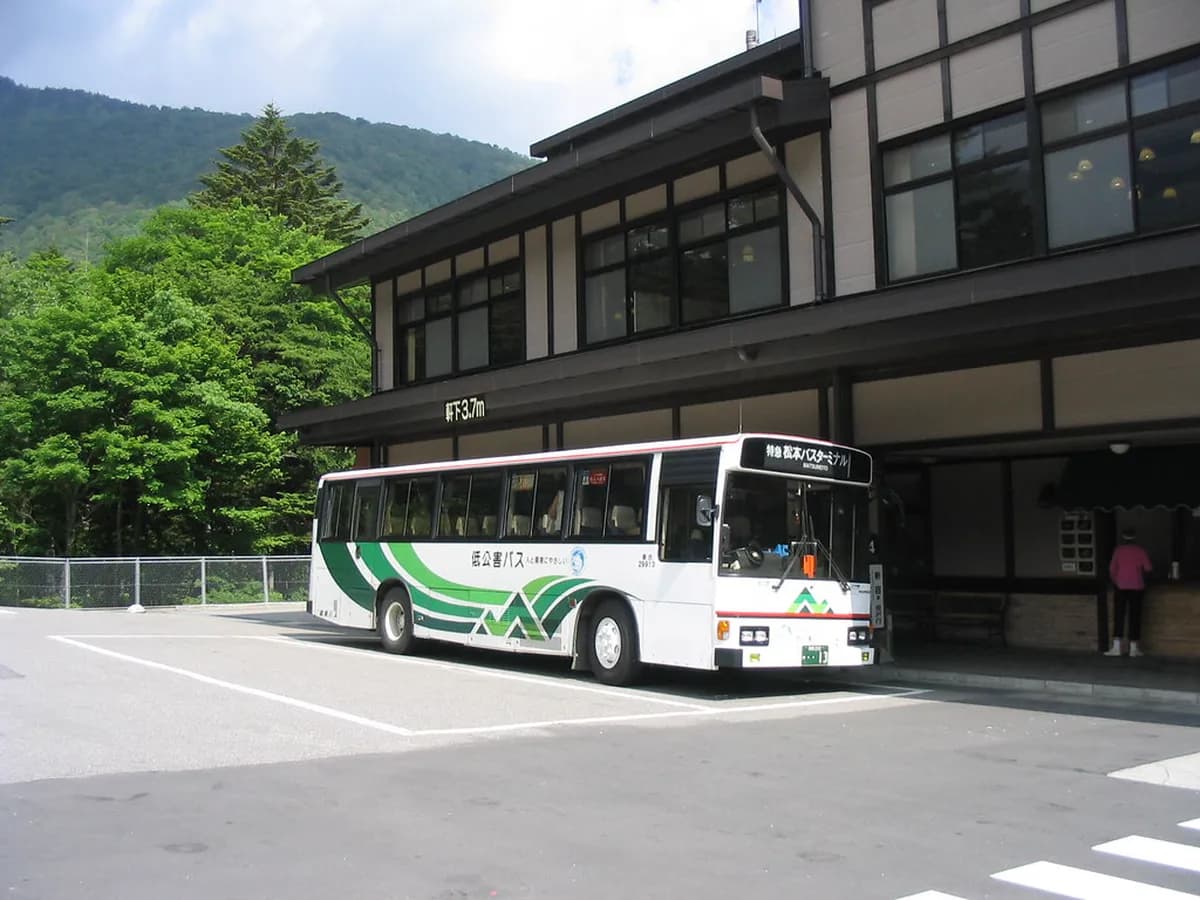
Matsumoto Bus Terminal is in the Alpico Plaza building beside Matsumoto Station, a short walk from the station's east side. The ticket counters, waiting area, toilets, shops, and departure displays are inside the terminal, while boarding happens outside at the numbered bus bays. Arrive 20 minutes early if you need to collect or confirm a ticket.
The driver or platform staff will check tickets at the bus door. Large suitcases go into the luggage hold under the coach, while day packs should stay with you. Confirm that the destination sign says Takayama, Hirayu, or Shinhotaka as appropriate, because the terminal also handles buses for Kamikochi, Nagano, Tokyo, and other regional routes.
In Takayama, the bus arrives at Takayama Nohi Bus Center next to JR Takayama Station. This is convenient for hotels, the old town, morning markets, and onward buses to Shirakawa-go, Kanazawa, and Toyama. If you are leaving Matsumoto after seeing Matsumoto Castle, allow time to retrieve bags and walk back to the terminal rather than cutting the transfer too close.
Luggage, Lockers, and Hands-Free Detours
For a direct Matsumoto to Takayama trip, the easiest plan is to place one large suitcase per person in the underfloor luggage compartment and keep valuables in a small bag at your seat. Overhead racks are modest, so do not expect airport-cabin-size rollers to fit comfortably above you. Mark your suitcase clearly before boarding because several passengers may unload at Hirayu Onsen before the bus continues to Takayama.
If you want to stop at Hirayu Onsen, Shinhotaka Ropeway, or a trailhead before reaching Takayama, luggage becomes the main constraint. Lockers can fill during busy hiking periods, and dragging a large case through bus transfers wastes time. The practical solution is to send your main bag ahead by takkyubin luggage forwarding and carry an overnight pack for the mountain day.
Luggage forwarding is usually reliable but often takes until the next day, especially between regional hotels. Confirm timing with your Matsumoto hotel before you hand over the bag, and do not assume same-day delivery to Takayama. This is the detail many first-timers miss when they try to turn a transfer day into a ropeway or onsen day.
Hirayu Onsen and Shinhotaka Ropeway Stopovers
Hirayu Onsen is the key transfer point in the middle of the route. Many Matsumoto to Takayama buses stop there, and some schedules include a short break. From Hirayu, separate Nohi Bus services connect deeper into Okuhida, including Shinhotaka Ropeway when the seasonal line is operating.
A Shinhotaka stopover can work, but it needs timetable discipline. The ropeway ride itself is short, yet the real value is the mountain view from the upper station, and cloudy weather can make the detour poor value. Check the live camera and the day's bus connections before committing, especially in March and shoulder-season periods when some connections may not run as expected.
Travelers also use this corridor for Kamikochi access, but the logistics differ from a simple through bus to Takayama. If Kamikochi is the goal, compare the bus connections carefully with our Matsumoto to Kamikochi day trip guide. Mixing Kamikochi, Shinhotaka, and Takayama in one transfer day is usually too tight unless you start very early and travel light.
Rest Stop, Toilets, and Onboard Comfort
Most buses on this route do not have an onboard toilet. Use the restroom before departure at Matsumoto Bus Terminal and again at the Hirayu Onsen rest stop if the driver announces a break. The mountain road is winding — sit near the front if you are prone to motion sickness.
Do not rely on an onboard toilet. Many buses on this route do not have one, and the operators' published notes instead point to a 10-minute break at Hirayu Onsen on the Takayama to Matsumoto schedule. Use the restroom before departure in Matsumoto and again during any official break if the driver announces one.
Food and drinks are acceptable if they are tidy and low odor. Buy snacks before boarding because a short rest stop is not enough time for a proper meal. The Alpico Plaza building has shops, and Matsumoto Station has more options if you arrive early.
The road is scenic but winding. If you are prone to motion sickness, reserve early enough to choose a forward seat, avoid heavy food, and keep medicine where you can reach it. Staying close to the terminal at a hotel from our where to stay in Matsumoto guide also makes an early bus less stressful.
Weather, Seasonal Crowds, and Seat Strategy
The route stays open in winter, but it crosses serious mountain terrain. Snow, ice, road controls, and visibility can add delays, especially around the Okuhida section. Buses use appropriate winter equipment, but travelers should avoid tight same-day connections to trains, flights, or prepaid activities after arrival.
Autumn foliage and spring holidays create the highest seat pressure. Book the first or second useful bus if you need to be in Takayama by a fixed time, because later buses leave less room to recover from delays. In summer, hikers and onsen travelers increase demand around Hirayu and the Kamikochi corridor.
For views, either side can be rewarding because the route curves through valleys, tunnels, and forested slopes. The practical seat priority is comfort rather than photography: choose a forward seat if motion sickness matters, and keep cameras quiet and close to the window. On crowded buses, avoid unpacking bags in the aisle while others are still boarding.
Bus vs Train, Car, and Private Transfer
The bus is the default choice for most visitors because it is direct, reasonably priced, and arrives beside Takayama Station. It also pairs well with the broader Matsumoto attractions cluster because you can sightsee in the morning, collect luggage, and leave without changing cities first. The main tradeoff is that you must follow the bus timetable rather than depart whenever you like.
The train is more comfortable for travelers who strongly prefer rail, but it is rarely efficient for this specific city pair. You usually route away from the mountains, change lines, and spend more money for a longer journey. It only makes sense if you are using the transfer to visit another city on the way.
A rental car or private taxi gives the most flexibility for Shinhotaka Ropeway, Okuhida onsen villages, and photo stops. It also adds mountain-road driving, parking, winter risk, and much higher cost. For most first-time visitors, the best compromise is the direct bus to Takayama, with a separate day trip from Takayama if the weather is good.
Frequently Asked Questions
How long is the bus ride from Matsumoto to Takayama?
The direct bus journey typically takes about 2.5 hours to complete. This time can vary slightly depending on the weather and traffic conditions in the mountains. It is the fastest way to travel between these two cities without a private car.
Can I use the Japan Rail Pass for this bus?
No, the Japan Rail Pass is not valid for the Matsumoto to Takayama bus route. This service is operated by private companies like Alpico and Nohi Bus. You must purchase a separate ticket at the terminal or book online in advance.
Are there many things to do in Matsumoto before I leave?
Yes, you should explore the many things to do in Matsumoto such as visiting the historic castle. The city also offers great museums and local food markets near the station. Most attractions are within walking distance of the bus terminal.
Is the bus route open during the winter months?
The bus route remains open throughout the winter, but schedules may be affected by heavy snow. Buses use specialized tires to navigate the mountain passes safely during the colder season. Always check for service updates during active snowstorms before you head to the terminal.
Taking the bus from Matsumoto to Takayama is a practical and beautiful way to travel. The route offers a unique perspective on the Japan Alps that trains simply cannot provide. By booking your tickets early, you can ensure a stress-free transition between these historic destinations. Prepare for a memorable journey filled with stunning views and comfortable mountain transit.
Free: The Matsumoto Essentials guide
Top things to do, where to stay, a perfect day plan, getting around, and the best time to go — a Matsumoto mini-guide you can take offline.
You might also like

Continue reading
More guides you'll find useful