10 Essential Tips for the Nagoya to Takayama Train
Master the Nagoya to Takayama train route with our 2026 guide. Covers the new HC85 hybrid train, JR Pass tips, timetables, and the scenic Gero Onsen stop.
On this page
The journey from Nagoya to Takayama by train is one of the most scenic routes in Japan.
Travelers often choose the Hida Limited Express to witness the stunning mountain landscapes of Gifu Prefecture.
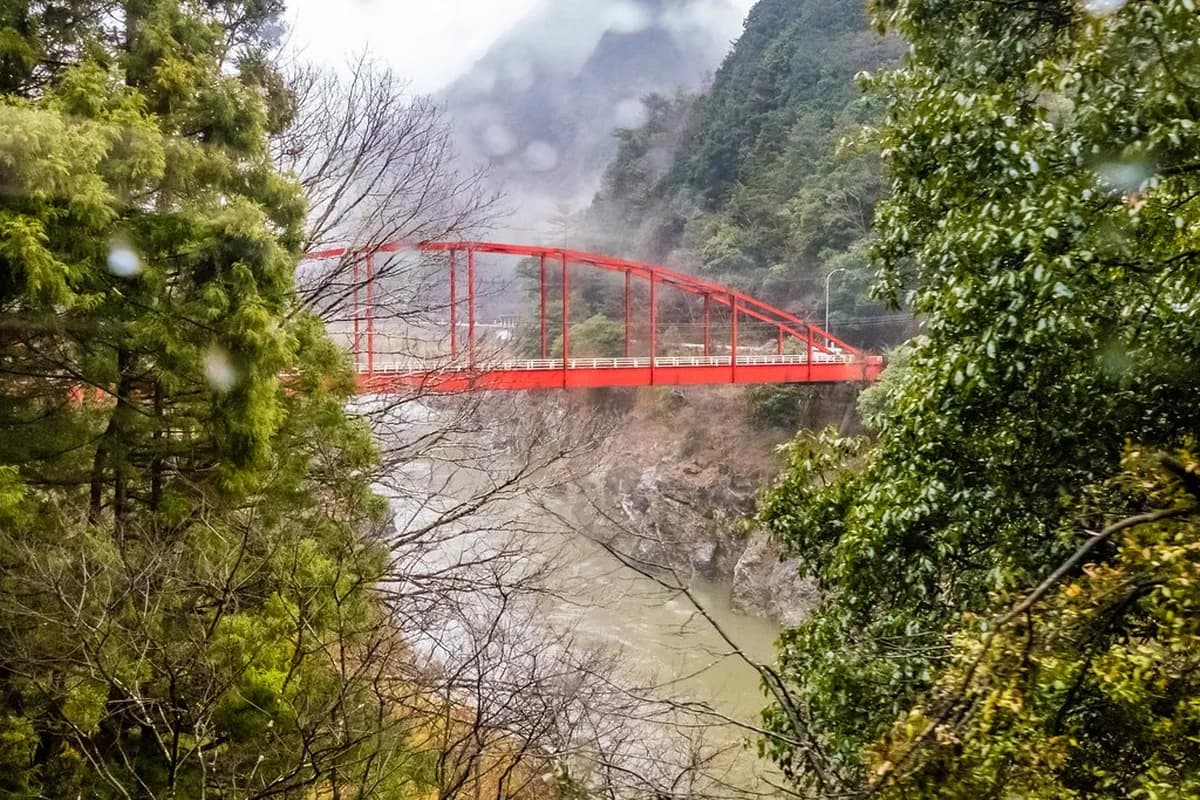
This route follows winding rivers and passes through deep valleys that change beautifully with every season.
Planning your Takayama Itinerary for First-Timers starts with understanding how to navigate this iconic rail connection.
If Shirakawa-go or rural Hida is part of the plan, use the Nagoya–Takayama train vs rental-car comparison to test a full drive against the train-plus-local-car option.
Understand the Hida Limited Express Scenic Route
The Hida Limited Express is a limited express service operated by JR Central that runs from Nagoya Station through Gifu Prefecture all the way to Takayama and, on some services, Toyama. The train is also called the "Wide View Hida" because of its signature panoramic windows — a name that stuck even after the rolling stock was replaced.
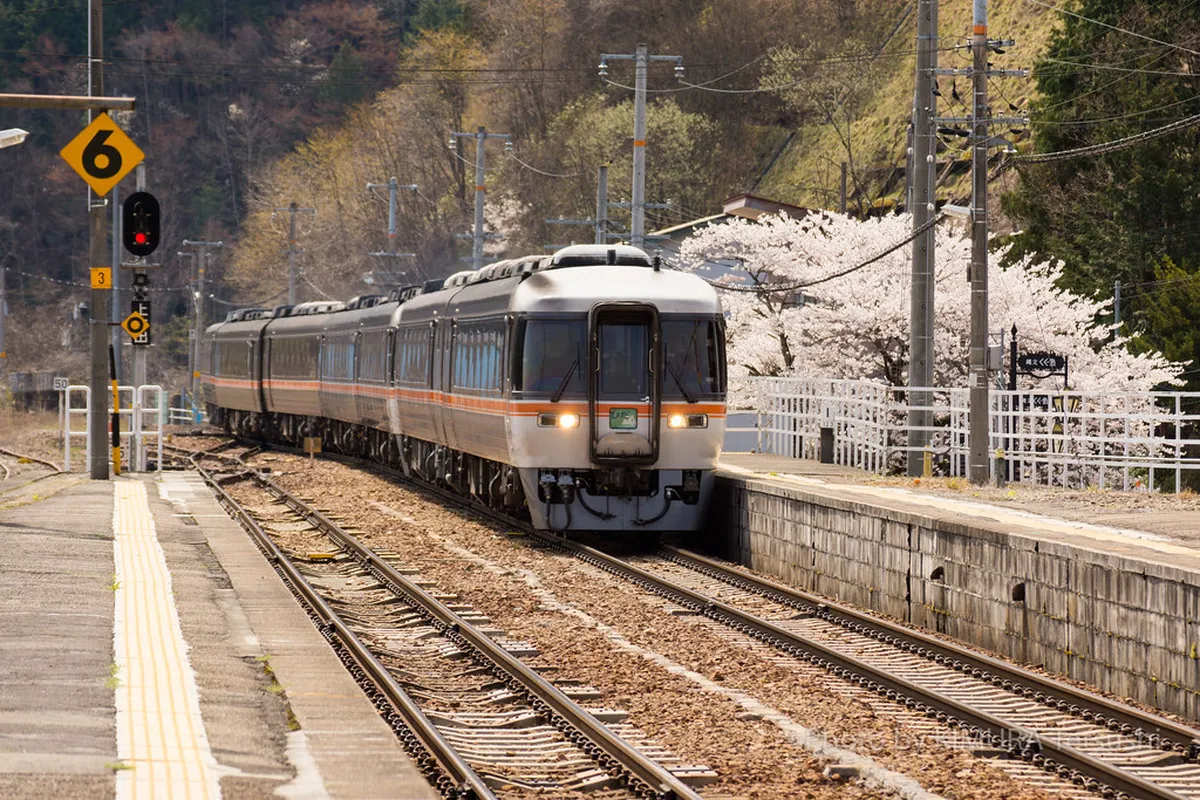
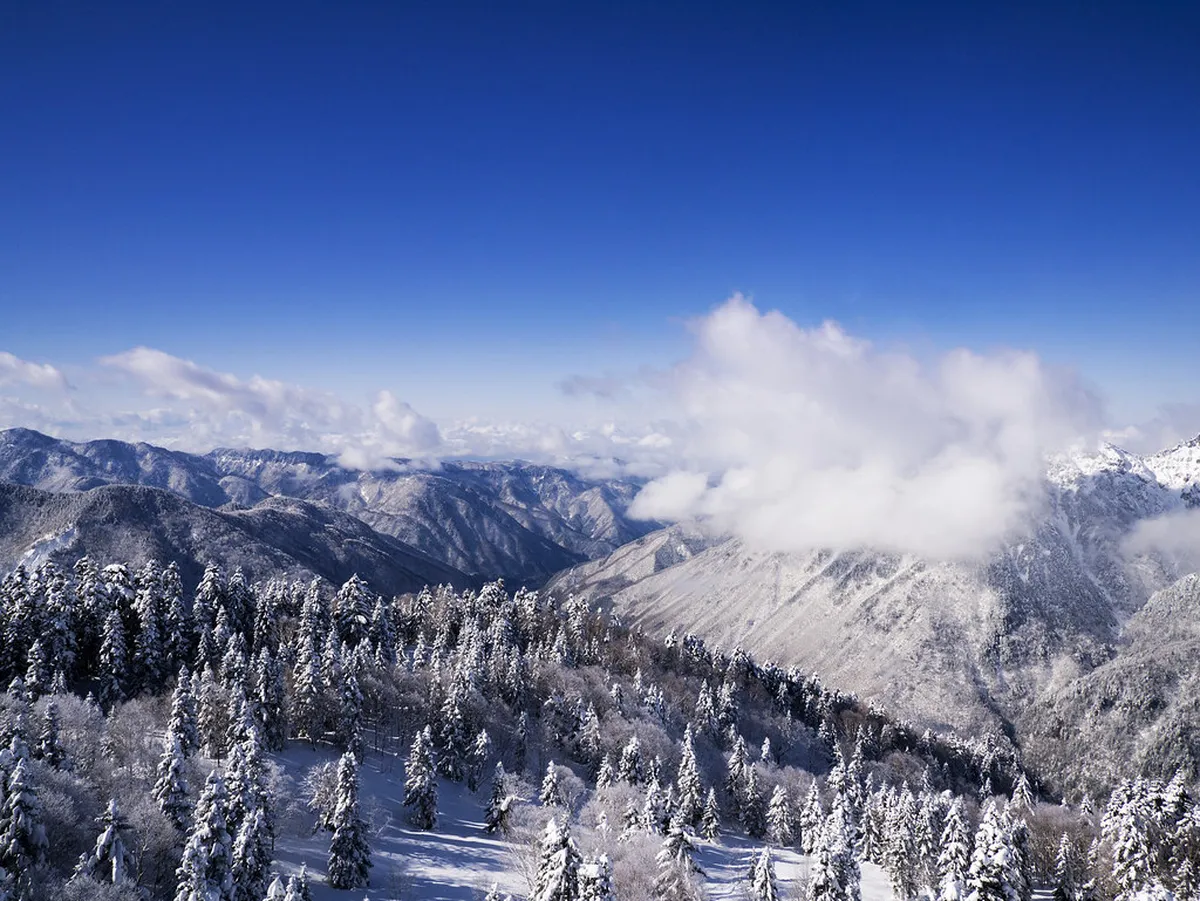
As the train leaves Nagoya, it quickly enters a world of lush forests and rocky gorges. Most of the journey follows the crystal-clear Hida River as it snakes through the mountains. The scenery is particularly breathtaking during the autumn foliage season (mid-October to mid-November) and the snowy winter months.
Major stops along the route include Owari-Ichinomiya, Gifu, Unuma, Mino-Ota, Gero, Hida-Hagiwara, and Takayama. Trains that continue beyond Takayama also call at Hida-Furukawa, Inotani, Etchu-Yatsuo, and Toyama. Not every train stops at every station — smaller stops like Kuguno and Hida-Osaka are served by only a few services each day.
- The train name comes from the historical Hida Province in northern Gifu — "Wide View" refers to its signature panoramic windows.
- Sit on the right side of the train when heading toward Takayama for the best river gorge views. Switch to the left on the return leg.
- 10 Hida services depart Nagoya daily. Platform 11 at Nagoya Station is the departure point.
Experience the New HC85 Hybrid Train Technology
Between 2022 and 2023, JR Central fully retired the old Kiha 85 (Wide View Hida) fleet and replaced every service with the state-of-the-art HC85 hybrid series. The HC85 uses a diesel-electric hybrid system that cuts noise and vibration significantly — passengers who rode the old trains will immediately notice the difference.
The large panoramic windows remain, but everything else has been modernised. Each seat now has a power outlet, there is free Wi-Fi throughout every car, and restrooms are fully wheelchair-accessible. The Green Car (first class) offers a 2+2 reclining seat layout with extra legroom for travellers who want a quieter ride.
The HC85 also emits fewer carbon emissions than the old diesel-only Kiha 85, making this one of the more environmentally responsible long-distance train routes in central Japan in 2026. The upgrade has been consistently well-received — the smoother ride makes the 2.5-hour journey feel noticeably shorter than it did on the older equipment.
- Power outlets: at every seat, both ordinary and Green Car.
- Wi-Fi: free, available throughout all cars.
- Accessibility: wheelchair spaces and accessible restrooms on every train.
- Green Car: 2+2 reclining seats; requires a Green Car reservation and a Green Pass or surcharge.
Check the Nagoya to Takayama Timetable in Advance
Ten Hida services depart Nagoya Station each day. Five terminate at Takayama, while the other five continue to Hida-Furukawa or Toyama. Departures run roughly every hour between 07:45 and 19:43, but the gaps are uneven — always verify exact times before heading to the station.
The list below shows all ten 2026 departure times from Nagoya (Platform 11). Travel time to Takayama is approximately 2 hours 25 minutes; the last train (Hida #19) arrives at Takayama at 22:15.
- Hida #1: departs Nagoya 07:45 → Gifu 08:04 → Gero 09:25 → Takayama 10:16
- Hida #3: departs Nagoya 08:43 → Gifu 09:01 → Gero 10:13 → Takayama 10:56 → Toyama 12:29
- Hida #5: departs Nagoya 09:39 → Gifu 10:00 → Gero 11:30 → Takayama 12:23
- Hida #7: departs Nagoya 10:48 → Gifu 11:06 → Gero 12:25 → Takayama 13:10 → Toyama 14:45
- Hida #9: departs Nagoya 11:43 → Gifu 12:04 → Gero 13:23 → Takayama 14:10
- Hida #11: departs Nagoya 12:48 → Gifu 13:06 → Gero 14:22 → Takayama 15:05 → Toyama 16:36
- Hida #13: departs Nagoya 14:48 → Gifu 15:06 → Gero 16:25 → Takayama 17:10 → Toyama 18:52
- Hida #15: departs Nagoya 15:43 → Gifu 16:03 → Gero 17:24 → Takayama 18:08
- Hida #17: departs Nagoya 17:43 → Gifu 18:04 → Gero 19:33 → Takayama 20:19
- Hida #19: departs Nagoya 19:43 → Gifu 20:04 → Gero 21:28 → Takayama 22:15
There is also a separate Osaka-Takayama service (Hida #25) that departs Osaka at 07:58 on weekdays (08:02 weekends), stopping at Shin-Osaka, Kyoto, and Gifu before reaching Takayama at 12:14. This is a separate daily round-trip and does not pass through Nagoya. For the full schedule including this service, check OsakaStation.com.
Know the 2026 Service Disruption Between Takayama and Toyama
If you are planning to travel beyond Takayama to Toyama in 2026, check current service status before you book. Takayama Main Line services between Sugihara and Inotani are currently suspended, which means most Hida Limited Express trains that previously ran all the way to Toyama are cancelled for the Takayama–Toyama segment. Only Hida #5 and #12 are running between those points.
The Nagoya–Takayama section itself is fully operational. This disruption only affects travellers continuing onward. If your plan is Nagoya → Takayama → Toyama → Kanazawa (a popular route), check JR Central's website or ask at a JR ticket counter for the current replacement bus options before departure.
Additionally, during Golden Week (April 24 to May 6 each year), all Hida Limited Express trains operate with reserved seating only — no unreserved cars. JR Pass holders should book their free reserved-seat tickets before boarding during this period.
The Takayama Main Line between Sugihara and Inotani is currently suspended in 2026, affecting services beyond Takayama toward Toyama. Only Hida #5 and #12 run the Takayama–Toyama segment. Check JR Central's website before booking if your plan includes continuing to Toyama or Kanazawa.
Compare Ticket Prices and Booking Methods
A one-way ticket from Nagoya to Takayama costs roughly 6,000 yen for an ordinary reserved seat. This includes the base fare plus the limited express surcharge. Unreserved seats cost slightly less but carry the risk of standing in peak season. The Nagoya-to-Toyama fare (for services running that far) runs approximately 7,500 yen.
Tickets are available at any JR Central ticket office (the green-window counters, or midori-no-madoguchi) and at the touch-screen vending machines at Nagoya Station. Seat reservations can be made up to one month in advance. Walk-in purchase on the day is fine outside peak periods, but leaves you without a reserved seat if the train is busy.
Online booking is possible through JR Central's English-language website, which accepts major international credit cards. Note that JR's domestic reservation system, EkiNet, is a separate platform that currently only accepts cards issued in Japan — international visitors who try to book through EkiNet will hit a card rejection wall. Use the JR Central English site directly, or book at any JR station counter, to avoid this. After securing your transport, explore our Takayama Food Guide: What to Eat and Where to Eat to plan your first local meal.
Maximize Value with the JR Pass or Regional Passes
The national Japan Rail Pass fully covers the Hida Limited Express with no extra fees — both the base fare and limited express surcharge are included. JR Pass holders can also make free seat reservations at any JR ticket counter. The pass makes financial sense if you are visiting multiple regions; for the Nagoya–Takayama leg alone at ~6,000 yen each way, you need other long-distance travel to justify a 7-day pass.
If you are focusing only on central Japan, the Takayama-Hokuriku Tourist Pass is often better value. This regional pass covers the Hida Limited Express from Nagoya plus buses to Shirakawa-go and rail connections to Kanazawa and Toyama — making it a natural fit for the popular Nagoya → Takayama → Shirakawa-go → Kanazawa loop.
Using a pass allows you to easily visit Shirakawa-go from Takayama during your trip without paying per-journey. The Takayama-Hokuriku pass is sold at major JR stations, Centrair Airport, and through several online travel agents before departure — it cannot be purchased at Takayama Station itself, so plan ahead.
Book Your Seat Reservations Early
The Hida Limited Express offers both reserved and unreserved cars, but unreserved cars fill quickly on weekends, public holidays, and during autumn leaf season (mid-October to mid-November). Reserving your seat costs nothing extra if you hold a JR Pass, and you can choose which side of the train you want to sit on.
Green Car seats offer a 2+2 reclining layout with extra legroom and a quieter atmosphere. These require a Green Car reservation and either a Green Pass or a surcharge on top of your base ticket. Reservations can be made up to one month in advance at any JR station in Japan or through JR Central's online system.
If you are travelling during a busy period and have a JR Pass, make your reservation the moment you arrive in Japan — JR counters at airports and major stations can handle this on the same day you land. Leaving it until the day before often means losing your preferred side of the train, or being limited to the last morning departures where seats remain.
Eat the Hida Beef Eki-Bento On Board
One detail most travel guides skip: Nagoya Station sells Hida beef eki-bento (station lunch boxes) specifically intended for the Takayama route. These boxed meals feature Hida wagyu — the prized local beef from the mountains around Takayama — braised over rice, often with pickled vegetables and miso sides.
The bento counters on the Hida Limited Express platform at Nagoya Station typically stock them from around 07:30. They sell out on popular departure times, so buy before boarding rather than assuming you can pick one up later. Eating a Hida beef bento while watching the gorges roll past the HC85's panoramic windows is one of those distinctly Japanese travel experiences that is hard to replicate elsewhere.
If you miss the bento at Nagoya, Takayama Station's small kiosk inside the ticket gate also sells them before 11:00 — useful if you are returning to Nagoya and want one for the journey back.
Plan Stopovers at Gifu or Gero Onsen
Many travellers choose to break their journey at Gero Onsen, one of Japan's top three hot spring resort towns alongside Arima Onsen and Kusatsu Onsen. The mountain scenery visible from open-air baths at Gero is outstanding in all seasons.
Gifu City is another popular stop — home to a hilltop castle on Mount Kinka, the Gifu Great Buddha at Shohoji Temple, and summer cormorant fishing on the Nagara River. Hida-Furukawa is a quieter alternative: canals full of koi carp, white-walled sake breweries, and the dynamic Furukawa Festival every April 19th and 20th.
A unique detail of this route is the Gifu seat rotation — after the train reverses direction at Gifu Station, passengers must manually turn their seats 180 degrees to keep facing forward. It surprises first-timers; expect a brief moment of communal adjustment as everyone rotates together. The train crew does not announce this in English, so watch what the local passengers around you do as soon as the train pulls out of Gifu.
Navigate Nagoya and Takayama Stations Efficiently
At Nagoya Station, the Hida Limited Express departs from Platform 11. Nagoya is a major hub where the Tokaido Shinkansen, local JR lines, and private railways all converge — follow the yellow JR Central signs from the Shinkansen concourse and allow yourself 10 minutes to reach Platform 11 if arriving from the bullet train.
Takayama Station is much smaller and easy to navigate on arrival. The historic old town is a 10-minute walk from the east exit. Check our guide on Areas and Hotel Picks for Where to Stay in Takayama to find hotels near the station.
Follow the Specific Luggage and Baggage Rules
The Hida Limited Express does not enforce the same oversized-bag reservation rules as the Tokaido Shinkansen. Large overhead racks can accommodate medium-sized suitcases and backpacks. Space at the end of each car is limited and operates on a first-come, first-served basis — board early if you have large bags.
For multiple large suitcases, consider using a luggage delivery service (takuhaibin) from your Nagoya hotel to your Takayama accommodation. Most travel-oriented hotels accept next-day deliveries for 1,500–2,500 yen per bag, letting you ride hands-free.
Decide Between the Train and the Highway Bus
If you are also considering driving, the Nagoya–Takayama car vs train calculator compares public transport with a rental car for your group size, including fuel, tolls and parking estimates.
Highway buses (Nohi Bus) run from Nagoya Bus Terminal to Takayama in approximately 2 hours 50 minutes and cost around 3,100 yen one-way — roughly half the train price. The bus is a solid option for budget travellers or those without a JR Pass.
The train wins on scenery, comfort, and reliability. The Hida River gorge views from the HC85's wide windows are the defining visual of this journey; buses follow the highway and miss most of it. The train also arrives at central Takayama Station while some bus routes use a separate terminal — confirm your drop-off point before booking the bus.
Once you arrive, visiting the 10 Essential Things to Know About Takayama Morning Markets is the perfect way to start your first day.
| Option | Fare (one-way) | Journey time | JR Pass valid | Notes |
|---|---|---|---|---|
| Hida Limited Express (ordinary reserved) | ~6,000 yen | ~145 min | Yes | Scenic Hida River gorge route; sit right side |
| Hida Limited Express (Green Car) | ~7,500 yen | ~145 min | Yes (surcharge) | 2+2 reclining seats, quieter car |
| Nohi Highway Bus | ~3,100 yen | ~170 min | No | Highway route; budget option; separate terminal |
| Nagoya to Toyama (full route) | ~7,500 yen | ~3.5 hrs | Yes | Only Hida #5 and #12 running in 2026 |
Sit on the right side of the train when heading from Nagoya toward Takayama for the best Hida River gorge views. Switch to the left on the return leg. Make your seat reservation as soon as you arrive in Japan — JR counters at airports can handle this on the same day you land.
- Train: ~6,000 yen, ~145 minutes, Takayama Station, scenic gorge route, JR Pass valid.
- Bus: ~3,100 yen, ~170 minutes, highway route, no JR Pass coverage, budget option.
Frequently Asked Questions
How long is the train from Nagoya to Takayama?
The journey on the Hida Limited Express takes approximately 2 hours and 20 minutes to 2 hours and 40 minutes. This duration depends on the number of stops the specific train makes. It is significantly faster than the local train alternatives.
Is the Hida Limited Express covered by the JR Pass?
Yes, the national JR Pass fully covers the base fare and the limited express surcharge for this route. You can also use the pass to make free seat reservations at any JR ticket office. This makes it a very popular choice for international tourists.
Do I need to reserve a seat on the Nagoya to Takayama train?
Reservations are not mandatory but are highly recommended during peak travel seasons like spring and autumn. If you have a JR Pass, reservations are free and provide peace of mind. Without a reservation, you must sit in the designated unreserved cars.
What is the difference between the Wide View Hida and the new HC85?
The HC85 is the new hybrid successor to the retired Wide View Hida Kiha 85 trains. It offers a much quieter ride and modern amenities like power outlets at every seat. The large windows still provide the same great views as the older models.
Can I take large suitcases on the Hida Limited Express?
You can bring large suitcases, but be aware that storage space is more limited than on the Shinkansen. Most travelers use the overhead racks for smaller bags or the space behind the last row of seats. Consider staying at a ryokan in Takayama that offers luggage pickup.
Taking the nagoya to takayama train is a highlight of any trip to Central Japan.
The new HC85 hybrid trains provide a comfortable and eco-friendly way to reach the historic heart of Gifu.
Remember to book a window seat on the right side to enjoy the best views of the winding Hida River — and pick up a Hida beef bento at Nagoya Station before you board.
After your scenic arrival, take time to explore the Takayama Old Town Sanmachi Suji: Complete Visitor Guide district for a taste of traditional Japan.
Pair this with our broader Takayama attractions guide for the full city overview.
Free: The Takayama Essentials guide
Top things to do, where to stay, a perfect day plan, getting around, and the best time to go — a Takayama mini-guide you can take offline.
You might also like



Continue reading
More guides you'll find useful