Tokyo to Takayama Train Guide: 7 Essential Travel Steps
Master the journey from Tokyo to Takayama by train. Our guide covers Shinkansen transfers, Hida Express views, JR Pass tips, and booking secrets for 2026.
On this page
Traveling from Tokyo to the Japanese Alps is a highlight of any trip to Japan. I remember my first journey when a late arrival nearly caused us to miss the last connection. This guide is updated for 2026 with current fares, luggage rules, and seat tips.
Quick Answer: The fastest route is the Tokaido Shinkansen to Nagoya followed by the Limited Express Hida. This journey costs about ¥15,000 / ~$100 and takes roughly 4.5 hours in total. Alternatively, take the Hokuriku Shinkansen via Toyama for a more scenic mountain approach.
Planning your Takayama Itinerary for First-Timers requires understanding these two primary rail routes and their specific transfer needs. Most travelers find the Nagoya transfer to be the most efficient choice for their mountain holiday. This guide provides the exact steps needed to navigate the stations and book the best seats.
The Classic Route: Shinkansen via Nagoya
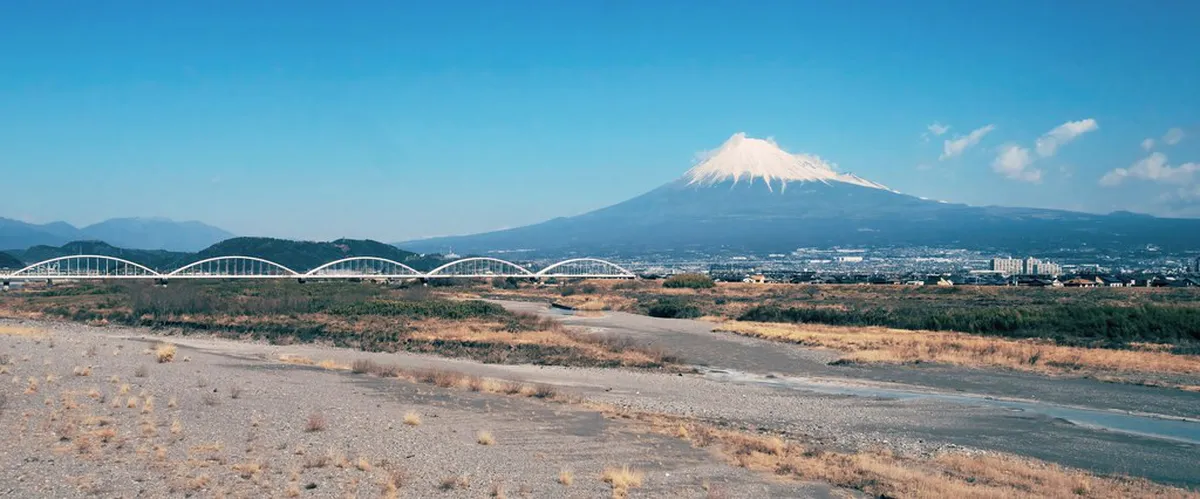
The Tokaido Shinkansen is the most popular way to start your trip toward the Japanese Alps. High-speed trains depart Tokyo Station every few minutes for the brisk 100-minute ride to Nagoya. On clear days, you can spot Mount Fuji from the right side of the train heading west.
Before buying a pass for this route, run it through our free JR Pass Calculator — it checks the national JR Pass and every relevant regional pass against pay-per-ride fares for your full itinerary.
Nagoya serves as the primary gateway where you switch from the bullet train to the Limited Express Hida. The transfer is well-marked but requires moving between different areas of the massive station complex. Keep your tickets accessible, as internal gates separate the Shinkansen concourse from the JR Nagoya platforms on levels 10 and 11.
The second half of the trip features the famous Wide View Hida train, which winds through deep river gorges and climbs steadily into the mountains of Gifu Prefecture. This leg runs about 140 minutes, with the most dramatic scenery appearing after the Gero hot-spring stop. Total travel time from Tokyo Station is consistently around 4 hours and 30 minutes.
- Step 1: Purchase your tickets at Tokyo Station
- Visit the JR East Travel Service Center near the Marunouchi North Exit for assistance.
- A one-way ticket typically costs around ¥15,000 / ~$100 and takes five minutes to print.
- Avoid long queues by using the multi-language automated ticket machines throughout the station — insert your credit card, select English, choose your route, then pick a seat on the seat map.
- Step 2: Board the Tokaido Shinkansen toward Nagoya
- Look for the Nozomi or Hikari trains departing from platforms 14 through 19.
- This leg takes roughly 100 minutes and runs every 10 to 20 minutes daily.
- Ensure you enter the correct car number printed on your reserved seat ticket.
- Step 3: Transfer to the Limited Express Hida at Nagoya
- Follow the yellow JR signs downstairs to platforms 10 or 11.
- Allow 10 to 15 minutes for a steady walk — longer if you have large luggage.
- Keep your base fare ticket ready as you pass through the internal transfer gates.
- Step 4: Locate your seat on the Hida Wide View
- Book a D seat (window, river side) for the best views of the Hida gorge heading toward Takayama.
- This portion of the journey lasts about 140 minutes through mountain scenery.
- Stow large bags in the designated luggage racks at the end of each car.
- Step 5: Enjoy the mountain views until Takayama Station
- The train arrives at the heart of the city near the main bus terminal.
- Most travelers reach Takayama by mid-afternoon to maximize their first day.
- Check your seat pocket for personal items before the train stops.
Book a D seat (window, river side) on the Wide View Hida for the best gorge views heading from Nagoya to Takayama. On the return leg, switch to a C seat — the river shifts to the left side. Booking portals do not surface this detail automatically; select it manually on the seat map.
The Scenic Alternative: Shinkansen via Toyama
The Hokuriku Shinkansen offers a completely different perspective on the journey north. You board a Kagayaki or Hakutaka train from Tokyo Station and ride about 2 hours 10 minutes to Toyama Station, then transfer south onto the Limited Express Hida heading toward Takayama. Check the weather in Takayama before choosing this route — the winter descent through snowy Toyama is spectacular but can involve weather-related delays on mountain sections.
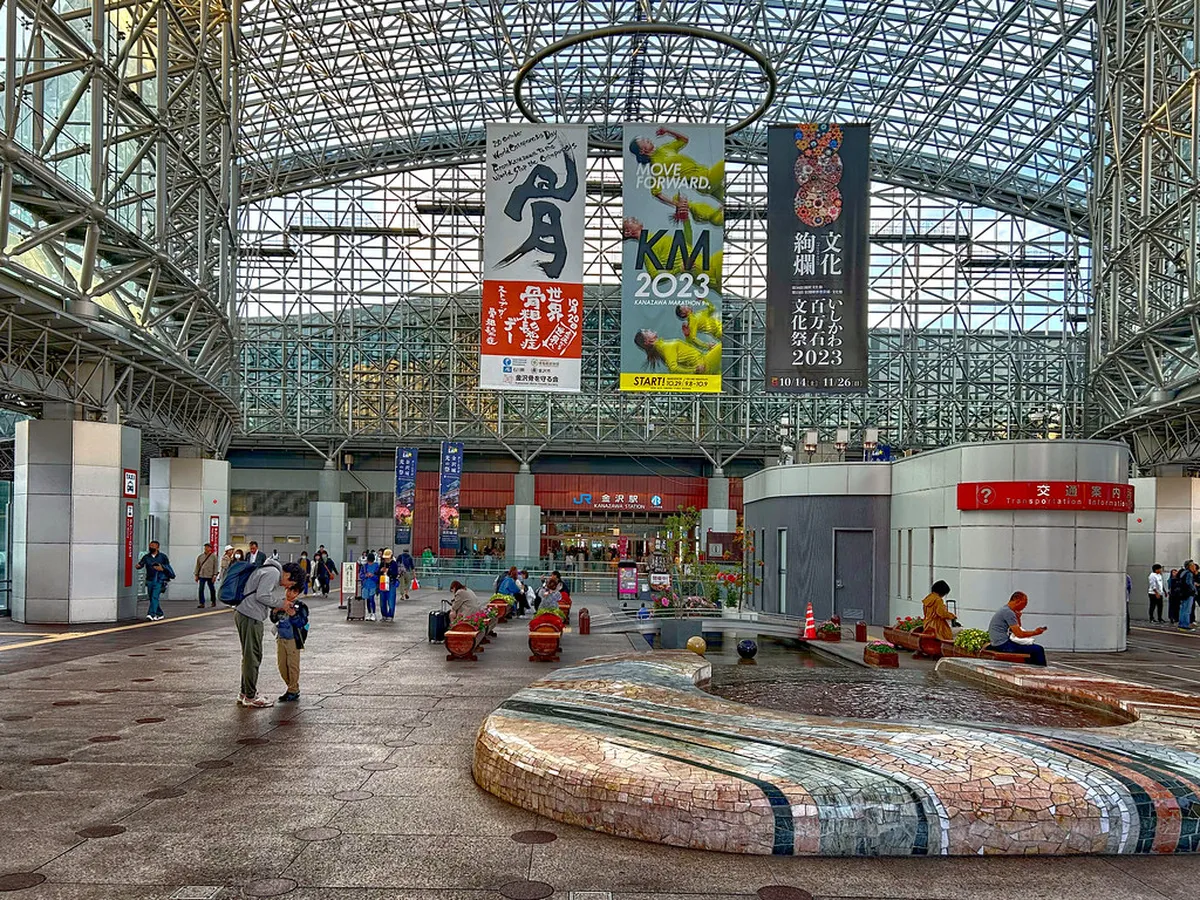
The total trip runs about 4.5 to 5 hours and costs roughly ¥16,000 / ~$107, placing it on par with the Nagoya option in both time and price. This route tends to feel less crowded than the Nagoya corridor during Golden Week and the autumn foliage rush in late October and early November. Seat availability on the Hida from Toyama is often better than from Nagoya during those peak periods.
Seasonally, the Toyama approach delivers some of the most cinematic train travel in central Japan. In autumn, the descent into the Hida valley frames red and gold foliage above the river gorge. In winter, fresh snow caps the peaks visible from the Shinkansen windows before the train plunges into the mountain tunnels. Spring cherry blossoms along the Hida River in April are best seen on this approach from the north.
The Toyama stop also lets you extend your trip along the Japan Sea coast. Toyama is known for exceptional seafood — particularly white shrimp (shiro ebi) sold at the station market — and the Toyama Glass Art Museum sits a short walk from the platforms. It is the right choice if you want to layer a coastal detour into your Hida mountain journey.
Comparing Transportation: Train vs. Highway Bus
Budget travelers often consider the highway bus as a cheaper alternative to the train. Buses operated by Nohi Bus and Keio depart from the Busta Shinjuku terminal and head directly to Takayama with no transfers. During Golden Week, Obon, and autumn foliage season, these bus tickets sell out weeks in advance — book via Willer Express as soon as your dates are confirmed.
The bus journey takes about 5.5 hours depending on highway traffic. Tickets cost roughly ¥7,000 / ~$47, which is nearly half the price of the train. If you prioritize savings over speed and have booked early, the bus is a viable choice.
Trains offer far more legroom and the ability to walk between cars during the trip. The rail route is also less susceptible to delays caused by highway congestion or winter road closures. Families often prefer the train for the extra space, onboard restrooms, and the scenic Hida River views that no bus window can match.
| Route | Cost (one-way) | Duration | Frequency |
|---|---|---|---|
| Shinkansen via Nagoya | ¥15,000 (~$100) | ~4.5 hours | Every 30–60 min |
| Shinkansen via Toyama | ¥16,000 (~$107) | ~5 hours | Every 60–90 min |
| Highway Bus | ¥7,000 (~$47) | ~5.5 hours | Every 1–2 hours (sells out fast in peak season) |
| Private Transfer | ¥80,000+ (~$535+) | ~5 hours | Advance booking only |
Deciding between the two depends on your budget and booking horizon. Check the top Takayama attractions to estimate how much time you want to save on arrival. Most first-time visitors find the train experience worth the extra cost. Nagoya also serves as an excellent hub for exploring the Kiso Valley and outlying prefectures. And if you want to venture further, see the things to do in Tokyo for contrasting travel paces.
- Compare your travel options at a glance
- Shinkansen via Nagoya: ¥15,000 / ~$100, 4.5 hours, departs every 30–60 minutes.
- Shinkansen via Toyama: ¥16,000 / ~$107, 5 hours, departs every 60–90 minutes.
- Highway Bus: ¥7,000 / ~$47, 5.5 hours, departs every 1–2 hours (sells out fast during peak seasons).
- Private Transfer: ¥80,000+ / ~$535+, 5 hours, available by advance booking only.
The last Hida departure from Nagoya runs around 19:25–19:50. If you take a late-afternoon Shinkansen from Tokyo — departing after 17:00 — you risk missing the final connection and having to stay overnight in Nagoya. Plan your Tokyo departure before 16:00 to maintain a safe buffer.
How to Book Tickets and Use the JR Pass
The Japan Rail Pass remains a popular tool for navigating the country by train. Both the Tokaido Shinkansen (Hikari and Kodama only — not Nozomi) and the Limited Express Hida are fully covered by the pass. Exchange your voucher for the physical pass at a major JR ticket office in Tokyo before boarding.
Seat reservations are highly recommended for the Hida to ensure a window seat. Make these reservations for free at any JR ticket office or at the green-screen reservation machines found in major stations. Planning for the Takayama Spring Festival 2026 Guide: 10 Essential Planning Tips means booking seats at least three to four weeks in advance.
Online booking is available through the official JR West or JR Central websites. Using these portals lets you pick specific seats on a digital seat map before printing or receiving a QR code. If you bought a voucher from an overseas agent, you will still need to exchange it in Japan before you can reserve seats.
Unreserved cars are available on most Hida departures if you prefer flexibility. However, standing is possible if the train is crowded during holidays. Check the platform display board to identify the unreserved car numbers before the train arrives.
Navigating Transfers and Luggage Requirements
Nagoya Station is one of the largest rail hubs in Japan and can feel disorienting if you arrive without a plan. The Shinkansen platforms sit on the upper floors of the station building, while the Hida Limited Express departs from the lower-level JR Nagoya platforms. Follow this sequence to keep the transfer smooth:
- Exit your Shinkansen car and head toward the center of the platform, then descend via the escalators at the platform ends.
- Pass through the internal Shinkansen fare gates — have your base fare ticket or JR Pass ready, as these are separate from the bullet train turnstiles.
- Once through the gates, turn left and walk along the JR Nagoya central concourse. Look for the green 「ひだ」(Hida) destination boards on overhead monitors.
- Platforms 10 and 11 are roughly a 5-minute walk from the Shinkansen exit. Take the down escalator near the Kintetsu passage junction.
- Allow at least 12 minutes for an unencumbered walk — 20 minutes if you have large suitcases or are traveling with children.
- If you have time to spare, the underground concourse food hall has an ekiben stand stocked with Nagoya-specialty bento boxes just beyond the ticket gates.
One critical timing note no booking site surfaces clearly: the last Hida departure from Nagoya runs around 19:25–19:50 depending on the day. If you take a late-afternoon Shinkansen from Tokyo — departing after 17:00 — you risk arriving in Nagoya too late for the final connection. Missing it means staying overnight in Nagoya, since there is no rail route into the Hida mountains after dark. Plan your Tokyo departure before 16:00 to keep a comfortable buffer.
Current JR rules require a luggage reservation for oversized bags on the Tokaido Shinkansen. Bags with total dimensions between 160cm and 250cm need a designated seat with storage space behind the last row. You can find more details about luggage rules aboard the Shinkansen here.
The Limited Express Hida has significantly smaller overhead racks than the spacious bullet trains. Large suitcases will not fit overhead and must go in the end-of-car racks, which fill quickly on busy trains. Consider using a luggage forwarding service (takuhaibin) from Tokyo or Nagoya — services like Yamato Transport will deliver your bags to your Takayama hotel by the next morning for around ¥2,000–¥2,500 per piece.
Finding Areas and Hotel Picks for Where to Stay in Takayama near the station makes handling bags on arrival much easier. Many hotels are within a five-minute walk of the east exit. Always keep valuables in a small daypack during the transfer.
Onboard Experience: The Hida Limited Express
The Hida train is nicknamed the Wide View because of its tall, panoramic windows designed to frame the mountain scenery. These windows extend higher than standard trains, providing unobstructed views of the river gorges below. The Hida River runs alongside the tracks for much of the journey, shifting from turquoise to deep slate-blue depending on the season and light.
Seat selection matters: book D seats (window, right side) when traveling from Nagoya toward Takayama for the river views. On the return leg from Takayama back to Nagoya, the river switches to the left side, so C seats become the better choice. None of the booking sites surface this detail automatically — you need to select it manually on the seat map.
Onboard services include a small trolley with drinks on some departures, but many trains now rely on station machines. Buy a bento box (ekiben) at Tokyo Station or Nagoya before boarding — Nagoya's central concourse has a well-stocked ekiben stand near the Hida departure platforms. I recommend trying the best Hida beef ekiben if you find one, as it pairs perfectly with the mountain views.
Restrooms are located between cars and are clean throughout the journey. The smooth ride, despite the winding tracks, makes reading or light napping comfortable. The autumn and winter runs are particularly atmospheric — snow-capped peaks appear above the gorge around the Gero station area.
Arrival in Takayama: Station Access and First Steps
Takayama Station is a modern facility recently renovated for better access. The east exit leads directly toward the historic district and most major hotels. You can Open the Takayama map to find your way to the center.
Walking to the Sanmachi Suji Old Town takes about ten to fifteen minutes on a flat, well-signed route. Local buses for the Hida Folk Village and other outlying sites depart from the terminal just outside the station. The tourist information center inside the station gates has English-speaking staff who provide free maps, festival schedules, and tour recommendations.
Most visitors start their first afternoon by exploring the morning markets area near the river, which remains active until early afternoon. Coin lockers are available inside the station if you arrive before hotel check-in time — sizes range from small (¥300) to large (¥700) for full-size suitcases. Grab a printed bus schedule at the information desk if you plan to visit the folk village or the Shinhotaka Ropeway.
- Things to prepare before your train journey
- Pack light to avoid Shinkansen luggage fees or consider forwarding bags via takuhaibin.
- Check the weather for Takayama mountain conditions, especially in November and February.
- Download a digital map of Nagoya Station before you lose signal in the mountains.
- Purchase snacks and an ekiben at Tokyo Station before boarding.
- Keep your passport handy for Japan Rail Pass exchanges.
- Book the Hida seat reservation separately even if your JR Pass covers the fare.
- Common travel issues and how to fix them
- If you miss your transfer, take the next available Hida train — they run roughly hourly.
- Use station staff for help with ticket machine errors; green-uniformed attendants stand near the machines.
- Look for elevators if your luggage is too heavy for stairs — signs are in English throughout Nagoya.
- Buy a mobile SIM or pocket Wi-Fi if the station Wi-Fi is slow — signal drops in the mountain tunnels.
- Check the platform display if your train is delayed; the Hida connects to further bus routes in Takayama.
- Keep your ticket if the gate does not open — hand it to the attendant rather than force the barrier.
Frequently Asked Questions
Is the train from Tokyo to Takayama covered by the JR Pass?
Yes, the full journey is covered. This includes the Tokaido Shinkansen and the Limited Express Hida. You should reserve your seats at a JR ticket office for free.
Which is better: the Nagoya route or the Toyama route?
The Nagoya route is faster and offers more frequent train departures. Choose the Toyama route if you want unique mountain scenery. Both options cost roughly the same price.
How far in advance should I book the Hida Limited Express?
Book at least two weeks early for holiday periods. For regular weekdays, booking a few days in advance is usually sufficient. Reservations ensure you get the best window views.
Reaching Takayama by train is a memorable part of any Japanese adventure. Whether you choose the fast Nagoya route or the scenic Toyama path, the views are stunning. Following this guide will ensure a smooth and stress-free journey into the mountains.
Once you arrive, the 3-day Takayama itinerary will help you explore the best of the city. Enjoy the historic streets, the local food, and the peaceful atmosphere of the Alps. Safe travels on your rail journey through Japan.
Free: The Takayama Essentials guide
Top things to do, where to stay, a perfect day plan, getting around, and the best time to go — a Takayama mini-guide you can take offline.
You might also like


Continue reading
More guides you'll find useful