

Takayama With Kids Family Guide
Plan takayama with kids family guide with top picks, neighborhood context, timing tips, and practical booking advice for a smoother trip.
On this page
This takayama with kids family guide provides everything you need for a memorable mountain getaway. Takayama offers a glimpse into old-world Japan that children genuinely enjoy exploring. The city feels like an open-air museum where history comes alive through narrow streets and wooden merchant buildings. Families will appreciate the walkable city center, the gentle pace of local life, and the surprising ease of navigating with strollers.
Planning ahead ensures you make the most of your time in this alpine destination. This guide covers where to go, how to get there, where to stay, and how long to spend — with practical constraints competitors usually skip.
Getting to Takayama with Kids
Most families arrive by train from Nagoya via the Tokyo to Takayama Train Guide: 7 Essential Travel Steps. Take the Shinkansen to Nagoya, then the Hida limited express directly to Takayama — about 2.5 hours from Nagoya. Stock up on snacks at the Nagoya platform shop as there is no trolley service on the Hida line. The scenery through the Hida mountains is genuinely spectacular; even young children tend to put screens down for it.
Some families drive from Nagoya via the Tokai-Hokuriku Expressway. This route takes roughly 2.5 hours by car and allows a stopover at Inuyama Castle — one of Japan's four original surviving castles. The castle grounds have open space for toddlers to run, making it a practical rest break. Once in Takayama, parking is easy and the city is compact enough to explore on foot from any central hotel.
A highway bus also runs from Shinjuku (Tokyo) directly to Takayama in around 5.5 hours. It is the cheapest option (roughly ¥3,000–¥4,500) but long for small children. The train from Tokyo via Nagoya is faster and more comfortable for families with kids under 6.
Must-See Takayama Attractions
Explore the many 20 Best Takayama Attractions: The Complete 2026 Guide that cater to all ages and interests. The most famous area is the Sanmachi Suji district with its preserved Edo-period merchant houses. Walking through these streets feels like stepping back in time for both adults and children. Many shops offer traditional sweets — mitarashi dango and Hida beef skewers — that serve as perfect treats mid-stroll.
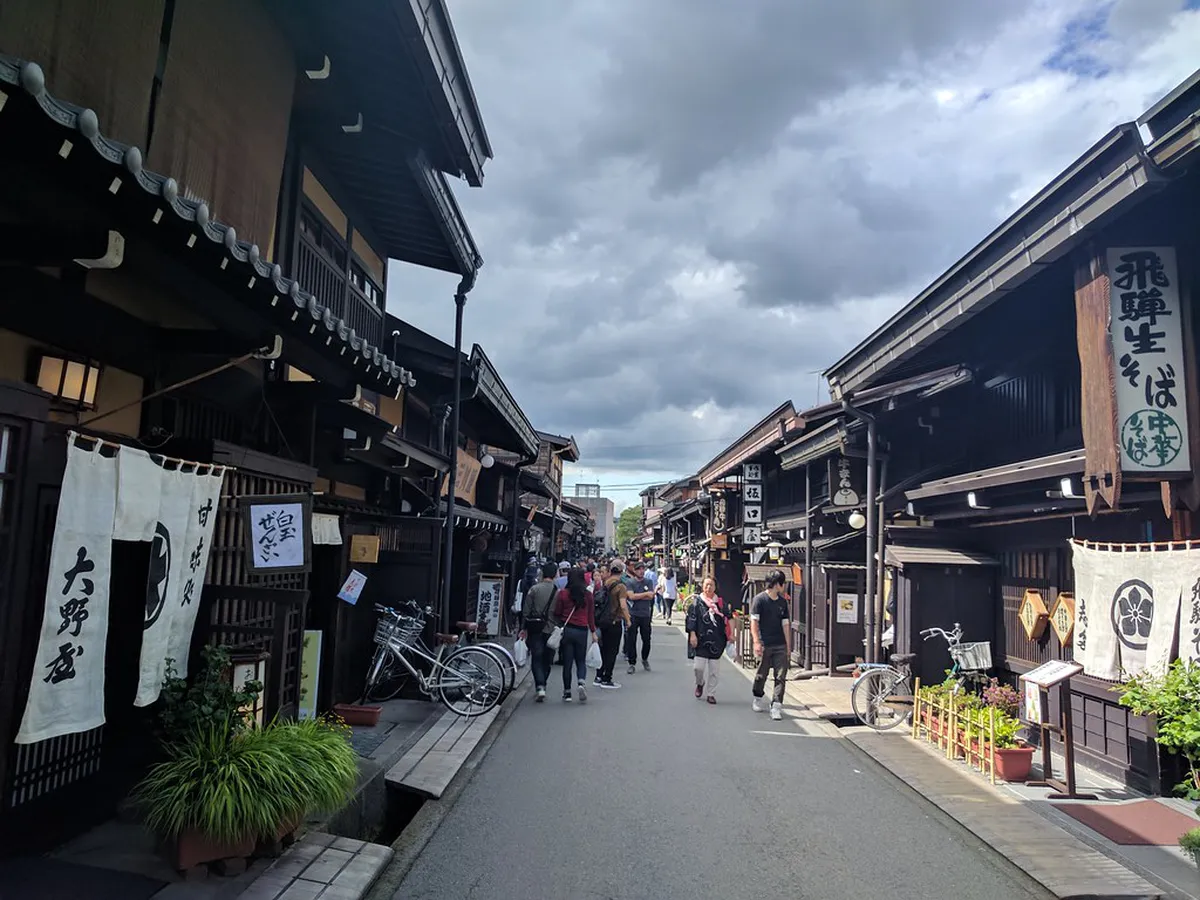
The morning markets are the city's most lively attraction. Miyagawa Market runs along the river from 07:00 to noon (08:00 start in December–March), while the smaller Jinya-Mae Market operates in front of Takayama Jinya with more craft and produce stalls. Arriving early means cooler air and thinner crowds. Kids can pick out their own snacks, which makes the market a genuinely engaging activity rather than a stop they endure.
Hida Folk Village sits about 10 minutes from the station by bus. This open-air museum features over 30 traditional farmhouses moved from across the Hida region. The hillside setting, the pond stocked with koi and ducks, and the occasional craft demonstration keep children occupied for 2–3 hours. Buy a bag of fish food near the entrance for ¥100 — kids will spend a happy 20 minutes at the water's edge.
The Takayama Squirrel Park, near the old town, is a standout stop for families with children under 8. Visitors put on special gloves, enter an enclosed space, and hand-feed the resident squirrels. Entrance costs roughly ¥400–¥600 per adult and children are cheaper. It opens at 09:00 and works well as a gentle warm-up before the morning market crowds thicken.
Hida Folk Village charges ¥700 per adult — but children under 15 enter free. Buy a bag of fish food near the entrance (¥100) to keep young children occupied at the koi pond for 20 minutes. Take the Sarubobo community bus from the station (day pass ~¥620) to avoid a steep uphill walk with tired kids.
Museums, Art, and Culture in Takayama
Read our 6 Essential Tips for Your Takayama Jinya Guide before visiting this historic government office. It is the only remaining regional government building of its kind in Japan. Children often find the old interrogation rooms and the large rice storehouses fascinating. The tatami corridors and wooden architecture are very well-maintained, with English signage throughout.
The Takayama Showa Museum is a standout choice for families. It recreates Japanese daily life from the 1950s and 1960s with interactive displays: vintage toys, old-fashioned shopfronts, retro classrooms. Kids can pick up and play with exhibits while adults get a wave of nostalgia. Budget at least 90 minutes — it is hard to drag children out.
If you would like to take part in a tea ceremony as a family, Nobata Chaho welcomes visitors of all ages. Staff explain the process clearly and are patient with younger participants. It provides a quiet, meaningful break from a busy sightseeing day. Book a slot in advance, especially during spring and autumn peak seasons.
The sake breweries along Sanmachi Suji are worth a brief stop even with children. Adults sample the local nihonshu; kids can order amazake — a warm, sweet, non-alcoholic fermented rice drink sold for around ¥300 per cup. Most of the traditional breweries along the central old-town street stock it. It is a culturally specific treat that most families overlook entirely, and children tend to find the rich, slightly sweet flavour surprisingly appealing.
Takayama Has Two Morning Markets — Know the Difference
Most visitors go only to Miyagawa Market along the river. But Takayama actually runs two daily morning markets simultaneously, and each has a different character. Miyagawa is longer, busier, and better for food: fresh corn, local apples, Hida beef skewers, and a famous croissant stall that bakes in tiny batches. Lines at the croissant stall move fast — join it early and wait for a fresh pull.
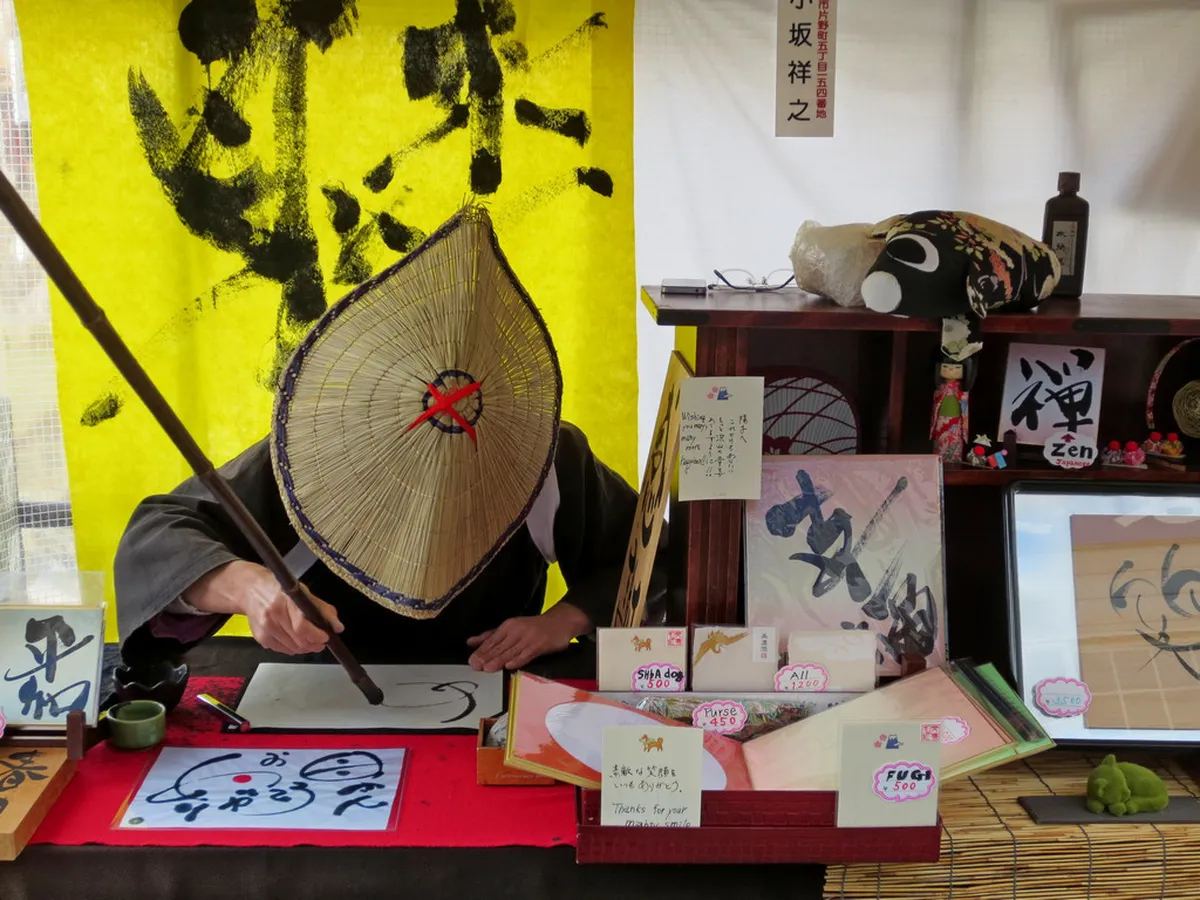
Jinya-Mae Market sits in the plaza in front of Takayama Jinya, a 5-minute walk east. It is quieter, more craft-focused, and easier to navigate with a stroller. This is where to buy Sarubobo dolls — the red faceless fabric figures that are the Hida region's good-luck charm, traditionally made by mothers for daughters. A good-quality Sarubobo costs ¥500–¥1,500 and makes a more meaningful souvenir than anything sold at airport shops.
Walk Miyagawa first when energy is high, then cross to Jinya-Mae for a calmer browse. Both close by noon. Families with toddlers should skip the stroller on Miyagawa's narrow riverside path — use a carrier — but the Jinya-Mae plaza is fully stroller-accessible.
Choosing a Family Ryokan in Takayama
Staying in a ryokan is one of the best decisions you can make for a family trip to Takayama. Traditional inns typically provide large tatami rooms with futon bedding laid on the floor — which means no fall risk for toddlers and plenty of space to move around. Many ryokan include a kaiseki dinner featuring Hida beef and seasonal local produce, and breakfast the following morning, which removes the stress of finding family-friendly restaurants twice a day.
Not all ryokan accept young children — Ryokan Asunaro only accepts children 7 years and older. Confirm age policies before booking. Sannomachi Suji cobblestones are also genuinely difficult for strollers during festival processions when the streets narrow with crowds; use the flat Miyagawa riverbank path instead.
Not all ryokan accept young children, so confirm age policies before booking. Honjin Hiranoya Kachoan is a well-regarded traditional option in the old town. For families wanting onsen access, Hida Takayama Green Hotel has good facilities and family-friendly dining. Note that Ryokan Asunaro only accepts children 7 years and older — suitable for school-age kids but not toddlers.
If a ryokan is outside your budget, Fav Hotel Hida Takayama East is a modern alternative. Rooms sleep up to 6 on bunk beds with queen-sized lower bunks, and each unit has a kitchenette. The hotel is 5 minutes from the station and has a sauna for adults once the kids are down. For something more luxurious, Fav Lux Hidatakayama is close to both the station and the folk village.
Parks, Gardens, and Outdoor Spots in Takayama
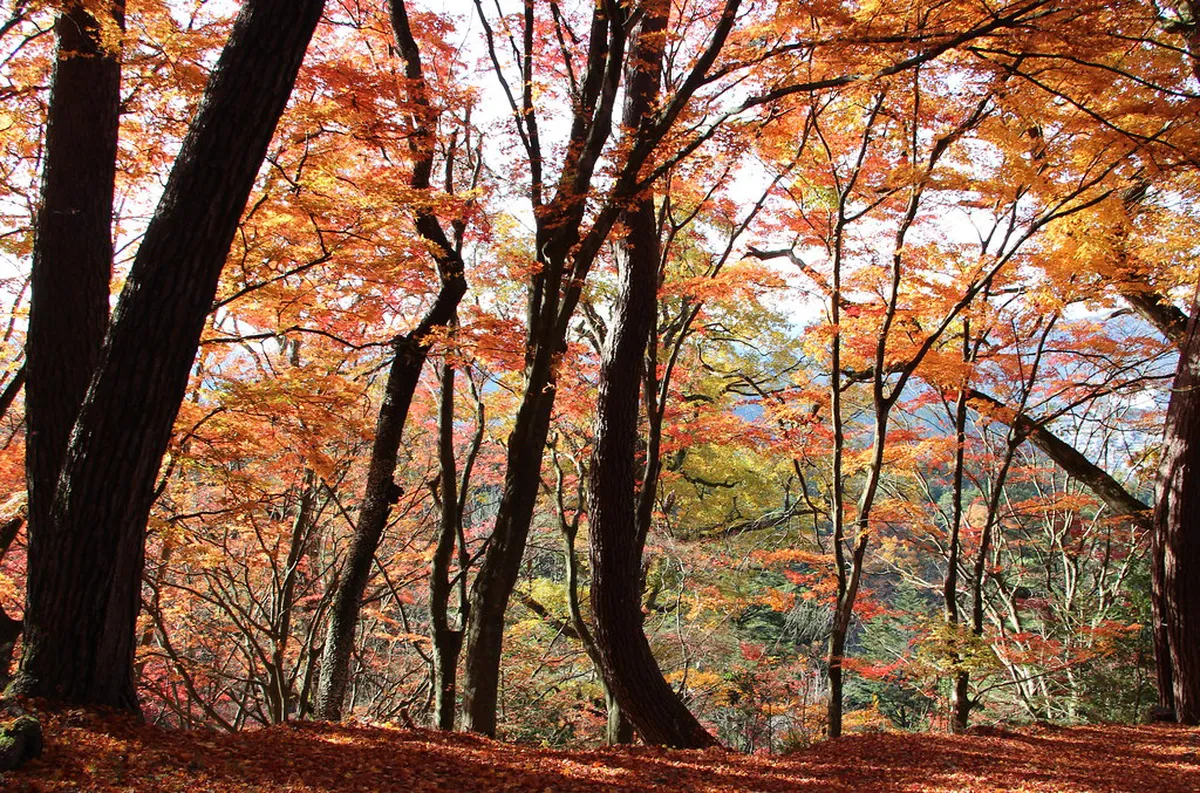
Shiroyama Park offers a natural escape a short walk from the old town. Several hiking trails are manageable for elementary-aged children, and you can find the ruins of the old Takayama Castle while enjoying panoramic views of the city. It is a good spot for a picnic on a clear day and free to enter at any time.
The Miyagawa River path runs through the center of town and is flat, wide, and stroller-friendly. Kids enjoy watching koi in the water and feeding ducks near the morning market area. On warm days, the shaded riverbank makes a good afternoon rest stop between sightseeing sessions.
The Higashiyama Walking Course is a gentle loop through old temples, quiet shrines, and forested paths on the eastern edge of the city. The full course takes about 90 minutes at a slow family pace. It is well-signposted in English and almost entirely flat, though two short uphill sections require lifting a stroller for 20–30 meters. Older children respond well to counting the numbered stone markers along the route.
Showa Jidou Park (also called Poppo Park), a 7-minute walk from the station, has a play structure and public restroom — useful when younger children need a run-around break. The Miyagawa River area also has a small foot bath near Sakura Foot Bath (10 minutes from the station) that families can use for a 30-minute reset at no cost.
Family-Friendly and Budget-Friendly Options in Takayama
Takayama is more affordable for families than most Japanese tourist cities. Shiroyama Park, the Miyagawa River path, the Higashiyama Walking Course, and both morning markets cost nothing to enter or browse. Hida Folk Village charges ¥700 per adult — but children under 15 enter free. Takayama Jinya is ¥440 for adults; children are free. These two paid sites alone account for most families' cultural sightseeing in a day, and the combined cost for two adults is under ¥1,200.
| Attraction | Adult | Child |
|---|---|---|
| Hida Folk Village | ¥700 | Free (under 15) |
| Takayama Jinya | ¥440 | Free |
| Squirrel Park | ¥400–¥600 | Cheaper |
| Shiroyama Park | Free | Free |
| Morning Markets | Free | Free |
| Crafts Experience Center (Sarubobo) | ¥1,500 | ¥1,500 |
For hands-on activity, the Hida Takayama Crafts Experience Center in the Sanmachi Suji old town lets families make their own Sarubobo dolls — the red faceless charms of the Hida region — for around ¥1,500 per person. Sessions run 30–45 minutes and require no advance booking on most weekdays in 2026. This is the activity most families wish they had booked but discover only by wandering the old town. Children leave with something they built rather than something pulled off a shelf, which matters more than you might expect on a long trip.
Food costs can also stay low with a smart strategy. A Hida beef skewer from a market stall costs ¥700–¥1,200 — a far cheaper taste than a sit-down wagyu restaurant. The 7-Eleven near the old town is well-stocked for breakfast or snacks, and the convenience stores carry Karaage-Kun fried chicken pieces that are universally liked by picky eaters. Reserving one nice sit-down meal per day (lunch, not dinner, for lower menu prices) and keeping other meals casual cuts the food budget significantly without sacrificing the local experience.
Hida Beef Lunch at Family-Friendly Restaurants
Hida beef is the region's culinary calling card, and families can try it at varying price points. The easiest entry point is a Hida beef skewer from a market stall — ¥700–¥1,200 — which kids can eat standing at the stall. Walk-up windows selling beef nigiri (wagyu on a rice cracker) are dotted around the old town and are quick and relatively affordable.
For a sit-down meal, Kitchen Hida (9 minutes from the station) welcomes families, stores strollers, and offers a kids' plate — rice, corn soup, a hamburg meatball, and frankfurter for ¥1,300. Expect ¥7,000 per adult at lunch, ¥13,000 at dinner. Reservations are required. If wagyu prices stretch the budget, Pizzeria Hirano Grano nearby has a dedicated kids' play space, casual seating, and unexpectedly good food in a pretty side street.
For a casual dessert stop, Cha-no-Me in the old town sells creme brulee cheesecake and other sweets for under ¥1,000 per item. It is cash only, open 09:00–17:00. The Gyuman Kihachiro Yasugawa Honten shop sells Hida beef steamed buns (gyuman) that work perfectly as a child-friendly snack while walking — no reservation needed, open daily.
How to Plan a Smooth Day in Takayama with Kids
A well-planned Takayama Itinerary for First-Timers ensures you don't miss the best spots. Start by 07:30 at Miyagawa Morning Market, cross to Jinya-Mae Market by 09:00, then walk the Sanmachi Suji historic district once stalls close at noon. This sequences the best of the city while energy is highest and before the afternoon tourist wave arrives.
Reserve early afternoon for Hida Folk Village. Take the Sarubobo community bus from the station (day pass around ¥620) to avoid walking uphill with tired children. The folk village is best in the early afternoon when light falls well for photos and crowds from morning tours have thinned. Allow 2 hours minimum, more if kids latch onto the fish pond.
Keep evenings simple: return to your ryokan for dinner if included, or pick a restaurant with a play space. Most restaurants in Takayama close by 20:00–20:30, so aim to eat by 18:30. Keep a bag of convenience store snacks on hand — the 7-Eleven near the old town is well-stocked and easy to use with children.
How Long to Stay — and Where to Go from Takayama
Two nights gives you one full day in the city plus a morning market visit on your departure day. That covers the old town, folk village, both morning markets, and one sit-down meal without feeling rushed. Families with toddlers often find two nights is the right amount — the pace is slow and children sleep well in the mountain air.
Three nights opens up a day trip to Shirakawa-go, the UNESCO-listed village of thatched-roof gassho farmhouses about 50 minutes by bus. The village is small and very walkable, with an open-air museum that young children explore easily. Buses from Takayama run frequently and return by late afternoon. This is the single most worthwhile day trip from the city for families.
Getting back to Tokyo involves reversing the inbound route: Hida limited express to Nagoya (2.5 hours), then Shinkansen to Tokyo (1.5 hours). If you rented a car, return it in Nagoya before catching the bullet train. The Takayama Station platform has minimal facilities — no kiosk or comfortable waiting area — so time your arrival tightly rather than waiting on the platform with young children.
Frequently Asked Questions
How long to stay in Takayama?
Most families find that two to three days provide enough time to see the main sights. This allows for a relaxed pace with children while covering the old town and folk village. You can also add a day trip to nearby Shirakawa-go if your schedule permits.
Is Takayama stroller-friendly?
Yes, the central city area is mostly flat and easy to navigate with a stroller. Some historic buildings may require you to leave the stroller at the entrance due to narrow corridors. The Miyagawa River paths are especially good for families using strollers during their daily walks.
What is the best time to visit Takayama with kids?
Spring and autumn offer the most comfortable temperatures for outdoor exploring. The festival months of April and October are very exciting but can be extremely crowded. Winter is beautiful for families who enjoy snow, while summer can be quite warm during the midday hours.
Are there kid-friendly restaurants in Takayama?
Many restaurants in Takayama are very welcoming to families and offer casual dining options. You can find beef skewers, ramen, and rice bowls that appeal to most children. Several larger hotels also have buffet restaurants with a wide variety of local and international dishes.
Takayama is a fantastic destination for families looking to experience the heart of traditional Japan. The combination of historic sites, beautiful nature, and delicious food creates a near-perfect travel mix. By planning your arrival route, choosing the right accommodation, and hitting the morning markets early, you can ensure a smooth and enjoyable trip for every family member in 2026.
Take things slowly and enjoy the small details of this mountain city. The memories you make here — the koi by the morning market, the tatami room at night, the kids paying with their own yen coins — will last far longer than any photograph.
Free: The Takayama Essentials guide
Top things to do, where to stay, a perfect day plan, getting around, and the best time to go — a Takayama mini-guide you can take offline.
You might also like

Continue reading
More guides you'll find useful


