Takayama Autumn Festival 2026: Dates, Schedule & Tokyo Access
Takayama Autumn Festival 2026 falls Oct 9-10 (Fri-Sat). Confirmed dates, float and lantern-parade schedule, free entry, and the ~4.5hr route from Tokyo.
On this page
The Takayama Autumn Festival 2026 guide helps you navigate one of the most beautiful celebrations in all of Japan.
This historic event transforms the quiet mountain town of Takayama into a vibrant stage for Shinto traditions.
Visitors come from across the globe to witness the towering floats and ancient puppet performances.
Planning early is vital because the 2026 event falls on a busy weekend schedule.
Overview of the Takayama Autumn Festival (Hachiman Matsuri)
Known locally as the Hachiman Matsuri, this festival dates back to the 16th century during the Edo Period. It serves as the annual celebration for the Sakurayama Hachimangu Shrine in the northern half of the town. This event is widely regarded as one of the three most beautiful festivals in Japan. It honors the harvest and asks for protection as the colder winter months approach.
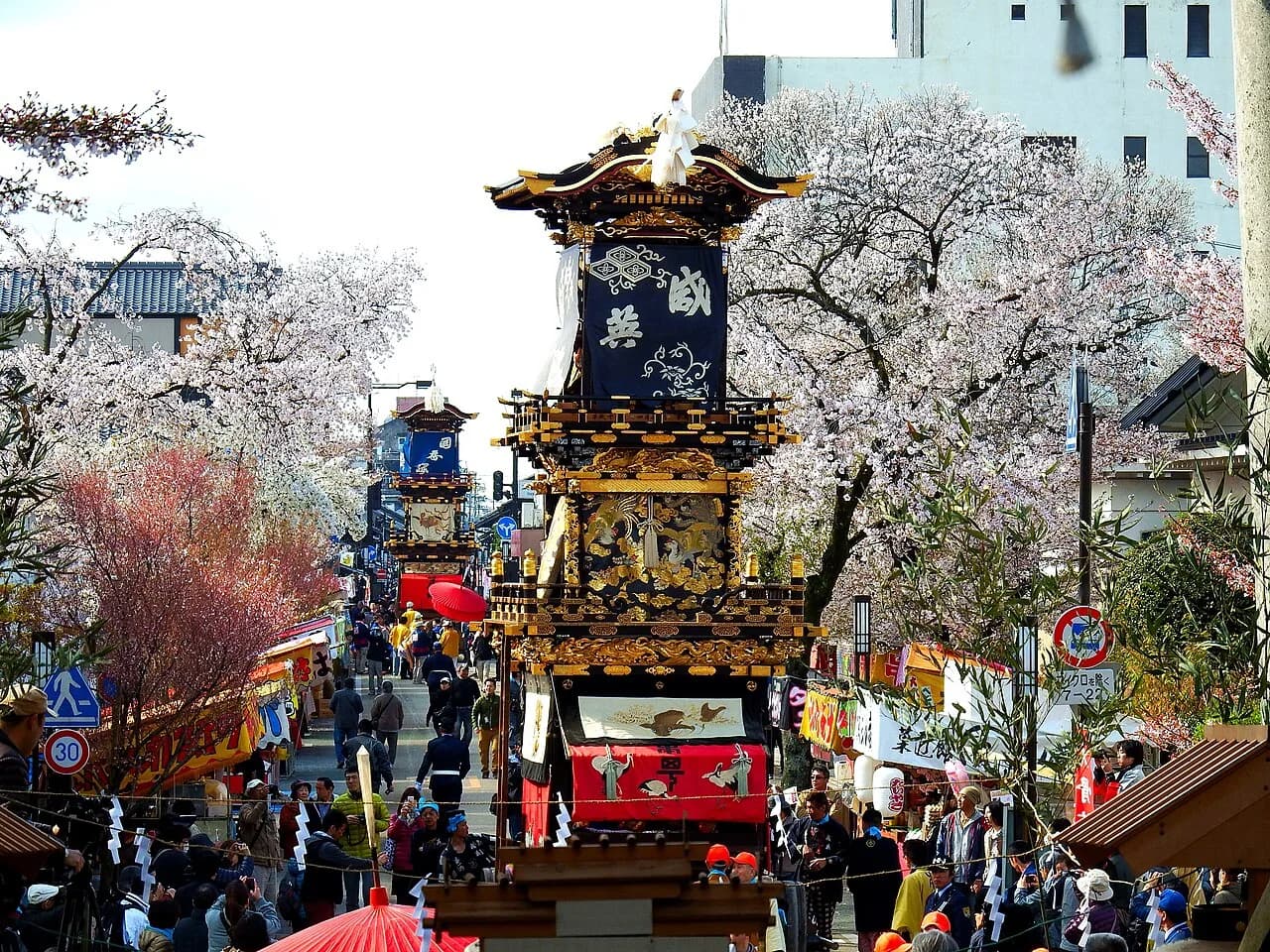
The festival is famous for its massive wooden floats which showcase the incredible skills of local woodworkers. These artisans are known as the Hida no Takumi and their legacy lives on through these structures. Each float is a designated National Important Tangible Folk Cultural Property. Watching them roll through the narrow streets offers a rare glimpse into Japan's preserved feudal history.
While many people confuse it with the spring version, the autumn festival has its own unique character. The spring event focuses on the southern part of town, while autumn highlights the northern district. Both festivals share a commitment to craftsmanship and community spirit. You will feel the local pride in every musical note and decorative detail during the procession.
Confirmed Dates and Schedule for October 2026
The Takayama Autumn Festival 2026 guide confirms the event will take place on October 9 and 10. These dates remain the same every year regardless of which day of the week they fall on. In 2026, the festival occurs on a Friday and Saturday. This specific timing means you should expect much larger crowds than in midweek years.
Domestic travelers from across Japan will likely flood the city for a long weekend getaway. You should aim to arrive in town at least one day before the festivities begin. Most major events like the float displays start early in the morning around 9:00 AM. Checking the official Hida.jp schedule will provide the most accurate timing for specific performances.
The first day typically features the most excitement with the morning processions and the evening lantern parade. The second day focuses on the final rituals and the return of the floats to their storehouses. Plan your itinerary to be present for the full day on October 9 to see the best highlights. Early morning starts are the best way to secure a good viewing spot near the shrine.
The Hotei-tai karakuri puppet show performs twice daily at approximately 10:00 and 14:00 near the shrine. Arrive at least 40 minutes early to secure a front-row position — the shows last only about five minutes and draw the densest crowds of the entire festival.
The 11 Yatai Floats and Hida Craftsmanship
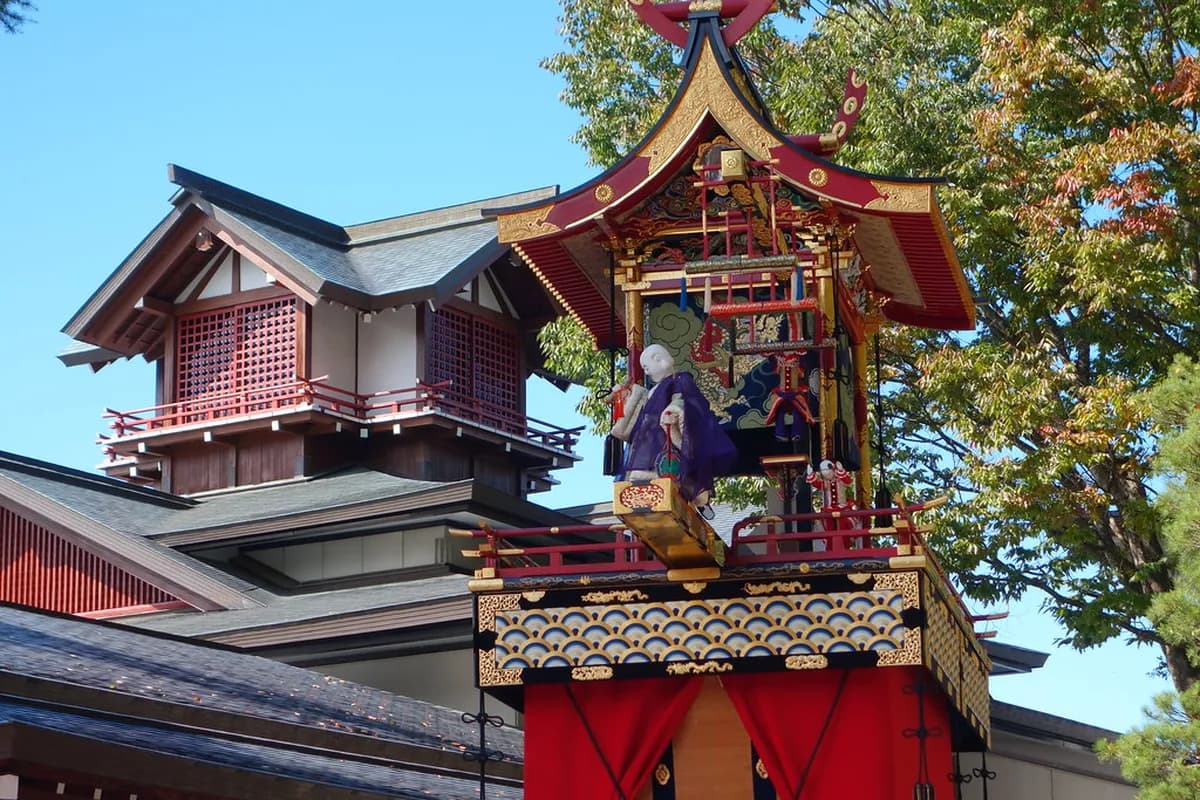
The 11 yatai floats used in the autumn festival are masterpieces of Japanese woodworking and design. Each float features intricate carvings, elaborate metalwork, and beautiful lacquer finishes that have survived for centuries. These structures represent the peak of Hida no Takumi craftsmanship, a style famous throughout Japan. Many experts compare the quality of these floats to the legendary Yomeimon Gate in Nikko.
You can see the detailed artistry in the golden ornaments and the hand-woven tapestries decorating each level. Some floats even feature hidden mechanisms that allow them to change shape or height during the parade. These artistic details were originally funded by wealthy merchants during the prosperous Edo period. Today, local neighborhood associations maintain these treasures with extreme care and devotion.
Walking among the floats while they are stationary allows you to appreciate the small details. Look for the mythical creatures carved into the wooden beams and the vibrant colors of the tassels. Each float has its own name and historical theme based on Japanese legends. These mobile museums provide a deep connection to the artistic heritage of the Gifu mountain region.
Karakuri: The Ancient Art of Mechanical Puppetry
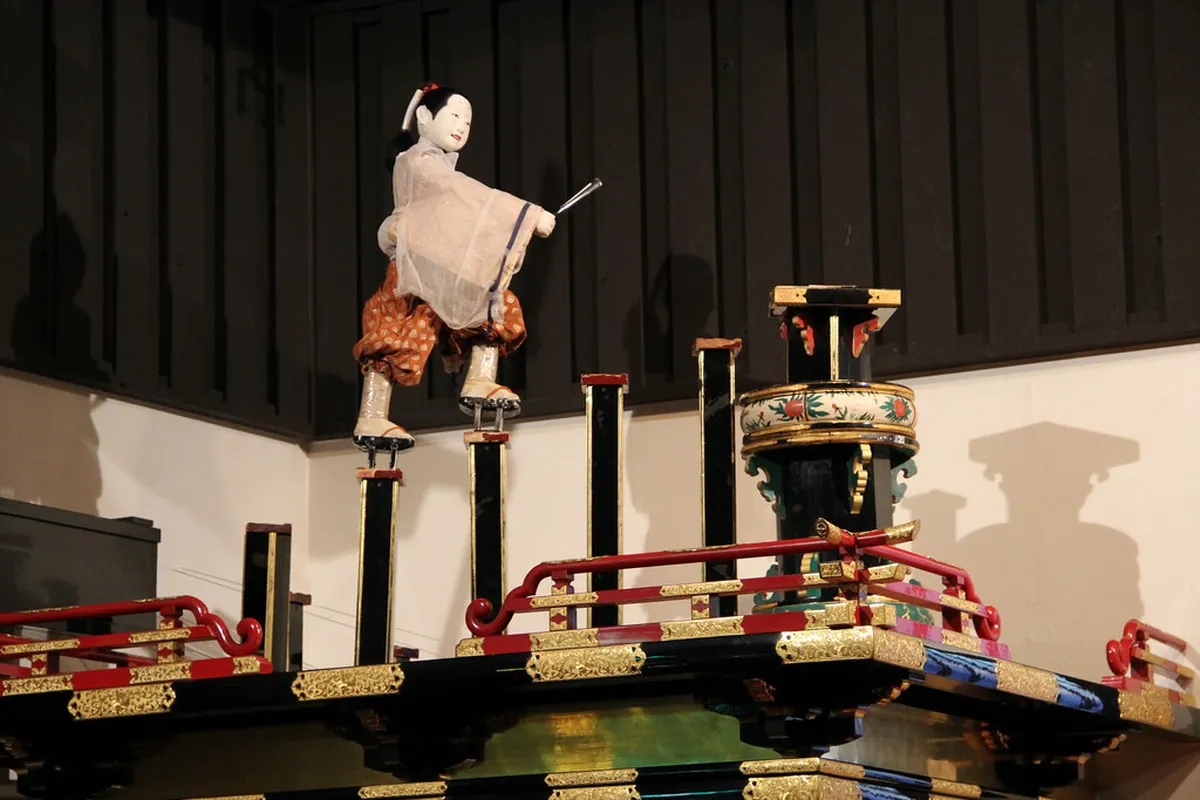
One of the most popular attractions at the festival is the performance of the karakuri puppets. These mechanical dolls are operated by master puppeteers using a complex system of silk threads and push rods concealed inside the float's body. The puppets move with surprising grace, capable of acrobatic flips, face changes, and pouring motions. You can find historical context about their origins at Japan-Guide.com before your trip.
The Hoteitai float is the most celebrated for its puppet show featuring Hotei, the rotund god of fortune. Performances take place twice per day at the Sakurayama Hachimangu Shrine grounds, typically around 10:00 and 14:00 on both festival days. Each show lasts only about five minutes, so timing your shrine visit correctly is essential. The performances draw dense crowds: arriving at the shrine courtyard at least 40 minutes early gives you a front-row position on the gravel facing the float.
One thing most visitors discover too late: the strings controlling the puppets are visible if you watch from directly in front at close range. A better vantage is slightly elevated and to the side — the stone steps leading up the shrine's forested hill provide exactly this angle and far less jostling. From there you can see the puppeteers' precise thread movements without the view being blocked by taller spectators. No batteries or motors drive these wooden figures; the engineering is entirely pre-modern, which makes the fluidity of the movements all the more astonishing.
The Evening Festival (Yomatsuri) Experience
As the sun sets on October 9, the festival takes on a magical and glowing atmosphere. Each of the 11 floats is adorned with approximately 100 flickering paper lanterns. The lanterns cast a warm light over the dark wooden structures and the historic buildings of the old town. This night procession is known as the Yomatsuri and is a favorite for photographers. Exploring the Takayama Nights during this time offers a unique festive energy.
The sound of flutes and drums echoes through the streets as the floats move slowly through the crowds. Participants wear traditional festival robes and carry lanterns to light the way for the procession. The cool autumn air adds to the distinct and cozy feeling of the evening. It is a time for celebration, and many local stalls sell warm snacks to the onlookers.
Because the streets are narrow, the glowing floats appear even larger and more impressive at night. The reflection of the lanterns in the Miyagawa River creates stunning views from the red Nakabashi Bridge. You should find a spot along the parade route at least an hour before the start. The procession usually begins around 6:00 PM and lasts for several hours.
The Mikoshi Procession and Shinto Traditions
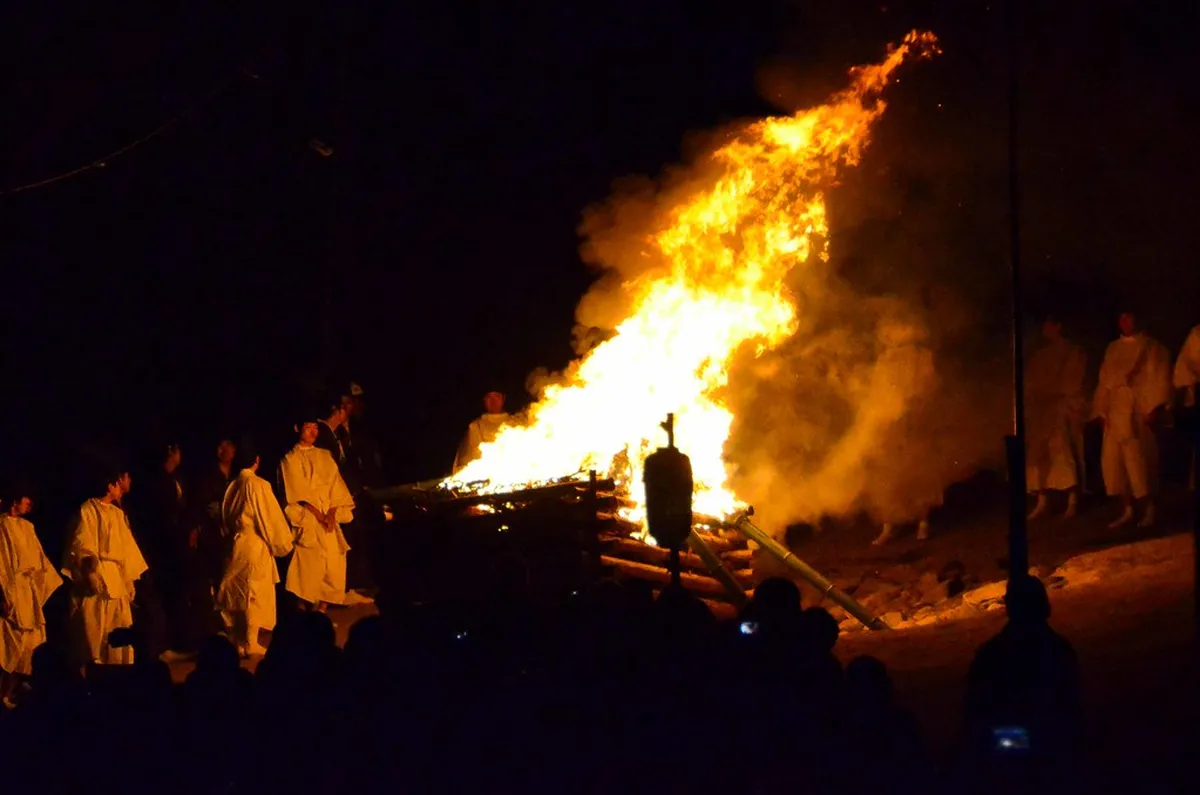
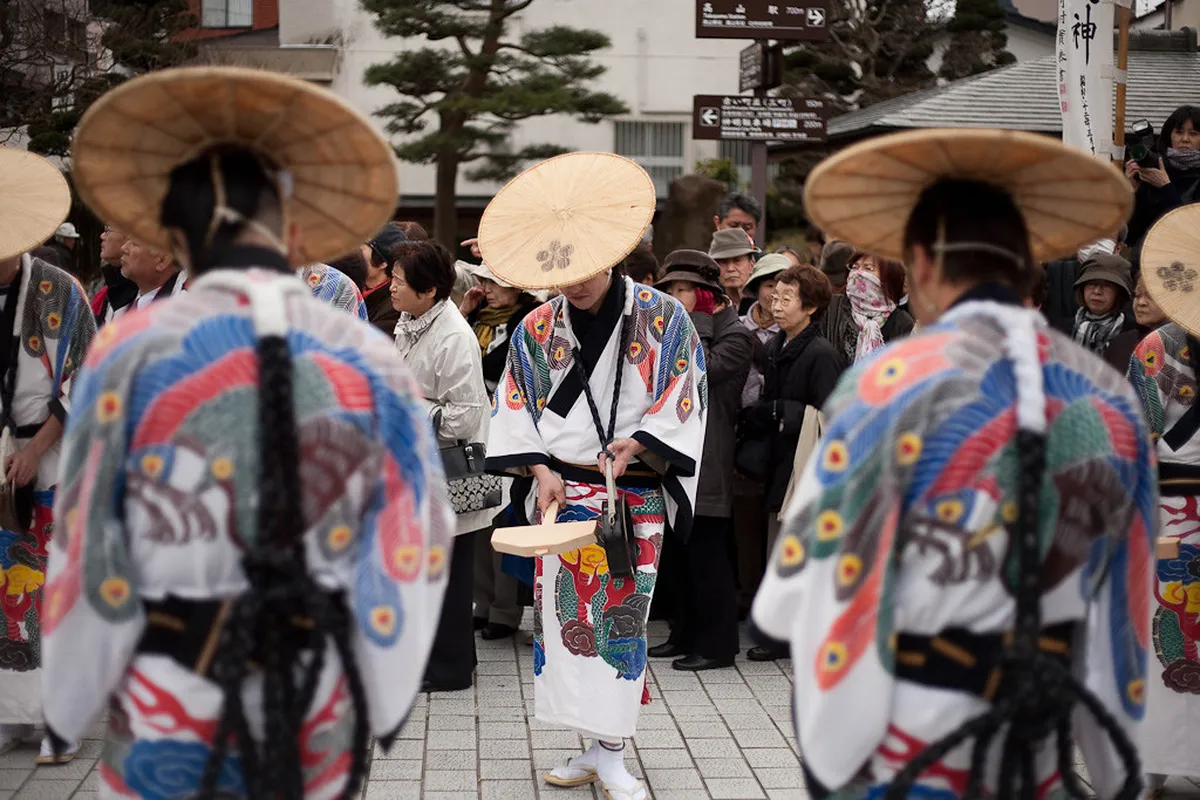
While the floats are the visual stars, the Mikoshi procession is the religious heart of the event. A Mikoshi is a portable shrine that carries the spirit of the Shinto deity through the town. Hundreds of local residents dress in traditional Edo-period costumes to accompany the shrine. This massive parade includes musicians, lion dancers, and people carrying ceremonial banners and umbrellas.
The goal of the procession is to bless the local businesses and homes for the coming year. You will hear the rhythmic chanting of the participants as they navigate the hilly streets of Takayama. This part of the festival moves at a brisk pace compared to the slow-moving yatai floats. It provides a great opportunity to see a wide variety of traditional Japanese clothing and accessories.
The lion dancers, known as Shishimai, often stop to perform in front of specific houses or shops. Their energetic dances are believed to drive away evil spirits and bring good luck. Watching the community come together for this ritual shows the deep roots of Shintoism in daily life. Respectful observation is encouraged as this is a sacred religious ceremony for the local people.
Festival Day Schedule at a Glance (October 9)
The first festival day on October 9 packs every highlight into roughly twelve hours. Use this consolidated timeline to plan your viewing positions, since the karakuri puppet shows and the evening lantern parade each draw the densest crowds and reward arriving early. Always confirm exact times against the official Hida.jp schedule, as performance timing can shift.
- 07:00-noon — Jinya-mae and Miyagawa morning markets open along the river; arrive early for a calm breakfast before the crowds.
- From 09:00 — Yatai floats begin assembling near Sakurayama Hachimangu Shrine for the float procession.
- ~10:00 and ~14:00 — Hotei-tai karakuri puppet performances at the shrine; arrive about 40 minutes early for a front-row spot.
- From ~18:00 — Yomatsuri evening lantern parade, with each of the 11 floats lit by paper lanterns, running for several hours.
Entry to all street and shrine viewing is free. If rain cancels the outdoor processions, fall back on Storehouse Viewing and the indoor Yatai Kaikan exhibition hall.
Key Locations: Sakurayama Hachimangu and the Old Town
The festival activities are centered around the Sakurayama Hachimangu Shrine in the northern part of the city. This beautiful shrine sits at the base of a forested hill and provides a dramatic backdrop for the floats. Most of the static displays and the puppet performances happen on the shrine's large gravel courtyard. You can also explore the Takayama Old Town Sanmachi Suji: Complete Visitor Guide district nearby for more history.
The Sanmachi Suji area features preserved merchant houses that look much like they did centuries ago. During the festival, these streets become very crowded but offer the most authentic atmosphere. Many of the historic homes open their doors to display family heirlooms or festival decorations. Walking through this area feels like stepping back into the Japan of the samurai era.
Another key location is the Miyagawa River, which cuts through the center of the town. The bridges over the river serve as excellent vantage points for watching the processions pass by. The red Nakabashi Bridge is the most iconic spot for taking photos of the floats. Be prepared for high foot traffic in these areas throughout the two-day celebration.
Local Attractions: Takayama Jinya and the Morning Markets
Most visitors to the festival walk past Takayama Jinya without recognizing what it is. Built in 1692, it is the only surviving Edo-period government building in Japan outside of Edo (Tokyo) itself — the shogunate's regional administrative headquarters for the Hida region for nearly 280 years. Entry is free, and the building opens at 08:45. That timing is critical: you can tour the entire complex, including the rice granary and the preserved interrogation chamber, and still reach the Sakurayama Hachimangu Shrine before the float procession assembles at 09:00.
The Jinya-mae Morning Market runs directly in front of the Jinya along the Miyagawa River from 07:00 to noon on festival days. Arriving by 07:30 gives you a genuinely calm hour in which to eat grilled mitarashi dango from a local stall, browse hand-dyed textiles and lacquerware, and absorb the town before the festival crowds arrive. The second morning market, the Miyagawa Market, stretches along the river bank between Yayoi Bridge and Kajibashi Bridge and runs on the same hours — it is longer and more varied, but the Jinya-mae market is quieter. Full stall maps and tips are in our guide to the 10 Essential Things to Know About Takayama Morning Markets.
A third stop worth pairing with the morning is the Takayama Festival Floats Exhibition Hall (Yatai Kaikan), a short walk from the shrine. It displays four of the 11 autumn floats year-round in a climate-controlled hall for ¥1,000 entry. The exhibition is particularly useful if you arrive during rain or cannot secure a good position during the outdoor procession. Diagrams inside explain the karakuri puppet mechanisms in detail — understanding the engineering beforehand makes the live performance significantly more impressive. On clear days, prioritize the live events; treat the Yatai Kaikan as a guaranteed fallback.
Extending Your Trip to See Takayama's Autumn Foliage
The October 9–10 festival dates fall right at the start of Takayama's koyo (autumn foliage) season, so color in the town center itself is often still mostly green. Peak foliage in the city typically arrives in late October to early November, while higher-elevation areas nearby — including the Okuhida hot spring villages and mountain roads toward Shirakawa-go — turn several weeks earlier.
Travelers who can stay a few extra days, or return later in October, get the chance to pair the festival with the best of the leaf-viewing season. Our guide to Takayama in autumn covers the specific viewing windows, the best photo spots along the Miyagawa River and in the Higashiyama temple hills, and day-trip options into the surrounding mountains for travelers extending their stay beyond the festival weekend.
If your schedule is fixed to October 9–10, look for early color in shaded, higher-elevation pockets of the Old Town and along the hillside paths near Shiroyama Park, where leaves tend to turn slightly ahead of the rest of the city.
How to Get to Takayama from Tokyo and Nagoya
Reaching Takayama is a scenic journey through the Japanese Alps that requires advance planning. Most travelers take the Shinkansen to Nagoya and transfer to the JR Hida Limited Express for the final two-and-a-half-hour leg. That train winds through river gorges and forested valleys, offering some of the most scenic rail travel in central Japan. Total journey time from Tokyo is around four and a half hours, with a reserved seat costing roughly 6,000–7,000 yen from Nagoya. You can find detailed route and timing guidance in our 10 Essential Tips for the Nagoya to Takayama Train.
The Nohi Highway Bus from Shinjuku Station is the main budget alternative. It takes approximately five and a half hours and costs around 4,000–5,500 yen depending on timing and booking platform. The bus is comfortable with reclining seats, but mountain road travel can slow significantly during heavy autumn rain. Reserve well in advance: both trains and buses sell out four to six weeks before the October 9 festival date in a weekend year like 2026.
Arriving a full day early — by October 8 — is strongly advisable. The first procession floats begin assembling near the shrine before 9:00 on October 9, and latecomers lose the best viewing positions. If you plan to add a Shirakawa-go day trip, the Nohi Bus also runs a direct route from Takayama to Shirakawa-go in about 50 minutes, making it easy to pair both destinations in one visit.
Accommodation Guide: Where to Stay in 2026
Finding a place to stay during the festival is the biggest challenge for most travelers. Hotels and ryokans in the city center often book up six months or even a year in advance. If you want a traditional experience, look for the Ryokan in Takayama (2026) early in your planning phase. Many local inns include multi-course kaiseki meals featuring famous Hida beef.
If Takayama is fully booked, consider staying in nearby towns like Hida-Furukawa or Gero Onsen. These towns are connected by the JR train line and offer a quieter retreat after the festival. Hida-Furukawa is only a 15-minute train ride away and has its own charming historic district. Gero Onsen is about an hour away but provides world-class hot spring baths.
Budget travelers might look for guesthouses or hostels located slightly further from the station. Staying near the Sakurayama Hachimangu Shrine puts you right in the heart of the action. However, staying near Takayama Station makes arriving and departing with luggage much easier. Regardless of your choice, confirm your reservation as soon as your travel dates are set.
Rainy Day Contingencies: The Yatai Storehouses
Weather can be unpredictable in the Japanese Alps during the month of October. If it rains, the delicate and expensive floats cannot be paraded through the streets. Instead, the festival organizers initiate a special "Storehouse Viewing" protocol for all visitors.
If it rains on October 9–10, the outdoor float processions are canceled and replaced with "Storehouse Viewing" at locations scattered across the northern old town district. Puppet performances may also be canceled. Always carry an umbrella and have the Yatai Kaikan exhibition hall as your backup plan.
During a rain delay, the tall doors of the individual float storehouses are opened for public viewing. These storehouses are scattered throughout the old town and the northern district. While you won't see the floats moving, you can still appreciate their beauty from a close distance. The storehouses are built with thick walls to protect the treasures from fire and moisture.
The puppet performances and the evening procession may be canceled or moved if the weather is poor. Indoor attractions like the Takayama Festival Floats Exhibition Hall remain open regardless of the rain. This museum houses several floats year-round and provides a great alternative for rainy afternoons. Always carry a small umbrella and check the local forecast frequently during your stay.
Practical Tips for Managing Crowds and Logistics
Start festival morning at the Miyagawa Morning Market, which runs from 07:00 to noon along the river. This is the smartest crowd management move you can make. The market fills up around 08:30, long before the float processions begin, so a quick walk through it lets you eat a hot breakfast from local stalls, pick up a craft souvenir, and still reach the shrine grounds by 09:30 when the yatai begin forming their lines. The full guide to timing and what to look for is in our 10 Essential Things to Know About Takayama Morning Markets.
Festival etiquette matters here more than at most Japanese events. Never touch the floats — they are designated National Important Tangible Folk Cultural Properties and physical contact is strictly prohibited. Stay on the spectator side of the ropes at all times and follow directions from the white-uniformed festival marshals. Smoking is banned in the old town streets and shrine grounds during the festival. In Shinto tradition, quiet and respectful observation during the mikoshi procession is expected even if you are not participating.
For the long days of walking, wear flat shoes and pack light. The entire festival zone is pedestrian-only, but the stone roads and the forested hill approaches to the shrine are uneven. Carry cash — most food stalls, small shops, and the float exhibition hall do not accept cards. A portable battery is useful since phone signal is adequate but battery drain from photography is high. October mornings in the mountains run cold (around 10–12°C), so bring a light jacket even if the afternoon warms up. Public toilets are located at Takayama Station, inside the Hachimangu Shrine grounds, and near the Miyagawa bridge — these are the main reliable facilities during the festival.
Reserved Seating Tickets for the Float Processions
Standing room along the parade route is free, but Takayama also sells a limited number of paid reserved seats (yūryō kanran-seki) for the daytime float procession on October 9. Seats are set up in bleacher rows facing the route near the Takayama City Government Office and along Yasukawa-dori, giving an unobstructed view without the crowd crush of the free sidewalk spots.
Tickets typically cost around ¥2,500 per seat and go on sale roughly a month before the festival through the Takayama Tourist Information Office next to JR Takayama Station, with a limited number also sold online. They tend to sell out quickly in a Friday–Saturday year like 2026, so reserve as soon as the sale opens rather than waiting to buy on arrival.
If reserved seating is unavailable, arrive at the free viewing areas at least 45 minutes before the 9:00 AM float departure — a similar lead time to what works for the karakuri shows, since crowd density builds the same way. Reserved seating only covers the daytime procession; the evening Yomatsuri lantern parade remains free standing-room viewing for everyone.
Frequently Asked Questions
What are the dates for the Takayama Autumn Festival in 2026?
The festival will take place on October 9 and 10, 2026. Since these dates fall on a Friday and Saturday, you should expect significantly higher crowd levels. It is wise to book your accommodation and transport many months in advance for this weekend event.
Is the Takayama Autumn Festival worth visiting if it rains?
Yes, the festival is still worth visiting during rain because the floats are displayed in their storehouses. While the parades may be canceled, the "Storehouse Viewing" allows for close-up inspections of the craftsmanship. You can also visit the year-round festival museum for a guaranteed viewing experience.
How do I get from Tokyo to the Takayama Festival?
The fastest way is taking the Shinkansen to Nagoya and transferring to the JR Hida Limited Express train. This journey takes about 4.5 hours in total. Alternatively, direct highway buses run from Shinjuku and take approximately 5.5 hours to reach Takayama.
Do I need tickets for the Takayama Autumn Festival?
No, the festival is a public event and does not require tickets for viewing the processions. You can watch the floats and puppet shows for free from the streets and shrine grounds. However, some specific museum displays or reserved seating areas may have a small entry fee.
What is the difference between the Takayama Spring and Autumn festivals?
The Spring Festival (Sanno Matsuri) belongs to the Hie Shrine, while the Autumn Festival (Hachiman Matsuri) belongs to the Sakurayama Hachimangu Shrine. They use different sets of floats and take place in different parts of the city. You can learn more in our Takayama Spring Festival 2026 Guide: 10 Essential Planning Tips.
The Takayama Autumn Festival is a bucket-list experience for anyone interested in Japanese culture.
Witnessing the glowing lanterns and intricate puppets creates memories that will last a lifetime.
By planning for the 2026 weekend crowds, you can ensure a smooth and enjoyable trip.
Embrace the historic atmosphere of the mountains and enjoy this incredible Shinto tradition.
Free: The Takayama Essentials guide
Top things to do, where to stay, a perfect day plan, getting around, and the best time to go — a Takayama mini-guide you can take offline.
You might also like


Continue reading
More guides you'll find useful