
Takayama Old Town Sanmachi Suji: Complete Visitor Guide
Discover Takayama Old Town's Sanmachi Suji district. Our guide covers sake breweries, Hida beef street food, Takayama Jinya, and essential travel tips.
On this page
Walking through the narrow lanes of Sanmachi Suji feels like stepping back into the Edo period of Japan. This historic district serves as the heart of Takayama and showcases centuries of merchant heritage and architecture preserved almost entirely intact. The dark wooden facades, latticed windows, and stone-paved lanes look much the same as they did when wealthy merchants and sake brewers ran their trade here in the 17th century.
Visitors often call this district "Little Kyoto" because of its beautifully preserved merchant houses and the slow, deliberate pace of life that still pervades the streets. The area remains a living commercial quarter, not a theme park reconstruction — residents still live above the shops, and many of the sake breweries have been in the same family for six or seven generations. That authenticity is what separates Sanmachi Suji from Japan's many other preserved historic districts.
| Distance from JR Takayama Station | 12-minute flat walk |
|---|---|
| Recommended visiting time | 2–3 hours (half-day with museums) |
| Best time to arrive | Before 10:00 AM or after 15:30 |
| Admission | Streets free; Takayama Jinya ¥440 adults, free under 18 |
| Shop hours | Roughly 9:00–17:00 daily |
The History of Sanmachi Suji: Takayama's "Little Kyoto"
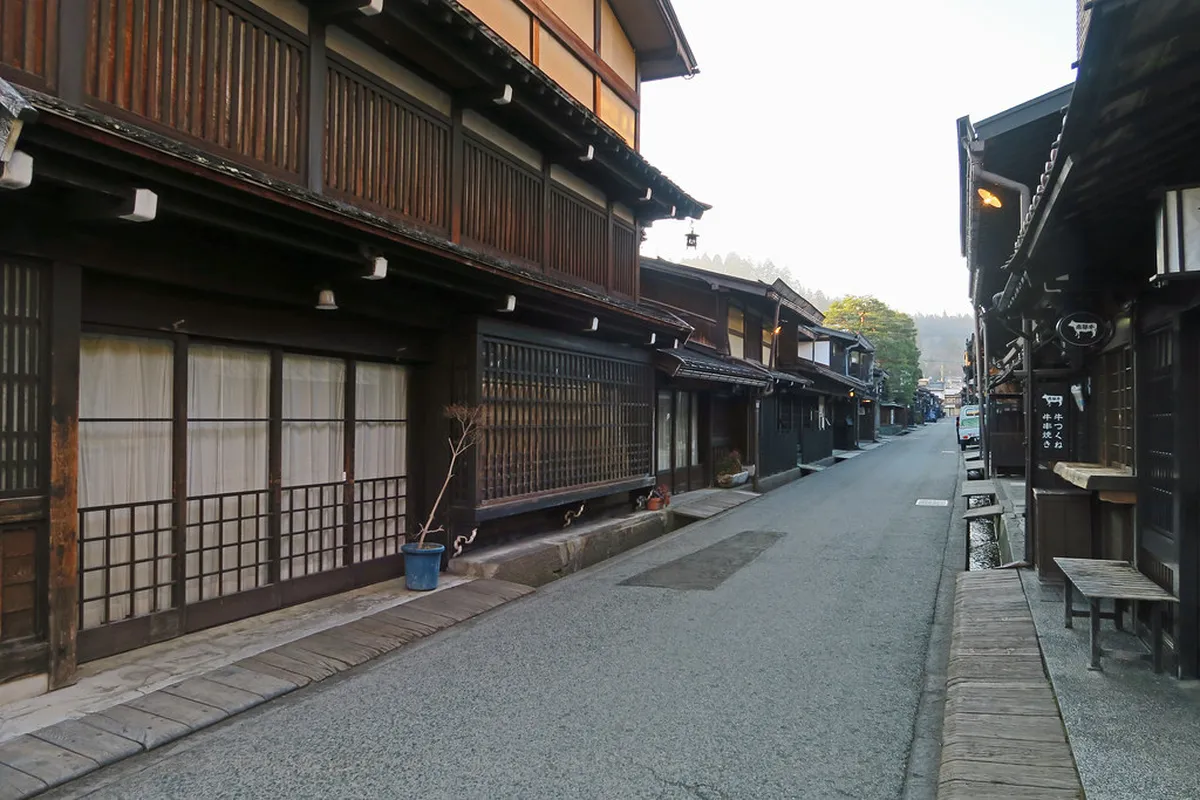
The district flourished under the Tokugawa shogunate during the 17th century, when Takayama came under direct shogunal control because of its strategic mountain location and the prized timber resources of the Hida region, details preserved today by Hida Takayama's heritage authority. Wealthy merchant families, sake brewers, and master craftsmen settled here and built the dense row of dark-timbered buildings you see today. Preservation ordinances introduced in the 20th century ensured that even modern repairs had to match the original materials, which is why the streetscape still looks genuinely Edo rather than reconstructed.
The district actually consists of three distinct parallel streets, each with its own character. Understanding the differences helps you allocate time on a busy Takayama Itinerary for First-Timers. Kamiichino-machi is the main tourist artery: the highest concentration of sake breweries, street food stalls, and craft shops runs through here. If you only have 30 minutes, walk this street. Kaminino-machi sits beside it with fewer shops and more breathing room — quieter atmosphere, better light for photography, and a handful of traditional craft workshops. Kamisanno-machi, the southernmost street, is where the museums and teahouses cluster. Strolling all three end-to-end takes about 40 minutes at an unhurried pace.
Tour buses arrive between 10:30 and 11:00 AM, turning the narrow lanes genuinely congested by midday. Aim to arrive before 10:00 AM or return after 15:30 for a quieter, more atmospheric visit.
You will also notice narrow water channels running alongside the buildings. These were originally built for fire prevention and daily cleaning during the Edo period and are still maintained by the local residents association. That care for small civic infrastructure is emblematic of how the community here approaches preservation — not as a tourist strategy, but as a genuine continuation of how the neighbourhood has always operated.
Top Attractions: Takayama Jinya and Heritage Houses
A visit to the district is incomplete without exploring the Takayama Jinya. This former government office served as the administrative headquarters for shogunate officials overseeing the Hida region — it is the only intact government complex of its kind remaining in Japan. Inside, you can walk through the great conference halls, the residential quarters, interrogation rooms, and the main rice storehouse, which was once considered one of the largest storage facilities in the country. Admission is ¥440 for adults; visitors under 18 enter free. Budget 45–60 minutes here. You can read more detail in our dedicated 6 Essential Tips for Your Takayama Jinya Guide.
The Yoshijima Heritage House is a short walk from Takayama Jinya and is among the finest examples of Meiji-era merchant architecture in Japan. Built in 1908 as a working sake brewery, the building was designated a National Important Cultural Treasure for its interior craftsmanship — massive exposed wooden beams, sliding panel doors, and high clerestory windows that flood the space with indirect light. The minimalist aesthetic is striking precisely because it achieves elegance without ornamentation.
Nearby, the Kusakabe Folk Museum occupies a merchant house rebuilt in the late 19th century after a fire, and retains the structural proportions of the original. The collection of folk arts and household items on display illustrates the daily rhythms of merchant life during the Hida region's commercial peak. Visiting both houses together provides essential context for the beautiful facades that line every street — you understand why the buildings look the way they do, not just that they look old.
Sake Breweries and Tasting in the Old Town
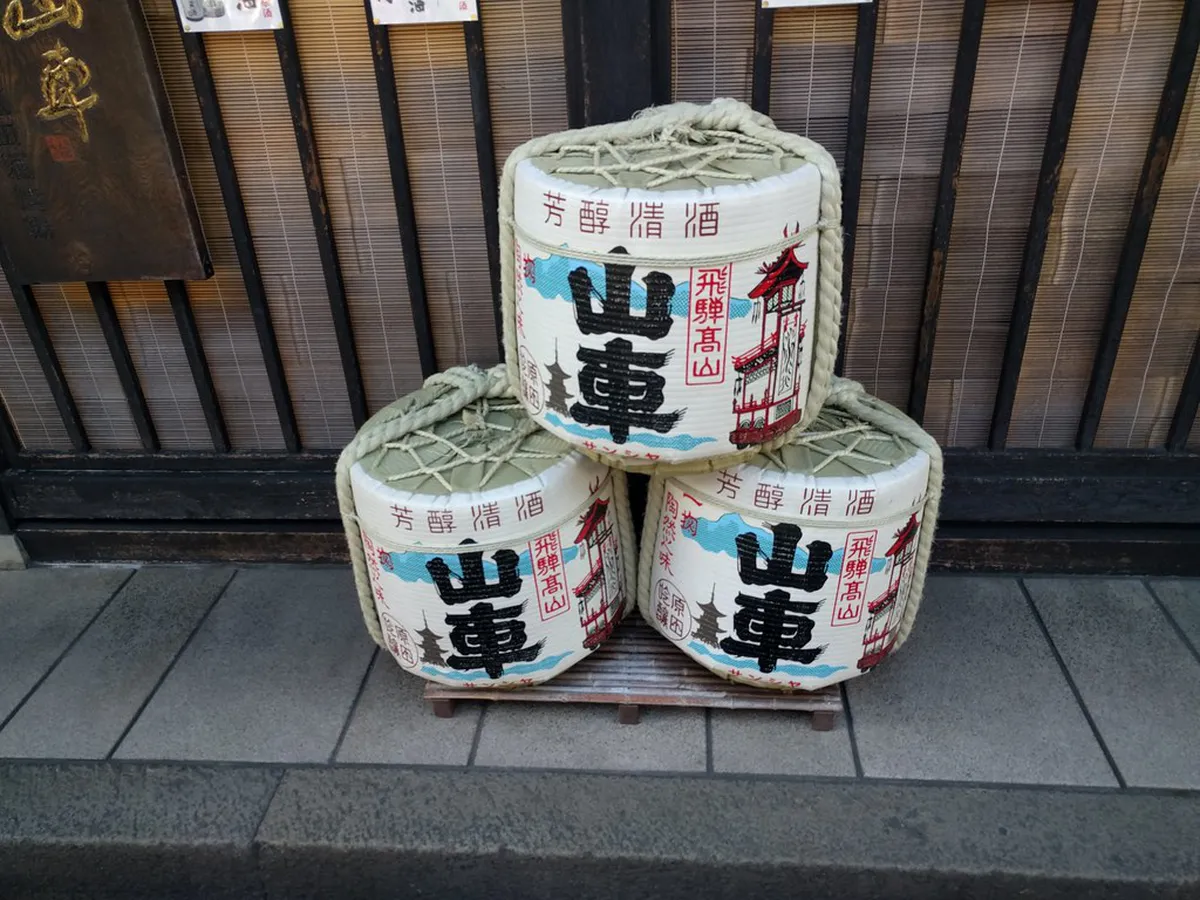
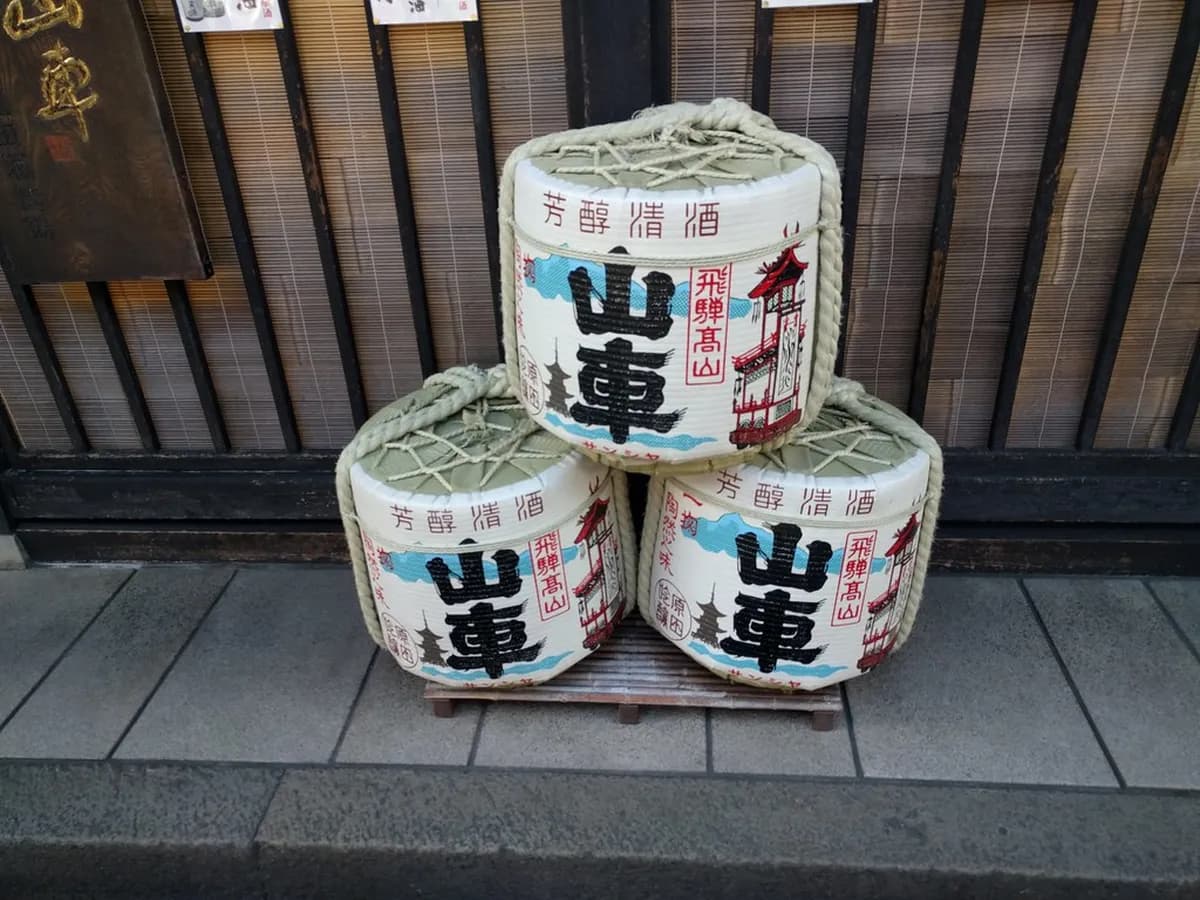
Takayama is famous for its sake because the region combines two ideal inputs: pure snowmelt water from the Northern Alps and cold winters that slow fermentation and develop deeper flavour. Several family-run breweries have operated continuously in Sanmachi Suji for more than 200 years. You can identify a working brewery by the sugidama — a large ball of cedar branches — hanging above the entrance, as detailed in Takayama's brewery guides. A bright green ball signals that new sake has just been pressed and the freshest batch is available. As the months pass the needles dry and turn brown, indicating matured, settled sake. Checking the ball's colour before you enter is a useful shortcut for deciding where to taste first in 2026.
The tasting experience varies meaningfully between breweries, and knowing which format to expect helps first-timers. Some shops use coin-operated tasting machines: you purchase a ¥100–¥500 token and select a pour from a self-service dispenser, which lets you sample several varieties at your own pace without any social pressure. Traditional counter-service breweries pour for you and staff will walk you through the seasonal varieties — dry junmai, fruity daiginjo, sparkling sake — and explain how the brewing year affected the batch. At counter-service spots, bring your own glass back between tastes only if water is provided at the bar; otherwise wait for staff to swap it. Funa-zaka and Harada are the two most well-known breweries on Kamiichino-machi and offer both a broad product range and sake-infused sweets like jelly or mochi that make excellent portable souvenirs.
If you want a more structured experience, a guided sake tour through Sanmachi Suji will take you inside breweries that are not always open to walk-in visitors and include tastings from Takayama's oldest operating producer. These tours are available via local walking tour providers and fill quickly during the spring and autumn festival seasons.
Street Food Guide: Hida Beef and Local Delicacies
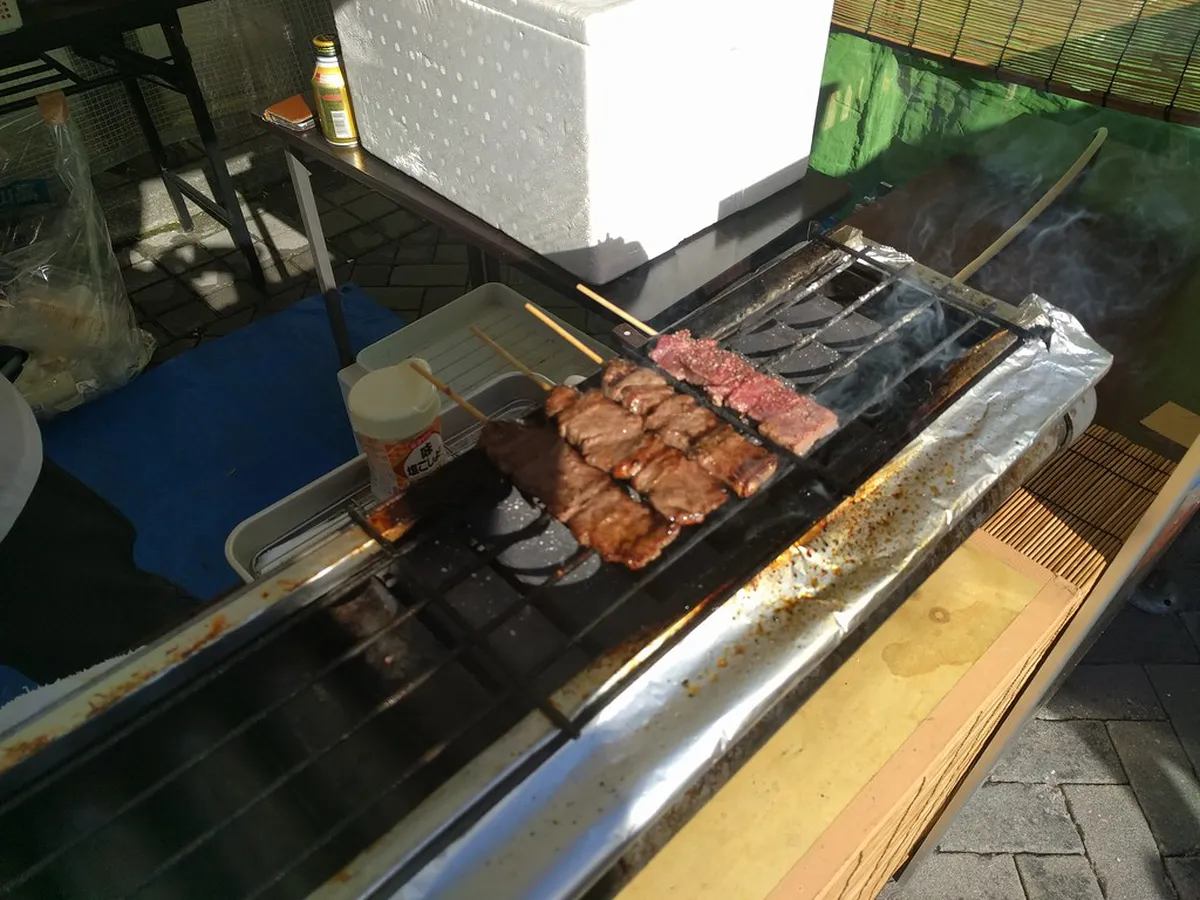
Hida Beef is the defining flavour of the Sanmachi Suji food scene. It comes from black-haired Wagyu cattle raised in Gifu Prefecture and is recognised as one of Japan's premium regional beef brands. On the street you will find it in three main forms: grilled skewers seasoned simply with salt or a light soy glaze, crispy beef croquettes, and nigiri sushi served warm on a thin rice cracker. The nigiri is the most photogenic and, at roughly ¥300–¥500 per piece, also the best value for a single taste of the beef's character. For a more detailed breakdown of where to find the best spots, our Takayama Food Guide: What to Eat and Where to Eat has the full breakdown.
Beyond the premium beef, the district is worth exploring for its traditional snacks alone. Mitarashi dango — grilled rice flour dumplings glazed in a sweet soy sauce — are a regional standard you will find at multiple stalls. Gohei mochi is a Hida specialty: roughly pounded rice coated in a rich miso and walnut paste and then char-grilled so the coating caramelises at the edges. The smoky, slightly sweet flavour has no real equivalent elsewhere in Japan. Soft-serve ice cream shops are everywhere too; the matcha and charcoal vanilla flavours are worth seeking out.
If you are looking for a sit-down meal, many restaurants in the old town specialise in Hida beef dishes including hoba miso — miso paste grilled on a dried magnolia leaf — which provides a woody, earthy backdrop to the beef. These establishments typically occupy historic buildings and serve lunch until around 14:30 before reopening for dinner. Arriving before noon avoids the longest queues at the most popular spots.
Cultural Activities: Rickshaw Rides, Kimono Rentals, and Calligraphy
For a different perspective on the old town, consider booking a ride with Rickshaw De Go. These human-powered carriages offer a practical advantage beyond the novelty: the driver — who typically speaks some English — will point out specific buildings and explain their history as you pass, functioning as a mobile guide. A typical route runs through all three streets and includes a stop at a recommended photo spot near the Miyagawa river bridge. If you want to compare the cost-benefit honestly: a 30-minute rickshaw ride costs roughly ¥3,000–¥4,000 per person, which is more than walking free, but gives you curated stops and context that a self-guided walk can miss. For anyone with limited mobility or tired legs, it is also a genuine practical option.
Renting a kimono or yukata is the most popular way to immerse yourself in the atmosphere. Several shops near the district offer full rental sets with professional dressing assistance for both men and women. Most rentals run by the hour or for a full day. The combination of traditional attire with the dark Edo streetscape makes for striking photographs, and many visitors find it changes how they move through the streets — slower, more deliberately.
A quieter option that most visitors walk past without noticing: look for the calligraphy experience offered in a 100-year-old traditional house near the southern end of the district. This workshop invites you to practice Japanese brush writing in a serene tatami room away from the main street crowds. Sessions last about 45 minutes and you leave with a finished piece of work. It is an excellent activity for those who have already covered the main sights and want a contemplative hour before heading to the morning markets or 10 Essential Things to Know About Takayama Morning Markets.
Seasonal Guide: When to Visit Sanmachi Suji
The experience of Sanmachi Suji shifts considerably with the season, and understanding those shifts helps you decide when to visit. Spring (14–15 April) and Autumn (9–10 October) bring the Takayama Festivals, considered among the most spectacular in Japan — elaborately decorated floats called yatai are pulled through the streets and displayed near the old town plaza. These events draw large national and international audiences. Book accommodation six to twelve months ahead if you plan to visit during festival weekends in 2026, and expect the streets to be crowded by 09:00.
Summer is warmer and greener, with fewer crowds than the festival seasons. The breweries are still open, though the sake available will be the previous winter's batch, now well-matured. Autumn outside of festival weeks offers perhaps the best combination of the year: coloured mountain foliage behind the dark wooden buildings, cooler air that makes street food more enjoyable, and manageable crowds. Late October is the sweet spot if you want autumn colour without festival-level congestion.
Winter is the most underrated season. Snow settles on the dark wooden roofs and the streets empty of tour groups entirely. The sake breweries are in full production — sugidama balls turn fresh green as new batches are pressed, making winter the best season for tasting. Nearby Akigami Hot Spring, known as the Subzero Forest, transforms the surrounding mountain area into an illuminated winter landscape worth pairing with a day in the old town. A January or February visit in 2026 offers a quieter, more local version of the same historic streets.
Book accommodation six to twelve months ahead for the Spring Festival (April 14–15) and Autumn Festival (October 9–10). The streets reach full capacity by 09:00 on festival mornings and same-week ryokan availability disappears months in advance.
Practical Planning: Access, Best Time to Visit, and Hotels
Reaching the historic district is easy — it is a 12-minute flat walk from the JR Takayama Station, well-signposted throughout. Visitors arriving from Nagoya take the Wide View Hida Express, a roughly 2.5-hour journey through mountain scenery that is itself worth the trip. From Tokyo, the standard route connects through Nagoya. Once you arrive in Takayama, the compact city means you rarely need a bus or taxi to reach any of the main sights.
The smartest entry point into Sanmachi Suji is the Nakabashi Bridge — the red lacquered bridge spanning the Miyagawa river on the eastern edge of the district. Arriving here between 06:00 and 07:00 gives you the best photography window of the entire visit: the bridge reflects in calm water with the dark merchant rooflines rising behind it, and no tour group crowds the frame. From the bridge it is a natural two-step route: cross into the 10 Essential Things to Know About Takayama Morning Markets on the riverbank side, spend 45 minutes browsing fresh produce and local crafts, then walk directly from the market stalls into Sanmachi Suji as the breweries begin opening around 09:00. This sequence beats the Nagoya day-trip crowds that typically arrive between 11:00 and 12:00.
Timing matters more in Sanmachi Suji than in most districts. Tour buses arrive by 10:30–11:00 AM and the narrow lanes can feel genuinely congested between 11:00 AM and 14:00. The sweet spots are before 10:00 AM — when the shops are open but the tour groups have not arrived — and after 15:30, when day-trippers have left and the light is softer for photography. Note that most museums and breweries close by 17:00, so late afternoon visits suit photography more than active exploration.
Several excellent accommodation options sit within walking distance of the old town. Staying nearby lets you experience the quiet morning streets before the crowds arrive — a major advantage. The Mercure Hida Takayama is a well-positioned mid-range option with distinctive architecture. The Takayama Ouan Hotel is a comfortable ryokan with an onsen. Fav Hotel Takayama is a newer boutique property with competitive pricing for its central location. Book early for spring and autumn festival periods in 2026 — availability disappears months in advance.
Frequently Asked Questions
How do I get to takayama old town sanmachi suji?
Sanmachi Suji is located just a 12-minute walk from the JR Takayama Station in Gifu Prefecture. Most visitors spend about two to three hours exploring the shops and breweries here. Early morning visits are best to avoid the large tour groups that arrive by midday. Check the Local Tourism Board for updates.
What are the best things to buy in Takayama Old Town?
Popular souvenirs include handmade Sarubobo dolls, which are traditional red charms thought to bring good luck. You can also find high-quality wooden chopsticks, local ceramics, and premium sake from the historic breweries. Many shops also sell local miso paste and Hida beef products to take home.
Are the shops in Sanmachi Suji open every day?
Most shops in the district are open daily from approximately 9:00 AM to 5:00 PM. However, some smaller family-owned businesses may close on a specific weekday or during local holidays. It is always a good idea to check the operating hours of specific museums or breweries before your visit.
Can I visit Takayama Old Town as a day trip from Nagoya?
Yes, many travelers visit Takayama as a day trip from Nagoya using the Hida Express train. The journey takes about two and a half hours each way and offers beautiful mountain scenery. While a day trip is possible, staying overnight allows you to enjoy the district without the daytime crowds.
Takayama Old Town Sanmachi Suji is a remarkable destination that captures the essence of Japan's rich merchant history. From the world-class Hida beef to the refined flavors of local sake, there is something for every traveler to enjoy. The beautifully preserved architecture provides a stunning backdrop for a memorable cultural journey.
Whether you are exploring the historic government offices or riding in a traditional rickshaw, the district offers endless charm. Make sure to plan your visit carefully to avoid the peak crowds and experience the peaceful side of the town. Your time in this "Little Kyoto" will undoubtedly be a highlight of your trip to Japan.
We hope this guide helps you navigate the streets and discover the hidden gems of Takayama. Remember to respect the local preservation efforts and enjoy the slow pace of life in the Hida mountains. Safe travels as you explore one of Japan's most enchanting historical districts.
Free: The Takayama Essentials guide
Top things to do, where to stay, a perfect day plan, getting around, and the best time to go — a Takayama mini-guide you can take offline.
You might also like


Continue reading
More guides you'll find useful


