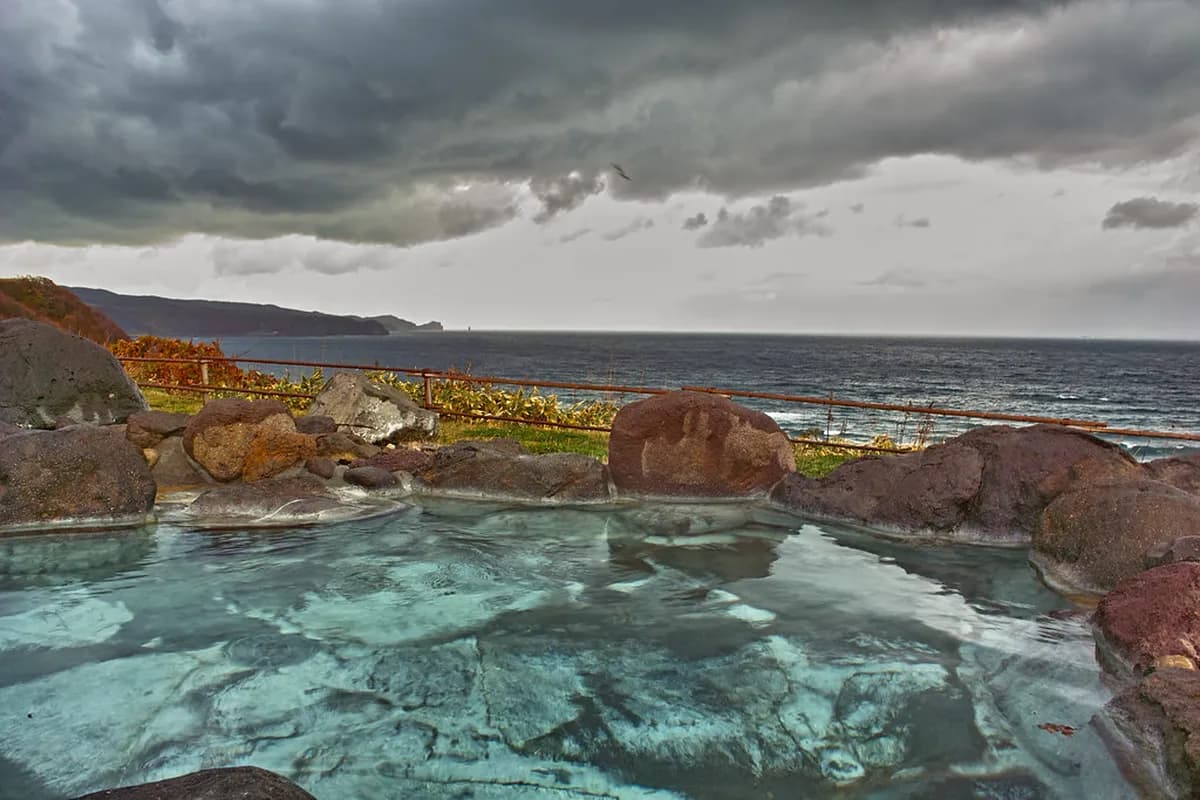
10 Best Areas and Hotel Picks for Where to Stay in Takayama (2026)
Discover where to stay in Takayama, from the historic Old Town to convenient hotels near the station. Includes top ryokans with private onsens and budget tips.
On this page
After three visits to this mountain town over five years, I have realized that location defines your entire experience. Choosing where to stay in takayama depends largely on whether you prioritize morning market access, transport convenience, or a quiet traditional atmosphere. This guide was refreshed in May 2026 to reflect current hotel pricing and festival booking windows.
Most visitors arrive via the train from Nagoya and immediately feel the charm of the Japanese Alps. The city is remarkably walkable, yet the distinction between the modern station side and the historic district is real and worth understanding before you book. No area is more than a 20-minute walk from any other, but where you sleep shapes your first and last impressions of each day.
Staying overnight allows you to experience the sake breweries and quiet canals without the heavy afternoon crowds that arrive on day-trip buses from Shirakawa-go. Our editors have vetted the selections below across multiple stays to ensure they offer authentic hospitality and solid value for 2026.
Best Areas to Stay in Takayama: A Quick Overview
The Miyagawa River divides the city into two distinct personalities. West of the river sits the transport hub and most of the modern, western-style business hotels.
East of the river lies the preserved Sanmachi Suji Old Town, with its Edo-period wooden merchant houses, sake breweries, and craft shops. Both sides are walkable from each other in 10 to 15 minutes.One practical detail that most guides skip: Takayama has two morning markets, and they serve different parts of the city. The Jinya-mae Morning Market runs along the front of the Takayama Jinya government house on the west bank — ideal if you stay near the station or Central Takayama. The larger Miyagawa Morning Market runs along the east bank of the river and is most convenient if you stay in or near Old Town. Both open around 07:00 and wind down by 12:00. Knowing which market is closest to your hotel is a small thing that makes your mornings significantly easier.
The four main areas are Takayama Station, Central Takayama, Sanmachi Suji (Old Town), and the quieter residential districts of Hanasatomachi and Sakuramachi. Budget travelers cluster near the station. Culture seekers prefer Old Town ryokans. First-timers do well in Central Takayama, which gives access to both banks without committing to either extreme. We break down each area below.
| Area | Typical nightly rate | Best for | Morning market access |
|---|---|---|---|
| Takayama Station | ¥12,000–35,000 | Transit, budget options | Jinya-mae (west bank) |
| Sanmachi Suji (Old Town) | ¥35,000–75,000 | Traditional atmosphere, culture | Miyagawa (east bank, outside door) |
| Central Takayama | ¥15,000–28,000 | First-timers, both banks | Both markets within 5–10 min walk |
| Hanasatomachi & Sakuramachi | ¥9,000–16,000 | Local feel, spa hotels | Miyagawa (10 min walk north) |
Takayama Station Area: Best for Transport and Convenience
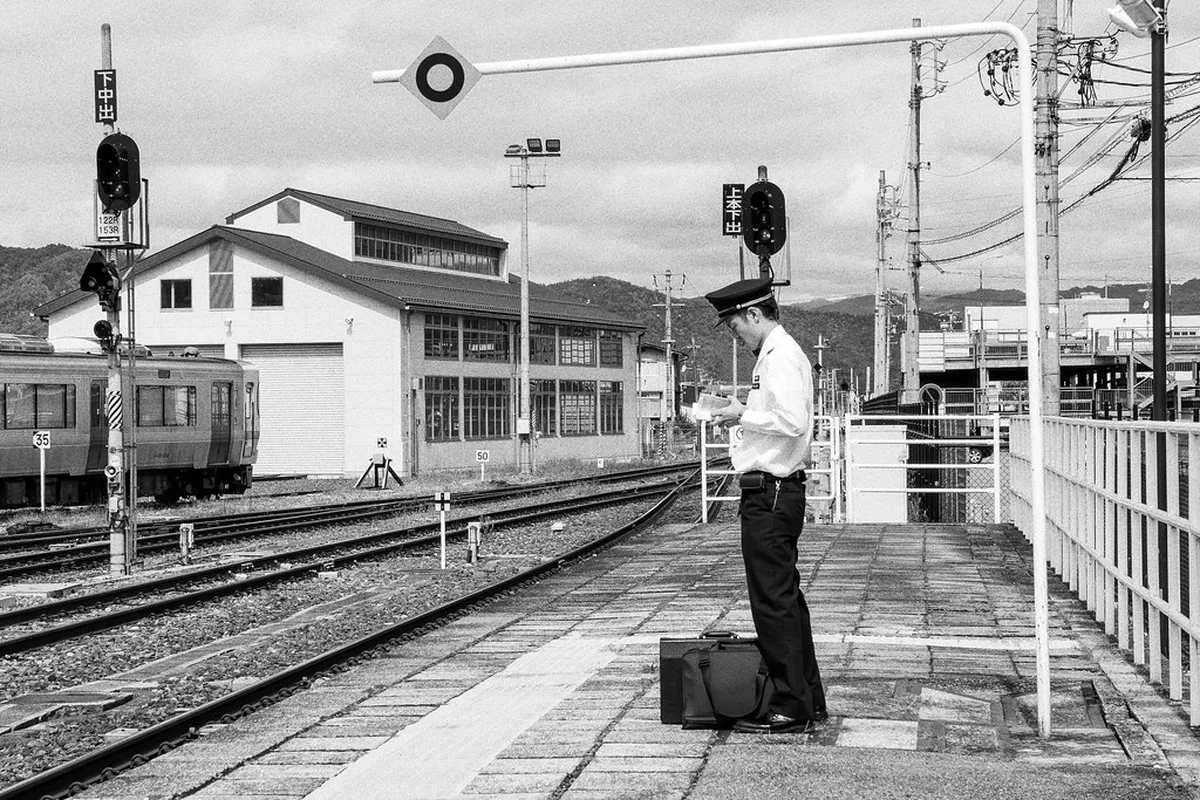
Takayama Station is the gateway to the city, and the area immediately surrounding it is denser with large western-style hotels than anywhere else in town. If you arrive late on the Limited Express Hida or depart early for Shirakawa-go, the station area saves you significant stress with luggage. The main bus terminal for regional day trips — including services via Willer Travel — is a short walk from the hotel zone.
The area does not have major sightseeing attractions of its own, but it compensates with practical perks. Convenience stores, pharmacies, and the post office are all concentrated here. Several station-area hotels offer free bicycle rentals, which is worth seeking out: cycling from the station to Old Town takes under five minutes and eliminates the only real inconvenience of staying this far west.
Takayama Ouan is the standout property in this zone. It blends modern western comfort with tatami flooring and rooftop onsen baths that look out over the valley. Rooms typically run ¥20,000–35,000 per night. Koko Hotel (formerly Wing International) is a cleaner, more affordable option at around ¥12,000–18,000, with free bicycle rentals that make the station location irrelevant for sightseeing. Both properties suit travelers who want easy departure logistics without sacrificing Japanese atmosphere.
Sanmachi Suji (Old Town): Best for Traditional Atmosphere
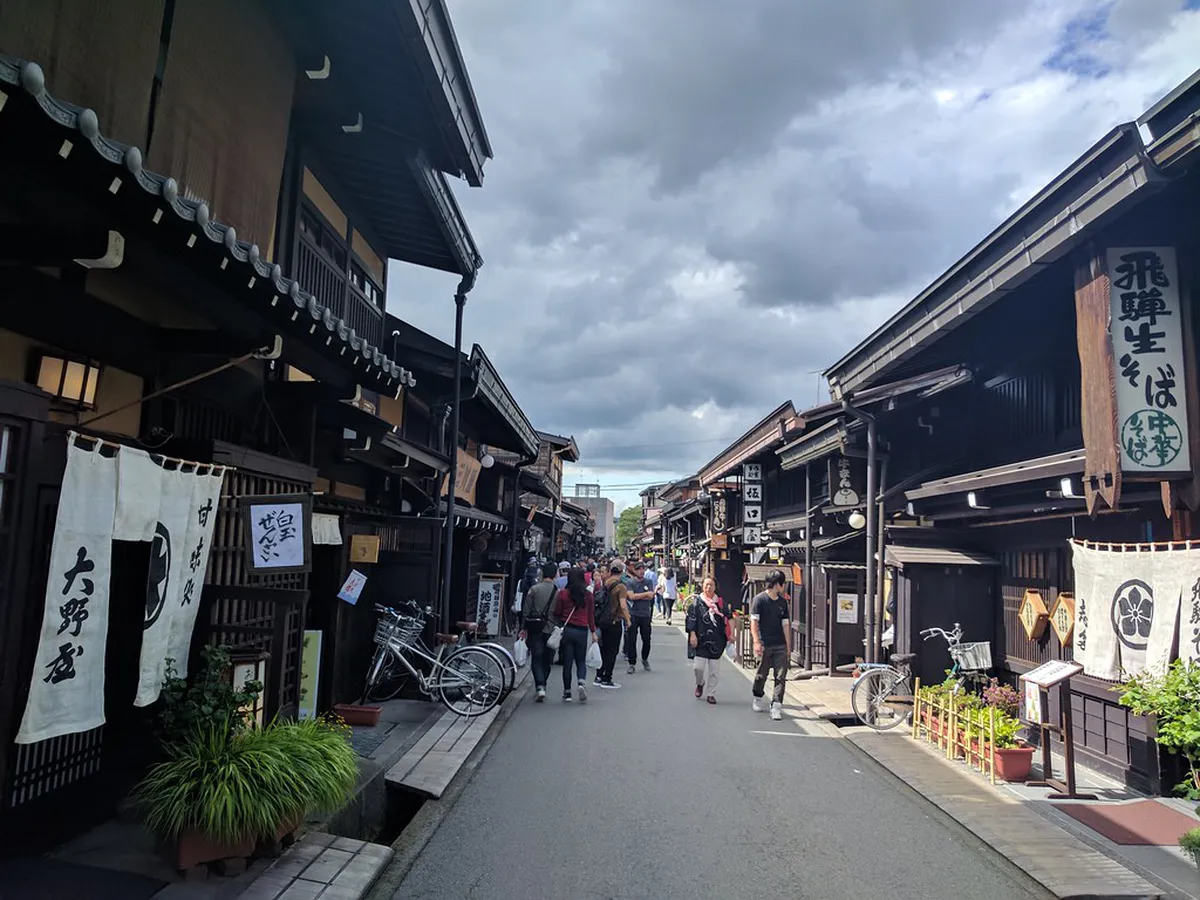
The Sanmachi Suji district is the reason most people come to Takayama. Three parallel streets of preserved Edo-period merchant houses run north to south along the east bank of the Miyagawa River. During the day, they fill with tourists shopping for Hida lacquerware and tasting sake samples at the kura breweries. By 18:00, the crowds thin dramatically and the lanterns come on. If you stay in Old Town, that twilight hour is yours alone.
Accommodation here is limited precisely because most buildings are protected heritage structures. What exists tends to be expensive and books out months in advance, particularly for festival weekends. Expect to pay ¥35,000–75,000 per night at a mid-to-high ryokan, usually with a multi-course kaiseki dinner included. If that budget is available, the location payoff is genuine: the Miyagawa Morning Market is outside your front door at 07:00, and the Higashiyama walking course through the temple district starts a few minutes east on foot.
Hotel Wood sits directly on Sanmachi Street and blends a modern interior with traditional Edo-period architecture. It offers a large communal onsen and curated night tours of Old Town — a rare extra that turns a standard hotel stay into something memorable. Honjin Hiranoya Kachoan, just across the red Nakabashi Bridge, offers both western and Japanese-style rooms at the luxury tier, with staff who handle every detail from shoe removal to futon setup. If you are visiting with limited time and want maximum cultural immersion, this is the area to prioritize.
Central Takayama: Best for First-Time Visitors
Central Takayama occupies the strip of the city between the station and the Miyagawa River's west bank. It contains Takayama Jinya — the only remaining Edo-period government building in Japan still in its original location — and the Jinya-mae Morning Market that runs in front of it. The area is also home to the city's best concentration of Hida beef restaurants, several good izakayas, and a handful of independently owned cafes.
Staying in Central Takayama gives you the best of both worlds. You can cross the Nakabashi Bridge into Old Town in five minutes or walk back to the station in ten. Prices are generally lower than Old Town ryokans but higher than the cheapest station hotels. Most mid-range options fall in the ¥15,000–28,000 range per night, sometimes with breakfast.
The Machiya Hotel is the clearest recommendation here. It offers western and Japanese-style rooms in a modern building with two private onsen booths available for an additional fee. The lounge area is well-designed for evening relaxation and the central location means you can reach the morning markets on either bank without rushing. Hostel Murasaki is the budget-friendly alternative in this zone — a traditional ryokan with a shared kitchen and a common area popular with long-term travelers. Rooms run ¥7,000–12,000 per night.
Hanasatomachi & Sakuramachi: Best for a Local Experience
Hanasatomachi sits south of the main tourist center along the river's south bank. It has a distinctly residential character: narrow streets, small grocery stalls used by locals, and a handful of independent shops that cater to the neighborhood rather than visitors. The French bakery Train Bleu on the main street is something of a local institution and worth a morning stop. From Hanasatomachi, the Nakabashi Bridge and the morning markets are a 10-minute walk north.
Sakuramachi lies to the north of the Old Town core and contains the Sakurayama Hachimangu Shrine and the Takayama Matsuri Yatai Kaikan — the storehouse where four of the massive autumn festival floats are kept on display year-round. Staying in Sakuramachi means you are adjacent to the float exhibition without paying Old Town ryokan rates. Accommodation here consists mostly of smaller inns and minshuku (family-run guesthouses), typically ¥9,000–16,000 per night.
Minshuku Iwatakan in Sakuramachi is a traditional wooden guesthouse with tatami rooms, shared baths, and a small outdoor wooden tub that is ideal after a day of walking the temple district. Wat Hotel & Spa and Hotel and Spa Gift are the polished mid-range options in Hanasatomachi, both featuring mineral spa facilities and mountain-view lounges. The Hanasatomachi hotels suit couples who want a spa-forward stay away from the tourist core.
Best Takayama Hotels with Private Onsen
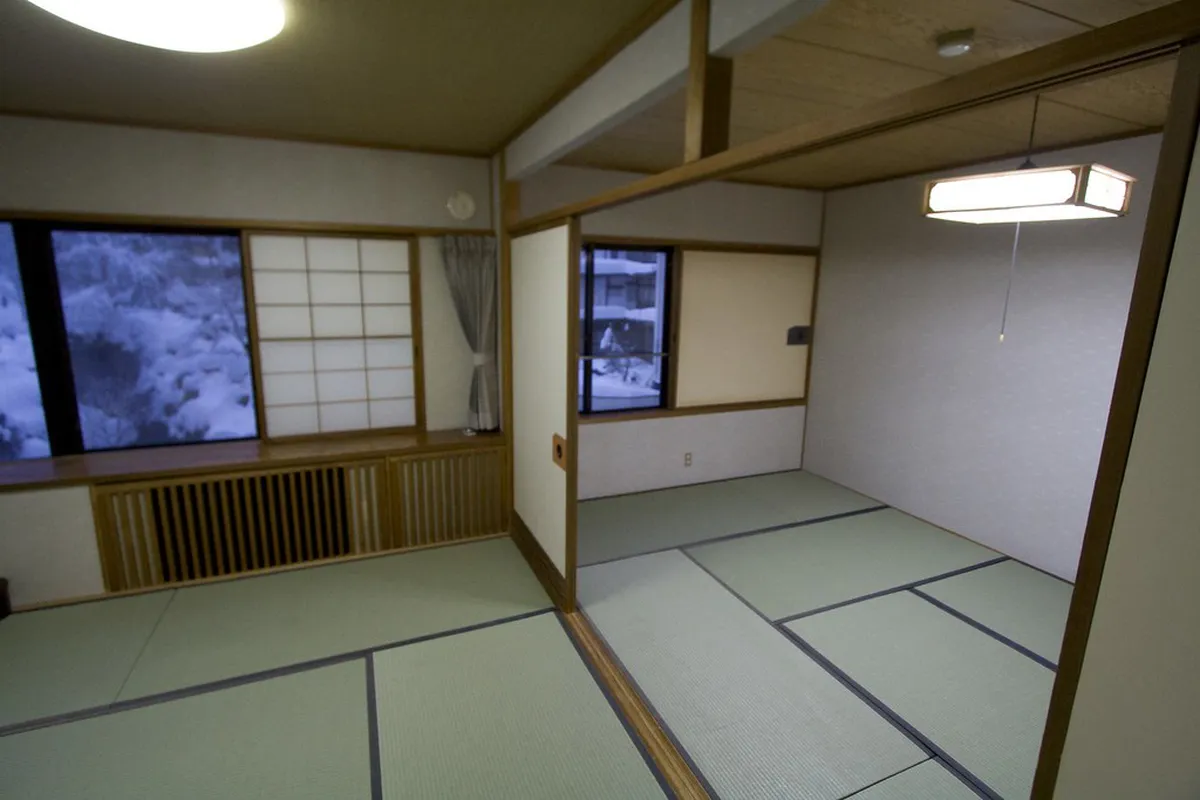
For many travelers, a private onsen is a non-negotiable part of a Japanese Alps trip. It is also the practical solution for guests with tattoos, since Japan's communal bath culture still prohibits tattooed guests at many public facilities. Takayama has several excellent options for private hot spring bathing, ranging from en-suite outdoor tubs attached to your room to reservable private booth rentals available by the hour.
Hidatakayama Futarishizuka Hakuun takes the onsen experience furthest: their hillside Japanese-style rooms each feature a private open-air hot spring bath facing the mountains. The communal facilities are also traditionally styled in wood and stone, closer to a spa than a bathhouse. Rates for rooms with private outdoor tubs start around ¥45,000 per night. The property runs a free shuttle from Takayama Station, which matters given its elevated hillside location.
Mozumo Ryokan, located slightly outside the main center, offers rooms with private outdoor baths and premium Hida beef dinners served in-room. It is the top choice for couples prioritizing seclusion. Takayama Ouan takes a different approach: rather than en-suite baths, it offers rooftop private onsen booths that guests can reserve for 30-minute sessions at no extra charge. The Machiya Hotel in Central Takayama offers two bookable private onsen rooms for a supplementary fee of around ¥3,000 per session. We recommend checking the Ryokan in Takayama (2026) guide for a full comparison of water mineral content and seasonal availability.
Top-Rated Family-Friendly Hotels in Takayama
Families need space, kitchen access, and proximity to the Hida Folk Village — the open-air museum 15 minutes by bus from Takayama Station that reassembles historic farmhouses from across the Hida region. Standard ryokan rooms often feel cramped with young children, so apartment-style properties or whole-house rentals are worth prioritizing.
BEYOND HOTEL Takayama offers spacious Japanese-style apartments with full kitchens, a five-minute walk from the main sightseeing streets. Being able to cook breakfast saves time and money over multiple nights. Daihachi, a whole-house rental near the Miyagawa Morning Market, accommodates four guests with two beds and two futons, a kitchen, and a living area. It sits next to the storehouse for one of the Takayama Autumn Festival floats — an unexpected bonus if you visit in mid-October.
Takayama Green Hotel is the largest conventional hotel in the city and offers the most family-ready infrastructure: spacious family rooms, multiple restaurants, a souvenir shop, and a free shuttle between the property and the train station. Family rooms run ¥28,000–45,000 per night depending on the meal plan. The hotel's buffet dinners regularly feature Hida beef alongside a range of child-friendly options, which simplifies the evening meal entirely. For a complete overview of best hotels in Takayama across all categories, refer to our dedicated guide.
Best Budget Hotels and Hostels in Takayama
Takayama has a reputation for being expensive, and it is true that the best ryokans command premium prices. But there is a solid mid-tier of budget options that offer clean, comfortable stays without the full kaiseki dinner markup. The key is knowing where to look and what to trade off.
K's House Takayama Oasis is the standout hostel in the city. It combines the social atmosphere of a hostel with the aesthetic of a traditional ryokan — tatami floors, futon sleeping options, and a communal kitchen where guests cook their own meals. Dorm beds start around ¥3,500 per night; private tatami rooms run ¥9,000–13,000. The in-house laundry is a significant bonus for travelers mid-itinerary. Hostel Murasaki in Central Takayama offers a similar setup with shared kitchen access at comparable prices and a slightly quieter vibe.
Chisun Grand Takayama is a smart business hotel that punches above its price point — rates typically land under ¥10,000 per night — and includes free bicycle rentals, which effectively puts Old Town within a five-minute ride. Cup of Tea Hostel in Hanasatomachi caters to younger travelers with a shared kitchen, dorm rooms, and a community feel removed from the busier tourist core. For any budget stay, booking at least three months in advance is prudent; Takayama has limited inventory at the lower price tiers and they sell quickly, particularly for weekends.
Is Staying Overnight in Takayama Worth It?
Many travelers wonder if a day trip from Nagoya or Kanazawa is sufficient. I strongly recommend against it. The true character of the town emerges once the day-trip buses depart for Shirakawa-go around 16:00.
Takayama has two morning markets: the Jinya-mae Morning Market on the west bank (convenient from the station area) and the larger Miyagawa Morning Market on the east bank (ideal if you stay in Old Town). Both open around 07:00 and wind down by 12:00. Staying overnight means you can visit before the day-trip buses arrive.
Staying overnight also gives you a significant advantage at both morning markets before the tour groups arrive. You can speak with the local farmers who bring in fresh mountain vegetables and sample regional pickles at your own pace. The mornings at the Miyagawa Morning Market between 07:00 and 09:00 are among the most pleasant hours available anywhere in Japan. You cannot access that window arriving by the first morning train from Nagoya.
Two nights is the minimum that lets you feel settled rather than rushed. One full day covers the Old Town, both markets, and the Higashiyama walking course. A second day is ideal for a day trip to Shirakawa-go or the Hida Folk Village, leaving the evenings for onsen, dinner, and the sake district. Three nights makes sense if you want to add Hida-Furukawa — a smaller, less-visited town 15 minutes north by train — which offers a glimpse of traditional Hida life without any of the tourist infrastructure of Takayama's center.
Best Time to Visit Takayama for Hotel Planning
Spring and autumn are the peak seasons, and they coincide with two of Japan's most celebrated provincial festivals. If you plan to attend the Takayama Spring Festival in April 2026
The Takayama Spring Festival (mid-April) and Autumn Festival (mid-October) are ranked among Japan's three most beautiful festivals. Accommodation sells out at double or triple the normal rates and requires booking at least 12 months in advance. If Takayama is fully booked, consider staying in nearby Hida-Furukawa (15 minutes by train), which remains surprisingly undiscovered during festival weeks.
Outside festival periods, spring (late March to early May) offers cherry blossoms, mild temperatures, and lighter crowds than summer. Autumn (October to mid-November) brings vivid foliage across the Japanese Alps and comfortable walking weather. Both seasons represent Takayama at its most photogenic and are the right choice for a first visit.
Summer (June through August) is the rainy season. Humidity is high and occasional heavy rain can affect bus schedules to Shirakawa-go. That said, summer sees fewer international visitors, prices drop slightly, and the mountain setting keeps temperatures more bearable than lowland cities. Winter (December through February) is for onsen enthusiasts willing to deal with snow. The open-air rooftop baths at Takayama Ouan and the hillside tubs at Hidatakayama Futarishizuka Hakuun are genuinely magical with snow falling. Hotel rates drop significantly in winter, and the preserved Old Town looks extraordinary under a white cover — but check transport advisories, as heavy snowfall occasionally delays the bus from Kanazawa and regional road services.
Frequently Asked Questions
Is it better to stay near Takayama Station or the Old Town?
Staying near Takayama Station is best for transport convenience and budget hotel options. However, the Old Town offers a more traditional atmosphere and easier access to the morning markets. Most travelers find the 10-minute walk between the two areas very manageable.
How many nights should I stay in Takayama?
We recommend staying at least two nights to fully experience the city and the surrounding region. This allows one full day for the Old Town and another for a day trip to Shirakawa-go. Three nights are ideal if you want to explore the Hida Folk Village.
Are there ryokans in Takayama with private onsens?
Yes, several ryokans offer private onsen experiences either as en-suite baths or reservable private rooms. Mozumo Ryokan is famous for its private outdoor tubs in every guest room. Takayama Ouan also provides private onsen booths for its guests to use for free.
Choosing where to stay in takayama is the most important decision you will make for your trip to the Gifu prefecture. Whether you opt for a modern hotel near the station or a historic ryokan in the Old Town, the city's charm is undeniable. Match your neighborhood to how you spend your mornings and the rest falls into place.
Remember to sample the local Hida beef, visit the sake breweries, and check the morning market on whichever bank you wake up closest to. Safe travels as you explore one of the most beautiful and well-preserved corners of traditional Japan in 2026.
Free: The Takayama Essentials guide
Top things to do, where to stay, a perfect day plan, getting around, and the best time to go — a Takayama mini-guide you can take offline.
You might also like


Continue reading
More guides you'll find useful