
7 Things to Know for a Takayama Day Trip From Tokyo
Is a Takayama day trip from Tokyo worth the 9-hour journey? Discover the best transport routes, a 1-day itinerary, and essential tips for Hida beef.
On this page
A Takayama day trip from Tokyo asks you to spend roughly nine hours on trains for perhaps five or six hours on the ground. Japan is much larger than it looks on a map, and the Hida mountains sit near the geographic centre of Honshu. Whether that trade-off is worth it depends almost entirely on your travel style and your rail pass situation. If you have limited time, our travel tips guide can maximize your experience.
With a valid Japan Rail Pass, the entire Tokyo–Nagoya–Takayama round trip is fully covered at no extra cost beyond your pass. Without it, round-trip rail fares run approximately ¥30,000 — making an overnight stay at a mid-range ryokan barely more expensive while delivering far greater value.
This guide is built for 2026 visitors who need a blunt answer: go or skip? We cover every transport option, the exact deadlines that can ruin a day trip, and what to prioritise once you arrive. I have written a full Tokyo to Takayama Train Guide: 7 Essential Travel Steps if you want the deeper rail logistics. Here we focus on the one-day decision.
At a Glance: 1-Day Takayama Itinerary
This schedule is built around the earliest viable Shinkansen from Tokyo Station. Catching the first Hikari to Nagoya (departs around 06:00–06:30) gets you into Takayama Station by approximately 10:30–11:00. That arrival window is tight but workable for the highlights. For a detailed 1-day itinerary, see our complete structured plan.
- 06:00 — Tokyo Station, board Tokaido Shinkansen (Hikari) toward Nagoya
- 08:00 — Arrive Nagoya, transfer to JR Hida Limited Express (platform 3 or 10)
- 10:30 — Arrive Takayama Station; walk to Miyagawa Market (10 minutes on foot)
- 11:00 — Browse Miyagawa Market before it winds down; buy pickled vegetables and fresh fruit
- 12:00 — Hida beef sushi or skewers from a stall in Sanmachi Suji
- 13:00 — Walk the preserved Edo-period streets; sake brewery tasting
- 14:00 — Takayama Jinya historic government house (admission ¥440, open until 16:30)
- 15:30 — Head back toward the station; bento from the station kiosk if hungry
- 16:30 — Board the Hida Limited Express toward Nagoya
- 18:30 — Nagoya; transfer to Tokaido Shinkansen back to Tokyo
- 20:30 — Arrive Tokyo Station
This is the minimum viable day. Staying until the 18:48 last Hida departure adds ninety minutes but leaves no buffer for a delayed train or a missed connection in Nagoya.
Feasibility: Is a Takayama Day Trip from Tokyo Worth It?
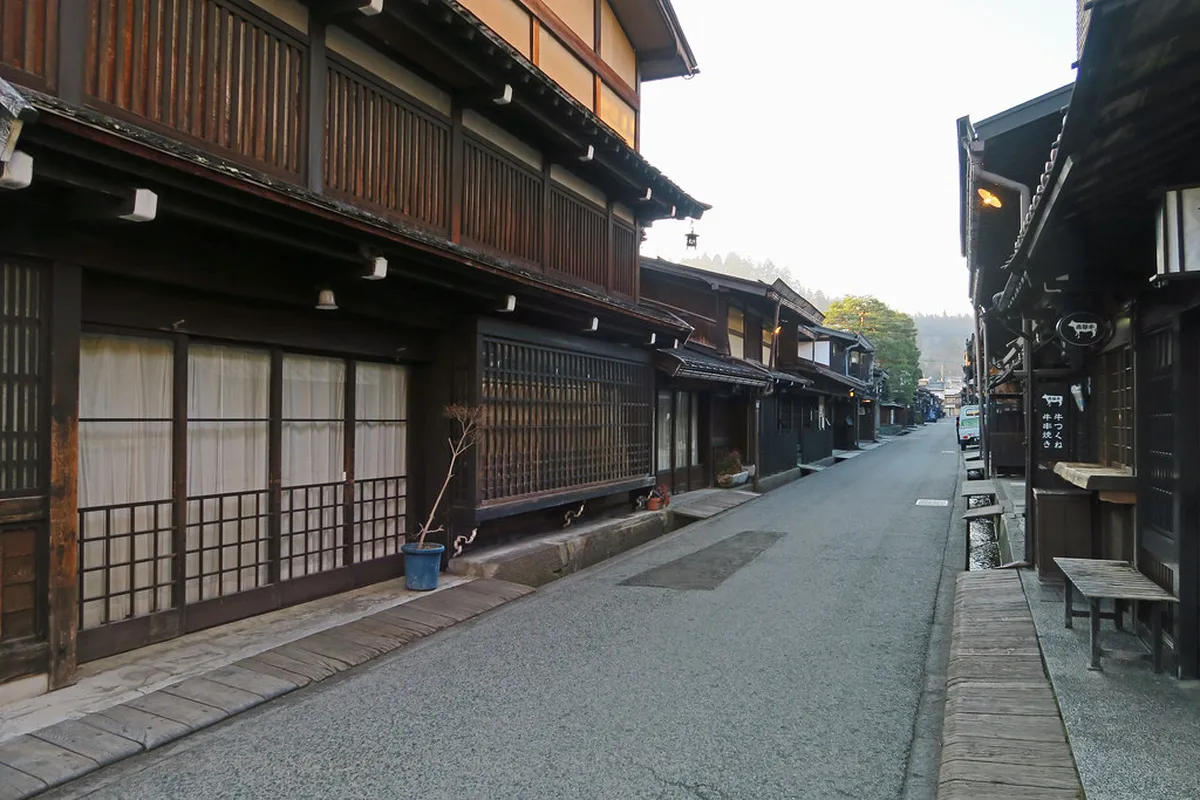
The honest answer is: it depends on two things. Do you hold a Japan Rail Pass? And do you genuinely enjoy scenic train journeys as part of the experience? If both answers are yes, this day trip is absolutely worth it. The Hida river gorge views on the final leg are spectacular, and Takayama's Old Town is unlike anything in Tokyo.
If you are paying out-of-pocket, the round-trip rail cost runs approximately ¥30,000. For that money, an overnight stay in a mid-range ryokan costs only a little more and gives you the morning markets before the crowds and the magical quiet of the city after dark. Follow a Takayama Itinerary for First-Timers if you can spare two days.
Budget travellers have a better option: the highway bus from Shinjuku runs around ¥6,500–8,000 each way and is not covered by the JR Pass. It takes 5.5 hours one way, making a day trip exhausting but cheap. Most people who take the bus end up staying overnight simply because the travel fatigue mounts.
Go if: you have a JR Pass, you like train travel, and you can leave Tokyo before 07:00. Skip if: you are paying full price and have only one day to spare — the overnight option delivers far greater value for nearly the same cost.
Transport Guide: Tokyo to Takayama by Train and Bus
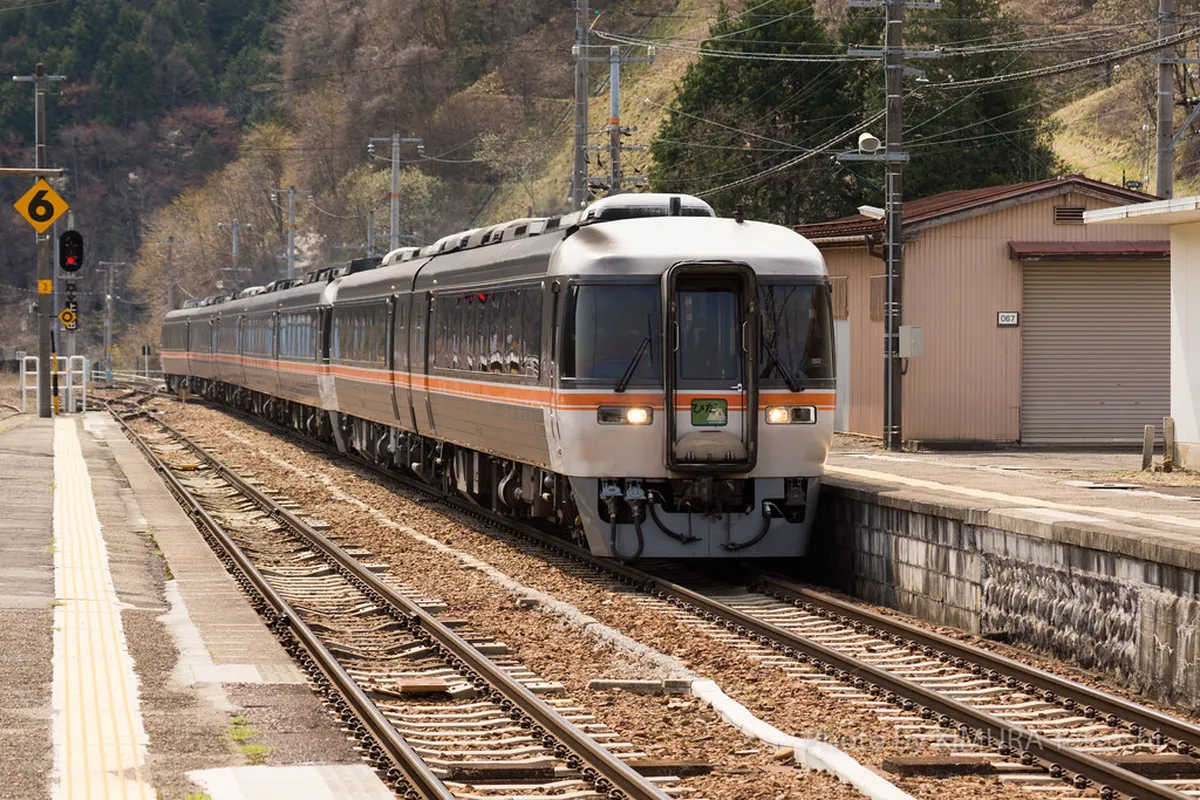
The standard train route starts with the Tokaido Shinkansen from Tokyo Station to Nagoya (approximately 1 hour 40 minutes on a Hikari; JR Pass holders cannot use the faster Nozomi). At Nagoya you transfer to the JR Hida Limited Express, which runs directly to Takayama in about 2 hours 25 minutes. Total journey: 4 to 4.5 hours. Both legs are fully covered by the Japan Rail Pass, but you must reserve seats at a JR ticket office.
The alternative train route goes north via the Hokuriku Shinkansen from Tokyo to Toyama, then south on a Hida Limited Express to Takayama. This takes about 5 hours total and costs slightly more without a pass. The payoff is the scenery: the Toyama approach gives you open views of snow-capped Japanese Alps peaks, while the Nagoya route threads through the narrower Hida River gorge. Choose Nagoya if you want dramatic canyon views; choose Toyama if you want mountain panoramas and the option to add a stop at Kurobe Gorge.
| Route | Duration (one way) | Cost (one way, no pass) | JR Pass |
|---|---|---|---|
| Shinkansen to Nagoya + Hida Express | ~4h 15m | ~¥15,000 | Covered |
| Shinkansen to Toyama + Hida Express | ~5h | ~¥17,000 | Covered |
| Highway bus from Shinjuku (Nohi/Keio) | ~5h 30m | ¥6,500–8,000 | Not covered |
The highway bus is the budget option. Nohi Bus and Keio Bus both run daytime services from Busta Shinjuku (the bus terminal attached to Shinjuku Station's south exit) directly to Takayama Bus Terminal. The one-way journey takes approximately 5.5 hours and costs ¥6,500–8,000 depending on the season. The bus is not covered by the JR Pass but includes reclining seats and rest stops. Reserve online through the Nohi Bus or Willer Express websites; seats sell out on weekends and during autumn foliage season. For a full breakdown of each route see our Tokyo to Takayama Train Guide.
Top Things to Do in Takayama for Day Trippers
Your first priority is the Miyagawa Morning Market along the river. It runs daily from 07:00 to 12:00 and features local vendors selling fresh produce, pickled vegetables, handmade crafts, and small foods. Arrive before 11:00 or many stalls have already packed up. The market is a ten-minute flat walk from Takayama Station.
Next, head into the Sanmachi Suji district — three parallel lanes of Edo-period merchant houses preserved almost entirely intact. The wooden facades, overhanging eaves, and sake-barrel displays are visually unlike any other town in Japan. Sake breweries line the street and most offer tastings for ¥100–500 per cup during business hours.
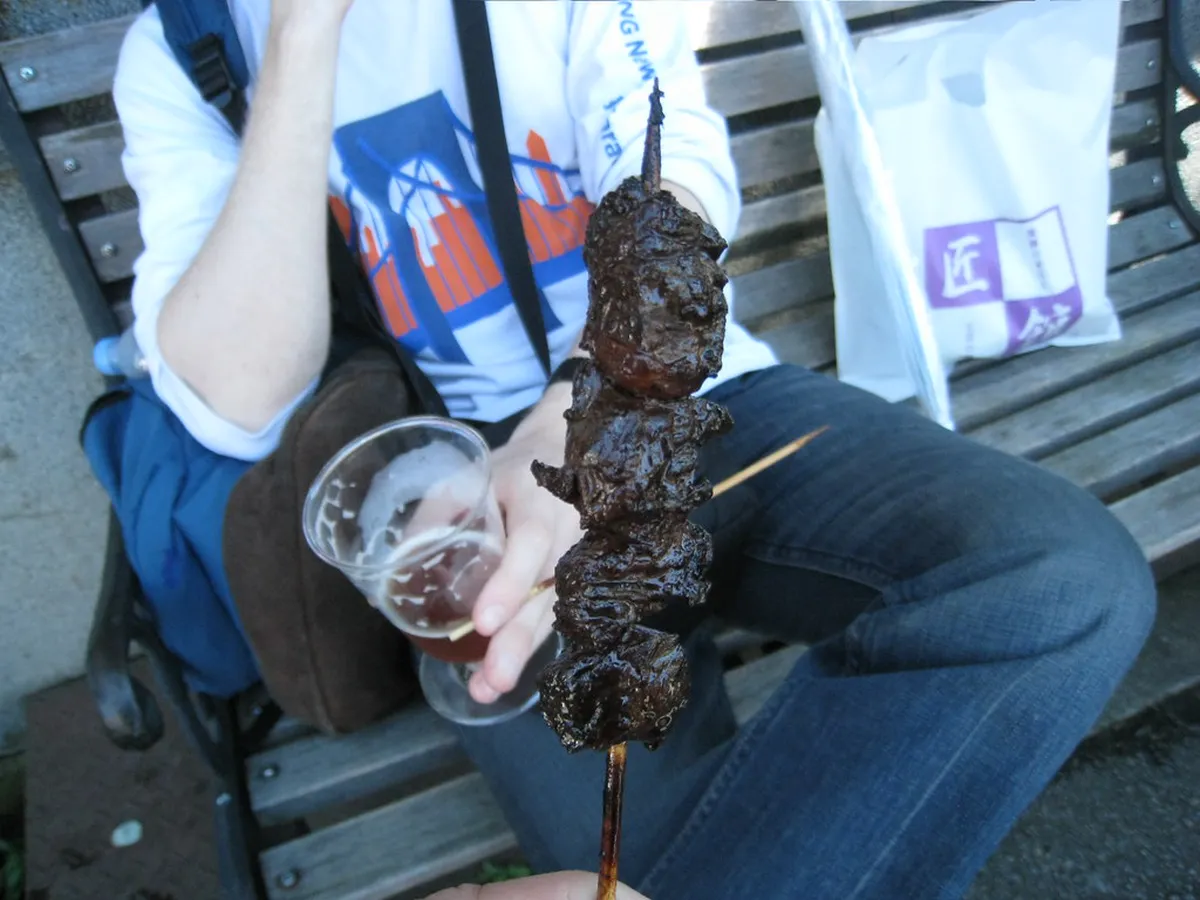
For food, the Hida beef stalls in and around Sanmachi Suji serve nigiri-style beef sushi and skewers for roughly ¥500–1,000 per piece. This is the fastest and most affordable way to taste the region's A5-grade wagyu without booking a sit-down restaurant. Look also for hoba miso — Hida's signature dish of miso paste grilled on a magnolia leaf with mushrooms and spring onion — served at several small eateries near the market. It costs around ¥800 and takes less than fifteen minutes to eat.
Cultural Highlights: Museums and Morning Markets
Takayama Jinya is the only surviving example of a feudal government outpost in Japan. Built in the early Edo period and used by Tokugawa-appointed administrators until 1969, it functions today as a walk-through museum. Admission is ¥440 and the building is open from 08:45 (last entry 30 minutes before closing). Allow an hour. The tatami audience rooms and rice storage warehouses give an immediate sense of how this mountain town was governed for two centuries.
The Hida Folk Village is an open-air museum about fifteen minutes by bus from the station. Over thirty gassho-zukuri farmhouses — the steeply thatched structures also seen in Shirakawa-go — have been relocated and preserved here across 100,000 square metres. Admission is ¥700. Day-trippers with fewer than six hours in the city should skip it and stay in Old Town, but it is the right call if you arrive before 10:30 and move efficiently.
Sakurayama Hachimangu Shrine sits at the northern edge of the Old Town and anchors the famous Takayama Festival held each October. The shrine's attached Takayama Matsuri Yatai Kaikan (float exhibition hall) displays four of the eleven ornate festival floats year-round for ¥1,000 admission. This is the best way to experience the festival aesthetic on any date in 2026 without visiting during the crowded October event itself.
Two Deadlines Every Day-Tripper Must Know
A Takayama day trip from Tokyo is governed by two hard deadlines that most travel guides mention separately but never connect. Miss either one and your day collapses. The first deadline is the morning market: Miyagawa Market closes at 12:00 noon. If you arrive at Takayama Station after 11:00, you will walk into a half-empty market with most vendors gone. That means your window from Tokyo is the very first Shinkansen of the day.
The second deadline is the last train home. The final JR Hida Limited Express departure from Takayama toward Nagoya leaves at approximately 18:48. Miss it and you are spending the night — there is no later train and no reliable onward bus to reach Tokyo the same evening. Set an alarm on your phone for 18:15 regardless of what you are doing. The twenty-minute walk from Sanmachi Suji to the station feels comfortable until it suddenly is not.
These two deadlines create a practical window of roughly 10:30 to 18:15 on the ground — about 7.5 hours. That is enough time for the market remnants, a full Old Town walk, lunch, one museum, and a leisurely return to the station. It is not enough for both the Folk Village and the Old Town unless you are comfortable with a rushed pace. Plan around these times, not around a generic "5 to 6 hours" estimate.
The final JR Hida Limited Express from Takayama toward Nagoya departs at approximately 18:48. Missing it means an unplanned overnight — there is no later train and no reliable late bus connecting to Tokyo the same evening. Set a phone alarm for 18:15 no matter where you are in the city.
Practical Logistics: Costs, JR Pass, and Private Cars
Without a Japan Rail Pass, the round-trip train cost from Tokyo is approximately ¥30,000 (¥15,000 each way). With a valid 7-day or 14-day JR Pass, the entire train journey — Shinkansen plus both legs of the Hida Limited Express — is fully covered. You must reserve seats at a JR office or ticket machine; unreserved seats on the Hida exist but are narrow and often full during peak season. Check the Japan Convention Bureau for any seasonal service changes in 2026.
Driving from Tokyo by private car takes roughly five hours via the Chuo Expressway and the Tokai-Hokuriku Expressway. Toll costs run ¥7,000–10,000 each way, and parking near the Old Town costs ¥500–800 per hour. The main advantage is flexibility — you can stop at Hirayu Onsen on the way back. The disadvantage is that Japan's expressway speed limits and mountain road switchbacks make it slower than the train on paper, and there is no scenery reward when you are focused on driving.
Budget for ¥3,000–5,000 per person in Takayama for food and admissions on a typical day. Most shops in the historic district close by 17:00. The station convenience store and kiosk remain open if you need a bento for the train ride home.
Add an Extra Day: Extending Your Alpine Adventure
If you can stay overnight, the entire character of the trip changes. Take a trip to Shirakawa-go from Takayama the next morning — the UNESCO World Heritage thatched-roof village is just fifty minutes by Nohi Bus and costs ¥2,600 return. You cannot fit it into a single day from Tokyo without skipping everything else in town.
Staying overnight also unlocks the early morning before the day-trippers arrive. The markets are quieter at 07:30, the streets are lit gold in the low sun, and ryokan breakfast is one of the best meals in the region. Find the right neighbourhood and accommodation tier in our guide to where to stay in Takayama. The city feels like a different place once the bus crowds leave by early evening.
For those with more time, the Japanese Alps open up: Kamikochi (mid-April to mid-November), the Shinhotaka Ropeway at 2,156 metres, and the Tateyama-Kurobe Alpine Route further north. The 2026 spring Takayama Festival runs on 14–15 May, while the autumn festival is held on 9–10 October — both worth timing a visit around. See our complete Takayama attractions guide for the full regional picture.
Frequently Asked Questions
Is 3 hours enough time in Takayama?
Three hours is very tight for a visit. You can walk through the Old Town and eat lunch. I recommend at least five hours to see the main sights properly.
What is the best month for a day trip?
October and November offer the best weather and autumn colors. May is also beautiful with mild temperatures. Avoid mid-winter if you dislike heavy snow and cold winds.
Does the JR Pass cover the whole trip?
Yes, the Japan Rail Pass covers the Shinkansen and the Hida Limited Express. You must reserve seats at a JR office. This makes the day trip much more affordable.
A takayama day trip from tokyo is ambitious but achievable with the right preparation. The key is leaving Tokyo before 07:00, reaching the morning market before it closes, and being back at the station by 18:15 for the last Hida Limited Express. Manage those two deadlines and the rest of the day falls into place.
Book your Shinkansen seats at least three days ahead, especially during the autumn foliage season. Pack a light layer — the mountain air runs cool even in summer. And if you find yourself enjoying the city as the crowds thin out, let that be the nudge to come back for a proper overnight stay.
For the wider city context, see our complete Takayama attractions guide.
Free: The Takayama Essentials guide
Top things to do, where to stay, a perfect day plan, getting around, and the best time to go — a Takayama mini-guide you can take offline.
You might also like


Continue reading
More guides you'll find useful


