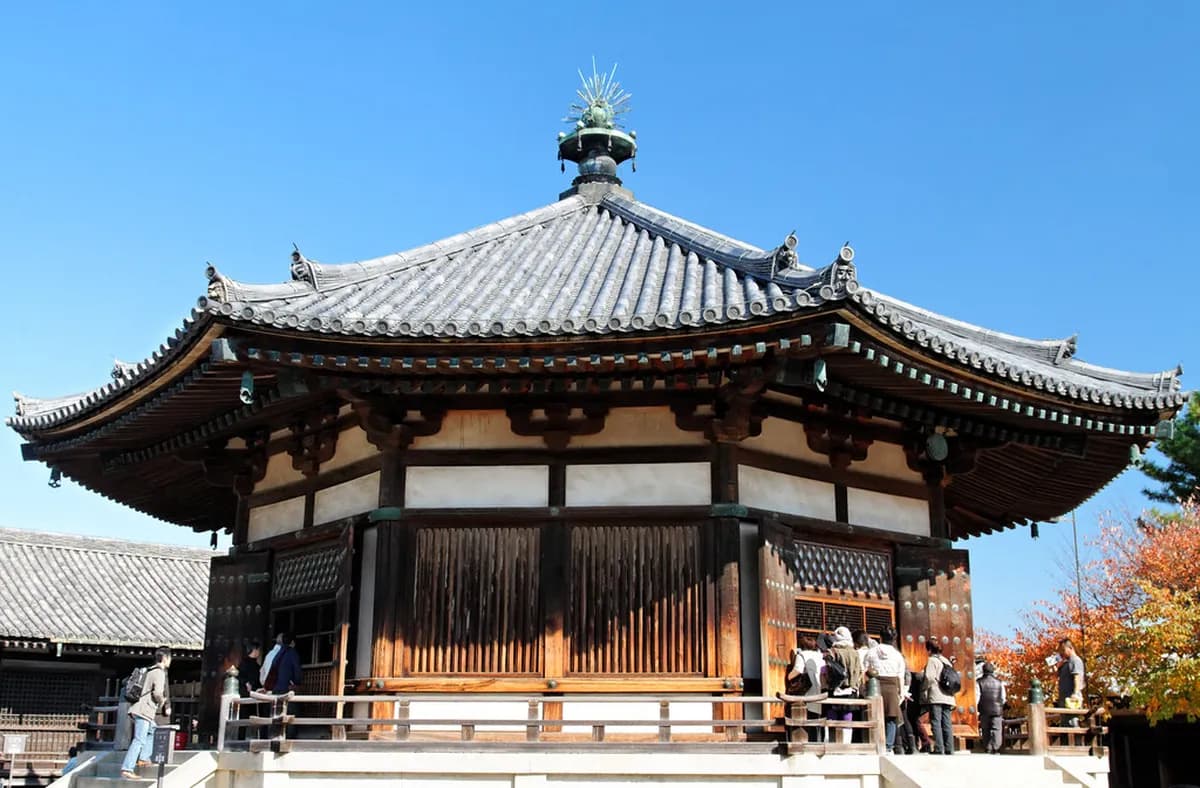
Nara Day Trip from Kyoto: The Ultimate 1-Day Itinerary
Plan the perfect Nara day trip from Kyoto with our 1-day itinerary. Includes transport tips for JR and Kintetsu, deer park etiquette, and must-see temples.
On this page
A Nara day trip from Kyoto is one of the easiest ways to add deer, giant temple halls, lantern-lined forest paths, and old merchant streets to a Kansai itinerary. The city is compact enough for a self-guided walking route, but it still needs a plan because the station choice changes how much you walk. In 2026, the best version starts early, uses Kintetsu-Nara Station unless you are already riding on a JR Pass, and saves the shopping streets for the return walk. You can easily add Osaka as a second stop after returning from Nara the same evening.
This itinerary follows a morning-to-afternoon flow from Kyoto Station to Nara Park, Todai-ji / Great Eastern Temple, Nigatsu-do, Kasuga Taisha, and Naramachi. It works well for first-time visitors who want the main UNESCO World Heritage Sites without turning the day into a checklist. For a broader route map, pair it with our Nara Itinerary for First-Timers before you leave Kyoto.
Plan to arrive before 9:00 AM if you can. The deer are calmer, Nandaimon Gate is easier to photograph, and the tour bus peak usually builds closer to late morning.
Why Nara is the Best Day Trip from Kyoto
Arrive at Kintetsu-Nara Station before 9:00 AM to enjoy Nara Park before tour groups build up around Todai-ji and the main deer-cracker stalls.
Nara is worth a full day because it delivers a different rhythm from Kyoto. Kyoto has famous temples spread across several districts, while Nara gathers deer, ancient Buddhist halls, Shinto lantern paths, gardens, museums, and shopping streets into one walkable zone.
Nara was Japan's first permanent capital, and the park area holds several UNESCO World Heritage Sites tied to early Japanese Buddhism and court culture. For an official overview, see the JNTO Nara guide. The Great Buddha at Todai-ji is the headline, but the day feels richer when you also include Nigatsu-do's balcony, Kasuga Taisha's forest approach, and the old lanes of Naramachi.
A realistic day runs from about 8:00 AM to 6:00 PM including trains. Start with the busiest sights while the park is quiet, then move back toward the station for food and shopping.
Getting to Nara: JR vs. Kintetsu Railway Stations
The transport winner for most travelers is Kintetsu. Kintetsu-Nara Station is closer to Nara Park, Kofuku-ji, Todai-ji, Higashimuki Shopping Street, and the main walking route. From Kyoto Station, Kintetsu trains usually take about 45 to 60 minutes depending on train type and transfers. You can confirm current fares and train types on the official Kintetsu Railway site.
Use JR Nara Station if you already have a valid JR Pass or if the JR Nara Line is easier from your accommodation. The JR Miyakoji Rapid is direct from Kyoto Station, but JR Nara Station is roughly 15 minutes farther on foot from the park edge.
Both stations have coin lockers, convenience stores, and clear onward signs. If you are carrying luggage, store it before entering the park because the route includes stairs, gravel, and crowded shrine approaches. For maps, keep our Nara Transportation Guide: 8 Essential Ways to Get Around handy.
| Station | Best for | Walking impact |
|---|---|---|
| Kintetsu-Nara Station | Most day trippers from Kyoto without a JR Pass | Closest to the park and usually saves about 15 minutes |
| JR Nara Station | JR Pass holders and travelers already on JR lines | Farther from Todai-ji, but direct and pass-friendly |
Nara Park: Etiquette for the Bowing Deer
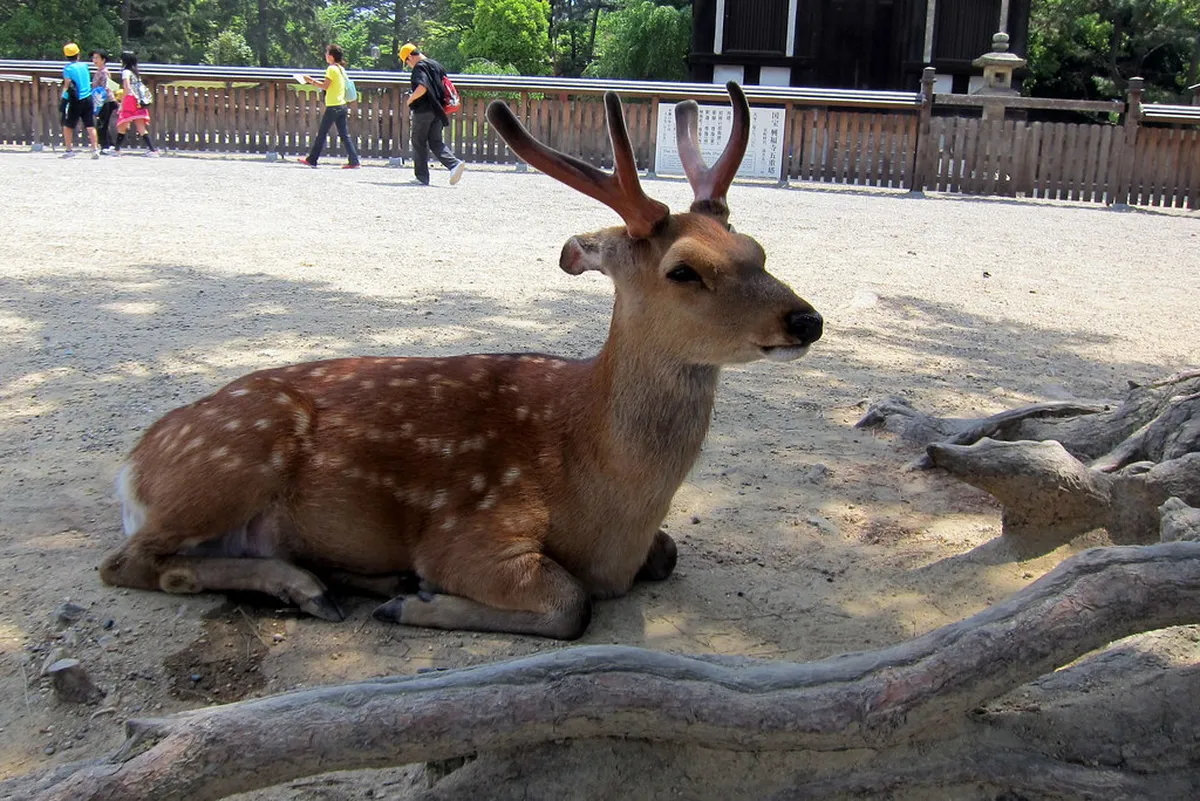
Nara Deer Park is not a fenced petting zoo. The sika deer are protected animals, but they are still wild and very used to visitors carrying food. Buy shika senbei deer crackers only from official vendors, keep the pack hidden until you are ready, and feed one cracker at a time. The Nara City Tourism Association publishes current etiquette and seasonal advisories.
Keep paper maps, bag straps, and plastic wrappers zipped away before opening a pack of shika senbei — deer investigate anything that looks or moves like food near your hands.
The bow is real enough to be charming, but it is also learned behavior. Hold a cracker where the deer can see it, bow gently, then feed quickly before a group gathers around you. Do not tease the deer or keep crackers in a loose tote bag.
The best safety trick is the empty-hands signal. When you are done, open both palms toward the deer, step back slowly, and walk away without sudden turns. Our Nara Deer Park guide covers more edge cases.
Todai-ji Temple: The Great Hall of Buddha and Nandaimon Gate
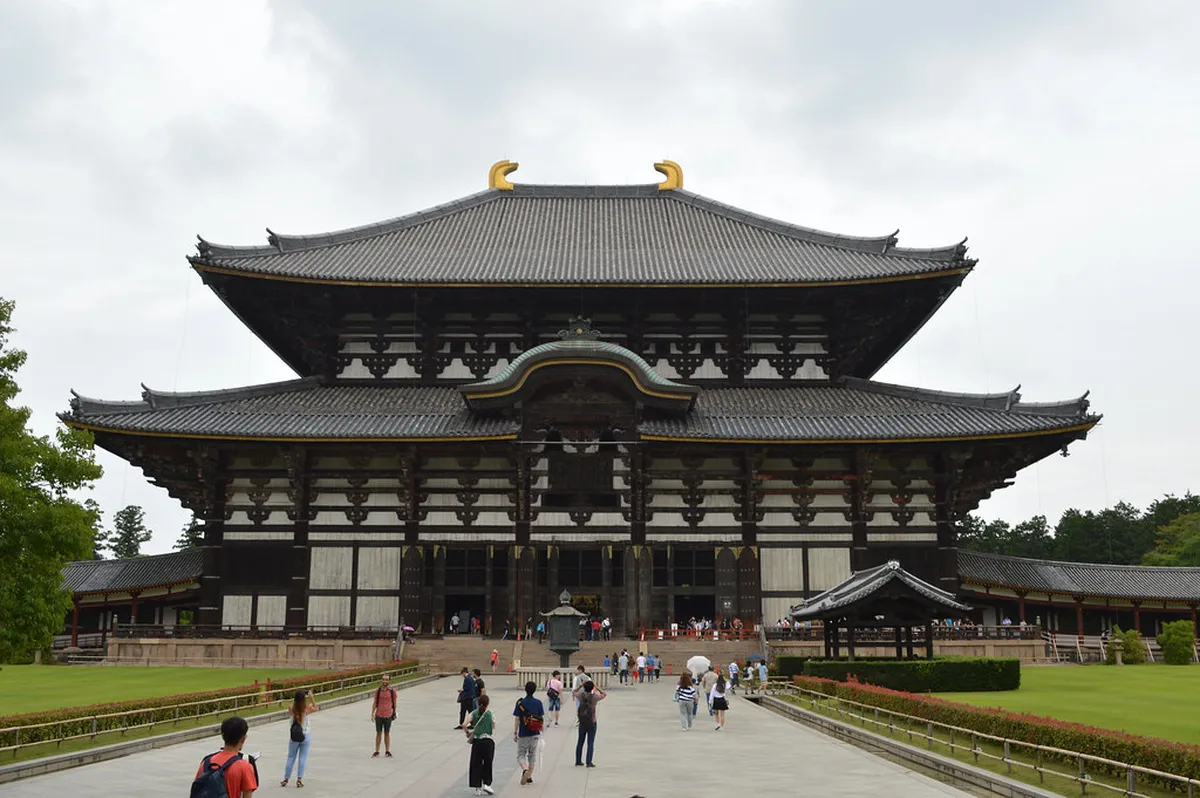
Make Todai-ji / Great Eastern Temple your first major paid stop. The approach begins at Nandaimon Gate, the Great South Gate, where two fierce guardian figures stand inside the wooden structure. This is where deer, tour groups, and photo stops start to overlap, so arriving before 9:00 AM matters.
The main draw is Daibutsuden, the Great Buddha Hall. Inside sits the Daibutsu, a massive bronze Buddha that gives the building its scale and purpose. If you want more context before entering, read our Todai-ji Temple Visiting Guide on the train from Kyoto.
Move slowly around the hall instead of rushing outside. Look for the large lantern on the approach, the side statues, and the wooden pillar with a hole said to match the Buddha's nostril.
Nigatsu-do: The Best Viewpoint in Nara Park
Nigatsu-do is the stop many rushed day trippers miss, even though it sits within the wider Todai-ji complex. From the Great Buddha Hall, follow the quieter uphill path past smaller temple buildings and stone walls. The walk is short, but it leaves the main crowd stream.
The reward is a wooden balcony with one of the best open views across Nara. It is useful after Todai-ji because you can pause, drink water, and reset before the forest walk to Kasuga Taisha. The stairs make it less comfortable with heavy bags, which is another reason to use station lockers.
Kasuga Taisha: Exploring the 3,000 Lanterns
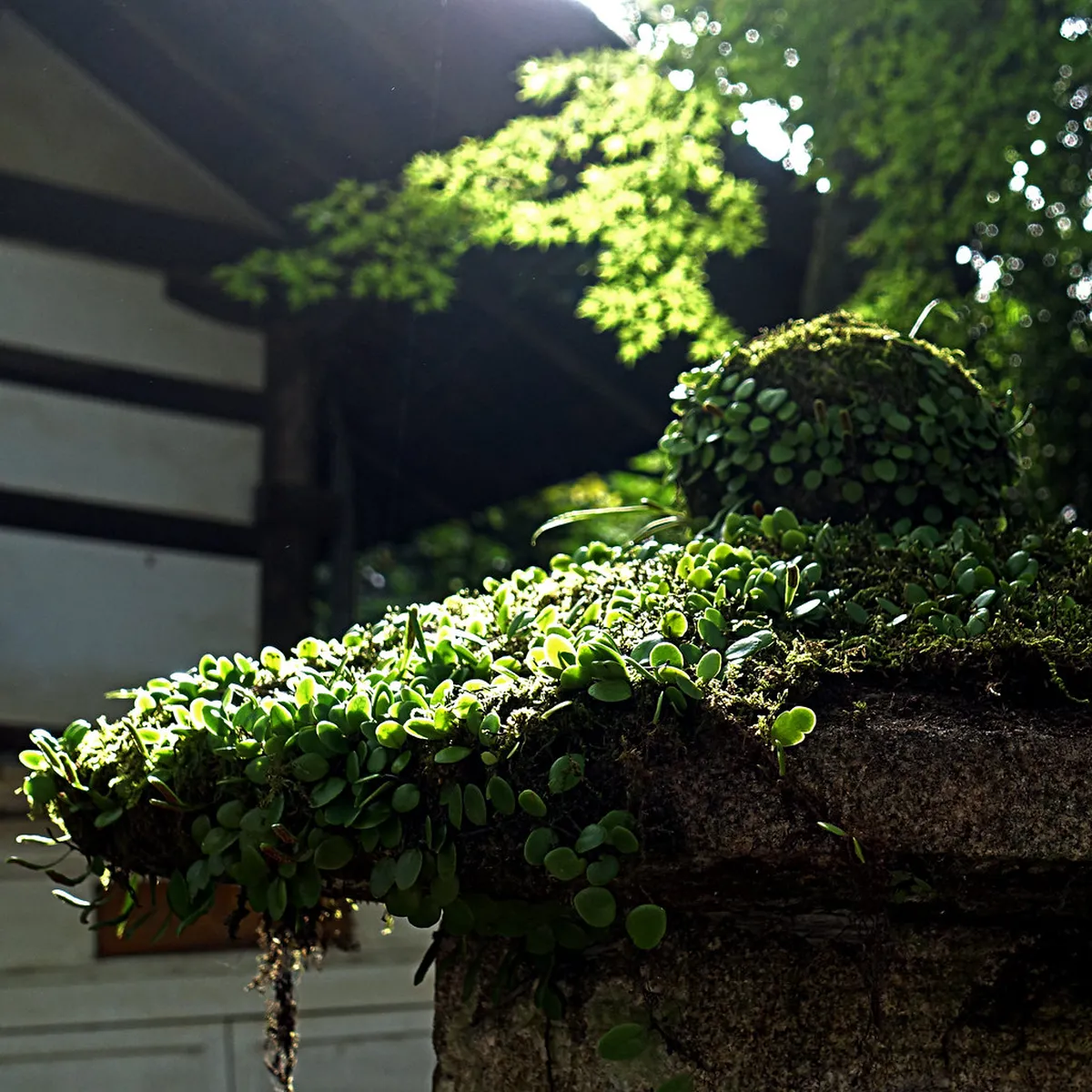
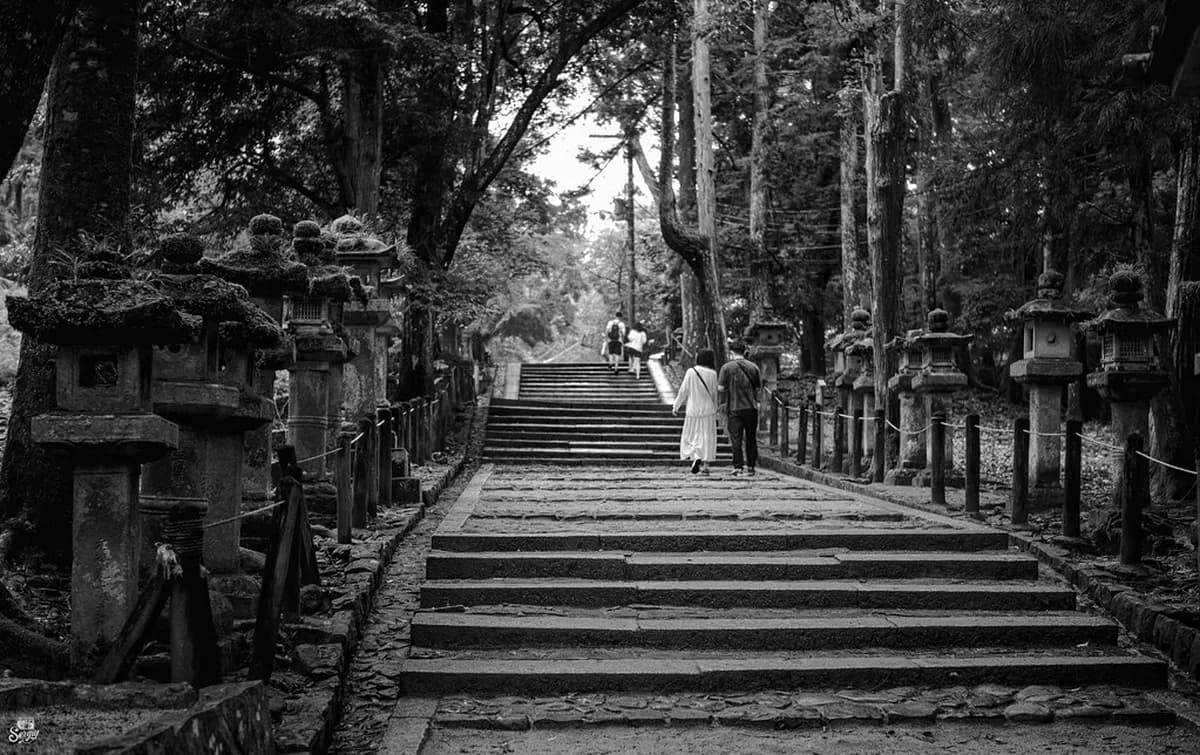
Kasuga Taisha is the best afternoon counterpoint to Todai-ji. Where Todai-ji is monumental and crowded, Kasuga Taisha feels shaded, linear, and atmospheric. The approach passes mossy stone lanterns before reaching the vermilion shrine buildings and hanging bronze lanterns.
The shrine is closely tied to Nara's old sacred landscape, so treat the walk as part of the visit rather than just a transfer. Our Kasuga Taisha shrine guide is useful for the lantern festivals and shrine layout. Even if you skip the paid inner area, the outer approach gives you the strongest sense of place.
This is a good section to slow down with kids or older travelers. There is shade, but the distance from Todai-ji can feel longer in humid weather, so carry water in 2026's warmer months.
Naramachi: Traditional Food and Shopping at Higashimuki
After Kasuga Taisha, turn back toward town. The route toward Sarusawa-ike Pond, Mochiidonocho, Higashimuki Shopping Street, and Naramachi old town gives you a softer finish than staying in the park until you are tired.
For crafts, stop at Nakagawa Masashichi Shoten – Nara Flagship Store, a reliable place for linen, ceramics, tea goods, and small gifts. For snacks, look around Higashimuki for mochi, kakinoha-zushi, matcha sweets, and casual cafes. Maedano Donut Nara Main Store is an easy light stop before the train.
Do not leave lunch until too late. Weekend lines build quickly after the temple rush, so use our nara food specialties guide to choose between persimmon leaf sushi, udon, sweets, or a cafe break.
Practical Tips for Spending a Day in Nara
The easiest walking route is Kintetsu-Nara Station, Nara Park, Todai-ji, Nigatsu-do, Kasuga Taisha, Naramachi, Higashimuki, and back to Kintetsu-Nara Station. JR travelers can follow the same route, but should add the extra station walk at the start or use a local bus to reach the park edge.
Use the table below as a rough distance check, not a race plan. Crowds, deer stops, photos, and temple queues can double short map times. For limited mobility, prioritize Kintetsu-Nara Station, Todai-ji, the open deer areas, and Naramachi, then skip Nigatsu-do's stairs if needed.
| Route segment | Typical walking time | Note |
|---|---|---|
| Kintetsu-Nara Station to Nara Park | 5 to 10 minutes | Fastest start for most visitors |
| JR Nara Station to Nara Park | 20 to 25 minutes | Use this if riding JR with a pass |
| Nara Park to Todai-ji | 10 to 15 minutes | Allow extra time for deer and photos |
| Todai-ji to Nigatsu-do | 10 minutes | Includes uphill paths and stairs |
| Kasuga Taisha to Higashimuki | 25 to 35 minutes | Good final stretch for shopping and food |
Carry some cash for temple tickets, deer crackers, lockers, and small food shops. If you want one rule for the day, make it this: arrive early, choose the station deliberately, and leave buffer time between major stops.
Frequently Asked Questions
How much time should you plan for a Nara day trip?
Plan for at least six to eight hours to see the main sights comfortably. This allows time for Todai-ji, Nara Park, and Kasuga Taisha. Start your day early to avoid the largest crowds.
Should I use the JR Pass or Kintetsu line for Nara?
Use the JR Pass if you already have one to save on transport costs. Otherwise, the Kintetsu line is better because the station is closer to the attractions. The Kintetsu station saves about 15 minutes of walking.
See our Nara attractions guide for the broader city overview.
A nara day trip from kyoto is a highlight of any Japanese vacation. You will leave with memories of ancient temples and the gentle bowing deer. This itinerary ensures you see the most important sites in a single day. We hope this guide helps you plan a smooth and memorable journey.
Remember to respect the local etiquette and enjoy the slow pace of Nara. The combination of nature and history makes this city truly special. Safe travels as you explore the wonders of the Kansai region. Nara is waiting to share its timeless beauty with you.
Free: The Nara Essentials guide
Top things to do, where to stay, a perfect day plan, getting around, and the best time to go — a Nara mini-guide you can take offline.
You might also like


Continue reading
More guides you'll find useful