Todai-ji Temple Visiting Guide
Plan todai-ji temple visiting guide with top picks, neighborhood context, timing tips, and practical booking advice for a smoother trip.
On this page
Todai-ji Temple stands as the spiritual heart of Kyoto and a crowning achievement of Japanese Buddhist architecture. This massive complex serves as the home to the world's largest bronze Buddha statue.
Visitors from across the globe flock here to experience the sheer scale of the Great Buddha Hall. Navigating this historic site requires a solid todai-ji temple visiting guide to ensure you see every hidden corner.
The temple grounds blend ancient history with the natural beauty of Nara Park and its famous free-roaming deer. You will find that this destination offers deep cultural insights and stunning photographic opportunities in every season.
Planning your trip carefully allows you to avoid the largest crowds while soaking in the serene atmosphere. This guide provides all the essential details for a meaningful visit to Nara's most iconic landmark.
Quick Answer: Todai-ji Temple at a Glance
Tickets are cash-only at the main entrance for the Daibutsuden and Todai-ji Museum. Bring exact change if possible — the Daibutsuden costs ¥800 for adults, or ¥1,200 for the combined Daibutsuden and museum pass.
Todai-ji is the main reason many travelers add Nara to a Kansai trip. The essential visit is simple: walk through Nandaimon Gate, enter the Daibutsuden, see the Great Buddha, then decide whether to continue uphill to Nigatsu-do for the quieter side of the temple.
For a short stop, allow 60 to 90 minutes for the gate, ticketed hall, Buddha, and pillar-hole area. For a fuller todai-ji temple visiting guide experience, plan 2 to 3 hours so you can add the museum, Sangatsu-do, Nigatsu-do, and slow time around Nara Park.
- The main paid sight is the Daibutsuden, also called the Great Buddha Hall.
- The strongest free highlights are Nandaimon Gate, Kagami-ike Pond, and the walk up to Nigatsu-do.
- Tickets are normally bought at the entrance, so there is no need to build your day around online booking.
- Cash matters in 2026 because the official admission page still notes cash-only payment for the main paid areas.
What to See Inside Todai-ji Temple
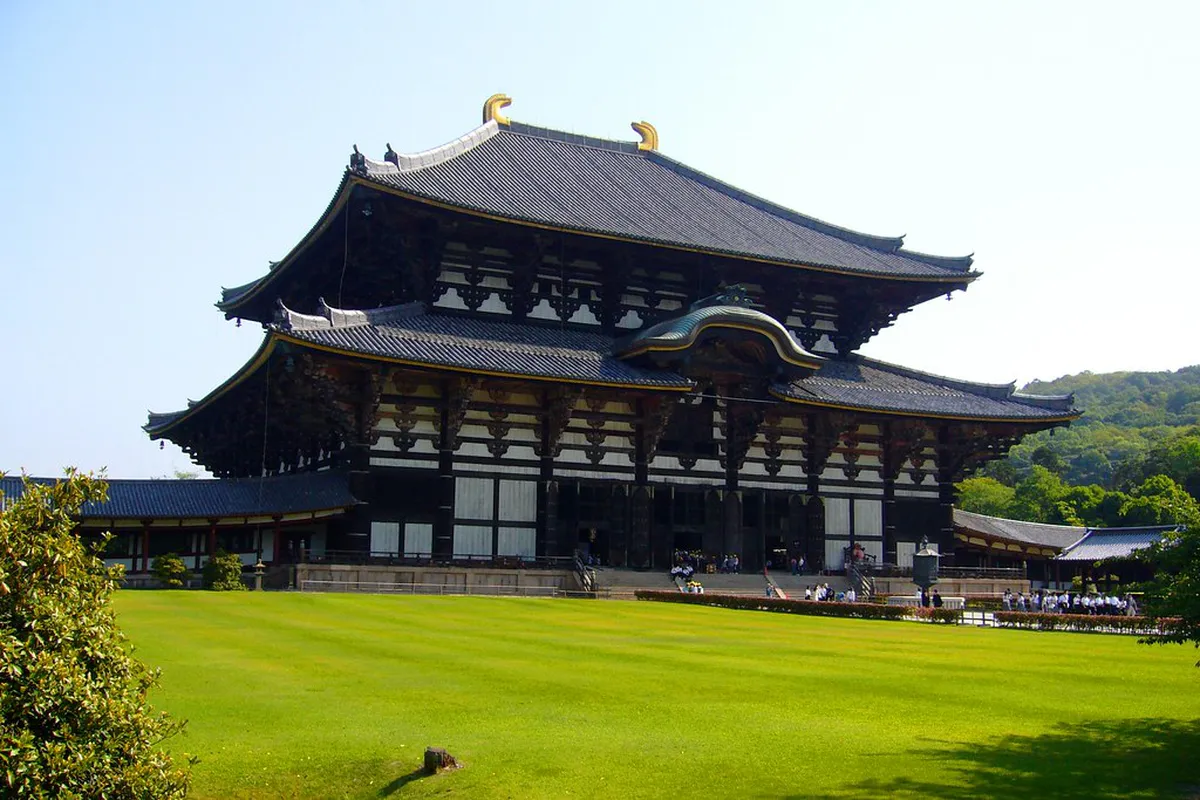
The first priority inside the Daibutsuden is the Great Buddha of Todai-ji, a seated bronze Vairocana Buddha about 15 meters tall. Do not stop at the front photo spot and leave. Walk around the statue slowly, because the lotus pedestal, halo, side figures, and dim scale of the hall are what make the visit feel different from a normal temple stop.
Near the rear of the hall, look for the famous pillar hole sometimes described as the same size as the Great Buddha's nostril. Children usually fit more easily than adults, and access can change with crowd control or site operations. Treat it as a bonus rather than the whole reason to enter.
The Octagonal Bronze Lantern outside the hall is easy to miss because most people are looking at the Daibutsuden facade. It dates from the temple's early history and has fine panels of celestial musicians and lions. Pause there before or after your ticketed visit, especially if you want one detail that shows Todai-ji is not only about scale.
Nandaimon Gate, Great Buddha Hall, and Main Highlights
Nandaimon Gate is not just an entrance. Its two Nio guardian statues are over eight meters tall and were made to confront visitors before they reached the sacred core of the temple. Stand to each side of the gate for a moment, because the figures are easier to appreciate from an angle than while moving with the crowd.
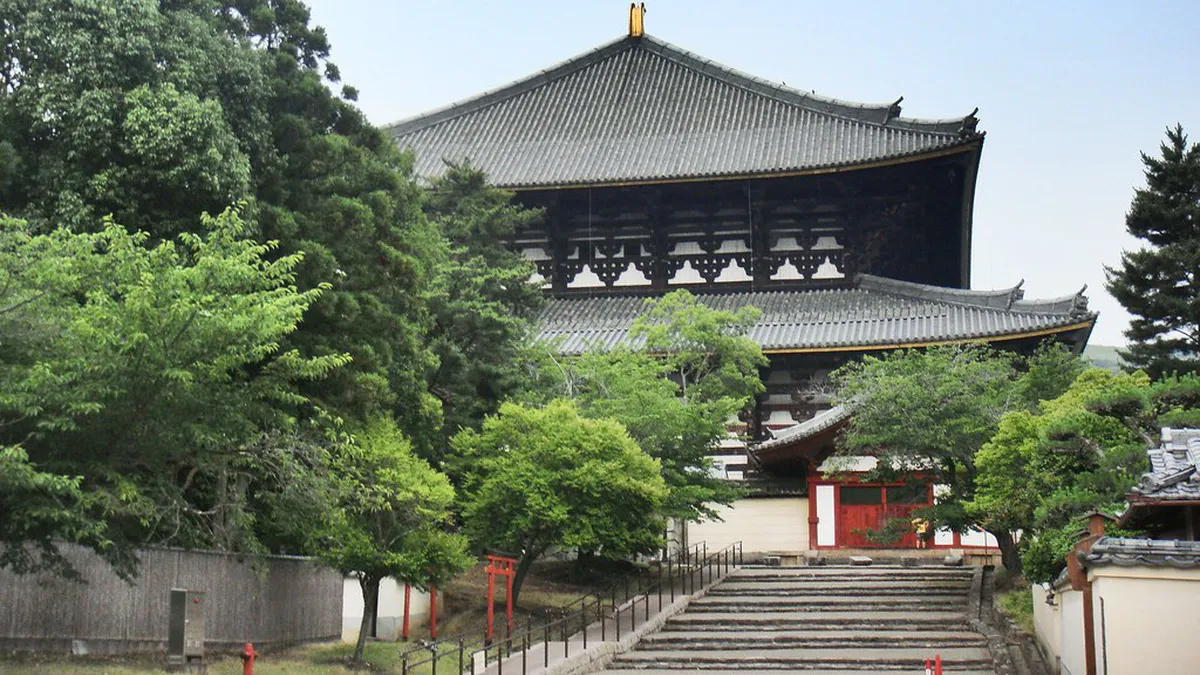
The Daibutsuden is often described as one of the largest wooden buildings in the world, though the exact ranking depends on how modern structures are counted. The more useful fact for visitors is that the present hall, rebuilt in 1709, is smaller than Todai-ji's original main hall. That makes the current building impressive and also helps you understand how ambitious the 8th-century complex once was.
After the hall, the best main-area photo is from Kagami-ike Pond, where the Daibutsuden can reflect in the water on calm days. Deer often gather between Nandaimon and the pond, so keep paper maps, rail passes, and snacks inside a zipped bag. A Nara Deer Park Guide is worth reading before you buy crackers, because the animals are memorable but not props.
Suggested Walking Route for a First Visit
The easiest first-visit route starts at Kintetsu Nara Station, follows the park toward Nandaimon Gate, enters the Daibutsuden, then loops east toward Sangatsu-do and Nigatsu-do before descending back through quieter lanes. This order works because it puts the biggest sight first and leaves the more flexible hillside area for later.
If you are short on time, stop after the Great Buddha Hall and pond. If you have another hour, continue to Nigatsu-do instead of adding another crowded central sight. The climb has stairs, but it gives you a better sense of Todai-ji as a large temple precinct rather than a single famous hall.
For a full day, combine this route with the Nara National Museum or Kasuga Taisha Shrine, then return through Nara Park. This pairs naturally with a broader Nara Itinerary for First-Timers, especially if you want the day to feel like a connected walk rather than separate attractions scattered across the map.
Todai-ji Temple Location and How to Get There
Todai-ji sits at 406-1 Zoshi-cho in the northern part of Nara Park, and the official JNTO listing confirms the same address and access notes. From Kintetsu Nara Station, the walk is usually about 20 minutes if you do not stop for deer or photos. From JR Nara Station, expect about 30 to 40 minutes on foot, or use a local bus if you want to save energy for the temple grounds.
Loop buses connect both main stations with stops near Nara Park and the Todai-ji approach. This is useful in summer heat, heavy rain, or when traveling with small children. A Nara Transportation Guide: 8 Essential Ways to Get Around can help you choose between the bus, taxi, and walk depending on which station you use.
From Kyoto, most visitors can make the trip as a day outing by rail, then walk or bus from Nara Station. If Todai-ji is your main target, start early and avoid saving it for late afternoon. A Nara Day Trip from Kyoto: The Ultimate 1-Day Itinerary gives enough time for Todai-ji, Nara Park, and one or two nearby heritage stops if you keep the route compact.
Todai-ji Entrance Fee & Opening Hours
For 2026 planning, the official Todai-ji admission page lists Daibutsuden entry at 800 yen for adults and 400 yen for children aged 6 to 12. The Daibutsuden and Todai-ji Museum shared pass is listed at 1,200 yen for adults and 600 yen for children. Fees for Hokke-do, Kaidan-do, and the museum are charged separately unless you use the relevant combined ticket.
The Daibutsuden is open 7:30 to 17:30 from April through October, and 8:00 to 17:00 from November through March. Hokke-do and Senju-do are listed as 8:30 to 16:00, while the museum usually opens at 9:30 and closes earlier in winter. Last entry for the museum is 30 minutes before closing.
Bring cash and do not rely on buying tickets in advance. The official Todai-ji English site should still be checked before you go, because religious events, repairs, or emergency closures can affect access. This matters most around Omizutori in March, when the Nigatsu-do area can have special crowd rules.
Best Time to Visit Todai-ji for Fewer Crowds
Avoid arriving between 11:00 AM and 2:00 PM when tour bus groups are at peak volume inside the Daibutsuden. The Great Buddha Hall is large, but the main aisle becomes congested during this window, making a contemplative visit difficult.
The calmest standard plan is to arrive near opening time and walk straight to Todai-ji before spending long with the deer. Tour groups and day trippers tend to build from mid-morning, and the Daibutsuden feels less contemplative when the main aisle is packed.
Late afternoon can also work, especially outside winter, but it carries more risk. You may get warmer light on the hall and pond, yet you have less buffer if trains are delayed or if you underestimate the walk from the station. If your priority is the interior, morning is safer; if your priority is atmosphere and photos, late afternoon can be more rewarding.
Weekdays outside cherry blossom season, Golden Week, autumn foliage peaks, and major school holidays are easiest. Winter has shorter hours but often a quieter mood, which suits travelers who want the Great Buddha Hall without constant tour movement. In summer, the early start is also about heat, not only crowds.
Nigatsu-do Hall and the Quieter Upper Grounds
Nigatsu-do is the best add-on after the Great Buddha Hall because it changes the pace of the visit. The wooden balcony looks back over Nara, the Daibutsuden roofline, and the park, and the area usually feels calmer than the main approach. It is especially strong near sunset if your schedule and the season allow it.
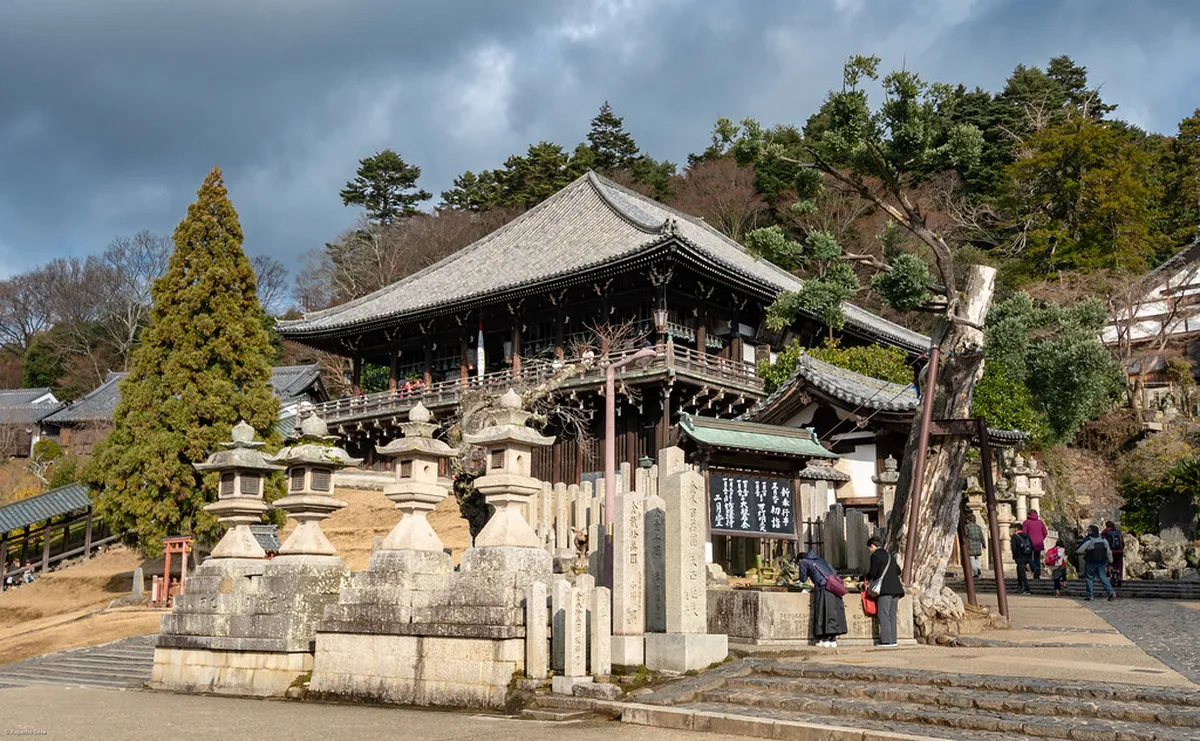
The hall is famous for Omizutori, the long-running March ritual associated with large torches and water-drawing ceremonies. If that event is your reason for visiting, use an Omizutori Festival Todai-ji Guide: Dates, Rituals, and Tips before you plan exact timing, because ordinary sightseeing advice does not apply on the busiest ritual dates.
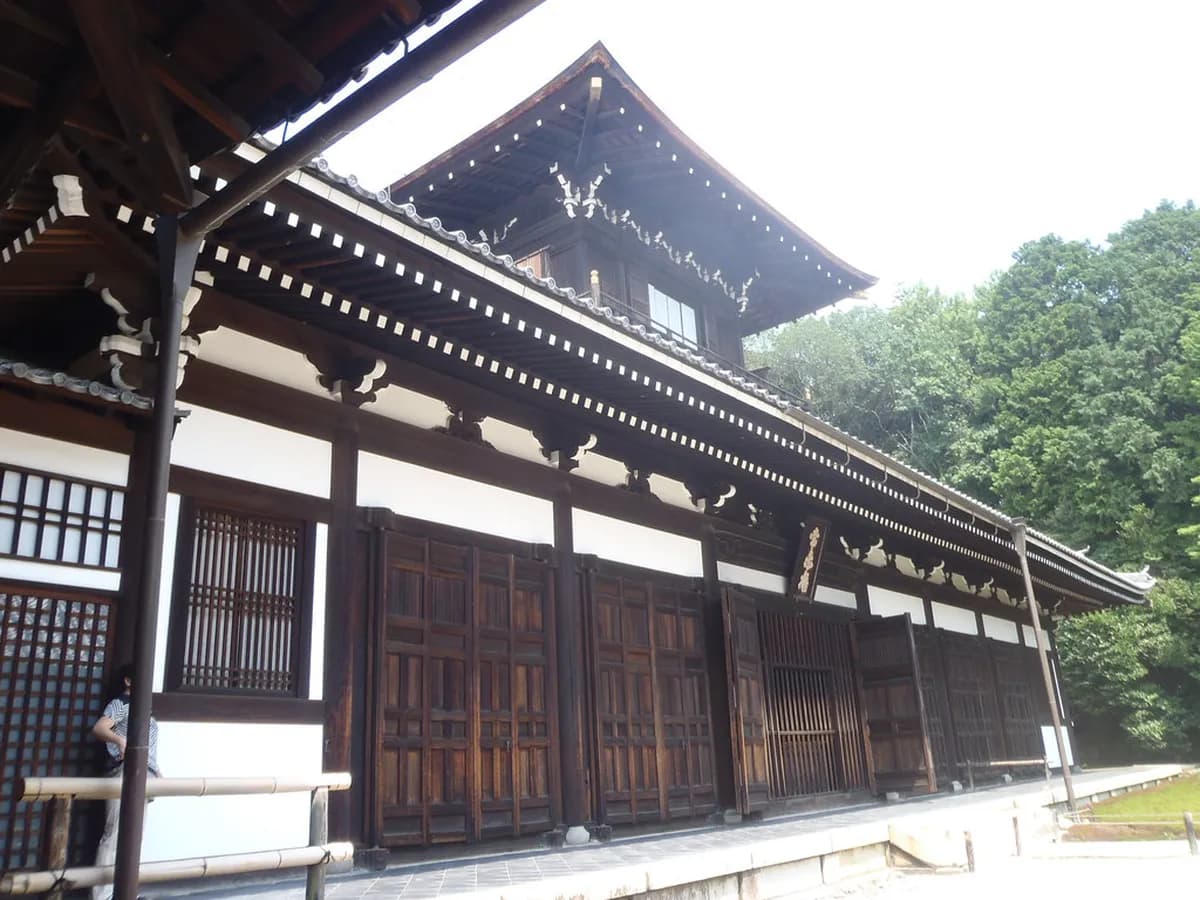
The route up passes Sangatsu-do, also called Hokke-do, one of the oldest structures in the Todai-ji complex. It has separate admission and is better for visitors who care about Buddhist sculpture than for travelers trying to rush a checklist. Even if you skip the paid hall, the walk itself is one of the best ways to escape the densest crowds.
Todai-ji Museum, Sangatsu-do, and Extra Stops
The Todai-ji Museum near the main approach is the most efficient extra stop if you want context before or after the Daibutsuden. It displays Buddhist sculpture, ritual objects, and temple treasures in a controlled indoor setting. It also helps explain why Todai-ji mattered as a religious and political institution, not only as a photogenic landmark.
Sangatsu-do is a better choice for visitors who prefer old halls and sculpture over museum cases. It takes more effort because it sits uphill from the main hall, but that effort filters out many casual visitors. The trade-off is simple: choose the museum for convenience and weather protection, or choose Sangatsu-do for atmosphere and a quieter historic setting.
If you plan to pair Todai-ji with Kasuga Taisha, keep the extra stops disciplined. The route can become slow once deer, photos, snacks, and temple detours are added. Combining Todai-ji with a Kasuga Taisha Shrine Guide: Lanterns, Deer, and History works best when you enter Todai-ji early, then use the forested paths toward Kasuga Taisha after lunch or in the early afternoon.
Things to Know Before Visiting Todai-ji
The most common first-timer mistake is letting the deer consume the first hour of the day. They are part of the Nara experience, but Todai-ji is better before the main hall fills. See the Great Buddha first, then enjoy deer crackers later when you are no longer racing the tour-bus wave.
Accessibility is also worth planning more carefully than many guides mention. The approach from Kintetsu Nara is mostly manageable, but the full Todai-ji experience includes gravel, stone paving, thresholds, slopes, and stairs toward the upper halls. Travelers using strollers, canes, or wheelchairs should prioritize Nandaimon, the Daibutsuden, and the pond, then decide on Nigatsu-do only if the route feels comfortable that day.
Carry a small coin purse, water in warm months, and a zipped bag for loose paper. Avoid eating while walking through deer-heavy areas, and do not tease deer with crackers for photos. Todai-ji is a working Buddhist temple as well as a sightseeing landmark, so speak softly inside halls, step aside before taking pictures, and follow posted photography rules where they appear.
Why Todai-ji Is Worth Adding to Your Japan Itinerary
Todai-ji gives Nara a different weight from Kyoto. Kyoto often shows refinement, gardens, and layered urban history; Todai-ji shows the scale of early state Buddhism and the ambition of Japan's 8th-century capital. That makes it especially valuable for travelers who want their Kansai trip to feel historically complete.
The temple is worth the admission fee if you take time with the hall instead of treating it as a single photo stop. The Great Buddha's scale, the heavy timber frame, the guardian statues, and the quieter hillside halls work together. Seeing only the front of the Daibutsuden misses much of what makes the site memorable.
If you have only one day in Nara, Todai-ji should usually be the anchor. Build the rest of the day around it rather than squeezing it between too many secondary stops. That approach leaves enough space for Nara Park, a museum or shrine, and the slow walking pace that makes the city rewarding.
Frequently Asked Questions
How much time should you plan for todai-ji temple visiting guide?
You should plan for at least 2 to 3 hours to explore the main hall and hillside sections. This allows time to see the Great Buddha, visit the museum, and walk up to Nigatsu-do. If you enjoy photography or feeding the deer, consider adding another hour to your Nara Itinerary for First-Timers.
Which Must-See Todai-Ji Attractions options fit first-time visitors?
First-time visitors must prioritize the Daibutsuden (Great Buddha Hall) and the Nandaimon Gate. These two structures represent the most iconic and historically significant parts of the complex. The hillside Nigatsu-do Hall is also a top pick for its incredible views over the city of Nara.
What should travelers avoid when planning todai-ji temple visiting guide?
Avoid arriving between 11:00 AM and 2:00 PM when tour bus crowds are at their peak. You should also avoid carrying open food near the deer, as they can become aggressive in their search for treats. Skipping the hillside halls is a common mistake that leads to missing the best views in the park.
Is todai-ji temple visiting guide worth including on a short itinerary?
Yes, Todai-ji is the single most important landmark in Nara and is worth seeing even on a half-day trip. Its proximity to the train station makes it easy to visit quickly if you are on a tight schedule. The scale of the Great Buddha makes it a high-impact cultural experience for any traveler.
| Area / Ticket | Adult Fee | Child Fee (6–12) | Opening Hours |
|---|---|---|---|
| Daibutsuden (Great Buddha Hall) | ¥800 | ¥400 | 7:30–17:30 (Apr–Oct); 8:00–17:00 (Nov–Mar) |
| Daibutsuden + Museum combined | ¥1,200 | ¥600 | – |
| Hokke-do (Sangatsu-do) | Separate fee | – | 8:30–16:00 |
| Todai-ji Museum | Included in combined | – | 9:30–17:00 (shorter in winter) |
| Nandaimon Gate | Free | Free | Always open |
| Nigatsu-do Hall | Free | Free | Always open |
Todai-ji Temple remains a powerful testament to Japan's rich spiritual history and architectural ingenuity. From the massive bronze Buddha to the serene hillside views, it offers something for every type of traveler.
Using this todai-ji temple visiting guide ensures that you make the most of your time in this ancient capital. You will leave with a deeper appreciation for the craftsmanship and devotion that built this UNESCO World Heritage site.
Whether you are squeezing through the sacred pillar or simply enjoying the sunset from Nigatsu-do, the experience is unforgettable. Nara's most famous temple continues to inspire and awe those who walk through its historic gates.
Prepare for your journey by checking the latest hours and seasonal events to ensure a seamless visit. Your trip to Nara will undoubtedly be centered around the magnificent presence of the Great Buddha and his wooden home.
Free: The Nara Essentials guide
Top things to do, where to stay, a perfect day plan, getting around, and the best time to go — a Nara mini-guide you can take offline.
You might also like


Continue reading
More guides you'll find useful