Yoshikien Garden Free Entry Guide
Plan yoshikien garden free entry guide with top picks, neighborhood context, timing tips, and practical booking advice for a smoother trip.
On this page
Yoshikien Garden is one of the easiest wins in central Nara: a quiet traditional garden beside Isuien Garden, a short walk from Nara Park, and free for foreign visitors who show a passport. It is small enough for a first-time Nara day trip but layered enough to reward a slow visit. This yoshikien garden free entry guide focuses on the details that matter in 2026: entry rules, opening hours, garden highlights, seasons, access, and how to fit the stop around Todai-ji and Nara Park.
The appeal is the variety. Inside one compact site you see a pond garden, a moss garden, and a tea ceremony garden, each with a different mood and walking rhythm. Check the Nara weather and best time to visit before you go, because rain, summer heat, and autumn color all change how the moss and maples look in photos.
Must-See Yoshikien Attractions
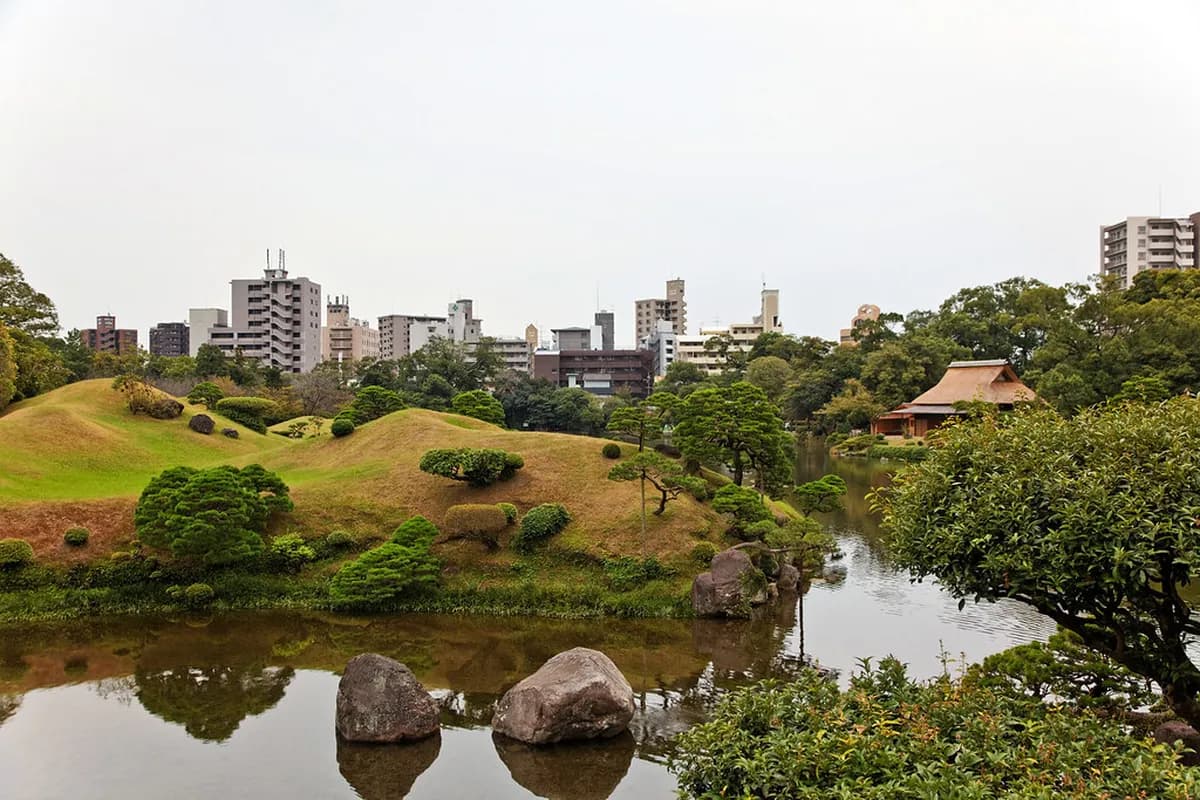
The first reason to visit Yoshikien is the pond garden near the entrance. Stone lanterns, curved paths, and still water create the most classic view in the garden, especially when maple leaves reflect on the surface. This is the best area for wide photos and for understanding why the site feels larger than it is.
The second highlight is the moss garden, where the ground becomes a soft green carpet beneath tall trees. It is quieter and more shaded than the pond area, so it works well during warm or bright afternoons. After rain, the moss looks deeper in color and the whole section feels more secluded from the city.
The third highlight is the tea ceremony garden and thatched tea house. You cannot treat it like a cafe stop, but the building and seasonal plantings show how the garden connects landscape design with formal tea culture. Move slowly here; the view is built around small details rather than one big landmark.
- Start with the pond garden if you want the strongest first impression and reflection photos.
- Save a few unhurried minutes for the moss garden, especially after light rain or in summer shade.
- Look back toward the tea house from different path angles rather than only photographing it from the front.
Foreign visitors can enter Yoshikien free by showing a passport at the gate. Keep your passport with you — leaving it at your hotel means paying the regular admission fee.
Museums, Art, and Culture in Yoshikien
Yoshikien is not a museum in the usual sense, but it works like an outdoor lesson in Nara's religious and residential history. The garden was built on land connected with former priest residences of Kofuku-ji Temple, and its name comes from the nearby Yoshikigawa River. That background explains why the site feels domestic and intimate rather than monumental.
The cultural value is in the way buildings, paths, stones, water, and planting are arranged. Instead of rushing from object to object, notice how a path turns before revealing a pond view, or how a lantern sits partly hidden by greenery. These choices are the "art" of Yoshikien, and they are easier to read here than in larger, busier gardens.
If you want a more formal museum pairing, combine Yoshikien with Isuien Garden and Neiraku Museum next door. Isuien has a paid garden-and-museum experience, while Yoshikien gives you a free, compact introduction to garden design. Together they make one of the best culture-focused detours near Nara Park.
Parks, Gardens, and Outdoor Spots in Yoshikien
Yoshikien sits in the garden cluster on the western edge of Nara Park, beside Isuien Garden and close to the Nara National Museum. That location makes it an easy outdoor stop between temple visits. You can step away from deer crowds and tour buses without leaving the main sightseeing zone.
The paths are compact but varied. Some sections are flat and open near the pond, while others use gravel, stepping stones, and gentle slopes through shade. Comfortable shoes matter more than distance, because you will be watching your footing and pausing often for views.
For travelers who prefer low-pressure outdoor sights, Yoshikien is a better pause than trying to add another large temple late in the day. You can see the full garden in 45 to 60 minutes, then decide whether to continue into Isuien, return to Nara Park, or walk toward the shopping streets near Kintetsu Nara Station.
Family-Friendly and Budget-Friendly Options in Yoshikien
The free-entry policy is the main budget advantage. Foreign visitors can enter free by showing a passport, while Japanese visitors pay a small admission fee. For a family, couple, or solo traveler trying to control costs in 2026, that makes Yoshikien one of the strongest value stops in central Nara.
Families should treat the garden as a quiet reset rather than a place for active play. The paths are calm and easy to supervise, but moss, stones, and tea garden features are not meant for climbing or running. Children who need a break from the deer area often do well here because the visit is short and visually varied.
Budget travelers can pair Yoshikien with free walking time in Nara Park and paid entry at only one major attraction. A simple plan is Todai-ji, Yoshikien, and the park paths, then food and shops closer to the station. That keeps the day rich without turning every hour into another ticket purchase on your Nara Itinerary for First-Timers.
The three unique gardens within Yoshikien
The pond garden is the easiest section to understand at a glance. It uses water, stones, lanterns, and planted banks to create a composed scene that changes as you walk. Spend time at the edges rather than only the main viewpoint, because the reflections and framing shift from one corner to the next.
The moss garden is the best reason not to rush. It is less dramatic in bright midday sun, but it becomes beautiful in soft light, cloudy weather, and after rain. This section is also where you feel the strongest contrast with Nara Park outside the walls: fewer people, less noise, and a cooler forest mood.
The tea ceremony garden is the most cultural of the three. The thatched-roof tea house and surrounding plants are designed for quiet preparation and seasonal awareness. Even if no tea event is happening, the space helps explain why Yoshikien is more than a free shortcut between famous attractions.
Seasonal beauty and best times to visit
Spring brings fresh green growth, flowering plants, and a soft atmosphere around the tea garden. If your Nara dates overlap with cherry blossom season, Yoshikien can be a calmer alternative to the busiest park paths. Early morning or late afternoon light is usually better than harsh midday sun.
Summer is best for the moss garden, especially after rain. The shade makes the visit more comfortable than exposed temple approaches, although humidity can still be high. Bring water, keep the visit slow, and use the garden as a cooling break rather than a long outdoor hike.
Autumn is the most photogenic season because maples add red and orange around the pond and tea garden. It is also when more visitors deliberately seek out garden stops, so weekdays are useful if your schedule allows. Winter is quieter and more architectural, with stones, lanterns, roofs, and bare branches standing out more clearly.
| Season | Highlight | Best area | Tips |
|---|---|---|---|
| Spring | Fresh green growth, flowering plants | Tea ceremony garden | Early morning or late afternoon for soft light |
| Summer | Moss garden after rain | Moss garden | Shaded; bring water and keep pace slow |
| Autumn | Red and orange maples | Pond and tea gardens | Weekdays recommended; extra time for maples |
| Winter | Bare branches, lanterns, rooflines | Pond garden | Quieter crowds; more architectural views |
Yoshikien normally closes for part of the New Year period and for maintenance in the second half of February. Confirm current notices before planning a tight itinerary around the garden.
Comparing Yoshikien with neighboring Isuien Garden
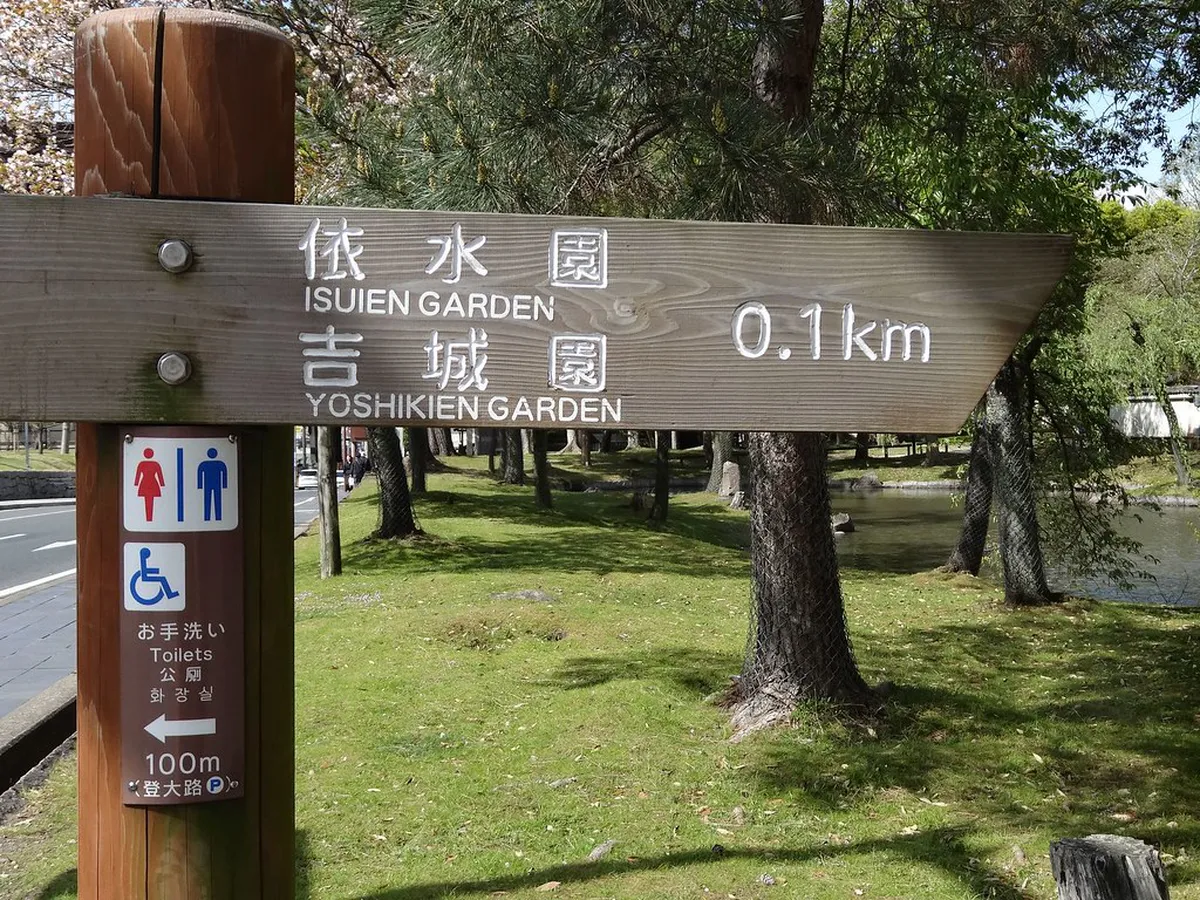
Yoshikien and Isuien sit beside each other, but they do different jobs for a traveler. Yoshikien is compact, free for foreign passport holders, and built around three clearly different garden styles. It is the better choice if you have limited time, a strict budget, or only casual interest in Japanese gardens.
Isuien is larger, paid, and known for borrowed scenery that incorporates distant features such as Mount Wakakusa and temple architecture into the view. It also pairs with the Neiraku Museum, so it suits visitors who want a deeper garden-and-art experience. If you love landscape design, visiting both is worthwhile because the contrast is easy to understand on the same walk.
If you must choose one, let time and attention decide. Choose Yoshikien for a 45-minute quiet break and free entry. Choose Isuien if you can spend more, slow down for the museum, and pay for a fuller garden visit.
How to get to Yoshikien Garden
From Kintetsu Nara Station, Yoshikien is about a 15-minute walk toward the Nara Park and Todai-ji area. This is the simplest route for many day-trippers because Kintetsu Nara is closer to the main sightseeing zone than JR Nara. Use a Nara Transportation Guide: 8 Essential Ways to Get Around if you are deciding between Kintetsu and JR routes from Kyoto or Osaka.
From JR Nara Station, allow about 25 to 30 minutes on foot, or take a local bus toward the park area and get off near Kencho-higashi or the museum-side stops. Once you are near Nara National Museum, Yoshikien is only a short walk away on the quieter side street near Isuien. The entrance is easy to miss if you are focused on the main temple flow, so check your map before passing the garden cluster.
If you are already at Todai-ji Temple, Yoshikien is a practical next stop rather than a separate journey. Walk back toward the museum and Isuien area, then use the garden as a calm transition before lunch or another shrine visit. This avoids backtracking and keeps your Nara day compact.
Practical information: Hours, admission fees, and facilities
Yoshikien Garden is generally open from 9:00 to 17:00, with last admission at 16:30. It normally closes for part of the New Year period and for maintenance in the second half of February, so check current notices before building a tight itinerary. Arriving by 16:00 is sensible if you want more than a quick loop.
Foreign visitors can enter free with a passport. Do not leave your passport at the hotel if Yoshikien is one of the reasons you are visiting the area, because the free-entry rule depends on showing proof at the gate. Japanese visitors pay a small fee, commonly listed around a few hundred yen.
Facilities are simple. Expect restrooms and places to pause, but not a full cafe or a long indoor attraction. For a nearby stay, Shisui, a Luxury Collection Hotel, Nara 62 Noborioji-cho Nara puts you close to the garden, museum, and Nara Park sights, which is useful if you want an early or late garden visit.
Incorporating Yoshikien into your Nara itinerary
The cleanest half-day route starts at Todai-ji before the heaviest crowds, then moves to Yoshikien for a quiet reset. After the garden, add Isuien if you want more garden time, or return toward Nara Park if temples and deer are your priority. This order works because it keeps the walking route tight instead of bouncing between the station and park.
For a slower full day, visit Kofuku-ji, the Nara National Museum area, Yoshikien, Isuien, Todai-ji, and Kasuga Taisha in a loose loop. You do not need to force every stop into the plan. Yoshikien is most valuable when it gives the day breathing room, not when it becomes another rushed checkbox.
Photography-focused visitors should consider timing the garden around light rather than convenience alone. Morning can be calm, midday can be harsh around the pond, and late afternoon often softens the tea garden views. In autumn, build in extra time because the maples may slow you down more than expected.
Small access and etiquette details that improve the visit
The most common first-timer mistake is treating Yoshikien like a through-route to somewhere else. The garden is free for many visitors, but it is still a maintained cultural property with delicate moss, stones, and tea garden features. Stay on marked paths, keep tripods and group photos considerate, and avoid stepping into mossy areas for a better angle.
Accessibility is easier than a mountain trail but not the same as a flat city park. Gravel, stone steps, narrow paths, and damp surfaces can be awkward for high heels, strollers, or anyone with limited mobility. If your group includes a wheelchair user or a traveler who needs firm flat ground, plan for a partial visit and confirm current access conditions before relying on the full loop.
Rain is not automatically a reason to skip Yoshikien. Light rain deepens the moss color and reduces crowds, but it also makes stones slick and umbrellas harder to manage on narrow paths. A compact rain jacket and shoes with grip are more useful than trying to photograph everything while holding a large umbrella.
Frequently Asked Questions
Which yoshikien garden free entry guide options fit first-time visitors?
First-time visitors should focus on the Pond Garden and Moss Garden sections for the most iconic views. These areas provide a classic introduction to Japanese landscaping without requiring a long time to explore. You can easily pair this visit with a trip to the nearby Nara deer park for a full morning of activities.
How much time should you plan for yoshikien garden free entry guide?
Most travelers find that forty-five to sixty minutes is enough time to see all three garden styles at a relaxed pace. This allows for plenty of photography and a short rest in the Tea Ceremony Garden. The compact size of the grounds makes it very easy to fit into a busy sightseeing schedule.
What should travelers avoid when planning yoshikien garden free entry guide?
Avoid visiting without your passport if you want to take advantage of the free entry offer for international tourists. You should also avoid wearing high heels as the stone and gravel paths can be difficult to navigate safely. Try not to rush through the Moss Garden, as its beauty is best appreciated with a slow and careful walk.
Yoshikien Garden is worth adding to a Nara day because it gives you three garden styles, real cultural context, and a calm break near the city's busiest attractions. The free passport entry makes it especially useful for travelers balancing paid temples, museums, meals, and transport. Bring your passport, allow 45 to 60 minutes, and do not treat the visit as only a shortcut between larger sights.
The garden works best when paired with Todai-ji, Isuien, Nara National Museum, or a broader Nara Park walk. In spring and autumn, it can become one of the most memorable visual stops of the day. In summer or light rain, the moss garden may be the part you remember most.
For 2026 planning, the main checks are simple: confirm current opening notices, arrive before last admission, wear shoes that handle gravel and damp stone, and keep the pace slow. Yoshikien is not large, but its value comes from noticing the details.
Free: The Nara Essentials guide
Top things to do, where to stay, a perfect day plan, getting around, and the best time to go — a Nara mini-guide you can take offline.
You might also like


Continue reading
More guides you'll find useful