Isuien Garden Visiting Guide
Plan isuien garden visiting guide with top picks, neighborhood context, timing tips, and practical booking advice for a smoother trip.
On this page
Isuien Garden is the quiet Nara Park stop that rewards travelers who slow down. It sits at 74 Suimoncho, between Todai-ji, Yoshikien Garden, and the Nara National Museum area, but it feels removed from the deer crowds after you pass through the entrance. This isuien garden visiting guide focuses on the details that matter on the ground: tickets, access, timing, tea houses, museum time, and what to pair with the garden in 2026.
The garden is split into two connected landscapes. The Front Garden grew from an Edo-period merchant retreat in the 17th century, while the larger Back Garden was completed in the Meiji period and later joined with the front grounds. Both use water, stone paths, tea houses, and borrowed scenery to make a compact site feel layered. The best visit is unhurried, with time to sit, look back across the ponds, and notice how Todai-ji's Nandaimon Gate and Mount Wakakusa become part of the composition.
Must-See Isuien Attractions
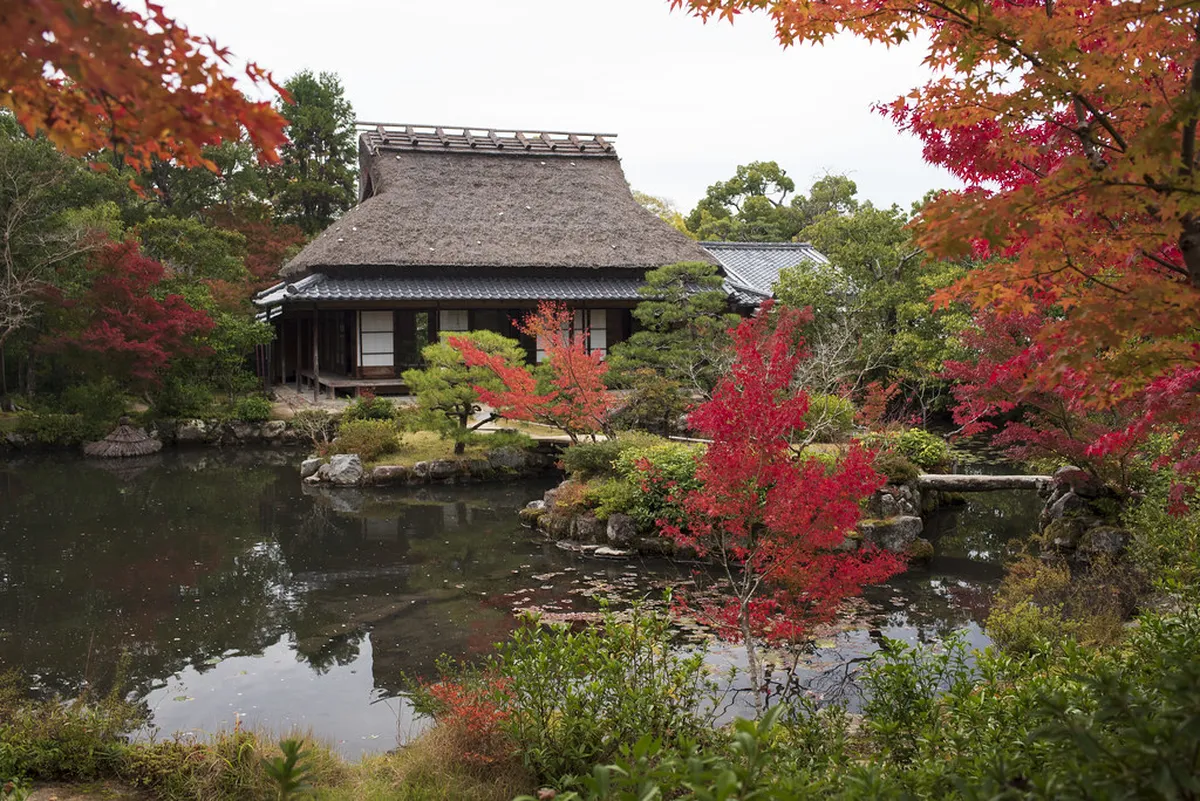
Start with the Front Garden, because it sets the scale of Isuien before the wider views open up. This section centers on the Sanshu-tei tea house and a pond fed by the Yoshikigawa River. The mood is enclosed and domestic, with stone lanterns, clipped plantings, and water reflections that feel closer to a private residence than a public park.
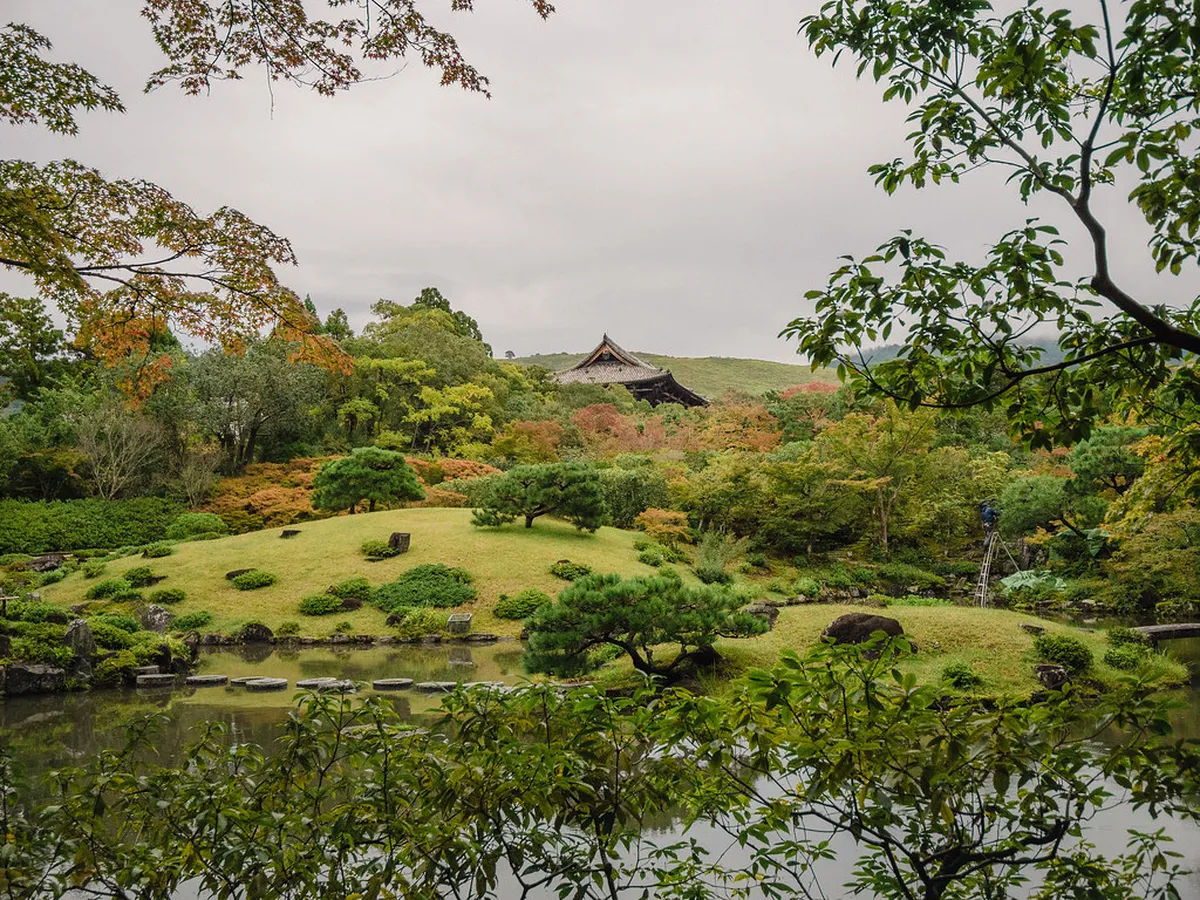
The Back Garden is the main reason photographers and garden fans pay the admission fee. Its paths lead toward open views that borrow Todai-ji's Great South Gate, Mount Wakakusa, Mount Kasuga, and the surrounding hills. This borrowed scenery technique, known as shakkei, makes the garden feel larger than its 13,481 square meters. Pause near the pond edges and look across the water before moving on, because the alignment changes as you walk.
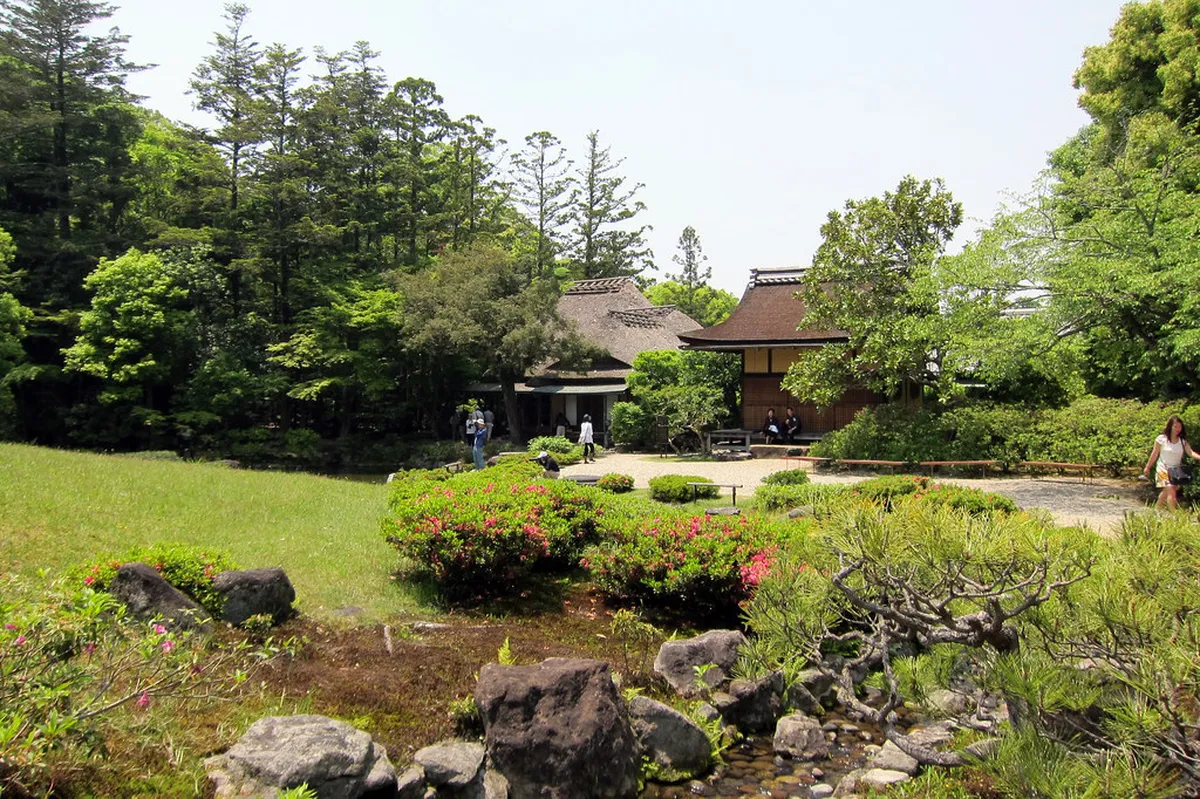
Do not rush the smaller structures. Sanshu-tei, Hyoshin-tei, Teishuken, Seishuan, and Yagyudo each add a different historic layer to the grounds. Some are best appreciated from outside rather than entered, but they explain why Isuien is more than a pretty stroll. It is a preserved cultural landscape where architecture, tea practice, and controlled views work together.
- Walk the Front Garden first if you want a calm introduction before the broader Back Garden views.
- Save your widest photos for the Back Garden, where Mount Wakakusa and Todai-ji create the strongest borrowed-scenery frames.
- Look for the water mill, mossy banks, stone bridges, and small Inari shrine details between the larger pond views.
Museums, Art, and Culture in Isuien
The Neiraku Museum is included with the garden experience and should not be treated as an afterthought. It displays East Asian art collected by Nakamura Junsaku, including Chinese bronzes, Korean ceramics, seals, mirrors, and related works. The museum is small enough to fit into a garden visit, but the collection gives useful context to Nara's long cultural connections with the Asian mainland.
You can find the combined garden and museum at 74 Suimoncho, Nara, 630-8208, Japan. Exhibits may rotate, so the museum portion works best as a quiet cultural add-on rather than a single-object checklist. If you are already planning a deeper art day, pair Isuien with the Nara National Museum Guide and keep your pace realistic.
Allow 20 to 30 minutes for the museum if you only want an overview, or 45 minutes if you read labels closely. Photography rules can vary inside galleries, so check posted signs before taking pictures. The garden itself gives you the visual atmosphere, while the museum adds the collector's story behind why the site survived as a cultural property rather than just a landscaped plot.
Parks, Gardens, and Outdoor Spots in Isuien
Isuien is often compared with neighboring Yoshikien Garden, which sits just across the small river. Yoshikien is usually the easier budget choice, especially when admission is waived for foreign visitors, while Isuien feels more curated and historically dense. The best comparison is not "which one is better," but whether you want a free, quick garden break or a paid site with stronger tea-house architecture, museum access, and borrowed scenery.
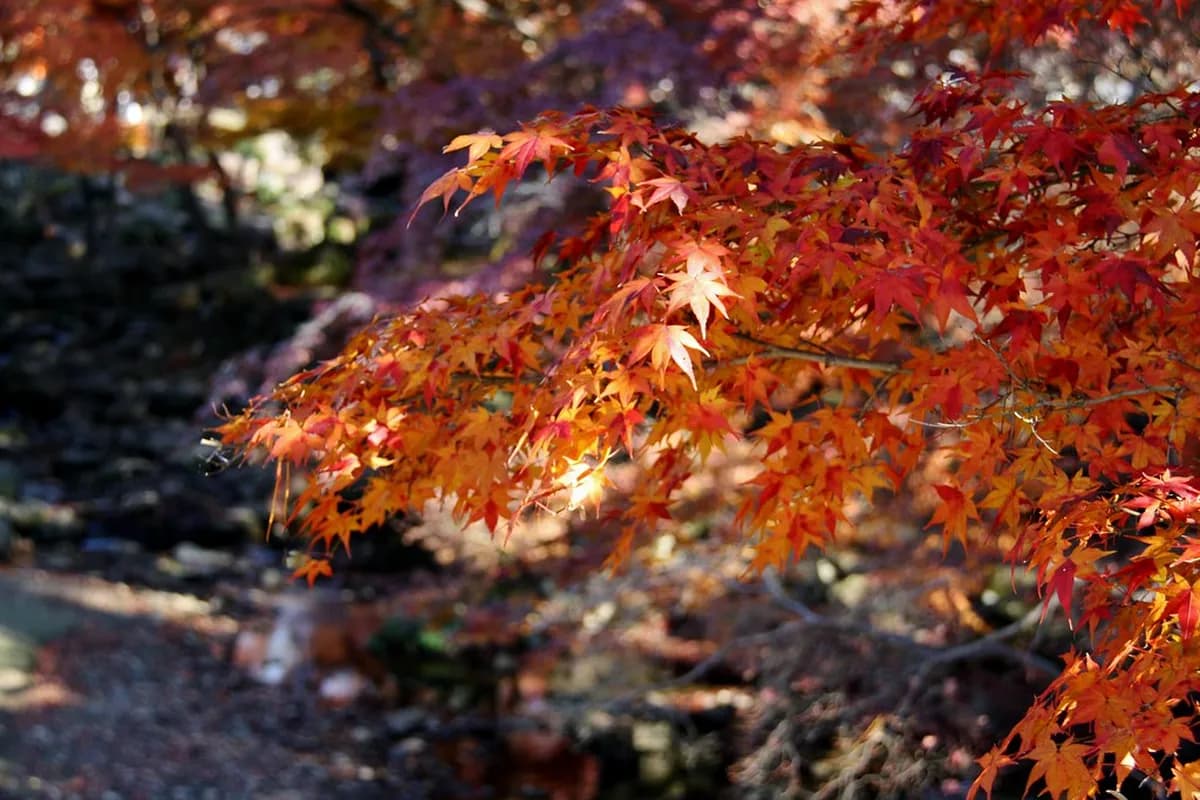
Spring brings soft blossoms and new green around the ponds, but it can overlap with peak Nara Park crowds. Summer is humid, yet the shade and water make Isuien more comfortable than exposed temple plazas. Autumn is the most photogenic season, when maples add red and gold to the pond edges. Winter strips the garden back to rocks, pines, roofs, and water lines, which suits travelers interested in design more than color.
The paths inside Isuien Garden include stone steps, uneven surfaces, and narrow transitions that can be slippery after rain. Wheelchair users should contact the garden before visiting as historic layout limits full access. Use a baby carrier rather than a stroller with infants, and keep children close near the water edges.
The paths are mostly manageable, but they are not a smooth modern promenade. Expect stone steps, uneven surfaces, narrow transitions, and damp areas after rain. Wear shoes with grip, keep children close near the water, and use a baby carrier instead of a stroller if you are visiting with an infant. Wheelchair users should contact the garden before visiting, because the historic layout can limit full access even when staff are helpful.
Family-Friendly and Budget-Friendly Options in Isuien
Isuien works well for families who need a calm pause between bigger Nara sights. Children can enjoy the ponds, bridges, fish, and stepping-stone views, but the atmosphere is quieter than the deer-feeding areas nearby. Set expectations before entering: this is a looking-and-walking garden, not a running space. That small conversation prevents stress once you are inside.
| Ticket / Access | Cost | Includes | Notes |
|---|---|---|---|
| Adult admission | ~¥1,200 | Garden + Neiraku Museum | Confirm current price at gate |
| Student pricing | ~¥500 | Garden + Museum | Valid student ID required |
| Opening hours (standard) | 9:30–16:30 | — | Extended to 17:00 in Apr–May |
| Closed | Tuesdays | — | Also Obon & New Year periods |
The combined admission (garden + Neiraku Museum) gives strong value: the museum displays East Asian bronzes and ceramics collected by Nakamura Junsaku and adds 20–45 minutes of cultural context to your visit. Allow 60–90 minutes total for both the Front and Back Gardens plus the museum.
Adult admission is commonly listed around 1,200 yen, with lower student pricing, and the ticket usually includes the Neiraku Museum. That makes it more expensive than a free park stop, but the value is stronger if you actually use the museum and spend 60 to 90 minutes inside. Budget travelers can keep the day balanced by pairing Isuien with free or low-cost nearby walks rather than stacking several paid attractions.
The easiest family route is Isuien, Yoshikien, a short snack break, then either Todai-ji Temple or the Nara Park deer areas. Pack water before entering, because vending machines are easier to find outside the gate than within the garden path. Restrooms are usually available near the entrance area, so use them before committing to the full loop.
How to Plan a Smooth Isuien Attractions Day
The best time to arrive is close to opening, especially in spring and autumn. Morning light is softer on the ponds, and the surrounding Nara Park area is easier to navigate before school groups and day trippers spread out. If you arrive after lunch, visit Isuien after the busier temple stops so it becomes the quiet part of the day rather than another item squeezed into a packed route.
From Kintetsu Nara Station, expect a walk of about 15 minutes toward Nara Park and Suimoncho. From JR Nara Station, use a city bus toward the park area if you want to save walking time, then continue on foot from the nearest stop. A digital map helps because the entrance sits on a smaller street and is easy to overshoot when you are focused on the main Todai-ji flow.
A practical first-time route is Kintetsu Nara Station, Kofuku-ji, Isuien, Yoshikien, Todai-ji, then the Nara Deer Park edges or Kasuga Taisha if you still have energy. A slower Nara Itinerary for First-Timers should place Isuien before the most crowded midday temple window. That timing gives you a quiet cultural stop without forcing you to backtrack across the park.
Opening Hours, Tickets, and Access
Competitor listings commonly show Isuien opening from 9:30 to 16:30, with closing extended to 17:00 in April and May. Tuesday closures, Obon periods, and New Year holidays are often noted, but you should confirm 2026 dates on the official site before making the garden your anchor stop. Use the official access page for current notices, because small garden and museum schedules can change around maintenance or seasonal exhibits.
The standard adult ticket is usually around 1,200 yen, with student pricing often listed around 500 yen. Carry some cash even if you normally rely on cards in Japan, because smaller cultural sites can be less predictable than train stations and department stores. If the museum is open, factor it into the ticket value rather than judging Isuien against free outdoor areas alone.
The closest landmark cluster is Todai-ji, Yoshikien Garden, and the Nara National Museum side of Nara Park. That makes Isuien easy to add to a one-day route, but it also means the surrounding streets can feel busy during peak temple hours. If you are navigating with children, older travelers, or limited mobility, approach from Kintetsu Nara and avoid carrying heavy luggage through the park paths.
Tea Houses and Sightseeing Spots of Isuien Garden
The strongest sightseeing spots inside Isuien are not only the ponds. Sanshu-tei anchors the Front Garden and is tied to the early merchant history of the site. Teishuken is known for its circular window, while Hyoshin-tei looks across the Back Garden and helps frame the wider landscape. These buildings give the garden its rhythm, because each one changes how you see the water and hills.
Seishuan is connected to tea culture and is modeled with reference to Urasenke traditions. Yagyudo was relocated from Hotoku-ji, adding another layer of reused historic architecture to the grounds. The result is a garden that feels assembled from several periods rather than built all at once. That matters because many quick listings mention "tea houses" without explaining why they shape the visit.
Move slowly between these points and look back after each turn. Isuien is designed for changing views, not a single postcard angle. The first-timer mistake is to walk the loop as if it were a shortcut between temples. A better pace is one full loop for orientation, then a second shorter pass through the Back Garden to catch the borrowed scenery after your eyes know what to look for.
Nara Park Events and Weather Timing
Isuien itself is a garden visit, but nearby Nara Park events can change the best time to go. Omizutori at Todai-ji's Nigatsu-do, listed in the Nara city travel guide, runs in early March and draws evening crowds for torch rituals. Nara Tokae, usually held in August, lights thousands of candles around the park area after dark. These events can make Nara more memorable, but they also add crowding, accommodation pressure, and evening transport planning.
Weather should shape your 2026 visit more than most short guides admit. June and early July bring rainy-season humidity, which makes moss and greenery beautiful but can leave stone paths slippery. Late July and August are hot enough that Isuien is better as a morning stop. November is often the easiest recommendation for color, temperature, and photography, though peak foliage weekends can still feel busy around Todai-ji.
The overlooked tactic is to use Isuien as a weather buffer. On a hot day, visit before exposed temple plazas. On a rainy day, combine the garden with the Neiraku Museum and nearby indoor museum time instead of canceling the area completely. On a cold winter day, go when the sun is higher, because the garden's shaded corners feel much cooler than open Nara Park paths.
Day trips from Nara
Many travelers visit Isuien as part of a day trip rather than sleeping in Nara. A Nara Day Trip From Osaka: 10 Essential Planning Steps & Stops works well because Kintetsu and JR routes both keep the city within easy reach. A Nara Day Trip from Kyoto: The Ultimate 1-Day Itinerary is just as common, especially for visitors splitting temple days between Kyoto and Nara. In both cases, Isuien is best placed near the middle of the day to break up larger monuments.
If you are already staying in Nara, use the extra time to go beyond the central park circuit. Horyu-ji gives you older temple architecture and a different historical atmosphere west of the city center. Yoshino is the stronger seasonal day trip in cherry blossom season, but it requires more train time and planning. Check the Nara Transportation Guide: 8 Essential Ways to Get Around before committing to outlying sights.
Do not overbuild the day. Isuien, Todai-ji, Kasuga Taisha, Kofuku-ji, deer viewing, and Naramachi already make a full first-time Nara route. Add Horyu-ji or Yoshino only if you have a second day or a very specific interest. The goal is to leave Isuien feeling like a quiet highlight, not a rushed detour between trains.
Travelers who viewed Isuien Garden viewed also
Most Isuien visitors also make time for Todai-ji because the temple is close and visually connected to the garden's borrowed scenery. Visit the temple before Isuien if you want the biggest sight first, or after Isuien if you prefer the garden to teach you how Nara's hills and gates frame the landscape. Either order works, but avoid moving back and forth across the park without a route.
Kasuga Taisha is the better pairing if you want forest atmosphere after the garden. The Kasuga Taisha Shrine Guide: Lanterns, Deer, and History route adds lantern-lined approaches, old trees, and a stronger Shinto focus. Kofuku-ji is easier if you are walking back toward Kintetsu Nara Station, and the Kofuku-ji Temple Guide helps you decide whether to add the museum there.
For a softer finish, head toward Naramachi after the major park sights. The Naramachi Old Town Walking Guide covers preserved merchant houses, cafes, and craft shops in a denser neighborhood setting. That final shift from garden to old town gives the day more variety than staying only around temple plazas.
Frequently Asked Questions
How to get to Isuien Garden?
Isuien Garden is located about 15 minutes on foot from Kintetsu Nara Station. Walk toward Nara Park and turn left at the Nara Prefectural Government building. The garden entrance is situated in the Suimoncho district. For more transport tips, see our Nara Transportation Guide: 8 Essential Ways to Get Around.
What's the weather like in Nara?
Nara experiences four distinct seasons with hot, humid summers and cold, dry winters. Spring and autumn offer the most comfortable temperatures for garden visits. Check our Nara Weather & Best Time to Visit: 8 Essential Planning Tips guide for monthly details. Rain is common in June and September.
Is Isuien Garden worth the entry fee?
Yes, Isuien Garden is worth the 1,200 yen fee for its tranquility and historical depth. Unlike the crowded Nara Park, it offers a peaceful atmosphere and includes access to the Neiraku Museum. The meticulous landscaping and 'borrowed scenery' views provide a premium experience for photography and nature lovers.
How much time should you plan for Isuien Garden?
Plan to spend between 60 and 90 minutes exploring the grounds and the museum. This allows enough time to walk both the Front and Back Gardens at a leisurely pace. If you intend to have tea at the Sanshu-tei tea house, add an extra 30 minutes to your visit.
Combine this with our main Nara attractions guide for a fuller itinerary.
Isuien Garden is worth including on a short Nara itinerary because it changes the pace of the day. The city can feel dominated by giant temples, deer paths, and crowded approaches, but Isuien asks for quiet observation. Its value is strongest when you give it enough time for both gardens, the Neiraku Museum, and a second look across the Back Garden pond.
For 2026, plan around opening hours, weather, and nearby event crowds rather than treating the garden as a fixed add-on. Arrive early if photography matters, bring shoes that handle stone and damp paths, and keep the surrounding Nara Park route simple. That approach turns Isuien from a checklist stop into one of the most balanced cultural experiences in central Nara.
Free: The Nara Essentials guide
Top things to do, where to stay, a perfect day plan, getting around, and the best time to go — a Nara mini-guide you can take offline.
You might also like


Continue reading
More guides you'll find useful