Kofuku-ji Temple Guide
Plan kofuku-ji temple guide with top picks, neighborhood context, timing tips, and practical booking advice for a smoother trip.
On this page
Kofuku-ji is the easiest major temple to add to a Nara day because it sits between Kintetsu Nara Station, Sarusawa Pond, and the main park paths. This kofuku-ji temple guide focuses on the choices that matter in 2026: what is still visible during the pagoda restoration, which paid halls are worth your time, and how to connect the temple with Nara Deer Park Guide without wasting steps.
The temple began as the Fujiwara clan's family temple and moved to Nara in 710, the same year the Heijo capital was established. It later became one of the Seven Great Temples of Nara and is now part of the UNESCO-listed Historic Monuments of Ancient Nara. That history is not just background here; it explains why a compact site holds a five-story pagoda, octagonal halls, golden halls, and one of Japan's strongest collections of Buddhist sculpture.
Plan Kofuku-ji as a flexible first or last stop rather than a full-day destination. The grounds are free and quick to cross, while the National Treasure Hall and paid halls can turn a 30-minute look into a 90-minute visit. If you are deciding between Kofuku-ji, Todai-ji, and Kasuga Taisha, use Kofuku-ji for central access, art, and a low-friction introduction to Nara's sacred landscape.
Must-See Kofuku-Ji Attractions
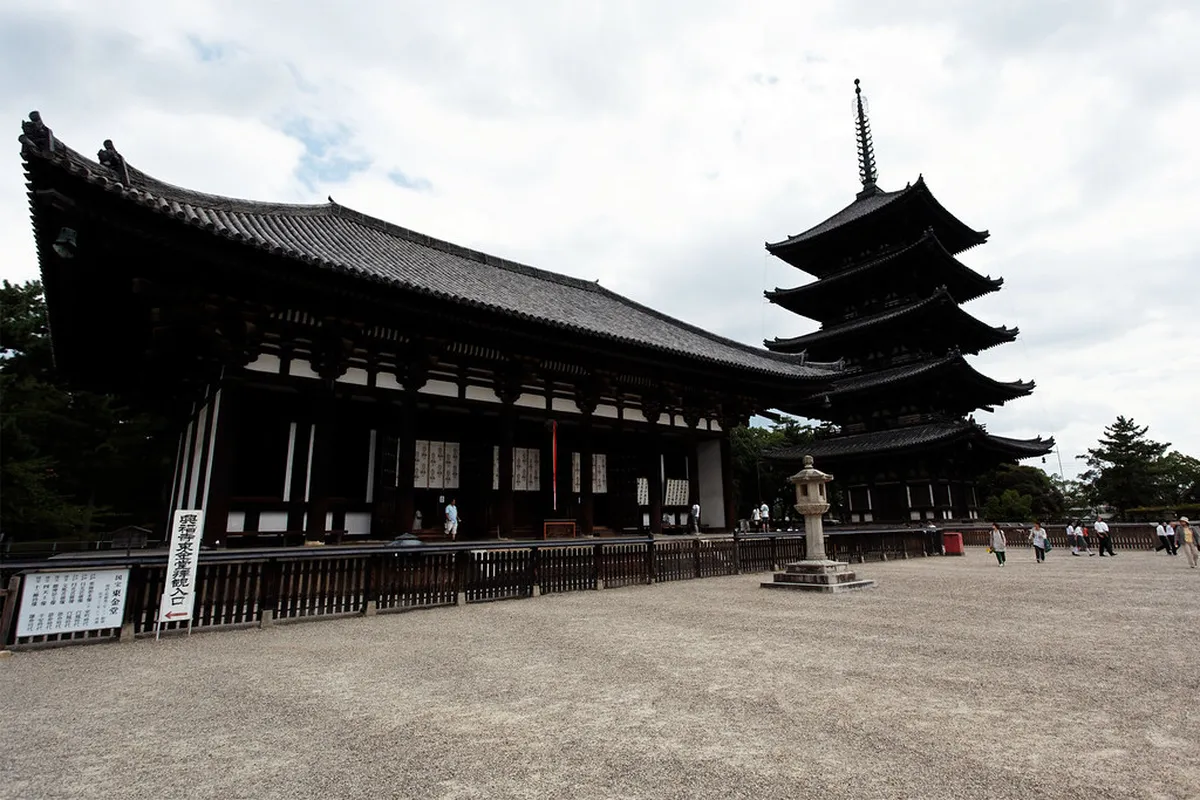
The Five-Story Pagoda is Kofuku-ji's signature landmark, but 2026 visitors need one important caveat. The 50.1-meter pagoda, originally built in 730 and rebuilt in 1426, is under a long restoration project, so views can be partly or fully blocked by protective covering. Treat it as a historic anchor for the site rather than the only reason to visit.
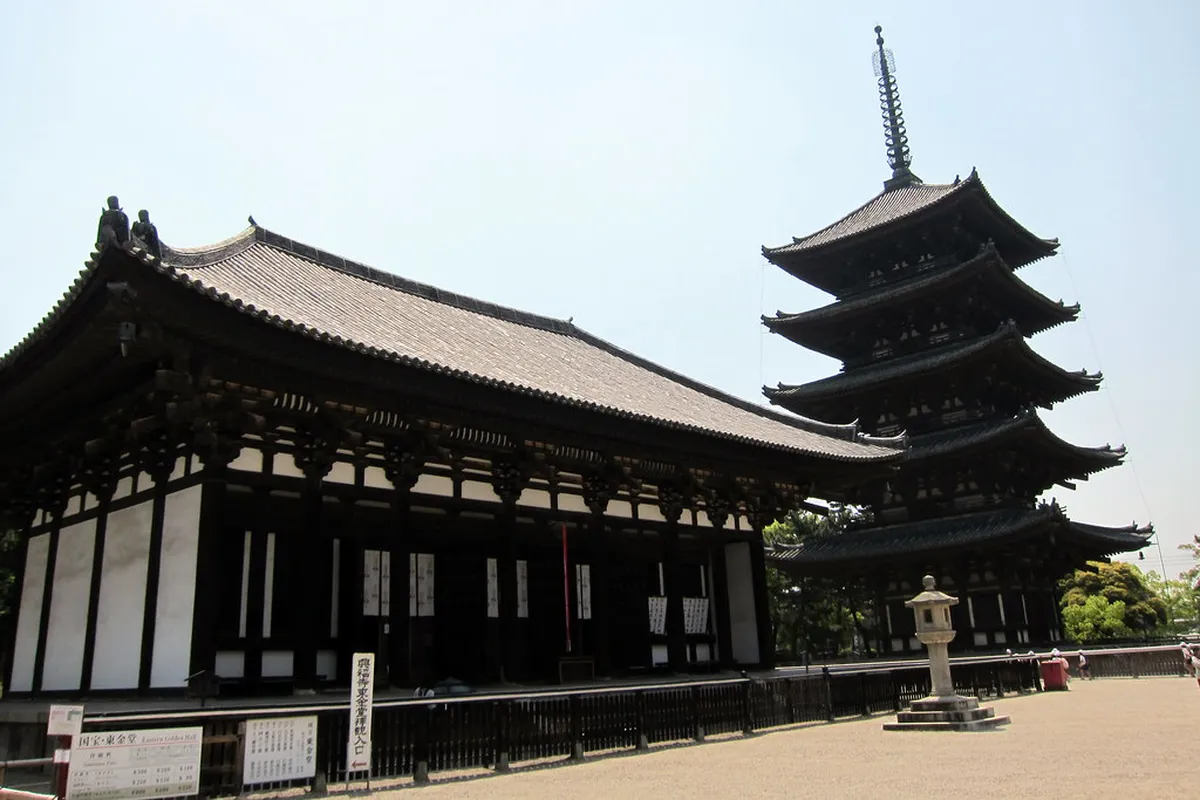
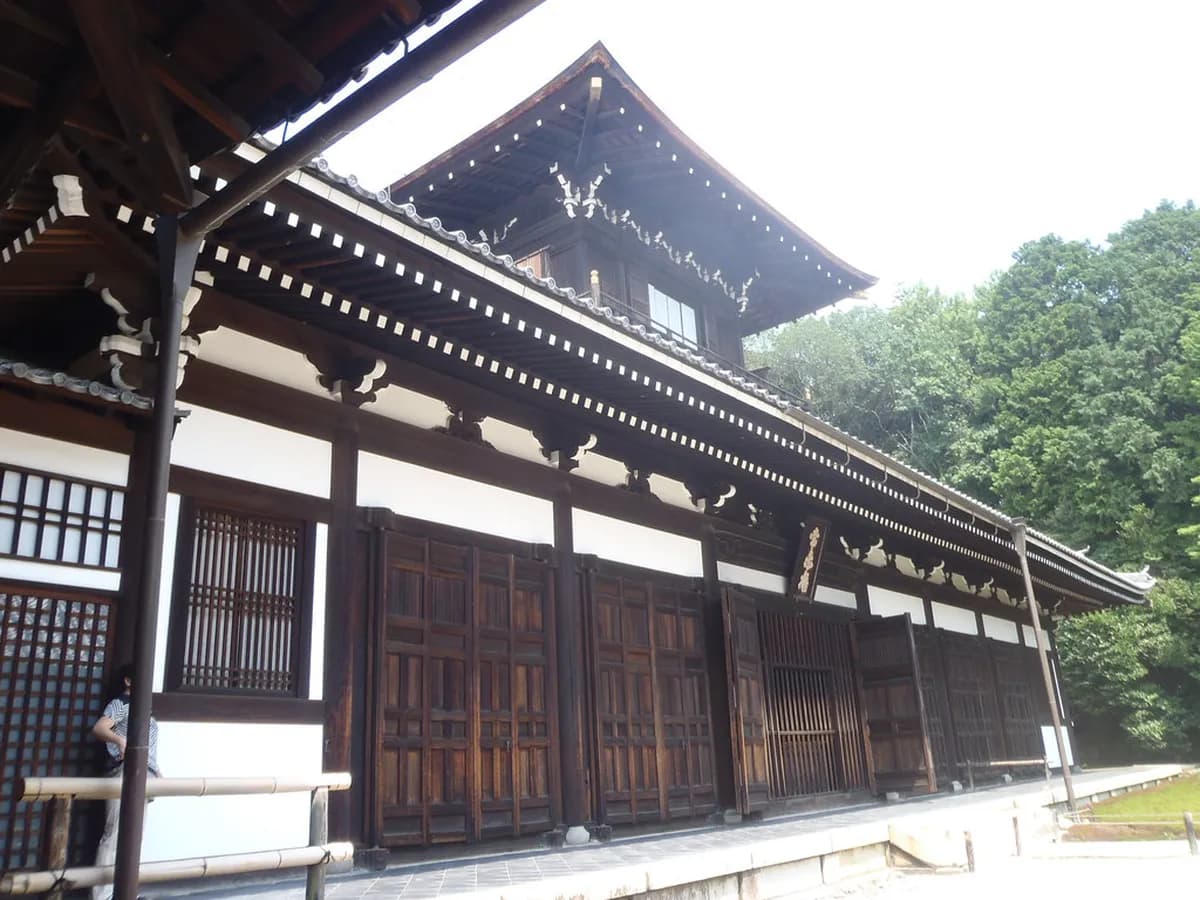
The Central Golden Hall is the strongest replacement focal point on a first visit. Reconstructed in 2018 after a long absence, it restores the scale of the temple's main worship hall and gives your 20 Best Nara Attractions day a clear architectural highlight. Inside, the Shaka Nyorai image and attendant figures help explain why Kofuku-ji was both a religious and political center.
The Eastern Golden Hall is smaller, older in feel, and easier to appreciate if you prefer quiet interiors over large reconstructed spaces. It is associated with Yakushi Nyorai, the Medicine Buddha, and sits close enough to the National Treasure Hall that the two work well as a paired paid stop. The Southern Octagonal Hall and Northern Octagonal Hall add another layer, especially for visitors interested in pilgrimage culture and Fujiwara memorial architecture.
- Prioritize the Central Golden Hall if you want the clearest sense of Kofuku-ji's original scale.
- Choose the Eastern Golden Hall and National Treasure Hall if Buddhist sculpture matters more than exterior photos.
- Use Sarusawa Pond for the classic temple-view angle, but expect the pagoda restoration to affect the shot in 2026.
The Five-Story Pagoda is under active restoration in 2026, and protective scaffolding may partially or fully obscure it. Do not plan your visit around an unobstructed pagoda photo — confirm current status at kohfukuji.com before you go.
Museums, Art, and Culture in Kofuku-Ji
The Kofuku-ji National Treasure Hall is the site's most reliable indoor highlight. Its best-known work is the dry-lacquer Ashura statue, a slender three-faced, six-armed guardian from the 8th century whose expression feels unusually human for temple sculpture. Even travelers who skip many museums in Japan often find this collection worth the extra time.
The hall also protects major Buddhist works once housed across the temple precincts, including images connected with Yakushi Nyorai and the Twelve Heavenly Generals. English labels are usually enough for a self-guided visit, but move slowly; the room layout rewards looking at faces, hand positions, and materials rather than trying to check off every object. Photography is not allowed in the galleries, so give yourself unhurried viewing time instead of planning around snapshots.
This is where Kofuku-ji becomes more than a convenient stop beside Nara Park. The Fujiwara family used temple patronage to express devotion, status, and political reach, and the surviving sculpture shows that ambition in physical form. If you only pay for one thing at Kofuku-ji, the National Treasure Hall is the most distinctive choice.
- The Ashura statue is the headline work, but the Yakushi-related pieces give useful context before or after the Eastern Golden Hall.
- Budget 45 to 60 minutes for the museum if you enjoy Buddhist art, or 25 to 30 minutes if you are moving quickly.
- Visit the museum during rain, peak heat, or the busiest midday hours when the outdoor paths feel crowded.
Photography is not allowed inside the National Treasure Hall galleries. Allow 45 to 60 minutes to view the Ashura statue and other key works without feeling rushed — the hall rewards slow, unhurried looking.
Parks, Gardens, and Outdoor Spots in Kofuku-Ji
Kofuku-ji does not feel like a walled temple separated from the city. Its open grounds spill into Nara Park, Sarusawa Pond, and the approach streets from Kintetsu Nara Station. That layout makes it ideal for travelers who want temple atmosphere without committing to a long, formal visit.
Sarusawa Pond is the best outdoor pause point. From the south side of the water, you can frame the temple precinct above the pond and understand why Kofuku-ji has long been a visual marker for central Nara. In cherry blossom season and autumn foliage season, this short detour is often more rewarding than lingering on the busier main paths.
The grounds are mostly easy to walk, but the surface changes between paving, gravel, steps, and worn stone. Wheelchair users and families with strollers should approach from the station side and avoid assuming every shortcut through the precinct is smooth. After the temple, the southern edge leads naturally toward Naramachi, while the eastern paths continue into the deer-filled park.
Family-Friendly and Budget-Friendly Options in Kofuku-Ji
Kofuku-ji is easy to fit into a tight budget because the precinct itself is free and open to walk through. You can see the hall exteriors, move between Nara Park and Sarusawa Pond, and get a strong sense of the site without buying a ticket. That makes it a useful anchor if you are saving your paid temple budget for Todai-ji or a museum-heavy day.
The paid decision comes down to interest level. The National Treasure Hall is best for adults and older children who can focus on sculpture, while the Central Golden Hall is easier to understand quickly because of its scale and open interior. The Eastern Golden Hall is quieter and works well for repeat visitors or travelers with a specific interest in Yakushi imagery.
Families should be more careful around the deer than around the temple buildings. Deer can bow, follow food, and push toward crackers, so keep snacks and paper maps inside a bag near the park edge. For prices and renovation status, check Japan-Guide.com and the official temple page before your 2026 visit because admission combinations and visibility can change during restoration work.
- Free plan: walk the precinct, Sarusawa Pond, and the exterior halls before continuing to Nara Park.
- Best paid plan: add the National Treasure Hall if you want the strongest art experience.
- Family plan: keep the temple visit short, then use nearby open space for snacks, restrooms, and deer viewing.
How to Plan a Smooth Kofuku-Ji Attractions Day
Start at Kintetsu Nara Station if you can. From there, Kofuku-ji is roughly a 5-minute walk, which is why it works so well as the first landmark on a Nara route. JR Nara Station is still manageable, but the walk is closer to 15 to 20 minutes; use a bus to Kencho-mae if heat, rain, or luggage makes that stretch unattractive.
For a simple 2026 route, arrive before the paid halls open, walk the free precinct and Sarusawa Pond, then enter the National Treasure Hall at 9:00. Continue east toward Nara Park and Todai-ji after the museum, or turn south toward Naramachi if you want streets, shops, and cafes. A Nara Transportation Guide: 8 Essential Ways to Get Around helps if you are comparing Kintetsu, JR, and bus approaches from Kyoto or Osaka.
Use 30 minutes for a free exterior stop, 60 minutes for one paid interior, and 90 to 120 minutes for a fuller temple visit. The official Kohfukuji.com site lists the paid halls and museum as generally open 9:00 to 17:00 with last entry shortly before closing, but check the same week you go. Special events, maintenance, and restoration work can change what is available.
Travelers who viewed Kofukuji Temple viewed also
The natural next stop is Todai-ji Temple Visiting Guide, especially for first-time visitors. Todai-ji gives you the Great Buddha and the scale that Kofuku-ji no longer has after centuries of fires and land loss. The walk takes about 15 to 20 minutes through the park, with deer encounters along the way.
Kasuga Taisha Shrine Guide: Lanterns, Deer, and History is the better pairing if you want a stronger contrast. Kofuku-ji is open, central, and architectural; Kasuga Taisha is forested, vermilion, and lantern-filled. Combining both helps explain how Buddhist temples and Shinto shrines share Nara's sacred geography without feeling identical.
Naramachi is the practical add-on when your group is ready for food, shops, or a slower neighborhood walk. It sits south of the temple and works well after Sarusawa Pond. If your day is only four hours, choose Kofuku-ji, Todai-ji, and a short Nara Park walk; adding Kasuga Taisha and Naramachi on the same short schedule usually turns the day into a march.
Festival & Events (dates can change without notice)
Kofuku-ji's event calendar is worth checking, but do not build a trip around an old date copied from a travel blog. Nara Rurie illuminations usually bring winter light routes around central Nara, and Kofuku-ji can be part of the evening atmosphere. Spring ceremonies and temple observances also appear on local calendars, though public access varies.
The major cultural event to watch is Takigi O-Noh, the torchlit Noh tradition associated with Kofuku-ji and Kasuga Taisha. It is atmospheric, formal, and best for travelers who already know they enjoy traditional performance. Seats, weather arrangements, and English support can vary, so confirm details before committing your evening.
In 2026, the pagoda restoration matters for event expectations. Light-ups may still be beautiful around the precinct, but the classic unobstructed five-story pagoda view is not guaranteed. Treat events as a bonus layered onto a Nara visit, not as the only reason to come.
- Check dates within a few weeks of travel because temple and city event schedules can change.
- Bring a layer for evening events; central Nara can feel cold after sunset outside summer.
- For photography, scout Sarusawa Pond before dark so you know whether restoration coverings affect your preferred angle.
Book your Flight Tickets and Rental Car for your Japan trip
Kofuku-ji does not require a rental car. Trains put you closer to the temple than most parking lots, and the core Nara route is designed for walking. A Nara Day Trip from Kyoto: The Ultimate 1-Day Itinerary can start at Kintetsu Nara Station and reach Kofuku-ji before the day-trip crowd spreads through the park.
If you are coming from Osaka, compare your exact hotel location before choosing JR or Kintetsu. Kintetsu is usually more convenient for Kofuku-ji because of the shorter walk from the station, while JR can be useful for some rail-pass itineraries. From Kansai International Airport, direct buses or rail connections into Nara make more sense than picking up a car for one temple-heavy day.
Driving only helps if Kofuku-ji is part of a wider rural Nara plan beyond the city center. Even then, park once and walk the central sights rather than moving the car between temples. Around weekends, cherry blossom season, and autumn foliage, parking stress can cost more time than the train would have taken.
Plans like a pro. Thinks like you
The smartest Kofuku-ji plan is based on sequence, not speed. Visit the open grounds first, then decide whether your energy and budget justify the museum or halls. This keeps the stop flexible if the pagoda restoration, weather, or crowds make the site feel different from the photos you expected.
If you want a guided experience, choose one that covers central Nara as a whole rather than only Kofuku-ji. A good guide can connect the Fujiwara story, the Hosso Buddhist school, deer beliefs tied to nearby Kasuga Taisha, and the way Meiji-era anti-Buddhist policies reduced the original temple precinct. That context is hard to assemble from signs alone.
For independent travelers, the best small upgrade is a route map marked with rest points. Use Sarusawa Pond for a pause, the museum for climate-controlled time, and Naramachi for lunch or coffee after the temple. That rhythm works better than trying to force every hall into the first hour of the day.
A Landmark at the Heart of Nara
Kofuku-ji's central position is not accidental. The temple was tied to the Fujiwara family, whose power shaped court politics during the Nara and Heian periods. At its height, the complex reportedly included well over 100 buildings and influenced much more than the land visitors see today.
Fires, war, political change, and anti-Buddhist policies stripped the precinct down over time. That is why Kofuku-ji can feel both monumental and fragmented: a towering pagoda here, an octagonal hall there, a reconstructed main hall, and museum treasures gathered for protection. Understanding that loss makes the current restoration work easier to appreciate.
In practical terms, Kofuku-ji is worth visiting because it gives a compressed version of Nara's story. You get Fujiwara power, Buddhist art, UNESCO history, deer-filled park edges, and easy access from the station in one stop. It may not take the most time in your itinerary, but it gives the rest of Nara useful context.
Opening Hours, Admission, and Renovation Notes
The free temple grounds are the simplest part of the visit: you can walk through them without a ticket. The paid halls and National Treasure Hall generally operate from 9:00 to 17:00, with last admission shortly before closing. In 2026, always confirm the same week you visit because restoration work and special events can affect access.
Expect separate admission for the National Treasure Hall, Central Golden Hall, and Eastern Golden Hall, with combination tickets sometimes offering better value if you want more than one interior. Bring yen in cash as a backup even if some counters accept other payment methods. If you only have time or budget for one paid space, choose the National Treasure Hall first.
The five-story pagoda restoration is the detail most likely to surprise visitors. Older photos show an open skyline view, but current travel planning should assume scaffolding or protective covering may limit what you can see. This does not make Kofuku-ji skippable; it simply shifts the best experience toward the museum, halls, pond approach, and wider Nara Park route.
Frequently Asked Questions
How to get to Kofukuji Temple?
Kofukuji is a 5-minute walk from Kintetsu Nara Station or a 20-minute walk from JR Nara Station. Most visitors arrive via the Kintetsu line for the shortest walk. You can easily find it by following signs for Nara Park from the station exits.
Is Kofukuji Worth Visiting?
Yes, it is absolutely worth visiting for its iconic five-story pagoda and world-class museum. The central location makes it easy to add to any Nara trip. It offers a great mix of free outdoor sights and impressive paid indoor art galleries.
How much time should you plan for kofuku-ji temple guide?
You should plan for 1 to 2 hours depending on your interest in Buddhist art. If you only want to see the pagoda and grounds, 30 minutes is enough. For the full museum and hall experience, allow at least 90 minutes. Check a Nara Itinerary for First-Timers to see how to fit it in.
Which kofuku-ji temple guide options fit first-time visitors?
First-time visitors should prioritize the Five-Story Pagoda and the National Treasure Museum. These provide the most iconic views and the highest quality art in the complex. Walking the grounds for free is also a great way to start your Nara exploration.
Kofuku-ji Temple remains one of the most enduring symbols of Japan's ancient capital. Its combination of soaring architecture and priceless art makes it a mandatory stop. By following this guide, you can ensure a smooth and rewarding visit to the site. Nara's history truly comes alive within these sacred and historic temple grounds.
Whether you are visiting for the deer or the history, this temple will impress you. Take your time to explore the halls and soak in the peaceful atmosphere. Your journey through Nara will be much richer for having experienced Kofuku-ji. Enjoy your exploration of one of the most beautiful corners of the Kansai region.
Free: The Nara Essentials guide
Top things to do, where to stay, a perfect day plan, getting around, and the best time to go — a Nara mini-guide you can take offline.
You might also like


Continue reading
More guides you'll find useful