
Kasuga Taisha Shrine Guide: Lanterns, Deer, and History
Discover Kasuga Taisha with our expert guide. Explore the 3,000 lanterns, sacred deer, and the primeval forest with practical tips on access and festivals.
On this page
This kasuga taisha shrine guide provides everything you need to know for a memorable visit to Nara. You will discover thousands of lanterns and meet the sacred deer that roam the ancient grounds. The shrine stands as a peaceful sanctuary at the edge of a deep, primeval forest. Planning your visit ahead of time ensures you see the best parts of this UNESCO World Heritage site.
History and Spiritual Significance of Kasuga Taisha
Kasuga Taisha was established in 768, when Nara was the heart of Japan's early imperial government. The Fujiwara clan backed it as a guardian shrine for the capital, and the enshrined kami are linked with protection, wisdom, and prosperity. That role explains why the long approach feels ceremonial rather than like a normal park path.
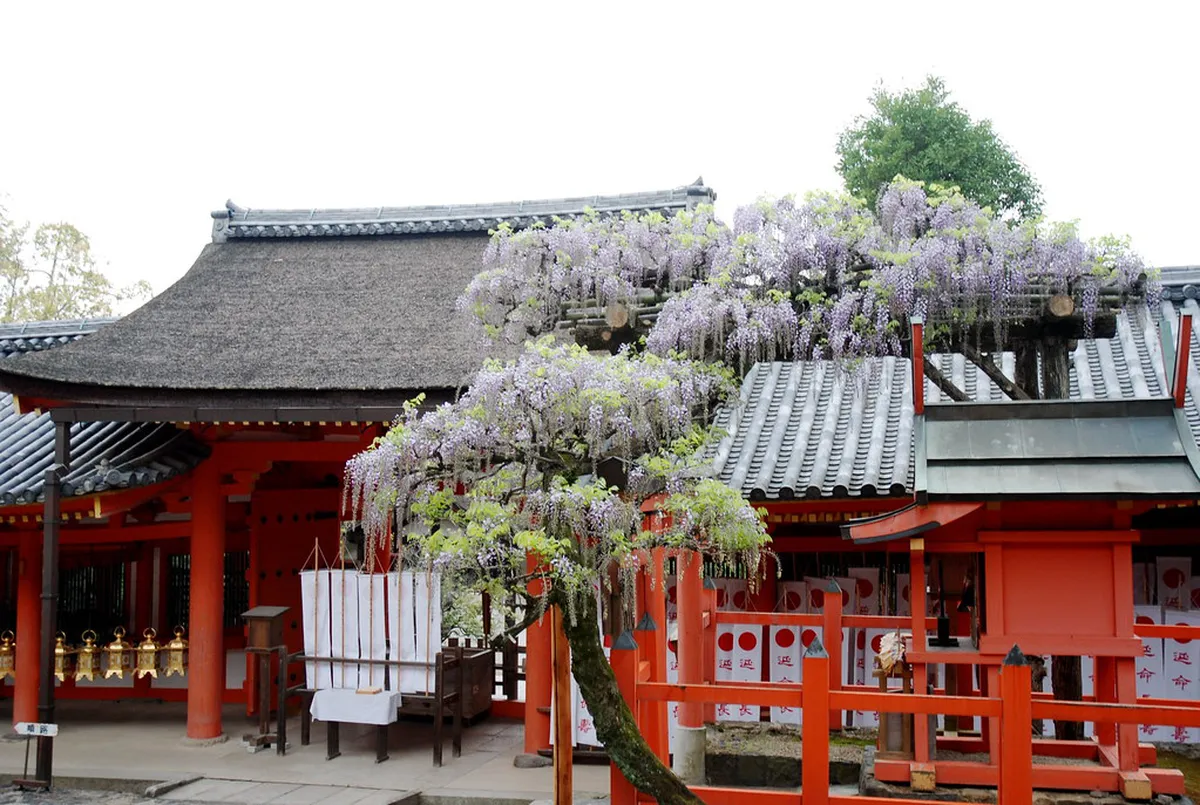
The shrine stands at the foot of Mt. Mikasa, where tradition says the deity Takemikazuchi arrived on a white deer. Kasuga worship is tied to the surrounding forest, so the buildings, lantern paths, and trees form one sacred landscape. In 2026, the site remains part of the UNESCO-listed Historic Monuments of Ancient Nara.
The 3,000 Lanterns: Stone and Bronze Traditions
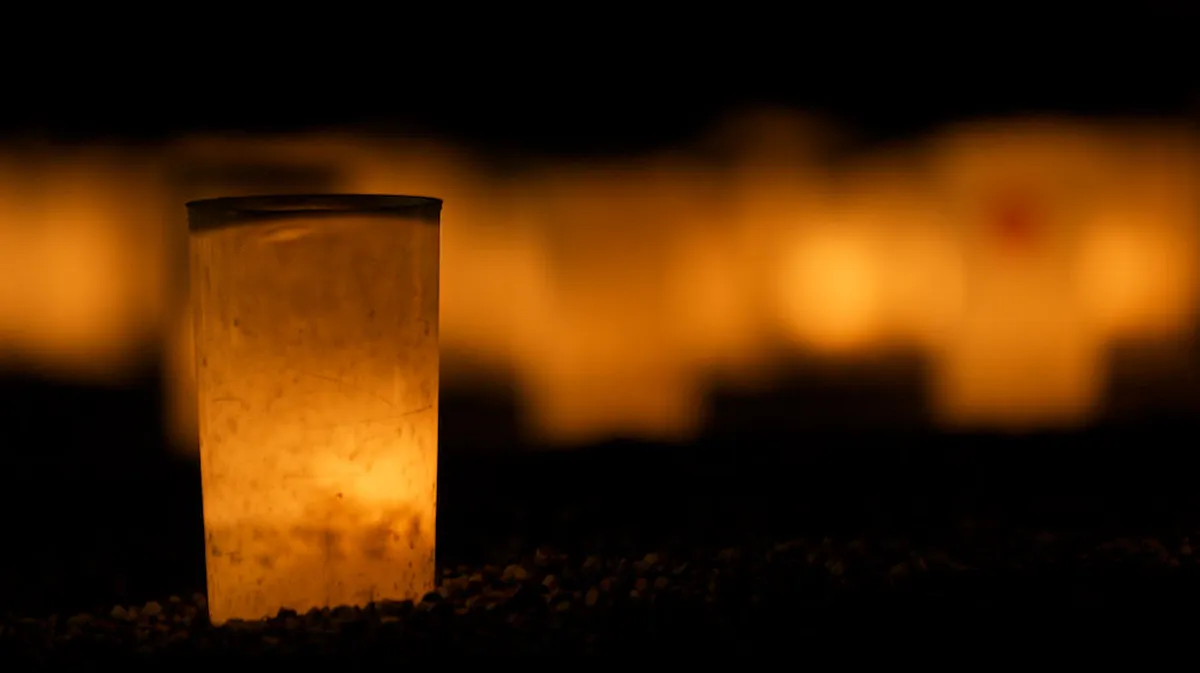
Kasuga Taisha is best known for roughly 3,000 lanterns: about 2,000 stone lanterns on the forest approach and 1,000 bronze lanterns near the shrine corridors. Many are carved with donor names, showing centuries of faith, patronage, and gratitude. Together they create one of Nara's most recognizable walking routes.
The bronze lanterns hang in dense rows from the vermilion buildings near the main sanctuary. Look for deer, wisteria, family crests, and geometric patterns in the metalwork. If you cannot visit during a night festival, Fujinami-no-ya Hall recreates the Mantoro mood with more than 100 lit bronze lanterns in a dark interior space.
Architectural Highlights: The Kasuga-zukuri Style
The main sanctuary uses Kasuga-zukuri architecture, a compact Shinto style with vermilion pillars, white walls, and sloping hinoki cypress-bark roofs. The contrast between red wood, white plaster, and green forest is one reason the shrine photographs well in every season. The inner sanctuary is worth the paid visit if architecture is a priority.
Kasuga Taisha also preserves the idea of Shikinen Zotai, a renewal tradition based on periodic repair and rebuilding. The practice reflects a Shinto view of continuity through renewal rather than age alone. Smaller auxiliary shrines sit around the precinct, each tied to different prayers and protective deities.
Encountering the Sacred Deer of Nara
Arrive before 09:00 to have the stone lantern approach largely to yourself. Early morning is also the best time for photographs — the soft light filters through the forest canopy and the deer are calmer near the shrine before tour groups arrive from around 10:00.
The deer around Kasuga Taisha are part of the shrine's identity, not just a Nara Park photo opportunity. They are traditionally seen as messengers of the kami because of the white-deer legend tied to Mt. Mikasa. You will see them resting beside stone lanterns and crossing the approach. For more context, read our Nara Deer Park Guide.
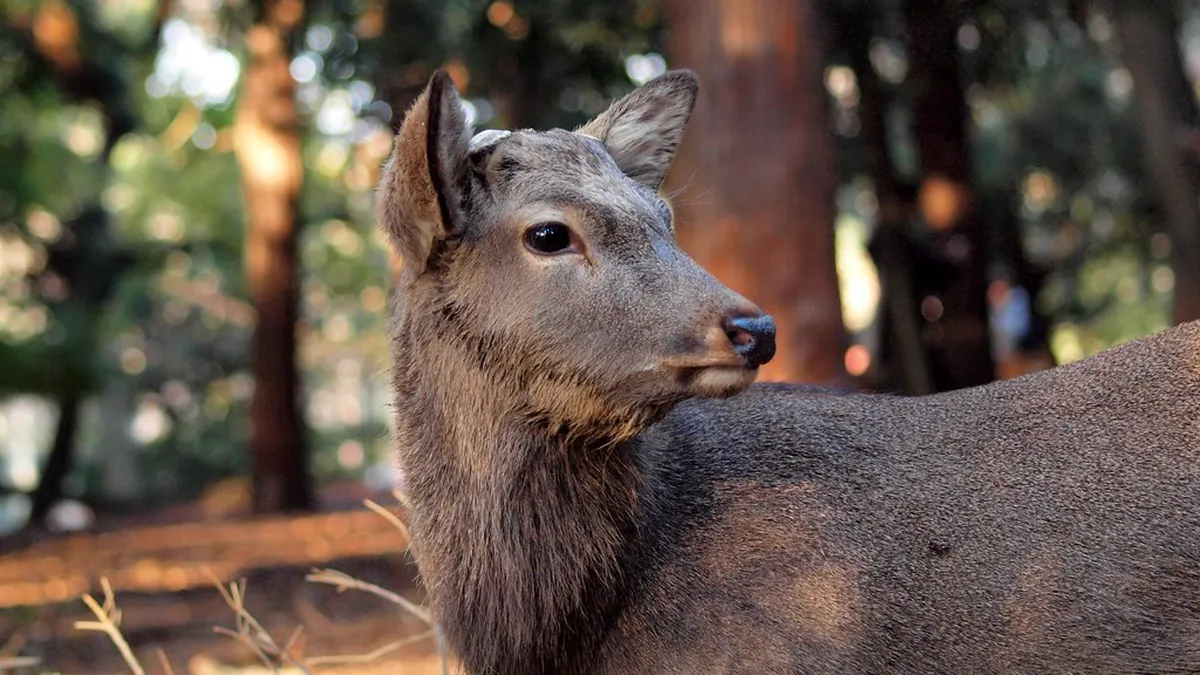
The deer near the shrine paths are often calmer than those around the busiest cracker stalls, but they are still wild animals. Keep paper maps, food bags, and tickets out of reach, especially with children. Do not tease deer with crackers or crowd them for photos. Early morning gives you the quietest forest setting.
Seasonal Festivals: Mantoro and On-Matsuri
The most atmospheric time to visit Kasuga Taisha is during Mantoro, when the lanterns are lit after dark. Setsubun Mantoro is held in early February, and Chugen Mantoro is held around mid-August. Arrive before dusk, avoid tripods in crowded corridors, and check the Kasuga Taisha Official Website because event routes can change.
Kasuga Wakamiya On-Matsuri runs in December and is one of Nara's major traditional festivals. The main public highlight is the Procession of the Eras on December 17, with historic dress, horses, music, and ritual performances. Some sacred nighttime rites restrict photography, so treat the festival as a religious event first.
| Season | Best reason to go | Planning note |
|---|---|---|
| Early February | Setsubun Mantoro lantern lighting | Cold night visit; arrive before dusk. |
| Late April to early May | Wisteria at Man'yo Botanical Garden | Peak bloom varies with spring weather. |
| Mid-August | Chugen Mantoro lantern lighting | Hot, humid, and crowded after sunset. |
| December 15 to 18 | Kasuga Wakamiya On-Matsuri | December 17 has the main procession. |
Exploring the Kasugayama Primeval Forest
The Kasugayama Primeval Forest rises behind the shrine and shares the same UNESCO World Heritage listing. Hunting and logging have been restricted here for more than a thousand years because the mountain was sacred ground. The dense shade and birdsong feel very different from the open lawns of Nara Park.
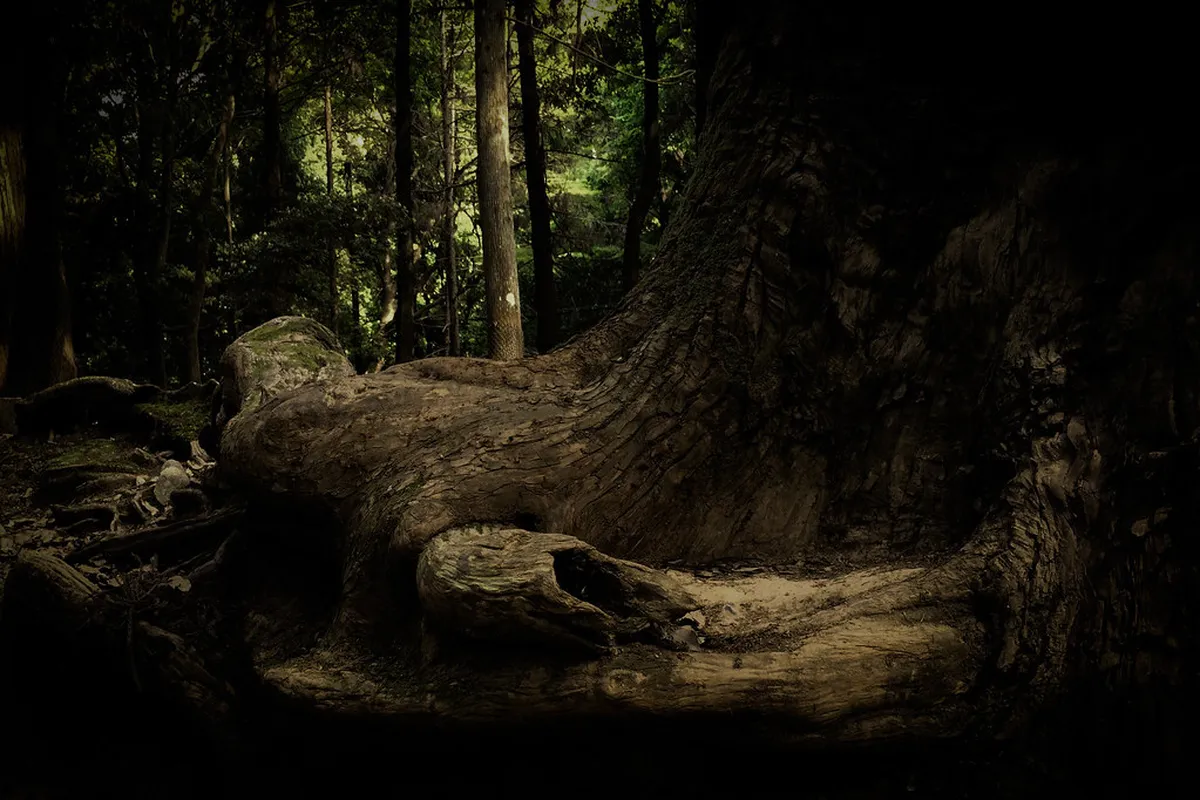
Stay on designated trails and avoid treating the forest as a free-roaming hiking area. Paths can be humid, uneven, and slippery after rain, so shoes with grip matter. A short walk behind the shrine suits most visitors; longer forest routes need more time and water. Pair it with the shrine early if your Nara Itinerary for First-Timers also includes Todai-ji.
Man’yo Botanical Garden and Ninai-jaya Teahouse
The Man’yo Botanical Garden is a quiet add-on for literature, flowers, and slower sightseeing. It grows plants associated with the Man'yoshu, Japan's oldest poetry anthology, and labels many with cultural context. The highlight is wisteria from late April to early May. Use our Nara weather guide if you are timing a spring visit.
Ninai-jaya Teahouse, near the garden, is best known for Manyo-gayu, a rice porridge made with kombu dashi, white miso, and seasonal ingredients. The appeal is a light local pause, not a large meal. Menus can change by month, with herbs, vegetables, or gentle seasonal flavors.
Fujinami-no-ya Hall, Etiquette, and Photo Tips
If your dates do not match Mantoro, make time for Fujinami-no-ya Hall inside the paid shrine area. The darkened hall displays lit bronze lanterns year-round, giving you a glimpse of the night-festival mood without the crowds. It is also useful on rainy days, when the stone approach is less comfortable underfoot.
Kasuga Taisha is an active shrine, so simple etiquette matters. Bow lightly at torii gates, rinse hands if the purification basin is open, and follow the usual shrine prayer rhythm if you make an offering. Do not touch lanterns, step into roped-off gravel, or photograph restricted areas.
Practical Visitor Information: Hours, Fees, and Access
Most visitors reach Kasuga Taisha by walking through Nara Park from Kintetsu Nara Station. Allow about 25 to 30 minutes, depending on deer stops and crowds. From JR Nara Station, the loop bus is easier if time is tight. For routes, check our Nara Transportation Guide: 8 Essential Ways to Get Around.
The outer grounds are free, while the special visit to the main sanctuary costs around 500 yen for adults. The museum and Man’yo Botanical Garden usually require separate admission. Opening hours vary by season, so confirm same-day details before a guided visit and review the 旅行業約款 for tour terms.
- Walk from Kintetsu Nara Station if you want the classic approach through the park.
- Use the Kasuga Taisha Honden or Kasugataisha Omotesando bus stops if heat, rain, or mobility is a concern.
- Arrive before 9:00 for quieter lantern paths and easier deer photos.
- Budget about 90 minutes for the shrine alone, or 2 to 3 hours with the garden, museum, or forest walk.
Accessibility and Facilities for All Travelers
The Kasugayama Primeval Forest paths can be humid, uneven, and slippery after rain. Wear shoes with grip, stay on designated trails, and avoid treating the forest as a free-roaming hiking area — the mountain is sacred ground and straying off-path is disrespectful as well as potentially unsafe.
Accessibility is mixed because Kasuga Taisha has gravel paths, steps, and outdoor surfaces. Wheelchair users can manage some areas, but the main sanctuary approach is difficult without assistance. Staff may help when available, especially if contacted in advance, but support is not guaranteed. Dry weather is better for mobility-sensitive visits.
Manual wheelchair rental may be available, and accessible parking spaces are usually listed near the shrine facilities. The museum is the easiest major indoor facility because it has modern access and an elevator. Restrooms are available around the complex, but distances between stops can feel long on hot days.
- Choose the bus stop closest to the shrine if walking distance is a concern.
- Contact the shrine before visiting if you need help with steps near the main sanctuary.
- Use the museum as a practical rest point during heat, rain, or fatigue.
- Allow extra time for gravel paths instead of planning a tight connection to your next stop.
Is Kasuga Taisha Worth Visiting? (Expert Verdict)
Kasuga Taisha is worth visiting if you want Nara's Shinto side, a quieter forest atmosphere, and one of Japan's most memorable shrine approaches. Todai-ji Temple is bigger and more dramatic, but Kasuga Taisha feels more layered because the lanterns, deer, forest, and ritual spaces build gradually.
For a first visit in 2026, pair Kasuga Taisha with Todai-ji, Nara Park, and one smaller stop such as the botanical garden or Kofuku-ji area. Travelers with only half a day should still include it if they are comfortable walking. For most visitors, it belongs in a balanced 20 Best Nara Attractions route.
Frequently Asked Questions
Is Kasuga Taisha worth visiting?
Yes, Kasuga Taisha is worth visiting for its unique forest setting and 3,000 lanterns. It offers a peaceful contrast to the busy temples in Nara. You should include it in your Nara Itinerary for First-Timers to see the best Shinto architecture.
How many lanterns are at Kasuga Taisha?
There are over 3,000 lanterns located throughout the shrine grounds. This includes roughly 2,000 stone lanterns along the paths and 1,000 bronze lanterns hanging from buildings. They represent centuries of donations from faithful worshippers.
How do you get to Kasuga Taisha from Nara Station?
You can walk from Kintetsu Nara Station in about 25 minutes through the park. Alternatively, take a yellow Nara City Loop bus to the Kasuga Taisha Honden stop. The bus ride takes approximately 10 minutes from the station area.
What is the best time to visit Kasuga Taisha?
Early morning is the best time to visit to avoid crowds and see the deer. Late April is also ideal for seeing the famous wisteria flowers in bloom. Visit during the February or August lantern festivals for a truly magical experience.
Are the deer at Kasuga Taisha friendly?
The deer at the shrine are generally friendly but they are still wild animals. They are often calmer than the deer found in the open areas of the park. Always treat them with respect and do not tease them with food.
Kasuga Taisha is a must-see destination that captures the ancient spirit of Nara. The combination of thousands of lanterns and sacred deer creates an unforgettable atmosphere. Whether you come for the history or the nature, you will find something special here. Take your time to enjoy the quiet beauty of this sacred forest sanctuary.
Free: The Nara Essentials guide
Top things to do, where to stay, a perfect day plan, getting around, and the best time to go — a Nara mini-guide you can take offline.
You might also like


Continue reading
More guides you'll find useful


