20 Best Nara Attractions
Discover the best Nara attractions in 2026. Explore ancient temples, deer parks, and cultural treasures in this complete guide — plus transport, timing, and practical tips.
On this page
Top 20 Nara Attractions
Nara is one of Japan's oldest capitals and still one of its most rewarding day trips. The city packs eight UNESCO World Heritage sites into a compact, walkable core — deer included. Whether you're arriving from Osaka or Kyoto, a well-planned visit to Nara in 2026 covers ancient temples, sacred shrines, serene gardens, and enough street food to fuel the whole day.
This guide covers the 20 best Nara attractions in ranked order, then answers the practical questions every first-time visitor needs: when to go, how many days, how to get here, and how to get around once you arrive. For deep dives on individual sites, follow the spoke links throughout — each one goes to a dedicated guide. Kyoto is just an hour away by train, making these two ancient capitals natural day-trip partners. For a coastal contrast, Osaka is similarly accessible.
Free: The Nara Essentials guide
Top things to do, where to stay, a perfect day plan, getting around, and the best time to go — a Nara mini-guide you can take offline.
Top 20 Nara Attractions
1. Todai-ji Temple — Great Buddha Hall
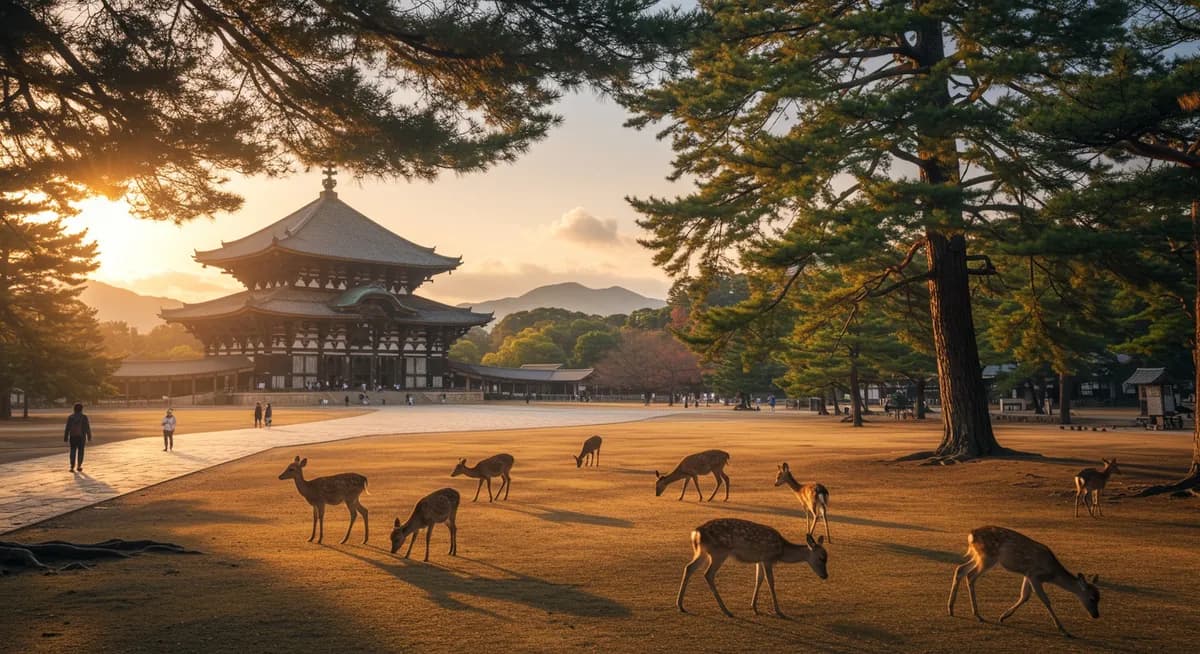
Todai-ji Temple's Great Buddha Hall (Daibutsuden) is the single biggest draw in Nara. The hall is the world's largest wooden structure, and inside it stands a 15-metre bronze Buddha Vairocana cast in 752 AD. The scale is genuinely staggering — photographs do not prepare you. Admission costs 600 yen for adults (2026 rate), and the temple opens 07:30–17:30 in summer, slightly shorter in winter.
Beyond the main hall, the complex includes the Nigatsu-do sub-hall (see entry 20), the Sangatsu-do, and the Nandaimon gate with its pair of Nio guardian statues. Budget at least 90 minutes here. Deer roam the approach paths freely and will investigate your bags. See our Todai-ji Temple Visiting Guide Travel Guide for queue strategy and the best photo angles.
2. Nara Deer Park
Nara Park is home to roughly 1,200 sika deer, designated national natural monuments and historically considered messengers of the gods. They are wild animals — remarkably tame, but still capable of headbutting for shika senbei (deer crackers, sold at stalls for 200 yen per pack). Bow to a deer and it usually bows back; this is not a myth.
The park itself is free to enter and stretches across 660 hectares, connecting all the major temple and shrine sites on foot. Crowds peak between 10:00 and 14:00; early morning visits before 09:00 give you the deer with almost no other tourists. Read our Nara Deer Park Guide Travel Guide for feeding etiquette, seasonal behaviour, and the safest spots for children.
3. Kasuga Taisha Shrine
Kasuga Taisha is Nara's most important Shinto shrine, founded in 768 AD and rebuilt every 20 years for over a millennium. The approach along a forested path lined with more than 3,000 stone lanterns is one of the most atmospheric walks in Japan. The bronze hanging lanterns inside the covered corridors number in the thousands, and twice a year — Setsubun (early February) and Obon (mid-August) — all of them are lit simultaneously.
Entry to the outer precincts is free. The inner Honden costs 500 yen. Come early to walk the lantern path before tour groups arrive. Our Kasuga Taisha Shrine Guide: Lanterns, Deer, and History covers the lantern festivals, the Nara Kasugayama Primeval Forest behind the shrine, and what to do if your timing overlaps with a ritual.
4. Kofuku-ji Temple and Five-Story Pagoda
Kofuku-ji's Five-Story Pagoda is Nara's most photographed silhouette — a 50-metre tower reflected in Sarusawa Pond, especially striking at dusk. The temple was the family temple of the Fujiwara clan and sat at the centre of Nara's political life during the 8th century. After decades of restoration, the Chukondo (Central Golden Hall) fully reopened in 2018.
The National Treasure Museum on site holds one of Japan's finest collections of Buddhist sculpture, including the eight-armed Ashura statue that appears on every Nara tourism poster. Admission 700 yen. See our Kofuku-ji Temple Guide Travel Guide for combined ticket options and the best time to photograph the pagoda reflection.
5. Isuien Garden
Isuien is widely considered the finest stroll garden in Nara and ranks among the best in all of Japan. The garden is split into two sections built in different centuries, with the rear section framing the hills of Kasugayama and the roofline of Todai-ji's South Gate through a technique called shakkei (borrowed scenery). The integration is seamless.
Admission is 1,200 yen for adults — making Isuien one of the more expensive individual sites in central Nara, but the entry includes a cup of matcha if you take the tea house route. Open 09:30–16:30, closed Tuesdays. See our Isuien Garden Visiting Guide Travel Guide for seasonal photography tips and the best vantage points inside.
6. Yoshikien Garden — Free for International Visitors
Yoshikien sits immediately beside Isuien and is notably less crowded, in part because it receives far less promotion. The garden contains three distinct sections — a pond garden, a moss garden, and a tea ceremony garden — each small but meticulously composed. It is particularly beautiful in autumn when the maple canopy turns above the moss.
Here is the detail most visitors miss: Yoshikien is free of charge for foreign tourists (non-Japanese residents). Japanese visitors pay 250 yen. This makes it one of the best free attractions in Nara and a sharp contrast to the 1,200 yen next door at Isuien. Our Yoshikien Garden guide explains the free-entry policy in detail and how to claim it at the gate.
7. Nara National Museum
The Nara National Museum holds the deepest collection of Buddhist art in Japan. The permanent collection spans sculpture, painting, calligraphy, and metalwork from the Asuka period through the Edo period. The centrepiece is the new East Wing, purpose-built for three-dimensional Buddhist statues with lighting that lets you examine facial expressions and hand positions up close.
The museum's annual Shosoin Exhibition, held each October–November, displays imperial treasures from the 8th century that are otherwise locked away — this is the single most historically significant exhibition in Nara and sells out quickly. Admission 700 yen regular, higher during special exhibitions. Read our Nara National Museum Guide Travel Guide for advance booking and what not to miss in the permanent collection.
8. Mount Wakakusa
Mount Wakakusa (342 metres, also called Wakakusayama or Mikasayama) is a grassy hill immediately east of Nara Park that offers the best panoramic view of the city. The walk to the summit takes roughly 30 minutes on a maintained path. Deer graze on the slopes throughout the year and largely ignore hikers.
The mountain is famous for the Yamayaki festival, held on the fourth Saturday of January each year, when the entire hillside is set ablaze in a controlled burn after dark. Viewed from the park below, it is one of the most dramatic spectacles in the Kansai calendar. The summit closes from January through March for fire management — plan accordingly. Our Mount Wakakusa Hiking Guide Travel Guide covers trail conditions, opening hours, and the best positions for the Yamayaki.
9. Naramachi Old Town
Naramachi is the preserved merchant quarter south of Kofuku-ji, dating from the Edo and Meiji periods. The streets are narrow, the machiya townhouses low-slung, and the atmosphere genuinely different from the temple precincts to the north. It is the best place in Nara to eat lunch, browse craft shops, and see traditional architecture without the crowds.
Key spots inside Naramachi include the Naramachi Koshi-no-Ie (a restored merchant house, free admission), the Naramachi Museum, and the Ganko-ji Temple tucked between the lanes. Most of the better cafes and craft shops open around 10:30 and close by 17:00. See our Naramachi Old Town Walking Guide Travel Guide for a self-guided route and the best spots to eat local kakinoha-zushi (persimmon-leaf sushi).
10. Heijo Palace Site
The Heijo Palace Site is the reconstructed ruins of Nara's imperial palace from the 8th century, located about 2 kilometres northwest of the main sightseeing area. The site covers 120 hectares and includes partial reconstructions of the Daigokuden (Great Hall of State) and the Suzaku Gate, both full-scale and visually impressive against an open sky.
Admission to the grounds is free; the attached museum costs 410 yen. This is often skipped by day-trippers pressed for time, which makes it one of the least-crowded major attractions in the city. Worth the 20-minute walk or short bus ride if you have a second day, or if you arrive in central Nara early and want a quiet start before the deer park fills up.
11. Gangoji Temple
Gangoji is one of the oldest Buddhist temples in Japan, founded in the 6th century and a designated World Heritage Site. Unlike the grander temples in the northern park, Gangoji is compact and tucked inside Naramachi, easy to combine with a walking tour of the merchant quarter. The main hall and stone garden are contemplative rather than spectacular.
Admission is 500 yen and the temple is rarely crowded. The main draw is its age — Gangoji predates Todai-ji by more than a century and preserves some of the oldest architectural fragments in the country. It rewards visitors who want history over spectacle.
12. Shin-Yakushi-ji Temple
Shin-Yakushi-ji (built 747 AD) sits on the eastern edge of the sightseeing area and is known for its ring of twelve clay statues of the Yakushi Junishinshō — the Twelve Heavenly Generals who protect the healing Buddha. Eleven of the twelve are original 8th-century works; only one was replaced. Seeing them arranged in a circle around the central Yakushi Nyorai statue is genuinely striking.
The temple is small and quiet, 600 yen admission. It combines well with a walk through Naramachi and a stop at Isuien or Yoshikien garden. Because it sits off the main tourist axis, you will often have the interior hall almost to yourself even in peak season.
13. Nigatsu-do Hall
Nigatsu-do is a sub-hall within the Todai-ji complex, set higher on the hillside above the Great Buddha Hall and reached by a stone stairway lined with lanterns. The wooden veranda offers one of the best elevated views over central Nara — the rooftops, deer park, and distant hills in one frame. Admission is free.
The hall is famous for the Omizutori ritual, held each March. Priests swing torches of burning cedar along the veranda railing after dark, scattering embers over the crowd below in a ceremony that has been performed every year for over 1,260 years without interruption. Even outside ritual season, Nigatsu-do is worth the five-minute detour from the main Todai-ji complex.
14. Kasuga Primeval Forest
Behind Kasuga Taisha Shrine lies a forest that has been protected from logging and hunting since the shrine's founding in 841 AD — one of the oldest nature preserves in Japan. The Kasugayama Primeval Forest is now a UNESCO-protected area within the broader Nara World Heritage Zone. The canopy is dominated by Japanese cedars and evergreen oaks several centuries old.
A trail network runs through the forest, most of which is open to walkers. This is where deer in Nara genuinely behave like wild animals rather than park fixtures — they are more cautious and the encounters feel different. Allow 30–45 minutes for a circuit walk if you come out this way after visiting the shrine.
15. Nara Palace Site Museum
The museum at Heijo Palace Site covers the Nara period (710–794 AD) in detail, with exhibits on court life, palace architecture, and the political structures that made Nara one of the most sophisticated cities in 8th-century Asia. The interactive elements are well-designed for both adults and children.
Admission 410 yen. If the main archaeological site is your focus, budget about 45 minutes inside the museum before walking the grounds. The Suzaku Gate reconstruction visible from the museum is worth the detour on its own — it stands 22 metres tall and was rebuilt in 1998 using traditional techniques.
16. Neiraku Museum
The Neiraku Museum, located at the entrance to Isuien Garden, displays a private collection of East Asian ceramics and bronzes assembled by the Nakamura family over the Meiji and Taisho periods. The collection spans Chinese, Korean, and Japanese tea ceremony wares — items chosen for use, not merely display, which gives them a lived quality rare in museum contexts.
Admission 650 yen (combined ticket with Isuien available). The museum is small — most visitors spend 20–30 minutes — but it is one of the more refined collections in the Nara sightseeing zone and makes the Isuien combined ticket good value.
17. Takamatsuzuka Tomb
The Takamatsuzuka Tomb is a 7th-century burial mound in Asuka village, about 25 kilometres south of central Nara by train and bus. The tomb gained international attention in 1972 when excavation revealed vivid polychrome murals depicting celestial figures, the four guardian animals, and groups of male and female attendants in Tang-dynasty dress — the finest wall paintings from early Japanese history.
The original murals deteriorated badly after exposure and are now in conservation storage. Visitors see high-quality reproductions at the adjacent Kitora Tomb Museum. For dedicated history travellers this detour is worthwhile; for a standard day trip from Osaka or Kyoto, it requires a separate Asuka excursion.
18. Muro-ji Temple
Muro-ji is a mountain temple about 40 minutes east of Nara by train and bus, set on a forested hillside above the Muro River. It is notable for two reasons: its five-story pagoda is the smallest and arguably the most beautiful in Japan, and the temple historically accepted female worshippers at a time when most mountain Buddhist sites excluded women — earning it the nickname "women's Koya."
The cedar forest surrounding the temple is primeval in character, with the paths between halls marked by stone lanterns and tree roots. Admission 600 yen. Best visited in late April–May when the shakunage (rhododendron) bloom below the pagoda, or in autumn for foliage. Not practical for a standard central Nara day trip — plan it as a half-day extension.
19. Sanjo-dori Shopping Street and Local Food
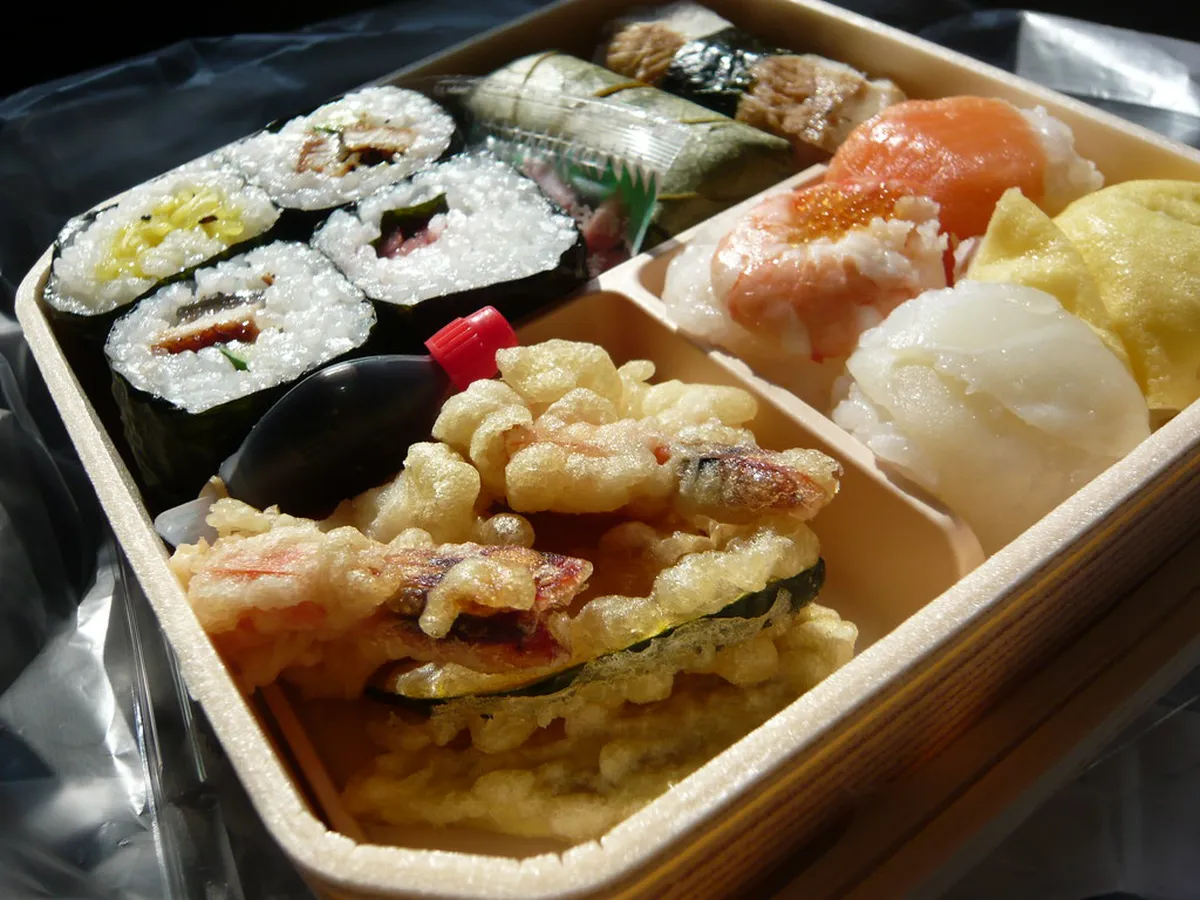
Sanjo-dori is the main shopping street running between Kintetsu Nara Station and the entrance to Nara Park, and it is the best place in the city to sample local specialties. Look for kakinoha-zushi (mackerel or salmon wrapped in persimmon leaves), kuzukiri (arrowroot noodles served cold with kuromitsu syrup), and narazuke (sake-lees pickles that have a distinctive earthy taste).
The street also sells shika senbei, the deer crackers, at every corner — prices are fixed at 200 yen per pack, so there is no reason to buy from unauthorised sellers. Morning is the best time to shop; most food stalls are fully stocked by 09:30 and some specialty items sell out by early afternoon. Our 8 Must-Try Nara Food Specialties: A Local Cuisine Guide covers local dishes and where to find the best versions of each.
20. Traditional Tea Ceremony Experience
Participating in a formal tea ceremony (chado) is one of the most efficient ways to experience Japanese cultural formality in a short visit. Several venues in Naramachi and near the garden district offer 45–60 minute sessions for around 1,500–2,000 yen, conducted in small groups with brief English explanations. You prepare and drink a bowl of thick matcha (koicha) following a prescribed sequence of movements.
The experience rewards patience — it is not meant to be quick. If your schedule is tight, the matcha at Isuien's tea house or the informal tea rooms along Naramachi lanes give a lighter version of the same ritual for less money and less ceremony.
Best Time to Visit Nara
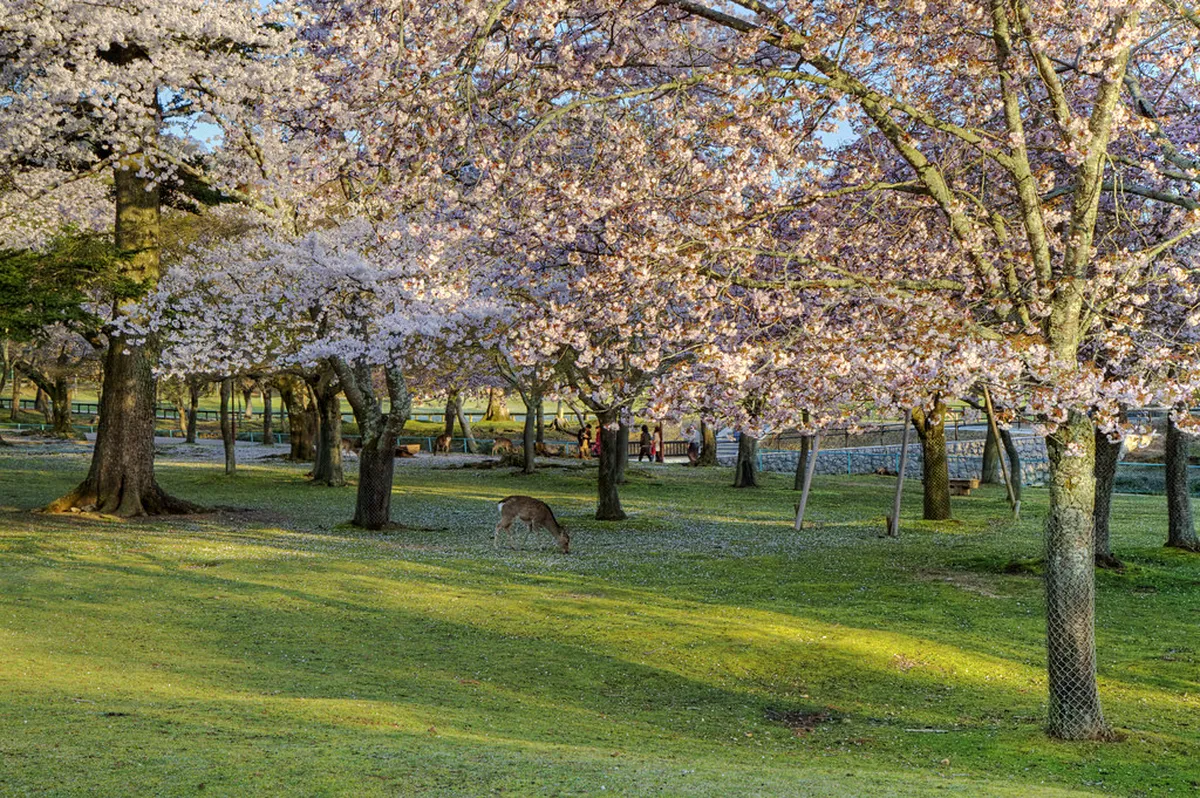
Nara is a year-round destination, but the most popular seasons are spring (late March–late April) for cherry blossom and autumn (mid-October–late November) for maple and ginkgo foliage. Both seasons bring substantially higher crowds and accommodation prices. Book well in advance — good hotels within 5 minutes of Kintetsu Nara Station can sell out two months ahead in peak weeks.
The deer are present year-round. Fawns are born in late May–early June and are kept in a dedicated enclosure in the park until they are strong enough to roam. The Yamayaki fire festival on Mount Wakakusa (fourth Saturday of January) is the standout winter event. Summer (July–August) is hot and humid but relatively less crowded than spring or autumn; most sites are fully open and morning visits before 09:00 are pleasant.
For current seasonal conditions, foliage forecasts, and the cherry blossom timeline specific to Nara Park, see our Nara Cherry Blossom Guide: 10 Essential Tips & Spots and our Nara Autumn Foliage Guide: Best Spots, Timing, and Tips. The Nara weather and best time to visit guide covers all twelve months with packing advice.
How Many Days Do You Need in Nara
Most visitors do Nara as a day trip, and a focused 6–7 hour visit covers the essential circuit: Kofuku-ji, Nara Park, Todai-ji, Kasuga Taisha, a garden (Isuien or Yoshikien), and Naramachi. This is achievable if you arrive before 10:00 and leave after 17:00. Rushing it means skipping the museums and the quieter sites on the edges.
Two days unlocks the full picture: day one for the central UNESCO cluster (temples, shrines, deer park), day two for Heijo Palace Site, a longer walk through Kasuga Forest, the Nara National Museum, and an afternoon in Naramachi. Two days also lets you visit in the early morning before tour groups arrive — the single biggest improvement to the Nara experience. For overnight options, our Nara ryokan guide for first-timers covers where to stay, what to expect, and how much to budget.
For complete day-by-day planning, see our Nara itinerary guide or the 2-day Nara itinerary for a detailed route with timing and map links.
How to Get to Nara from Osaka and Kyoto
From Osaka, the fastest option is the Kintetsu Limited Express from Osaka-Namba Station to Kintetsu Nara Station — 35 minutes, 1,110 yen (2026). No reservation required for the standard express. Alternatively, the JR Yamatoji Rapid Line runs from Osaka-Namba or JR Osaka to JR Nara Station in about 50 minutes for 820 yen and is covered by the JR Pass, making it the better option for long-haul pass holders.
From Kyoto, the Kintetsu Limited Express from Kintetsu Kyoto Station to Kintetsu Nara Station takes 45 minutes and costs 1,160 yen with a 520-yen limited express surcharge, or 820 yen on the regular express (70 minutes, no surcharge). The JR option (Nara Line rapid from Kyoto to JR Nara) takes 45 minutes for 720 yen and is JR Pass eligible.
| Origin | Operator | Journey time | Fare (one-way) | JR Pass |
|---|---|---|---|---|
| Osaka-Namba | Kintetsu Limited Express | 35 min | ¥1,110 | No |
| JR Osaka / Namba | JR Yamatoji Rapid | ~50 min | ¥820 | Yes |
| Kintetsu Kyoto | Kintetsu Limited Express | 45 min | ¥1,160 (+ ¥520 surcharge) | No |
| Kintetsu Kyoto | Kintetsu Regular Express | 70 min | ¥820 | No |
| JR Kyoto | JR Nara Line Rapid | 45 min | ¥720 | Yes |
Kintetsu Nara Station is 5 minutes closer to Nara Park than JR Nara Station, making it the better choice if you are not using a JR Pass. Arrive before 09:00 on weekdays to beat the Kyoto-overflow tour groups, which fill the park from 10:00 onward during peak seasons.
Note that Kintetsu Nara Station sits 5 minutes closer to the main sightseeing area than JR Nara Station — if you are not on a JR Pass, Kintetsu is faster and more convenient. For full route comparisons and day-trip logistics including return times, see our Nara day trip from Osaka guide and Nara day trip from Kyoto guide.
Getting Around Nara
The central sightseeing area — Kofuku-ji, Nara Park, Todai-ji, Kasuga Taisha, and the garden district — is entirely walkable from both Kintetsu Nara and JR Nara stations. The walk from Kintetsu Nara Station to the Great Buddha Hall at Todai-ji takes about 25 minutes at a steady pace through the park. Most visitors cover this zone on foot with no other transport needed.
For Heijo Palace Site (2 km northwest of JR Nara), city buses run from JR Nara Station Bus Terminal on routes 70 and 97 (about 10 minutes, 220 yen). Rental bicycles are available near both stations for around 1,000 yen per day and are practical if you want to combine the central sites with the palace ruins. Loop buses (Nara Kotsu) connect the main tourist sites but run infrequently outside peak season.
For remote sites like Muro-ji Temple or the Asuka tombs, dedicated trains and buses are required — these are separate excursions, not additions to a standard day trip. Our Nara Transportation Guide: 8 Essential Ways to Get Around covers all routes, loop bus timetables, and bicycle rental locations.
Practical Tips: Deer Etiquette and Lodging
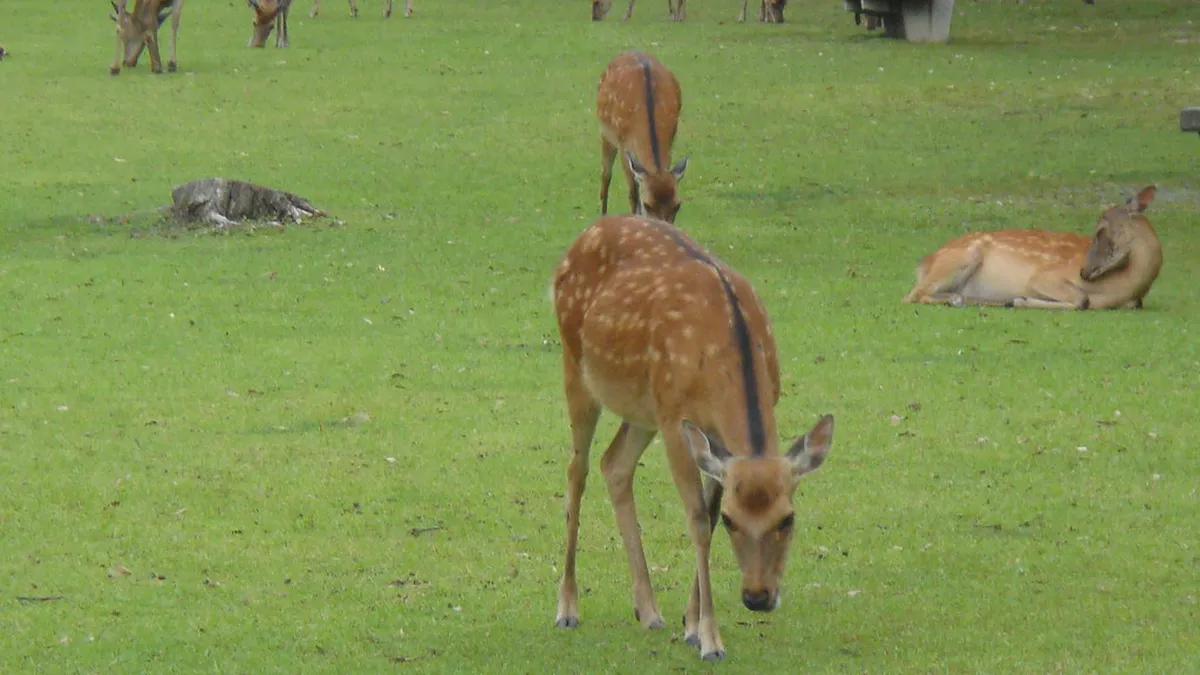
The deer in Nara Park are wild animals — they will headbutt and bite if stressed. Never hold shika senbei above your head (they jump), never feed non-official food or plastic, and keep a firm distance from mothers with fawns in late spring. Only use the official deer crackers sold at licensed stalls for ¥200 per pack.
The deer in Nara Park are wild animals protected by law, and the official Nara City tourism association publishes seasonal etiquette guidance worth reviewing before your visit. Several behaviours cause problems each year: holding shika senbei above your head (they jump for it), feeding them plastic bags or non-official food (harmful and illegal), and approaching mothers with fawns in late spring. If a deer headbutts you, it wants crackers — drop the packet and step back. Do not pull it away or shout, as this escalates.
Children under ten need supervision near the deer at all times. The animals are not aggressive by nature but are persistent and unaware of their size relative to a small child. The safest feeding experience is to crouch down to the deer's level and offer the crackers flat on your open palm rather than pinching them.
For lodging, staying inside Nara city gives you the park before 08:00 — impossible as a day-tripper and genuinely the best version of the experience. Nara has limited hotel stock relative to demand in peak season; budget accommodation near the station fills first. Ryokan in the Naramachi area offer kaiseki dinner and breakfast and put you 10 minutes from Todai-ji on foot. See our Nara ryokan guide for vetted options and 2026 pricing.
Nara rewards visitors who arrive early, move at their own pace, and give the quieter sites — Yoshikien, Shin-Yakushi-ji, the Kasuga Forest trail — the same attention as the headline temples. The city is compact enough that a single good day covers the essentials; two days covers everything. Start planning with the guides linked throughout this page.
Explore More Nara Guides
Deep-dive guides for every part of a Nara trip — from the marquee temples and deer park to day-trip logistics, seasonal viewing, and where to stay.
Temples & Shrines
- Todai-ji Temple Visiting Guide Travel Guide
- Kasuga Taisha Shrine Guide: Lanterns, Deer, and History
- Kofuku-ji Temple Guide Travel Guide
- Omizutori Festival Todai-ji Guide: Dates, Rituals, and Tips
Parks, Gardens & Nature
- Nara Deer Park Guide Travel Guide
- Isuien Garden Visiting Guide Travel Guide
- Yoshikien Garden Free Entry Guide Travel Guide
- Mount Wakakusa Hiking Guide Travel Guide
- Nara Cherry Blossom Guide: 10 Essential Tips & Spots
- Nara Autumn Foliage Guide: Best Spots, Timing, and Tips
Day Trips & Itineraries
- Nara Day Trip From Osaka: 10 Essential Planning Steps & Stops
- Nara Day Trip from Kyoto: The Ultimate 1-Day Itinerary
- Nara Itinerary 2 Days: The Ultimate Guide to Japan's Ancient Capital
Festivals & Events
- Shoso-in Autumn Exhibition Visiting Guide Travel Guide
- Yamayaki Festival Nara Guide: 7 Essential Planning Tips
Practical & Transport
- Nara Transportation Guide: 8 Essential Ways to Get Around
- Nara Ryokans for First Timers
- Nara Weather & Best Time to Visit
- Nara to Kyoto Train Guide: 5 Essential Travel Options
Food & Districts
- Naramachi Old Town Walking Guide Travel Guide
- Nara National Museum Guide Travel Guide
- 8 Must-Try Nara Food Specialties
- Best Restaurants in Nara
Where to Stay in Nara
Things to Do & Hidden Gems
Getting There, Day Trips & Planning
Plan Your Japan Trip
- Japan Travel Guide: Itineraries, Transport, Money & Tips
- Getting Around Japan: Trains, Buses & IC Cards
- Japan Money & IC Card Guide
More guides in this cluster
Going deeper on this theme? Our 8 Must-Try Nara Food Specialties guide covers it in detail, with the practical planning this page leaves out.
Explore attractions in other cities
Browse the Nara attraction directory for individual visitor guides, access details, and practical tips.
Free: The Nara Essentials guide
Top things to do, where to stay, a perfect day plan, getting around, and the best time to go — a Nara mini-guide you can take offline.
You might also like

Continue reading
More guides you'll find useful