Nara Cherry Blossom Guide: 10 Essential Tips & Spots
Plan your Nara cherry blossom trip with our 2026 forecast, top 10 viewing spots including Nara Park and Mt. Yoshino, and practical day-trip tips.
On this page
Nara is often called "Kyoto without the crowds," but during cherry blossom season it becomes something genuinely different — ancient temples, open parkland, and 1,200 wild deer all framed by cascading pink petals. It is one of the few places in Japan where you can photograph sakura and a bowing sika deer in the same shot without trying very hard.
This 2026 guide covers timing, the best viewing spots from beginner-friendly to off-the-beaten-path, how to pair Nara with a day in Kyoto, and a few practical tips that most guides skip. Late March to early April is the core window for city-level blooms, but the season in Nara stretches well into mid-April if you know where to look.
Cherry Blossoms in Nara: 2026 Forecast & Timing
Cherry blossom timing in Nara closely tracks Kyoto, usually by a day or two. Based on long-range models from the Japan Meteorological Corporation, the 2026 outlook for the city center and Nara Park is: first bloom around 25–28 March, full bloom between 1–5 April, and the best overall viewing window from 30 March to 7 April. These dates apply to lower-elevation sites. Mount Yoshino blooms one to two weeks later due to its altitude.
Temperatures during peak season typically range from 10–18°C. Mornings can feel genuinely cold, especially in the tree-shaded park, so pack a light layer even if the forecast looks warm. A "hana-bie" (flower chill) — a sudden cold snap in early April — can extend petal life but catches unprepared visitors off guard. Check the Nara weather guide for updated forecast links closer to your travel dates.
One thing most visitors misunderstand about Nara is that the season is staggered. If you miss peak bloom in the city, you have a genuine second chance in the mountains. This staggering is what makes Nara one of the most forgiving cherry blossom destinations in Japan.
| Spot | Peak bloom window (2026) | Best for | Entry fee |
|---|---|---|---|
| Himuro Shrine | ~Mar 20–27 (earliest in city) | Weeping cherry, quiet | Free |
| Nara Park (central) | Mar 30–Apr 7 | Deer + sakura photography | Free |
| Todai-ji approach | Mar 30–Apr 7 | Temple backdrop, large trees | Free (outer grounds) |
| Ukimido Pavilion | Mar 30–Apr 7 | Reflection photography (calm mornings) | Free |
| Mount Yoshino (lower) | Early–mid April | 30,000 trees, staggered color | Free (area access) |
| Takada Senbon Sakura | Late Mar–early Apr | Evening illuminations, local feel | Free |
Nara Park: Deer and Sakura Together
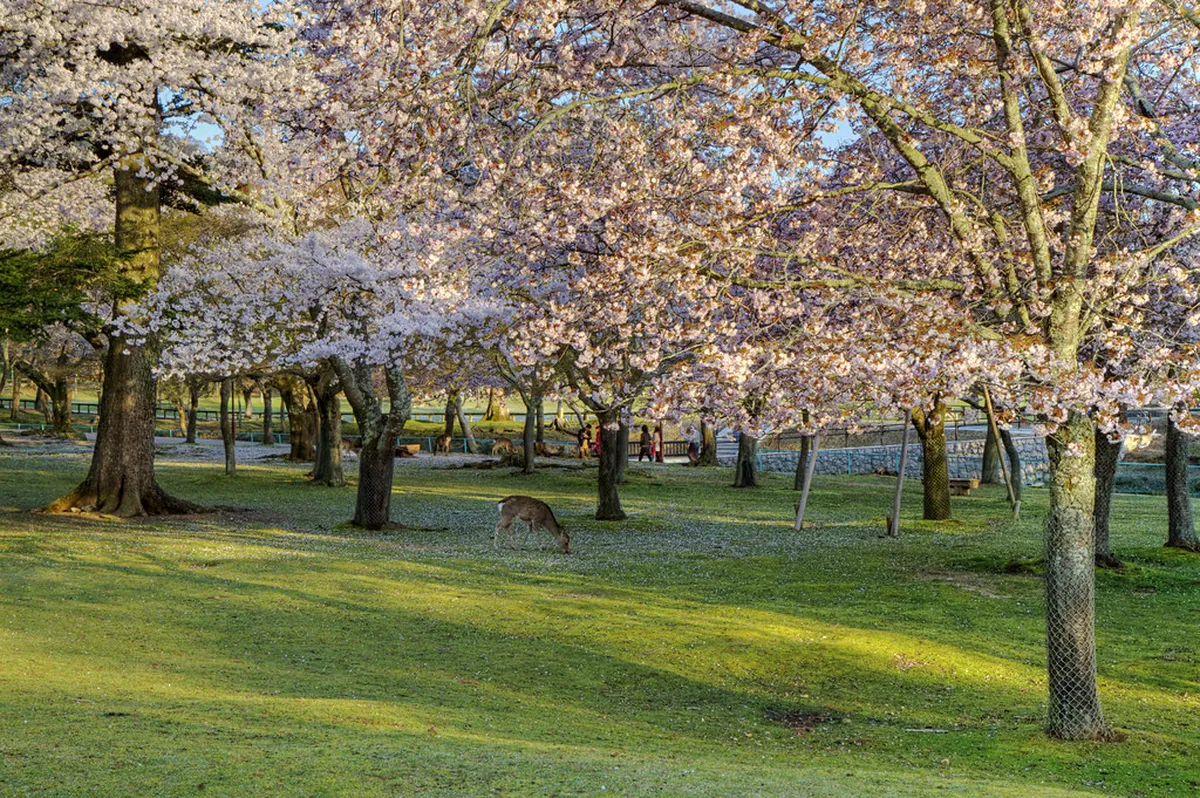
Nara Park is the primary destination for the classic combination of deer and blossoms. Over 1,200 wild sika deer roam freely among the ancient cherry trees across the park's open lawns, pond edges, and temple approaches. The bloom here peaks in the first week of April, and the sheer scale — hundreds of trees scattered across a large green park — means you rarely feel boxed in even when crowds arrive.
The area near Ukimido Pavilion (also written Ukimidou), a small wooden structure built over Sagi-ike Pond on the western side of the park, is worth prioritising for photographers. On calm mornings the pond surface mirrors the surrounding cherry trees perfectly. This pocket of the park is noticeably quieter than the main path toward Todai-ji Temple, even at 10:00 AM.
A practical tip that most guides skip: the area directly behind Todai-ji, further into the forested hillside, stays calm even at midday when the front of the park is packed with tour groups. Walking fifteen minutes past the main gate rewards you with a completely different atmosphere — quieter paths, older trees, and deer that are less habituated to crowds. This is where you get the unhurried spring experience Nara is actually famous for.
Mount Yoshino (Yoshinoyama) 吉野山
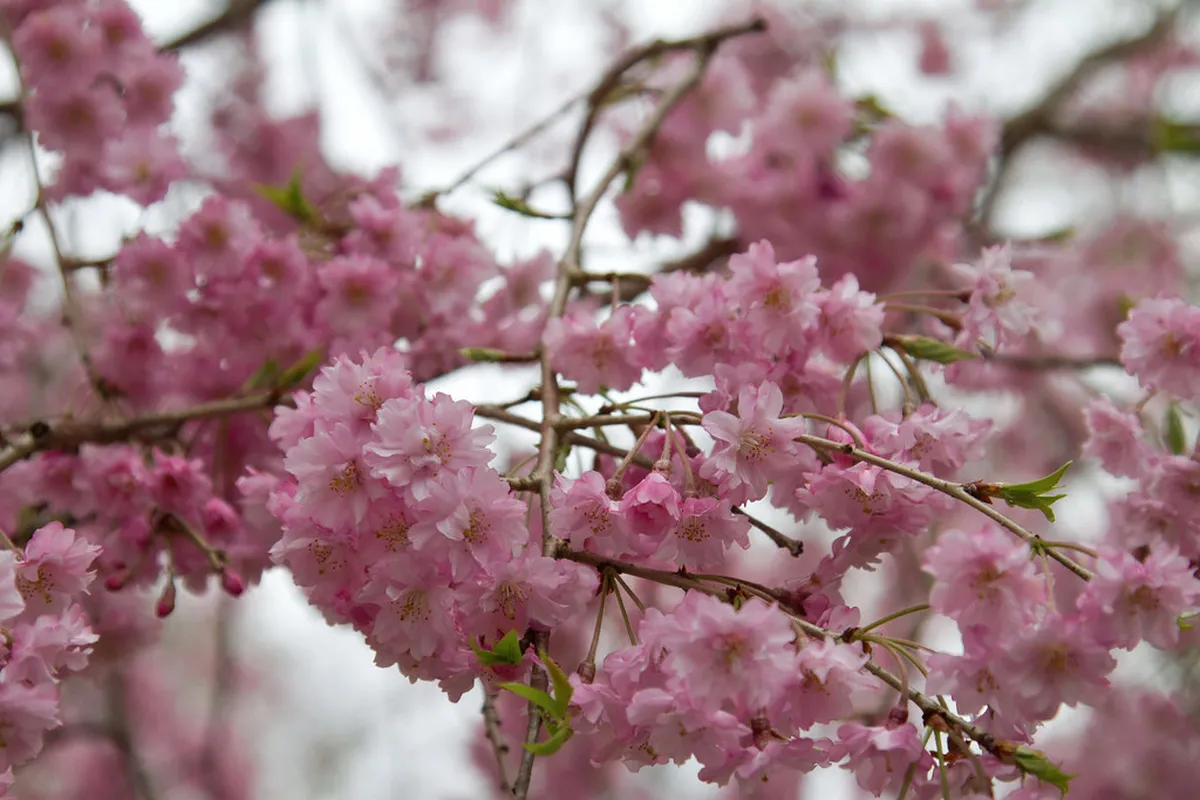
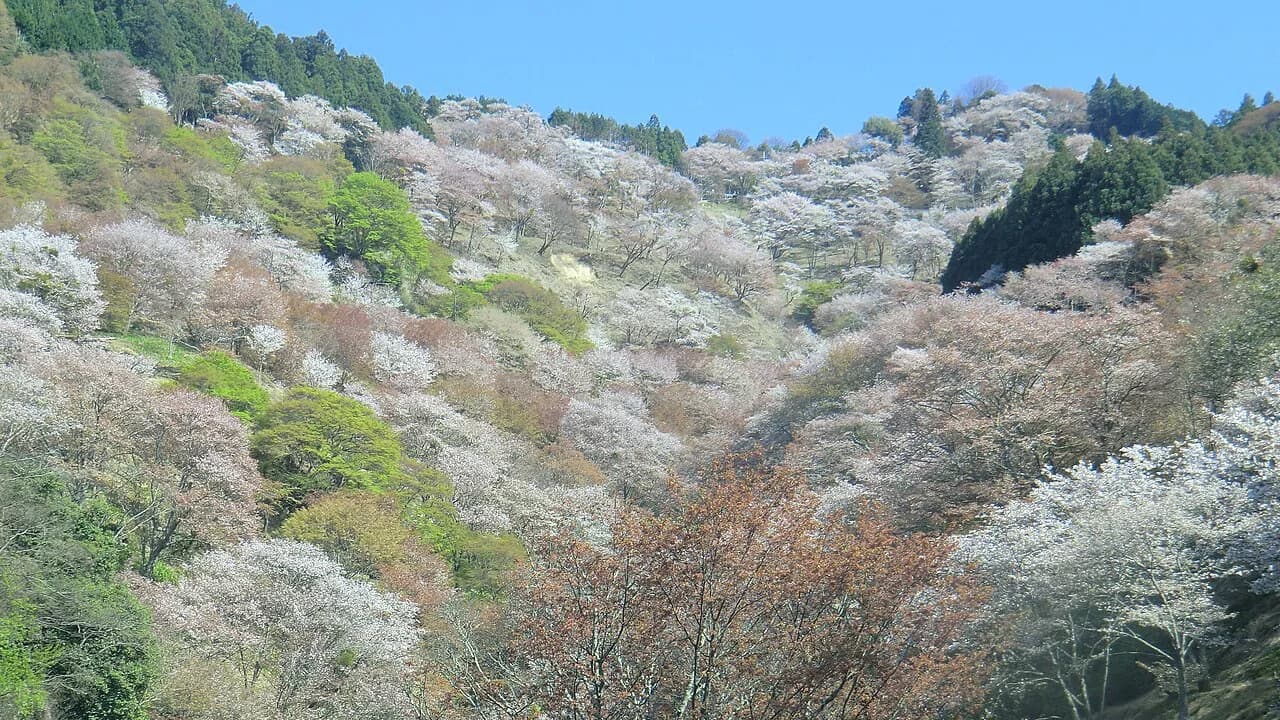
Mount Yoshino is Japan's most famous mountain cherry blossom site, home to roughly 30,000 trees across four staggered elevation zones. The mountain is a UNESCO World Heritage Site, and the oldest trees here are over 1,300 years old. Because the trees grow at different altitudes, bloom moves upward through the mountain over three to four weeks, giving visitors a wider timing window than any single-location park.
The four sections — Shimo Senbon (lower), Naka Senbon (middle), Kami Senbon (upper), and Oku Senbon (innermost) — bloom sequentially from late March through mid-April. Naka Senbon around Kinpusenji Temple is the most accessible and photogenic for a half-day visit. Oku Senbon at the summit stays quieter and blooms latest, making it the right choice if you're visiting after the first week of April.
Getting here requires planning. From Kintetsu Nara Station, take the Kintetsu Yoshino Line to Yoshino Station (roughly 90 minutes, around 900 yen one way), then either take the ropeway or walk up. Arrive by 08:30 to beat the shuttle queues that form by 10:00 AM on peak-season weekends. From Kyoto or Osaka's Abenobashi Station, direct express trains on the Kintetsu Yoshino Line take 90 minutes for around 1,170 yen. Budget a full day — a round trip from Kyoto alone is 3 to 3.5 hours of travel.
Best Sakura Spots in Nara for First-Time Visitors
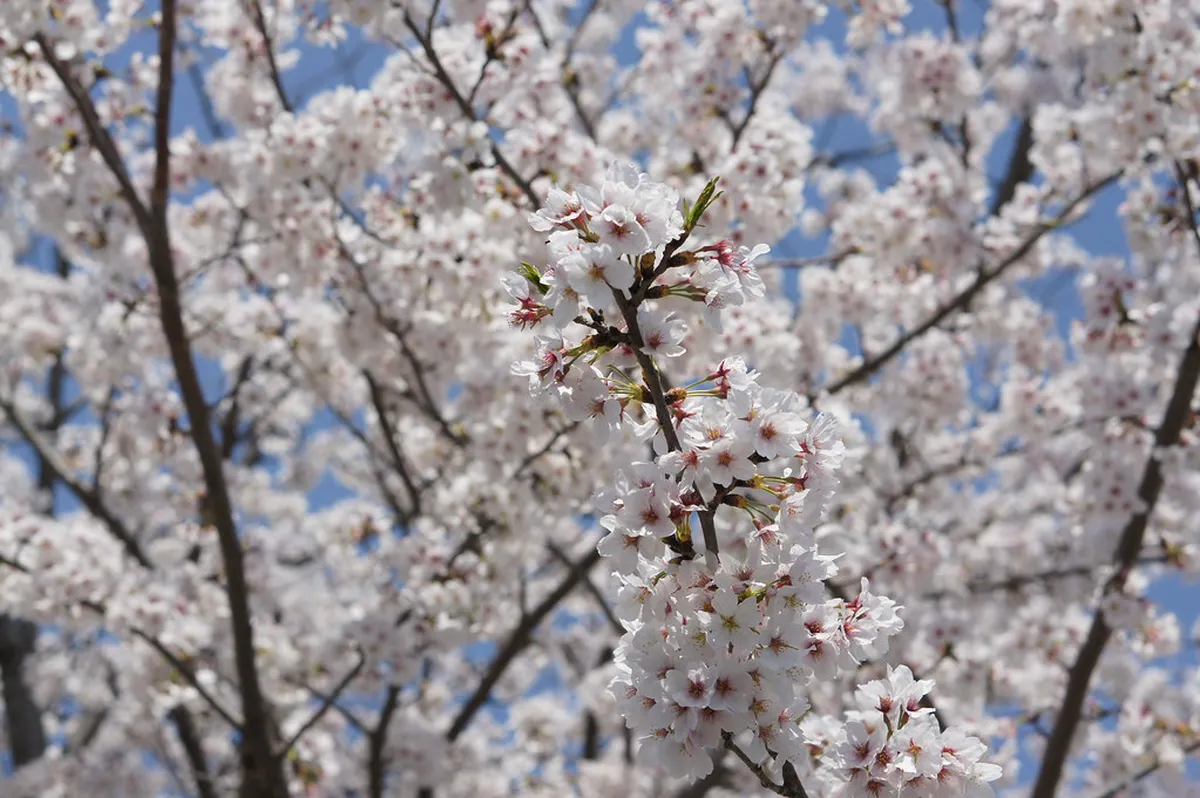
If you only have one day in Nara, skip the pressure of trying to reach every location. These five spots cover the best range of scenery, history, and ease of access for a first-time visitor.
- Nara Park — The obvious starting point. Deer, blossoms, open space, free entry. Peak: late March to early April. Walk 15–20 minutes from Kintetsu Nara Station.
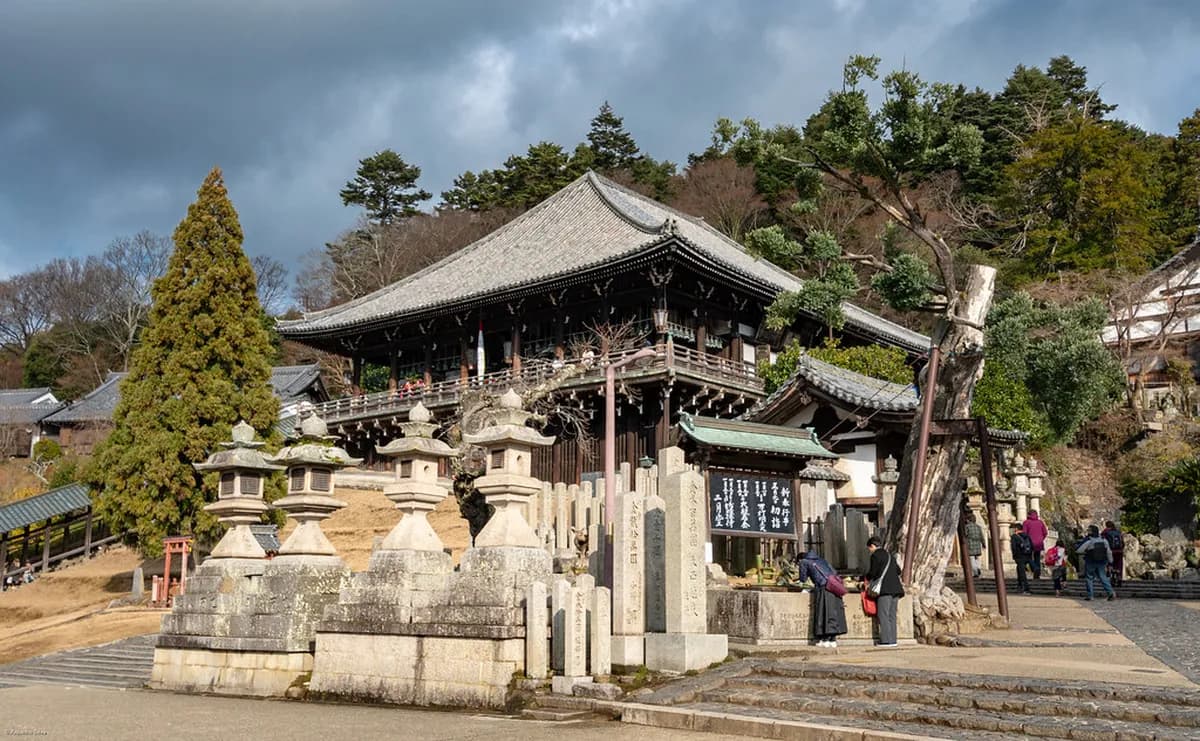
- Todai-ji Temple grounds — Cherry trees frame the Great Buddha hall on the approach path. Entrance to the main hall is 600 yen; the outer grounds are free. The large tree to the left of the Nandaimon Gate is a standout.
- Ukimido Pavilion — Best for reflection photography on calm mornings. West side of Nara Park near Isui-en Garden. Free, low crowds before 09:00.
- Himuro Shrine — Nara's earliest bloomer, typically opening one week before Nara Park. Small, quiet, no entrance fee. Located south of Nara Park near the Naramachi district.
- Mount Wakakusa — A gentle grass hill behind the park offering wide views over the city with cherry trees on the lower slopes. Entrance fee of 150 yen during the open season. Less visited than the temple area despite the easy access.
For photographers, the deer-to-sakura ratio is highest in the open lawns between Nara National Museum and Ukimido. That zone concentrates the most deer traffic relative to tree density. Himuro Shrine, by contrast, has almost no deer but offers dramatic weeping cherry branches with little distraction. Match the spot to your priority.
Takada Senbon Sakura: The Low-Crowd Alternative
Takada Senbon Sakura (高田千本桜), meaning "thousand cherry blossoms of Takada," is the least-discussed spot among the five SERP competitors but one of the most rewarding in the prefecture. The Takada River and surrounding streets are lined with cherry trees, and the blooming period mirrors Nara Park — late March to early April — so it fits naturally into the same trip.
What sets Takada apart is the evening yozakura (night cherry blossom) illuminations. After dark, festival lanterns light the riverside trees from below, and the atmosphere shifts from daytime sightseeing to something more festive and local. Families, couples, and food stall vendors gather along the river in a way you will not find at Todai-ji or Yoshino. If you are spending two nights in Nara and want one evening experience that feels off the tourist track, this is the spot.
Access: take the Kintetsu Osaka Line from Kintetsu Nara Station to Yamato-Takada Station (around 30 minutes, approximately 400 yen). The river path is a short walk from the station exit. No entrance fee. Crowds are a fraction of Nara Park even on full-bloom weekends.
How to Combine Kyoto and Nara in One Day
Many travelers base themselves in Kyoto and wonder whether Nara justifies a full separate day. For most people, one well-timed morning in Nara followed by an afternoon in Kyoto is the most efficient structure. The key is using the Kintetsu Railway rather than JR, since Kintetsu Nara Station deposits you much closer to the park — saving 15 minutes of walking each way compared to JR Nara.
A practical timetable: board the Kintetsu Kyoto Line Express from Kintetsu Kyoto Station (platform B2 at Kyoto Station) at 08:10 or 08:30, arriving Kintetsu Nara at approximately 09:00 (journey time around 45 minutes, fare around 760 yen one way without rail pass). Spend 09:00–12:30 covering Nara Park, Ukimido, and Todai-ji. Board the 13:00 express back, reaching Kyoto by 13:45 for afternoon temple visits. Express trains run every 20–30 minutes throughout the day. The Local train is cheaper but adds 25–30 minutes each way — the trade-off is not worth it during cherry blossom season when you want maximum time in the park before tour groups arrive.
If you prefer a guided option, Nara Day Trip from Kyoto: The Ultimate 1-Day Itinerary tours typically cover the park, Todai-ji, and sometimes Kasuga Taisha in a single morning, with return by early afternoon. Check the Nara Transportation Guide: 8 Essential Ways to Get Around for platform-by-platform details on Kintetsu vs JR routing.
Japan Luggage Guide: What Tourists Need to Know
Luggage logistics become a genuine problem during peak cherry blossom season in Nara. Kintetsu Nara Station has coin lockers of various sizes, but they fill up by 10:00 AM on weekday peak days and by 09:00 on weekends at the height of sakura season. If you arrive with a large suitcase after 09:30, expect all large lockers to be taken.
The best strategy is to use a luggage forwarding service the night before. Yamato Transport (クロネコヤマト) and Sagawa Express both offer next-day delivery from most Kyoto hotels to Nara accommodation or onward to Tokyo. This costs around 1,500–2,500 yen per bag depending on size, and frees you from any locker stress. Alternatively, several small shops in the streets immediately east and west of the station accept same-day storage for a flat fee of 500–800 yen per bag — useful if you arrive late and all lockers are gone.
One underused option: if you are day-tripping from Kyoto with no need to store bags overnight, simply leave them at your Kyoto hotel's bell desk and travel light. Most hotels in Kyoto allow this even after checkout, which eliminates the locker problem entirely.
More Cherry Blossom Viewing Spots in Japan
Nara is an excellent base for broader cherry blossom chasing in the Kansai region. From Nara you can reach Kyoto's main sakura corridors (Maruyama Park, Philosopher's Path, Arashiyama) in under an hour. Osaka Castle Park blooms at roughly the same time as Nara Park and is accessible in 50 minutes on the Kintetsu Osaka Line.
If you are planning a longer sakura trip and want to understand the national bloom calendar — including which regions peak first and how to chain locations as the front moves north — the Nara weather guide includes links to the Japan Meteorological Corporation's annual forecast maps, which are published each February. Tokyo typically peaks four to five days after Nara; Hirosaki and Sendai peak two to three weeks later, extending a sakura-focused trip well into late April.
Practical Tips for Cherry Blossom Season in Nara
Arrive at Nara Park before 09:00 to have the deer and blossoms largely to yourself. Large tour groups from Kyoto arrive from 10:00 onward. Leaving by 13:00 also avoids the return-trip crush on the Kintetsu line and gets you back to Kyoto for afternoon temple visits.
Arrive early, leave by 13:00. Large tour groups arrive between 10:00 AM and 15:00. If you reach Nara Park before 09:00 you will have the deer and blossoms largely to yourself. Leaving by 13:00 also lets you return to Kyoto before the return-trip crush on the Kintetsu line.
Kintetsu Nara Station coin lockers fill by 09:00 on peak cherry blossom weekends. Use luggage forwarding (Yamato Transport) from your Kyoto hotel the night before, or leave bags at your hotel's bell desk and travel light — most Kyoto hotels allow this even after checkout.
Deer etiquette matters more in spring. During cherry blossom season, unusually large crowds stress the deer. Do not surround a single deer, do not try to force selfies, and only use official shika-senbei (deer crackers) sold by licensed vendors — random food is harmful to them. Stressed deer will headbutt and bite, so treat the crackers as a formal interaction, not a casual snack-sharing moment.
Watch for sakura fubuki. Cherry blossoms at their falling peak create a "cherry blossom snowstorm" — petals drift sideways in the wind in dense pale-pink clouds. This phase occurs a few days after peak full bloom and is arguably more photogenic than the static peak. Timing it is tricky, but if you see blossom coverage at around 70% and wind in the forecast, try to plan your park walk for late morning when thermal air movement typically picks up.
Food to try during hanami season: Kakinoha-zushi (persimmon leaf-wrapped sushi) is the Nara specialty and available at shops around the park. Nakatanido near Higashimuki shopping arcade does live mochi pounding demonstrations — the mugwort mochi here are the best in the city. Many Naramachi patisseries release sakura-flavored wagashi for the season, which work well as a portable picnic sweet.
Frequently Asked Questions
Do cherry blossoms and deer appear in the same area?
Yes, you can see deer and blossoms together in Nara Park. Most deer graze under the trees near Todai-ji and Ukimido. This creates perfect opportunities for unique spring photography.
Are cherry blossoms in Nara free to visit?
Access to Nara Park and most blossom areas is completely free. Some specific temple gardens may charge a small entrance fee. You can see thousands of trees without spending any money.
Is Mount Yoshino worth it on a day trip?
Mount Yoshino is worth it if you have a full day. The train ride takes about 90 minutes from Nara or Kyoto. It offers a much larger scale of blossoms than the city park.
Pair this with our broader Nara attractions guide for the full city overview.
Nara is a premier destination for experiencing the magic of spring in Japan. The blend of nature, history, and wildlife is truly one of a kind. Plan your visit carefully to make the most of the short season.
Whether you hike Mount Yoshino or relax in Nara Park, the memories will last. Follow these tips to navigate the crowds and enjoy the stunning pink landscapes. Safe travels on your upcoming Japanese adventure.
Free: The Nara Essentials guide
Top things to do, where to stay, a perfect day plan, getting around, and the best time to go — a Nara mini-guide you can take offline.
You might also like


Continue reading
More guides you'll find useful