Nara Deer Park Guide
Plan nara deer park guide with top picks, neighborhood context, timing tips, and practical booking advice for a smoother trip.
On this page
Nara Park combines historic temples, open lawns, and close encounters with the city’s protected deer.
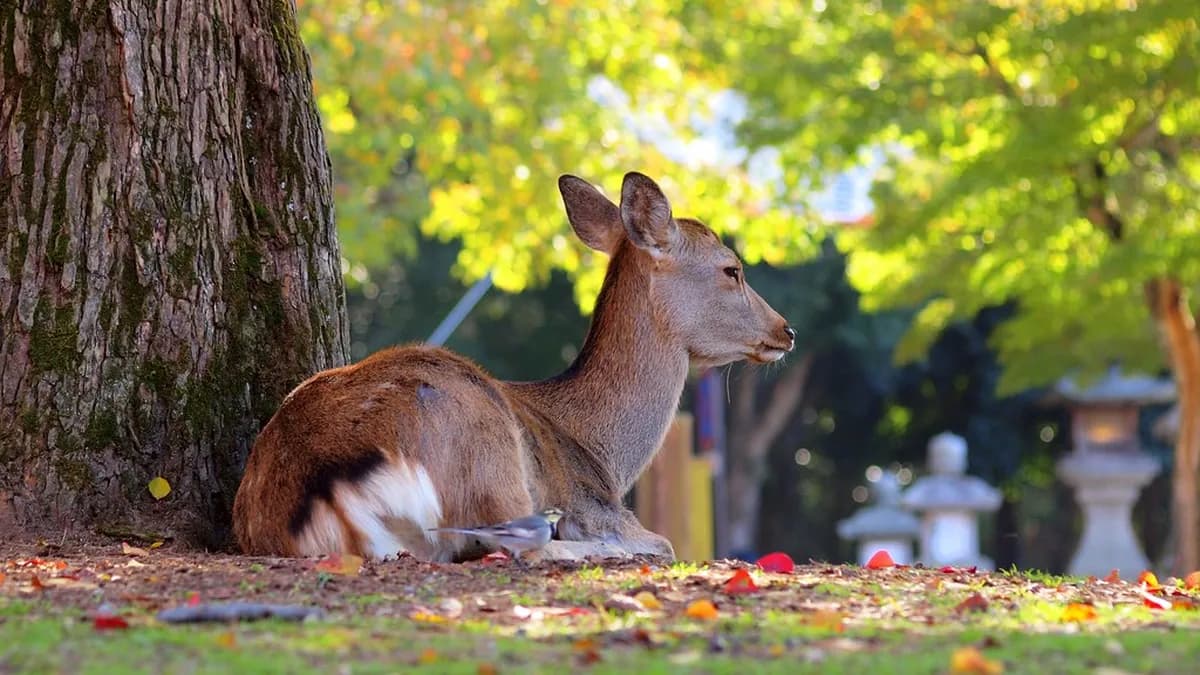
The deer are wild animals, not pets, but they often approach anyone holding shika senbei crackers.
This 2026 Nara deer park guide covers where the park is, how to get there, what to see, and how to feed the deer without a scramble.
A focused Nara Itinerary for First-Timers helps fit the deer, Todai-ji, Kasuga Taisha, gardens, and food into one day.
Where is Nara Park?
Nara Park sits in central Nara, east of the main shopping streets and between Kintetsu Nara Station, Todai-ji Temple, Kasuga Taisha Shrine, and Mount Wakakusa. For navigation, use Nara Park, Nara, 630-8211, Japan.
The park is not a fenced attraction with one entrance. Lawns, temple approaches, museums, ponds, tea houses, and roads flow into one another.
Kintetsu Nara Station is the most convenient arrival point because the first deer areas are 5 to 10 minutes away on foot. JR Nara Station is farther west, so allow about 20 minutes or use the local loop bus. For historical context on the 502-hectare grounds, see the Nara Park overview on Wikipedia.
How to Get to Nara Park from Osaka or Kyoto
From Osaka, take the Kintetsu Nara Line from Osaka-Namba to Kintetsu Nara. Direct trains are frequent, and reservations are usually unnecessary.
From Kyoto, use the JR Nara Line to JR Nara Station or a Kintetsu route to Kintetsu Nara. JR helps rail-pass holders, while Kintetsu usually drops you closer to the park.
A Nara Day Trip from Kyoto: The Ultimate 1-Day Itinerary works best with an early start, and a Nara Day Trip From Osaka: 10 Essential Planning Steps & Stops is even easier from Namba. Arrive before 09:00 for calmer paths.
Opening Hours, Costs, and How Long to Spend
Nara Park grounds are free to enter. Budget ¥800 for Todai-ji's Great Buddha Hall, ¥200 per pack for shika senbei deer crackers, and ¥1,200 for Isuien Garden if you want a quieter green space after the main sights.
Nara Park is a public park, so the grounds do not have one ticket gate or fixed closing time. Budget separately for halls, museums, gardens, snacks, and transport.
In 2026, Todai-ji’s Great Buddha Hall costs ¥800 for adults and is generally open 07:30 to 17:30 from April to October, then 08:00 to 17:00 from November to March; verify current schedules on the official Todai-ji website. Isuien Garden is a quieter add-on near Todai-ji, open 09:30 to 16:30 with adult admission of ¥1,200.
Allow 2 to 3 hours for deer, Todai-ji, and a relaxed walk. Plan 5 to 6 hours if you also want Kasuga Taisha, Isuien Garden, lunch, and souvenirs.
| Paid stop | Adult fee (2026) | Hours |
|---|---|---|
| Todai-ji Great Buddha Hall | ¥800 | 07:30–17:30 (Apr–Oct) / 08:00–17:00 (Nov–Mar) |
| Kasuga Taisha inner shrine | ¥500 | Outer path free anytime |
| Isuien Garden | ¥1,200 | 09:30–16:30 (closed Tue) |
| Shika senbei deer crackers | ¥200 per pack | Vendors open ~08:30 until sold out |
Family-Friendly and Budget-Friendly Options in Nara
Entering the park grounds is free, so Nara works well for families and budget travelers. The main optional costs are deer crackers, temple entries, museums, and snacks.
Feeding the Nara deer is the headline experience, but buy one pack first and see how your group reacts. Some children feel overwhelmed when several deer gather.
Keep maps, bags, tickets, and wrappers inside a zipped bag. Deer can mistake paper or plastic for food, and visitors should only feed them shika senbei. If you're bringing children, check out Nara with kids for family-friendly tips and activities.
How to Plan a Smooth Nara Attractions Day
Start at Kintetsu Nara Station, walk through the shopping streets, then enter near Kofuku-ji or the main Todai-ji approach. This gives you deer encounters early without stopping at the busiest cracker stalls.
A good first-timer route is Kofuku-ji, Nara Park lawns, Todai-ji, Kasuga Taisha, then lunch or coffee near the station. Add Isuien Garden if you prefer quiet scenery over extra shopping time.
Use a Todai-ji Temple Visiting Guide before you arrive so the Great Buddha Hall, Nandaimon Gate, and surrounding sub-temples have context. Nara is better when the deer are part of the day, not the only reason for the trip.
How to Feed the Deer Safely
Antlered males can push, nip, or headbutt when frustrated — especially during the October rutting season. Give bucks extra space and move away calmly if a deer lowers its head toward you.
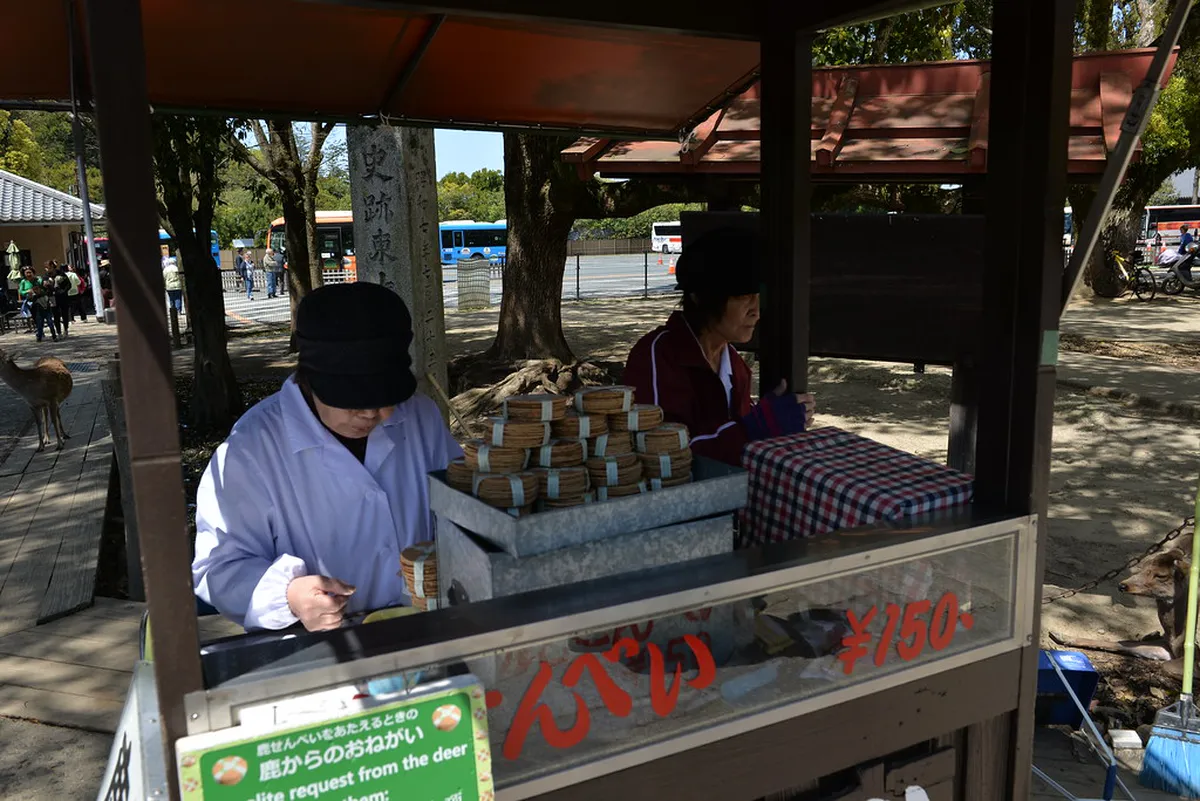
Buy crackers only when you are ready to feed, then move away from the stall before opening the bundle. The deer closest to vendors are usually the most alert because they know where food appears. Remember these are wild Japanese sika deer, not petting-zoo animals.
Hold one cracker at a time, keep the rest hidden, and show empty hands when finished. Many deer leave once they see no food left.
Bow if you want the classic photo, but do not tease a deer by pulling food away. Feed official crackers, keep children beside you, and give antlered males extra space.
Must-See Nara Attractions Around the Deer Park
Todai-ji is the essential sight. The Great Buddha Hall is one of Nara’s defining landmarks, and the Nandaimon Gate approach gives the visit scale.
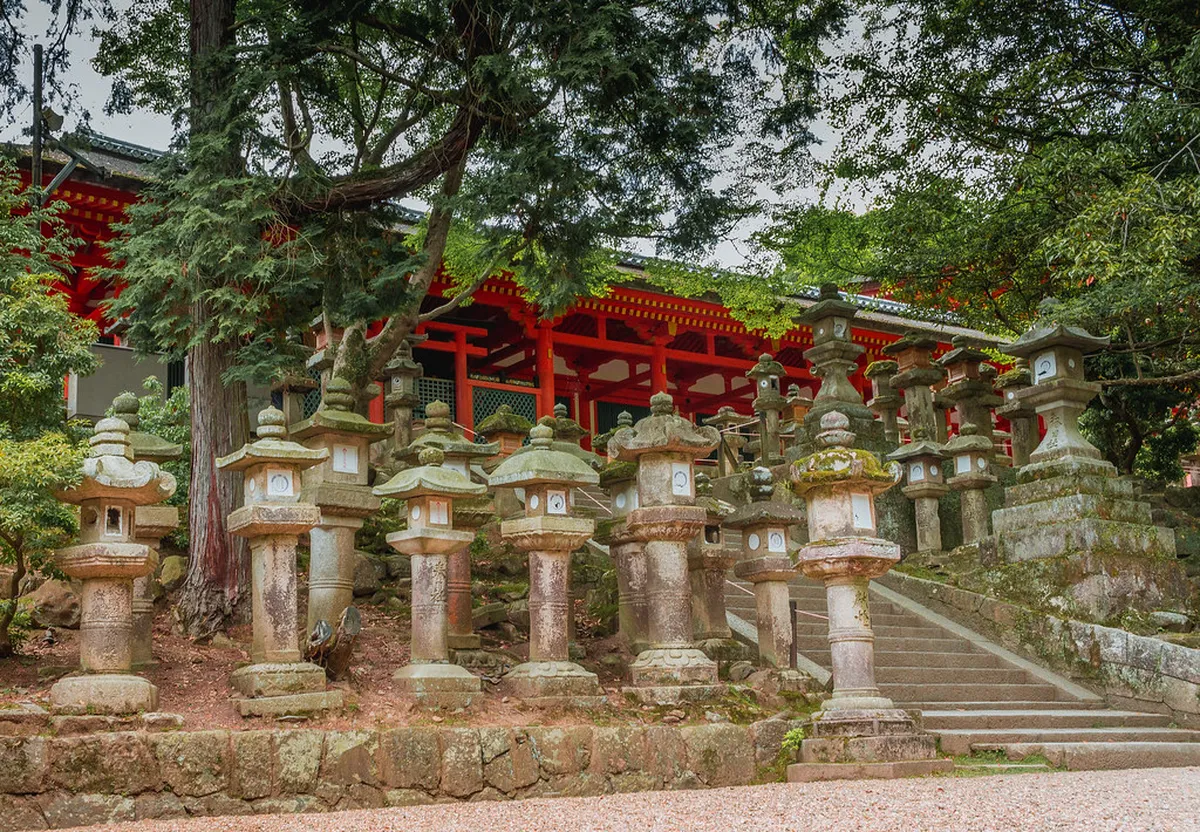
Kasuga Taisha adds forest paths, stone lanterns, and shrine buildings deeper in the park. Kofuku-ji is easy to fit at the start or end because it sits closer to the station.
For gardens, Isuien Garden is the refined paid option near Todai-ji, while Yoshikien is a convenient companion stop. An Isuien Garden Visiting Guide helps explain the borrowed-scenery design.
Where to Eat Near Nara Park
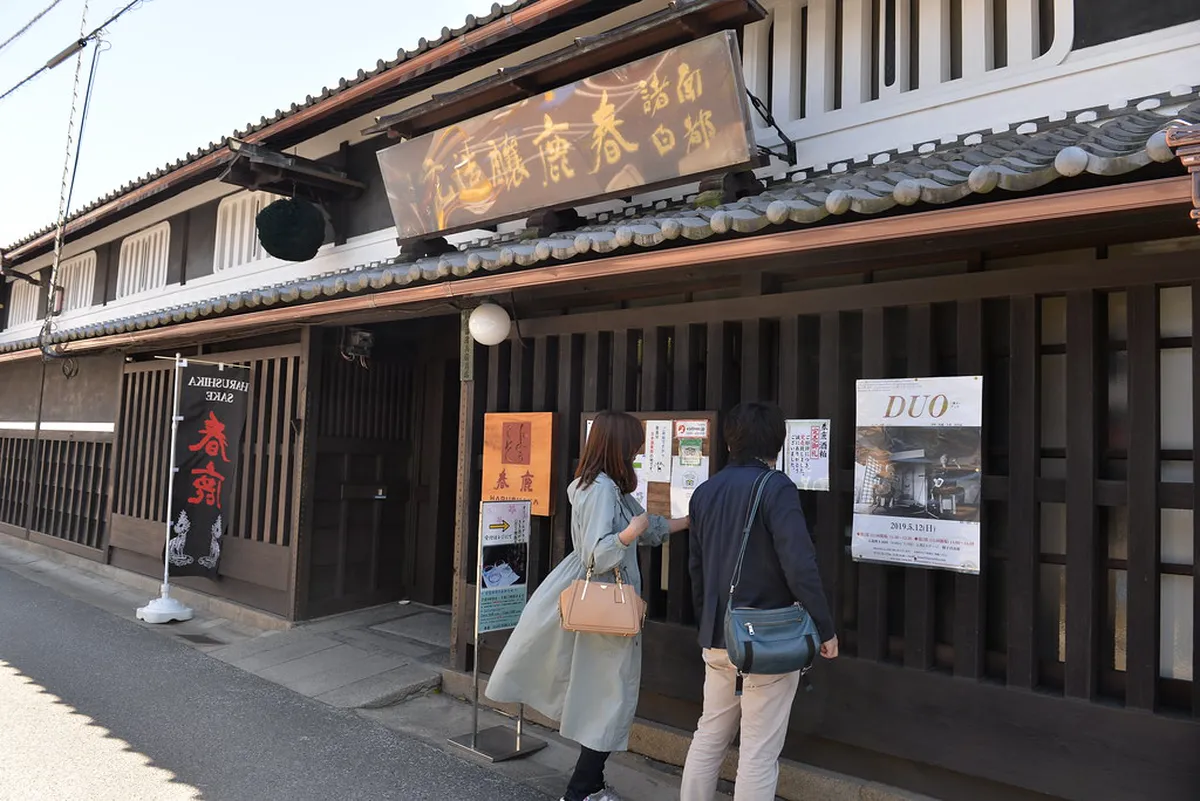
The easiest food strategy is to eat near Kintetsu Nara Station before or after the park loop. The streets toward Kofuku-ji have cafes, sweets shops, restaurants, and souvenir stores.
Nakatanidou is the famous mochi stop, especially if you catch the fast mochi-pounding demonstration. For a quieter break, look near Kasuga Taisha and the museum area.
For a local food day, pair the park with a 8 Must-Try Nara Food Specialties: A Local Cuisine Guide and save room for kakinoha-zushi, yomogi mochi, or lunch after the morning crowds arrive.
Quiet Route and Accessibility Notes
The easiest mistake is stopping at the first crowded deer cluster near the station-side entrances. Walk farther toward the open lawns, Todai-ji approach, or Kasuga Taisha paths for calmer deer and more space.
For strollers or limited mobility, the station-to-Todai-ji corridor is the most practical route because it has clearer paths, more shops, and easier retreat points. Forested shrine approaches can have uneven surfaces and slopes.
Isuien Garden is peaceful, but its access notes warn that some stepping stones are difficult and the garden is not wheelchair accessible. If access is a priority, choose wider park paths and station-side meal stops.
Frequently Asked Questions
How much does it cost to enter Nara Park?
Entering the park grounds is completely free for all visitors. However, individual temples like Todai-ji and museums charge their own admission fees. You should also budget for a 8 Must-Try Nara Food Specialties: A Local Cuisine Guide to enjoy local snacks during your day.
Are the deer in Nara Park dangerous?
The deer are wild animals but generally accustomed to humans. They can become aggressive if they smell food or if you tease them with crackers. Always follow the safety signs posted throughout the park to ensure a safe interaction for everyone.
What is the best time of year to visit Nara?
Spring and autumn offer the most pleasant weather and beautiful scenery. Cherry blossoms bloom in early April, while vibrant fall colors peak in late November. Visiting during the shoulder seasons helps you avoid the largest crowds of the peak summer months.
See our Nara attractions guide for the broader city overview.
Nara Park is worth visiting because it delivers wildlife, history, and easy logistics in one compact area.
Go early, keep crackers hidden until you are ready, and build the day around Todai-ji, Kasuga Taisha, gardens, and food.
Free: The Nara Essentials guide
Top things to do, where to stay, a perfect day plan, getting around, and the best time to go — a Nara mini-guide you can take offline.
You might also like



Continue reading
More guides you'll find useful