

Nara Weather & Best Time to Visit: 8 Essential Planning Tips
Discover the best time to visit Nara based on weather, festivals, and deer-watching. Includes a month-by-month guide to cherry blossoms and crowd avoidance.
On this page
For most travelers, the best time to visit Nara in 2026 is late March to early April for cherry blossoms, late October to November for autumn color, or May and September if you want milder crowds with comfortable weather. Nara is walk-heavy, open-air, and exposed in places, so weather matters more here than in cities where you can duck indoors all day.
A typical Nara Day Trip From Osaka: 10 Essential Planning Steps & Stops means several hours between Nara Park, Todai-ji Temple, Kasuga Taisha, and nearby gardens. Choose April for sakura, November for red maples and golden ginkgo, June for fawn viewing, January or February for quiet temples, and August only if evening lantern events matter more than daytime comfort. For a broader context on Kyoto and Osaka, plan a Kansai region circuit.
Best Time to Visit Nara: The Quick Takeaway
Late March to early April brings cherry blossoms around Nara Park and the temple approaches. Late October to mid-November delivers crisp air and the strongest autumn foliage. Both windows are worth the extra booking effort.
March to May and October to November are the easiest months for a first visit. They combine pleasant walking temperatures, better light, and the seasonal scenery people usually picture when they think of Nara. April is beautiful but crowded; May is greener and calmer.
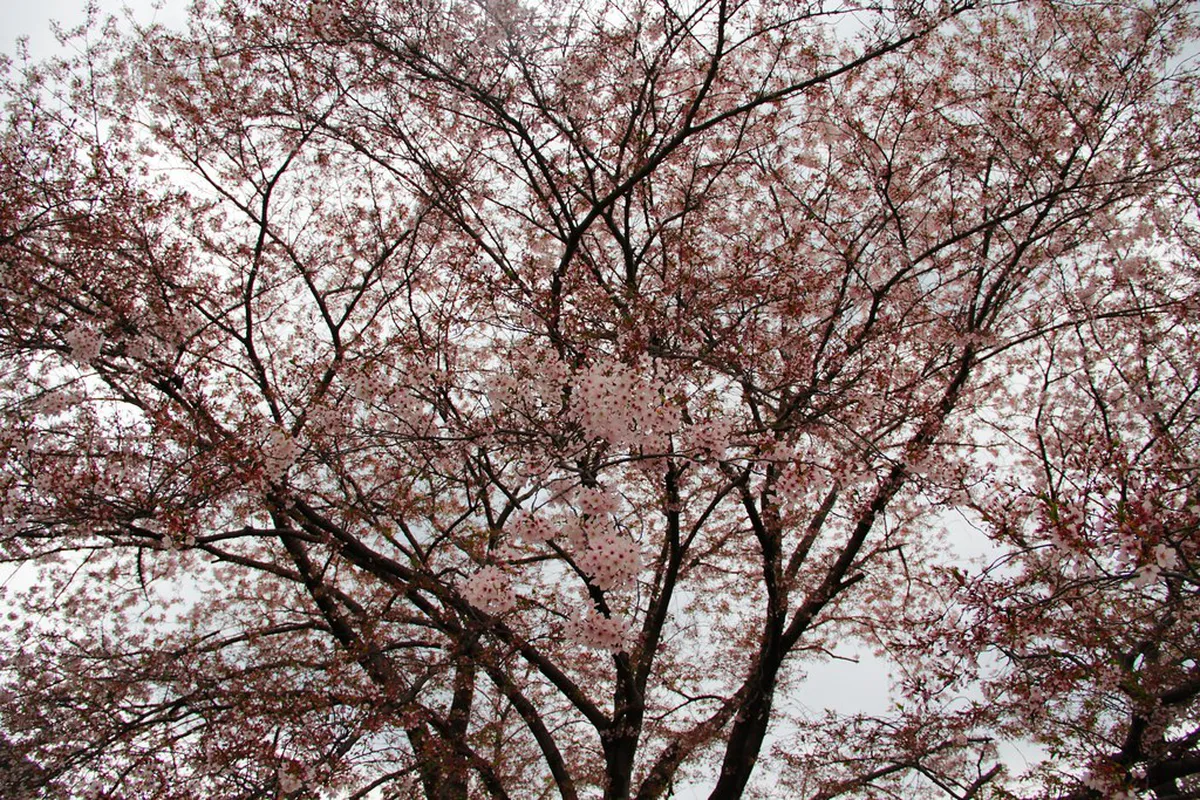
October and November are the strongest overall months if you care about weather more than cherry blossoms. The air is drier, skies are often clear, and the park feels comfortable for a full day outside. November has the best foliage, but also higher demand.
- Choose late March to early April for sakura around Nara Park and temple grounds.
- Choose May or September for good weather with fewer peak-season crowds.
- Choose late October to late November for foliage, crisp air, and strong photography conditions.
- Choose January or February for the quietest atmosphere and lower prices.
- Avoid July and August if heat and humidity make long walks difficult.
Nara Weather by Month: A Detailed Breakdown
Nara has four distinct seasons, with cold dry winters, mild springs, a humid rainy season, and clear autumn weather. The JMA monthly climate statistics are the most reliable place to confirm long-term averages before you book. March warms quickly, and by April the city is comfortable enough for long walks through Nara Park and the temple approaches.
June brings tsuyu, Japan's rainy season, and July to August brings the hardest sightseeing conditions. Temperatures can rise above 33°C / 91°F, and humidity makes the walk from the station to Todai-ji feel much longer. If summer is your only option, use the Nara Transportation Guide: 8 Essential Ways to Get Around to reduce unnecessary walking.
Autumn is the most reliable season for weather. October is warm to cool, November is crisp, and December is quieter with clear skies. Snow is uncommon in central Nara, but a light dusting can make temple roofs especially photogenic.
| Month | High | Low | Rain | Note |
|---|---|---|---|---|
| January | 9-10°C | 1-2°C | 55mm | Quiet, cold |
| February | 10-11°C | 2°C | 65mm | Quiet, cold |
| March | 13-15°C | 4-5°C | 110mm | Plum, early sakura |
| April | 19-21°C | 9-11°C | 115mm | Sakura, crowds |
| May | 24-26°C | 14-16°C | 125mm | Green, comfortable |
| June | 27-29°C | 18-20°C | 165mm | Rainy season |
| July | 31-33°C | 23-24°C | 180mm | Hot, humid |
| August | 33-34°C | 24-25°C | 110mm | Hot, Obon |
| September | 28-29°C | 20°C | 150mm | Storm risk |
| October | 22-23°C | 13-14°C | 90mm | Clear skies |
| November | 17°C | 7-8°C | 65mm | Autumn leaves |
| December | 11-12°C | 2-3°C | 45mm | Quiet, short days |
Best Time for Cherry Blossoms and Autumn Leaves
Nara's cherry blossoms usually peak from late March to early April, with the exact week shifting each year. In 2026, plan flexibly around the final week of March and the first week of April if sakura is your priority. Cross-check timing against the Weathernews sakura forecast in the weeks before you fly. Nara Park, Saho River, and temple approaches are especially scenic because blossoms, deer, and historic buildings appear in the same frame.
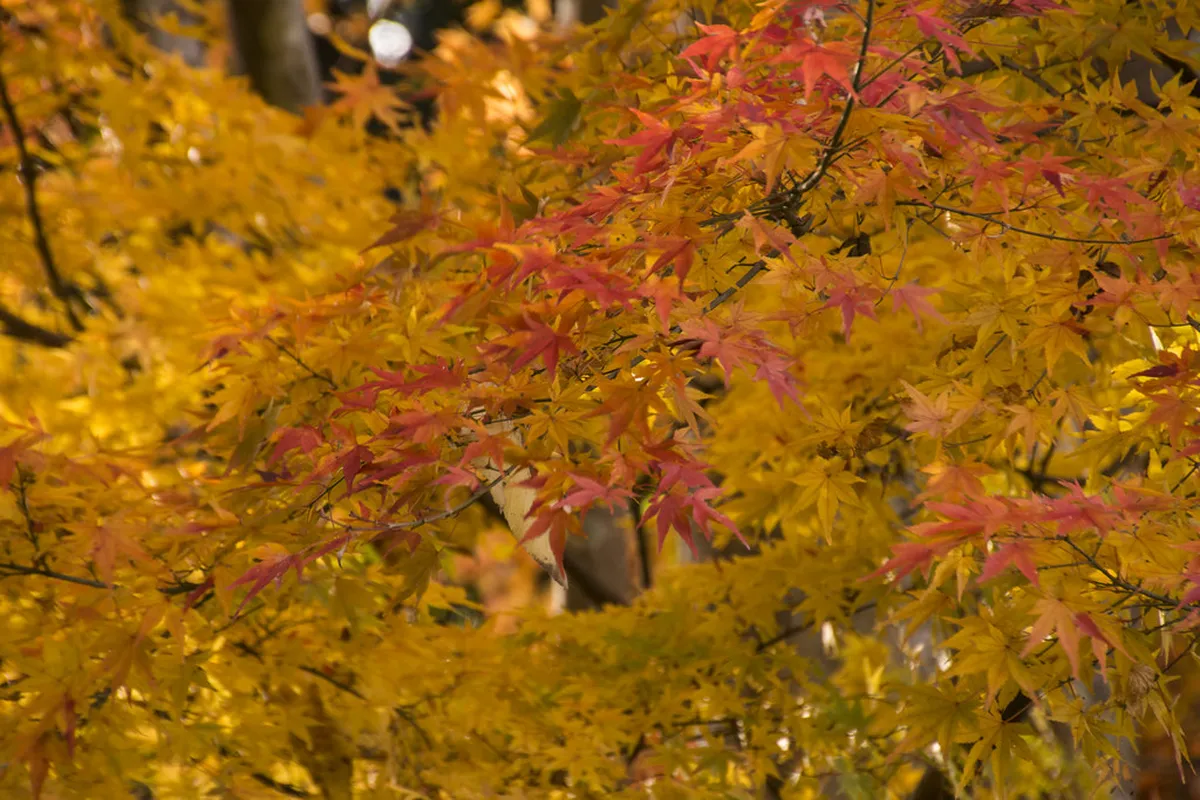
Early April is also one of the most crowded and expensive windows of the year. Book accommodation early, start before 8:00, and expect slow movement around Todai-ji and the main deer-cracker areas. For more detail on bloom routes, use the Nara Cherry Blossom Guide: 10 Essential Tips & Spots before locking your daily plan.
Autumn color usually starts in late October and becomes strongest from mid-November to early December. Nara Park, Isuien Garden, Kasuga Taisha approaches, Mount Wakakusa, and Todai-ji all work well for foliage. The Nara Autumn Foliage Guide: Best Spots, Timing, and Tips is useful because higher and lower areas can peak at slightly different times.
Best Time of Day to Visit Nara Park
The best time of day to visit Nara Park is early morning, ideally 7:30 to 9:00. The deer are more active, the main paths are still open, and tour groups have not fully arrived. Deer-cracker vendors often open around 8:30, so arriving just before then gives you a quiet start.
The busiest window is usually late morning through mid-afternoon, especially near Todai-ji, Kofuku-ji, and the central cracker stalls. If you arrive during this period, use Open the Nara map and move toward wider paths, quieter lawns, or Kasuga Taisha's forested approach. The park is large enough to escape bottlenecks if you avoid the obvious straight-line route.
Late afternoon is best for warmer light and calmer photos, but do not leave major temple visits too late. Many paid temple and museum areas close around 17:00 or earlier depending on season. In summer, early morning and late afternoon are also the safest times for heat management.
Most Famous Festivals of Nara Throughout the Year
Nara's festivals can be a reason to visit, but they change the crowd and hotel equation. Omizutori at Todai-ji in early March is powerful, smoky, and atmospheric, with large torches carried above Nigatsu-do. Check the Omizutori Festival Todai-ji Guide: Dates, Rituals, and Tips if you want a good viewing position without blocking local worshippers.
Kasuga Taisha Mantoro is held in February and August, when thousands of lanterns create one of Nara's most memorable night scenes. August also overlaps with heat, school holidays, and Obon travel, so it is better for festival-focused travelers than for people seeking easy daytime sightseeing. You can also join this 5-hour Nara walking tour if you prefer context while moving through the main historic area.
| Festival | Typical timing | Why go | Trade-off |
|---|---|---|---|
| Wakakusa Yamayaki | Late January | Fire and fireworks on Mount Wakakusa | Cold evening temperatures and limited viewing spots |
| Omizutori | Early to mid-March | Historic torch ceremony at Todai-ji | Dense crowds near Nigatsu-do on peak nights |
| Kasuga Taisha Mantoro | February and August | Lantern-lit shrine atmosphere | Winter cold in February or summer humidity in August |
| Shika no Tsunokiri | October | Traditional deer antler-cutting ceremony | Extra weekend crowds and limited seating |
| Kasuga Wakamiya Onmatsuri | Mid-December | Processions and performing arts | Short daylight and cold weather |
Holiday Times in Japan to Avoid
Avoid Golden Week (late April – early May), Obon (mid-August), and cherry blossom peak (late March – early April) if you want a quieter visit. These periods bring heavy domestic day-tripper traffic from Osaka and Kyoto.
If crowd avoidance is your priority, avoid the major Japanese holiday periods even when the weather looks good. The JNTO weather and seasons overview is a good reference for matching the national calendar to your travel window. Golden Week runs from late April into early May and can make trains, restaurants, and hotel rooms feel tight across the Kansai region. Nara's main sights are close enough to Osaka and Kyoto that domestic day-trippers can flood in quickly.
Obon in mid-August is another difficult period. It overlaps with heat, humidity, family travel, and evening events, so sightseeing requires more patience. New Year from late December through the first days of January brings shrine visits, special schedules, and some business closures, although major temples and shrines remain active.
Silver Week in September does not happen as dramatically every year, but clustered public holidays can still raise demand. If you must travel during a holiday, book early, ride trains before the late-morning rush, and visit Nara Park before the first large tour groups arrive.
Most and Least Crowded Seasons in Nara
The most crowded and expensive periods are late March to early April, late November, Golden Week, Obon, and some long holiday weekends. These periods are popular for good reasons: blossoms, foliage, family travel, and major events. They are still worth considering if scenery matters more than quiet.
The least crowded windows are mid-January to early March, mid-June to early July, and parts of December before year-end travel. January and February are cold but peaceful, while June and early July are humid and wet but less congested. December can be excellent for a calm temple day if you dress warmly and start early.
For the best balance, choose May after Golden Week, early June before the rain becomes heavy, September after school holidays, or late October before peak foliage crowds. These shoulder periods are often the smartest choice for travelers who want a smoother day rather than a postcard-perfect one.
What is the Best Time to Watch Nara’s Deer?
The best deer-viewing season depends on what you want to see. June to August is the most distinctive because many deer have light brown coats with white spots, and fawns are usually born around June. The youngest fawns may be protected in controlled areas before they join the wider park, so do not expect to touch or feed them.
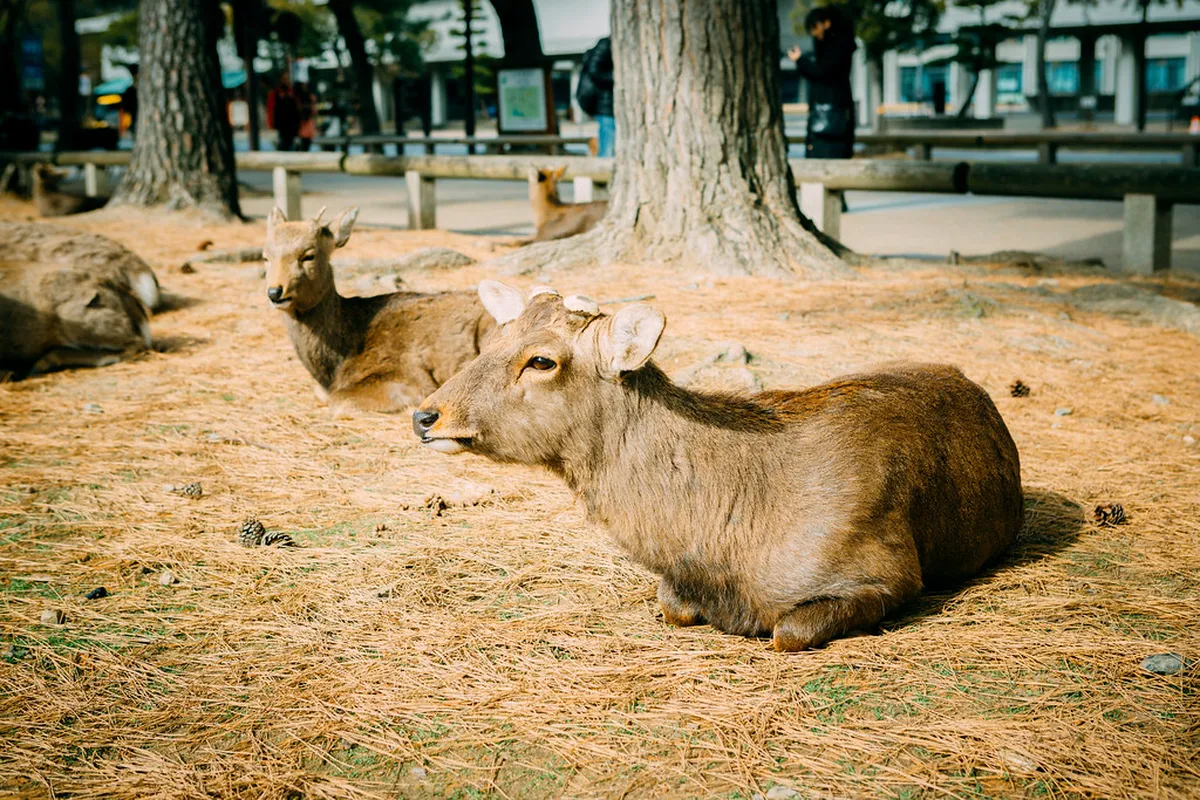
Autumn is important for another reason: it is mating season. Bucks can be more assertive, and Nara's traditional Shika no Tsunokiri antler-cutting ceremony takes place in October to reduce injury risk. The Nara Deer Park Guide is worth reading before you feed deer crackers, especially if you are visiting with children.
In winter, the deer grow thicker, darker coats and look heavier than they do in summer. Early morning remains the best time for calm behavior in any season. Bow politely if a deer bows for a cracker, keep food bags closed, and step away if several animals gather too closely.
What to Pack for Nara Weather
Comfort in Nara comes down to shoes, layers, and heat or rain management. The park has long gravel paths, temple steps, exposed lawns, and shaded forest approaches. Wear shoes you can walk in for several hours, not just something that works for a short city stroll.
In summer, bring a small towel, a refillable bottle, breathable clothing, and sun protection. A folding umbrella helps during rainy season, but waterproof shoes or quick-drying socks matter more because puddles form on park paths. Plan breaks near shaded areas instead of trying to push through the hottest part of the day.
In winter, the temperature number can look mild, but wind across open parkland makes it feel colder. A warm jacket, beanie, gloves, and disposable kairo heat packs can make early starts much easier. If your plan includes the Mount Wakakusa Hiking Guide route, confirm seasonal access because the grassland area is closed during part of winter and early spring.
Frequently Asked Questions
What is the best month to visit Nara?
April and November are the best months for visiting Nara. April offers beautiful cherry blossoms and mild air. November features stunning autumn colors and clear, dry skies for walking.
Is Nara worth visiting in the winter?
Yes, Nara is very peaceful during the winter months of January and February. You will face fewer crowds and lower hotel prices. Just be sure to wear warm layers for the cold.
When do the deer in Nara have spots?
The deer display their iconic white spots during the summer months. This coat appears in late May and lasts through the end of August. In winter, they grow thick, solid brown fur.
Use our Nara attractions hub to plan the rest of your trip.
Nara is a destination that rewards careful timing and seasonal planning. Whether you want blossoms, fall leaves, quiet temples, or seasonal deer viewing, the right month will change the whole day. Check the Nara Autumn Foliage Guide: Best Spots, Timing, and Tips for more detail on late-year photo spots before choosing your final dates.
Free: The Nara Essentials guide
Top things to do, where to stay, a perfect day plan, getting around, and the best time to go — a Nara mini-guide you can take offline.
You might also like


Continue reading
More guides you'll find useful


