9 Best Areas to Stay in Nara: Neighborhood & Hotel Guide (2026)
Discover where to stay in Nara with our guide to the 9 best areas. From Nara Park to Naramachi, find the perfect hotel or ryokan for your 2026 trip.
On this page
Nara became Japan's first permanent capital in 710 AD, and its neighborhoods still reflect that layered history in dramatically different ways. Choosing where to stay in Nara is less about finding a room and more about which version of the city you want to wake up inside. The park-side hotels give you the deer at dawn and the Great Buddha before the crowds arrive. The historic Naramachi lanes offer machiya guesthouses and sake breweries a short walk from Todai-ji. The station districts serve travelers who need fast rail connections more than atmosphere. This guide covers the six main areas visitors choose and three additional options worth knowing, with specific hotel picks across luxury, mid-range, and budget tiers.
Navigating Nara: An Overview of the Best Neighborhoods
Nara is compact — roughly 4km from JR Nara Station to Kasuga Grand Shrine — but its hilly eastern terrain changes the calculus when you are carrying luggage. Most visitors split their time between the forested Nara Park on the east side and the commercial strip around the two train stations to the west. Naramachi occupies the southern center, while Shin-Omiya sits one stop further west on the Kintetsu line. The quieter Ikoma area lies on the other side of the mountains entirely and suits travelers who want a full retreat from the tourist circuit.
Transport shapes your choice more than most cities. Kintetsu Nara Station drops you within a five-minute walk of the deer park, while JR Nara Station is a fifteen-to-twenty minute walk or a short bus ride away. Bus lines connect all districts, with single fares at ¥220 and a one-day pass at ¥500. I recommend checking a Nara Transportation Guide: 8 Essential Ways to Get Around before booking to see which rail pass matches your chosen neighborhood. Some luxury properties offer private shuttles from the station, while budget guesthouses in pedestrian-only lanes require you to carry bags yourself.
One decision that catches first-timers off guard is whether to book a traditional stay or a standard hotel. Nara has a genuine split between machiya guesthouses — converted Edo-period merchant houses in Naramachi — and full-service ryokans, which are dedicated inns with kaiseki dinner service, private onsens, and uniformed staff. Machiya stays are cheaper (typically ¥8,000–¥18,000 per person), more private, and favor independent travelers. Ryokans (¥25,000–¥80,000 per person including dinner) are the choice for a ceremonial, once-in-a-trip cultural experience. Both exist in Nara, but they are clustered in different neighborhoods.
Nara Park Area: Best for First-Timers and Nature Lovers
| Hotel Name | Type | Price Range | Best For |
|---|---|---|---|
| Fufu Nara | Luxury Ryokan | ¥70,000+/night | Premium experience |
| Kasuga Hotel | Mid-range | ¥12,000/person | Park proximity |
| Deer Park Inn | Budget Hostel | ¥3,200 dorm | Backpackers |
Best for: travelers who want the iconic Nara experience — sika deer at arm's length, Todai-ji at opening time, and the Kasuga Grand Shrine before the tour buses arrive.
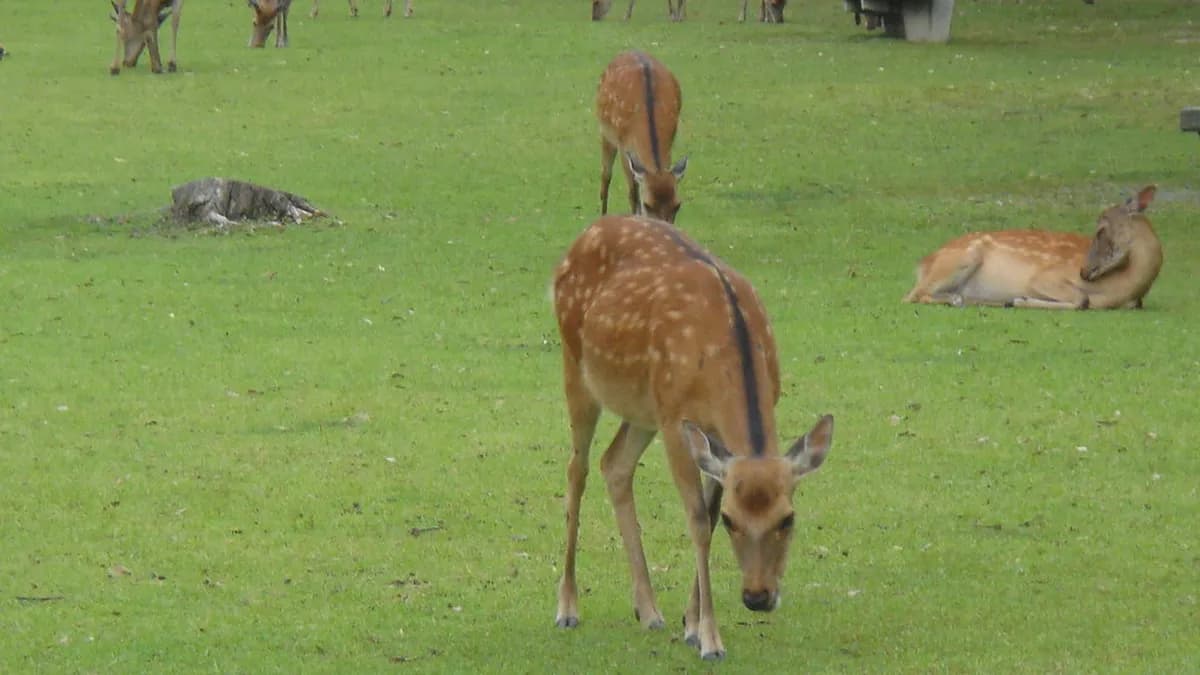
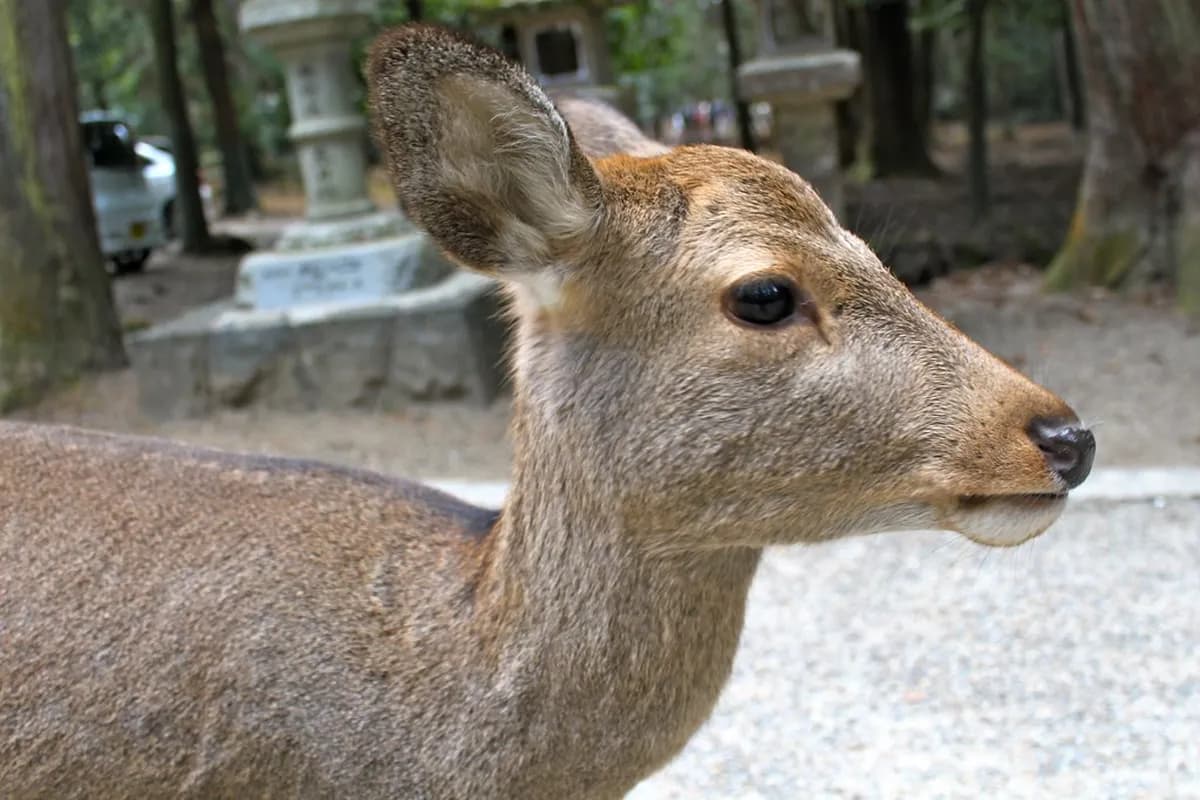
Staying inside or at the edge of Nara Park is the obvious choice for a first visit. Todai-ji opens at 07:30, and guests within walking distance can be inside the Great Buddha Hall before the hourly tour groups from Kyoto. The park itself is never fenced off, so early risers catch the deer grazing at dusk and dawn — a very different scene from the cracker-selling circus that runs between 09:00 and 16:00. From the park you can also walk east into the Mount Kasuga Primeval Forest, a UNESCO-protected cedar grove that is usually devoid of other tourists by mid-morning.
The trade-off is dining. There are few restaurants in the park, and most close before 20:00. You will need a taxi or bus to reach the izakayas and sake bars of Naramachi. Luggage logistics also matter here: streets near Kasuga Taisha are uphill cobblestone, and there are no coin lockers in this part of the park. Use the lockers at Kintetsu Nara Station and carry a daypack to your accommodation on arrival day.
- Fufu Nara — the city's top luxury ryokan, set in the forested hillside near the park. Rates from ¥70,000 per person per night including multi-course kaiseki dinner. Book six months ahead for peak spring and autumn dates.
- Kasuga Hotel — a long-standing mid-range option directly opposite the park entrance on Kasuga-dori. Rates from ¥12,000 per person. Japanese and Western rooms available.
- Deer Park Inn — a small hostel right inside the park zone, popular with backpackers for its social common area and easy walk to Todai-ji. Dorm beds from ¥3,200.
Naramachi Area: Best for Traditional Machiya Stays and Culture
Best for: travelers who want to sleep inside Japanese history, browse craft galleries after dinner, and walk to Gango-ji Temple without a bus.
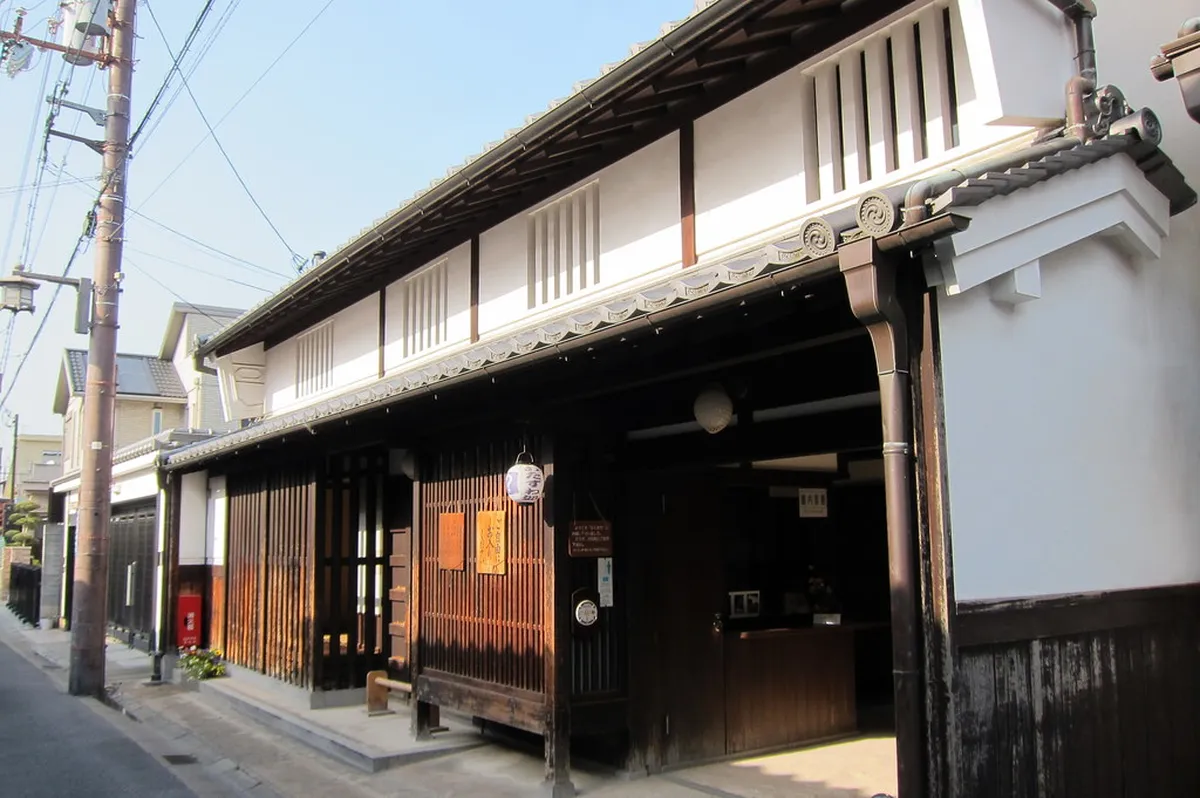
Naramachi is the preserved merchant quarter south of Sanjo-dori, a grid of narrow lanes lined with dark-wood machiya townhouses from the Edo and Meiji periods. Many now operate as boutique hotels, craft shops, dessert cafes, and sake tasting rooms. The Harushika Sake Brewery on Konishi-dori offers a five-variety tasting for ¥500 and shows the traditional brewing process — it is unknown to most visitors who stay near the station. The Naramachi Lattice House (Koshinoie) is a free, open-to-visitors merchant home that explains how these properties were built with a long, narrow floor plan to minimize the street-frontage tax levied in the Edo era.
This is also the best area for couples and solo travelers who want evening atmosphere. The streets quiet dramatically after 18:00 when day-trippers leave, and the combination of wooden facades and paper lanterns is genuinely atmospheric in a way that the busier station districts cannot replicate. Lamp Bar on Naramachi's main lane serves cocktails without a menu — the mixologist makes whatever you describe — and Bar Fiddich upstairs from a Korean restaurant is the best spot for Japanese craft beer. For historical context on the area, Japan's official tourism site provides detailed guides to Nara's cultural heritage.
- NIPPONIA Hotel Nara Naramachi — a converted group of Edo-period machiya buildings clustered on a single lane, operating as a boutique hotel. Rates from ¥25,000 per person. This is a machiya, not a ryokan: no obligatory dinner service, but a high-quality Japanese breakfast is available.
- Hotobil An Inn — a small, traditional ryokan with tatami rooms and a shared garden courtyard. Popular with couples. Rates from ¥18,000 per person including breakfast.
- Guesthouse Naramachi — a clean, well-reviewed budget guesthouse steps from Gango-ji. Dorm beds from ¥2,800, private rooms from ¥7,000. Bicycle rental available.
Kintetsu Nara Station Area: Best for Dining, Shopping, and Downtown Vibes
Best for: short-stay visitors arriving from Kyoto or Osaka who want immediate access to the deer park, covered shopping, and a wide choice of restaurants.
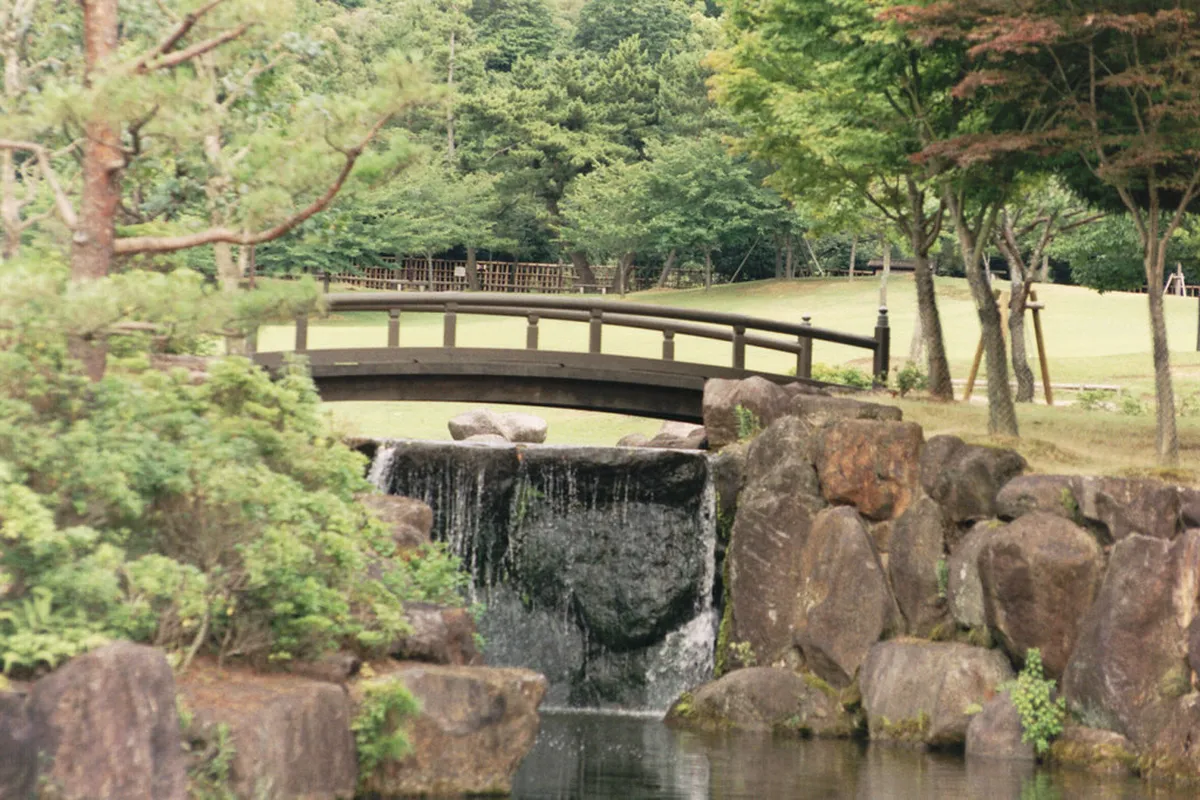
Kintetsu Nara Station is the better base for pure tourist efficiency. It sits at the top of Higashimuki Shopping Street — the city's premier covered arcade — and is a ten-minute walk from Kofuku-ji's five-story pagoda and the edge of Nara Park. The express from Osaka-Namba takes 39 minutes; the limited express from Kyoto takes 35 minutes. Direct services run frequently throughout the day without a transfer. Sanjo-dori, the mostly pedestrianized main street connecting the station to the park, is lined with souvenir shops, persimmon-leaf sushi restaurants, and the famous "NARA" wooden sign that everyone photographs.
The dining scene here is the city's most concentrated. Nakatanidou on Higashimuki is famous for its mochi-pounding performance and sells fresh yomogi (mugwort) mochi from ¥160 per piece. Multiple restaurants on and around Sanjo-dori serve Nara's signature persimmon-leaf sushi — thin slices of mackerel or salmon pressed onto rice and wrapped in a persimmon leaf for a subtly fermented flavour. This area also has the best luggage locker access in Nara, with lockers at the station ranging from ¥300 to ¥600 per day.
- Any B&B+Coffee — a popular mid-range boutique hotel one block from the station, with a well-regarded in-house coffee bar. Rates from ¥11,000 per room. A reliable central base with good breakfast.
- Iroha Grand Hotel Kintetsu — a four-star business-style hotel directly adjacent to the station exit. Rates from ¥15,000 per room. Large rooms, elevator access, and a convenience store in the ground floor.
- Hostel & Gallery Gisgood — the best-reviewed hostel in the downtown area, known for its gallery-style communal spaces and regular social events. Dorm beds from ¥2,900.
JR Nara Station Area: Best for Regional Rail Access and Convenience
Best for: travelers using a JR Pass, arriving from Osaka on the Yamatoji Line, or planning day trips to destinations like Horyuji Temple and Yoshino.
JR Nara Station sits about 800 meters west of Kintetsu Nara Station — the two are connected by a flat walk along Sanjo-dori. The JR network is less useful than Kintetsu for central Nara sightseeing, but it is the correct choice if your rail pass is JR-only or if you are coming from Namba on the Osaka Loop Line–Yamatoji Line combination (about 43 minutes, no transfer). JR also provides direct access to Horyuji Temple — one of the world's oldest wooden structures — which takes only eleven minutes by train and is frequently skipped by visitors who base themselves on the Kintetsu network. From JR Nara, the Kasuga Grand Shrine is a twenty-minute walk or a ¥220 bus ride.
The area around JR Nara has a quieter, more local character than the Kintetsu side. You will find large supermarkets — convenient for grabbing breakfast or a bento before a temple morning — and a good selection of no-frills business hotels at competitive rates. The Nara Craft Market runs outside JR Nara on Sundays and is an excellent source of craft goods and regional food products. The station building also has a well-stocked gift floor selling all of Nara's local specialties, from narazuke pickles to Mahoroba Daibutsu Pudding.
- Nikko Nara (Hotel Nikko Nara) — a large, full-service international hotel a short walk from JR Nara, with western-style rooms, a business centre, and multiple restaurants. Rates from ¥20,000 per room.
- Super Hotel Lohas JR Nara Eki — a well-maintained budget business hotel immediately outside the station. Rates from ¥7,500 per room. Includes a simple breakfast.
- Guest House Oku — a small, well-reviewed guesthouse a few minutes from JR Nara with a friendly atmosphere. Private rooms from ¥6,500.
Shin-Omiya Area: Best for Modern Hotels and Business Travelers
Best for: guests who prioritize spacious, Western-standard hotel rooms, large fitness centres, and proximity to the Nara Prefectural Convention Center.
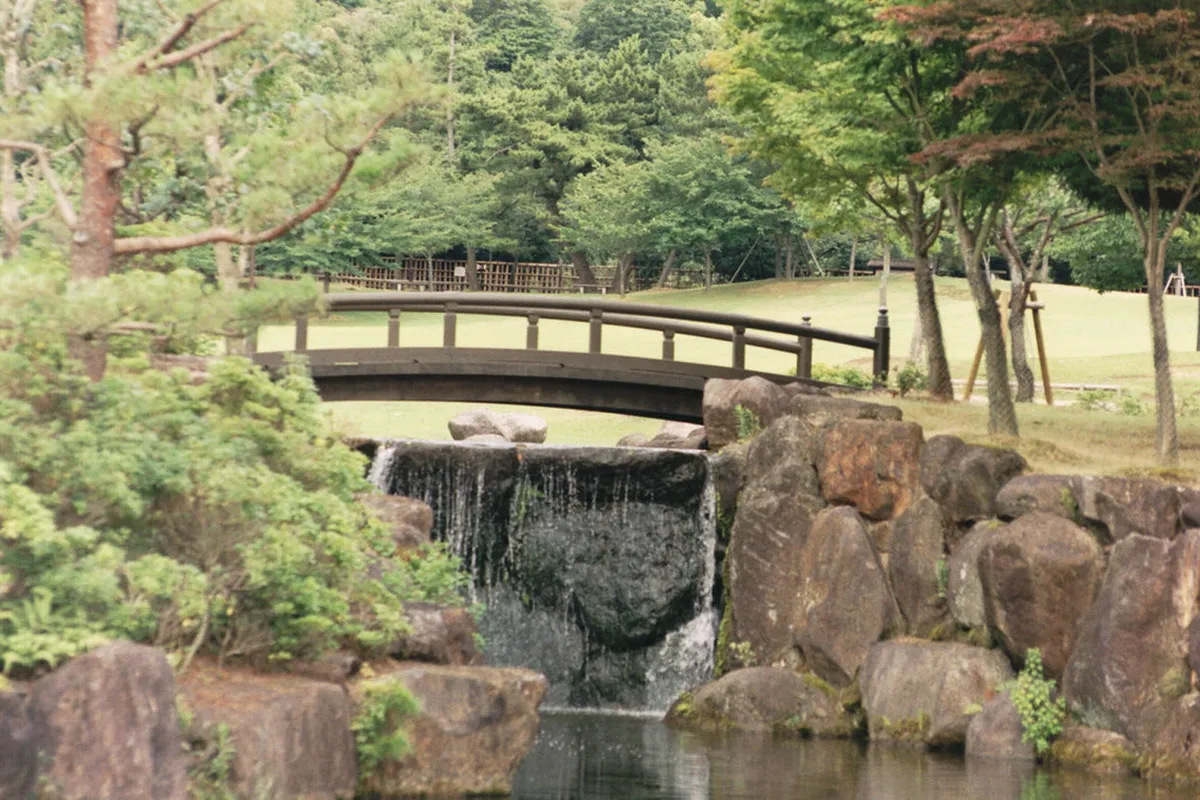
Shin-Omiya is one stop west of JR Nara on the Kintetsu Kyoto Line and holds the city's most internationally recognizable hotel address: the JW Marriott Nara, which opened in 2022 inside the Nara Prefectural Convention Center complex. The area lacks the historic character of Naramachi or the park atmosphere of the eastern side, but it offers the largest hotel rooms in the city, the best fitness and spa facilities, and a flat, manageable walk of about twenty-five minutes to Nara Park. The Nara Prefectural Art Museum is also located here. The city's top kaiseki restaurant, Wa Yamamura, which holds a Michelin star, operates near this district — it is easier to reach from Shin-Omiya than from the park area.
This area suits travelers who want Nara as part of a Japan circuit rather than as a destination in itself. Connections to Kyoto take about 35 minutes on the Kintetsu Kyoto Line. Rates here are generally lower per square metre than comparable rooms in Kyoto, making it a logical base for day-tripping to both cities simultaneously.
- JW Marriott Nara — the flagship international hotel in the city. Rooms from ¥50,000. Indoor pool, large spa, and multiple dining concepts. Best suited to guests spending three or more nights in the Kansai region.
- Nara Prefectural New Public Hall Hotel — a convention-adjacent mid-range option with easy rail access. Rates from ¥13,000 per room.
Ikoma Area: Best for a Quiet Mountain Escape and Local Life
Best for: travelers who want a break from tourist zones, have visited Nara before, or are combining the trip with hiking on Mount Ikoma.
Ikoma sits on the Osaka side of the Ikoma Mountains, accessible from central Nara by the Kintetsu Keihanna Line in about thirty minutes. The area has a genuine local residential character — you will not encounter English menus or souvenir shops here. Hozan-ji Temple, dedicated to the Buddhist deity Fudo Myo-o, clings to the cliff face of Mount Ikoma and is reached via a charming vintage cable car (the Ikoma Cablecar, operating since 1918) that runs from the base town. The views of the Osaka plain from the top are excellent on clear days.
Accommodation is limited and primarily aimed at Japanese travelers — small ryokans and mountain lodges with per-person rates including dinner in the ¥15,000–¥35,000 range. English-language support is limited; confirm booking details by email before arrival. The commute to Nara Park takes thirty to forty minutes each way, so this area works best as a final night option after you have already completed the main sightseeing.
JR Nara vs. Kintetsu Nara: Which Station is Better?
For most first-time visitors, Kintetsu Nara is the better base. It places you ten minutes closer to the deer park, the Kofuku-ji pagoda, and Naramachi, and the express connections to Kyoto and Osaka Namba are fast and frequent. If you are staying one night and want to maximize time at the temples, book near Kintetsu.
JR Nara makes more sense in specific circumstances: you are traveling on a JR Pass and want to avoid paying Kintetsu fares; you are arriving directly from Osaka on the Yamatoji Line without a transfer; or you plan a side trip to Horyuji Temple, which sits on the JR Yamatoji Line eleven minutes south. The JR side of town also has better access to large supermarkets and a quieter, more residential atmosphere.
Walking distances to Todai-ji: from Kintetsu Nara Station, the walk takes about fifteen minutes via Noborioji-cho. From JR Nara Station, the same walk takes thirty to thirty-five minutes, or you can take a city bus (¥220, about ten minutes) from the stop directly outside the station. Both stations sell coin lockers, but Kintetsu has more capacity and better sizes for large rolling luggage.
Where to Stay During Nara Festivals and Peak Seasons
Autumn foliage (late October to mid-November) and cherry blossom season (late March to early April) are the two peak windows when prices spike across all areas. Book at least four months ahead for these dates, especially for ryokans and park-adjacent hotels. The sakura along Yoshino — a popular half-day trip from Nara — draws additional visitors from across the Kansai region during blossom peak, compressing the supply of rooms.
The Omizutori (Shuni-e) ceremony at Todai-ji runs from 1 to 14 March each year, with the dramatic fire-brandishing climax on the night of 12 March. During this period, hotels inside Nara Park sell out six to eight weeks in advance and charge significant premiums. A practical alternative is Naramachi, which is within a twenty-minute walk of Nigatsu-do (the hall where the ceremony takes place) and where guesthouses maintain closer to standard rates. The Naramachi streets are also less congested than the park approaches on ceremony nights. If you are planning around Omizutori 2026, look at mid-priced guesthouses in Naramachi before the park-side hotels run out.
The Nara Rurie lantern festival runs the week before Valentine's Day (early-to-mid February), lighting up Todai-ji, Kasuga Grand Shrine, and the Nara National Museum from 18:00 to 21:00 each evening. This is a genuinely atmospheric reason to stay overnight, and it falls in low season — rates are normal, crowds are manageable, and the experience of seeing 3,000 bronze lanterns lit simultaneously at Kasuga is one of the best in the Kansai year. Book a park-side hotel or a Naramachi guesthouse for the best walking access.
Is Staying Overnight in Nara Worth It?
Yes, and the margin is larger than most guides admit. The day-trip window from Kyoto runs roughly 09:30 to 16:00, which is exactly when Todai-ji and Kasuga Grand Shrine are at maximum crowd density. Overnight guests who arrive at Todai-ji at 07:30 — the moment the gates open — will find the Great Buddha Hall nearly empty. The walk through Nara Park at 06:30, when the deer are grazing in the morning mist and the pagodas are backlit, is among the best thirty minutes in Japanese travel. You only access this by spending the night.
Evenings are equally underrated. The food scene in Naramachi is excellent after 19:00 when the day-trippers are gone, and the restaurant-to-tourist ratio inverts entirely. The Nara Itinerary for First-Timers becomes much richer with two nights rather than one, giving you time for the full Kasuga forest trail, Shin-Yakushi-ji in the east, and a proper sake tasting at Harushika Brewery. For those combining Nara with a seasonal visit, the overnight stay also allows flexibility around weather delays and early temple openings that day-trippers must skip.
Nara Travel Logistics: Luggage and Timing Tips
The hilly area east of Kintetsu Nara Station toward Kasuga Taisha is not rolling-luggage friendly. If your accommodation is in the park zone or upper Naramachi, use the large coin lockers at Kintetsu Nara Station (¥400–¥700 per day for large sizes) on arrival day and collect your bags at check-in time. Some ryokans offer a luggage storage service from 10:00 even before rooms are ready — confirm this at booking. The takkyubin (luggage forwarding) services at most hotels will forward your bag to your next destination for ¥1,500–¥2,000, which is especially useful if you are moving onward to Kyoto or Tokyo by shinkansen.
Always carry cash. Many smaller guesthouses and traditional shops in Naramachi are cash-only, and temple entrance fees (¥600–¥800 per adult at Todai-ji, ¥500 at Kasuga Grand Shrine's inner court) are almost exclusively cash transactions. A convenience store ATM — Seven-Eleven and Lawson both accept international cards — sits inside or near both main stations. Plan to visit Nara with at least ¥5,000–¥8,000 in cash per person per day for entry fees, transport, and meals.
Frequently Asked Questions
Is it better to stay near JR Nara or Kintetsu Nara station?
Kintetsu Nara is better for sightseeing as it is ten minutes closer to the deer park. JR Nara is more convenient for travelers using a JR Pass or arriving from Osaka. Both stations are connected by a flat fifteen-minute walk along a main shopping street.
How many nights should I stay in Nara?
One to two nights is ideal for most travelers to see the major UNESCO sites without rushing. Staying overnight allows you to experience the peaceful morning atmosphere before the crowds arrive from Kyoto. It also gives you time to explore the historic Naramachi district.
Can you walk to the deer park from the station?
Yes, the walk from Kintetsu Nara Station takes only five to ten minutes. From JR Nara Station, the walk is approximately twenty minutes along the Sanjo-dori shopping street. Frequent city buses also connect both stations to the main park entrances for a small fee.
Selecting the right area to stay in Nara ensures that you experience the city as a living historical monument rather than just a photo stop. From the luxury ryokans at the edge of the deer park to the machiya guesthouses in Naramachi and the modern convenience of the station districts, there is a well-matched base for every traveler type and budget. By staying overnight, you gain the early morning silence, the lantern-lit streets of Naramachi after dark, and the Great Buddha Hall almost entirely to yourself at 07:30. For a complete overview of all attractions across the city, check out our Nara attractions guide. Plan your dates around Nara's festivals and book ahead — this is one of Japan's most rewarding overnight stops in 2026.
Free: The Nara Essentials guide
Top things to do, where to stay, a perfect day plan, getting around, and the best time to go — a Nara mini-guide you can take offline.
You might also like


Continue reading
More guides you'll find useful