10 Essential Nara Hidden Gems and Travel Tips (2026)
Discover the best nara hidden gems beyond the deer park. Our guide covers offbeat temples, secret gardens, and local secrets with practical transport tips.
On this page
I have visited Nara four times over the last decade, and each trip reveals a layer of history often missed by day-trippers. While the famous deer are charming, the true soul of Japan's first permanent capital lies in its quiet mountain temples and artisan districts. Our editors recently returned from a spring scouting trip to verify access routes and current pricing for these lesser-known spots.
This guide was last refreshed in 2026 to ensure all transportation links and seasonal events are accurate for your journey. Exploring these 20 Best Nara Attractions requires a bit more planning than a walk through the central park, but the reward is a crowd-free experience. Many of these sites are part of the Historic Monuments of Ancient Nara (UNESCO), yet they remain surprisingly peaceful even in peak season.
If you are planning a Nara Day Trip from Kyoto: The Ultimate 1-Day Itinerary, you can easily swap one major temple for two of these gems. We recommend starting your day early to catch the morning light at the viewpoints mentioned below. Whether you are a solo hiker or traveling with family, these offbeat selections provide a deeper connection to Japanese heritage.
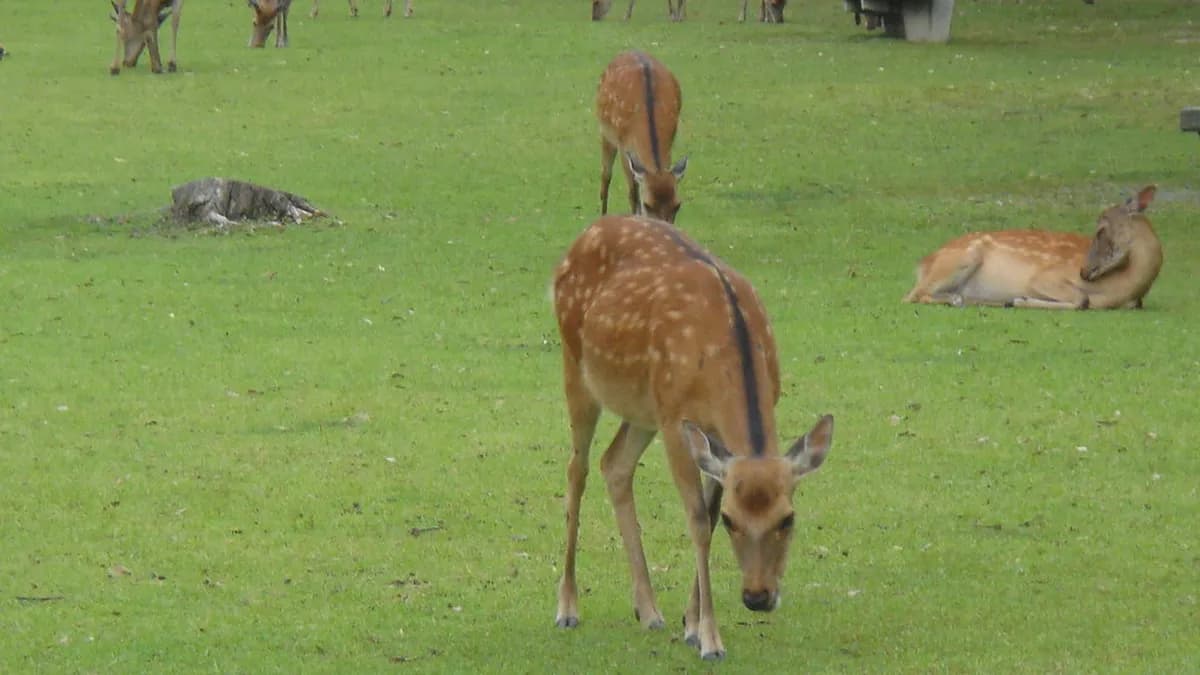
Is Nara Worth Visiting Beyond the Deer Park?
Many visitors treat Nara as a quick stop to feed crackers to animals before rushing back to Osaka or Kyoto. However, staying overnight allows you to witness the city's transformation once the tour buses depart. The early morning mist over the ancient pagodas offers a serene atmosphere that no crowded afternoon can match.
Venturing into the outskirts like Asuka or the Ikoma mountains reveals a more rural, authentic side of the Kansai region. These areas hold the secrets of early Japanese statecraft and Buddhist art that predates the more famous Kyoto equivalents. You will find that the local hospitality in these quieter neighborhoods is exceptionally warm and welcoming.
If you follow a standard Nara Itinerary for First-Timers, you might only see 10% of what this historic province offers. Choosing to explore the hidden corners means trading souvenir shops for ancient forest paths and centuries-old sake breweries. The extra effort spent on regional trains is always rewarded with profound silence and stunning architectural detail.
Nara Park and Major Temples: Your Baseline
Before chasing hidden gems, it helps to understand what you are deliberately leaving behind. Todai-ji Temple's Great Buddha Hall is the obvious centerpiece — the bronze Vairocana Buddha stands 14.98 meters tall and consistently draws large crowds from 07:30 to 17:30 (08:00–17:00 November through March). Entry is ¥800 for adults, ¥400 for children aged 6–12. It is genuinely impressive, but most of the magic at Todai-ji is actually outside the paid hall, in the approach through the Nandaimon gate and the deer-filled grounds.
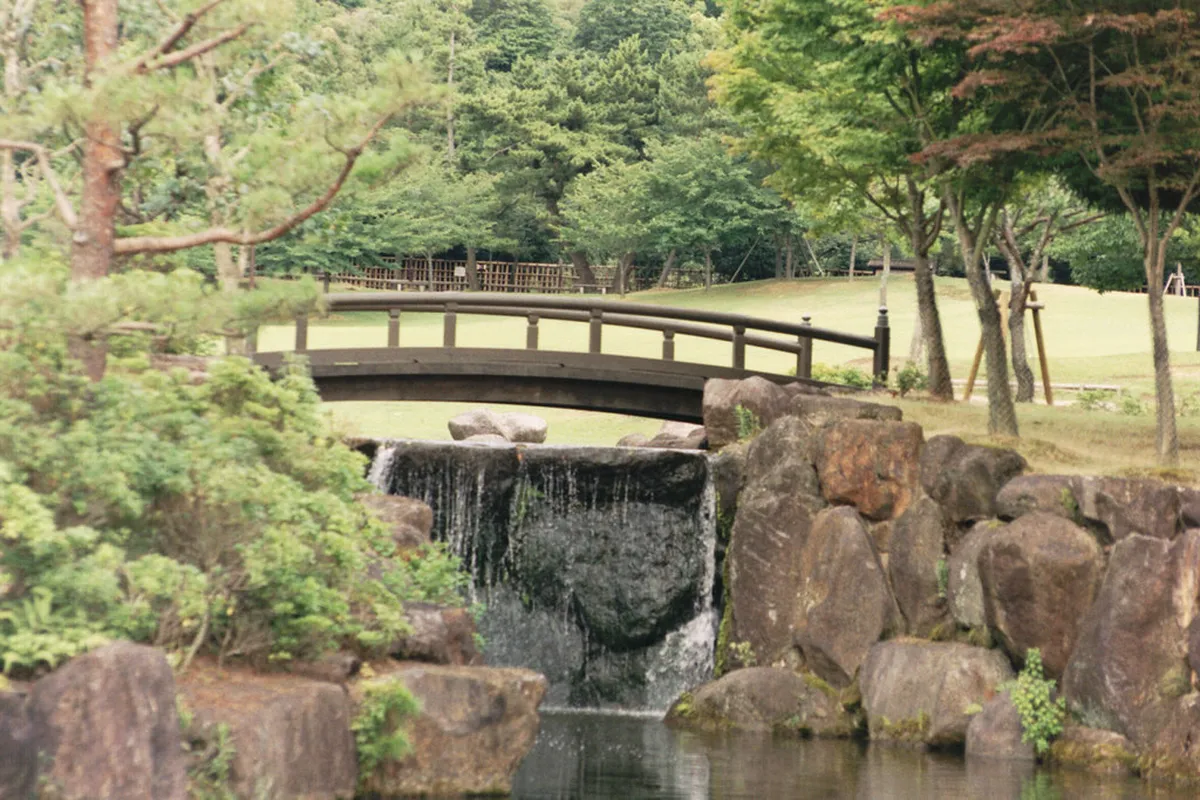
Kofuku-ji Temple, at the western edge of the park, has the second-tallest five-story pagoda in Japan and a National Treasure Hall (¥700) filled with 8th-century sculptures. Kasuga Taisha Shrine — built in 768 and lined with thousands of stone and bronze lanterns — is best visited in the early morning before tour groups arrive. Its main sanctuary costs ¥700 to enter; the surrounding forested approach is free.
The two standout free spots in this central zone are Yoshikien Garden and Sarusawa-ike Pond. Yoshikien, immediately beside the paid Isuien Garden, offers three distinct garden styles at no cost if you show a foreign passport — a detail that most visitors miss entirely. Sarusawa-ike, an artificial pond created in 749, gives you the classic reflection shot of Kofuku-ji's pagoda without any entry fee. These two spots alone justify skipping a couple of the busier paid attractions.
10 Essential Nara Hidden Gems and Local Secrets
Our list spans from modern art in the forest to ancient mountain-side shrines. We have grouped these by general location to help you cluster visits efficiently during your stay. Keep in mind that some remote spots require a 40-minute train ride from Kintetsu-Nara station, so plan logistics before you go.
The first few items sit near the city center and suit those on a tight schedule. Further down, we explore deeper Nara prefecture areas best suited for multi-day visitors. Always carry cash — smaller temples and local shops in these areas often do not accept cards.
Most locations are open year-round, but the mountain sites are particularly beautiful during autumn foliage. In winter, dress in layers as traditional wooden buildings can be cold inside. Check official websites for maintenance closures before heading out.
- Nigatsu-do Temple Terrace for Sunset
- This sub-temple of Todai-ji offers the most spectacular elevated view of the city without the usual midday crowds.
- The site is free to enter and open 24 hours daily; the best atmosphere is during the evening lantern lighting.
- Located at the top of a stone staircase in the Nara Park area, it takes about 20 minutes to walk from the Great Buddha Hall.
- For the optimal crowd-free experience, arrive between 16:30 and 17:30. The Todai-ji main hall closes at 17:30 and buses depart, leaving Nigatsu-do almost entirely to yourself. The elevated balcony faces west, so the setting sun lights up the Nara Basin below in amber tones — no camera filter needed.
- Harushika Sake Brewery Tasting Room
- Located in the historic Naramachi district, this brewery offers a tasting of five distinct local sakes for approximately ¥700–¥800 per person.
- Each tasting flight comes with a small printed card naming each variety and its flavor profile in English, making it accessible for first-timers.
- The price includes a miniature decorative glass — roughly 4 cm tall, shaped like a traditional tokkuri flask — that you keep as a souvenir.
- It is open daily from 09:00 to 17:00, though closed on certain national holidays. Arrive before 16:00 to allow time to browse the retail shelves of aged and seasonal bottles.
- Hozanji Temple and the Ikoma Cable Car
- This mountain temple features a striking rock-cut Buddha and a retro cable car ride with whimsical, animal-shaped carriages dating from 1929.
- The temple grounds are free, while the cable car costs approximately ¥310 per adult for a one-way trip up the mountain.
- Take the Kintetsu line to Ikoma Station and follow signs for Toriimae Station, a two-minute walk, where the cable car departs.
- The cable car operates every 15–20 minutes from 06:00 to 23:00, providing a nostalgic journey into the hills of Nara that children love.
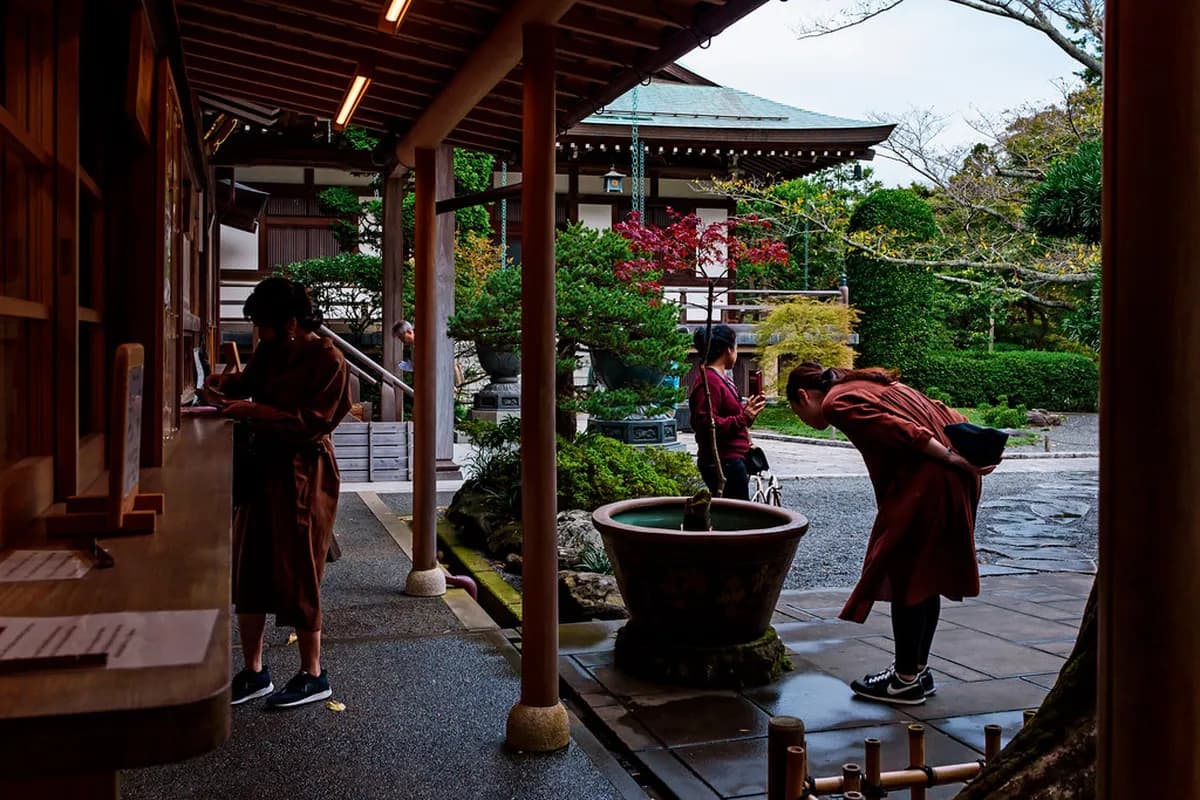
- Isuien Garden and Neiraku Museum
- This stunning garden uses borrowed scenery from the nearby mountains and Todai-ji's Nandaimon gate to create a sense of vastness in a compact space.
- Entrance is ¥1,200 per adult, which includes access to the Neiraku Art Museum housing Chinese bronzes and Korean ceramics.
- Open from 10:00 to 16:30 daily except Tuesdays; a five-minute walk from Kintetsu-Nara station.
- Visit the rear garden first to see the pond reflection before the afternoon shadows cover the mossy banks. The front garden's tea house serves matcha (¥800) if you want to pause and rest.
- Murou Art Forest Outdoor Gallery
- This remote park in the Sakurai area features massive geometric sculptures by Dani Karavan integrated into the natural forest landscape.
- Entry is approximately ¥400–¥500; open 10:00–17:00, closed Tuesdays and during winter months (typically December through February).
- Getting here involves taking a Kintetsu train to Muroguchi-Ono Station (about 45 minutes from Kintetsu-Nara), then a local bus or taxi to the forest entrance.
- This is a true hidden gem for photographers who want minimalist architecture set against the lush greenery of rural Nara.
- Okadera Temple in Asuka Village
- Known as the temple of evil-cleansing, this site is famous for its large clay Buddha and colorful seasonal flower displays including wisteria in May.
- Admission is ¥400 per person; open 08:30–17:00 throughout the year.
- Access requires a train to Asuka Station on the Kintetsu Yoshino Line, then a rental bicycle from the station (¥1,000–¥1,500 per day) or a short bus ride through scenic rice paddies.
- The temple sits on a steep hill, so be prepared for a short but vigorous climb to reach the main hall. The elevated forecourt has a wide view over Asuka's agricultural plains.
- Sarusawa-ike Pond and Ukimido Pavilion
- This central pond offers a perfect reflection of the Kofuku-ji five-story pagoda and features a floating wooden pavilion nearby.
- The area is public and free to access 24 hours a day, making it ideal for a quiet morning stroll or an evening walk after dinner.
- Located right at the edge of Naramachi, a three-minute walk from the main shopping street.
- Look for the turtles and herons that gather along the water's edge during warmer months. Ukimido Pavilion, a 15-minute walk away at Sagi Pond, is lit at night and best appreciated on calm evenings when the still water creates a clean reflection.
- Naramachi Lattice House Museum
- This reconstructed traditional merchant home allows you to walk through the narrow, deep layout typical of old Nara townhouse architecture.
- Entrance is free; open 09:00–17:00 daily, closed Mondays.
- Located in the heart of Naramachi old town, best explored as part of a larger walking tour of the area.
- The staircase chests (tansu) built into the stairs are a clever historical design feature that you can examine up close inside the main hall.
- The Shikayose Deer Gathering Ceremony
- A local tradition where a horn player calls hundreds of deer from the forest to feed on acorns in a massive clearing — one of the most extraordinary spectacles in all of Nara.
- This event is free to watch but occurs only on specific dates in winter and summer, usually at around 10:00.
- The gathering takes place at the Tobu-hino clearing near the Kasuga Taisha Shrine entrance in Nara Park.
- Check the Nara Deer Preservation Foundation website to confirm exact dates for 2026 before planning your morning around it.
- Mount Wakakusa Hiking Trail
- A relatively easy hike up a grass-covered 342-meter mountain that provides panoramic views of the entire Nara Basin and beyond.
- The trail entrance fee is ¥150, and the mountain is open for hiking from mid-March through mid-December.
- According to the Mount Wakakusa Hiking Trail (AllTrails), the route takes about 60 to 90 minutes. A flat observation deck about halfway up gives excellent views and is manageable for most fitness levels.
- Bring water as there are no vending machines once you pass the initial gate at the base of the hill.
Hōryū-ji and Asuka: The Day Trip That Predates Nara Itself
| Site | Entry Fee | Open Hours | Transport Time |
|---|---|---|---|
| Todai-ji Great Buddha Hall | ¥800 | 07:30–17:30 | From Kintetsu Nara |
| Kasuga Taisha Inner Sanctum | ¥700 | 09:00–16:00 | 20 min walk |
| Hōryū-ji Western Precinct | ¥1,500 | 08:00–17:00 | 1 hour by train |
| Asuka sites (various) | ¥250–¥500 | 09:00–17:00 | 45 min by train |
Most visitors who venture outside central Nara go only as far as Asuka. Fewer combine Asuka with a stop at Hōryū-ji, even though the two are loosely connected by the same Kintetsu Yoshino Line corridor. Hōryū-ji Temple — about one hour southwest of Kintetsu-Nara by train and bus — contains the world's oldest extant wooden structures. Its Main Hall (Kondo), originally completed in 607 and rebuilt after a fire in 670, stands as a direct physical link to 7th-century Japan. The Five-Storied Pagoda beside it is the oldest pagoda of its type in the country. Neither Kyoto nor Nara city has anything that old.
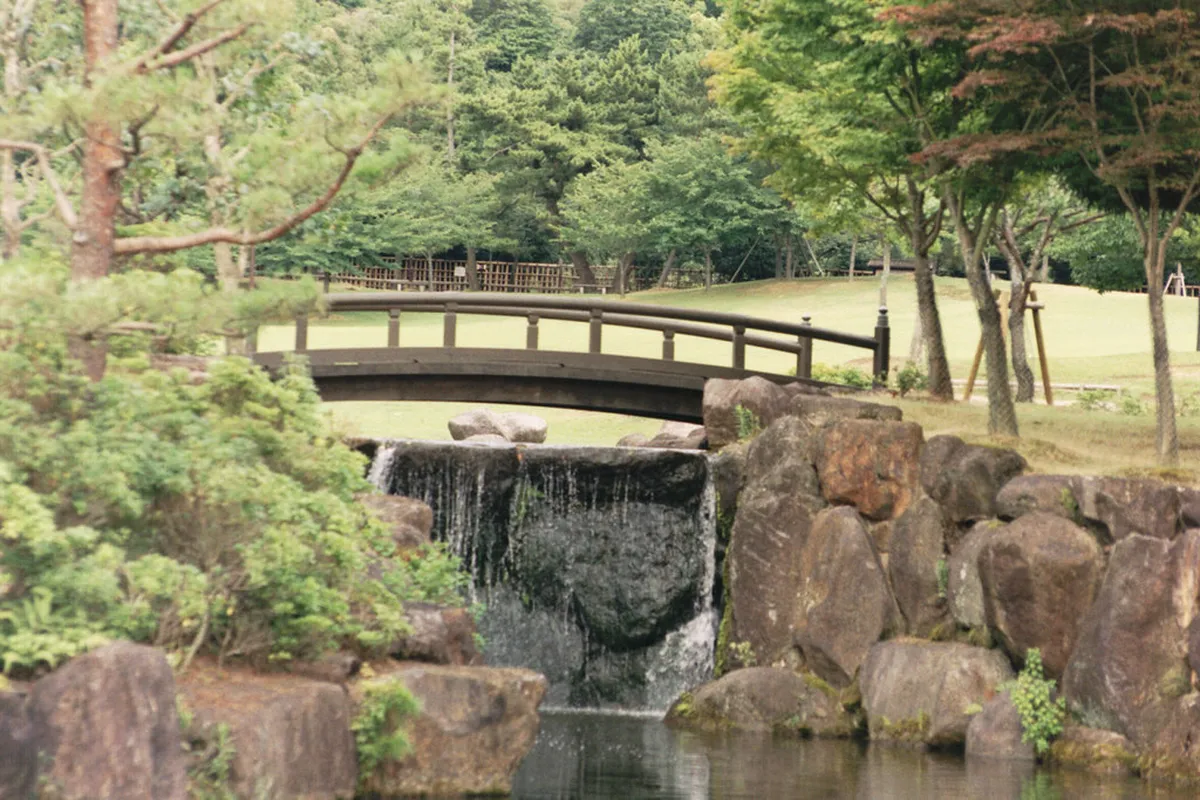
The practical case for the Hōryū-ji + Asuka combo is straightforward. Take the Kintetsu line to Yamato-Yagi, transfer south to Asuka Station, spend two hours cycling through Asuka's burial mounds and rice paddy paths, then backtrack north to Hōryū-ji Station for the afternoon. The flat 20-minute walk north from Hōryū-ji Station to the temple complex is entirely manageable. Admission to the Western Precinct is ¥1,500. If you have a JR Pass, note that the JR Hōryū-ji Station (on the JR Yamato-Ji Line from Osaka) puts you within the same 20-minute walk.
The key detail most guides omit: Hōryū-ji is quieter on weekday afternoons than Asuka, which fills with school groups by mid-morning. Arrive at Asuka first when it opens (around 08:30 for most sites), then transfer to Hōryū-ji by 13:00. This sequence avoids the worst crowds at both spots and leaves you time to catch an evening train back to Osaka or Kyoto.
Best Time to Visit Nara: Month by Month
Late March to early April brings cherry blossoms to Nara Park, but also the highest foot traffic of the year. The combination of blooming trees and roaming deer makes for iconic photographs, but the main paths near Todai-ji are genuinely difficult to walk between 10:00 and 15:00. If you visit during this period, arrive by 08:00 or stay until 17:30 to reclaim the atmosphere.
The most underrated windows are mid-May to mid-June and the first three weeks of November. Golden Week ends in early May and visitor numbers drop sharply; the park is lush and green without the spring crowds. In June, baby deer are born at the Roku-en Park nursery, offering a genuinely rare sight. Early November delivers the famous autumn foliage with fewer crowds than the second half of the month, when the leaf color peaks and tour buses return in force.
Winter (January to mid-February) is cold but rewarding for those who come prepared. The Kasuga Mantoro lantern ceremony on February 3rd, when all 3,000 lanterns at Kasuga Taisha are lit simultaneously, is one of the most atmospheric events in the Kansai calendar. The Wakakusa Yamayaki fire festival, held on the fourth Saturday of January, sets the entire grass-covered mountain ablaze in a spectacle visible from central Nara. Both events attract far fewer foreign visitors than the spring or autumn peaks.
How to Get Around Nara and Reach Remote Gems
The most efficient way to navigate the central district is on foot or by using the loop buses that circle Nara Park. Buses cost a flat fare of about ¥220 per ride, or you can buy a one-day bus pass for ¥550 from Nara Kotsu. Most drivers do not speak fluent English, so having your destination written in Japanese or displayed on a map app is useful.
For remote gems like Murou Art Forest or Asuka, you will rely on the Kintetsu Railway network. Consult the Nara Transportation Guide: 8 Essential Ways to Get Around for detailed maps of the regional lines and transfer points. Trains are frequent out of Kintetsu-Nara station, but rural bus connections at the end of the line may run only once per hour — check times before setting out.
Renting a bicycle is a practical way to see the Naramachi old town and the flatter parts of the park. Rental shops are located near both JR Nara and Kintetsu-Nara stations, with prices from ¥800 to ¥1,800 per day. Electric-assist bikes are worth the extra cost if you plan to visit the hilly areas near the Kasuga Taisha forest or want to push further south toward Asuka without exhausting yourself.
Is the KINTETSU RAIL PASS 2-Day Worth It?
The 2-day Kintetsu Rail Pass covers all Kintetsu lines in the Nara area plus unlimited rides on Nara Kotsu local buses. If you plan to visit more than two remote areas — say, Ikoma in the morning and Asuka in the afternoon — the pass typically covers its cost within the first day of use. Current pricing and purchase locations are on the Kintetsu Railway Official Pass Info page; the pass is available at major Kintetsu stations and some airport kiosks.
- The pass pays for itself if you combine: Kintetsu-Nara → Ikoma (cable car area) + Kintetsu-Nara → Asuka (cycling) + bus rides in central Nara. Three round trips like this cost more in individual tickets than the 2-day pass.
- Travelers staying in Osaka or Kyoto who want to make multiple day trips into Nara prefecture get the most value. The pass also provides discounts at selected temples and souvenir shops, worth an additional ¥500–¥1,000 over two days.
- If you plan to spend all your time within Nara Park and Naramachi — a 30-minute walkable zone — individual tickets are cheaper. The park loop bus pass at ¥550 is sufficient for that itinerary.
- The pass does not cover JR lines or the Shinkansen. Validate it at the station gate before boarding your first train. Lost passes cannot be replaced.
Always check the coverage map carefully before purchasing. The Nara area pass covers Nara and surrounding Kintetsu lines but not the longer Kyoto–Osaka corridor unless you buy the wider regional version.
Where to Eat and Stay in Nara
Naramachi, the old merchant quarter south of Sarusawa-ike Pond, holds most of the worthwhile dining options. For a sit-down izakaya meal, Ajimi Izakaya and Totomaru Izakaya are reliable choices in the neighborhood, though both close on Mondays. Surugamachi's Okonomiyakiya near the train station is a popular and affordable spot for the savory pancake that is one of the region's comfort foods. For dessert, Nakatanidou on the Higashimuki Shopping arcade is famous for its lightning-fast mochi pounding — watch the performance, then eat the fresh mochi immediately while warm. Tamausagi near Kintetsu-Nara Station sells dango (rice flour dumplings in kinako and syrup) that make a good mid-morning snack during a walking tour.
For accommodation, staying at least one night in Nara changes the experience entirely. The crowds thin after 17:00 and the temple districts become calm. Central guesthouses within five minutes of Kintetsu-Nara Station give you the best access to both the park and Naramachi without needing a taxi at night. Guesthouses in the ¥4,000–¥8,000 per-person range generally include bicycle rental access, which is more useful than a hotel shuttle. If you want a traditional onsen experience, Onyado Nono near Kintetsu-Nara Station combines a central location with communal baths — a good first-night choice if you arrive tired from Kyoto or Osaka.
Day-trippers from Osaka have the easiest logistics: the Osaka Loop Line from Osaka Station reaches JR Nara in about one hour, or the Kintetsu Limited Express from Osaka Namba reaches Kintetsu-Nara in about 40 minutes. From Kyoto, the JR Nara Rapid Express from Kyoto Station takes around 50 minutes. Both options run frequently and cost well under ¥1,000 one-way without any rail pass.
Frequently Asked Questions
What is the best time of year to visit Nara for hidden gems?
Late autumn in November offers the best weather and stunning foliage for mountain temples. Spring is also beautiful for cherry blossoms, though crowds are significantly higher in the central park area.
How do I reach the Murou Art Forest from central Nara?
Take the Kintetsu line to Muroguchi-Ono Station, which takes about 45 minutes. From there, a local bus runs to the Murou-ji temple area, followed by a 15-minute uphill walk to the forest.
Are Nara's hidden gems accessible for families with children?
Most sites like the Ikoma Cable Car and Sarusawa-ike Pond are excellent for kids. However, some mountain temples have steep stairs that may be challenging for strollers or very young children.
Nara is a city that rewards those who look beyond the obvious landmarks and venture into the quiet corners. By visiting these 10 hidden gems, you will experience a side of Japan that feels timeless and deeply spiritual. Remember to pack comfortable walking shoes and keep a flexible schedule to allow for spontaneous discoveries.
Whether you are tasting sake in Naramachi or hiking up Mount Wakakusa, the memories you make here will be unique. For more planning help, check out our Nara Travel Tips: 12 Essential Insights for Your Itinerary to make the most of your 2026 adventure.
Free: The Nara Essentials guide
Top things to do, where to stay, a perfect day plan, getting around, and the best time to go — a Nara mini-guide you can take offline.
You might also like


Continue reading
More guides you'll find useful