
Best Things To Do in Nara
Discover the best things to do in Nara! Explore ancient temples, interact with friendly deer, and immerse yourself in Japanese culture. Plan your 2025 trip now!
On this page
Planning a trip to Japan and wondering about the best things to do in Nara in 2025? Nara, Japan’s ancient capital, offers a captivating blend of history, culture, and natural beauty. This city, often visited as a day trip from Kyoto or Osaka, boasts UNESCO World Heritage sites, serene gardens, and friendly wild deer roaming freely. This listicle-style guide will help you navigate Nara’s must-see attractions and hidden gems, ensuring an enriching and efficient travel experience.
Delve into the heart of Japan’s cultural heritage with unforgettable Nara Experiences and embark on thrilling Nara Adventures. Discover the essence of the city by exploring Nara Culture and marvel at iconic Nara Landmarks. Experience the vibrant atmosphere of Nara Nightlife and stay informed about upcoming Nara Events. Get a glimpse of the city’s highlights through our curated Nara Highlights and explore engaging Nara Activities. Craft your perfect itinerary with our detailed Nara Itinerary and explore all the must-visit sites via Nara Attractions.
Whether you’re interested in ancient temples, lush parks, or unique wildlife encounters, Nara promises a memorable journey filled with discovery and wonder.
For travelers combining Nara with nearby Kansai classics, this guide to tourist attractions in Kyoto helps you compare deer-park temples with Kyoto’s larger palace, shrine, and garden circuit.
1. Todai-ji Temple – Home of the Great Buddha
What is it? Todai-ji Temple is one of Japan’s most famous and historically significant temples. In fact, it houses a giant bronze Buddha statue (Daibutsu), which stands as a remarkable feat of engineering and artistry. Furthermore, the temple’s main hall, the Daibutsuden, is one of the largest wooden structures in the world, showcasing traditional Japanese architecture at its finest.
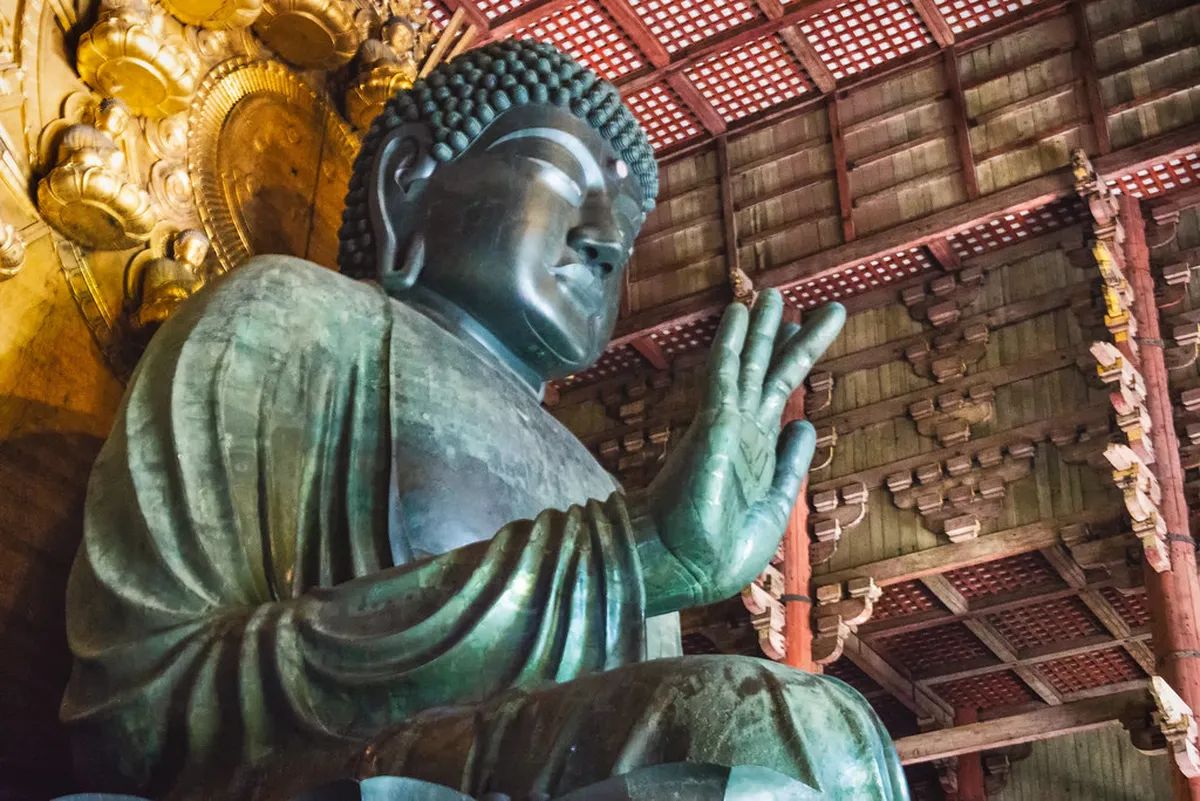
Why go? Visiting Todai-ji offers a unique opportunity to witness a blend of spiritual serenity and historical grandeur. For instance, you can marvel at the immense Buddha statue, explore the impressive architecture of the Daibutsuden Hall, and soak in the peaceful atmosphere of the surrounding gardens. Moreover, the temple complex provides insights into Japan’s rich Buddhist heritage and artistic achievements. For more things to do in Nara, explore local experiences.
Don’t miss: Be sure to walk through the wooden pillar with a hole in it – legend has it that passing through this hole brings enlightenment. Also, take your time to appreciate the intricate details of the Buddha statue and the surrounding smaller statues and artifacts.
Insider tip: Visit early in the morning to avoid the crowds and enjoy a more tranquil experience.
A wooden pillar inside Todai-ji's Daibutsuden has a hole said to be the same size as the Great Buddha's nostril. Crawling through is believed to bring enlightenment — children fit more easily than adults, so it makes a memorable family moment.
2. Nara Park – Meet the Famous Deer
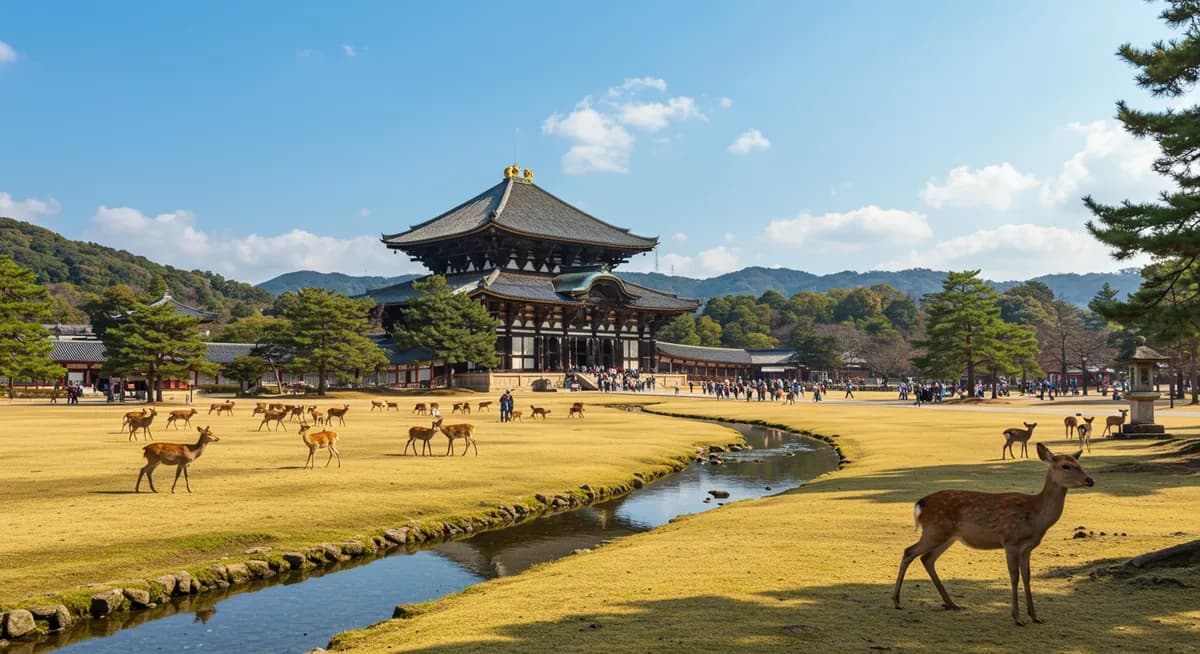
What is it? Nara Park is a sprawling public park located in the heart of Nara, Japan. Established in 1880, it’s famous for its friendly wild sika deer that roam freely throughout the grounds. These deer are considered a symbol of Nara and are even designated as a natural monument. The park also encompasses several significant temples and shrines, including Todai-ji Temple and Kasuga Taisha Shrine, making it a blend of natural beauty and cultural heritage. You can discover more about Nara’s iconic landmarks online.

Why go? Visiting Nara Park offers a unique experience to interact closely with the deer. You can purchase deer crackers (shika senbei) from vendors within the park and feed them. Additionally, the park’s stunning scenery changes with the seasons, making it a picturesque destination year-round. Moreover, its proximity to major cultural sites allows you to combine nature and history seamlessly. For instance, explore various Nara experiences to enhance your trip.
Don’t miss: While interacting with the deer is a must, be mindful that they are wild animals and can be assertive, especially when food is involved. Pay attention to the scenic spots within the park, such as Ukimido Pavilion, a charming wooden structure on a pond. Furthermore, consider visiting during the Nara Tokae Lantern Festival in August for a magical illuminated experience. Remember to check Nara events to see what’s happening during your visit. For a complete experience, discover Nara’s hidden gems beyond the main temples.
3. Kasuga Taisha Shrine – Lanterns and Mystique
What is it? Kasuga Taisha Shrine is a stunning Shinto shrine famous for its thousands of lanterns. Established in 768 AD, it has been rebuilt several times over the centuries, with the current structure dating back to the mid-19th century. This UNESCO World Heritage site provides a mystical and enchanting experience for all who visit. For a deeper dive into local experiences, check out Nara Experiences.
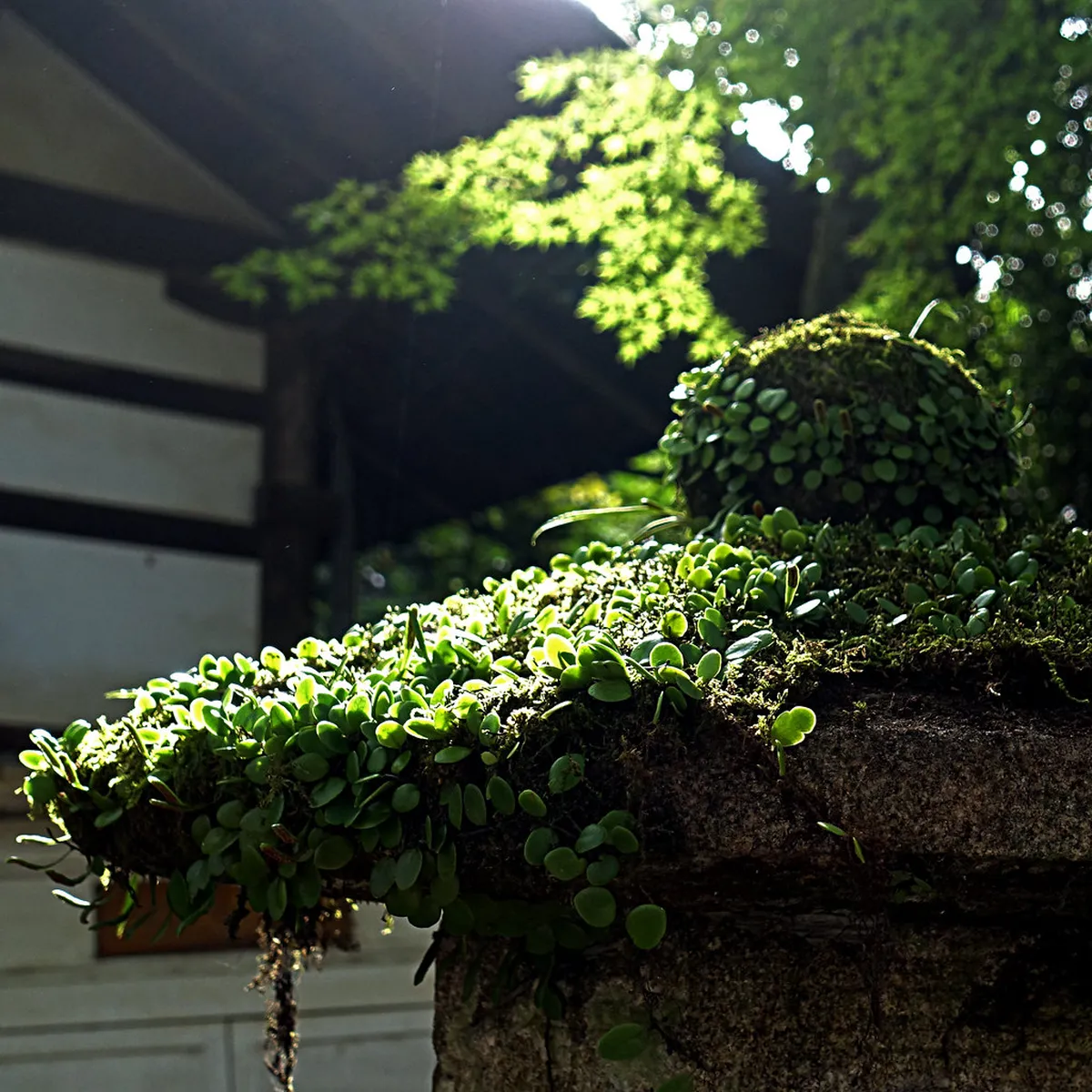
Why go? The main hall features numerous bronze and stone lanterns, many of which were donated by worshippers. In addition, two annual lantern festivals, Setsubun Mantoro (early February) and Obon Mantoro (mid-August), see all the lanterns lit simultaneously, creating a breathtaking spectacle. As you explore, you’ll also find hidden gems and quiet corners perfect for reflection. You can discover Nara Culture at its finest here, making it one of the essential things to do in Nara.
Don’t miss: Don’t miss the Fujinamiya Shrine inside Kasuga Taisha, dedicated to the deity of performing arts.
Insider tip: Visit during the lantern festivals for an unforgettable experience, but be prepared for larger crowds. Otherwise, early mornings offer a more tranquil visit.
Nara's deer are wild animals and can be assertive — especially when they smell food. Keep snacks, paper maps, and rail passes in a zipped bag at all times. Purchase official shika senbei (deer crackers) from park vendors rather than feeding deer your own food.
Furthermore, remember to explore the surrounding primeval forest, which enhances the shrine’s serene atmosphere. While you’re in the area, you might also consider looking at other Nara attractions.
4. Isuien Garden – A Tranquil Escape
What is it? Isuien Garden is a stunning Japanese garden featuring elements from the Meiji and Edo periods. The garden’s name, “Isuien,” means “garden founded on the Isu River.” It’s divided into two distinct sections, each offering a unique aesthetic and reflecting different design philosophies. Furthermore, the garden seamlessly incorporates the scenery of nearby mountains and temples, creating a harmonious blend of nature and crafted landscape. Discover more about Nara’s landmarks and plan your visit.
Why go? Visitors flock to Isuien Garden for its serene atmosphere and picturesque views, which change beautifully with the seasons. In addition, the garden provides a peaceful escape from the bustling city, making it an ideal place for relaxation and contemplation. Also, the garden’s design cleverly uses borrowed scenery to enhance its beauty, offering a unique visual experience. If you’re looking for Nara’s cultural highlights, this is a must-see.
Don’t miss: Be sure not to miss the tea ceremony houses within the garden, where you can experience a traditional Japanese tea ceremony.
Expert Tip: Visit during the autumn foliage season for breathtaking views.
Finally, take your time to explore both sections of the garden, as each offers distinct views and design elements. While you’re in the area, consider exploring other Nara attractions.
5. Nara National Museum – Art and History
What is it? The Nara National Museum is a treasure trove of Japanese Buddhist art, featuring an extensive collection of sculptures, paintings, and artifacts. It showcases the rich cultural heritage of the Nara period and beyond. The museum complex includes both original Meiji-era buildings and modern exhibition halls, offering a blend of architectural styles.
Why go? For those interested in art and history, the Nara National Museum is unmissable. It provides a deep dive into the artistic and religious traditions that have shaped Japan. Special exhibitions highlight specific themes or artists, ensuring there’s always something new to discover. Furthermore, the serene atmosphere of the museum offers a peaceful escape from the bustling city. You can also explore more about the landmarks in Nara to plan your visit.
Don’t miss: The Buddhist Sculpture Hall, which displays an impressive array of statues from various temples in the region. Also, check the museum’s schedule for temporary exhibitions, as these often feature rare and significant works of art.
Travel Tip: Allow at least two to three hours to fully appreciate the museum’s collection. Consider visiting during off-peak hours to avoid crowds.
This is one of the top Nara attractions that will enrich your cultural experience. Consequently, your trip will be more memorable. For more Nara experiences, see our other recommendations.
6. Yoshikien Garden – Traditional Japanese Beauty
What is it? Yoshikien Garden is a meticulously crafted traditional Japanese garden located near Isuien Garden. Unlike its neighbor, Yoshikien offers a different aesthetic with its moss garden, flower garden, and tea ceremony house. It provides a serene and beautiful setting for visitors seeking tranquility. The name Yoshikien comes from the fact that it was once the site of a temple called Yoshiki-dera.
Why go? Visiting Yoshikien Garden offers a peaceful escape from the bustling city and a chance to immerse yourself in Japanese garden design. Furthermore, the garden showcases the changing beauty of the seasons, with vibrant colors in the fall and lush greenery in the spring. It’s an ideal spot for photography enthusiasts and those interested in experiencing Japanese culture. Therefore, when planning things to do in Nara, ensure this is on your itinerary.
Don’t miss: Make sure not to miss the moss garden, which features a carpet of vibrant green moss, creating a magical atmosphere. Additionally, the tea ceremony house provides an opportunity to experience a traditional tea ceremony (reservations may be needed). Consider exploring other Nara adventures while you are there.
Travel Tip: Visit during the off-season to avoid crowds and fully appreciate the garden’s serenity.
7. Kofuku-ji Temple – A Glimpse into the Past
What is it? Kofuku-ji Temple, originally established in Kyoto, was moved to Nara in 710 when Nara became the capital. Once a sprawling complex of numerous buildings, today, several significant structures remain, offering a glimpse into the past. The most iconic is its five-story pagoda, a symbol of Nara and one of the tallest in Japan. It reflects the power and influence the temple once held. Kofuku-ji provides a rich historical and cultural experience, showcasing the evolution of Buddhist architecture and art over centuries.
Why go? Visiting Kofuku-ji allows you to immerse yourself in Japanese history and Buddhist culture. Besides the stunning pagoda, the temple houses the National Treasure Museum, which displays a remarkable collection of Buddhist statues and artifacts. Walking through the grounds, you can appreciate the serene atmosphere and the intricate details of the remaining structures. For those interested in delving deeper, consider exploring related Nara culture activities.
Don’t miss: Don’t miss the five-story pagoda, especially beautiful when illuminated at night. Furthermore, take your time in the National Treasure Museum to admire the artistry of the Asura statue, a national treasure and a masterpiece of Japanese Buddhist art. The Tokondo (East Golden Hall) is also a must-see.
Insider tip: Check the temple’s website for special events or exhibitions that may be taking place during your visit. This will enrich your experience and provide deeper insights into its history.
Exploring Nara landmarks like Kofuku-ji is an excellent way to connect with the city’s heritage.
8. Explore Naramachi – The Old Merchant Town
What is it? Naramachi is Nara’s old merchant district, offering a glimpse into the city’s past. Characterized by its preserved Edo-period architecture, narrow streets, and traditional merchant houses, it presents a charming contrast to the grand temples and gardens. The area is compact and easily walkable, making it ideal for a leisurely exploration of Nara’s heritage. As you wander through Naramachi, you’ll find craft shops, teahouses, and museums that showcase local traditions and artistry. Don’t miss the chance to experience a more intimate side of Nara.
Why go? Naramachi provides a unique cultural experience, different from the famous temples and deer. Here, you can immerse yourself in the atmosphere of old Japan, exploring well-preserved buildings and learning about the lives of merchants from centuries ago. It’s an ideal place to find authentic souvenirs and enjoy traditional Japanese snacks and tea. Moreover, Naramachi offers a peaceful retreat from the more crowded tourist spots, allowing you to savor the ambiance at your own pace. Consider exploring Nara’s cultural side for a deeper understanding of the region.
Insider tip: Many shops offer hands-on workshops, allowing you to try your hand at traditional crafts.
9. Nigatsu-do Temple – Stunning Views
What is it? Nigatsu-do Temple is a captivating sub-temple of Todai-ji, famed not only for its historical importance but also for the breathtaking panoramic views it offers of Nara. Perched on the hillside, this wooden structure exudes a serene atmosphere, inviting visitors to immerse themselves in both the spiritual and scenic beauty of the area. It’s a key part of exploring the historical Nara landmarks.
Why go? People visit Nigatsu-do Temple primarily for its elevated vantage point. From here, one can witness a stunning, unobstructed view of Nara, making it a photographer’s paradise and a must-see spot for anyone seeking to capture the essence of this ancient city. Moreover, the temple itself is steeped in history and tradition, offering a tranquil retreat from the bustling city life. Be sure to check out some of the Nara activities when planning your trip.
Don’t miss: The Omizutori Festival, held annually in March, is a spectacular fire festival that’s a true highlight. Furthermore, explore the surrounding walking paths for different perspectives and quieter moments of reflection. It is an essential part of experiencing the unique Nara culture.
Visiting during sunset will provide an unforgettable experience, as the city lights begin to twinkle below.
10. Todai-ji Museum – Treasures of the Temple
What is it? The Todai-ji Museum, located near the iconic Todai-ji Temple, houses an impressive collection of Buddhist art and historical artifacts. It provides a deeper understanding of the temple’s significance and the rich cultural heritage of Nara. You will discover sculptures, paintings, calligraphy, and various religious objects, all carefully preserved and displayed.
Why go? This museum is a must-visit for anyone interested in delving deeper into the history and artistry associated with Todai-ji Temple. It offers a serene and contemplative atmosphere, allowing visitors to appreciate the intricate details and spiritual significance of the artifacts. Furthermore, visiting the museum enriches the experience of seeing the Great Buddha and exploring the temple grounds. Also, consider exploring more Nara attractions to maximize your trip. Besides the museum, discover more about Nara culture.
Don’t miss: Be sure to check out the impressive collection of Buddhist sculptures, including the original models used in the casting of the Great Buddha. Also, look for the intricate details in the ancient calligraphy and painted scrolls.
Insider tip: Allow at least an hour or two to fully explore the museum’s exhibits and learn about the history behind each artifact.
It’s also an excellent way to escape the crowds at the main temple! Consider planning your Nara itinerary for a smooth trip.
| Attraction | Type | Highlight |
|---|---|---|
| Todai-ji Temple | UNESCO temple | World's largest wooden building; 15 m bronze Buddha |
| Nara Park | Free public park | 1,200+ free-roaming sika deer; established 1880 |
| Kasuga Taisha Shrine | UNESCO shrine (est. 768) | 3,000 stone and bronze lanterns; biannual Mantoro festival |
| Isuien Garden | Traditional garden | Meiji and Edo design; borrowed scenery, tea houses |
| Kofuku-ji Temple | Historic temple | Five-story pagoda; Asura statue national treasure |
| Naramachi | Historic district | Preserved Edo merchant architecture; craft shops |
| Nigatsu-do Temple | Sub-temple viewpoint | Panoramic Nara views; annual Omizutori fire festival (March) |
Exploring Nara offers a blend of serene nature, profound history, and vibrant culture, making it a must-visit destination in Japan. From the iconic Todai-ji Temple to the playful deer roaming Nara Park, the experiences are unforgettable. Start planning your Nara adventure in 2025 and immerse yourself in the heart of Japan’s ancient capital!
Free: The Nara Essentials guide
Top things to do, where to stay, a perfect day plan, getting around, and the best time to go — a Nara mini-guide you can take offline.
You might also like


Continue reading
More guides you'll find useful


