20 Best Places to Visit in Japan (2026): Ultimate Travel Guide
Discover the 20 best places to visit in Japan, from iconic cities to hidden gems. Get expert tips, itinerary ideas, and practical advice for an unforgettable trip.
On this page
Japan rewards every kind of traveler. Ancient capitals where geisha still move through lantern-lit lanes sit an hour from megacities with the world's densest concentration of Michelin-starred restaurants. Alpine villages buried in winter snow are a short train ride from subtropical islands with coral reefs. This guide covers 20 of the best places to visit in Japan for 2026, with practical details on how long to stay, what not to miss, and how each destination fits different travel styles. For those exploring the Japanese Alps, don't miss Shirakawa-go's UNESCO heritage villages hidden between major cities.
Kyoto: Japan's Cultural Heart
Kyoto served as Japan's imperial capital for over a thousand years and retains more intact historical fabric than any other Japanese city. It was largely spared from World War II bombing, which is why more than 2,000 temples and shrines still stand here. The result is a city where a ten-minute walk from a downtown convenience store delivers you into moss-carpeted temple courtyards or narrow stone lanes lined with centuries-old wooden townhouses.
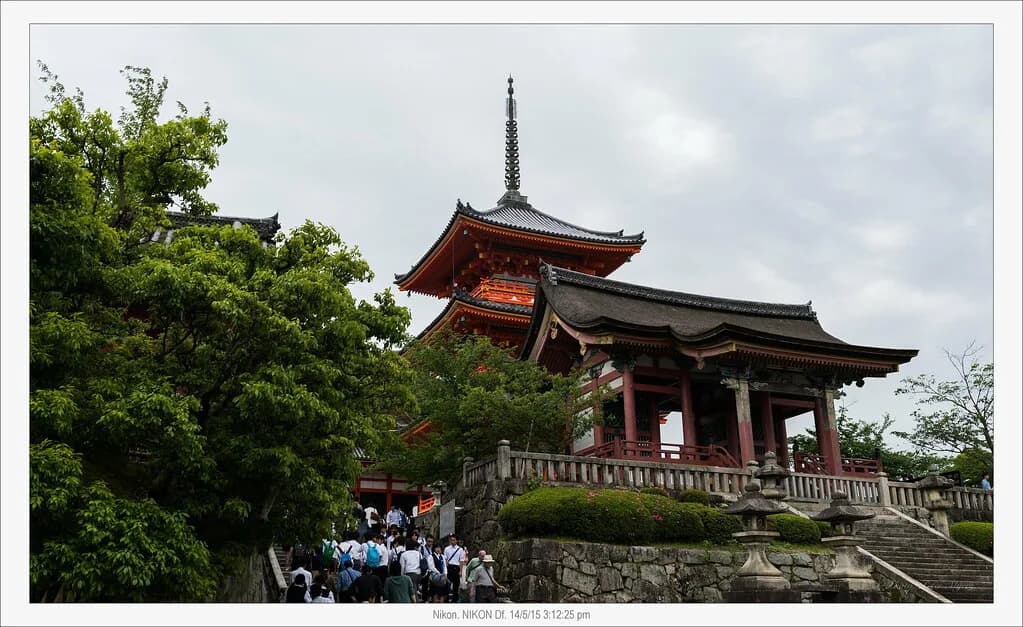
The headline sites are worth the crowds if you time them right. Fushimi Inari's tunnel of vermilion torii gates is best before 07:30; the Arashiyama bamboo grove before 08:00. Kinkaku-ji (Golden Pavilion) opens at 09:00 — arrive at opening to beat the tour buses. Beyond the headliners, the Higashiyama and Gion districts reward slow wandering, especially at dusk when the stone-flagged lanes empty out. The Philosopher's Path between Nanzen-ji and Ginkaku-ji (Silver Pavilion) is one of the finest short walks in Japan, lined with cherry trees in late March and early April.
Most temple entries cost ¥500–¥600 and are open 09:00–17:00. Plan for three to five days minimum. Kyoto also makes a base for half-day trips to Nara and the matcha town of Uji. For a deeper look at the city's attractions, see our Kyoto attractions guide.
Timing is everything in Kyoto. Temple crowds peak between 09:00 and 15:00, especially on weekends. Arriving at opening (typically 09:00 or earlier for gardens like Arashiyama) reduces wait times from hours to minutes. The city is most atmospheric at dawn and dusk, when mist hangs over temple courtyards and foot traffic is minimal.
Tokyo: The Dynamic Metropolis
Tokyo is less a single city than a constellation of self-contained neighborhoods, each with its own distinct character. Shibuya's famous scramble crossing and neon skyline, Shinjuku's Memory Lane yakitori alleys, Asakusa's Senso-ji temple gates, Harajuku's street fashion on Takeshita Street, and the bookshops of Jinbocho are all within thirty minutes of each other on the subway. Plan for at least four days to sample this range without feeling rushed.
The city holds more Michelin-starred restaurants than any other in the world, but some of the best meals are at standing ramen counters for ¥900 or conveyor-belt sushi joints in the basement of department stores. For culture, teamLab Borderless at Azabudai Hills offers immersive digital art unlike anything elsewhere in Japan. Sumo tournaments run six times a year — three in Tokyo at the Ryogoku Kokugikan and surrounding sumo district in January, May, and September. The Tokyo National Museum in Ueno costs ¥1,000 and gives the fullest overview of Japanese art and history in the country.
Tokyo works equally well as a base for day trips. Kamakura (one hour south) has the Great Buddha and coastal temples. Nikko (two hours north) rewards a full day. Hakone (ninety minutes west) combines Mt. Fuji views with onsen. A Suica IC card handles all subway, bus, and JR local train fares — load it at any station gate.
Osaka: Culinary Capital and Vibrant City
Osaka has a different energy from Kyoto — louder, more informal, built around eating. The local saying kuidaore ("eat yourself bankrupt") is a genuine civic value. Dotonbori, the central canal district, is the place to start: takoyaki (octopus balls) and okonomiyaki (savory pancakes) vendors line both banks, and the giant mechanical Kani Doraku crab has been swinging its claws above the street since 1960. Kuromon Ichiba market, open from early morning, is where Osaka restaurants source their fish, vegetables, and wagyu beef — and where you can eat fresh oysters and sea urchin at the stalls.
Osaka Castle, rebuilt in concrete in 1931 but set in genuinely historic grounds, is worth the ¥600 admission for the panoramic city view from the top floor. The Shinsekai district south of the city center is a 1950s time capsule of kushikatsu (breaded and fried skewers) restaurants, pachinko parlors, and Tsutenkaku Tower. Universal Studios Japan, in the city's west, draws queues for the Harry Potter and Super Nintendo World zones — book tickets well in advance.
Osaka also works as a strategic base. Kyoto is 15 minutes by shinkansen or 30 minutes by regular express train. Nara is 45 minutes. Himeji is under an hour. Two to three days in Osaka covers the city itself while giving you half-day access to the wider Kansai region.
Himeji Castle: Iconic White Heron Castle
Himeji Castle is widely considered the finest surviving example of Japanese feudal castle architecture. Unlike most Japanese castles — which were either destroyed in the Meiji period, bombed in World War II, or later rebuilt in concrete — Himeji's main keep is original timber construction, completed in 1609. It earned the nickname "White Heron Castle" for its brilliant white plaster walls, which can be seen from the shinkansen as you approach the station.
The castle complex is more elaborate than it first appears. The main keep is connected by covered corridors to three smaller keeps and a network of defensive walls with loopholes and trapdoors designed to drop stones on attackers. The climb through seven floors of the main keep is steep and requires removing shoes. Allow two to three hours for a thorough visit. The adjacent Kokoen Garden, nine separate Edo-period style gardens connected by gates, is included in the combined entry ticket (¥1,050).
Himeji is easiest as a day trip from Osaka (50 minutes by shinkansen) or Kyoto (one hour). The castle opens 09:00–17:00, last entry 16:00. Arriving at opening is essential in peak season — by mid-morning, the main keep queue can stretch to ninety minutes.
Miyajima and Itsukushima Shrine: Floating Torii Gate
Miyajima Island, twenty minutes by ferry from Hiroshima, is one of Japan's most photographed places. Itsukushima Shrine and its vermilion torii gate are built on the tidal flats, so at high tide the gate appears to float on the water and the shrine's covered walkways hover just above the surface. The tidal schedule is worth checking before you visit — low tide exposes the mudflats and lets you walk to the gate's base, which is a different but equally interesting experience.
Most visitors arrive on a day trip from Hiroshima, but an overnight stay reveals a completely different atmosphere. After the last ferries leave in the evening, the island empties and the shrine, lit by lanterns, becomes genuinely serene. The Mt. Misen ropeway (¥1,800 return) lifts you most of the way up the island's forested peak; a forty-five minute walk from the ropeway top station reaches the summit with views across the Seto Inland Sea. The island's wild deer are both charming and mildly aggressive — they will attempt to eat maps, bags, and unattended food.
A Hiroshima tram pass covers the trip to the ferry terminal. The ferry costs ¥180 one way with a Suica card, slightly more in cash. The shrine is free; some inner areas charge small fees. Try momiji manju — small maple-leaf-shaped cakes filled with sweet bean paste — baked fresh in shop windows along the main street.
Hiroshima: A City of Peace and Resilience
Hiroshima's Peace Memorial Park and Museum are among the most important sites in Japan for understanding twentieth-century history. The Atomic Bomb Dome — the skeletal ruin of the former Industrial Promotion Hall, preserved exactly as it stood after the 1945 bombing — stands at the northern edge of the park where the Motoyasu River bends. The Peace Memorial Museum (¥200, open 08:30–18:00) is sobering and essential; allow at least ninety minutes.
The city beyond the peace park is worth exploring. Hiroshima-style okonomiyaki — layered with noodles rather than mixed, a key distinction from Osaka's version — is available throughout the city, most famously in the four-story Okonomi-mura building near Hatchobori where dozens of vendors each operate a small counter. Shukkei-en, a seventeenth-century Japanese garden a short tram ride from the park, offers quiet contrast after the memorial. Hiroshima Castle, a 1958 reconstruction, houses a good museum on feudal Hiroshima.
Half a day covers the peace memorial sites; a full day adds the castle, garden, and a proper okonomiyaki lunch. Hiroshima is typically combined with Miyajima — one night in Hiroshima followed by one night on Miyajima is a well-tested combination.
Mt. Fuji and Hakone: Iconic Views and Onsen Retreats
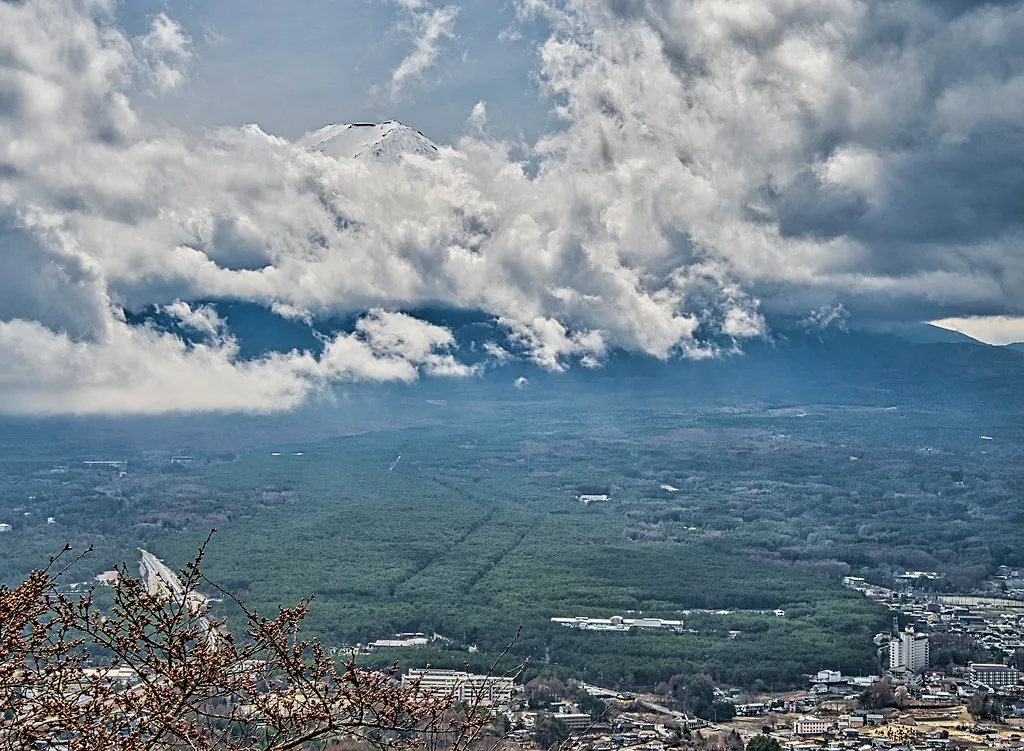
Mt. Fuji is clearest in autumn and winter when dry air keeps the summit visible. In summer — the official climbing season from early July to mid-September — cloud and humidity frequently hide the cone. The Hakone Free Pass (¥6,500 for two days from Shinjuku) covers the round-trip from Tokyo and all transport within the Hakone loop: a mountain railway, cable car over Owakudani volcanic valley, a pirate ship across Lake Ashi, and local buses. Views of the mountain from Lake Ashi are postcard-perfect on clear mornings.
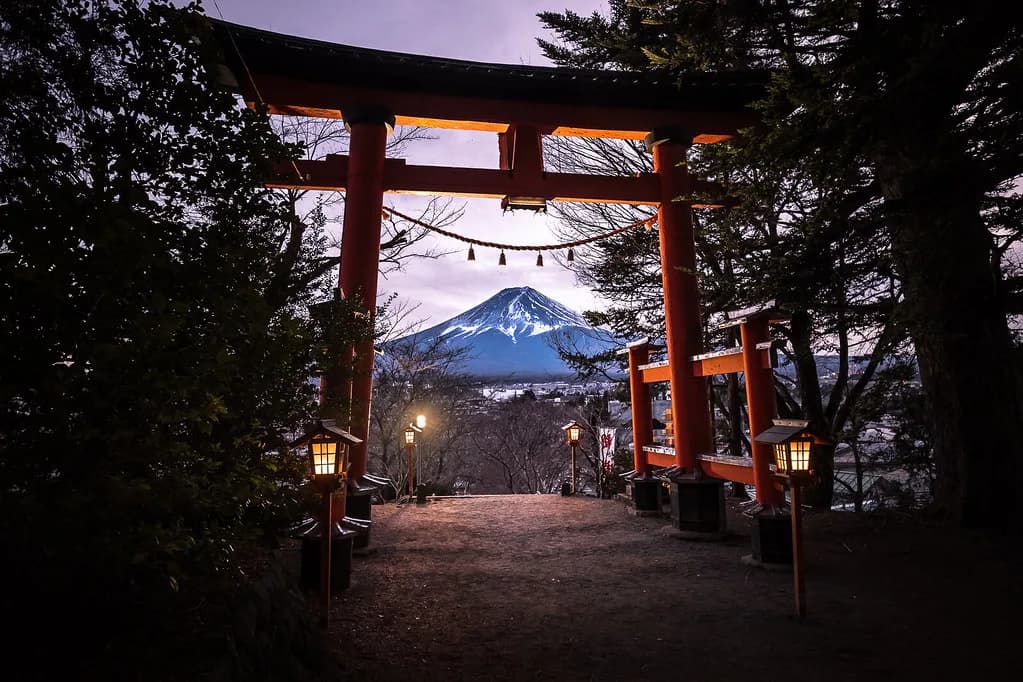
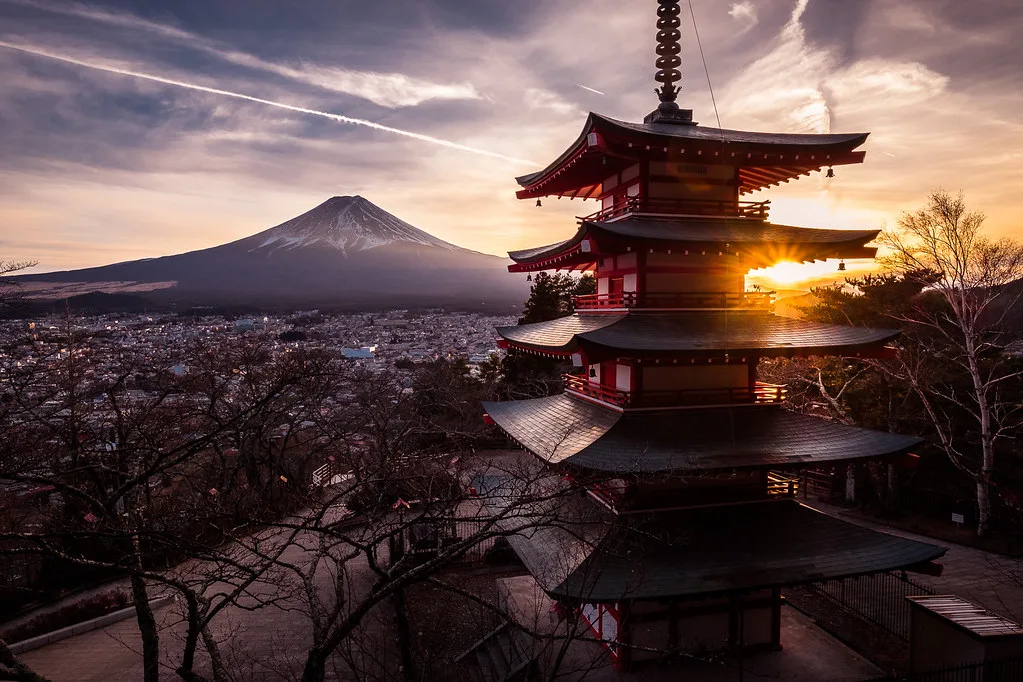
The Fuji Five Lakes area, north of the mountain, gives closer views and is the standard base for summit climbing. The Yoshida Trail, which starts from the fifth station at around 2,300m elevation, is the most popular route; the summit at 3,776m takes five to seven hours up and three to four hours down. Trails are heavily regulated — expect substantial crowds at peak season. For those not climbing, the Chureito Pagoda near Fujiyoshida frames the mountain behind a five-story pagoda and is one of Japan's most recognizable viewpoints.
Hakone's onsen are its other main draw. A ryokan stay with open-air baths (rotenburo) overlooking the mountains costs ¥15,000–¥30,000 per person including dinner and breakfast. The Hakone Open Air Museum (¥1,600) houses a fine collection of outdoor sculpture including Picasso ceramics in a purpose-built pavilion.
Arashiyama Bamboo Forest: Serene Natural Beauty
The Arashiyama bamboo grove in western Kyoto is one of Japan's most iconic natural sights — a narrow path cut through towering bamboo canes that filter the light into a green-tinted glow. The grove is free and open around the clock, but the experience depends entirely on timing. Midday on a weekend in spring or autumn is overwhelming with visitors. Arrive before 08:00 and you will often have the main path largely to yourself.
The surrounding Arashiyama neighborhood rewards several hours. Tenryu-ji, a UNESCO World Heritage Zen temple whose garden frames Mt. Arashiyama through a borrowed-scenery composition, charges ¥500 for the garden alone or ¥800 to enter the main hall. Boat rides on the Hozugawa River (¥4,100, approximately two hours from Kameoka to Arashiyama) offer a completely different angle on the area's forested river valley. The Iwatayama Monkey Park, a fifteen-minute uphill walk from the main bridge, has 120 wild Japanese macaques — feed them through a wire cage from the inside, a deliberately inverted arrangement that underlines who is the guest.
Arashiyama is a 25-minute bus ride or 20-minute train ride from central Kyoto. Most visitors pair it with a morning at Fushimi Inari on the same day, dividing effort between east and west Kyoto.
Kanazawa: Gardens, Geisha, and Samurai
Kanazawa is one of the most rewarding cities in Japan for visitors seeking the Kyoto experience without the crowds. The city was never bombed during World War II and retains intact Edo-period districts that Kyoto's equivalents can no longer match for authenticity. The Higashi Chaya geisha district, east of the city center, has wooden teahouses lining a stone-flagged street; some function as tea ceremony venues and craft shops. The Nagamachi samurai district, a short walk away, preserves earthen walls, gates, and an open-house museum at Nomura-ke.
Kenroku-en, considered one of Japan's three great gardens alongside Mito's Kairakuen and Okayama's Korakuen, is most visited in early spring (late March) when cherry blossoms reflect in the central pond. Entry is ¥320, open 07:00–18:00 from March through October. The 21st Century Museum of Contemporary Art, directly adjacent, is a flat circular building where site-specific installations include James Turrell's light work and Leandro Erlich's swimming pool, viewed from below through glass — the queue is substantial but worth it (free for outdoor areas; ¥1,200 for exhibition zones).
The Hokuriku Shinkansen now connects Kanazawa to Tokyo in two and a half hours, making it feasible as a stop on an extended Golden Route itinerary. Allow two nights to see the main sites without rushing. Omicho Market, open from morning, is the best place in the city to eat a fresh seafood rice bowl at a fraction of the cost of a restaurant.
Nara: Ancient Capital with Friendly Deer
Nara was Japan's first permanent capital, and the temples built during its eighth-century heyday remain among the largest wooden structures ever constructed. Todai-ji's Great Buddha Hall is the world's largest wooden building; the bronze Buddha inside, cast in 752 CE, is 15 meters tall. Entry is ¥600, open 07:30–17:30. The hall's dimensions are almost impossible to process from outside — the interior scale is the revelation.
Nara Park surrounds the temples and is home to approximately 1,200 freely roaming sika deer, considered sacred messengers of the Shinto gods. Deer crackers (shika-senbei) cost ¥200 per pack from park vendors and produce an instant deer stampede. The deer bow their heads to receive crackers — a learned behavior rather than genuine deference — and will headbutt bags and pockets if they suspect hidden snacks. The Kasuga Taisha shrine, a twenty-minute walk through the park from Todai-ji, is flanked by stone lanterns that number over 3,000; they are lit twice a year for the Mantoro lantern festivals in February and August.
Most visitors come as a day trip from Kyoto (45 minutes by Kintetsu express) or Osaka (30–40 minutes). A half-day covers the main temple and park; a full day adds Kasuga Taisha, Isuien Garden (¥1,200, one of the best in the Kansai region), and the hilltop Nigatsu-do hall for a panoramic view over the city at dusk. Nara's temples reward a full exploration if you have the time.
Shirakawa-go: Fairytale Village of Gassho-zukuri Houses
Shirakawa-go is a UNESCO World Heritage village in the Shokawa Valley known for its gassho-zukuri farmhouses — timber-frame buildings with steeply pitched thatched roofs angled to shed the region's heavy snowfall. "Gassho-zukuri" means "hands in prayer," describing the roof's shape. The largest farmhouse, Wada-ke, is open to the public (¥300) and shows the multi-story interior used to raise silkworms in the upper floors. The Shiroyama Viewpoint, a ten-minute walk up the hillside behind the village, gives the classic aerial postcard view.
Most visitors arrive on a day-trip bus from Takayama (50 minutes) or Kanazawa (65 minutes). The village absorbs bus-tour crowds between 10:00 and 15:00. An overnight stay in a gassho-zukuri farmhouse guesthouse (minshuku) costs ¥10,000–¥15,000 per person with dinner and breakfast, and lets you see the village after the last tour buses leave — lantern-lit houses in winter snow, or mist rising through the valley at dawn, are images that day-trippers never see. Book farmhouse stays at least two to three months ahead for winter weekends.
The village is small enough to walk end-to-end in under thirty minutes. Several farmhouses are open as paying museums (¥300–¥500 each), and the valley floor walking path connecting the main village to the quieter Ogimachi area takes about forty-five minutes each way.
Nikko: Shrines, Temples, and Natural Wonders
Nikko's UNESCO World Heritage shrine complex sits in cedar forests two hours north of Tokyo by direct limited express train. The centerpiece, Toshogu Shrine, was built in 1617 to enshrine the Tokugawa shogunate's founder and is elaborately decorated with thousands of carvings painted in gold, red, and blue — deliberately extravagant to project Tokugawa political authority. Entry to the main compound and sleeping cat carving is ¥1,300; the separate inner sanctum (Okusha) adds ¥520. Arriving before 09:00 keeps the crowds manageable.
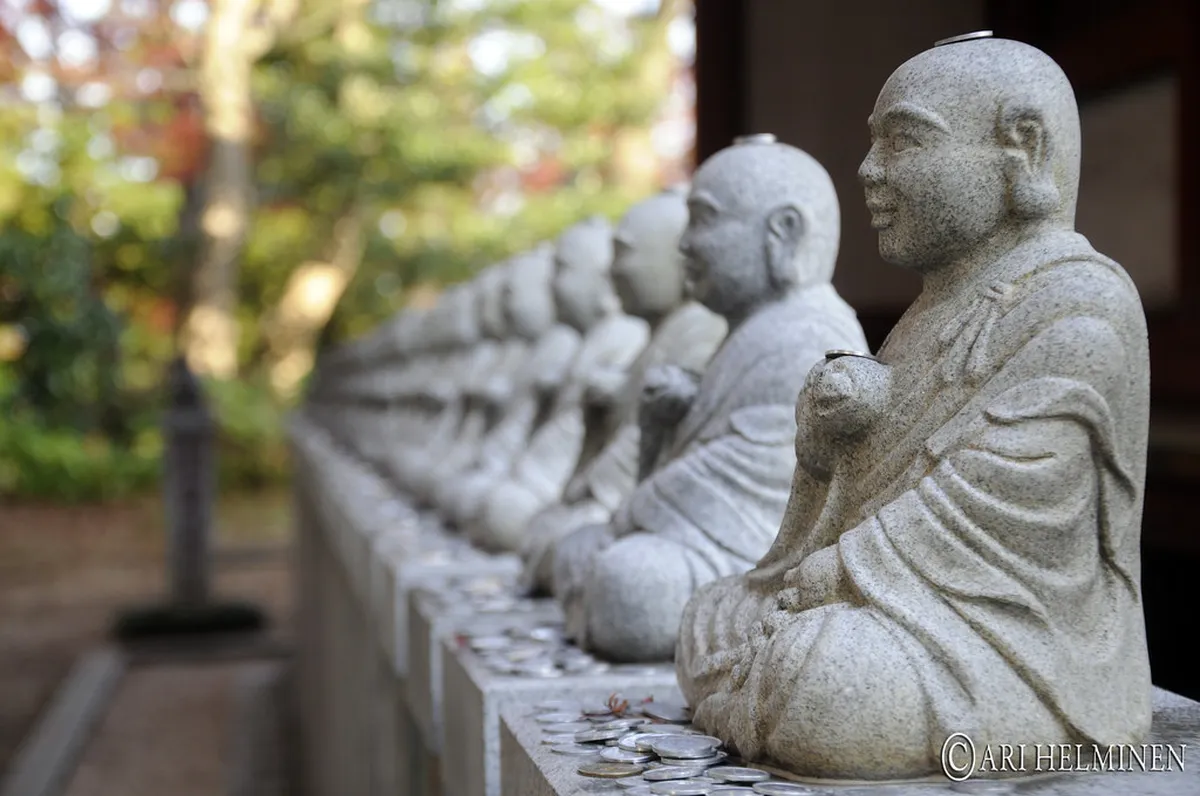
Beyond Toshogu, the Kanmangafuchi Abyss — a thirty-minute walk or short bus ride from the main shrines — lines a river gorge with a procession of mossy stone Jizo statues. It is one of the quietest and most atmospheric spots in the region, and most day-trippers miss it. The Shinkyo Bridge, a red lacquered bridge over the Daiya River at the entrance to the shrine precinct, is one of Japan's most recognizable bridges (free to photograph from outside; ¥300 to walk across).
Nikko is manageable as a day trip from Tokyo, but one night allows you to visit Toshogu at opening time, which is the only way to see it without substantial crowds. Autumn foliage here peaks in late October and is spectacular but intensely busy on weekends. The mountain lake and waterfall areas of Nikko National Park, 30 minutes by bus beyond the shrines, add a full second day for those staying longer.
Takayama: Preserved Edo-Era Charm
Takayama, a mountain town in the Japanese Alps accessed by a direct express train from Nagoya (2.5 hours) or Osaka (roughly 4 hours via the Shirakawa-go highway bus), has the most intact Edo-period merchant townscape in Japan outside designated heritage districts. The Sanmachi Suji area — three parallel streets of dark-wood sake breweries, craft shops, and preserved merchant houses — looks almost unchanged from nineteenth-century woodblock prints. Cedar balls (sugidama) hanging from brewery eaves indicate fresh sake has been brewed, a tradition dating back centuries. Takayama's mountain setting and authentic architecture make it a standout destination for cultural immersion.
The Jinya morning markets (Jinya-mae Asaichi and Miyagawa Asaichi) run daily until noon and sell local produce, pickles, and crafts. The Takayama Jinya, a government building from 1816, is open for tours (¥440) and is one of the few preserved Edo-period administrative buildings in Japan. The Hida Folk Village (Hida no Sato), an open-air museum 1km from the city center, assembled over thirty gassho-zukuri and other traditional farmhouses from the surrounding region (¥700, open 08:30–17:00) — it gives the Shirakawa-go architectural experience without the tour-bus concentration.
Two nights gives sufficient time for the town itself and a day trip to Shirakawa-go or the Kamikochi highland valley. Try Hida beef — a regional wagyu brand comparable to Kobe beef but at substantially lower prices in local restaurants — and mitarashi dango, grilled rice dumplings in soy-mirin sauce, from street vendors in the old town.
Koya-san: Sacred Mountain and Temple Stays
Koya-san is the headquarters of Shingon Buddhism, a living religious community of over 100 temples established in 816 CE by the monk Kobo Daishi (Kukai). Getting there is part of the experience: a funicular railway ascends the final stretch to the mountain-top plateau at 900m elevation, where the entire town is a religious complex. The road in from Osaka takes about two hours by train and cable car.
The Okunoin cemetery, a two-kilometer path through ancient cedar forest flanked by over 200,000 memorial stones and moss-covered lanterns, is free and open continuously. The inner sanctum at the far end of the path — where Kobo Daishi is said to be in eternal meditation — is lit by 10,000 donated lanterns and is genuinely atmospheric, particularly at dawn before the tourist groups arrive. The cemetery looks completely different again on a guided night tour, which several temple lodgings offer for guests.
A shukubo (temple lodging) stay is the reason most visitors come. Rates of ¥10,000–¥20,000 per person include a vegetarian Buddhist dinner (shojin ryori) and breakfast, plus access to a communal bath and the option to attend morning prayers at 06:00. Book well ahead — the most historically significant temples fill months in advance. Eko-in is consistently well-reviewed for English-speaking visitors. One night is the standard; two nights allows a more unhurried pace and morning meditation attendance.
Tsumago and Magome: Walking the Ancient Nakasendo Trail
Tsumago and Magome are two of the best-preserved post towns on the Nakasendo, the historic inland highway that connected Edo (Tokyo) to Kyoto during the Edo period. Both towns ban motor vehicles on their main streets and prohibit visible power lines and television aerials — creating a streetscape that looks largely unchanged from the 1800s. Tsumago's main street, in particular, is one of the most photogenic historical streets in Japan.
The approximately 8km trail between the two towns, through forested hills and past tea farms, takes two to three hours at a moderate pace and is well-signposted in both Japanese and English. The walk runs from Magome (uphill approach from the south, bus access from Nagoya) to Tsumago (JR Chuo Line from Nagano or Nagoya). A baggage forwarding service between the two towns costs around ¥1,000 per bag, allowing you to walk unencumbered. Full route details are on AllTrails.
The towns work as a day trip or overnight stop on a route between Tokyo and the Kansai region via the Chuo/Shinonoi Line rather than the shinkansen. Staying overnight in Tsumago at a traditional minshuku or ryokan (¥8,000–¥12,000 per person with meals) gives you the village after day-trippers have left, which is when its genuine character becomes visible.
Okinawa and the Outer Islands: Tropical Paradise
Okinawa sits 1,600km southwest of Tokyo and has a culture, cuisine, and climate distinct from the Japanese mainland. The Ryukyu Kingdom governed these islands for centuries before Japanese annexation in 1879, and that heritage is visible in Shuri Castle (¥400, currently under phased reconstruction after a 2019 fire), the Ryukyuan performing arts, and local foods like Okinawa soba (wheat noodles with braised pork belly), champuru stir-fries, and awamori rice spirit. The main island's beaches are pleasant, but the outer islands are the reason to extend the trip.
Ishigaki, the transport hub for the Yaeyama island chain, gives access to Iriomote — a jungle-covered island where mangrove kayaking and waterfall hikes through subtropical forest feel genuinely remote. Taketomi island, fifteen minutes by ferry from Ishigaki, is a thirty-minute bicycle circuit of coral-stone walls and traditional Ryukyuan houses. Miyakojima has some of the most transparent water in Japan, with visibility regularly exceeding 30 meters for divers and snorkelers. Fly from Tokyo or Osaka to Naha (main island) or Ishigaki directly; flights take about three hours.
Best months are March through May and October through November — the summer rainy and typhoon seasons (June–September) bring weather uncertainty. Budget ¥15,000–¥25,000 per day including accommodation, ferries, and food, plus flights from the mainland. This is the highest-cost destination on this list relative to a mainland Japan trip.
Setouchi and the Art Islands: Contemporary Art and Island Hopping
Naoshima and the neighboring islands of Teshima and Inujima in the Seto Inland Sea are among the most unusual destinations in Japan — former fishing communities transformed over three decades into open-air contemporary art museums by the Benesse Corporation. Architect Tadao Ando's poured-concrete buildings shape the Chichu Art Museum (natural light only, no artificial lighting), the Benesse House Museum, and the Lee Ufan Museum on Naoshima. Yayoi Kusama's yellow polka-dot pumpkin sculpture, a recurring symbol of the island, stands at the ferry pier.
The Art House Project in Naoshima's Honmura village integrates artworks by James Turrell, Hiroshi Sugimoto, and others into renovated traditional houses — each is a separate ticketed entry (¥510 per building, or ¥1,050 for a pass). Teshima Art Museum, on a neighboring island, is a concrete shell without internal columns — rainwater falls through two openings and wanders across the undulating floor. Ferries connect Naoshima, Teshima, and Inujima; crossing times range from fifteen to forty-five minutes. Access from Okayama takes about an hour including ferry.
The Setouchi Triennale art festival runs in three sessions (spring, summer, autumn) every three years — the next edition is 2025. Outside festival years, most major permanent works remain open. Two to three days covers Naoshima thoroughly and allows one additional island. The Shimanami Kaido cycling route, connecting Honshu to Shikoku via a chain of island bridges (70km), is accessible from Onomichi nearby and is an exceptional two-day cycle for those with time.
Kyushu and Yakushima: Volcanic Landscapes and Ancient Forests
Fukuoka, Kyushu's largest city and the closest Japanese metropolis to continental Asia, has a compact, walkable center and a food culture that locals claim with genuine conviction is the best in Japan. Evening yatai stalls — open-air food carts on the banks of the Naka River — serve Hakata ramen (thin noodles in rich pork broth), yakitori, and gyoza in a setting unlike anything on the mainland. The city is also the entry point for exploring inland Kyushu's extraordinary onsen towns: Kurokawa Onsen (lantern-lit ryokan with outdoor baths in a forested gorge), Beppu (eleven types of hot spring known as the "Hells of Beppu"), and the volcanic landscape around Mount Aso, whose caldera is one of the largest in the world.
Nagasaki, two hours from Fukuoka by express, has its own atomic bomb memorial and museum alongside the well-preserved Dejima trading post — Japan's only point of contact with the outside world during the Edo-period isolation. The city's Chinatown and Dutch-influenced historical district reflect 400 years of unusual contact with the wider world. Budget three to five days for Kyushu if combining Fukuoka, one or two onsen towns, and the Mount Aso area.
Yakushima, accessible by high-speed ferry (3.5 hours) or flight from Kagoshima, is a subtropical island where ancient cedar forests — some trees over 2,000 years old — drip with moss and ferns. The Jomon Sugi cedar, believed to be 2,000–7,200 years old and 25 meters tall, requires a ten-hour return hike to reach. The Shiratani Unsuikyo ravine offers a shorter, easier forest walk through landscape that directly inspired Studio Ghibli's Princess Mononoke. The Okunoin cemetery on Koya-san is often compared for atmosphere, but Yakushima's scale and age are in a different category entirely.
Sapporo and Hokkaido: Winter Sports and Natural Beauty
Hokkaido, Japan's northernmost and largest prefecture, functions best as a destination in its own right rather than an add-on to a standard Japan itinerary. It's a short one-hour forty-minute flight from Tokyo to Sapporo, which works out faster door-to-door than the shinkansen for most routing. The Sapporo Snow Festival in early February draws two million visitors who come to see enormous ice sculptures — some the size of buildings — constructed by professional teams in Odori Park. Sapporo's ramen scene (specifically miso ramen, developed here in the 1950s) and its fresh seafood markets are the other reasons to spend a day or two in the city.
Niseko, ninety minutes from Sapporo, is East Asia's top ski resort, consistently rated for the quality of its powder snow — the result of cold air crossing the Sea of Japan and picking up moisture before hitting Hokkaido's peaks. Lift tickets run ¥7,000–¥9,000 per day; resorts operate from late November through April. For a more offbeat winter experience, Jigokudani snow monkeys in Nagano offer a unique encounter with wild macaques bathing in hot springs surrounded by snow. In summer, Hokkaido's flatlands burst with lavender fields around Furano and Biei (peak bloom: late July), and hiking trails open across Daisetsuzan National Park, the island's volcanic highland interior. Summer temperatures in Hokkaido rarely exceed 25°C, making it the most comfortable part of Japan in July and August when the mainland is hot and humid.
Planning Your Trip: The Kansai-Kanto Base Decision
The most practical early decision for a first-time Japan itinerary is whether to use Tokyo (Kanto region) or Osaka/Kyoto (Kansai region) as your primary base, and how to structure travel between them. This decision shapes your entire daily logistics, and it's one that competitors rarely address directly.
The shinkansen covers the 500km Tokyo-Osaka distance in 2 hours 30 minutes. A Japan Rail Pass pays for itself if your routing includes this journey more than once plus regional travel. For a ten-day trip focused on Tokyo and Kansai, a seven-day pass typically breaks even at around ¥50,000. For tighter itineraries, individual tickets (around ¥13,000 one way on the Nozomi — not covered by JR Pass) or budget options on the slower Hikari (covered by JR Pass, adds 30 minutes) are usually cheaper. The shinkansen guide here covers specific pass scenarios.
For a two-week trip, a practical structure is: three to four nights in Tokyo with a day trip to Nikko or Kamakura; one to two nights in Hakone; one night in Himeji en route; four to five nights in Kyoto/Nara/Osaka; and one to two nights in Hiroshima/Miyajima. This covers the core Golden Route without doubling back. Kanazawa and Takayama fit naturally as a two-to-three day detour between Tokyo and Kyoto via the Hokuriku Shinkansen. For practical day-by-day timing, the 7-day Japan itinerary and two-week Japan itinerary break down specific options. The Best Time To Visit Japan: A Seasonal & Monthly Travel Guide guide covers seasonal tradeoffs — cherry blossom (late March to early April) and autumn foliage (mid-October to mid-November) are the two most popular windows and the two most crowded.
On the ground, a Suica IC card (loaded at any JR station) handles all subway, local JR train, and bus fares across Japan, plus payments at convenience stores and many vending machines. An eSIM or pocket Wi-Fi device keeps navigation apps running — essential for reading train boards and finding addresses in less-touristed areas. See our guide to the best eSIMs for Japan for current options. For broader budget context, our Japan budget travel guide covers accommodation, food, and transport costs by tier.
| Destination | Region | Best For | Minimum Days | From Tokyo |
|---|---|---|---|---|
| Tokyo | Kanto | Modern culture, food, neighborhoods | 3–4 | Base |
| Kyoto | Kansai | Temples, gardens, traditional districts | 3–5 | 2.5h shinkansen via Osaka |
| Osaka | Kansai | Food, nightlife, regional base | 2–3 | 2.5h shinkansen |
| Mt. Fuji / Hakone | Chubu | Iconic views, onsen, hiking | 2–3 | 1.5h train + cable car |
| Hiroshima / Miyajima | Chugoku | History, shrines, island hopping | 2–3 | 4h shinkansen |
| Kanazawa | Chubu | Gardens, geisha districts, less crowded Kyoto | 2 | 2.5h Hokuriku Shinkansen |
| Hokkaido (Sapporo, Niseko) | Hokkaido | Winter sports, summer hiking, food | 3–5 | 1.75h flight + 1.5h to Niseko |
| Okinawa | Ryukyu | Tropical beaches, diving, island culture | 3–4 | 3h flight |
The Japan Rail Pass (JR Pass) is most valuable if your itinerary crosses multiple regions via shinkansen more than once. A 7-day pass costs around ¥30,000 (≈$200 USD) and typically breaks even against individual tickets on a round-trip Tokyo–Kansai journey plus one major regional connection (e.g., Hiroshima or Kanazawa). Buy the JR Pass exchange voucher in your home country before arriving; it cannot be purchased in Japan.
Frequently Asked Questions
Which best places to visit in Japan options fit first-time visitors?
First-time visitors should prioritize Tokyo, Kyoto, and Osaka for a comprehensive introduction to Japan. These cities offer a balanced mix of modern attractions, historical sites, and culinary experiences. Adding a day trip to Nara or Hiroshima can further enrich a first-time itinerary.
How much time should you plan for visiting Japan's top attractions?
For a good overview of Japan's top attractions, plan for at least 10 to 14 days. This allows sufficient time to explore major cities like Tokyo and Kyoto, plus a few regional highlights. Shorter trips often require more selective planning to avoid feeling rushed.
What are the best family-friendly places to visit in Japan?
Japan is wonderfully family-friendly, with Tokyo Disneyland/DisneySea, Universal Studios Japan (Osaka), and the Ghibli Museum (Tokyo) being top picks. Nara's deer park and the interactive exhibits at teamLab Borderless also offer engaging experiences for children. Many museums and parks cater well to families.
Japan is a country of endless fascination, offering a rich tapestry of experiences for every kind of traveler. From the tranquil beauty of its ancient temples to the electrifying energy of its modern cities, your journey will be filled with discovery. By considering these best places to visit, you can begin to craft an itinerary that perfectly matches your interests and travel style. Remember that thoughtful planning is key to unlocking the full potential of your Japanese adventure. Whether you opt for a 7-day sprint or a more leisurely two-week exploration, Japan promises memories that will last a lifetime. Start dreaming and planning your unforgettable trip today.
Free: The Kyoto Essentials guide
Top things to do, where to stay, a perfect day plan, getting around, and the best time to go — a Kyoto mini-guide you can take offline.
You might also like


Continue reading
More guides you'll find useful