Best Time to See Mount Fuji: Clearest Months & Seasonal Tips
Fuji is visible only about 100 days a year. See why December and January are clearest, plus cherry blossom, foliage and climbing-season timing.
On this page
Mount Fuji is visible on only around 100 days each year from most viewing locations. That single fact makes timing the most important decision of your trip. For pure visibility, December and January are the strongest months — December 2024 recorded 27 fully clear days out of 31. But clear skies are not the whole picture. Cherry blossoms, autumn foliage, the official climbing season, and budget all pull in different directions. This guide breaks down exactly what to expect each season so you can match your visit to what matters most to you.
Mount Fuji Visibility by Month
The Japan Meteorological Agency tracks how many days Mount Fuji is fully visible, partially visible, or completely hidden by cloud each month. The table below is based on 2024 data, which is consistent with long-run patterns. Use it alongside the real-time forecast on See Mt Fuji to plan the specific days you visit.
| Month | Full Visibility Days | Partial Visibility Days | Invisible Days |
|---|---|---|---|
| January | 23 | 4 | 4 |
| February | 13 | 6 | 10 |
| March | 15 | 7 | 9 |
| April | 8 | 11 | 11 |
| May | 13 | 6 | 12 |
| June | 5 | 10 | 15 |
| July | 9 | 7 | 15 |
| August | 4 | 10 | 17 |
| September | 10 | 10 | 10 |
| October | 12 | 12 | 7 |
| November | 11 | 12 | 7 |
| December | 27 | 3 | 1 |
December stands out clearly: 27 full-visibility days and just one invisible day in 2024. January comes second with 23 fully clear days. Both months outperform every other period by a wide margin. August is the worst month on record — only four fully clear days and 17 invisible days — which reflects the combined effect of the rainy season ending late and summer humidity keeping thick cloud over the summit.
A counterintuitive result from this data: March (15 full days) is slightly better than May (13 full days) despite feeling like peak spring. If you can visit in late March before the cherry blossom crowds peak, you get reasonable visibility and the start of the sakura season at lower elevations.
December to February: Best Visibility
Winter is the undisputed best time to see Mount Fuji clearly. Cold, dry air from the northwest keeps the sky almost free of haze and cloud. December and January together give you the highest statistical probability of a full, unobstructed view on any given day. Temperatures at the base sit around 0–5°C (32–41°F), so dress accordingly, but the mountain itself looks most dramatic with a full white snow cap.
Crowds drop sharply outside New Year holidays (roughly 29 December to 4 January, when prices and visitor numbers spike). Outside that window, Lake Kawaguchiko feels calm and unhurried — you can reach the north shore viewpoint at 07:00 and have it largely to yourself. The climbing trails and mountain huts are completely closed until early July, but for viewing, photography, and onsen experiences with a Fuji backdrop, winter wins on every metric except warmth.
March to May: Spring Blooms and Declining Clarity
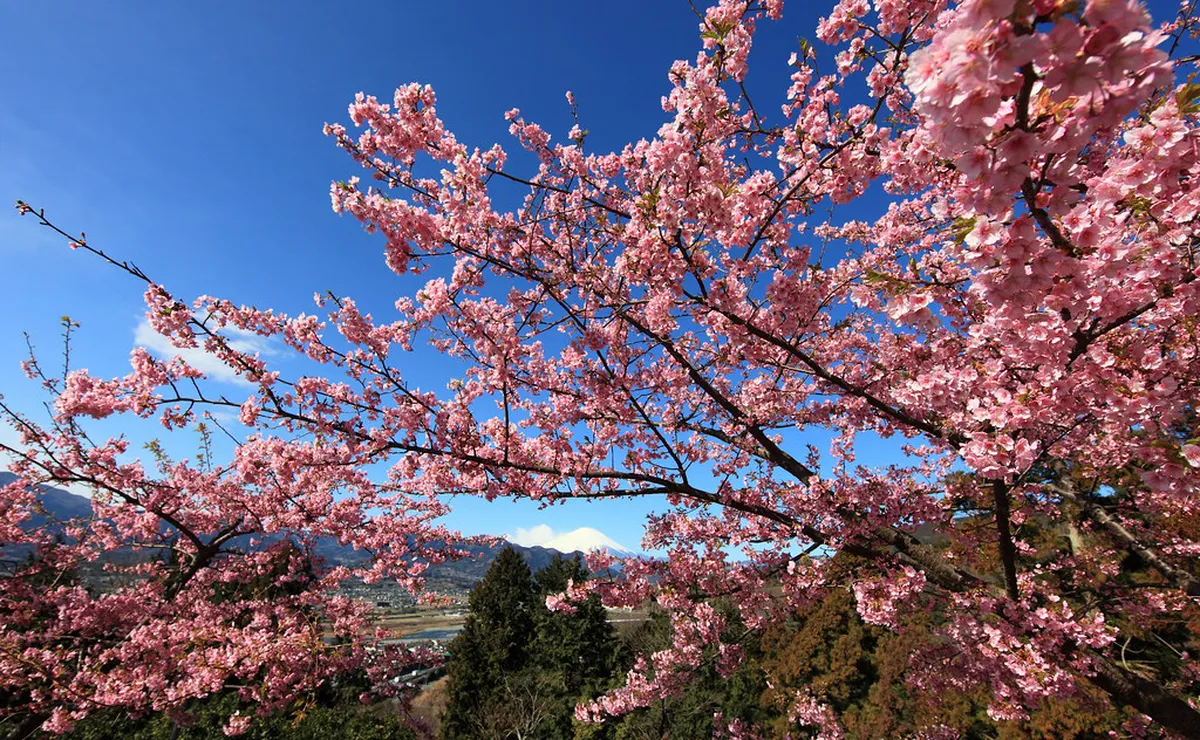
Spring is when Mount Fuji becomes a photography destination more than a visibility destination. Cherry blossoms at Chureito Pagoda and around Lake Kawaguchiko typically peak between late March and mid-April. In 2026, warmer winters have been pushing that window slightly earlier — check the Japan Meteorological Corporation forecast rather than assuming a fixed date.
Visibility declines as humidity rises. April gives you about a 25 percent chance of a full view on any given day, down from nearly 75 percent in December. Golden Week (late April to early May) is the busiest period of the year; accommodation around Kawaguchiko books out months in advance and prices rise sharply. The Fuji Shibazakura Festival at Lake Motosu runs mid-April to late May — the pink moss phlox fields with Fuji in the background are spectacular when the mountain cooperates. Arrive before 09:00 on a weekday for the best odds on both visibility and manageable crowds.
June to August: Rainy Season and Climbing Season
June is the worst single month for visibility — only five fully clear days and 15 invisible days in 2024. The rainy season (tsuyu) runs from early June to mid-July, keeping heavy cloud over the mountain for stretches at a time. If seeing Fuji is your main goal, avoid June entirely.
July and August flip the equation if your goal is to climb rather than view. The official climbing season runs from early July to early September. All four trails — Yoshida, Fujinomiya, Subashiri, and Gotemba — are open, mountain huts operate overnight, and park gates are staffed. The Yoshida Trail from the Fuji Subaru Line 5th Station is the most popular, a six-to-eight hour round trip for fit hikers. Crowds on weekends in late July and August are intense: queues form above the eighth station from midnight onward as climbers time their ascent for the summit sunrise (御来光, goraiko). Aim for a Tuesday or Wednesday night ascent in early July, before the school holiday surge around 20 July. Mountain hut bunks cost roughly 7,000–9,000 JPY per person including dinner; booking opens in March and popular huts sell out by May.
September to November: Autumn Colors and Improving Views
September marks the transition. The climbing season closes in early September, crowds thin, and visibility begins recovering from the summer low. September is also typhoon season in Japan — strong tropical storms can bring heavy rain and cloud for several days at a time, particularly in the first half of the month. Check typhoon forecasts if you travel in September.
October and November are genuinely good months to visit, combining reasonable visibility (12 full days in October, 11 in November) with autumn foliage. The peak foliage around the Fuji Five Lakes typically falls in late October to mid-November. Views from Chureito Pagoda with red and orange maple leaves in the foreground are among the most photographed scenes in Japan. Compared to cherry blossom season in spring, autumn crowds at Chureito are smaller — though still significant on weekends.
Late November enters a sweet spot that many travelers overlook. Leaves are mostly gone, so there is no special foliage draw, but the air has dried out and visibility starts approaching winter quality. Temperatures drop to 5–10°C, making it comfortable for walking. This is a quieter, cheaper window than October or cherry blossom season, and visibility is close to what you will get in December without the coldest temperatures.
Best Time of Day to See Mount Fuji
Season determines your odds. Time of day determines whether you actually see the mountain on any specific day. The window from 06:00 to around 09:30 is consistently the clearest part of the day at most viewing locations. Thermal heating of the mountain slopes builds cumulus cloud from mid-morning onward. By noon, the upper cone is frequently hidden even on days that started clear. On many spring and autumn days, Fuji is perfectly visible at 07:00 and gone by 10:00.
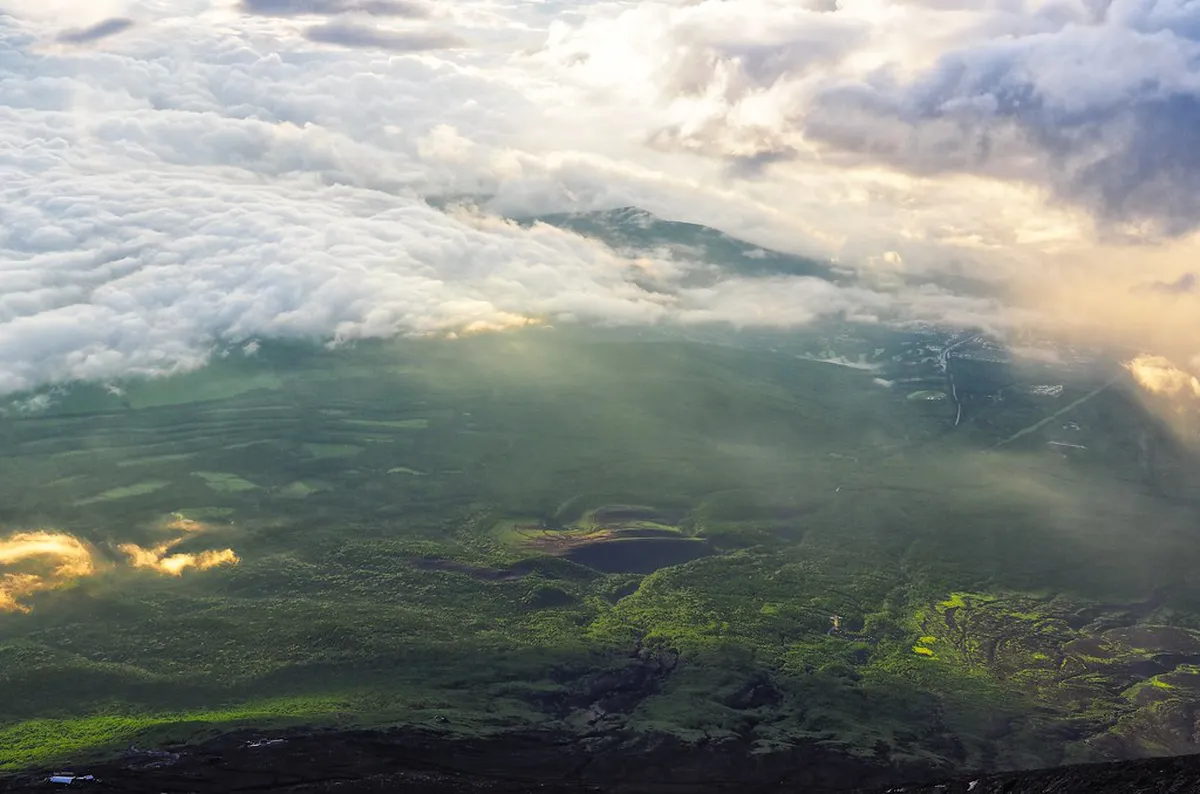
The practical implication is clear: stay overnight near the viewing area rather than arriving on a day trip. Travelers who take the early morning bus from Shinjuku and arrive at Kawaguchiko around 10:00 often find the mountain already cloud-covered. Those staying at a lakeside hotel can step outside at 06:30 with a coffee and a full view. The SeeMtFuji app (fuji-san.info) updates its visibility forecast daily and is worth checking the evening before your planned morning visit.
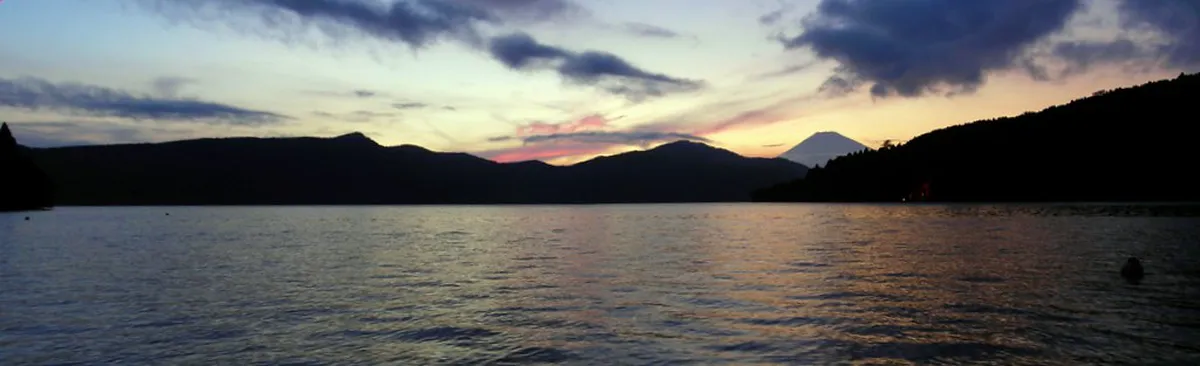
Sunset is the secondary opportunity. On clear winter days especially, the setting sun turns the west-facing snow slopes pink and orange in a phenomenon called akafuji ("red Fuji"). The best position for this is a viewpoint to the east of the mountain, such as Lake Yamanakako or the roadside pull-offs along Route 138 north of Gotemba. You need a completely cloud-free sky on the western horizon, which happens most reliably between November and February.
Top Viewing Spots: Lake Kawaguchi, Hakone, and Beyond
Lake Kawaguchiko is the best base for viewing. It sits directly north of the mountain, which means Fuji rises straight ahead of you across the water. The north shore near Kawaguchiko Station offers reflections on calm mornings. Chureito Pagoda, a short uphill walk from Fujiyoshida city, is the most iconic foreground in Japan for both cherry blossom (late March to mid-April) and autumn foliage (late October to mid-November) shots. Arrive before 08:00 on weekdays to avoid the tour bus crowds.
Hakone gives you a view of the south and west face from around 20 kilometres away. Because Hakone itself is mountainous, cloud often sits at eye level and obscures the view. Lake Ashi's torii gate with Fuji behind it requires clear skies on both sides of the valley. Hakone works best December through February, on days when there is high-pressure weather across the Kanto region. Its advantage is the range of onsen hotels and the Hakone Open-Air Museum — if Fuji does not cooperate, you have plenty to do. If seeing the mountain is your primary aim, Lake Kawaguchiko is the safer bet.
Less-visited spots worth knowing: Lake Motosu on the south side of the Fuji Five Lakes region shows the broadest, most symmetrical view of Fuji and was the reference for the old 1,000-yen note. It is quieter than Kawaguchiko and excellent for photography. Nihondaira observation deck in Shizuoka city offers a rarely-photographed south face view over tea fields and is accessible by Shinkansen to Shizuoka then a bus. From Tokyo, the observation deck at the Bunkyo Civic Center (free, open during office hours) reliably shows Fuji on clear winter mornings from around 35 kilometres — no entrance fee required.
Planning Your Mount Fuji Trip: Essential Tips
Getting there from Tokyo takes roughly 90 minutes by highway bus from Shinjuku Bus Terminal (Shinjuku Expressway Bus Terminal, sometimes called Busta Shinjuku) to Kawaguchiko Station, costing around 1,750–2,000 JPY each way. Buses run regularly and booking at least a few days in advance is recommended during spring and autumn peak periods. The Fujikyu Railway from Otsuki connects to the JR Chuo Line from Shinjuku, adding about 30 minutes and requiring a transfer but useful if you already have a JR Pass. The Mount Fuji Day Trip From Tokyo Travel Guide is feasible, but staying overnight significantly increases your chances of a morning view.
Budget varies sharply by season. Accommodation around Lake Kawaguchiko runs 8,000–15,000 JPY per person per night in winter low season, rising to 20,000–35,000 JPY or more during Golden Week and climbing season weekends. Booking two to three months ahead is advisable for cherry blossom and climbing season travel. Winter (excluding New Year) is when you will find the best rates alongside the best visibility — a combination most visitors overlook in favour of spring.
For the Fuji Five Lakes Itinerary & Travel Guide: Plan Your Trip area, the Fujikyu Highway Bus Pass (2,000 JPY for two days) covers buses between the lakes and to Fujikawaguchiko. A car is useful for reaching the quieter western lakes — Shojiko and Motosu — and for flexibility on early morning departures. In winter, some mountain roads require snow chains; check road conditions at the start of your day. The official How to Climb Mount Fuji: The Ultimate Guide & Tips for 2026 season requires no special gear on the standard trails but does require proper footwear, warm layers, and ideally a headlamp for a pre-dawn summit attempt.
Frequently Asked Questions
What is the best month to see Mount Fuji clearly?
The best months for clear views of Mount Fuji are typically December, January, and February. The dry, crisp winter air minimizes haze. You'll often see the iconic snow-capped peak during this time.
Can you see Mount Fuji in June, July, or August?
Seeing Mount Fuji clearly in June, July, or August is challenging. This period is Japan's rainy season and also the climbing season. The mountain is frequently shrouded in clouds and haze, especially in June.
Where are the best places to view Mount Fuji?
Top viewing spots include Lake Kawaguchi, Hakone (especially Lake Ashi), and the Chureito Pagoda. These locations offer classic and picturesque views. Some distant views are also possible from tall buildings in Tokyo on very clear days.
What is the best time of day to see Mount Fuji?
Early morning, just after sunrise, is generally the best time for clear views. The air is typically crisper and less hazy. Late afternoon and sunset can also offer beautiful, dramatic lighting for photography.
Is it worth visiting Mount Fuji in the rainy season?
Visiting in the rainy season (June-July) is generally not recommended for viewing due to poor visibility. However, if your primary goal is to climb Mount Fuji, this is the official climbing season. Be prepared for rain and clouds.
For the clearest, most reliable views, December and January are the strongest months — real visibility data backs this up, not just general advice about "winter." If you want cherry blossoms or autumn leaves, accept lower odds on seeing the mountain itself and plan to spend the night so you can catch the early morning window. If your goal is to climb, early July weekdays before the school holiday rush give you the best balance of open trails and manageable crowds. Whatever season you choose, stay overnight near Lake Kawaguchiko and check the SeeMtFuji forecast the evening before. That single habit will do more for your chances than any seasonal planning guide can.
Free guide: Japan's Hidden Gems
12 under-the-radar places beyond Tokyo & Kyoto — with the best season to visit each and a local tip you won't find in the guidebooks.
You might also like

Continue reading
More guides you'll find useful