
Best Time To Visit Chichibu Travel Guide
Plan best time to visit chichibu with top picks, neighborhood context, timing tips, and practical booking advice for a smoother trip.
On this page
Chichibu sits about 80 km northwest of central Tokyo in Saitama Prefecture, yet it feels like a different world. Mountains ring the city on three sides, festivals run year-round, and the seasonal scenery changes more dramatically here than almost anywhere else in the Kanto region. Picking the right season determines whether you see shibazakura in full bloom, catch the country's most spectacular float festival, or have an icicle canyon virtually to yourself.
This guide breaks down each season with honest crowd levels, temperature ranges, and the one attraction each window does best. Whether you are coming for a single day from Tokyo or planning two nights, matching your dates to Chichibu's seasonal calendar is the single most important decision you will make.
Chichibu Throughout the Year: Season-by-Season Breakdown
Spring (late March to early May) is the most visited window. Cherry blossoms peak around late March to early April along the Arakawa River, then the famous shibazakura (moss phlox) carpets Hitsujiyama Park from mid-April through early May. Temperatures sit between 10–20°C and weekend crowds are heavy — plan an early arrival before 09:00 if you want photos without hundreds of people in the frame.
Summer (June to August) brings lush greenery to Nagatoro Gorge and opens up the river season. Temperatures reach 30–35°C in July and August, which makes the shaded gorge trails and Arakawa river rafting the smartest activity choices. Weekday visits in June, before the school-holiday rush, offer the most relaxed experience. Crowds thin considerably compared to spring.
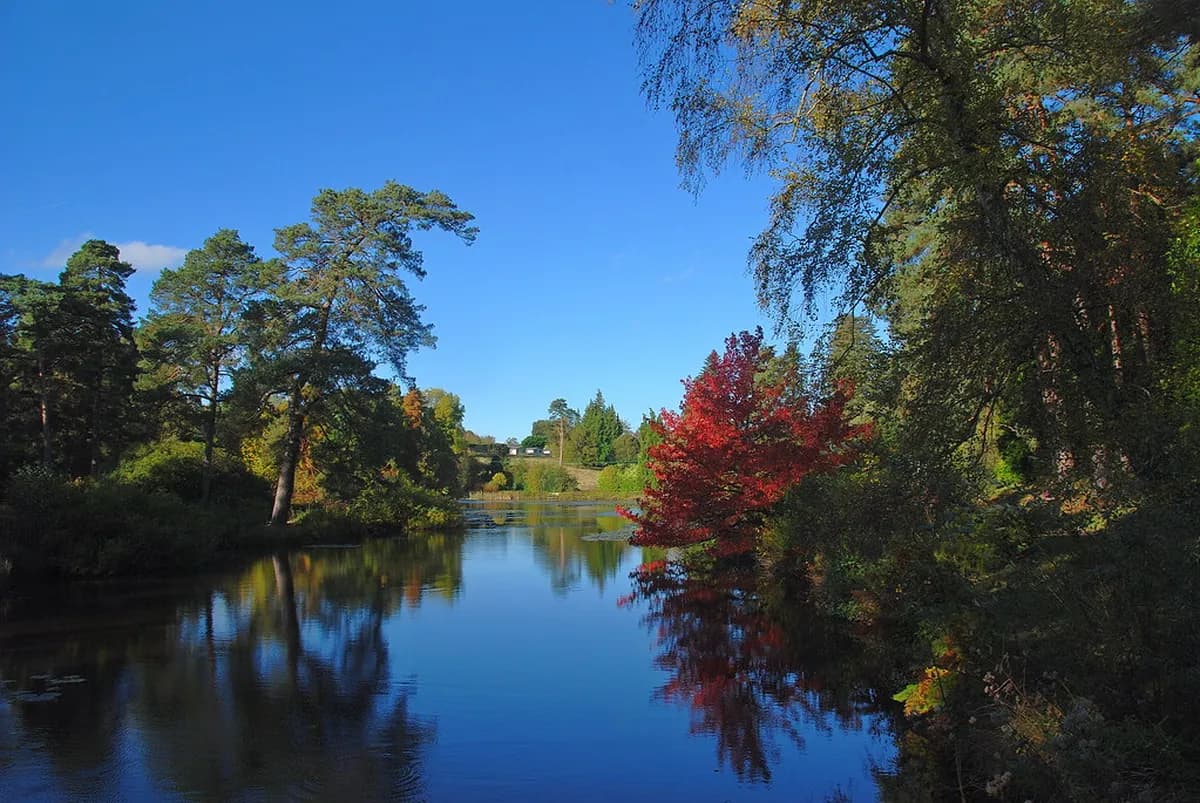
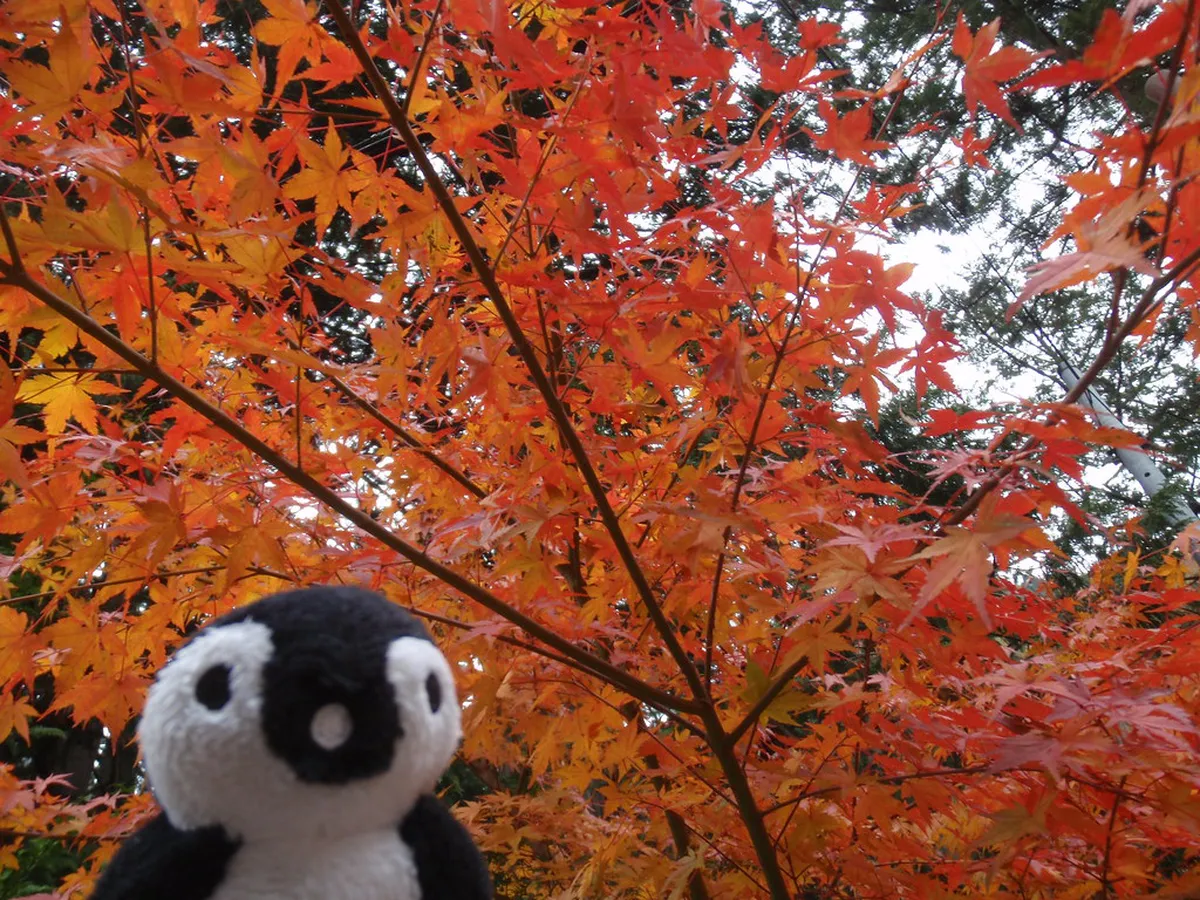
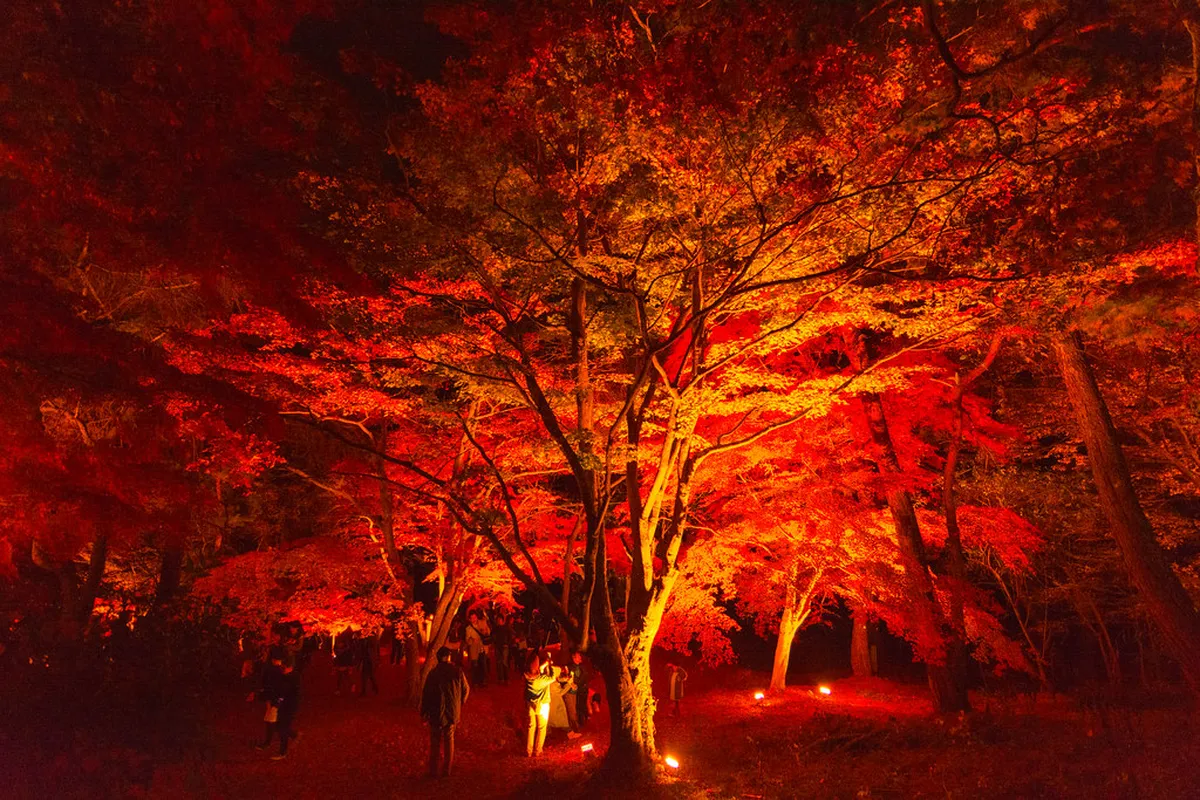
Autumn (October to November) rivals spring as the best overall timing. Foliage peaks in mid to late November, painting the mountains around Mitsumine Shrine in deep red and gold. Temperatures are comfortable at 8–18°C, hiking trails are in ideal condition, and the harvest season brings local chestnuts, grapes, and new-release sake to restaurants and markets. This is also when Chichibu Distillery (see below) is most rewarding to visit.
Winter (December to February) is the season most visitors overlook — and that is partly what makes it worthwhile. The Chichibu Night Festival on 2–3 December draws large crowds for one week, then the city quiets down considerably. January and February mean cold temperatures (0–8°C) but near-empty trails, low accommodation prices, and the ethereal Misotsuchi icicles.
Must-See Seasonal Attractions
The shibazakura at Hitsujiyama Park is Chichibu's signature spring spectacle. Around 400,000 moss phlox plants bloom across a hillside, creating sweeping bands of pink, white, and purple. The park charges a small admission fee during peak bloom (typically ¥300 for adults). Early mornings on weekdays offer a calmer, more photogenic experience before tour buses arrive.
The Chichibu Night Festival Travel Guide on 2–3 December is one of Japan's three great float festivals and holds UNESCO intangible cultural heritage status. Six elaborately carved floats — four yatai and two kasaboko — parade through lantern-lit streets before hauling up the steep Dango Slope to a fireworks finale. Book accommodation at least two months in advance if your target is the festival itself; Chichibu's hotel stock is limited and sells out fast.
The Misotsuchi Icicles form along a valley wall near the Otaki district each January. The natural icicle formation measures 10 meters tall and 30 meters wide; an adjacent artificial wall created by flowing water upstream reaches 25 meters tall and 55 meters wide. Both are illuminated with blue, white, and green lights after dark from early January through late February. The entrance fee is ¥200 per adult and ¥100 for elementary school students, with proceeds funding preservation of the site. The address is 4066-2 Otaki, Chichibu-shi.
Autumn foliage at Mitsumine Shrine, perched at 1,100 meters, peaks around mid-November. The mountain bus from Chichibu Station takes about 75 minutes and runs several times daily; the last return departure is typically 16:30, so time your visit accordingly.
Museums, Art, and Culture in Chichibu
The Chichibu Festival Hall at 2-8 Banba-machi re-creates the Night Festival experience year-round through sound and light shows. Full-scale replicas of the festival floats and kasaboko are on permanent display, giving visitors a close look at the intricate carved lacquerwork that takes craftspeople years to complete. It is the best option for anyone who cannot make the December festival dates.
Chichibu Shrine is the spiritual centre of the city and the principal site of the Night Festival. Founded over 2,000 years ago and rebuilt in the Edo period, the main hall features polychrome carvings that draw comparisons to Nikko Toshogu on a smaller, more intimate scale. The shrine is free to enter and takes 20–30 minutes to explore properly. Visit early morning for the quietest atmosphere; the surrounding precincts include several secondary shrines worth a short detour.
The Chichibu Museum of Art near the city centre holds rotating exhibitions with a focus on local and regional artists. Admission is typically under ¥500. It provides a useful indoor option on rainy days, which are most common during June and September.
Chichibu was historically a shukuba — a post-town rest stop for pilgrims traveling the 34-temple Chichibu Pilgrimage route. Walking even a short section of this route between temples reveals traditional townscapes, local teahouses, and stone lanterns that most day-trippers on a tight schedule miss entirely.
Parks, Gardens, and Outdoor Spots
Hitsujiyama Park operates beyond shibazakura season as a pleasant year-round green space with views of Mount Buko. Walking paths cross the hillside and a rose garden blooms in May and October. Outside peak shibazakura weeks, the park is uncrowded and free to enter.
Nagatoro Gorge, accessible via the Chichibu Railway from Ohanabatake Station to Nagatoro Station (about 30 minutes, ¥490), is the top summer destination. Flat-bottomed boat rides along the Arakawa River navigate natural rock formations designated as a national natural monument. Separate rafting operators run half-day guided trips on faster sections of the river. The gorge is also excellent for hiking; the Iwadatami Rocks are a 10-minute walk from the station.
Mount Hodo above Nagatoro offers a ropeway and summit walking trails. The views across the gorge and toward Mount Buko are the best panoramic reward achievable in under two hours from Nagatoro Station. The ropeway costs around ¥720 one-way for adults.
For winter hiking, the trail network around the Misotsuchi area remains walkable on clear days with proper footwear. The Otaki district is quieter than Nagatoro and rewards visitors who make the extra effort with waterfalls and a genuine off-season atmosphere.
The Chichibu Distillery: A Timing-Specific Draw
One attraction that most Chichibu travel guides skip entirely is the Venture Whisky Chichibu Distillery, producer of Ichiro's Malt — bottles that routinely sell for ¥10,000–¥30,000 in Tokyo specialty shops. The distillery sits on the edge of town and draws whisky enthusiasts who combine it with an autumn foliage trip or a post-festival December visit.
Tours run on selected Saturdays and Sundays and require advance reservation through the distillery's official website; slots fill weeks ahead in October and November when new releases coincide with harvest-season tourism. The distillery does not accept walk-in visitors. If your dates fall in a weekday-only window or you cannot get a booking, the Chichibu Whisky Museum near the city centre offers a tasting bar with the current range and no reservation required.
Autumn (October–November) is the optimal window for combining the distillery with fall foliage at Mitsumine. December visitors arriving for the Night Festival can check availability for the weekend before or after the 2–3 December dates, when distillery tours occasionally still run. Summer tours are less popular among enthusiasts since the new-make spirit releases happen later in the year.
Family-Friendly and Budget-Friendly Options
Chichibu is one of the more wallet-friendly day-trip destinations from Tokyo. The main natural attractions — Hitsujiyama Park outside peak bloom, Nagatoro Gorge walks, and the shrine — cost little or nothing to enter. A return train ticket on the Seibu Limited Express from Ikebukuro costs around ¥1,500–¥2,000 per adult, making the full-day budget manageable even for families.
Hitsujiyama Park during the shibazakura season is excellent for children. The hillside is gentle enough for young walkers, the flower carpet is genuinely striking, and the open spaces allow for picnics. Packing lunch avoids the premium pricing at park-adjacent vendors on busy spring weekends.
The Nagatoro boat rides are popular with children aged five and up; the flat-bottomed option is calm and safe, while the rafting trips require a minimum age of around ten. Checking operator websites before booking confirms current age and height requirements, which change seasonally based on water levels.
For food on a budget, Warajikatsu — Chichibu's signature oversized pork cutlet on rice — is available at several city-centre restaurants for around ¥1,000–¥1,500. It is the local dish every visitor should try at least once. Local soba restaurants near the shrine offer lunch sets starting from ¥900.
How to Get to Chichibu from Tokyo (No Car Needed)
The fastest route from Tokyo is the Seibu Ikebukuro Line from Ikebukuro Station direct to Seibu-Chichibu Station. The Limited Express Laview takes about 78 minutes and costs around ¥790 for the express surcharge on top of the base fare (total approximately ¥1,550 one-way in 2026). Trains run roughly every 30–60 minutes throughout the day; check the Seibu Railway website for the live timetable.
A Seibu 1-Day Pass (valid on all Seibu lines for ¥1,000–¥1,300 depending on the zone) can reduce costs if you plan to use local trains within the network. The pass does not cover the Limited Express surcharge but covers all local trains between stations once you arrive in the Chichibu area.
The JR alternative runs from Ikebukuro or Akihabara to Kumagaya on the Shonan-Shinjuku Line or Takasaki Line, then transfers to the Chichibu Railway at Yorii. Total journey time is 90–110 minutes with the transfer. This option is only worthwhile if you hold a Japan Rail Pass, since the standard fare is comparable to the Seibu route but less direct.
Within Chichibu, local buses connect the main train stations to Mitsumine Shrine and the Misotsuchi Icicles area. Buses to Mitsumine depart from Chichibu Station and take approximately 75 minutes; the last return bus leaves around 16:30 in winter. The Chichibu Tourism Information Center near Seibu-Chichibu Station stocks up-to-date bus timetables and can arrange bike rentals for exploring the flat city-centre streets.
Walk Through the Town to Chichibu Shrine
The 15-minute walk from Seibu-Chichibu Station to Chichibu Shrine is one of the most rewarding short strolls in western Saitama. The route passes through the old shotengai (covered shopping street), where small vendors sell Chichibu silk fabric, local sake, and Warajikatsu takeaway boxes. Almost every visitor rushes this section; walk slowly and the shopfront detail rewards attention.
The shrine itself dates back over 2,000 years, though the current buildings are Edo-period reconstructions. The main hall features polychrome carvings on all four walls — a tiger, a rabbit, an owl, and a sleeping cat — each attributed to different master craftspeople. The carvings are best appreciated in morning light when shadows are soft. Admission is free; the surrounding gardens take another 10–15 minutes to explore.
During December, the shrine is the festival's operational hub. The six floats stage and parade from here, and the area around the shrine fills with food stalls from the afternoon of 2 December onward. If you are visiting purely for the Night Festival, position yourself near the approach by 18:00 to secure a sightline before the crowds peak around 20:00.
Extend Your Chichibu Day Trip to Nagatoro
Nagatoro sits 20 minutes from Seibu-Chichibu by the Chichibu Railway (¥490, depart from Ohanabatake Station). Most itineraries visit Chichibu first in the morning, then continue to Nagatoro for the afternoon. This sequencing works well in every season except winter, when river boat schedules run reduced hours and some operators close entirely.
The traditional flat-bottomed boat rides (shotaisen) along Nagatoro Gorge last about 20 minutes and navigate natural rock formations along the Arakawa River designated as a national natural monument. Advance booking is recommended on spring and autumn weekends when queues can stretch 30–60 minutes. The rafting trips on faster sections are a separate product with their own operators clustered near the station.
Beyond the river, the Nagatoro area has Hodosan Shrine (connected to the summit by ropeway), the Iwadatami rock plateau, and several hiking trails graded for different fitness levels. Allow at least 3 hours in Nagatoro to cover the boat ride, a short hike, and lunch. The last trains back toward Chichibu or Tokyo run until late evening, leaving enough buffer for a relaxed afternoon.
What to See in Chichibu After Sakura Season
Late May and June are genuinely underrated. The shibazakura crowds have gone, greenery is at its most vivid, and the gorge trails are at their most pleasant before summer heat arrives. This window is ideal for hikers, photographers shooting landscapes without crowds, and visitors combining Chichibu with nearby Nagatoro.
Summer draws a different audience: river-sport enthusiasts, Tokyo families escaping urban heat, and visitors interested in the Chichibu Distillery. The mountain altitude keeps temperatures 3–5°C cooler than central Tokyo, which matters considerably in late July and August. Ayu fish cuisine (sweetfish grilled over charcoal) appears on menus from July onward and is worth seeking out at riverside restaurants.
Autumn from October through mid-November is the season with the broadest appeal. Foliage, the distillery harvest releases, comfortable hiking conditions, and festival run-up events (the shrine holds several preliminary ceremonies in late November) combine into the richest overall package. First-time visitors who can choose their dates freely should target the first two weeks of November.
Winter beyond December's festival quiets Chichibu into one of its most peaceful states. The Misotsuchi Icicles and the snow-dusted approach to Mitsumine Shrine are the two reasons to make the trip in January or February. Consider ending a winter day at Matsuri no Yu onsen, which sits directly adjacent to Seibu-Chichibu Station and is the warmest possible way to finish a cold-weather visit.
Looking for Day-by-Day Itineraries in Chichibu?
A single day from Tokyo covers the city centre, Chichibu Shrine, and one additional attraction — either Hitsujiyama Park (spring) or the Festival Hall (year-round). Depart Ikebukuro no later than 08:30, arrive by 10:00, and you have roughly 7 hours before the last convenient Limited Express return.
Two days unlock the full picture. Overnight in Chichibu or Nagatoro, which also cuts the Tokyo commute for day two. Suggested split: day one for central Chichibu (shrine, Festival Hall, shotengai walk, Matsuri no Yu); day two for Nagatoro Gorge, Hodosan ropeway, and a return via a different scenic stop.
Three or more days allow for Mitsumine Shrine as a half-day excursion, a distillery visit on a weekend slot, and a section of the 34-temple Chichibu Pilgrimage. The pilgrimage spans 100 km total, but walking between three or four temples in the city-centre cluster provides a meaningful cultural experience within half a day. Factor in that the last Mitsumine bus return is around 16:30, which constrains afternoon scheduling on that day.
Verify opening hours and seasonal schedules before you travel, especially for the boat rides in Nagatoro (winter reductions), the Misotsuchi Icicles (January–February only), and the Chichibu Night Festival (fixed at 2–3 December each year). Build in 15-minute buffer time between bus connections — Chichibu's rural bus network runs on schedule, but connections are infrequent.
Frequently Asked Questions
Is it worth going to Chichibu?
Yes, Chichibu is definitely worth visiting for its stunning natural beauty, rich cultural heritage, and vibrant festivals. It offers a refreshing escape from city life with diverse attractions. Travelers can enjoy hiking, river activities, and exploring ancient shrines. This makes it a great day trip from Tokyo.
When is the best time to visit Chichibu?
The best time to visit Chichibu depends on your interests. Spring (April-May) is ideal for Shibazakura flowers and pleasant weather. Autumn (October-November) offers spectacular fall foliage. Winter (December) hosts the famous Chichibu Night Festival, while summer is great for river activities.
What is the nicest month to visit Japan?
Many consider spring (April-May) and autumn (October-November) the nicest months to visit Japan. These periods offer comfortable temperatures, beautiful scenery, and numerous festivals. Chichibu aligns perfectly with these seasons for optimal enjoyment.
Is Chichibu Night Festival worth it?
The Chichibu Night Festival, held in December, is absolutely worth experiencing. It is one of Japan's most impressive float festivals, featuring elaborate decorations and fireworks. Despite the cold, the atmosphere is incredibly vibrant and culturally rich. Verify dates on the official Chichibu Festival website.
Chichibu rewards visitors in every season, but timing matters more here than in most Japanese cities. Spring delivers the shibazakura spectacle and the best weather for first-timers. Autumn offers the most versatile combination of foliage, hiking, food, and cultural depth. December's Night Festival is unmissable if you can plan around its fixed dates and book accommodation early. Winter beyond the festival gives you Misotsuchi's icicle walls and near-empty trails at a fraction of peak-season prices.
Match your visit to the season that fits your interests, build a realistic itinerary around the bus and train schedules, and Chichibu will deliver one of the most memorable day trips — or short breaks — accessible from Tokyo in 2026.
For tickets, hours and visitor details, see our Chichibu Shrine Visitor Guide: Plan Your Trip to Saitama's Enchanting City and Chichibu attractions hub.
Free guide: Japan's Hidden Gems
12 under-the-radar places beyond Tokyo & Kyoto — with the best season to visit each and a local tip you won't find in the guidebooks.
You might also like


Continue reading
More guides you'll find useful

