Best Time to Visit Kusatsu Onsen: Season-by-Season Guide
What each season brings to Kusatsu Onsen, Gunma's high-mountain sulfur hot spring town, and how to pick the right time for your trip.
On this page
Kusatsu Onsen sits in the mountains of Gunma Prefecture and is widely regarded as one of Japan's finest hot spring towns. Its sulfuric waters flow at over 32,000 liters per minute — the highest natural discharge of any onsen resort in the country. The water is highly acidic with powerful antibacterial properties, reputed to treat skin conditions and improve circulation.
Choosing the right time to visit makes a real difference. Each season brings a distinct atmosphere: winter delivers the iconic snow-and-steam contrast, autumn frames the Yubatake in fiery foliage, and summer offers cooler highland temperatures compared to Tokyo. This guide breaks down the seasons, the main attractions, and the practical details you need to plan a smooth trip in 2026.
Best Time to Visit Kusatsu Onsen by Season
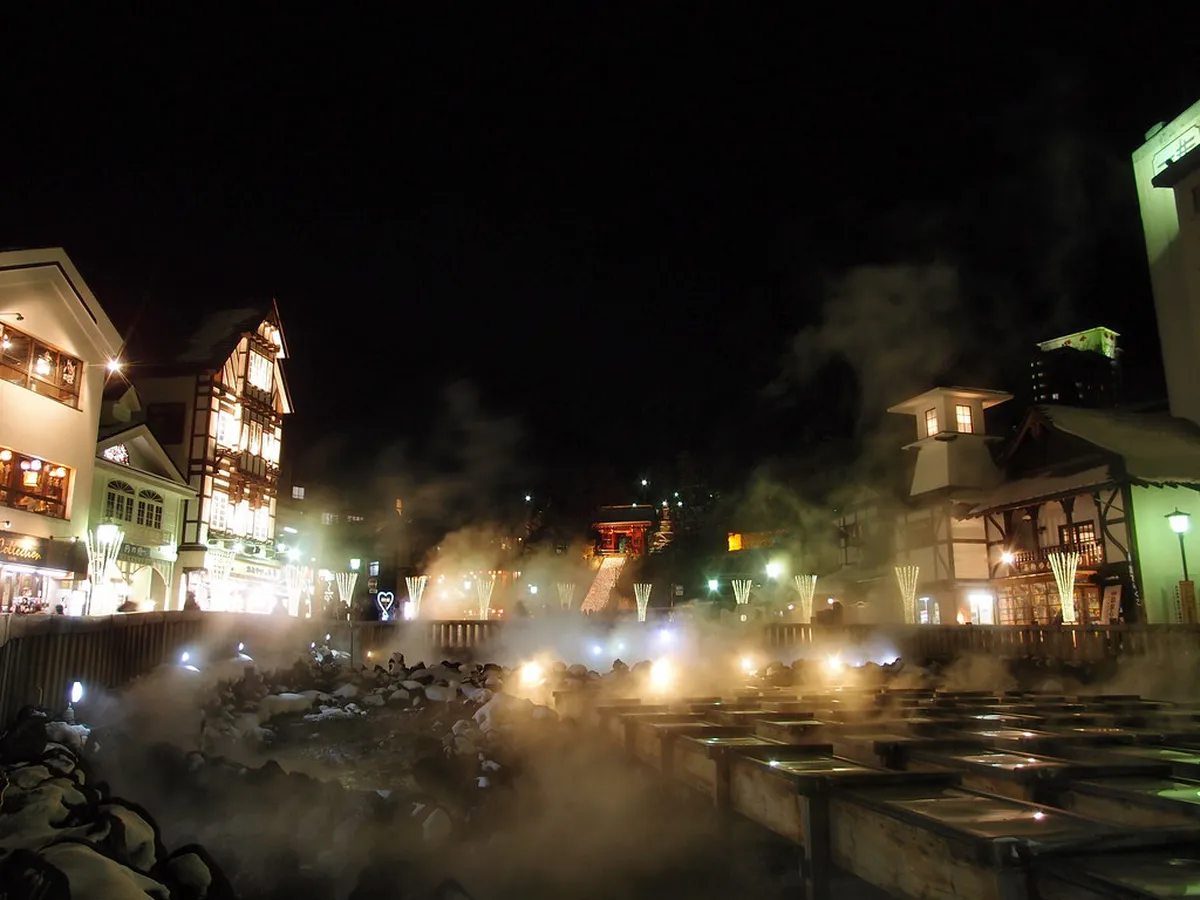
Winter (December–February) is the most popular and most rewarding season. Snow accumulates heavily around the Yubatake, and the contrast between the steaming hot water field and a white landscape is genuinely striking. Ryokan rates are higher than the rest of the year, so book at least four to six weeks in advance. The town is also less crowded midweek — arriving Tuesday to Thursday gives you noticeably shorter queues at Netsunoyu and the public baths.
Autumn (mid-October to mid-November) is the second peak. The surrounding forests turn vivid red and gold, and the cooler air makes walking between attractions comfortable. Crowds at the Yubatake tend to thin compared to a Golden Week summer weekend, and accommodation prices sit below the winter peak. This is the best season if you want good photography conditions without fighting for a spot.
Summer (June–August) sees Kusatsu used as a highland escape from Tokyo's heat. At roughly 1,200 metres elevation, daytime temperatures average 5–8°C below central Tokyo. The town is busy on weekends, particularly during Obon (mid-August), but weekday visits in early June can feel surprisingly quiet. Spring (March–May) brings cherry blossoms in late April and pleasant temperatures, though the higher-elevation roads may still have snow into March.
One detail most visitors miss: Kusatsu has a small ski resort on the slopes of Mount Shirane, operating roughly from late November to late March. Lift passes for 2025–2026 cost around ¥4,800 for a half-day. Combining a morning on the slopes with an afternoon at Otakinoyu makes for an unusually satisfying winter day — the transition from cold mountain air to a 46°C bath is hard to replicate anywhere else in the Kanto region.
Best Things to Do in Kusatsu Onsen
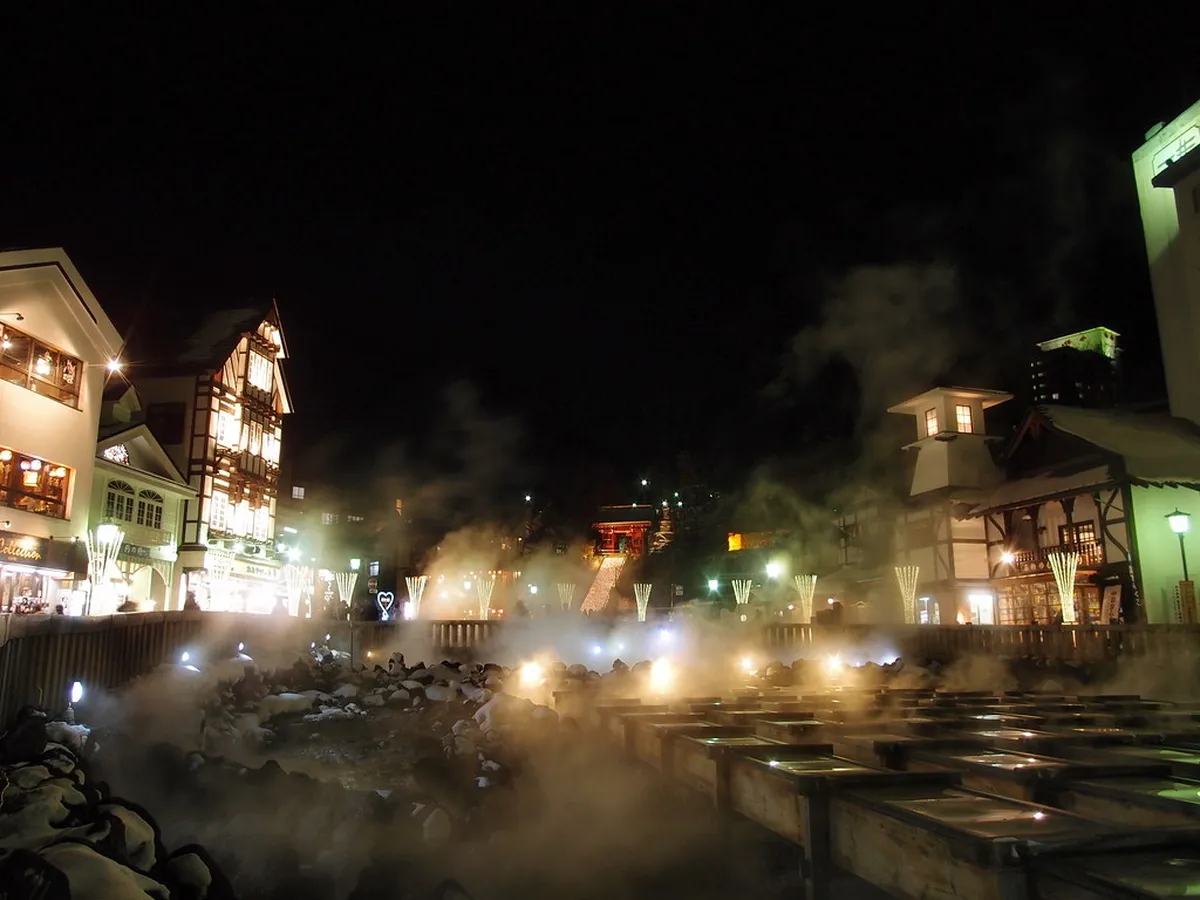
The Yubatake is the center of everything. This hot water field channels steaming water through wooden chutes made of cypress, cooling it before distribution to the surrounding baths. The wooden frames gradually fill with mineral deposits called yu no hana, which are sold in souvenir shops for home baths. Visit both during the day and after dark — the evening illumination gives the Yubatake a completely different, more atmospheric quality. A free footbath sits at the edge of the field if you want a quick soak without paying for a full bath.
The Yumomi performance at Netsunoyu is the most distinctive cultural experience in town. Performers stir the scalding hot spring water with large wooden paddles to cool it naturally — a technique developed in the Edo period when the water temperature could reach 95°C. They sing traditional folk songs throughout. Tickets for the Yumomi show cost ¥700 per adult and are sold 30 minutes before each performance. Shows run six times daily at 09:30, 10:00, 10:30, 15:30, 16:00, and 16:30. Arrive 30 minutes before your chosen show to secure a good seat.
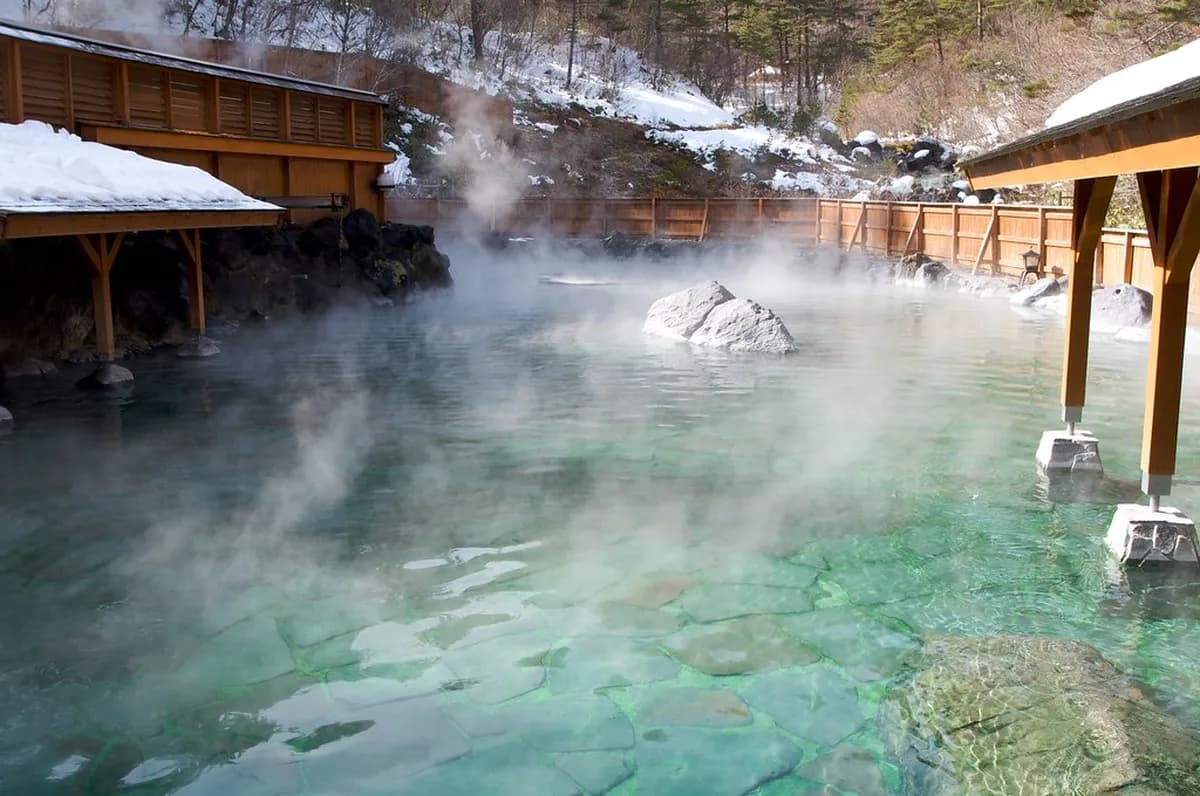
For public bathing, the three main fee-paying facilities each have a distinct character. Sainokawara Rotenburo offers a large outdoor pool in a forested valley — the exposure to cold air while soaking in hot water is particularly intense in winter. Otakinoyu (open 09:00–21:00) features the awaseyu experience: a sequence of wooden tubs at progressively higher temperatures from 38°C to 46°C, helping you gradually acclimate to Kusatsu's notoriously hot water. Gozanoyu is a wooden bathhouse close to the Yubatake with a more traditional interior. A combined three-bath pass (Choina Sanyumeguri) bought at the first facility saves several hundred yen and comes with a completion certificate. Read the full guide to Kusatsu public baths for opening hours and current prices.
Three community bathhouses — Shirohatanoyu, Jizonoyu, and Chiyonoyu — are free to use and open to visitors, though they are small (capacity 2–4 people) and gender-separated. These are the spots where you are most likely to share a bath with local residents rather than tourists. No towels are provided, so bring your own. The water temperature runs very hot, consistent with Kusatsu's source.
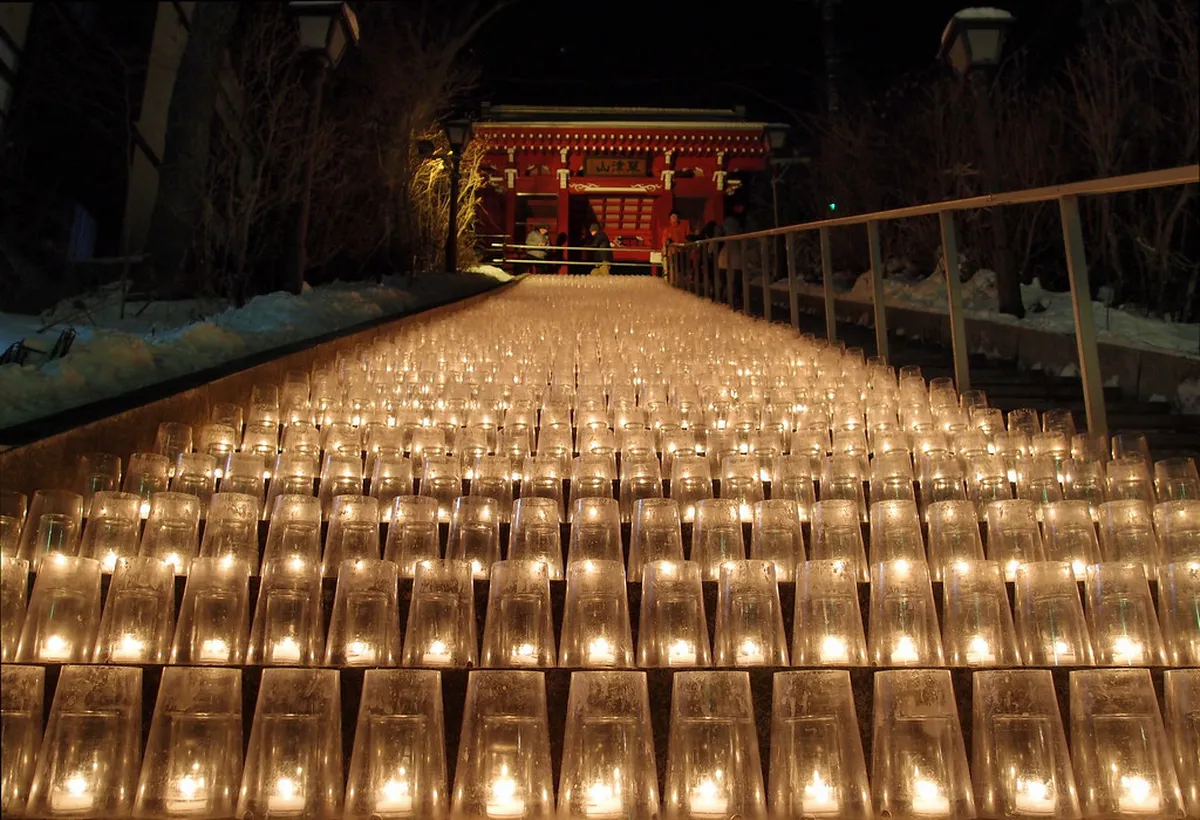
Kosenji Temple, perched on stone steps beside the Yubatake, is worth a short detour. The five-storey pagoda and elevated view over the town square take about 15 minutes to visit. Shirane Shrine sits higher on a hill with a route starting near Kirishimaya Ryokan — the walk takes about 20 minutes from the center and rewards you with an unobstructed view over Kusatsu.
Parks and Outdoor Spots in Kusatsu Onsen
Sainokawara Park runs along a forested valley west of the Yubatake. The 15-minute walk from the town center passes local shops selling onsen tamago (eggs cooked in hot spring water) and onsen manju. Several small natural pools line the path — the "demon's pools," named after a folk belief that the boiling water came from a demon's cauldron. A free footbath at the park entrance is popular with visitors who want a mild soak without the admission fee of the full outdoor bath. The park is illuminated in the evening and the steam rising from the hot spring streams makes the atmosphere particularly dense on cold nights.
Mount Kusatsu-Shirane rises above the town and is an active volcano. Access to the summit area is periodically restricted due to volcanic activity — check the Japan Meteorological Agency's warnings before planning any hike above the resort zone. When trails are open, the views are exceptional and the terrain changes rapidly from woodland to alpine scrub. The ski area lower on the mountain operates even when the summit is closed.
The Footbath Café at 118-1 Kusatsu-machi opens at 10:00 and lets you soak your feet in spring water while drinking coffee or eating a light meal. It is a quieter alternative to the busy footbath at the Yubatake and works well as a mid-afternoon break between bath sessions.
Where to Eat in Kusatsu Onsen
Onsen manju is the undisputed signature snack of Kusatsu. These small steamed buns filled with sweet red bean paste are sold warm at several shops around the Yubatake — Matsumura Manju typically offers free samples with green tea. Onsen tamago, eggs slow-cooked in the mineral-rich spring water, are another local staple available on the path to Sainokawara Park.
For a sit-down meal, Mikuni Soba (三國家) near the town center serves handmade soba noodles in a traditional setting. Yume Hana (旬彩茶屋 夢花) is a simple option for tendon and soba sets. Yugawa Terrasse Restaurant is worth mentioning specifically in winter: it has an outdoor footbath that lets you soak while eating, which is an oddly effective combination when temperatures drop. The restaurant serves warming dishes including miso ramen.
Budget for meals to run ¥800–¥1,500 per person at standard local restaurants. The main streets around the Yubatake have a Studio Ghibli merchandise store (Donguri), which surprises most first-time visitors and tends to be busy with domestic tourists on weekends.
How to Get to Kusatsu Onsen
The most straightforward route from Tokyo is the JR Limited Express Kusatsu from Ueno Station to Naganohara-Kusatsuguchi Station, taking approximately 2 hours and 28 minutes. From the station, a local bus runs directly to Kusatsu Onsen Bus Terminal in about 25 minutes. This train operates on weekends and public holidays; on weekdays, use the Joetsu Shinkansen to Takasaki then transfer to the Agatsuma Line to Naganohara-Kusatsuguchi. There is also a Shinkansen option via Karuizawa: take the Hokuriku Shinkansen to Karuizawa and then a bus from the North Exit platform 2, which suits travelers who want to break the journey in Karuizawa.
Highway buses offer a cheaper but slower alternative. The Keio Dentetsu Bus runs direct from Shibuya Station to Kusatsu Onsen Bus Terminal and takes approximately 4 hours. The bus from Shinjuku via the Joshu Yumeguri service runs about 3 hours 45 minutes and costs around ¥3,510. Highway buses suit budget travelers or those who want a single boarding point without train transfers.
Driving from central Tokyo takes about 3 to 3.5 hours via the Kanetsu Expressway. A car gives flexibility for visiting the ski area and nearby waterfalls, but the town center streets are narrow and parking during peak season (late December and the Obon period) is limited and costly. If driving in winter, check road conditions for the mountain approaches — chains or winter tires may be required above the mid-elevation zones.
Consider a Kusatsu Onsen From Tokyo Travel Guide if your schedule is tight. Departing Ueno at 10:00 puts you in Kusatsu by around 12:30, giving you roughly two hours before needing to catch the 14:40 bus back to connect with the 15:43 train to Tokyo. It is a tight window that works only if you limit yourself to the Yubatake and one bath. An overnight stay is substantially more relaxed.
How Long Should I Spend in Kusatsu Onsen?
A 2-day, 1-night stay is the standard recommendation and suits most travelers. Day one covers the Yubatake by day and evening, a Yumomi performance, Sainokawara Park at night, and dinner in town. Day two starts with a morning community bathhouse visit (Shirohatanoyu opens early), followed by Otakinoyu and Gozanoyu if you are working through the three-bath pass, then departure by early afternoon. This pace is relaxed and leaves room for unscheduled wandering.
A Kusatsu Onsen day trip from Tokyo is possible but tight. You realistically get the Yubatake, one public bath, and a quick walk around the souvenir streets. It is worth doing if you cannot stay overnight, but the onsen experience itself is the whole point of Kusatsu, and cutting it to two hours means most of the best bathing facilities feel rushed.
A 3-day, 2-night stay makes sense if you want to ski, hike (when trails are open), or visit the waterfalls near town. It also allows for a slower morning rhythm that matches the pace of a traditional ryokan stay — multi-course dinner the night before, early-morning bath before the facilities fill up, unhurried breakfast. The extra night adds accommodation cost but genuinely changes the quality of the experience. Budget travelers can offset this by using the free community bathhouses rather than paying for all three fee-based facilities.
Other Activities You Can Do From Kusatsu
Karuizawa sits about 80 minutes by bus from Kusatsu and works as a natural extension of a multi-day Gunma trip. It is a well-known resort town with cycling paths, shopping outlets, and easy Shinkansen access back to Tokyo. Combining one night in Kusatsu with one night in Karuizawa gives you two distinct highland experiences without backtracking through Tokyo.

Jigokudani Snow Monkey Park, famous for its Japanese macaques bathing in a natural onsen, is geographically close to Kusatsu but takes around 1.5 hours by car due to the mountain terrain. It is best treated as an add-on if you have your own vehicle rather than a straightforward day trip on public transport.
The waterfalls around Kusatsu reward visitors with cars or stamina for hiking. Ousen Waterfall is about one hour on foot from the town center. Fukiware Waterfall in neighboring Agatsuma area — sometimes called the "Niagara of the East" — is further afield but accessible by car and gives a strong payoff for the journey. Check trail access conditions in winter before planning these routes, as paths can be icy or closed.
Shima Onsen, a quieter hot spring town about 40 minutes by car south of Kusatsu, offers traditional wooden ryokans in a more remote setting. It is far less visited by international tourists and runs at a slower pace — a good option if the Kusatsu crowds during peak season feel overwhelming.
Explore best time to visit in other cities
Frequently Asked Questions
How long should I stay in Kusatsu Onsen?
A 2-day, 1-night trip is ideal for experiencing Kusatsu Onsen's main attractions and relaxing. This allows time for the Yubatake, a Yumomi show, and enjoying various public baths. You can truly unwind. A day trip is possible but very rushed.
Is Kusatsu Onsen worth going?
Yes, Kusatsu Onsen is definitely worth visiting for its unique, highly acidic hot springs and vibrant atmosphere. The town offers a perfect blend of relaxation, cultural experiences, and natural beauty. It is a top destination for onsen lovers.
What should I wear to Kusatsu Onsen?
Wear comfortable, casual clothing for walking around town. Bring a light jacket or sweater, even in warmer months, as evenings can be cool. For onsen visits, you'll typically wear a yukata (provided by your ryokan) or swimwear in mixed-gender baths. Pack easy-to-remove shoes for public baths.
Does Kusatsu Onsen smell?
Yes, Kusatsu Onsen has a distinct sulfuric smell due to the high mineral content of its hot springs. This unique scent is part of the authentic onsen experience and signifies the water's healing properties. Most visitors find the smell to be a minor aspect compared to the benefits.
Kusatsu Onsen rewards visitors in every season, but the clearest answer to "when is the best time to visit" is winter or autumn. The snow-and-steam combination in December through February is genuinely unlike anything else close to Tokyo. Autumn's foliage and moderate prices make it the practical runner-up.
Whatever season you choose, book accommodation early — ryokans with in-house onsen fill up weeks ahead on winter weekends and the Obon period. Prioritize at least one night to do the bathing experience justice. The town is compact enough that two days cover all the main highlights at a comfortable pace.
For tickets, hours and visitor details, see our Kusatsu Onsen Ski Resort Visitor Guide & 2-Day Itinerary and Kusatsu Onsen attractions hub.
Free guide: Japan's Hidden Gems
12 under-the-radar places beyond Tokyo & Kyoto — with the best season to visit each and a local tip you won't find in the guidebooks.
You might also like
Continue reading
More guides you'll find useful