Best Time To Visit Narita Travel Guide
Plan best time to visit narita with top picks, neighborhood context, timing tips, and practical booking advice for a smoother trip.
On this page
Narita rewards visitors in every season, but the timing of your trip changes everything. A February visit puts you in the middle of Setsubun bean-throwing ceremonies and the first plum blossoms in Naritasan Park. A late March visit lands you under cherry trees. October means crimson maples around the temple ponds. Knowing what each window offers lets you match the trip to what you actually want.
The city sits about 10 minutes by train from Narita International Airport, which makes it one of Japan's most accessible cultural detours for travelers on a long layover or an overnight stay. The historic temple complex, the kilometer-long Omotesando shopping street, and the park behind the temple all compact into a walkable half-day or full-day loop. This guide walks through the best attractions, the weather by season, the key festivals, and the practical details you need to plan a smooth visit in 2026.
Narita Throughout the Year: Seasons and Events
Spring is the most popular season. Cherry blossoms peak in Naritasan Park in late March to early April, turning the paths around the temple ponds a pale pink. The park draws hanami crowds, but it is far less hectic than Tokyo's Ueno or Shinjuku Gyoen. Early May, after the blossoms fall, stays pleasant and uncrowded — a good window if you want mild weather without fighting peak-sakura tourism.
February deserves more attention than most guides give it. Setsubun falls on or around 3 February each year, and Naritasan Shinshoji Temple is one of the country's biggest venues for the bean-throwing (mamemaki) ritual. Sumo wrestlers and celebrities hurl roasted soybeans from the temple stage to ward off evil spirits, drawing enormous crowds. The plum grove along the path from the Great Pagoda of Peace into the park blooms from mid-February through early March — quieter and more intimate than the cherry blossom frenzy that follows six weeks later.
Summer brings the Gion Festival in July, which attracts roughly half a million visitors to Naritasan over several days. It is lively but crowded, and June is Japan's rainy season with high humidity. Autumn (October to mid-November) is the other peak sweet spot: the maple and ginkgo foliage around the park's three ponds is vivid, temperatures drop to comfortable levels in the 15–20°C range, and the festival calendar is quiet enough that the temple grounds don't feel overwhelmed. Winter is cold but peaceful. Snowfall is rare. The temple sees large New Year crowds on 1 January for hatsumode (first shrine visit of the year), but by mid-January the city is tranquil and a Kawatoyo eel lunch feels exactly right on a cold afternoon.
Must-See Attractions in Narita
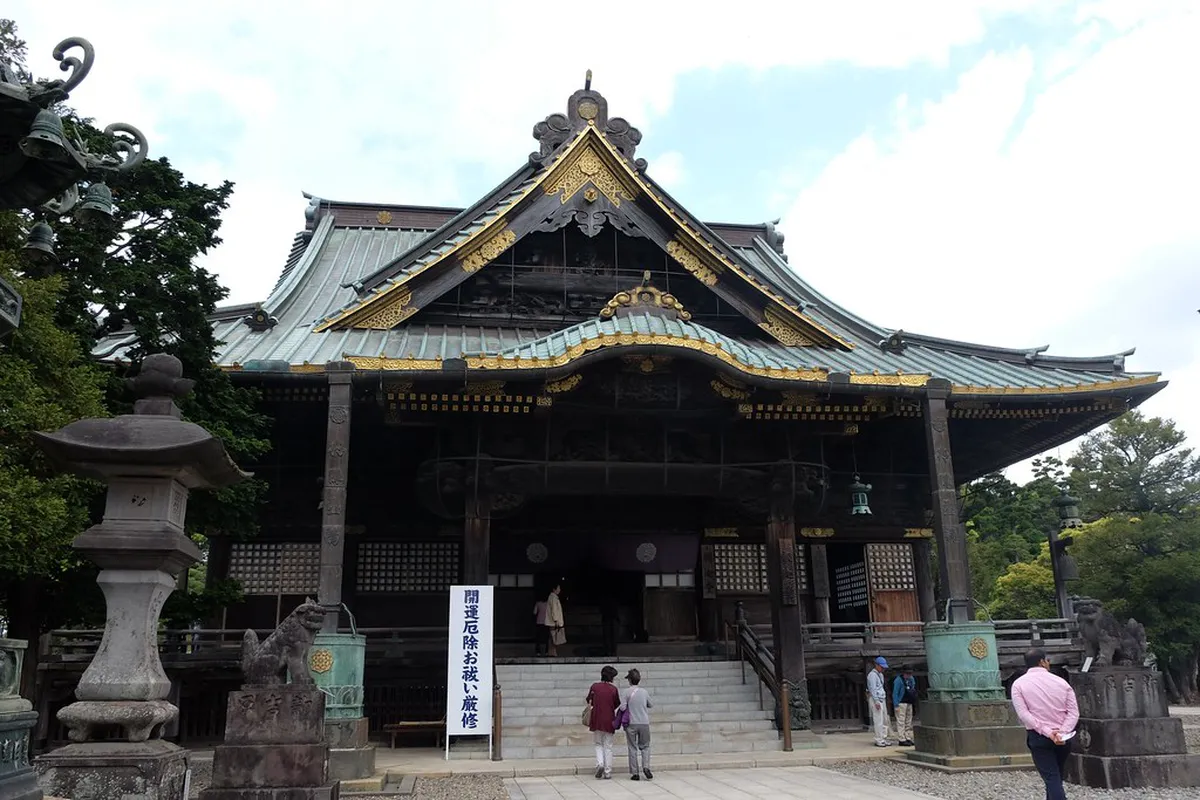
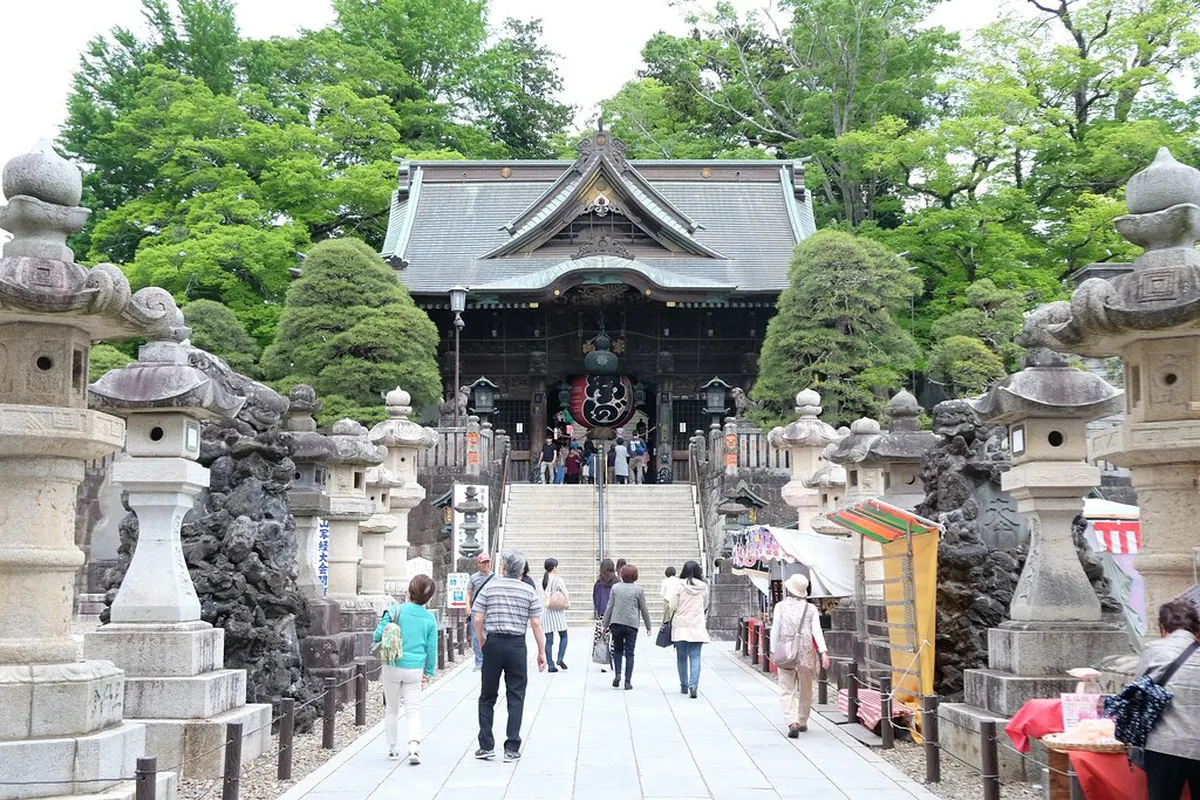
The Naritasan Shinshoji Temple Travel Guide is the reason most visitors come. Founded in 940, the complex is dedicated to Fudo-Myoo and covers over 165,000 square meters. Walking in through the Somon Gate and then the Niomon Gate — marked by its giant red lantern — you pass a three-storied pagoda built in 1712, several halls, and the Great Pagoda of Peace at the far end of the grounds. Entry to the main complex is free. Plan at least 90 minutes to walk it properly.
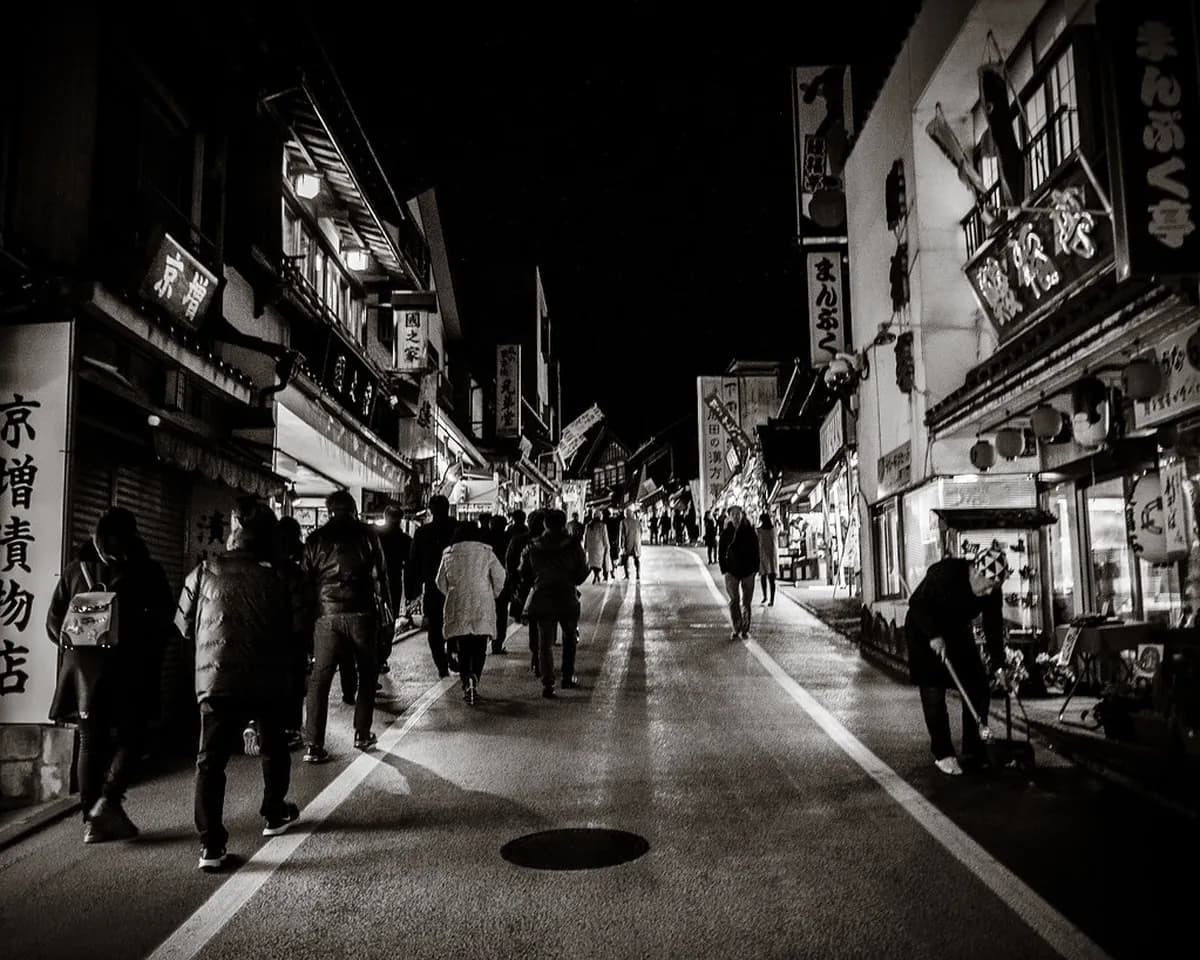
Naritasan Omotesando Street Travel Guide stretches for one kilometer between JR Narita Station and the temple, following the old Narita Kaido pilgrimage route. The upper half near the station is wider, with larger souvenir shops and cafes. The lower half narrows as it slopes toward the temple entrance and becomes denser with traditional craft shops selling rice crackers, pickles, sake, and lacquerware. This is where you find Kawatoyo Honten, Narita's most famous unagi (grilled eel) restaurant. The restaurant opens at 10:00 and queues form quickly on weekends; arrive early or come on a weekday morning. A standard una-don (eel on rice) costs around ¥2,500. Cash only — Kawatoyo does not accept cards.
Sakuranoyama Park, about 4 km from the airport, is less visited but genuinely worthwhile if your timing allows. Known locally as "Plane-Spotting Hill," it sits on an elevated position with a clear view of aircraft landing and taking off from Narita. During cherry blossom season the park lives up to its name with rows of pink trees framing the runway approach. Even outside sakura season it offers a rare combination of open sky, quiet walking, and the spectacle of long-haul jets overhead. From Narita Airport Terminal 2, a direct bus runs to the park (look for Stop 28-C outside Arrivals). Return buses to the airport are limited — only five departures on weekdays — so check the timetable before you go.
Parks, Gardens, and Outdoor Spots
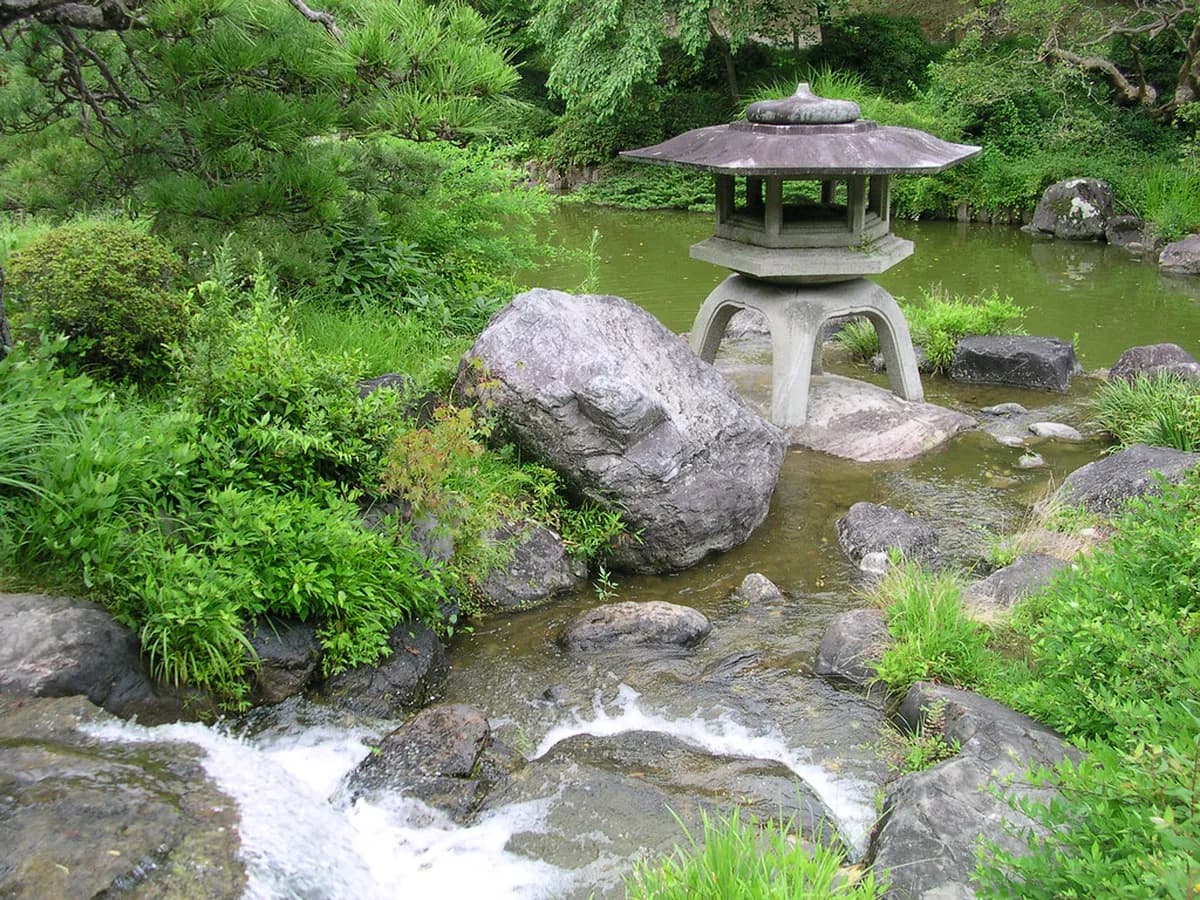
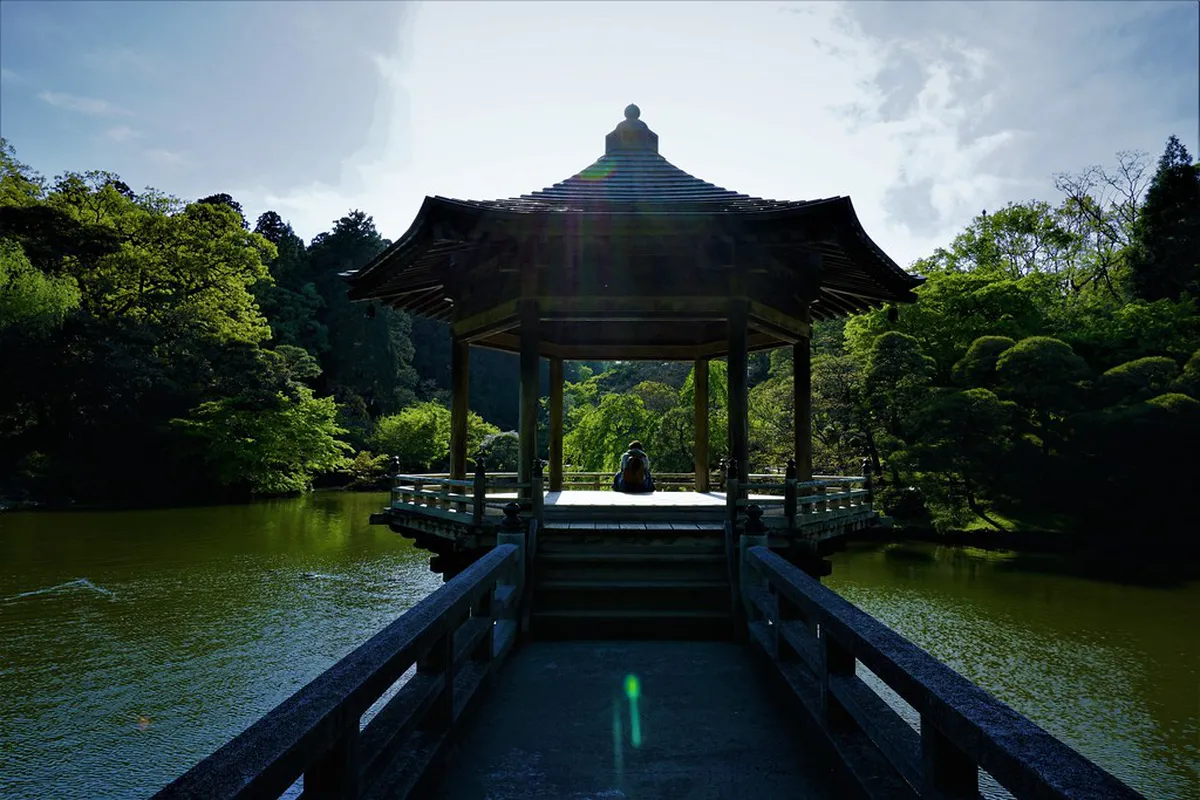
Naritasan Park wraps around the back of the temple grounds and is arguably the most underrated part of a Narita visit. The park is not heavily manicured in the way that formal Japanese gardens often are — instead it feels more like a natural woodland threaded with cobblestone paths, stone lanterns, and a central pond ringed with black pines. It is large enough that you can walk for an hour and still find quiet corners.
The plum grove is the park's best-kept seasonal secret. It sits along the path descending from the Great Pagoda of Peace into the lower garden, and it blooms from mid-February through early March. The timing coincides with Setsubun, so a February visit combines the mamemaki ceremony, the plum blossoms, and some of the year's thinnest tourist crowds. Spring cherry blossoms peak later in late March to early April, and the autumn foliage runs through mid-November.
Inside the park, the Naritasan Museum of Calligraphy houses over 6,000 pieces spanning ancient Chinese scrolls to contemporary Japanese shodo. A visit here functions as a good rainy-day fallback — the museum is sheltered, compact, and rarely crowded. It is optional but worthwhile, especially if you have an extra 45 minutes in the park. Look for the entrance to the right of the main pagoda near the hall.
For day-trip extensions, the Suigo Sawara Ayame Park in neighboring Katori City holds one of Chiba Prefecture's largest iris gardens. Blooms peak in June — an otherwise quieter month for Narita itself. It takes about 45 minutes by bus and train from Narita Station.
Museums, History, and Cultural Experiences
The Boso-no-Mura Open-Air Museum, about 25 minutes by bus from Narita Station, reconstructs a full Edo-period village with working craft workshops. Visitors can try traditional crafts including indigo dyeing, pottery, and paper-making. The museum is particularly well suited to autumn visits when the surrounding woodland turns and the temperatures stay comfortable for walking outdoors. Check the official website before going — some workshop programs require advance booking.
The Naritasan Museum of Calligraphy inside the park grounds deserves its own mention here. Its collection covers the full sweep of East Asian calligraphy, from ancient Chinese bronzeware inscriptions to modern Japanese masters. The building is small and often empty, meaning you can take your time studying individual pieces. Entry is modest. No Japanese reading ability is required to appreciate the visual power of the brushwork.
Smaller galleries and local heritage spaces are scattered along Omotesando Street and the side streets branching off it. Many don't have formal admission desks — they operate as shop-front galleries where craft makers sell and display their work simultaneously. The craft stores on the lower half of Omotesando, particularly those selling hand-woven bamboo baskets and lacquerware, are worth entering slowly even if you're not buying.
What's the Weather Like in Narita?
Narita sits in the Kanto Plain and shares Tokyo's four-season climate, but with slightly lower humidity and less urban heat. Spring (March to May) brings average highs from 12°C in March to 22°C in May, with occasional rain. It is the most comfortable and visually rewarding window for outdoor walking. A light jacket handles evenings through April.
Summer (June to August) is warm and humid. The rainy season (tsuyu) runs through most of June, with daily afternoon showers common. July and August see highs reaching 30–33°C with high humidity. Lightweight clothing, sun protection, and a small umbrella are necessary. The Gion Festival in July is worth the heat for those who want to experience Narita at its most festive, but plan early morning visits to the temple to avoid peak heat.
Autumn (September to November) is the second peak season and widely considered the most pleasant. Highs sit between 18–25°C in October, dropping toward 14°C by late November. The foliage in the park peaks in late October through mid-November. Rain is uncommon compared to spring, making it the more reliable choice if you can only visit once. Winter (December to February) averages 5–10°C, rarely dips to freezing, and almost never sees snow. Crowds thin considerably after the New Year rush. It is the best season for budget travelers: accommodation near the airport drops in price, and the temple experience — quiet stone paths, bare trees, cold smoke from the incense burners — has a specific austerity that is genuinely appealing.
Getting to Narita City from the Airport and Tokyo
From Narita International Airport, the fastest and cheapest route into Narita town is the Keisei Main Line from the station at B1 in Terminal 1. A one-way ticket to Keisei-Narita Station costs ¥260 and takes about 10 minutes. If you plan to make the return trip the same day, ask at the counter for the Narita Kaiun Pass — a dedicated round-trip rail pass between the airport and Keisei-Narita Station costing ¥480. That saves ¥40 over buying two singles and removes the need to queue for a return ticket. JR Narita Station is a two-minute walk from Keisei-Narita Station, so both lines deposit you at the same starting point for Omotesando.
From Tokyo, two routes work. The Keisei Main Line limited express from Keisei-Ueno or Keisei-Nippori runs to Keisei-Narita Station in about 1 hour 11 minutes for ¥840. The JR Sobu Line rapid from Tokyo Station to JR Narita Station takes 1 hour 20 minutes and costs ¥1,150. The Keisei route is faster and cheaper for most Tokyo departures. From Keisei-Narita Station, Omotesando Street is a five-minute walk heading west.
Luggage is the most common practical problem for layover visitors. Leave bags at the airport — Narita Airport's Terminal 1 and Terminal 2 both have coin lockers and staffed baggage storage desks near the main concourse. Walking Omotesando Street and the temple grounds with a carry-on suitcase is genuinely unpleasant on the cobblestone sections near the temple. The storage fee is worthwhile.
Family and Budget-Friendly Options
The core Narita visit — temple complex, Omotesando Street, Naritasan Park — costs nothing to enter. The Naritasan Shinshoji grounds are free, as is the park. Walking the street is free. Budget travelers can spend a full morning here on train fare plus the cost of one lunch. An una-don at Kawatoyo at ¥2,500 is the main discretionary expense; the alternative unagi restaurant Suruga-ya, a short walk up the street, serves comparable food and typically has a shorter queue.
For families, Sakuranoyama Park is a strong pick for one specific reason: children find watching wide-body jets clear the tree line at close range genuinely thrilling, and the park has open grass for running around. The cherry blossom timing in late March to early April combines the plane-watching with a visually spectacular backdrop. The direct bus from Terminal 2 (Stop 28-C outside Arrivals) makes it reachable without navigating the train system.
The Boso-no-Mura Open-Air Museum charges a modest admission fee and offers hands-on workshop participation for children — crafts, traditional games, and costumed staff to interact with. It works best as a half-day add-on if you have a second day in Narita. Packing a convenience store lunch or a konbini bento from inside the airport to eat in Naritasan Park is the standard budget move; the park has ample seating and a relaxed atmosphere that suits a picnic.
Day Trips and Nearby Destinations
Sawara, about 35 minutes by train from Narita Station on the Choshi Line, is often called "Little Edo" for its preserved canal district and Edo-period merchant houses. You can take a short boat ride along the Ono River past the old storehouses and bridges. It is a quieter, less-visited alternative to the main Narita circuit and suits visitors who have already done the temple and want a different experience. Sawara is best in spring when irises bloom along the canals.
The Boso Peninsula south of Narita offers coastal scenery, fresh seafood, and hiking with views across Tokyo Bay. It requires a car or a flexible half-day by local bus and is better suited to travelers staying in Chiba for multiple days rather than pure layover visitors. The Chiba prefectural tourism board maintains current bus route information online.
For those who want to combine Narita with the main event, a structured airport layover or stopover approach helps allocate time between the city and travel logistics. The standard recommendation is to budget at least 6 hours airside before departure if you plan to visit both the temple and have a proper sit-down meal. Less than that, and you're rushing the best parts.
How to Plan a Smooth Day in Narita
A practical one-day Narita itinerary works best with an early start. Aim to reach Keisei-Narita or JR Narita Station by 09:45–10:00. Walk Omotesando Street toward the temple, entering Kawatoyo around 10:00 when it opens. This avoids the lunch queue that forms by 11:30 on weekends. After eating, continue down to the temple — the full Somon Gate to Great Pagoda of Peace walk takes about 45 minutes if you stop at each structure. Plan an additional hour for the park behind the temple.
The Naritasan Museum of Calligraphy inside the park is a good pause point mid-afternoon. It is covered, so it handles a rainy afternoon better than most of the outdoor options. Exit the park and retrace your steps up Omotesando Street around 15:00–15:30 for a tea or coffee break. Coffee An, near JR Narita Station, and the teahouse Miyoshi-ya just off the main street both work well for this.
For the return to the airport, the Keisei Line from Keisei-Narita Station takes 10 minutes back to Terminal 1, or 12 minutes to Terminal 2·3. Build in at least 2 hours before international departure for airport procedures. If your itinerary is tight, skip Sakuranoyama Park and head straight from Omotesando to the station — the temple and park give you the core of what Narita offers, and the plane-spotting hill is best saved for a dedicated cherry blossom trip.
For accommodation near the airport, the area around Narita Station offers better value and more character than the hotels immediately beside the terminals. Several of these hotels provide free shuttle buses to and from the airport, which removes the transit step entirely. An overnight stay also opens up an early morning visit to the temple grounds before the tour groups arrive — a quieter and more atmospheric experience than midday.
Frequently Asked Questions
What is the nicest month to visit Japan?
The nicest months to visit Japan are typically April-May (spring) and October-November (autumn). Spring offers beautiful cherry blossoms and mild weather. Autumn provides stunning fall foliage and comfortable temperatures. Both seasons are ideal for sightseeing across the country.
Is it worth visiting Narita?
Yes, Narita is definitely worth visiting, especially if you have a layover or want a cultural day trip from Tokyo. The city offers the magnificent Naritasan Shinshoji Temple Travel Guide, a charming traditional street, and delicious local cuisine. It provides a rich cultural experience close to the airport.
How much time do you need in Narita?
You can experience Narita's main attractions, like Naritasan Shinshoji Temple and Omotesando Street, in a half-day or full-day trip. If you have a longer layover (6+ hours), a quick visit is feasible. For a more relaxed exploration, a full day or an overnight stay is recommended. This allows you to explore deeper.
Narita offers a complete cultural experience within 10 minutes of an international airport, which is a rarity anywhere in the world. The best time to visit depends on what you're after: February for Setsubun and plum blossoms, late March to early April for cherry blossoms, October to mid-November for autumn foliage and ideal walking weather, and January for peace and quiet. Summer is the one season where the heat and humidity make visiting harder to enjoy unless you're specifically there for the Gion Festival.
Whatever the season, the core loop — Omotesando Street, Naritasan Shinshoji Temple, and Naritasan Park — repays the visit. Combine it with a proper unagi lunch and a slow walk through the plum grove or the calligraphy museum, and Narita becomes a genuine destination rather than a transit afterthought. Check out our full Narita attractions guide for more detail on what to see.
For tickets, hours and visitor details, see our Narita attractions hub.
Free guide: Japan's Hidden Gems
12 under-the-radar places beyond Tokyo & Kyoto — with the best season to visit each and a local tip you won't find in the guidebooks.
You might also like


Continue reading
More guides you'll find useful