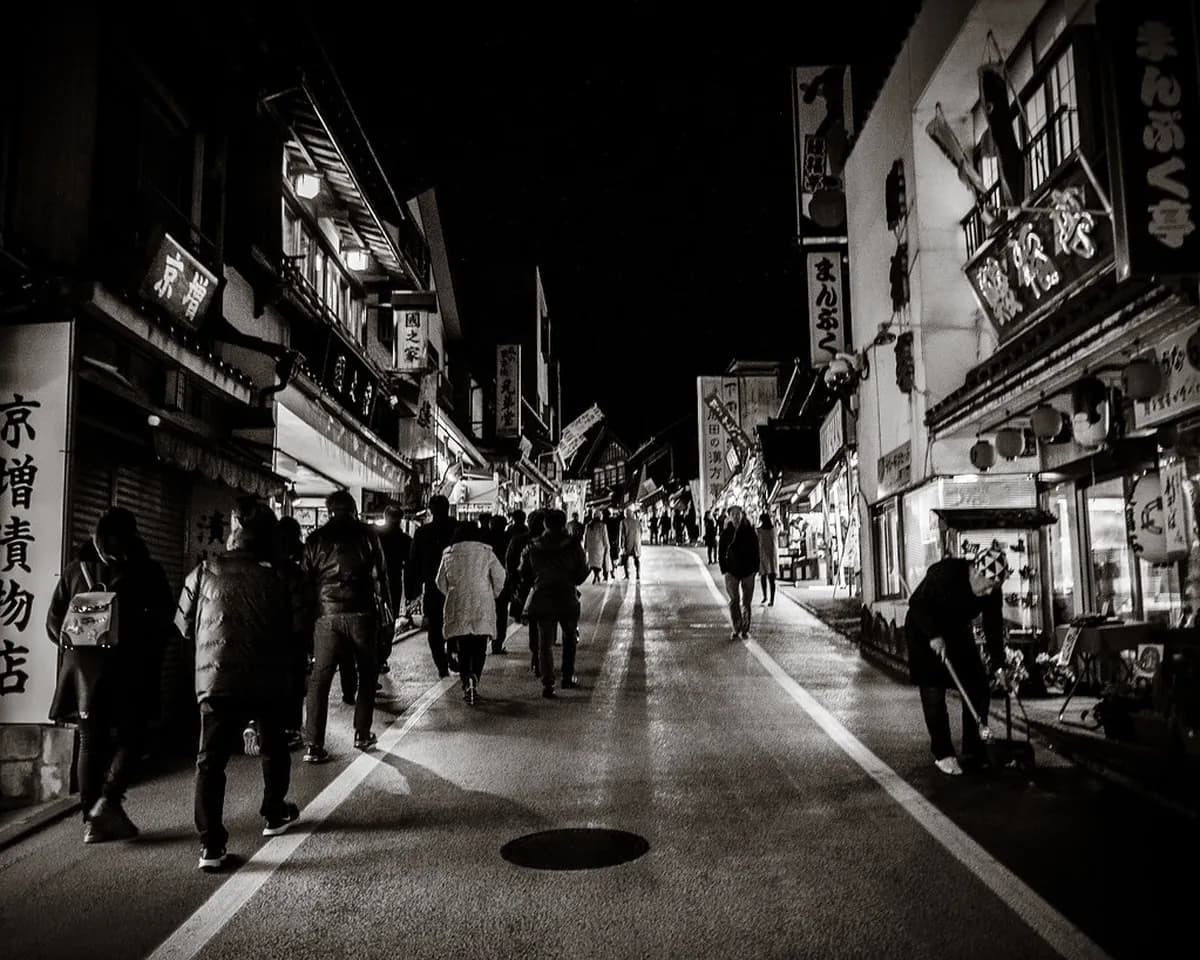
Boso No Mura Travel Guide: Explore Ancient Japan
Plan boso no mura with top picks, neighborhood context, timing tips, and practical booking advice for a smoother trip.
On this page
Boso no Mura is an open-air history museum in Chiba Prefecture, a 15-minute drive from JR Narita Station. The site recreates a functioning Edo-period town across 126 acres of woodland and farmland. Visitors walk between a merchant street, samurai estate, and rural farmhouse district, each representing a different social class from roughly 1603 to 1868.
Officially named The Chiba Prefectural Open Air Museum, the museum combines authentic relocated buildings with daily craft workshops, cosplay rental, and on-site dining. Admission is 300 yen for adults. Junior high school students and younger enter free.
This guide covers every zone in the order most visitors find practical, plus the timing details that trip up first-timers — particularly the noon opening rule for shops on weekdays.
A Brief History of Boso no Mura
The museum opened in 1986 with a mission to preserve the everyday culture of Japan's Edo period (1603–1868), not just its castles and temples. The Edo era was a long stretch of peace during which commerce, arts, and craftsmanship flourished. It produced Kabuki theatre, Haiku poetry, Ukiyo-e woodblock prints, and a rigid but productive four-class society of samurai, farmers, artisans, and merchants.
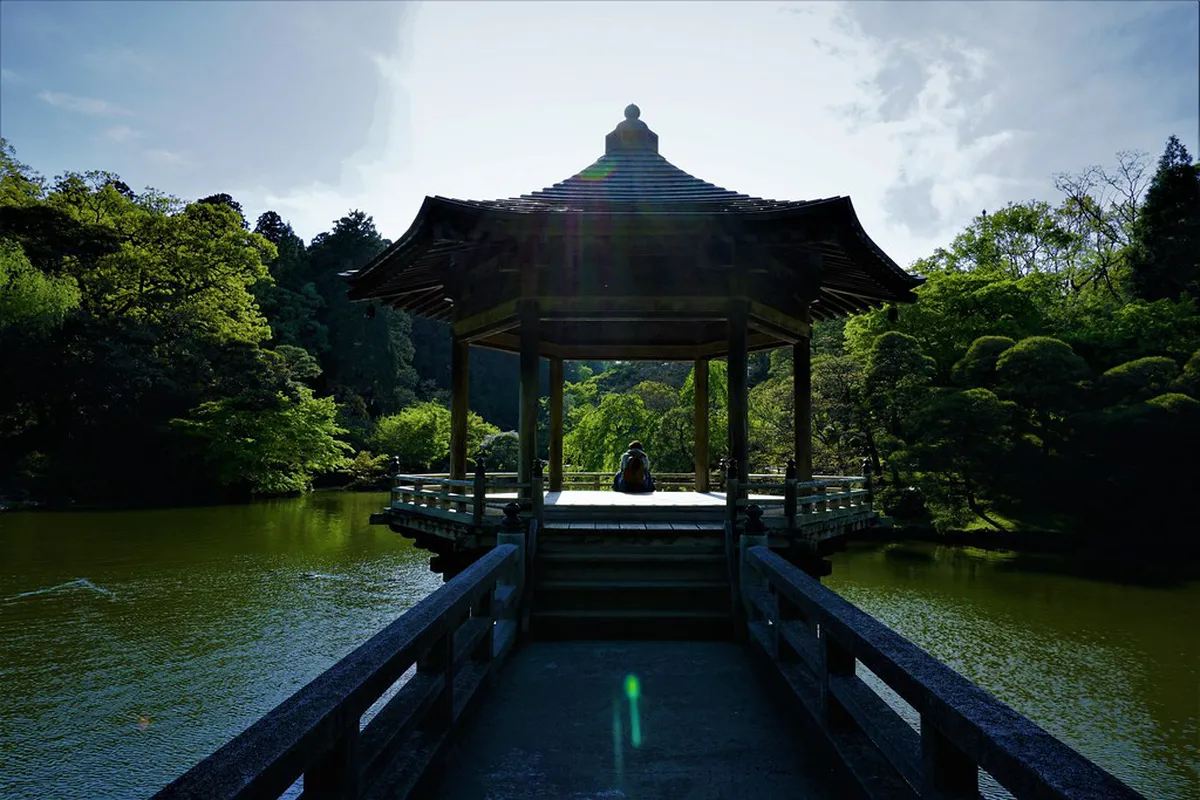
Boso no Mura reconstructed its merchant townscape on the model of Sawara, a historic trading town roughly 32 km from the museum site. Buildings were relocated from across the Chiba region and rebuilt using traditional techniques. The site has grown to 126 acres and now draws visitors from Tokyo on day trips, particularly families and school groups.
The name itself translates loosely as "village of Boso," referencing the Boso Peninsula that makes up most of Chiba Prefecture. Checking the official Boso no Mura website before visiting is worthwhile — the seasonal workshop calendar changes every few months and some activities require advance booking by phone or in person.
Getting There and Practical Logistics
The most reliable route without a car is a bus from JR Narita Station West Exit, bound for "Ryukakujidai Shako." Ride for about 20 minutes and get off at Ryukakujidai Ni-Chome, then walk roughly 10 minutes to the entrance. A shorter alternative is the bus from JR Ajiki Station on the JR Narita Line — about 10 minutes to the "Boso no Mura" stop, then a 3-minute walk. Download the bus timetable PDF before leaving the hotel; buses run infrequently.
By car, the drive from JR Narita Station takes about 15 minutes and parking is free. On weekdays the main lot is rarely full. The museum address is 1028 Ryukakuji, Sakae-machi, Inba-gun, Chiba Prefecture 270-1506. Phone: +81-476-95-3333.
Admission is 300 yen for adults. The museum does not accept credit cards — bring cash. Admissions for junior high school students and younger are free, making this one of the most affordable family days out near Narita in 2026.
One timing trap catches many first-timers: the craft shops, restaurants, and cosplay rental building on the merchant street do not open until noon on weekdays. If you arrive at 09:00, you can still spend two to three hours exploring the outdoor farmhouse district and samurai estate before the town comes alive. Plan the merchant street and workshops for the afternoon.
Merchant Street and the Furusato no Waza Arts and Crafts Area
The Furusato no Waza area is the heart of the museum: a reproduced Edo-period merchant street with sixteen tiled-roof buildings, each based on a real shop type from the Sawara townscape. Eight buildings have small exhibits on their second floors covering topics from farm equipment to the history of laundry. Entry is included in admission.
The craft workshops here are the reason most people stay a full day. Options include traditional papermaking, blacksmithing, indigo dyeing, pottery, and tea ceremony. Each has a small additional fee covering materials and instructor time. Some workshops, like paddy planting and tea picking, run only in specific seasons and require advance reservation by calling the museum. Arrive at noon or shortly after on weekdays to secure a spot before workshops fill up.
The merchant street also contains an Inari shrine, a fire watchtower, and a blacksmith's shop — all authentic fixtures of an Edo commercial district. A candle-making workshop near the main street lets visitors decorate a pre-made candle with their own design and learn how traditional Japanese candles were produced from sumac wax, a technique largely absent from modern crafts coverage.
The on-site restaurant serves Kaminari Udon, the local signature dish: thick wheat noodles in a katsuo-dashi broth topped with shiitake mushrooms, tofu, and kikurage (wood ear mushrooms). The name means "thunder" — a reference to the crackling sound the vegetables make in hot sesame oil just before serving. The dining room is a restored Edo interior with tatami and low tables. Note the noon opening hour applies here too on weekdays.
Cosplay: Wear a Kimono, Ninja Outfit, or Samurai Costume
A dedicated building called "Cosplay no Yakata" sits just before the entrance to the outdoor museum — you pass it on the way in and cannot miss the banners. The rental options span traditional women's kimonos, casual working-class kimono styles (machi musume), ninja outfits, samurai attire, and novelty options including anime-inspired costumes. A catalog of every style is available at the counter so you do not have to sort through rails of clothing.
Dressing takes 15–20 minutes. Staff kimono dressers handle the fitting, which matters because a proper kimono is entirely held together by strings — no buttons or zippers. Accessories including a period purse and geta (wooden sandals) are included. Prices vary by costume type; check at the counter as rates are updated seasonally.
The costume is yours for the duration of your museum visit, so factor that into your day plan. Geta are not the most comfortable footwear for walking 126 acres — some visitors switch to flat sandals for the farmhouse district and return to geta for photos on the merchant street. If you plan to do the farmhouse activities or climb the narrow mezzanine stairs in the Kazusa farmhouse, consider a shorter costume rental rather than a full-day hire.
Kazusa District Farmhouse — Kazusa no Noka
The Kazusa no Noka compound represents the estate of a village headman — the wealthiest rank of farmer, not a subsistence smallholder. The property includes a large main house, a gatehouse, a separate kitchen with an earthen floor, and an expansive yard with traditional children's games. Tools and cooking equipment remain in place and in working condition.
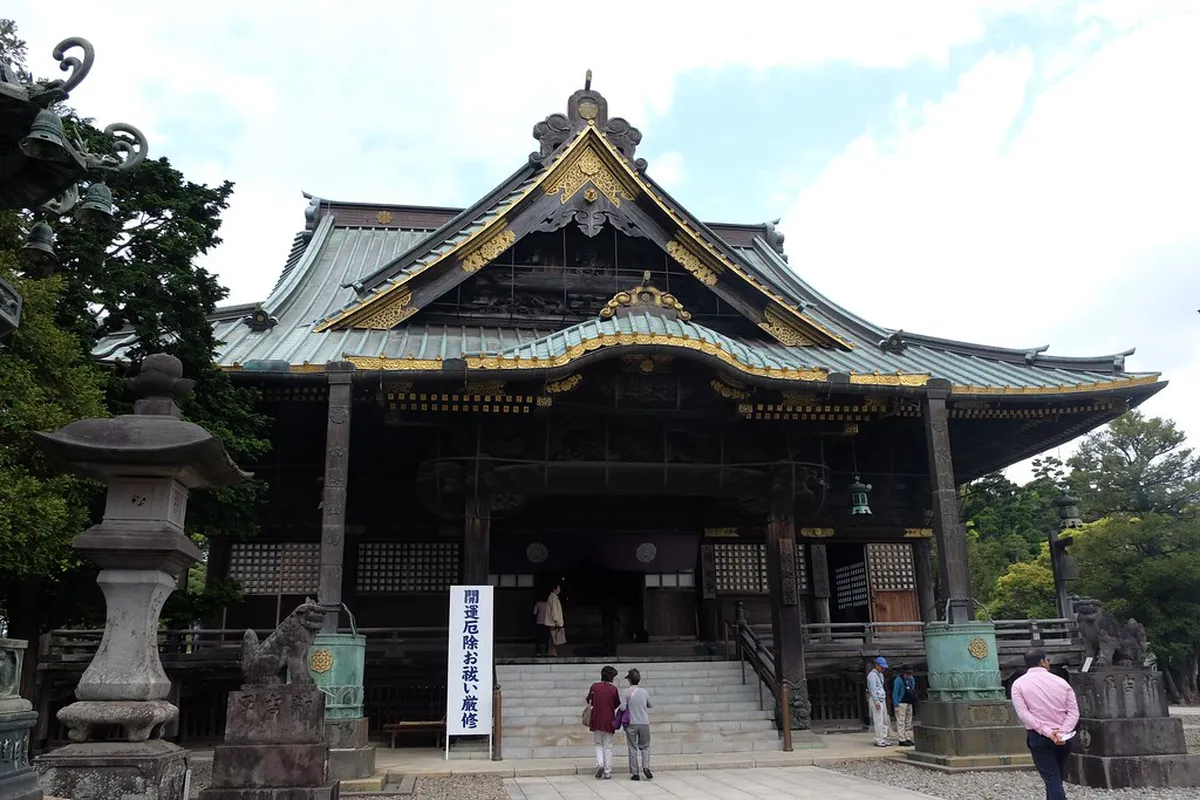
Inside, a narrow and steep staircase leads to a mezzanine overlooking the farmyard. It is accessible but challenging, particularly if you are in kimono. The kitchen attached to the main house is detached in the traditional style to reduce fire risk, and the wall displays a mino — a full-length raincoat woven from rice straw — which was standard rural weatherwear through the Edo period.
Seasonal hands-on activities in the farmyard include miso making from scratch (boiled soybeans mashed and packed with koji fermenting agent into wooden buckets for a year-long fermentation cycle), charcoal production in a wood-fired kiln, and vegetable farming workshops. These activities run on a fixed seasonal schedule and the most popular ones — paddy planting and tea picking — require advance reservation rather than walk-up participation.
The yard also has traditional children's games: takekuma stilts, kendama ball-and-cup, and spinning tops. These are free to use and genuinely engaging for both children and adults. Allow at least 45 minutes here if the farming workshops are running.
Samurai House — Buke Yashiki
The Buke Yashiki is modeled on the residence of a middle-ranking samurai of the Sakura Clan. Tall trimmed hedges surround the property on all sides — this was the standard landscaping code for samurai estates, establishing a visual boundary between the warrior class and the merchants below them in the social hierarchy. There are no signs at the entrance indicating you can go in; just follow other visitors and remove your shoes before stepping onto the wooden floor.
Inside, the tatami rooms are deliberately spare. Samurai aesthetics valued restraint over display. Sliding shoji screens divide the rooms. One chamber holds a display of katchu (samurai armor): helmet, chest plate, and limb guards. The construction of this armor — lacquered iron or leather plates laced together — was designed for both protection and freedom of movement on horseback.
The estate grounds contrast sharply with the Kazusa farmhouse next door. Where the farmhouse is busy and utilitarian, the samurai estate is quiet and formal. Exploring both in sequence gives a clear sense of the class differences encoded into Edo-period architecture and daily life. Visit Naritasan Shinshoji Temple Travel Guide on the same day for additional historical depth; the temple is a 15-minute drive from the museum.
Tea Ceremony and Seasonal Experiences
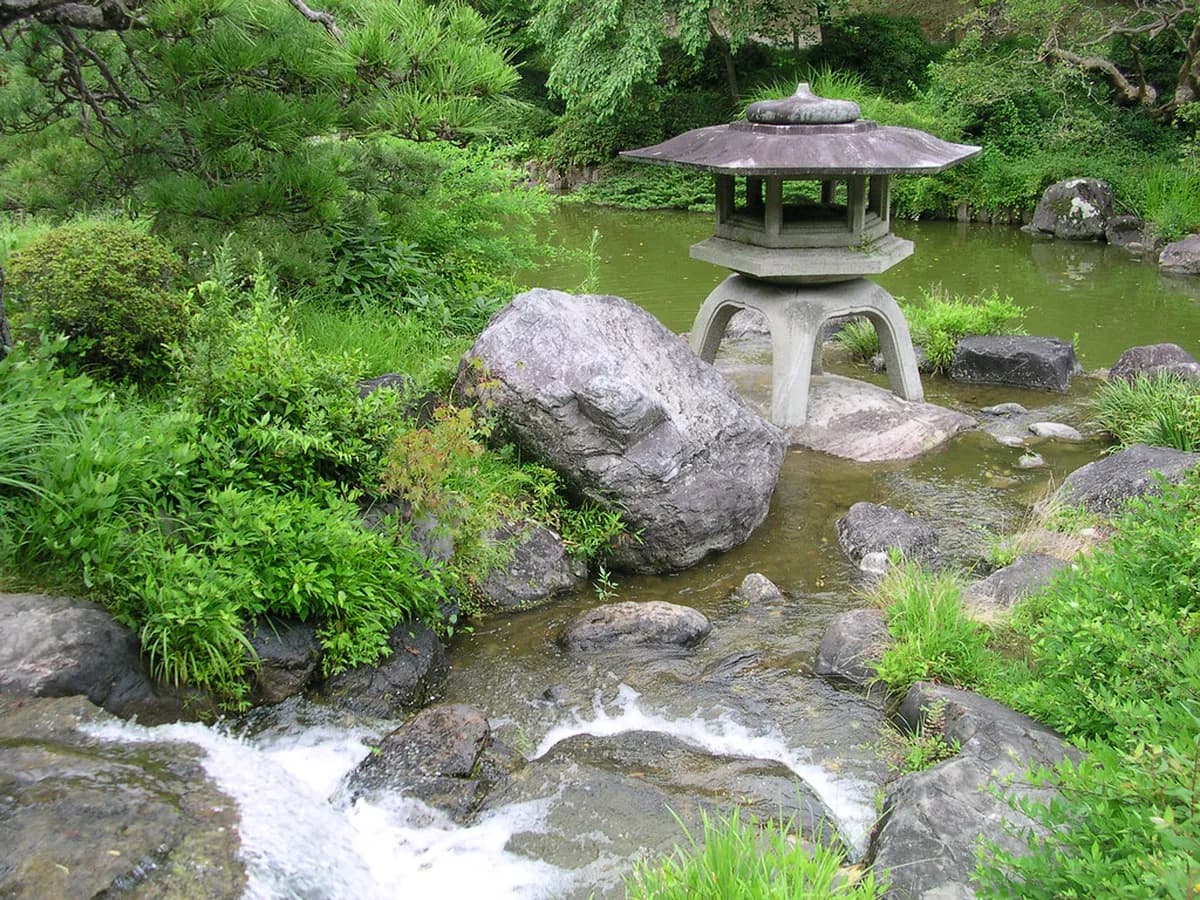
At the edge of the merchant zone, a traditional estate with a Japanese garden hosts a tea ceremony experience. Visitors are invited in and seated at low tables to receive matcha and seasonal wagashi sweets in cups whose designs rotate with the calendar. The room is a restored Edo interior that has changed little in presentation since the 17th century. It provides a quiet counterpoint to the noise of the craft workshops.
The tea ceremony here is casual rather than the full choreographed ritual you would find at a dedicated tea school, but it covers the essentials: how the tea is whisked, why silence and slow movement matter, and the cultural logic behind seasonal aesthetics in the cup design. It is a suitable introduction for first-timers.
Boso no Mura's seasonal calendar is one of its less-advertised strengths. Spring workshops focus on planting and hanami-adjacent agricultural rituals. Autumn brings rice harvesting demonstrations and chrysanthemum craft. Even winter months have charcoal-making sessions. The museum's own website publishes the full schedule — cross-check it before booking travel if a specific workshop is the reason for your visit.
Planning Your Visit to Boso no Mura
The museum opens at 09:00. Budget a minimum of half a day; a full day is realistic if you plan workshops, a meal, and the cosplay rental. The site is 126 acres and entirely outdoors apart from the individual buildings, so wear comfortable walking shoes. Bring water in summer; the farmhouse district has no shade stalls.
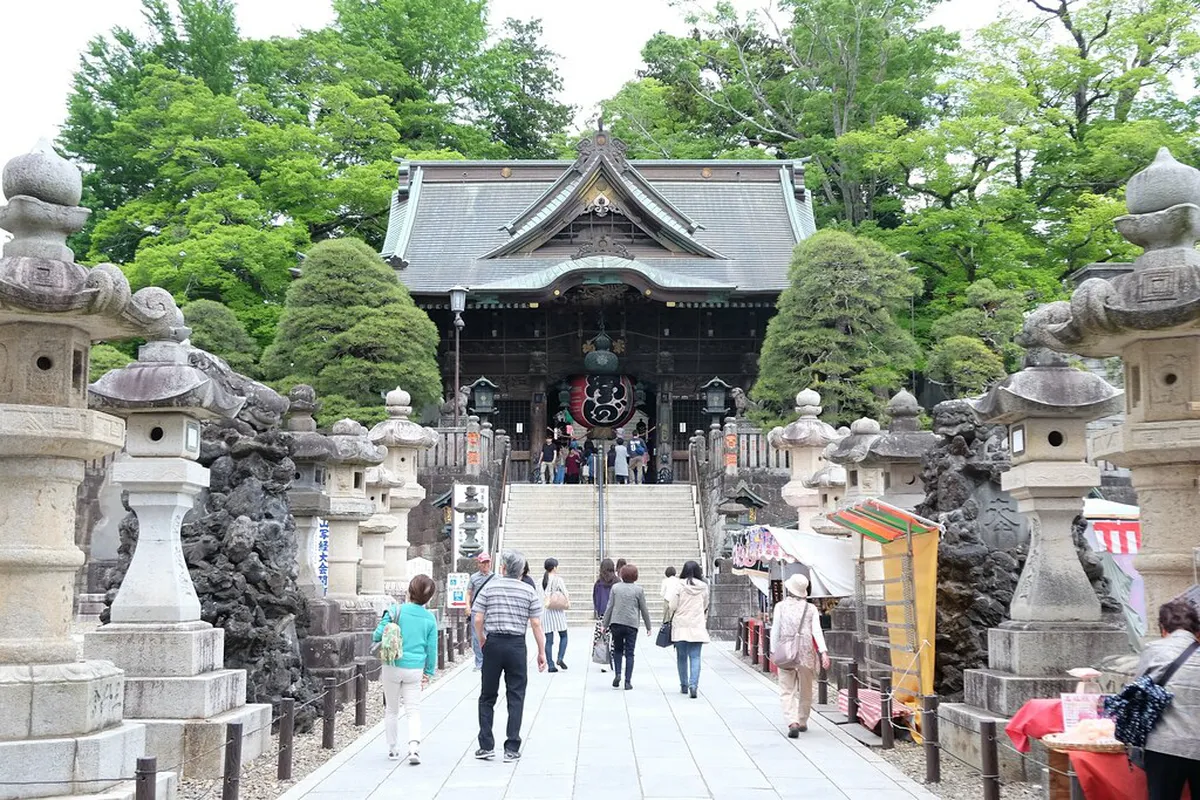
A practical visiting sequence for weekday visitors: arrive at 09:00 and head directly to the Kazusa farmhouse district and Buke Yashiki, which are open from the start. Return to the cosplay building around 11:30 to rent a costume before queues form at noon. Spend the afternoon on the merchant street, pick a craft workshop, have lunch at the Kaminari Udon restaurant, and finish with the tea ceremony before closing.
Families travelling with young children find the museum well-suited to the age group. The entrance fee is 300 yen for adults and free for junior high age and below. The traditional games in the farmhouse yard are a reliable hit. Budget for one craft workshop per child (typically 300–600 yen per activity depending on material costs) and the cosplay rental if the children want it.
You can also pair this trip with a stop on Naritasan Omotesando Street Travel Guide or a meal at a Narita unagi eel restaurant — both are in the Narita Station area, roughly 15–20 minutes by car from Boso no Mura. The combination makes a full day out of a Narita stopover without needing to return to Tokyo. See the broader Things To Do In Narita Travel Guide guide for more options.
Frequently Asked Questions
What is Meiji Mura?
Meiji Mura is a separate open-air architectural museum located near Nagoya, Japan. It preserves buildings from Japan's Meiji Period (1868-1912). While similar in concept to Boso no Mura, it focuses specifically on the Meiji era and its Western influences.
Where is the Boso Peninsula?
The Boso Peninsula is located in Chiba Prefecture, Japan, southeast of Tokyo. It extends into the Pacific Ocean and Tokyo Bay, forming the eastern side of Tokyo Bay. Boso no Mura is situated within this region, offering a taste of its historical culture.
What kind of activities can you do at Boso no Mura?
At Boso no Mura, you can explore traditional Edo and Meiji period buildings, participate in various craft workshops like pottery and indigo dyeing, and even rent historical costumes like kimonos or samurai outfits. The museum also hosts seasonal events and cultural demonstrations. Consider exploring Naritasan Omotesando Street Travel Guide for more traditional experiences nearby.
Boso no Mura offers a genuinely immersive day out near Narita Airport. The combination of the farmhouse district, samurai estate, craft workshops, and cosplay rental covers more historical ground than most single-day Tokyo excursions. At 300 yen for admission, it is one of the most affordable cultural experiences in the greater Tokyo region in 2026.
The key to a good visit is sequencing. Use the morning for the outdoor zones that open at 09:00, plan workshops and lunch for after noon, and leave time for the tea ceremony. Check the seasonal workshop schedule in advance if a specific activity is a priority, and bring cash — the museum does not accept cards.
For tickets, hours and visitor details, see our Boso No Mura Open-Air Museum Visitor Guide: Plan Your Trip to Edo Japan and Narita attractions hub.
Free guide: Japan's Hidden Gems
12 under-the-radar places beyond Tokyo & Kyoto — with the best season to visit each and a local tip you won't find in the guidebooks.
You might also like


Continue reading
More guides you'll find useful