
Naritasan Shinshoji Temple is one of Japan's most visited Buddhist complexes, drawing three to four million worshippers and tourists each year. Founded in 940 CE by the monk Kancho, it belongs to the Shingon sect and enshrines Fudo Myoo, the Immovable King of Fire. The grounds stretch across a hillside in central Narita City, just 8 km from Narita International Airport — making it the most accessible major temple in the entire Kanto region.
This visitor guide covers the key structures inside the complex, the approach along Omotesando Street, spiritual rituals you can observe, seasonal highlights, and the practical logistics for layover travelers. Admission to the grounds is free, and the walk from Narita Station takes about 15 minutes.
Getting to Naritasan from the Airport
From Narita Airport Terminal 2 and 3, take either the JR Narita Line or the Keisei Main Line to Narita Station. The ride takes roughly 8 to 10 minutes. The round-trip fare is approximately 425 yen (around USD 3–4 at 2026 exchange rates). Both lines stop at the same station, so either will work.
From Narita Station, follow the signs toward the temple — the route is well signposted in English. The walk through Omotesando Street takes 15 minutes at a direct pace. First-time visitors typically take 25 to 30 minutes because the street is lined with shops selling sembei, unagi, lacquerware, and local sweets at prices of ¥100–¥500. Budget 2.5 to 3 hours total for a comfortable visit from the airport and back.
For layover travelers with luggage, coin lockers are available inside the airport terminals. Standard lockers cost around 500 yen. Bring Japanese yen for the temple area; some Omotesando shops and restaurants do not accept credit cards. Comfortable shoes are essential — the approach involves several steep stone staircases.
Naritasan Shinshoji Temple Complex
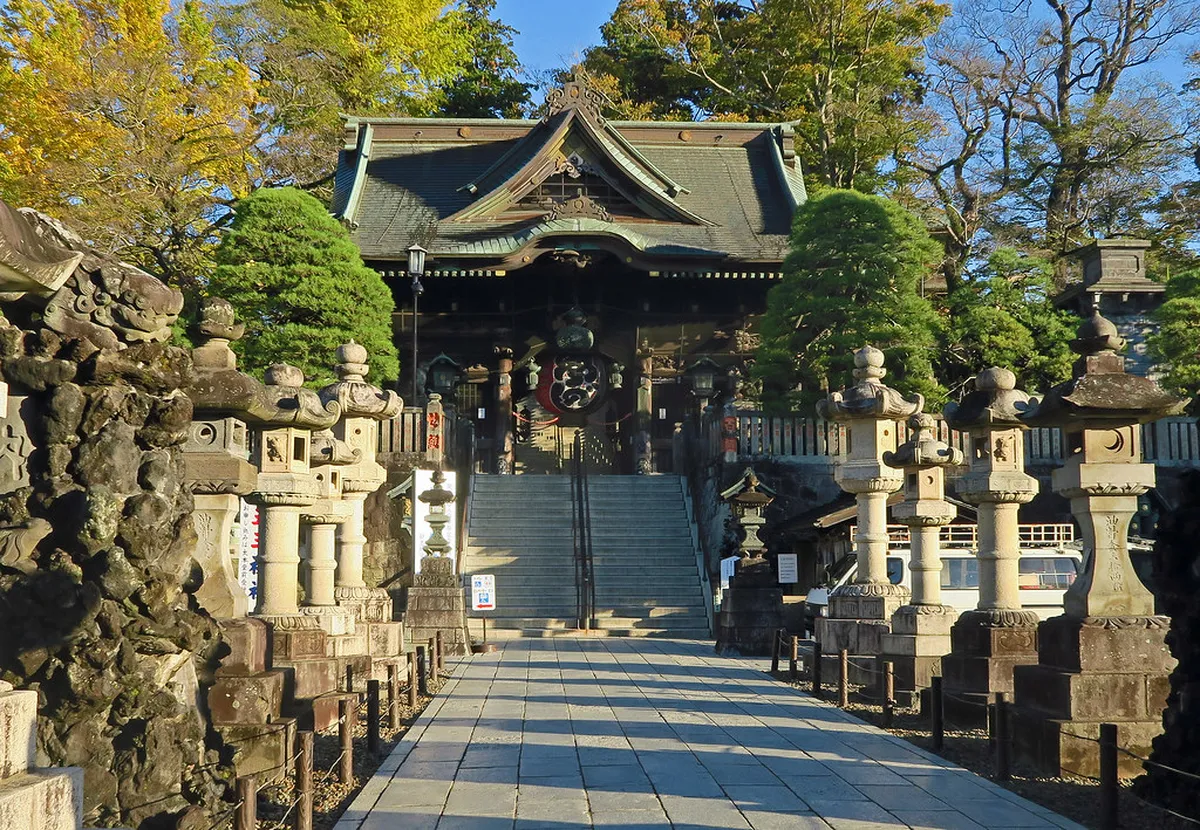
The complex is larger than most visitors expect. Enter through the Somon Gate, a stone torii-style gate flanked by stone lanterns and seasonal vendor stalls. Beyond it, a short path leads to the Niomon Gate — the main red-painted gate — which houses two fierce guardian deities on either side of a massive red lantern. The lantern, a donation from believers at the Tsukiji fish market, weighs 800 kg.
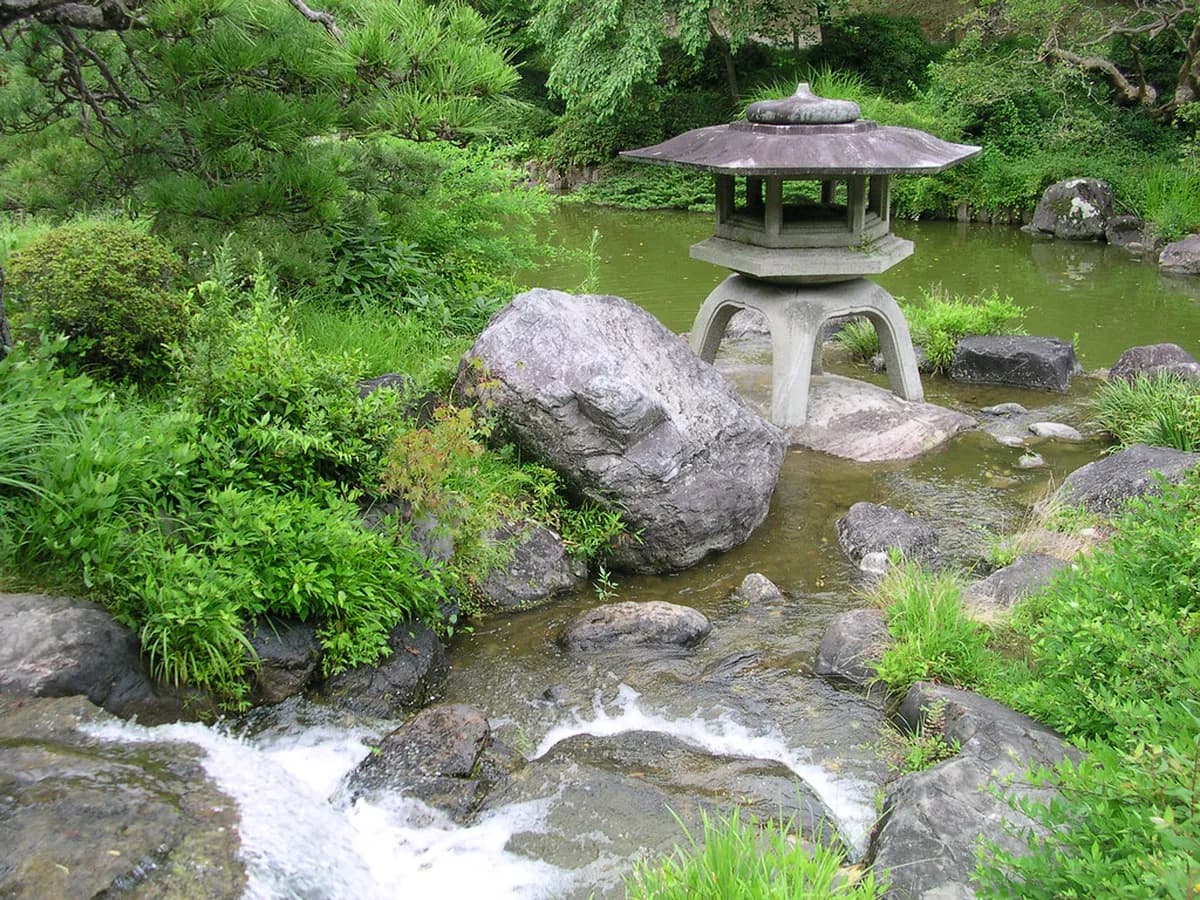
A small pond sits between the Somon and Niomon gates, home to carp and turtles. In Japanese Buddhist tradition the pond serves as a reminder of the value of all living things. Inscribed votive rocks line the hillside around the water. After passing through the Niomon Gate, a second set of stone stairs opens into the main plaza.
The Great Main Hall (Daihondo), built in 1968, dominates the plaza. This is where the principal Goma fire rituals are performed throughout the day. To the left stands Shakado Hall, originally the main hall when it was built in 1858. Behind Shakado is Komyodo Hall, the oldest surviving structure on the complex, dating to 1701. Each building reflects the architectural style of its construction era, giving visitors a visible timeline of 300 years of temple expansion.
The Three-storied Pagoda (Sanju-no-to), built in 1712 and standing 25 metres tall, is considered by many visitors the most visually striking structure in the complex. Its carved wooden panels depict Buddhist deities and mythological figures in exceptional detail. The Great Peace Pagoda (Heiwa-no-Daito), a more modern five-story structure completed in 1984, rises 58 metres at the rear of the grounds and houses Buddhist sutras, a meditation hall, and an observation deck. Its underground chamber contains a time capsule — sealed with messages from world leaders — scheduled to be opened in 2034.
Spiritual Rituals and Customs at Naritasan
The Goma fire ritual (Gomakuyo) is the centrepiece of worship at Naritasan. Monks in saffron and white robes march across the plaza to the Great Main Hall several times daily. Inside, they chant sutras and feed a ceremonial fire to burn away obstacles and spiritual impurities on behalf of worshippers. The ceremony is audible from the plaza before it begins — a sudden burst of drumming and chanting signals the procession. Visitors are welcome to observe from the hall's outer area; photography is not permitted inside during active rituals.
Before entering any hall, use one of the two temizuya (purification water basins) near the Niomon Gate. The protocol: ladle water with the right hand, rinse the left hand, then switch hands and rinse the right, then rinse the mouth without drinking. Signs in English explain the steps. This is a genuine act of purification, not merely a photo opportunity, and observing it respectfully is appreciated by worshippers present.
The temple sells omamori (protective amulets) and ema (wooden wishing plaques) at stalls near the main hall. Prices range from ¥500 to ¥1,000. Visitors may also request a personal Goma prayer service through the temple office — a monk performs the ritual on your behalf for a set offering. Check the official Narita Shinshoji Temple website for current service schedules, as these shift seasonally.
Cultural Significance: Kabuki and Japanese Tradition
Naritasan holds an unusually prominent place in Japanese cultural history beyond its religious role. The Ichikawa family of Kabuki actors — one of Japan's most celebrated lineages — adopted Fudo Myoo as their guardian deity during the Edo period (1603–1867). Their devotion to Naritasan was so strong that the family stage name "Naritaya" derives directly from the temple's name. Today, Kabuki actors from multiple lineages still visit before major performances to receive blessings.
The annual hatsumode (first temple visit of the New Year) at Naritasan draws roughly three million visitors in the first three days of January alone, making it consistently one of the three most-visited hatsumode sites in Japan. This is a spectacular display of communal faith — but expect extremely dense crowds and long waiting times if you visit between January 1 and January 3. The atmosphere is remarkable; the logistics are demanding.
The temple also has deep ties to the pilgrimage tradition of Omotesando. The approach street has served religious travelers for over three centuries. Many buildings along the road are genuinely old — several inns and unagi restaurants on Omotesando have been operated by the same families for five or more generations. This continuity is largely absent from temple approaches in larger cities.
Naritasan Park and Outdoor Spaces
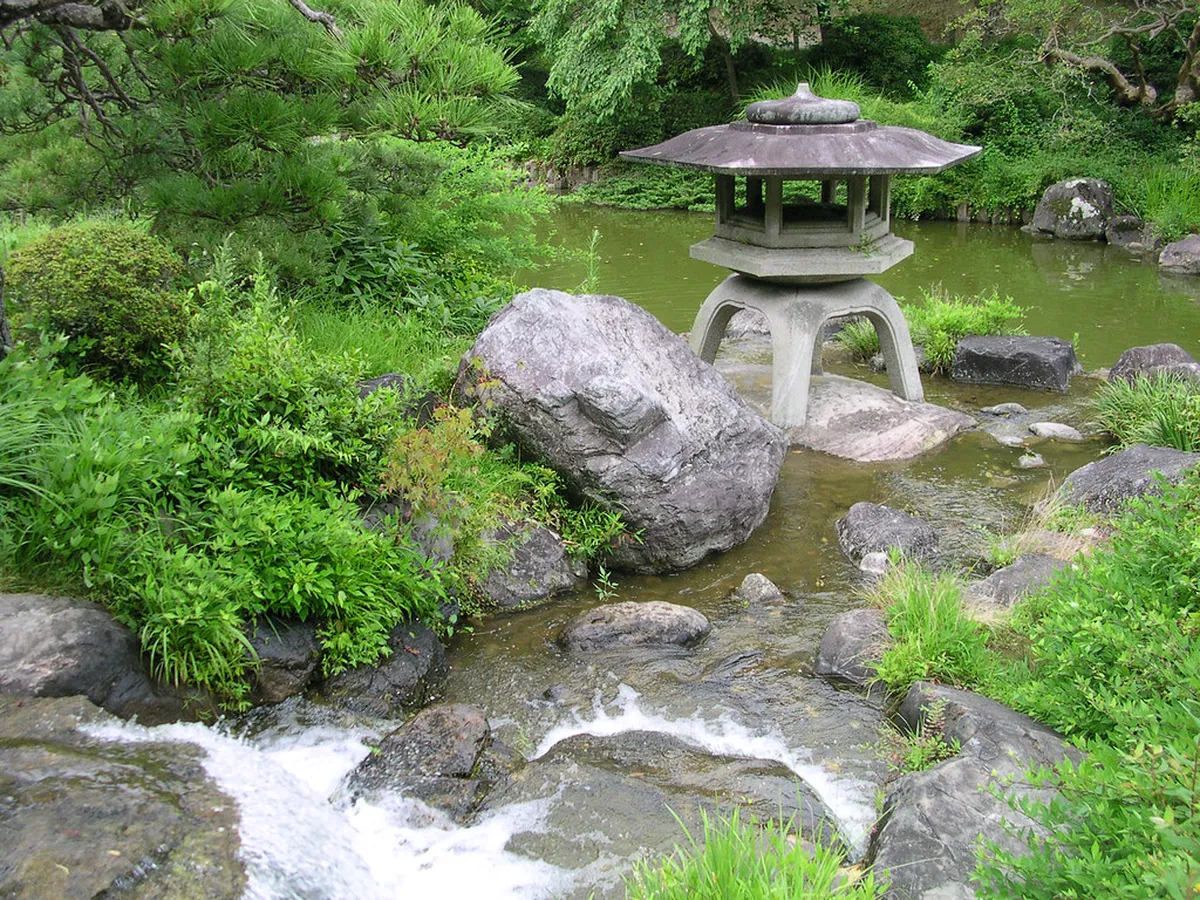
Naritasan Park lies directly behind and below the Great Peace Pagoda. This large Japanese strolling garden features three ponds, several stone bridges, a waterfall, and winding pathways through mature trees. The park is free to enter and is often quieter than the main temple plaza. It is an underused part of the visit — many day-trippers turn back after the pagoda and miss the garden entirely.
In spring (late March to early April), cherry blossoms bloom throughout the park and along the pathways. The combination of stone pagodas and pink blossom canopies makes this one of the better cherry blossom spots in Chiba Prefecture that avoids the severe crowding of Tokyo parks. In autumn (mid-November), Japanese maple trees turn vivid red and gold throughout the park, and the reflection in the ponds is outstanding.
Summer visits are possible but warm — the park's shade provides relief and the paths stay green. Winter brings a stripped-down beauty to the garden, with far fewer visitors than any other season. The park's calligraphy museum sits at its edge; it houses rotating exhibits of classical and contemporary Japanese calligraphy and is worth a 20-minute detour.
Seasonal Beauty: Naritasan's Changing Face
Each season shifts the character of the temple visit significantly. Spring arrivals in late March and early April encounter cherry blossoms in Naritasan Park alongside light-colored hydrangeas beginning to bud. Visitor volumes are high but not extreme outside of the April Golden Week holiday period (late April to early May), when crowds intensify sharply.
Summer (June to August) brings full hydrangea bloom in the park and festivals at various points through the season. The temple complex itself stays active throughout the year with daily Goma rituals. Autumn is the local favorite — November foliage in the park peaks around the second to third week of the month, and the air is cool enough for comfortable walking. Winter visits in January (outside of the hatsumode rush) through February offer the quietest crowds and an unobstructed view of the pagodas against clear skies.
Weekday mornings are consistently the least crowded time to visit in any season. Arriving before 09:00 means you may witness the early Goma ritual with very few other tourists present — one of the most authentic temple experiences in the region. Weekends and public holidays can see the Omotesando approach become genuinely congested by midday.
Free Guided Tours and Layover Planning
The Narita Transit Program offers free guided tours for passengers with layovers at Narita Airport. English-speaking volunteer guides lead tours to Naritasan Shinshoji Temple among several other options. The shortest tour runs approximately three hours. You only pay your own train fare (about 425 yen round trip). Pre-registration is required — book through the official booking page in advance rather than on the day. Minimum layover time recommended is 5 hours to allow comfortable return to the airport with buffer time for security.
For visitors who prefer a private guide, licensed English-speaking guides are available from Narita Station. A typical walking tour of the temple and Omotesando lasts 2.5 to 3 hours. These tours add historical and religious context that significantly enriches the visit — the symbolism in the Sanju-no-to carvings, for example, is almost impossible to decode without explanation. The free English volunteer tours at the temple complex itself operate on weekends; check the temple office noticeboard on arrival for schedule.
If you have a 5-hour layover, a practical sequence works as follows: store luggage in airport lockers (500 yen), take the train to Narita Station (10 minutes), walk Omotesando to the temple (15 minutes), spend 60 to 90 minutes in the complex including the park, return to Narita Station (20 minutes walking), train back (10 minutes), and allow 60 to 75 minutes for airport check-in and security. This leaves very little slack time. An 8-hour layover is more comfortable for the full experience including Omotesando shopping and a sit-down unagi lunch.
Accessibility and Practical Visitor Tips
The main approach through the Niomon Gate involves steep stone staircases on both sides of the gate. Visitors with strollers, wheelchairs, or mobility limitations should look for the signs marked with the wheelchair symbol on the perimeter of the complex — these direct to an elevator and gentler ramp access routes that bypass the main stairs. The Naritasan complex is larger than it appears from the gate, and navigating it without knowing the accessible routes can be frustrating. Ask at the temple information counter near the main plaza entrance if you cannot locate the signs.
The main halls open at 08:00. The grounds themselves are accessible 24 hours, but entering the halls before 08:00 is not possible. Closing time for halls is 16:00. The Naritasan Park adjacent to the complex closes at 17:00 in winter and 18:30 in summer. Admission to both the temple grounds and the park is free.
A Visitors Center sits in the middle of Omotesando Street. It offers free Wi-Fi, rest benches, English-language brochures, and restaurant recommendations from staff. The center is useful for getting unagi lunch guidance — there are multiple generations-old restaurants on the street, and the staff can suggest an appropriate one based on your budget and seating preferences. Cards are not accepted at several of the older establishments, so carry yen.
Frequently Asked Questions
Is there an admission fee for Naritasan Shinshoji Temple?
No, there is no admission fee to enter the Naritasan Shinshoji Temple grounds. Visitors can explore the main halls, pagodas, and Naritasan Park for free. Some special exhibitions or events within the complex might require a separate ticket. Check the official website for any specific event charges.
What is the best time to visit Naritasan Shinshoji Temple?
The best time to visit Naritasan Shinshoji Temple depends on your preferences. Spring (March-May) offers cherry blossoms, while autumn (September-November) features stunning fall foliage. Weekday mornings are generally less crowded for a more peaceful experience. Avoid major holidays like New Year's if you prefer fewer people.
How do you get to Naritasan Shinshoji Temple from Narita Airport?
From Narita Airport, take either the JR or Keisei line to Narita Station. The train ride takes about 10 minutes and costs around 425 yen round trip. From Narita Station, it is a pleasant 15-20 minute walk along Omotesando Street to reach the temple entrance. Many travelers enjoy the walk through the traditional shopping street.
What can I do at Narita airport for 5 hours?
For a 5-hour layover at Narita Airport, you can easily visit Naritasan Shinshoji Temple. The round trip to the temple takes about 2-3 hours, including travel time and a quick visit. This leaves ample time for airport check-in and security. Alternatively, explore airport amenities like shops and restaurants if you prefer to stay inside.
Naritasan Shinshoji Temple is one of the few major cultural sites in Japan genuinely accessible on a short layover. The combination of a free-to-enter complex, a scenic approach street, observable daily rituals, and a tranquil garden makes it a complete visit even without a guide. In 2026 the Narita Transit Program free tours continue to operate, making this one of the best-value cultural experiences near any international airport in Japan.
Whether you have 3 hours or a full day, prioritize the main plaza and the Sanju-no-to Pagoda first, then the park if time allows. An early arrival rewards you with a near-empty complex and the possibility of watching the morning Goma ceremony — a ritual that has continued daily for over a thousand years.
For the latest official information, see the Naritasan Shinshoji Temple on Wikipedia and Naritasan Shinshoji Temple official site.