

Naritasan Omotesando Street Food: A Temple-Approach Crawl for 2026
Plan a Naritasan Omotesando street food crawl for 2026: senbei, dango, taiyaki, and the Kawatoyo unagi trade-off, timed for a Narita layover.
On this page
Last updated August 2026, this guide to Naritasan Omotesando street food maps the 800m temple approach from Narita Station to Naritasan Shinshoji Temple. Skewered rice crackers, dango, taiyaki, and grilled eel line the stalls of Nakamachi, Kamicho, and Saiwaicho. Use the timing breakdowns below to match your walk to the gap between your flight and your train back to Narita Airport.
Naritasan Omotesando at a Glance: Time, Distance, and Access
Naritasan Omotesando works on almost any layover length, provided you match the stop to your schedule. A grab-and-go loop past the senbei, dango, and taiyaki stalls takes 60 to 90 minutes. Adding the temple grounds and a sit-down unagi lunch at Kawatoyo stretches the visit to roughly 3 to 4 hours. Both JR and Keisei trains reach Narita Station from the airport terminals in about 7 to 10 minutes. Omotesando itself covers 800m between the station and the Naritasan Shinshoji Temple gate. This walk suits layover travelers on a schedule, Edo-period history buffs, and families looking for an easy introduction to older Japan close to Tokyo. Because the walk is self-guided, you can start and end wherever your schedule allows, skipping stalls that don't interest you.
The return trip is uphill the entire way, so even for quick 60 to 90 minute layovers, store your luggage at Narita or Keisei stations before starting the walk.
| Plan | Time needed | Best for |
|---|---|---|
| Quick snack crawl | 60-90 minutes | Tight layovers, grab-and-go eating |
| Full temple + unagi visit | 3-4 hours | Longer layovers, sit-down dining |
| Train from Narita Airport | 7-10 minutes | JR or Keisei to Narita Station |
| Walk, station to temple gate | 800m | One direction, gentle slope near the end |
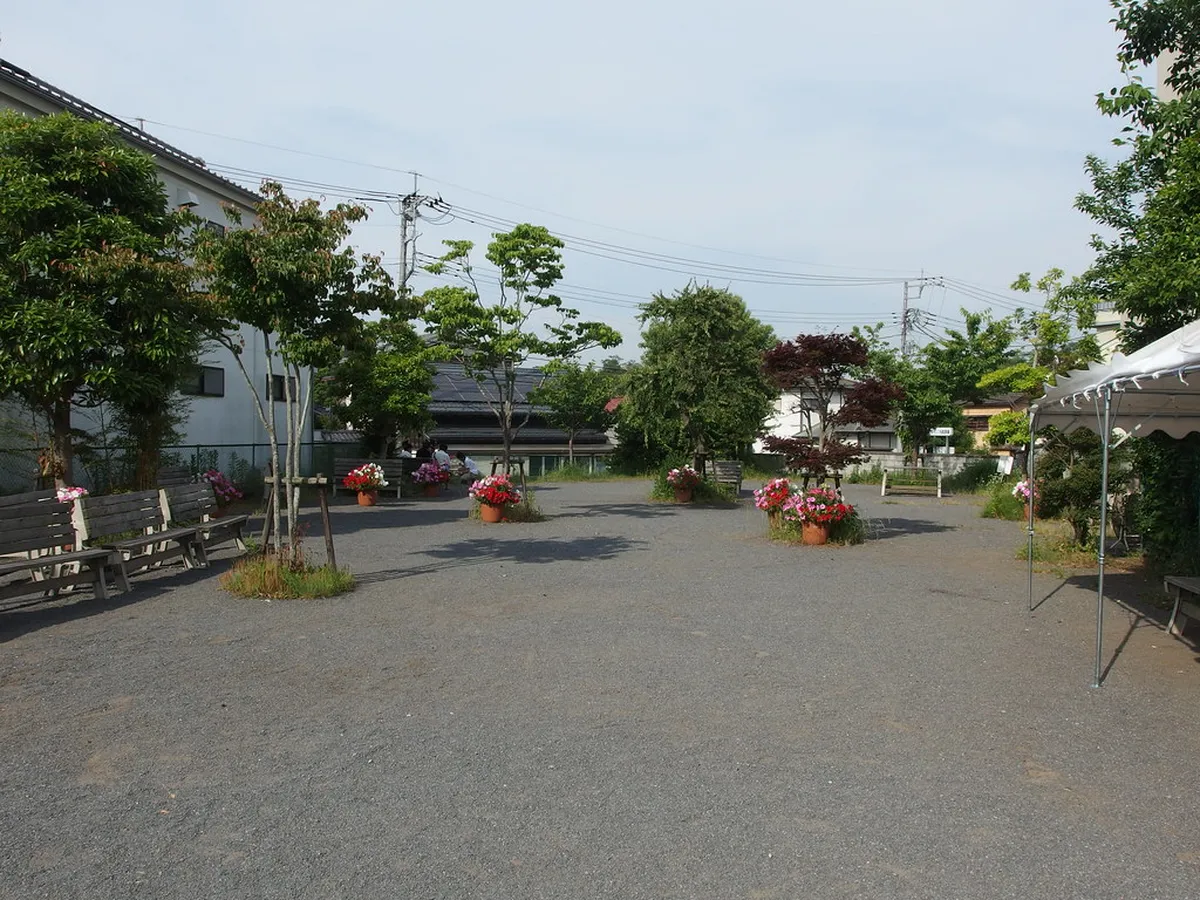
The Naritasan Omotesando Street Food Map: An 800m Walk to the Temple Gate
More than 150 shops line the roughly 800m stretch between Narita Station and the outer gate of Naritasan Shinshoji Temple. Omotesando grew as a temple town during the Edo period, and much of that timber-frame architecture still stands over the modern storefronts. Food changes character as you climb toward the temple. Casual snack counters cluster near the station. Sit-down eel restaurants and traditional inns take over around Nakamachi and Saiwaicho. Grilled eel's smell drifts down the street well before you reach that stretch, a preview of the restaurants ahead. The final stretch toward Tamachi opens into the plaza in front of the temple gate. A monument to a Kabuki actor marks the Hanasaki-cho entrance near JR Narita Station. It nods to a generations-old bond between the Ichikawa acting family and the temple's fire deity. According to temple history, the first Danjuro prayed at Naritasan for a son and later staged a Kabuki play about that deity. The play's success reportedly gave the Ichikawa line its nickname, Narita-ya, and family-linked monuments still appear along the street. This crawl pairs well with the broader Narita food guide, which covers restaurants beyond the temple approach.
- Station square and Hanasaki-cho: the entrance near JR Narita Station, marked by the Kabuki actor monument.
- Kamicho: orderly storefronts anchored by sweets shops selling yokan and other Naritasan souvenirs.
- Nakamachi and Saiwaicho: eel restaurants and old inns that have operated since the Edo period.
- Tamachi and the gate plaza: the final approach to the Naritasan Shinshoji outer gate.
Grab-and-Go Snacks: Senbei, Dango, Taiyaki, and Matcha Soft Serve
Four stalls anchor the grab-and-go side of Naritasan Omotesando. Hayashida's Senbei has made rice crackers from scratch since 1912. It remains the only stall on the street that still makes senbei from raw ingredients rather than buying them premade. Its kushi-sen, a skewered rice cracker, comes hot off the grill or bagged for takeaway. Fresh-grilled crackers taste smokier and chewier than the bagged version. Nana Cafe Koguma grills dango to order in two glazes, sweet red bean anko or savory soy-based mitarashi. Kato Shoten specializes in taiyaki, the fish-shaped cake, with fillings that shift by season. The shop opens 9:00 AM to 5:00 PM daily, per its posted hours. Matcha Sweets Sawawa pours two grades of soft serve, and the richer premium blend costs a bit more than the regular version. The table below lists addresses and specialty items for each stop. Vegetarian choices on the street stay narrow. Senbei and dango are the safest starting points. Some glazes and fillings use fish-based stock, so confirm ingredients before you order. For a fuller list of safe stops nearby, use the dedicated Narita vegetarian and halal guide.
Kawatoyo's wait times can run past 60 minutes, which could consume most of a 60 to 90 minute grab-and-go crawl, so reserve sit-down unagi for layovers with 3 to 4 hours available.
| Shop | Address | Signature item | Notes |
|---|---|---|---|
| Hayashida's Senbei | 490 Saiwaicho | Kushi-sen skewered rice cracker | Soy sauce or mitarashi glaze; scratch-made since 1912 |
| Nana Cafe Koguma | 497-3 Kamicho | Dango skewers | Sweet anko or savory mitarashi glaze |
| Kato Shoten | 337-1 Honcho | Taiyaki (fish-shaped cake) | Red bean and custard year-round; sweet potato in winter, shaved ice in summer; open 9:00 AM-5:00 PM |
| Matcha Sweets Sawawa | 378 Nakamachi | Matcha soft serve | Regular or richer premium grade |
Kawatoyo and the Unagi Trade-Off: When to Sit Down for Eel
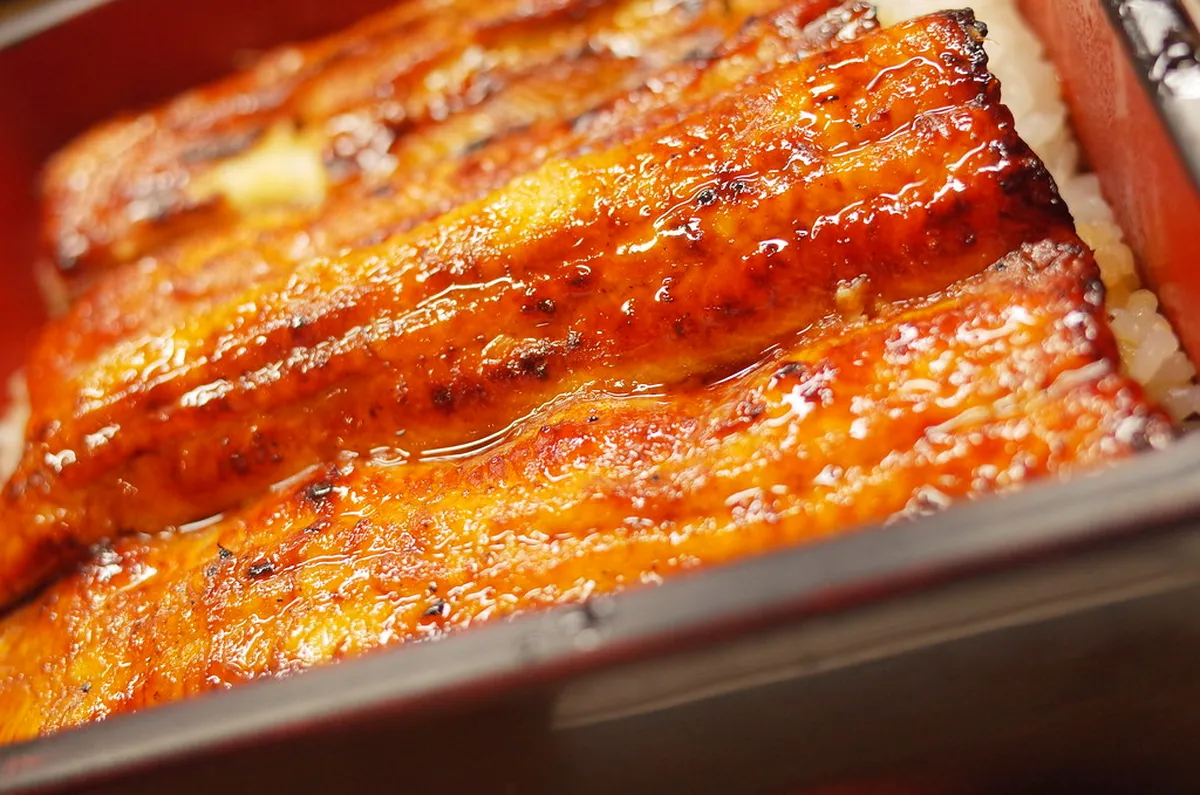
Kawatoyo has grilled unagi, or freshwater eel, at 386 Nakamachi since 1910, and it draws visitors from across Japan. Chefs prepare live eel at the open storefront, skewering and chargrilling it in view of the street. Watching the process works as a free spectacle, even if you skip the meal itself. The eel's freshness is part of the draw, noticeable in the smell radiating from the grill before you even reach the counter. Kawatoyo does not take reservations, and wait times can run past 60 minutes during busy periods. Check the restaurant's posted wait times online before you commit to the queue. A Kawatoyo annex location also operates nearby, serving the same grilled eel. Narita's official mascot is even an eel, a character named Unari-kun, a sign of how central unagi is to the city's identity. Match the sit-down eel experience to how much time sits between trains. A full visit that pairs the temple with an unagi lunch takes about 3 to 4 hours end to end. A quick snack crawl alone runs 60 to 90 minutes. Travelers with less than 3 hours total should skip the Kawatoyo line and stick to street snacks instead. For set menus, prices, and etiquette at the counter, see the full Narita Unagi Eel Travel Guide.
Miyoshiya: A Garden Break in a Narrow Alleyway Off Omotesando
Miyoshiya Sweets Cafe sits at 386-2 Nakamachi, down a narrow alleyway that's easy to walk past on a first visit. The alley opens into a Japanese garden, a contrast to the shop-lined street outside. English menus are available, and illustrated pages show each dish by hand-drawn sketch. Menu highlights include traditional sweets and drinks, listed below. This stop works best for travelers who want a seated break between temple visits or shopping stretches on Omotesando. Photo props, including colorful umbrellas, are available for anyone who wants a portrait inside the garden.
- Anko zenzai: sweet red bean soup served with mochi
- Isobe yaki mochi with green tea
- Tokoroten, a cold agar noodle dish
- Toast with red bean paste
Souvenirs and Practical Stops: Sesame, Bamboo Crafts, and the Tourist Pavilion
Gomafukudo, at 390 Nakamachi, sells sesame-based products that range from cooking oil to soft-serve ice cream and croquettes. Seimiya, at 492 Saiwaicho, specializes in artisan bamboo kitchenware, and craftspeople sometimes weave baskets in view of shoppers. Shifting focus from food to craftsmanship here works well after several sweet stops earlier on the walk. The Narita Tourist Pavilion sits at 383-1 Nakamachi, directly across from Kawatoyo. It offers free WiFi, restrooms, and maps of the temple approach, useful for a mid-walk reset. Staff there also function as a citywide information point, not just a stop for this one street. Kabuki-themed monuments and shop signs appear at intervals along the street, a reference to the Ichikawa acting family's long association with the temple. Travelers extending the stop into a full afternoon can pair it with other Things To Do In Narita Travel Guide nearby.
Getting to Naritasan Omotesando from Narita Airport
Both JR and Keisei trains connect Narita Airport terminals to Narita Station in about 7 to 10 minutes. Either line works for this walk, so choose based on which platform is closer when you land. From Narita Station, Omotesando starts with an 800m walk toward the temple, beginning near the Kabuki actor monument in Hanasaki-cho. Coin lockers at both Narita Station and Keisei Narita Station hold luggage during the walk. You won't need to drag a suitcase down the slope. If you land early enough for a sit-down breakfast first, the Narita seafood market breakfast guide covers a market stop near the station. For departing flights, build in roughly an hour of buffer before airport security, since the walk back to the station runs uphill. Compare this crawl against options inside the terminals through the airport food and layover dining guide if your connection window is tight.
Mistakes to Avoid on Naritasan Omotesando
A few small planning gaps cause the most friction on this walk. The return trip covers the same 800m, uphill the entire way, which matters more with a stroller or heavy bags.
- Most stalls are cash-only; only some larger shops take IC cards like Suica or Pasmo.
- Some shops post a fixed weekly closing day, so check hours before you commit to a stop.
- The uphill walk back to the station takes more effort than the downhill approach, so pace your stops accordingly.
- Trying to fit the full sit-down unagi meal into a short layover; match the pace to the time guide above.
Frequently Asked Questions
How long does the Naritasan Omotesando street food crawl take?
A quick grab-and-go loop runs 60 to 90 minutes. Pairing the walk with the temple and a sit-down unagi lunch takes about 3 to 4 hours total.
How do you get from Narita Airport to Naritasan Omotesando?
JR and Keisei trains reach Narita Station in about 7 to 10 minutes from the airport terminals. Omotesando then starts with an 800m walk toward Naritasan Shinshoji Temple.
Is Kawatoyo worth the wait during a short layover?
Kawatoyo's grilled eel draws lines that can run past 60 minutes, since the restaurant doesn't take reservations. Travelers with less than 3 hours total should skip the queue and stick to grab-and-go snacks instead.
Are there vegetarian options on Naritasan Omotesando?
Vegetarian choices stay limited mostly to senbei and dango. Some glazes and fillings use fish-based stock, so confirm ingredients at the counter or check the Narita vegetarian and halal guide before you order.
Do shops on Naritasan Omotesando accept credit cards?
Many small stalls remain cash-only, though some larger shops accept IC cards like Suica or Pasmo. Carry cash so a payment issue doesn't cost you a stop.
Where can you store luggage during the walk?
Coin lockers at both Narita Station and Keisei Narita Station hold bags during the walk. Use one instead of carrying luggage down the 800m slope toward the temple gate.
Is Naritasan Omotesando open every day?
Most shops stay open daily to serve temple visitors, though individual stalls may post a fixed weekly closing day. Check hours for any specific shop before building it into a tight schedule.
Free guide: Japan's Hidden Gems
12 under-the-radar places beyond Tokyo & Kyoto — with the best season to visit each and a local tip you won't find in the guidebooks.
You might also like


Continue reading
More guides you'll find useful


