Narita Airport to Tokyo City Transfer Guide 2026: 8 Best Ways
Compare the 8 best ways to get from Narita Airport to Tokyo in 2026. Includes Keisei Skyliner, Narita Express, and budget buses with updated prices.
On this page
Narita Airport sits about 80 km east of central Tokyo — so far out you will see rice paddies long before neon lights. The good news is that Japan has built several world-class transport links to bridge that gap, covering every budget from ¥1,230 local trains to ¥32,000 private taxis. This guide is updated for 2026 with current fares and the latest changes to IC card availability.
Your best option depends almost entirely on where you are sleeping in Tokyo. Someone staying in Ueno makes a completely different choice from someone at a Shinjuku hotel. Before you queue at any ticket counter, check our Tokyo Subway Guide 2026: 10 Steps to Use the Metro to understand how your final destination connects to each Narita rail line — it can save you a lengthy transfer with heavy luggage.
Quick Comparison of Narita Transfer Options
Use the Narita transfer calculator for a comparison matched to your destination, arrival time and group. It includes baggage-claim time and flags late arrivals when public transport may be unavailable.
The table below covers the most common ways to reach central Tokyo from Narita in 2026. Travel times assume no major traffic delays. All fares are one-way adult prices in Japanese Yen.
| Option | Best for | Cost (JPY) | Time | Notes |
|---|---|---|---|---|
| Keisei Skyliner | Ueno / Nippori | ¥2,580 | 36–41 min | Reserved seat, fastest train |
| Narita Express (N'EX) | Shinjuku / Shibuya / Tokyo Stn | ¥3,070–¥3,330 | 53–80 min | Free with JR Pass |
| Keisei Access Express | Asakusa / Nihonbashi | ~¥1,230 | 80–95 min | No surcharge, no reserved seat |
| JR Sobu Rapid | Tokyo / Shinagawa | ¥1,340 | ~90 min | Commuter train, avoid rush hour |
| TYO-NRT Low-Cost Bus | Tokyo Station / Ginza | ¥1,500 | 65–90 min | Buy on the day, no advance booking |
| Limousine Bus | Major hotels city-wide | ¥2,900–¥3,200 | 70–120 min | Door-to-door, 2 bags allowed |
| Shared taxi (pre-booked) | Groups / families | ~¥5,980/person | ~60 min | Direct to hotel, book in advance |
| Regular taxi / private | Large groups, last resort | ¥28,200–¥32,550 | 60–90 min | +20% surcharge 22:00–05:00 |
Many travelers use a luggage forwarding service at the airport and then take a cheaper commuter train unburdened by their bags. This is worth considering for budget-conscious visitors. Check our Getting Around Tokyo: Complete Subway & Train Transport Guide 2026 guide for subway tips once you reach the city.
Keisei Skyliner: The Fastest Route to Ueno and Nippori
The Keisei Skyliner is the fastest train between Narita and the city, reaching Nippori Station in 36 minutes and Keisei Ueno Station in 41 minutes. It is a dedicated airport service — no commuters compete for your seat — and all seats are reserved with a charging port at every position. A luggage rack at the end of each carriage handles large suitcases without blocking the aisle.
The standard one-way fare is ¥2,580. You can often find discounted tickets at ¥2,310 through online booking platforms such as Klook or the Keisei Skyliner Official Booking site. The service runs from approximately 07:30 to 23:00 with departures every 15–20 minutes. Trains depart from both Terminal 1 Station and Terminal 2 Station.
The Skyliner departs every 15–20 minutes and is faster than the N'EX by nearly 40 minutes to central Tokyo. Book online in advance for discounted tickets (¥2,310) rather than buying at the counter.
From Nippori, you can transfer directly onto the JR Yamanote Line to reach Akihabara, Shibuya, Harajuku, and most central neighborhoods. From Ueno, you can also connect to the Tokyo Metro Hibiya and Ginza lines. Travelers staying anywhere on the Yamanote loop will find Nippori the more useful exit point. The Skyliner does not stop at Tokyo Station — keep that in mind if your hotel is near the station.
Skyliner + Tokyo Subway Ticket: The Combo Pass Competitors Overlook
Keisei offers a combined ticket that bundles the Skyliner fare with a Tokyo Subway Ticket giving unlimited rides on all Tokyo Metro and Toei Subway lines for 24, 48, or 72 hours. The 72-hour combo costs ¥3,800 — compared to ¥2,580 for the Skyliner alone — meaning you get three days of unlimited subway travel for just ¥1,220 extra. For visitors who plan heavy city sightseeing, this is one of the best-value transit deals in Tokyo.
You can buy the combo at the Keisei ticket counters inside Terminals 1 and 2. It is not available at vending machines or at city subway stations, so purchase it before you board. The Tokyo Subway Ticket activates the moment you first tap through a Metro or Toei gate, not when you buy it, so you will not lose hours to the airport-to-hotel transit time. This pass does not cover JR lines, so plan accordingly for day trips to Kamakura or Nikko.
Narita Express (N'EX): Direct Access for JR Pass Holders
The Narita Express (N'EX), operated by JR East, runs direct services to Tokyo Station in 53 minutes, Shinjuku Station in about 80 minutes, and Shibuya Station without any transfers. This is its biggest advantage over the Skyliner: if your hotel is on the western side of Tokyo, you skip the Nippori transfer entirely.
The standard one-way fare is ¥3,070 to Tokyo Station and ¥3,330 to Shinjuku or Shibuya. However, if you hold a valid Japan Rail Pass (nationwide) or a JR Tokyo Wide Pass, the N'EX is fully covered at no extra charge — you simply reserve a seat at the JR EAST Travel Service Center located in the arrivals hall at both Terminal 1 and Terminal 2. Foreign visitors without a pass can buy the N'EX Tokyo Round-Trip ticket for ¥5,200, which covers the return journey to Narita and is available only to passport holders at the airport.
The train runs every 30 to 60 minutes between 06:52 and 23:42 from Terminal 1, with all services also stopping at Terminal 2. Check the timetable carefully — not every departure continues to Shinjuku or Shibuya, so confirm your specific service at the ticket counter. All seats are reserved and the carriages include large luggage spaces near the doors. Visit the JR East Narita Express Page for live schedules and booking.
The N'EX last train to Shinjuku departs Terminal 1 at 22:12. If you land after 21:00, check the timetable before heading to the ticket counter — not every service reaches Shinjuku, and the commuter train or Limousine Bus may be your only late-night option.
Low-Cost Bus Shuttles: The Most Affordable Direct Option to Tokyo Station
The Airport Bus TYO-NRT (formerly known as Tokyo Shuttle and THE ACCESS NARITA) is the cheapest way to reach central Tokyo without a train transfer. The standard adult fare is ¥1,500 one-way for daytime services, dropping to ¥750 for children. The bus drops passengers at Tokyo Station (Yaesu Exit), Ginza Station, and Shinonome. Journey time is approximately 65 minutes under normal traffic, though it can stretch to 90 minutes during peak periods.

Buses to Tokyo Station depart four to six times per hour from all three terminals throughout the day. Early-morning and late-night tickets cost ¥3,000 for adults. One important restriction: as of 2026, TYO-NRT tickets cannot be booked in advance online — you must buy them at the airport counter on the day. Luggage is limited to one standard suitcase (under 158 cm in total dimensions). Visit the Airport Bus TYO-NRT Official site for the current timetable.
Airport Limousine Bus: Convenient Door-to-Door Hotel Service
The orange Airport Limousine Bus serves dozens of major hotels and railway stations across the Tokyo metropolitan area with no need for onward subway transfers. Fares range from ¥2,900 to ¥3,200 depending on destination. You are allocated two pieces of luggage per passenger, which staff load and unload for you. This makes it a strong choice for families, older travelers, or anyone arriving with multiple large bags.
Journey times vary significantly — expect 70 minutes to central Tokyo in light traffic, but up to two hours during the evening rush. You can book Limousine Bus tickets in advance online or purchase them from the counters in each terminal's arrivals hall. There are machines and staffed windows at all three terminals. Free Wi-Fi is available on board. The service is ideal for those staying at hotels not located near a major train station. Check our Where to Stay in Tokyo: 10 Best Neighborhoods guide to see which neighborhoods the Limousine Bus reaches directly.
Local Commuter Trains: The Slow but Steady Budget Alternative
If you are willing to trade speed for savings — and travel with manageable luggage — two commuter options bring the fare down to around ¥1,230–¥1,380.
The Keisei Access Express is the pick for travelers heading to Asakusa and the eastern waterfront. It runs on the Keisei line but connects directly to the Toei Asakusa subway line, meaning you can reach Asakusa in about 55 minutes and Nihonbashi in 65 minutes without any transfer. There is no express surcharge on top of the basic fare of roughly ¥1,230. Seats are not reserved, so avoid peak commuting hours (07:30–09:30 and 17:00–19:30) with large bags.
The JR Sobu Rapid Line is a good budget alternative if your hotel is near Tokyo Station, Shinagawa, or Yokohama. It costs ¥1,340 to Tokyo Station and takes approximately 90 minutes, with a transfer required at Chiba or Funabashi depending on the service. Like the Keisei Access Express, this is a commuter train — save it for mid-day arrivals when carriages are less crowded. Both lines depart from Terminal 1 and Terminal 2; there is no direct train station at Terminal 3.
Private Transfers and Taxis: Comfort for Groups and Families
A regular metered taxi from Narita to central Tokyo costs ¥28,200 on non-toll roads, rising to approximately ¥32,550 if the driver uses the expressway (which saves time but adds toll fees). A 20% night surcharge applies between 22:00 and 05:00. For a solo traveler or a couple, this is rarely good value. For a group of three or four splitting the cost, it becomes more competitive with the Limousine Bus.
A better option for groups is a pre-booked shared or private transfer. Shared minibus services cost around ¥5,980 per person with no minimum group size, run directly to your hotel address, and typically take about one hour on the expressway. Private vehicles start at ¥25,800 per car, can accommodate large luggage including snowboards, and offer the reassurance of a named driver waiting at arrivals. Book at least 24 hours in advance through services operating at Narita.
Rental Cars: The Best Choice for Regional Exploration Beyond Tokyo
Renting a car at Narita makes sense only under specific conditions. If your itinerary takes you directly from the airport to Hakone, Lake Kawaguchi, Karuizawa, or rural Chiba Prefecture without spending the first nights in central Tokyo, picking up a rental car at the airport is genuinely convenient. Both Terminal 1 and Terminal 2 have counters for major rental companies including Toyota Rent-a-Car and Nippon Rent-A-Car. Book online before departure and confirm whether you need a Japanese translation of your foreign driving license (most countries require one — order it from your national automobile association before travel).
Do not rent a car if your main destination is central Tokyo. Parking in Shinjuku costs ¥400–¥700 per 30 minutes in most commercial garages, adding ¥2,000–¥5,000 to any evening out. Tokyo's one-way streets and narrow lanes are disorienting even for experienced drivers. The train network covers every major neighborhood faster and more cheaply than a car during city stays. Reserve the rental car option for a multi-day regional loop that begins immediately at the airport.
Narita Airport Guide: Terminals, Luggage, and 2026 Transit Tools
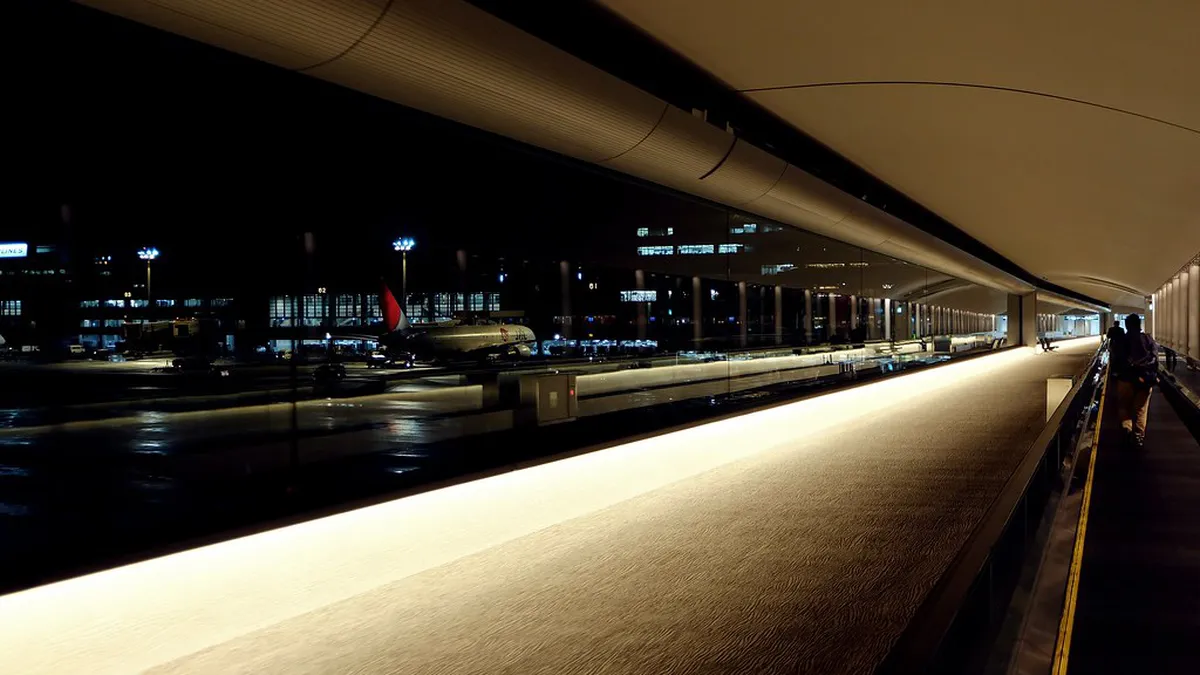
Terminal 3 is where most low-cost carriers (LCCs) such as Jetstar and Peach arrive and depart. It has no train station. To reach the Keisei or JR lines, you must walk approximately 10–15 minutes through a covered corridor to Terminal 2. A free inter-terminal shuttle bus also runs between all three terminals if you prefer not to walk. Buses operated by TYO-NRT and the Limousine Bus depart directly from Terminal 3 if you want to skip the walk entirely.
Luggage delivery (Takkyubin): Yamato Transport operates counters at all three Narita terminals offering same-day or next-morning delivery of your suitcase directly to your Tokyo hotel. The cost is approximately ¥2,000–¥2,500 per large bag depending on size and delivery zone. Sending your bags ahead lets you board the cheap commuter train or the Keisei Access Express without struggling through rush-hour carriages. Drop your bags at the Yamato counter immediately after clearing customs and they typically arrive at your hotel by 21:00 that evening if submitted before noon.
IC cards in 2026: Physical Suica and Pasmo cards have been in restricted supply since 2023. As of 2026, you should not count on buying a standard physical Suica at the airport. Instead, look for the Welcome Suica — a tourist-edition card available at dedicated red vending machines in the Terminals 1 and 2 arrival halls. Welcome Suica has no deposit requirement but expires after 28 days and cannot be refunded. Alternatively, set up Mobile Suica or Mobile Pasmo on an iPhone or Android device before you land — these require a Japanese or international credit card and are the most convenient option if your phone supports NFC payments. The JR Pass can be exchanged for a physical pass at the JR EAST Travel Service Center in arrivals and covers the N'EX, Shinkansen, and most JR lines nationwide but does not cover Keisei trains, Tokyo Metro, or Toei Subway lines.
Continue planning with Tokyo Trip Planner 2026: Attractions, Neighborhoods and Itineraries.
Frequently Asked Questions
What is the fastest way from Narita to central Tokyo in 2026?
The Keisei Skyliner is the fastest option. It reaches Nippori Station in 36 minutes. It is ideal for travelers staying in Ueno or eastern Tokyo.
Is the JR Pass worth it for the Narita Express?
The JR Pass covers the full cost of the Narita Express. It is a great value if you plan to travel between cities. Otherwise, the Skyliner is often cheaper.
Can I buy a Suica card at Narita Airport right now?
Yes, you can buy a Welcome Suica at Narita Airport. These cards are specifically designed for short-term tourists. They are available at dedicated red vending machines.
Getting from Narita to Tokyo is easy when you have a plan. The city offers world-class transport options for every type of budget. I hope this 2026 guide helps you choose the perfect transfer method. Enjoy your time exploring the incredible neighborhoods of Tokyo.
See our main Tokyo attractions guide for the wider city picture.
Free: The Tokyo Essentials guide
Top things to do, where to stay, a perfect day plan, getting around, and the best time to go — a Tokyo mini-guide you can take offline.
You might also like



Continue reading
More guides you'll find useful