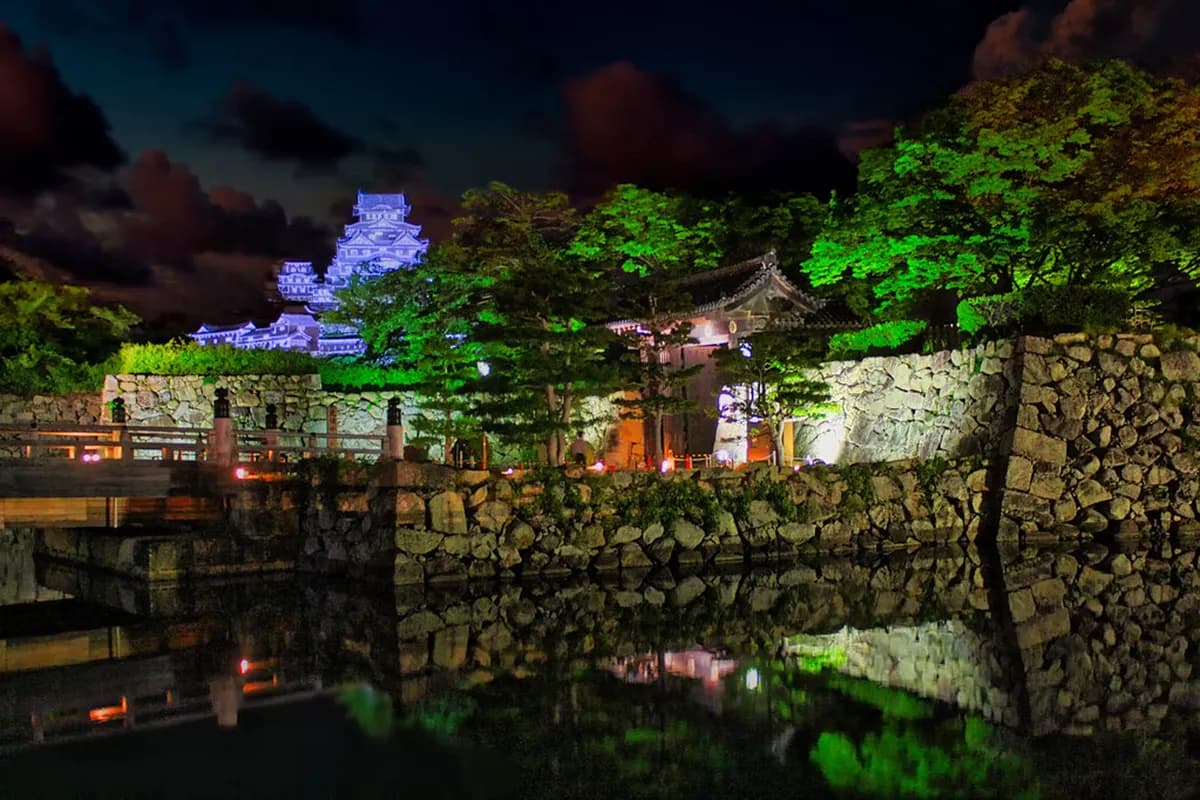
Kumamoto With Kids: 10 Essential Tips and Attractions
Plan the perfect family trip to Kumamoto. From stroller-friendly castle tours to Aso volcano adventures and the Aso Boy train, here are 10 essential tips for kids.
On this page
Kumamoto is one of Kyushu's most rewarding cities for families — active volcanoes, a stroller-friendly castle, and a wildly popular bear mascot all within an hour of each other.
Unlike Tokyo or Osaka, the city moves at a pace that makes managing small children far less stressful. The streets are wide, the trams are regular, and department stores stock everything from diapers to nursing rooms.
This guide covers every stage of a family visit in 2026: logistics, the best attractions by age group, where to eat, where to sleep, and how to reach the Aso caldera without losing your mind.
Why Kumamoto is the Perfect Family Hub
Kumamoto sits in the geographic center of Kyushu, which makes it the ideal base for a multi-day family trip. The Kyushu Shinkansen puts Fukuoka (Hakata) 30 to 40 minutes away and Kagoshima-Chuo about 45 minutes in the other direction — so arriving and departing is straightforward even with tired kids.
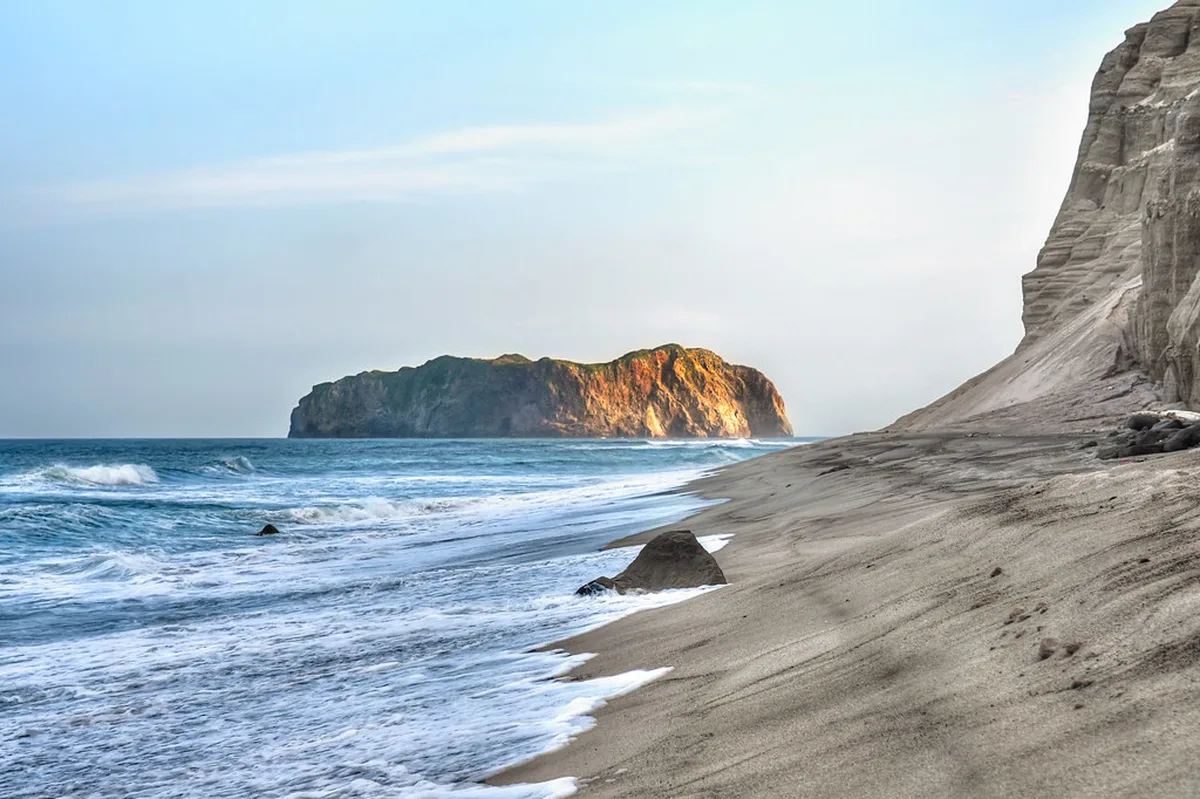
Within the city, top Things to Do in Kumamoto: 20+ Top Attractions & Travel Guide cluster tightly near the castle, cutting walk time between sights. Green spaces are plentiful: Suizenji Garden, Lake Ezu, and the castle grounds all give children room to run between structured visits.
The city hospital network, major department stores with full baby sections, and drugstore chains like Cosmos and Drugstore Mori mean you can pack light. Nishimatsuya and Birthday stock cheap diapers and children's clothes if you need a restock mid-trip.
Kumamoto's tram system features low-floor "COCORO" models that are fully ramp-accessible — you can roll a stroller straight on without folding. Look for these modern trams on the network to make city exploration seamless with small children.
Spring (March to May) is the most popular season — the cherry blossoms at the castle are exceptional. Summer (June to August) brings heat and humidity to the city, but the high altitude of Aso stays noticeably cooler. Autumn (September to November) turns the Aso grasslands golden and is arguably the most scenic season for a family road trip.
Logistics Masterclass: Getting Around with Kids
Inside Kumamoto City, the tram is your main tool. The network covers the castle, Suizenji Garden, and the shopping arcades. Look specifically for the low-floor "COCORO" tram models — these are fully ramp-accessible and you can roll a stroller straight on without lifting. Older tram models have a steep step at the door that requires folding the stroller.
A Kumamoto bus pass or the Wakuwaku 1-day pass covers both trams and buses, removing the need to find coins for every journey. IC cards (Suica, Pasmo, Sugoca) work on all trams and most city buses, so one tap-and-go card handles the entire city network.
For the Aso region, Takachiho, and Amakusa, a rental car is essentially non-negotiable for families. Buses into the caldera run as infrequently as once per hour, which is unworkable with toddlers who need unscheduled bathroom stops. When booking a car, Japanese law requires a child seat for children under 6 — specify this at reservation. Roads in Aso are wide and scenic but mountain passes are winding, so pack motion sickness bands.
The one exception to the car rule is the Aso Boy! train (details below) — if you are traveling rail-only, this covers the Kumamoto-to-Aso corridor beautifully on weekends. The "A-Train" limited express connects Kumamoto Station to Misumi Station on the Amakusa coast, from which a ferry connects to the islands.
Kumamoto Castle: A Stroller-Friendly Icon
Most Japanese castles are a stroller nightmare — gravel paths, steep stone stairs, and "no pushchairs" signs at every turn. Kumamoto Castle is the exception. The post-2016 reconstruction introduced a dedicated elevated walkway that is fully ramped and barrier-free from the ticket gate all the way to the elevator inside the main tower.
The walkway runs six meters above ground level, giving you eye-level views of the earthquake damage and the ongoing repair work. For older kids, this turns the visit into something genuinely educational — the "recovery story" of the castle is one of the most compelling narratives in modern Japanese history. Check the Kumamoto Castle Admission & Access page for current opening hours before you visit.
Read up on Kumamoto Castle Tickets: How to Book & Visit to skip the longest queues. Arrive before 09:00 to avoid the heat and tour groups. The top floor of the keep offers a panoramic view of the city — explain to the kids how the stone walls were designed to protect the entire settlement below.
At the foot of the castle, Sakuranobaba Johsaien is a recreated Edo-period castle town with food stalls, souvenir shops, and nursing rooms. The Wakuwakuza facility inside Johsaien lets children rent ninja or samurai costumes and walk the castle grounds in full costume — it transforms a history lesson into roleplay that holds even restless five-year-olds. Projection mapping inside Wakuwakuza recreates the earthquake's impact in a way that is dramatic but not frightening for most children.
Kumamon Square and Mascot Culture
Kumamon is Japan's most commercially successful mascot and his "home base" is Kumamon Square, located on the ground floor of the Tsuruya Department Store near the city center. The square displays his office, his trophies, and runs live stage shows where he dances and waves at the crowd. Shows are free but wildly popular — arrive at least 30 minutes early, or check the official website for any reservation requirements before you visit.
If the Square is too crowded, Kumamon Village inside the Sakuramachi Kumamoto complex (the bus terminal building) is a newer, slightly calmer alternative. It leans toward exploration and shopping rather than live performances, making it better for younger children who struggle in dense crowds. Both are free to enter.
The mascot presence extends across the entire prefecture: Kumamon logos appear on buses, manhole covers, department store bags, and food packaging. Turn spotting them into a scavenger hunt — even toddlers who don't know the character will enjoy pointing out the black bear face throughout the day.
One practical note: the Tsuruya Department Store where Kumamon Square sits has a well-stocked baby floor. The 6th floor has nursing rooms, microwaves for heating bottles, and sells diapers and baby food — useful for families who need a mid-day resupply stop.
Lake Ezu is a free, underused local park just 20 minutes from Kumamoto's city center. In summer, children can wade in shallow waters, rent paddleboats, or fish. It's nearly tourist-free, making it an ideal relaxed buffer between activities — perfect for afternoon downtime before evening dinner.
Aso Area: The Active Adventure Zone
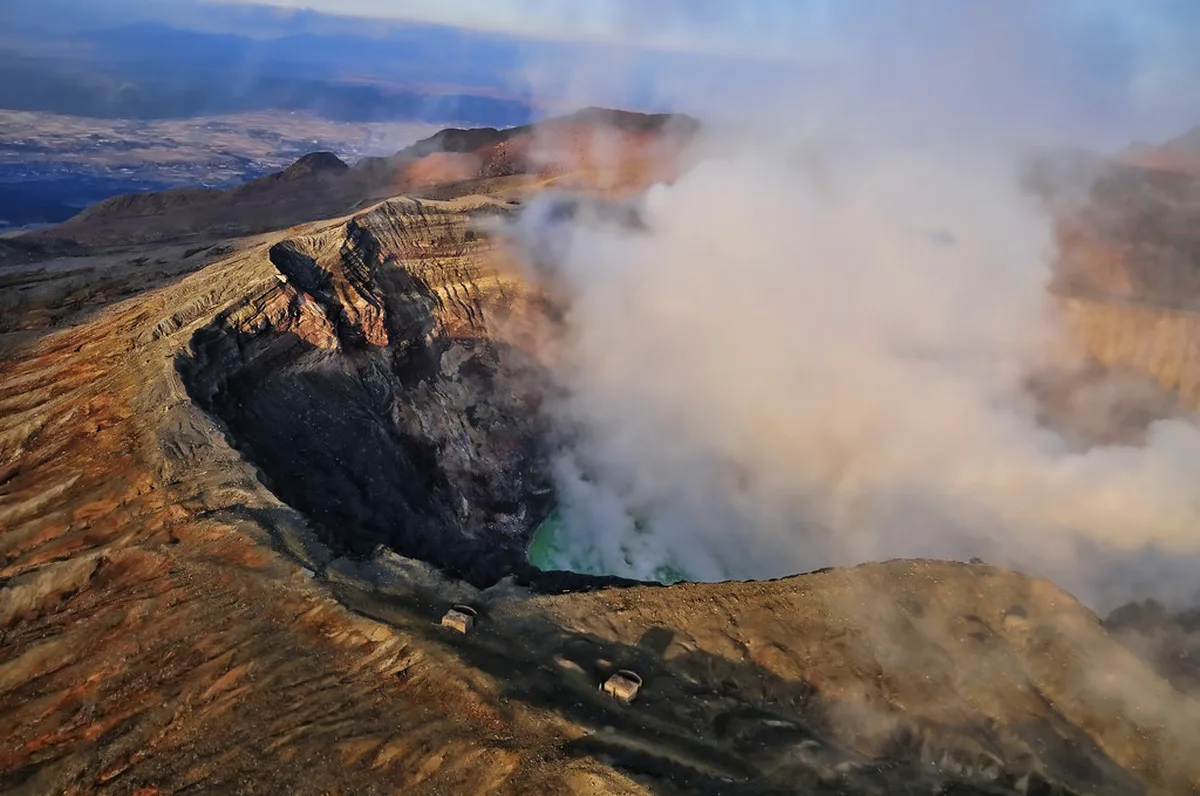
The Aso caldera is one of the world's largest active volcanic systems, and driving into it for the first time — with grasslands stretching to the horizon and the crater smoking in the distance — is genuinely dramatic for children of any age. The 60 to 90 minute drive from Kumamoto City is scenic throughout. Always check the Mount Aso day trip conditions before departure, as high volcanic activity closes the crater rim with little warning.
For families choosing the rail option, the JR Limited Express "Aso Boy!" is a destination in itself. The train features a wooden ball pool, a children's library, panoramic windows, and a special "White Kuro-chan Seat" designed for parents with small children. It runs primarily on weekends and public holidays. Check the JR Kyushu Aso Boy Train Official Page and book as soon as your travel dates are set — seats disappear within hours of release.
For overnight stays in Aso, Aso Farm Land is the standout family choice. The accommodation consists of hundreds of detached dome houses — no sharp corners for toddlers and no risk of a crying baby disturbing hotel neighbors. The Genki no Mori outdoor athletic course is specifically designed to exhaust energetic elementary schoolers. Book dome rooms months ahead during peak season; availability is tight.
Two animal parks compete for family attention in the Aso area. Aso Cuddly Dominion focuses on entertainment: chimpanzee theater shows and bear cub encounters. Aso Milk Ranch focuses on agricultural education — milking cows, goat racing, sausage making. The Milk Ranch suits families with very young children and those who prefer a slower, less stimulating pace. Cuddly Dominion is better for ages 6 and up who want something dramatic.
Day Trips: Expanding Beyond Kumamoto
Amakusa is the most family-friendly coastal day trip from Kumamoto. Wild Indo-Pacific bottlenose dolphins live year-round in the surrounding waters, and tour operators quote a 90 to 98 percent encounter rate — dolphins swim alongside the boat at close range, making them easy for small children to spot even from low on deck. Choose operators with larger cruisers to minimize rolling. The Amakusa Islands are also reachable by the A-Train to Misumi plus a ferry, which makes the journey itself an adventure for train-loving children.
For fans of One Piece (created by Kumamoto native Eiichiro Oda), bronze statues of the Straw Hat Pirates are distributed across the prefecture as a tribute to post-earthquake recovery. Mapping the statues and checking them off a list motivates older kids aged 8 and up to engage with otherwise routine transit between sights. The main cluster sits around Kumamoto City, with others in Aso and the coastal areas.
The Suizenji Jojuen Garden makes an easy half-day inside the city. The circular path is stroller-accessible, the koi pond is immediately engaging for small children, and a matcha tea stop at the lakeside teahouse gives parents a moment to breathe. Entry costs ¥400 for adults and ¥200 for children aged 6 to 15; under-6s are free. Hours run 07:30 to 18:00 from March through October.
One underused spot locals rely on is Lake Ezu (Ezu-ko), a free park about 20 minutes from the city center. In summer, children wade in the shallows, rent paddleboats, or fish. It sees almost no foreign tourists, so the pace is genuinely relaxed. Pack food — facilities are limited — and go late afternoon when the heat softens. It works particularly well as a low-cost buffer between a morning castle visit and an evening dinner.
Family Dining Strategy: What to Eat
Kumamoto ramen is tonkotsu-based like Hakata ramen but richer, with garlic chips (ma-yu) and slightly thicker noodles. Most children find the depth of flavor appealing rather than overwhelming. Ajisen Ramen, a global chain that originated in Kumamoto, is consistently family-friendly — spacious tables, kids' set meals, and no queue pressure. Kokutei is more acclaimed but fills up fast; target 11:00 or 17:00 for a seat.
Consult a Kumamoto Foods and Dining Tips to locate restaurants with tatami (zashiki) rooms. These private floor-level rooms let babies crawl while you eat, removing the stress of keeping a toddler seated in a restaurant chair for an hour. Horse meat (basashi) served grilled is mild and is frequently accepted by children; it appears on menus throughout the city.
For snacks, Ikinari Dango is the local staple — a steamed dumpling filled with sweet potato and sweet red bean paste. They are sold at Sakuranobaba Johsaien and at street stalls throughout the castle district. Filling, not too sweet, and eaten without utensils, they work well as a between-sights snack for children. The yuzu soft serve at the tea stand in Johsaien is also worth stopping for.
Department store food halls (depachika) at Tsuruya and the station building are practical for assembling park picnics — fresh fruit, bento boxes, onigiri, and small desserts all in one place. For a hot rainy day, AEON MALL Kumamoto has a large family food court and play areas that keep children entertained without requiring outdoor logistics.
Where to Stay in Kumamoto with Kids
The choice of base shapes the entire trip. Knowing Where To Stay In Kumamoto: 9 Best Areas and Hotels comes down to three main options for families: central city hotels near the station, accommodation near the shopping arcades, or Aso Farm Land's dome houses for those prioritizing the volcano area.
Station-area hotels (near Kumamoto Station or the Shinkansen exit) are best for families making multiple day trips by train. They typically offer triple rooms or connecting rooms and are 5 to 10 minutes by tram from the castle and Kumamon Square. Properties in the Shimotori and Kamitori arcade zone put you in walking distance of every evening dining option, pharmacies, and convenience stores.
| Option | Best for | Key advantage | Key trade-off |
|---|---|---|---|
| City hotel near station | Train day-trippers | Shinkansen access; full facilities | Need tram to reach castle |
| Arcade zone hotel | Evenings out; pharmacy access | Walk to dining & convenience stores | Slightly noisier at night |
| Aso Farm Land dome | Families prioritizing Aso | Detached; ball park; animals on-site | Books out months ahead; car needed |
| Ryokan outside the city | Onsen & traditional meals | In-room dinners; no restaurant stress | 45+ minutes from city sights |
For one-night ryokan experiences, the area around Kurokawa Onsen (about 90 minutes from the city) is the most polished option — many inns serve meals in the room and offer family baths. This removes the two biggest stressors of dining out with young children: waiting time and noise management.
Essential Travel Connectivity (eSIM & Tech)
An eSIM is the most practical connectivity option for families in Japan in 2026. You activate it before landing, and you avoid the hassle of SIM swaps or pocket Wi-Fi pickup at the airport while managing luggage and children. Signal in Kumamoto City is strong across all major carriers.
In the Aso caldera, signal degrades noticeably in the deeper valleys and near the crater rim. Download offline maps of the Aso area — Google Maps and Maps.me both support this — before you drive into the caldera. The main tourist facilities (Aso Farm Land, the crater visitor center) have Wi-Fi, but stretches of mountain road do not.
The Mama Papa Map app (iOS and Android, free) locates nursing rooms in real time. It covers department stores, shopping malls, and transit hubs across Japan and is consistently updated by parent users. This is more reliable than asking at a service desk in a language barrier situation.
Carry a portable power bank in your day bag. A full day combining map navigation, photo-taking, and translation apps will drain a typical smartphone by mid-afternoon. Many family-friendly cafes in Kumamoto City now offer USB charging ports at tables, but you cannot count on it at outdoor or rural stops.
Suggested Family Itineraries
A focused one-day visit should open at the castle before 09:00 — the step-free walkway, the Wakuwakuza costume experience, and Johsaien lunch fill the morning cleanly. Spend the afternoon at Kumamon Square and browse the Shimotori arcade. This plan keeps distances short and combines history, mascot culture, and shopping within a 1 km radius.

For a three-day trip, treat Day 1 as the city day above. On Day 2, rent a car and drive to Aso — visit the crater (conditions permitting), then spend the afternoon at Aso Milk Ranch or Cuddly Dominion depending on your children's ages. If budget allows, sleep in a dome house at Aso Farm Land. Day 3 suits either an Amakusa dolphin cruise (book the boat in advance) or a quieter city morning: Suizenji Garden, a depachika picnic at Lake Ezu, and an early Shinkansen departure.
If the weather turns bad on any city day, AEON MALL Kumamoto handles several hours of indoor time comfortably — play area, food court, cinema. The Contemporary Art Museum near the city center has a dedicated children's zone and is free for under-18s. Both are within 30 minutes of the station by tram or bus.
One scheduling note for rail families: the Aso Boy! train runs primarily on weekends and public holidays. If your trip spans only weekdays, plan your Aso day around a rental car and leave the train for a separate trip. Trying to rearrange the whole itinerary around a missed Aso Boy! booking is one of the most common family planning errors on this route.
Frequently Asked Questions
Is Kumamoto Castle stroller friendly?
Yes, Kumamoto Castle is stroller friendly thanks to a modern elevated walkway. This path allows families to bypass the historic stone stairs and steep slopes. You can enjoy clear views of the main tower while pushing a stroller comfortably along the entire designated route.
How many days do you need in Kumamoto with kids?
You should plan for at least two to three days to see the main highlights. This timeframe allows for one full day in the city and another for the Aso region. A third day is perfect for exploring Things to Do in Kumamoto: 20+ Top Attractions & Travel Guide like the city zoo or gardens.
Where can I see Kumamon in Kumamoto?
The best place to see Kumamon is at Kumamon Square in the Tsuruya Department Store. He typically performs a dance show on weekends and some weekdays. Be sure to check the official schedule online before your visit to confirm his appearance times and avoid disappointment.
Kumamoto rewards families who plan ahead. Book the Aso Boy! train early, reserve the Aso Farm Land dome rooms before peak season fills them, and download offline maps for the caldera before you drive in.
Everything else — the castle walkway, the mascot show, the ramen shops, the free garden — is accessible and forgiving even on days when the schedule falls apart, as it inevitably does when traveling with small children.
The city's combination of compact urban sights, volcanic nature, and genuinely child-centered attractions makes it one of the strongest family destinations in Japan for 2026.
Free: The Kumamoto Essentials guide
Top things to do, where to stay, a perfect day plan, getting around, and the best time to go — a Kumamoto mini-guide you can take offline.
You might also like

Continue reading
More guides you'll find useful