

Where To Stay In Kumamoto: 9 Best Areas and Hotels (2026)
Discover where to stay in Kumamoto with our 2026 guide. From Chuo-ku city hotels to Aso nature retreats, find the perfect base for your Kyushu adventure.
On this page
Kumamoto's main Shinkansen station sits well outside the real city center — a fact that catches first-time visitors off guard and leads to poor hotel choices. The historic heart of the city, Chuo Ward, is about three kilometers east of the station and is where the castle, arcades, and best dining all cluster together. Understanding this geography before you book saves you from spending half your trip on the tram.
This guide breaks down the five main areas where travelers stay in Kumamoto in 2026, with specific hotel picks in each zone. Whether you want a modern business hotel steps from Kumamoto Castle, a traditional ryokan beside Suizenji Garden, or a nature retreat inside the Aso caldera, the right base depends on how you plan to use your days.
The Kumamoto Tram: Why It Defines Where You Should Stay
Kumamoto operates two city tram lines that run from the JR station out through Chuo Ward and on to the Suizenji district. Line A (marked with an orange circle) terminates at the castle and Shimotori arcade zone. Line B continues further east to Suizenji Koenmae stop, putting you within a two-minute walk of the garden gates. A single fare is 170 yen; a one-day pass costs 530 yen and pays for itself after three rides.
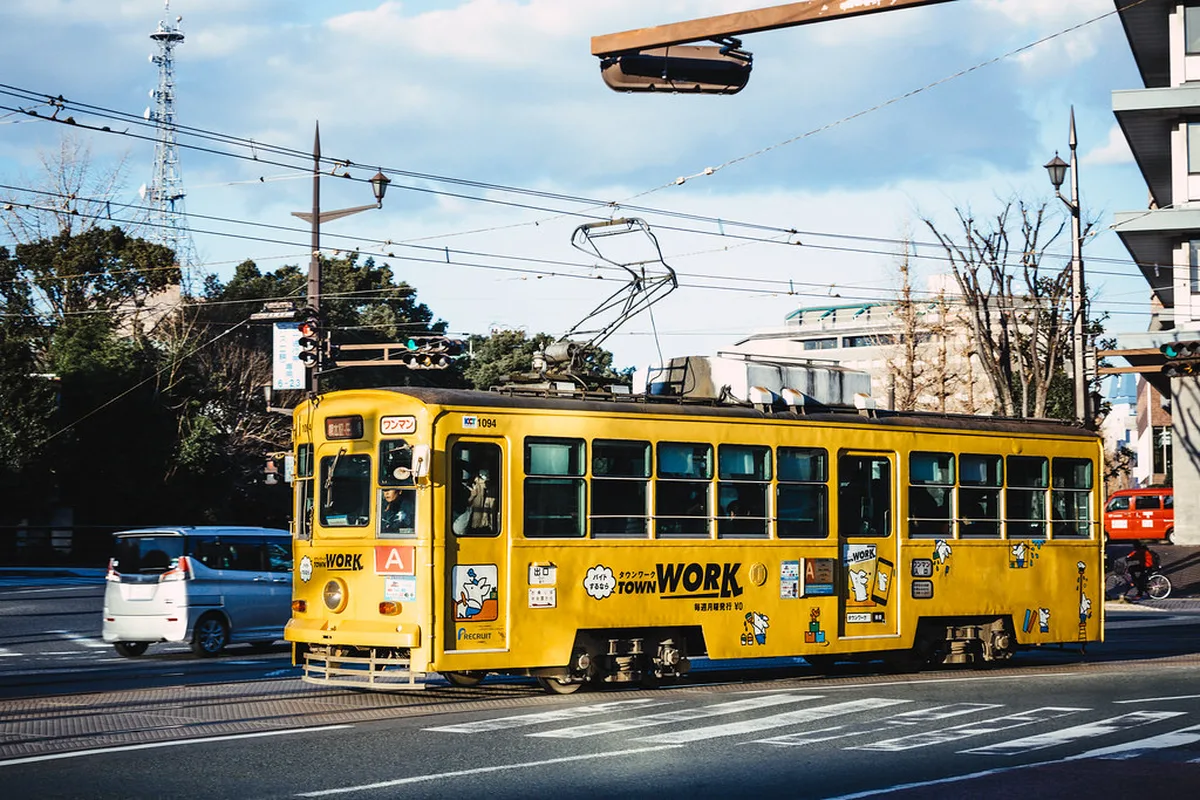
This matters for accommodation planning because the station area and Chuo Ward are not walkable to each other — fifteen minutes by tram, but over thirty minutes on foot with luggage. If you are staying more than two nights, Chuo Ward is almost always the better base. The tram runs until around midnight on weekdays, which is generous by Japanese regional city standards.
A one-day tram pass costs 530 yen and pays for itself after just three rides. If you're staying two or more nights and planning multiple day trips, purchasing the day pass on your first full day will save money on every tram journey across the city.
Travelers staying near the Suizenji district can reach Kumamoto Castle in about twenty-five minutes on the tram without any transfers. This makes it a workable base for sightseeing, though you will be slightly further from the nightlife concentrated around Shimotori and Kumamoto Nights: Nightlife Guide venues.
Kumamoto City Center (Chuo Ward)
Chuo Ward is the best base for most visitors to Kumamoto. It puts you within a fifteen-minute walk of Kumamoto Castle and in the middle of the Shimotori and Kamitori covered arcades. Restaurants, izakayas, and convenience stores are dense here, and the tram stop at Torichosuji or Karashimacho is just steps away for day trips in any direction. For more local recommendations and event calendars, see the Kumamoto tourism guide.
Chuo Ward is the clear choice for first-time visitors to Kumamoto. You'll have walking access to the castle, be surrounded by dining and nightlife options at Shimotori and Kamitori arcades, and be just steps from tram stops that connect to every other part of the city. The station area feels isolated by comparison — stay here unless you're catching an early Shinkansen.
The Hotel Wing International Select Kumamoto sits in the heart of this district. Rates run from around 8,000 to 13,000 yen per night, check-in opens at 15:00, and the hotel is a four-minute walk to the nearest tram stop. Rooms are compact but well-equipped, with a public bath available until 23:00 for guests who want to unwind after a long day.
The Mitsui Garden Hotel Kumamoto is another reliable choice in this zone, located beside the Shimotori arcade entrance. This property is known for its Kumamon-themed rooms, which book out months in advance — request one early if travelling with children. Standard rooms cost approximately 9,000 to 15,000 yen per night depending on the season. The KOKO HOTEL Kumamoto Gateway is a newer, more affordable option with upper-floor rooms that look directly at the castle walls; budget 7,500 to 12,000 yen per night and ask specifically for a castle-view room at booking.
Kumamoto Station Area
The station area makes sense for one specific type of traveler: someone catching an early-morning Shinkansen or arriving late and leaving early. The Blossom Kumamoto sits directly above the Amu Plaza shopping mall that connects to the Shinkansen gates. You can walk from the train platform to your room in under five minutes, which no Chuo Ward hotel can match. Rates run from 15,000 to 25,000 yen per night, making this the most expensive zone for what you get.
For a longer stay of two or more nights, the station area has a significant drawback: the castle and central arcades require a tram ride, and the neighborhood itself is primarily commercial, with chain restaurants dominating the dining options. The airport limousine bus stops at both the station and the Sakura Machi Kumamoto bus terminal in Chuo Ward — so arriving visitors have a choice of where to disembark, and choosing Sakura Machi saves you the tram fare if you are staying in the city center.
The traditional machiya guesthouse options near the station, such as Guesthouse425+, offer a different experience at around 8,000 to 15,000 yen per night. This cedar-bath guesthouse is a ten-minute walk from the station and a thirty-second walk from the Gionbashi tram stop, combining Shinkansen convenience with easy city access.
Suizenji Garden District
The Suizenji district is Kumamoto's quietest urban zone and the right choice for travelers who want a traditional Japanese atmosphere without leaving the city. The district centers on Suizenji Jojuen Garden, a 17th-century stroll garden with a miniature Mt. Fuji, a teahouse serving matcha, and a pond full of carp. The garden opens at 07:30 (08:30 in winter), and staying in the area lets you walk in before the tour groups arrive from the city center.
Ryotei Matsuya Honkan Suizenji is the flagship accommodation in this zone — a traditional ryokan a short walk from the garden. Expect to pay 27,000 to 50,000 yen per night, which includes an evening kaiseki dinner and a morning Japanese breakfast. The Tamaki Ryokan is a more accessible option in the same neighborhood at around 6,000 yen per night, rated highly for cleanliness and location by recent guests. Both properties are served by the Suizenji Koenmae tram stop on the B-Line, keeping you connected to the city center in twenty-five minutes.
One practical note: the Suizenji district has fewer late-night restaurant options than Chuo Ward. If you plan to eat dinner outside the ryokan, check that your chosen restaurant accepts same-day reservations. The area is calm and pleasant, but it rewards early risers over night owls. Check out options for Kumamoto ryokans in this area before making a final decision.
Mt. Aso and the Caldera
Staying inside the Aso caldera is a fundamentally different experience from staying in Kumamoto city. The landscape is volcanic, open, and vast — you wake up to views of the Nakadake crater rim if your accommodation faces north, and the closest convenience store may be a fifteen-minute drive away. For geological and volcanic context on this world-class caldera, see Mount Aso on Wikipedia. This is the base of choice for hikers, cyclists, and anyone planning to spend a full day or more in Mount Aso rather than treating it as a day trip.
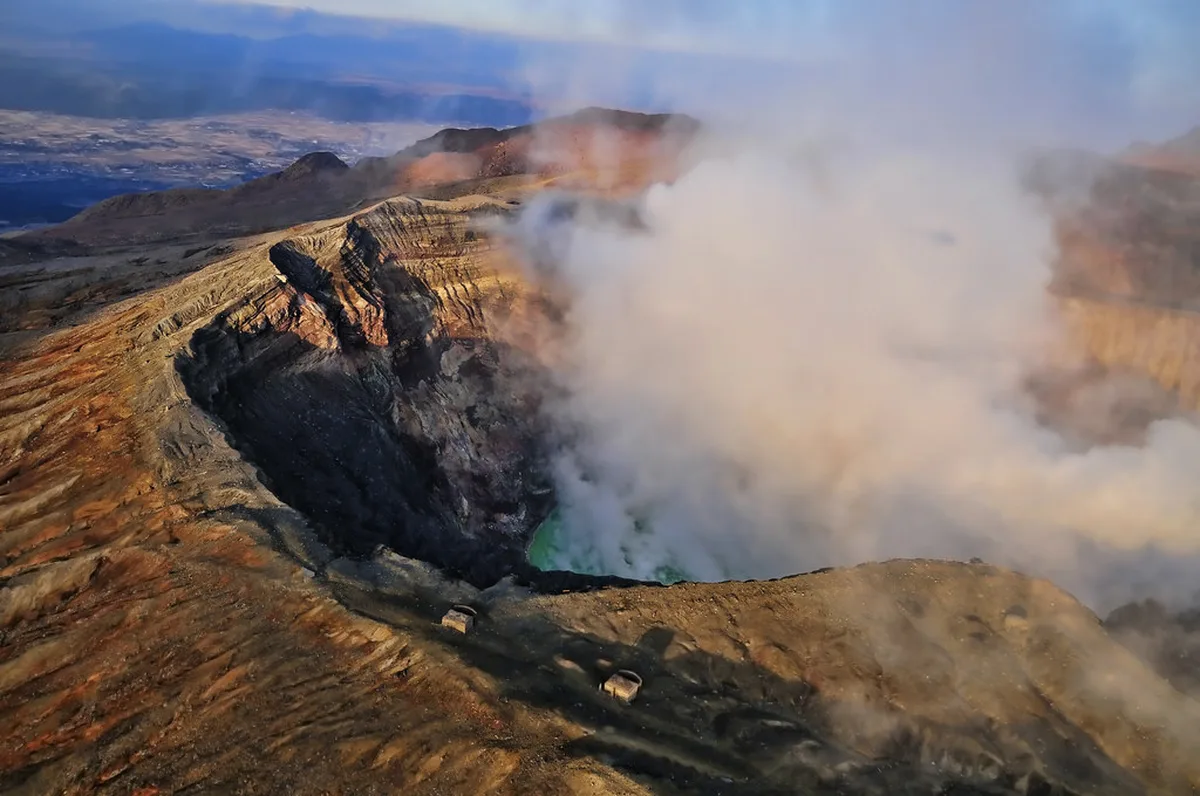
A rental car is essential for staying in the caldera. There is no practical way to reach most Aso accommodations without one: local buses from Aso Station run infrequently and stop early in the evening. Book the car in Kumamoto city and drive the 45-kilometer route to Aso via Route 57, which takes about an hour. Do not assume that a taxi from Aso Station will be readily available at arrival time, particularly during autumn foliage season.
The Aso Resort Grandvrio Hotel is the most prominent resort-style option in the caldera, with standard rooms from 12,000 to 20,000 yen per night and a range of seasonal outdoor activity packages. Vacation rentals via Airbnb dominate the rest of the market, and many are privately owned properties on farmland. These tend to offer more space and a more authentic local experience, though amenities vary and English-language support may be limited. Check the volcanic activity alert level (published daily by the Japan Meteorological Agency) before finalizing any Aso accommodation — the Nakadake crater area closes to visitors when activity rises above Level 2.
Ueki Onsen and Ryokan Retreats
Ueki, a small town in the northern part of Kumamoto Prefecture, is home to a cluster of onsen ryokans that are largely unknown to foreign travelers. The hot spring water here is a sodium-chloride type with a notably smooth, silky feel on the skin — distinct from the sulfurous waters associated with Mt. Aso. Ueki is about forty minutes by local bus from Kumamoto city center, or twenty minutes by car.
Ryokan Hirayama is the standout property in this area, featuring two signature baths: a red granite indoor bath and an open-air garden bath. It sits in a quiet residential district with easy access to both Kumamoto Castle and Suizenji Garden by car. Rates at Ryokan Hirayama run from around 20,000 to 75,000 yen per night depending on the room and meal plan. The outdoor baths are particularly atmospheric during the November autumn leaf season when the surrounding maples turn red.
Tamana Onsen, another nearby hot spring town about thirty kilometers north of Kumamoto city, has several high-rated ryokan options including Villa Tamayura at Nakoikan. This property carries a guest satisfaction rating above 95% and specializes in private bath access for each room. If unique stays and wellness retreats are your priority, Ueki and Tamana represent a category that no standard hotel zone in Kumamoto city can replicate.
Is Kumamoto Worth Visiting?
Kumamoto is absolutely worth visiting, particularly for travelers doing a Kyushu circuit. The city sits on the Shinkansen line operated by JR Kyushu, making it easy to include as a multi-day stop between Fukuoka and Kagoshima without backtracking. Kumamoto Castle ranks among Japan's most impressive fortifications and is the only castle in the country where you can observe active reconstruction work on the historic stone walls — a process not expected to complete until 2037.
Kumamon, the city's official mascot, has genuine cultural weight here. You will encounter the character on everything from shop signs to manhole covers to hotel room keys, and the local tourism office runs free Kumamon appearances that visitors can attend. This playful civic identity is unusual for a regional Japanese city and gives Kumamoto a personality that many larger cities lack.
For trip planning, two nights in the city works well for someone focused on the castle and Suizenji Garden. Add one or two more nights if you want to spend meaningful time in the Aso caldera. Deciding on How Many Days In Kumamoto? (The Complete 1-3 Day Guide) ultimately depends on whether you treat Aso as a day trip or a standalone destination.
Beyond Kumamoto: Nearby Destinations
Kumamoto works as a base for several day trips that are harder to access from Fukuoka or Kagoshima. Takachiho Gorge, technically in Miyazaki Prefecture, is closer to Kumamoto City than it is to Miyazaki City. The gorge is best reached by rental car — the multi-stage bus journey takes three hours each way and leaves little time to enjoy the site. Drive time from Kumamoto is about ninety minutes via the Kyushu Expressway.
Amakusa, the island chain to the southwest of Kumamoto city, offers a completely different landscape: coastal scenery, dolphin-watching boat tours, and some of Japan's best fresh octopus dishes. The Amakusa Express bus from Kumamoto Station takes about ninety minutes and is the easiest car-free option. Those staying longer can take the scenic 'A-Train' limited express, which runs along the coastline with panoramic sea views. A well-planned Kumamoto Day Trip Itinerary: 10 Best Things to Do in One Day can combine one of these destinations with a morning at the castle.
Kurokawa Onsen, a famous hot spring village about an hour east of Kumamoto city, is worth an overnight stay if wellness travel is part of your itinerary. The village's multi-ryokan 'Nyuto Tegata' pass lets you visit three different baths for a fixed fee of 1,500 yen. This is a well-known attraction in Kyushu but often overlooked by international visitors who plan only city stays.
The Bottom Line for Travelers
For most visitors, Chuo Ward (city center) is the right base. It keeps you within walking distance of Kumamoto Castle, inside the dining and nightlife zone, and on the tram line for every other part of the city. The station area is a distant second — use it only if you have a very early or very late Shinkansen and do not want to bother with a tram connection.
If you want a ryokan experience without leaving the city, choose Suizenji district for the garden proximity and traditional atmosphere. For an immersive nature stay, go to the Aso caldera and budget for a rental car from day one — do not assume you can manage without one. Ueki Onsen is the best choice for hot spring seekers who want genuine local onsen culture at a slightly lower price point than Kurokawa.
Book accommodation at least two months in advance for spring (late March through early May) and autumn (mid-October through mid-November). These seasons drive high domestic tourism demand and fill the best-value rooms quickly, particularly the Kumamon-themed options and castle-view rooms that are limited in number. Checking standard booking platforms early will give you a realistic sense of what remains available before peak season hits.
| Area | Vibe & Best For | Nightly Rate Range | Access to Castle |
|---|---|---|---|
| Chuo Ward (City Center) | Urban, walkable, dining & nightlife; first-time visitors, culture-focused travelers | 7,500–15,000 yen | 15-min walk |
| Kumamoto Station Area | Convenient, commercial; early Shinkansen departures, transit travelers | 15,000–25,000 yen | ~15 min by tram |
| Suizenji Garden District | Quiet, traditional, ryokan-focused; early risers, garden & culture seekers | 6,000–50,000 yen | ~25 min by tram |
| Mt. Aso Caldera | Volcanic landscape, nature immersion; hikers, cyclists, geology enthusiasts | 12,000–20,000 yen | ~1 hour by car (rental required) |
| Ueki Onsen | Hot spring retreats, local culture; wellness travelers, onsen enthusiasts | 20,000–75,000 yen | ~40 min by bus or 20 min by car |
Frequently Asked Questions
Which area is best for first-time visitors to Kumamoto?
Chuo Ward is the best choice for first-time visitors. It places you within walking distance of Kumamoto Castle and the main shopping arcades. You will also have the best access to local restaurants and the tram system.
Is it better to stay near Kumamoto Station or the City Center?
Stay near the station if you have an early Shinkansen train to catch. However, the City Center offers much more in terms of dining and atmosphere. The tram connects both areas in just fifteen minutes for a small fee.
Are there unique places to stay in Kumamoto for families?
The Mitsui Garden Hotel offers famous Kumamon-themed rooms that are a hit with children. For a more adventurous stay, consider the vacation rentals near the Mt. Aso caldera. These areas offer more space and proximity to outdoor parks.
Kumamoto is a city that rewards those who take the time to explore its diverse neighborhoods. From the high-rise convenience of the station area to the quiet ryokans of Suizenji, there is a perfect spot for every type of traveler. Understanding the tram system and the city's true geography is the key to choosing the right base for your Kyushu adventure.
Remember to try the local ramen and horse sashimi while you are in town. The warmth of the local people and the resilience shown since the 2016 earthquake will make your stay in Kumamoto a genuine highlight of any Japan trip.
Planning the rest of your trip? See our main Kumamoto travel guide for the complete Kumamoto overview.
Free: The Kumamoto Essentials guide
Top things to do, where to stay, a perfect day plan, getting around, and the best time to go — a Kumamoto mini-guide you can take offline.
You might also like


Continue reading
More guides you'll find useful


