7 Best Hotels in Kumamoto: Top Picks & Neighborhood Guide (2026)
Discover the 7 best hotels in Kumamoto, from luxury stays near the Castle to budget business hotels. Includes neighborhood guides, booking tips, and more.
On this page
Kumamoto has rebuilt its identity since the 2016 earthquake, and its hotel scene reflects that transformation. The city's main neighborhoods — Kumamoto Station, the Shimotori arcade, and the castle district — each offer a genuinely different experience. Getting the location right matters more here than in most Japanese cities because the distances between these zones feel modest on a map but add up quickly if you are relying on the tram.
This guide was refreshed in June 2026 to reflect current pricing and hotel openings. It covers seven properties across four categories: luxury, business, traditional ryokan, and family-friendly. Each pick was evaluated for proximity to the tram network, breakfast quality, and suitability for international travelers, including Muslim-friendly options.
Luxury Excellence: Hotel Nikko Kumamoto
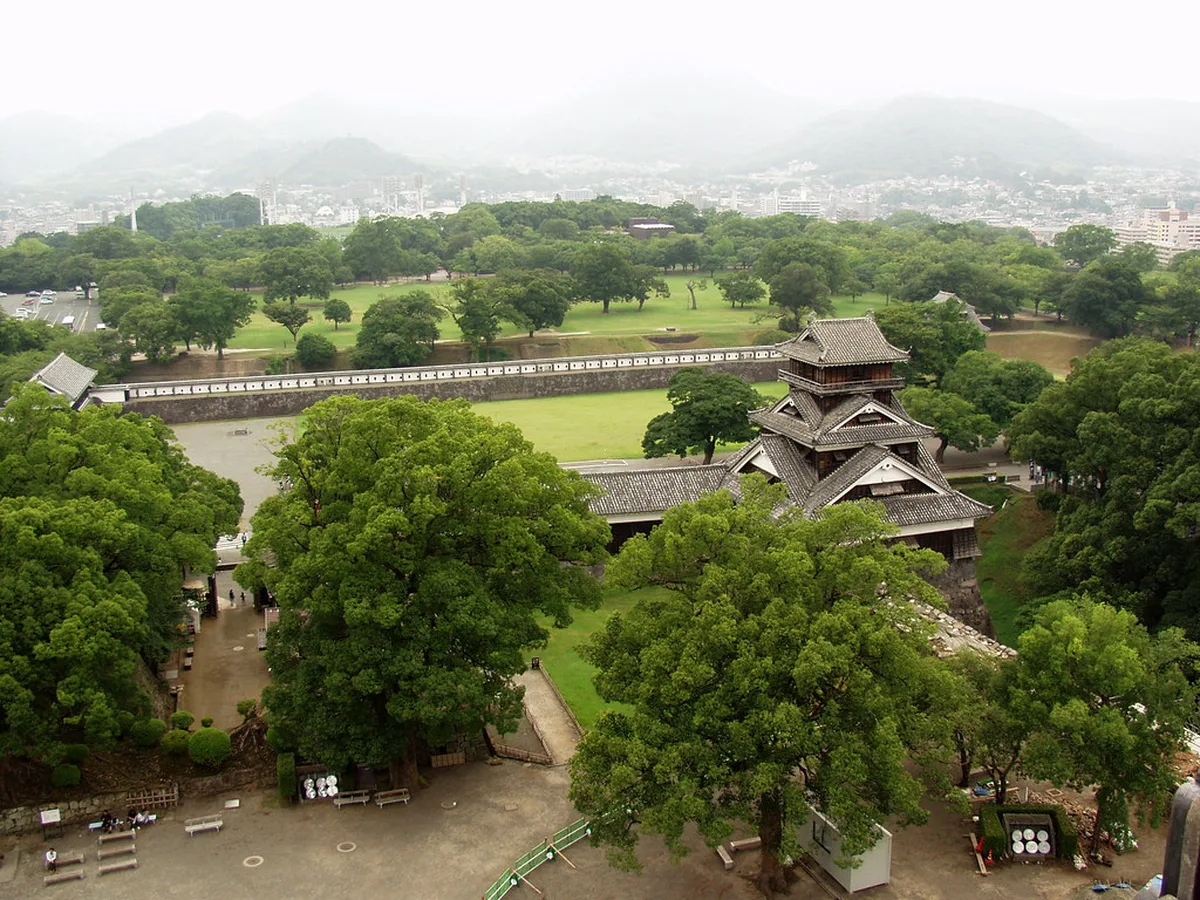
Hotel Nikko Kumamoto is the most celebrated luxury address in the city, positioned directly opposite the castle grounds on Jomachi-dori. The property is part of the Okura Nikko Hotels group and delivers consistent five-star service that stands apart from any other option in Kumamoto. Rooms on the upper floors give unobstructed views of the castle's original stone walls, which are particularly striking during the evening illuminations.
Standard rooms run roughly ¥22,000 to ¥42,000 per night (approximately $150–$280) depending on the season. Frequent travelers should enroll in One Harmony Member Benefits before booking — the program provides complimentary room upgrades, late check-out until 15:00, and bonus points that stack quickly over a multi-night stay. The hotel also waives parking fees for members, which is a real advantage given the limited public parking near the castle.
The dining options here are exceptional. The French restaurant on the upper floor sources local Aso beef and uses Kumamoto's famous groundwater throughout the kitchen. The breakfast buffet features regional specialties including karashi renkon (mustard lotus root), basashi (horse sashimi), and freshly baked pastries — one of the best hotel breakfasts in all of Kyushu.
Muslim-Friendly Services and Facilities
Hotel Nikko Kumamoto is the standout option for Muslim travelers in the city. The property offers prayer mats and a Qibla direction guide in rooms upon request, and its food and beverage team can prepare halal-certified meals with advance notice of at least 48 hours. The hotel also designates a quiet corner of the lobby near the entrance for prayer during the day.
The Blossom Kumamoto and KOKO HOTEL Premier Kumamoto can both accommodate halal dietary requirements if contacted several days before arrival, though neither offers the full range of dedicated facilities that Hotel Nikko provides. For travelers who need these services, Hotel Nikko is the reliable default. It is worth noting that Kumamoto's tap water is 100% groundwater and entirely safe to drink — a reassuring detail for guests with strict dietary standards.
Best Hotels Near Kumamoto Castle
Staying within walking distance of the castle gives you access to the most historically rich part of the city. Beyond Hotel Nikko, the Mitsui Garden Hotel Kumamoto sits about a six-minute walk from the castle's main approach and is known for its Kumamon-themed rooms, which are enormously popular with families. Standard doubles run ¥12,000–¥21,000 per night and the hotel's balanced location means you can reach Shimotori arcade and the castle entrance on foot without relying on the tram at all.
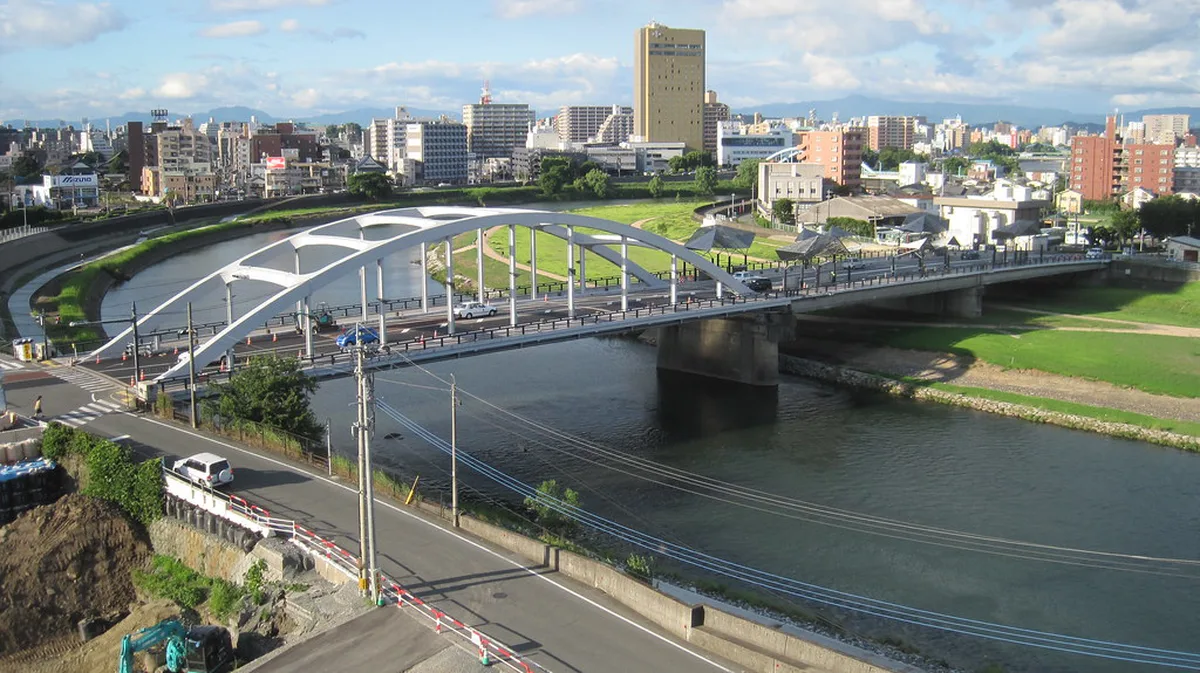
The ANA Crowne Plaza Kumamoto New Sky overlooks the Shirakawa River and is slightly further from the castle, but it compensates with a free shuttle service to Kumamoto Station and a quieter atmosphere that appeals to guests who want a slower pace after a day at the Kumamoto Castle reconstruction site. For visitor details and ticket information, check the official Kumamoto Castle website. River-view rooms during spring cherry blossom season (late March to early April) book out two to three months in advance. Rates sit at ¥15,000–¥29,000 per night.
A useful rule of thumb: any hotel located on the flat ground between Shimotori arcade and the castle tram stop (Kumamoto-jo Sannomaru stop on Line A) is both walkable to the castle and tram-connected to everywhere else. Avoid properties that describe themselves as "near the castle" but are actually positioned on the hillside east of the keep — the terrain is steep enough to be genuinely inconvenient with luggage.
Top Business Hotels Near Kumamoto Station
Kumamoto Station was comprehensively redeveloped in 2021 and is now a self-contained destination with department stores, food halls, and direct Shinkansen access to Hakata and Shin-Osaka. The Blossom Kumamoto sits directly above the station concourse and is the most convenient base for travelers with early or late Shinkansen connections. High-floor rooms deliver panoramic views of Mount Aso on clear mornings. Rates typically range from ¥19,000 to ¥31,000 per night and check-out is a flexible 11:00.
The KOKO HOTEL Premier Kumamoto at Sakuramachi is a five-minute bus ride from the station and pairs well with the adjacent Sakuramachi bus terminal — the main hub for regional buses to Aso and Kurokawa Onsen. Its interior is modern and compact, aimed at younger travelers and couples, with rates from ¥13,000 to ¥25,000. The Dormy Inn Kumamoto rounds out the business-hotel tier with a top-floor natural onsen bath and complimentary late-night ramen service. It sits near the central bus terminal, charges ¥12,500–¥22,000 per night, and consistently scores well for value among repeat visitors.
Best Ryokans for a Traditional Experience
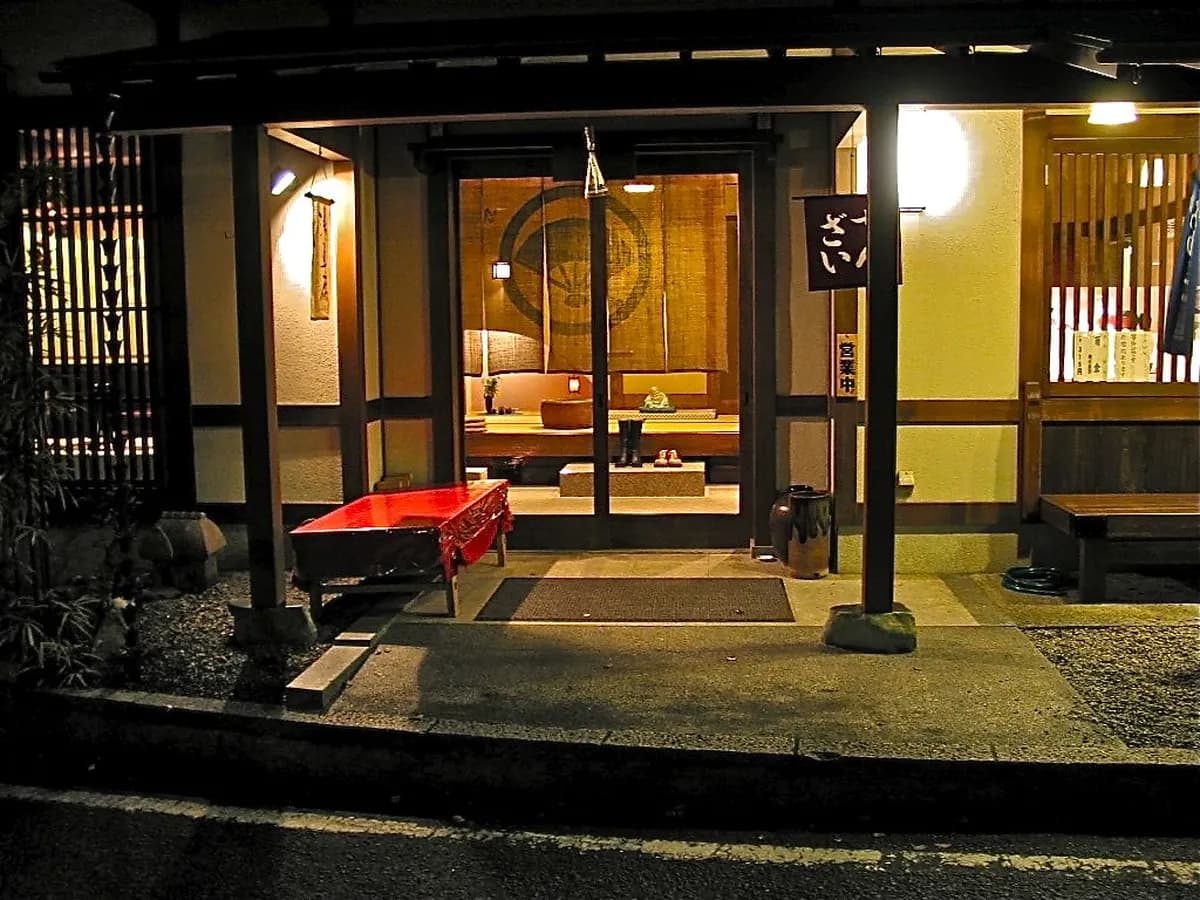
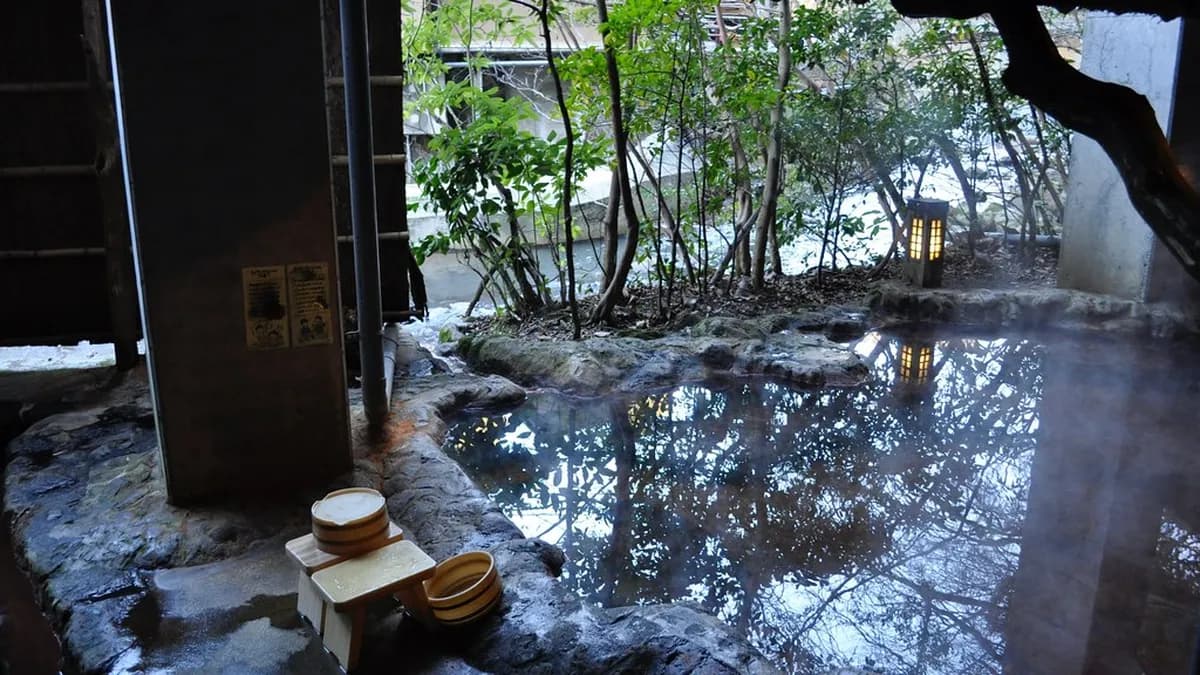
Kumamoto has a smaller ryokan scene than nearby Kurokawa Onsen, but several excellent options exist within the city. Ryokan Sawanoya, located near Suizenji Garden, offers tatami-floored rooms, futon bedding, and meals served in your room or in a communal kaiseki hall. The experience here is deliberately traditional: check-in runs between 16:00 and 19:00 to accommodate the dinner service, and guests are expected to follow the onsen bathing schedule. Rates including breakfast and dinner range from ¥22,000 to ¥45,000 per person per night.
The appeal of a ryokan stay in Kumamoto extends beyond the room itself. Many serve Kumamoto-specific dishes not found in hotel restaurants — particularly basashi and the city's distinctive spicy mentaiko. Suizenji Garden, a 400-year-old landscape garden modeled on the Tokaido Road, is a five-minute walk from most ryokans in the area. If you are combining Kumamoto with a day trip to Kurokawa Onsen, spending your first night at a city ryokan eases the transition from urban to rural.
Family-Friendly Hotels with Spacious Rooms
Traveling with children in Kumamoto is easiest when you stay in the Shimotori or Sakuramachi zone. The Mitsui Garden Hotel Kumamoto is the clear family favorite because of its Kumamon-themed rooms — the black-and-red bear mascot is beloved across Japan, and children typically react to these rooms with genuine excitement. Triple and quad configurations are available, and the hotel stores strollers and child equipment in a dedicated lobby space. Booking themed rooms more than three months in advance is strongly advisable.
For families who need more square footage, the ANA Crowne Plaza Kumamoto New Sky offers connecting rooms and a relaxed atmosphere that handles the noise levels of families more graciously than smaller boutique hotels. The hotel operates an in-house restaurant where children's menus are available, which saves the effort of negotiating kids' meals at nearby izakayas. The free station shuttle also removes the stress of navigating public transit with tired children at the end of a day of sightseeing.
Using the Kumamoto City Tram Between Hotel Zones
The Kumamoto City Tram runs two lines (A and B) and is the most practical tool for moving between the three main hotel zones. A single ride costs ¥170 for adults and ¥90 for children. A one-day unlimited pass costs ¥500 and is worth buying the moment you plan to make more than three journeys. Passes are sold at the tourist information counter inside Kumamoto Station and at major hotels on request.
The key stops to know: Kumamoto Station (terminus, Line A and B) is the base for business hotels; Karashimachi and Torichosuji stops sit in the middle of the Shimotori and Sakuramachi zones; and Suizenji stop on Line B is the get-off for the garden and the nearby ryokans. The entire network from station to Suizenji takes about 25 minutes end to end. Hotel Nikko guests alight at Kumamoto-jo Sannomaru, one stop east of the Karashimachi hub — a two-minute ride that saves a 10-minute walk along the castle moat.
One thing competitors rarely mention: the tram stops running at around 23:00 on most nights. If you plan late evenings at the restaurants and bars around Shimotori, budget ¥800–¥1,200 for a short taxi back to hotels near the station or Suizenji. The taxi rank outside Sakuramachi bus terminal is always staffed.
Tram service ends around 23:00. Plan your evening movements carefully — the Kumamoto City Tram stops running late at night. If you're staying near the castle or Suizenji and plan late-night dining at Shimotori, factor in taxi costs (¥800–¥1,200) or book hotels within walking distance of restaurants to avoid transport hassles.
Best Neighborhoods for First-Time Visitors
First-timers should default to the Shimotori and Sakuramachi area, which sits midway between the station and the castle. Staying here puts you within walking distance of the castle entrance, the best ramen shops, and the evening nightlife without needing to consult the tram schedule constantly. It is also the most photogenic part of the city, with the castle walls visible from many cross streets. The Kumamoto Prefecture tourism board offers comprehensive guides to dining and attractions across all neighborhoods.
The station neighborhood is the better choice if you are using Kumamoto as a base for day trips to Aso or Nagasaki. Direct Shinkansen and express bus connections depart from here, and the newer station-adjacent hotels tend to be larger and quieter than the older city-center properties. Kumamoto ryokans near Suizenji suit relaxed itineraries where sightseeing is secondary to rest — but budget at least ¥500 for the tram to reach the main attractions each day.
| Neighborhood | Best For | Typical Price Range | Tram Access |
|---|---|---|---|
| Shimotori / Sakuramachi (Central) | First-time visitors, nightlife, castle access | ¥12,000–¥25,000/night | Excellent — hub location |
| Kumamoto Castle District | History lovers, luxury seekers | ¥15,000–¥42,000/night | Very good — direct castle stop |
| Kumamoto Station | Shinkansen connections, day trips to Aso | ¥12,500–¥31,000/night | Station terminus — all lines |
| Suizenji (Ryokan Zone) | Traditional experience, gardens, quiet retreat | ¥22,000–¥45,000/person | Good — garden-adjacent stop |
| Sakuramachi (Bus Hub) | Regional bus tours, younger travelers | ¥13,000–¥25,000/night | Good — terminal location |
Practical Tips for Booking Kumamoto Accommodation
Book at least three months ahead for cherry blossom season (late March to early April) and the Hinokuni Festival in early August, when the city fills up and prices at central hotels rise by 30–50%. Midweek stays (Monday through Thursday) can save 20–40% at most business hotels compared to weekend rates. Most hotels hold luggage for several hours after check-out, which makes it easy to keep exploring before catching your Shinkansen.
Always check whether your hotel offers discounts on the ¥500 tram day pass or on the Kumamoto bus pass for regional routes. Many central properties sell these passes at the front desk, which is significantly more convenient than hunting for them at the station. If you are arriving via the Kumamoto airport, confirm whether your hotel provides a shuttle or whether the limousine bus to the station is the faster option — the journey takes around 55 minutes by bus and ¥900 per person.
The tap water in Kumamoto is 100% pure groundwater and widely regarded as among the best-tasting in Japan. You do not need to buy bottled water; hotel tap water here is often fresher than commercial brands. This same high-quality water is what makes the local onsen baths and hotel hot springs particularly good for the skin — a genuine local advantage that is easy to overlook when booking.
Kumamoto's tap water is exceptional. The city's 100% groundwater supply is among the cleanest and best-tasting in Japan. You can safely drink directly from the tap in any hotel, and this quality also contributes to superior onsen and hot spring experiences at ryokans and business hotels — one of Kumamoto's underrated advantages.
Frequently Asked Questions
Which area is best to stay in Kumamoto for first-time visitors?
First-time visitors should stay in the Shimotori or Sakuramachi area near Kumamoto Castle. This central location offers the best access to dining, shopping, and major historical sites. You will also be well-connected to the rest of the city via the tram network.
Are there Muslim-friendly hotels in Kumamoto?
Yes, Hotel Nikko Kumamoto is the most prominent Muslim-friendly hotel in the city. They offer halal-certified meals and prayer mats upon request for their guests. Several other major hotels can also accommodate dietary restrictions if notified several days in advance.
How much does a hotel in Kumamoto cost per night?
A standard business hotel usually costs between $70 and $100 per night. Mid-range and luxury options typically range from $130 to $250 depending on the season. Expect higher prices during the cherry blossom peak in late March and early April.
Kumamoto offers a strong range of hotels across every budget and travel style. The key decision is whether to anchor near the station for transit convenience or near the castle for atmosphere. Either way, the city's tram makes it easy to move between zones — and the groundwater, the food, and the rebuilt castle make the stay itself worth the effort.
Book early for peak seasons, pick up a tram day pass on arrival, and let the neighborhood do the rest. Safe travels through Kyushu.
Planning the rest of your trip? See our Kumamoto attractions hub for the complete Kumamoto overview.
Free: The Kumamoto Essentials guide
Top things to do, where to stay, a perfect day plan, getting around, and the best time to go — a Kumamoto mini-guide you can take offline.
You might also like

Continue reading
More guides you'll find useful