Kumamoto Travel Tips: The Ultimate Guide to Kyushu's Castle City
Plan your trip with expert Kumamoto travel tips. Includes Shinkansen logistics, car rental advice for Mt. Aso, castle recovery updates, and local food guides.
On this page
Kumamoto is one of Kyushu's most rewarding cities, combining a landmark castle, a classic Edo-period garden, and easy access to the volcanic Aso caldera. The city has rebuilt with quiet confidence since the 2016 earthquake, and in 2026 it offers more than it did before: a restored main keep, elevated walkways through the castle grounds, and a food scene that punches well above its size. These Kumamoto travel tips cover the logistics and decisions that actually matter for a smooth trip.
Is Kumamoto Worth Visiting?
Yes — and the earthquake narrative that once made travelers hesitate is now largely out of date. Kumamoto Castle's main keep reopened to the public after years of restoration, and the elevated walkways that now thread through the castle grounds offer a close-up view of ongoing stone wall repairs that you simply cannot see anywhere else in Japan. The post-earthquake revitalization has brought new energy to the city, not just patched over the old one.

Check out our full guide on Is Kumamoto Worth Visiting? A Guide to Japan's Land of Fire for a deeper analysis of what the city offers compared to other Kyushu destinations. In short, Kumamoto gives you history, nature, distinctive food, and the caldera landscapes of Mount Aso — all reachable within a day. It also works as a day trip from Fukuoka if your itinerary is tight, though two nights gives you enough time to feel unhurried.
The city's mascot, Kumamon, is not just a souvenir shop gimmick. He is an economic phenomenon that has pumped billions of yen into the prefecture and remains a genuine draw for visitors from across Asia. You will see his face everywhere from the train station to the airport departure hall, and that's fine — the city behind the bear is worth your time regardless.
Getting to Kumamoto: Shinkansen and Regional Access
The fastest route is the Kyushu Shinkansen from Hakata Station in Fukuoka. Trains depart roughly every 15 minutes, and the ride takes 40 to 50 minutes depending on the service. You can book seats through Smart EX (JR's official reservation site) well in advance, which is worth doing during Golden Week or cherry blossom season. The JR Kyushu Pass covers this route and can save significant money if you are touring the whole island.
One practical note if you are travelling with large luggage: book seats in the oversize luggage section at the rear of each carriage. These seats cost no extra, and the luggage bay immediately behind them easily fits medium suitcases that would never fit on the overhead racks. Seating areas without this designation are tight, and standing in the aisle with a full-size bag during a packed service is genuinely uncomfortable.
Travelers arriving by air land at Kumamoto Airport, about 45 minutes from the city center by shuttle bus. Highway buses from Fukuoka's Hakata Bus Terminal are also available for roughly half the Shinkansen fare, taking around 100 minutes on a good run. Review our detailed Fukuoka to Kumamoto: Complete Travel Guide (Train, Bus, & Car) guide for current bus and train timetables and fares.
Getting Around: The Kumamoto City Tram vs. Taxis
The city tram is the default choice for most sightseeing. It runs on two lines connecting Kumamoto Station to the downtown Shimotori and Kamitori shopping arcades, Kumamoto Castle, and Suizenji Garden. The flat fare is 180 yen, payable by IC card (Suica, ICOCA, Nimoca) or cash. Board through the middle door and tap or pay at the front when you exit.
The tram cars are genuinely narrow. Centre aisles are tight even for a single passenger without luggage, and during morning and early evening rush hours the cars fill quickly. If you are arriving from the Shinkansen with full-size suitcases, take a taxi to your hotel instead. Taxi ranks are right outside the station exits, and the fare to central hotels is typically 1,000 to 1,500 yen. Taxis also accept most major credit cards. For flexibility with multiple bags or a group, they are the sensible call.
Walking is underrated in Kumamoto. The downtown shopping arcades are within comfortable walking distance of the castle area, and the flat central grid makes navigation easy. For day trips to the Aso region, a rental car is the only realistic option — public transit to Daikanbo and the caldera rim takes over two hours each way. Save the tram for your in-city days. You might also want to read our Things to Do with a Kumamoto Bus Pass if you plan to combine city transit with regional bus routes.
The tram's flat 180 yen fare works with any IC card (Suica, ICOCA, Nimoca) — you can board and tap your card at the exit door without fumbling for cash. If you're arriving with a large suitcase, skip the tram and take a taxi to your hotel instead; the cars are genuinely narrow and rush hours get crowded fast.
Where to Stay: Best Hotels and Neighborhoods
Staying near Shimotori puts you closest to the main downtown action — the shopping arcades, the izakaya strips, and easy tram access to the castle and Suizenji Garden. This is where Candeo Hotels Kumamoto Shinshigai is located, at 8-7 Shinshigai, Terrace87. The hotel's selling point is its Sky Spa rooftop, an open-air bath with views over the city and a distant sightline to the top of Kumamoto Castle on clear evenings. Rooms here are large by Japanese hotel standards, and the location inside the shopping arcade district means restaurants and convenience stores are immediately outside the lobby. Book early; corner rooms in particular fill fast.
The area around Kumamoto Station suits travelers who plan to use the Shinkansen frequently or who prefer a quieter base. The Hotel Wing International in this district offers solid value for a business-style stay, and the station itself has been recently renovated with a wide selection of dining options across multiple floors. It is about a 15-minute tram ride or 25-minute walk from the castle.
A third solid option is the Mitsui Garden Hotel Kumamoto, positioned near the central park with easy tram access in both directions. The quieter surroundings suit travelers who want to sleep without nightlife noise. Wherever you stay, book accommodation two to three months ahead if your dates overlap with the spring cherry blossom season — rooms near the castle sell out quickly, and prices climb sharply.
For guidance on deciding between neighborhoods based on your itinerary, see our Where To Stay In Kumamoto: 9 Best Areas and Hotels breakdown, which includes budget options and ryokan picks for those wanting a traditional stay.
Must-See Attractions: Kumamoto Castle and Beyond
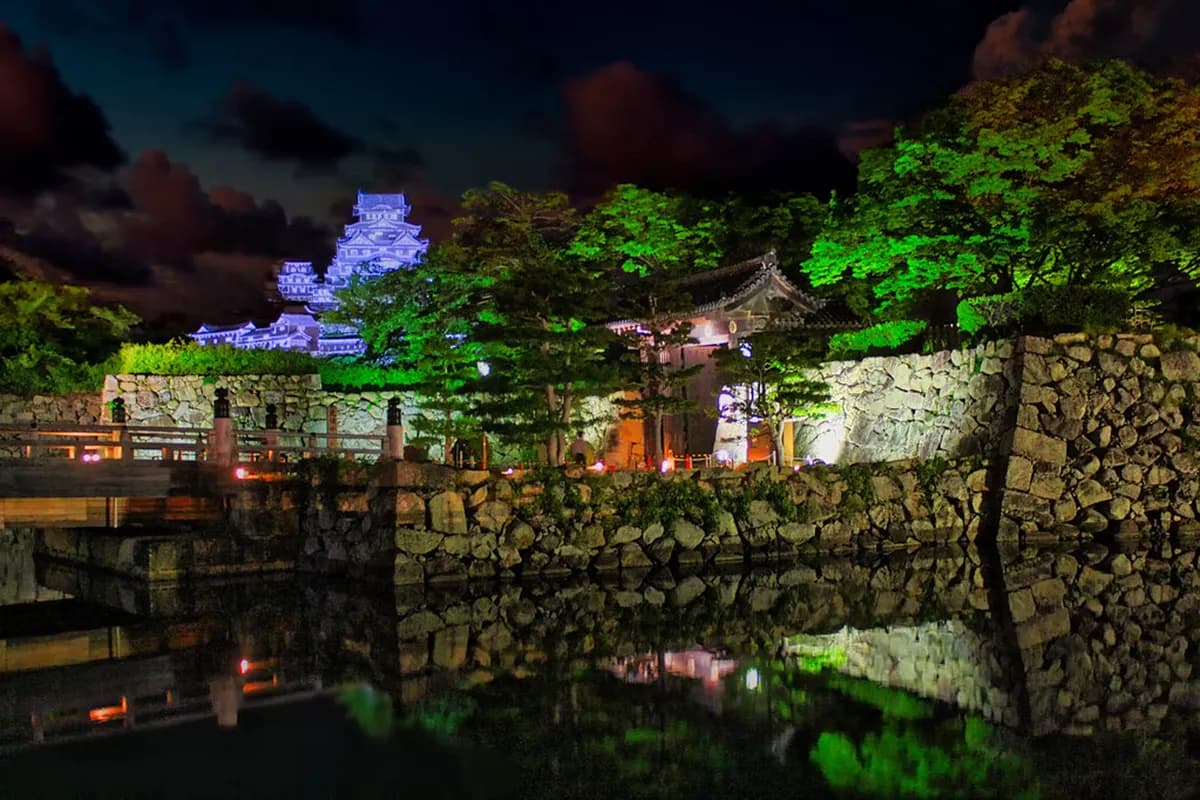
Kumamoto Castle is the centerpiece of any visit. The main keep is now fully open and houses a museum spanning multiple floors with artifacts, scale models, and information about the castle's construction and the 2016 earthquake damage. The sixth floor observation deck offers a panoramic view of the city and the mountains beyond. Admission is 800 yen for adults. Reach the castle by tram to the Kumamoto-jomae stop, then walk uphill about five minutes. Read our detailed Kumamoto Castle reconstruction and history guide for a floor-by-floor breakdown of what to see inside.
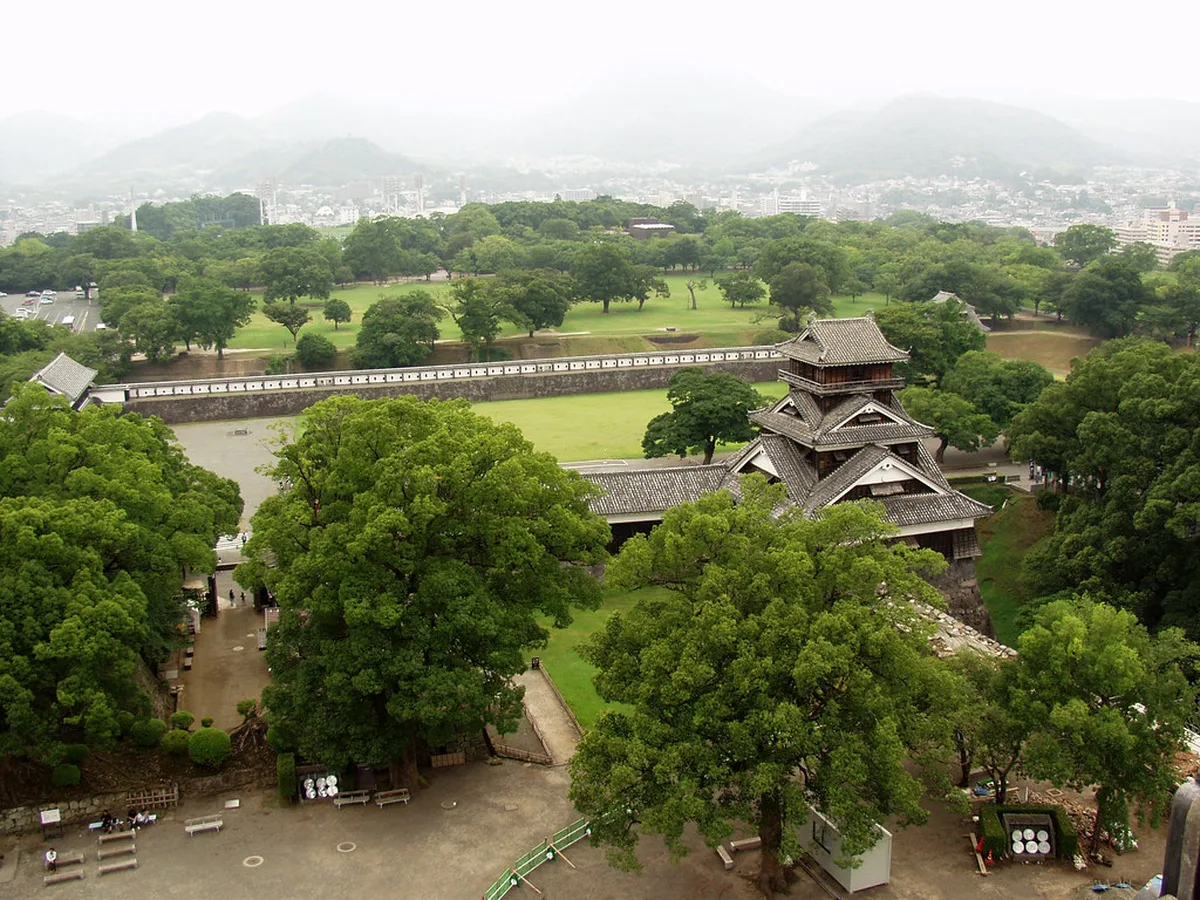
The elevated walkways added during restoration are worth taking slowly. They pass directly alongside sections of the collapsed stone walls, and explanatory boards describe the traditional repair techniques being used. This combination of active archaeology and accessible history is something you will not find at other Japanese castles. Some outer areas remain closed, so check the official castle site for the current access map before your visit.
After the castle, board the tram to Suizenji-Koen for Suizenji Jojuen Garden (8-1 Suizenji Koen, Chuo Ward). This Edo-period strolling garden replicates the 53 post-towns of the old Tokaido road in miniature, with a central pond, a tea house, and a conical hill modeled on Mount Fuji. Admission is 400 yen. Egrets and koi are abundant, and the garden is genuinely peaceful even in high season. Immediately next to the castle grounds, Sakura no Baba Josaien (1-1-2 Ninomaru) is a free outdoor shopping area styled as a castle-town marketplace, with snack shops, souvenir stores, and daily stage performances.
The One Piece Trail: Eiichiro Oda's Contribution to the City
Manga artist Eiichiro Oda — creator of One Piece, the best-selling manga series in history — was born in Kumamoto City. After the 2016 earthquake, Oda collaborated with the prefecture to install bronze statues of One Piece characters at locations across Kumamoto as part of the revitalization effort. This is not widely flagged in standard travel guides, but for manga and anime fans it makes Kumamoto a pilgrimage destination in its own right.
The Monkey D. Luffy statue stands in front of the Kumamoto Prefectural Office building on Suizenji, about a 15-minute walk from Suizenji Jojuen Garden. Other characters are spread across the prefecture. The statues are free to visit and easy to combine with a garden stop. Most are outdoors and accessible around the clock. Pick up a character map from the Kumamon Square gift shop or from the tourist information desk at Kumamoto Station — staff are used to directing fans to the relevant locations.
Kumamon Square itself is at the first floor of Tsuruya Department Store (8-2 Tetorihoncho, Chuo Ward). The square has a meet-and-greet zone, a Kumamon-branded merchandise room, and a recreation of his "office." Character appearances happen on a scheduled basis — check the official Kumamon Square website for current timing before you go, as schedules shift month to month. Arriving during an unscheduled gap means you meet a stuffed animal, not the mascot himself.
Kumamoto Food Guide: From Ikinari Dango to Karashi Renkon
The must-try snack is Ikinari Dango — a steamed dumpling made from rice flour dough wrapped around a slice of sweet potato and a core of red bean paste. The name roughly translates as "sudden dumpling" because the recipe is simple enough to make without warning. You will find them sold warm at stalls near the castle grounds and in the souvenir shops at both Sakura no Baba Josaien and Kumamoto Station. They are best eaten immediately; cooled versions lose the contrast between the pillowy skin and the warm filling.
Beyond the dango, Kumamoto has a distinctive set of specialties. Basashi (horse sashimi) is the local izakaya dish that surprises most first-time visitors — it is mild, tender, and faintly sweet, closer in texture to good tuna than to any red meat. It features on nearly every izakaya menu in the city. Our detailed piece on basashi horse sashimi in Kumamoto covers where to find the best versions and what to order alongside it. Karashi Renkon — lotus root sections filled with mustard-spiced miso and deep-fried — is the other regional staple that rarely appears outside Kumamoto. It is sold as a takeaway snack and as a side dish in traditional restaurants.
Kumamoto Ramen is a distinct style: a rich pork-bone broth finished with a spoonful of toasted garlic oil, producing a darker, more robust flavor than Hakata-style ramen. Toppings include thin noodles, pork belly, soft-boiled egg, and wood-ear mushrooms. The Shimotori arcade area has several specialist shops, and most open for lunch. For dessert, Aso Milk soft-serve is found at shops inside the Tetorihoncho shopping area — the milk comes from Aso's dairy farms and has a noticeably richer flavor than standard soft-serve.
Logistics: Car Rentals and Luggage Shipping
If you are arriving from Fukuoka with large bags and heading directly into the city, consider using Takkyubin luggage forwarding before you leave Hakata. Ship a bag from your Fukuoka hotel to your Kumamoto hotel the morning of departure — it costs around 2,000 to 2,500 yen per bag and arrives the next day. This means you step off the Shinkansen in Kumamoto carrying only a day bag, and you can board the city tram without issue. Hotels and convenience stores handle shipping; your Fukuoka hotel front desk can fill in the form and arrange collection.
For the Aso region, rental cars are available from several agencies directly outside Kumamoto Station — Nippon Rent-A-Car and Toyota Rent-A-Car are both visible from the station exits. A 12-hour compact rental runs around 8,000 to 10,000 yen including a basic fuel plan. All GPS units can be switched to English menus; ask at the counter if it is not offered automatically. You will need a valid International Driving Permit in addition to your home license — Japan enforces this strictly and rental agencies will check.
Japan requires a valid International Driving Permit (IDP) alongside your home driver's license to rent a car. Rental agencies will check this at the counter — you cannot drive legally without it. Obtain an IDP from your home country's motor authority before you travel.
Driving within the city itself is not recommended. Tram tracks cross multiple intersections, and the signaling rules for tram priority are confusing if you are not used to them. City parking is also expensive and supply is limited near the castle. Use the car only once you are headed out toward Aso, and leave it behind for in-city days.
Exploring the Aso Region: Driving Route 339 to Daikanbo
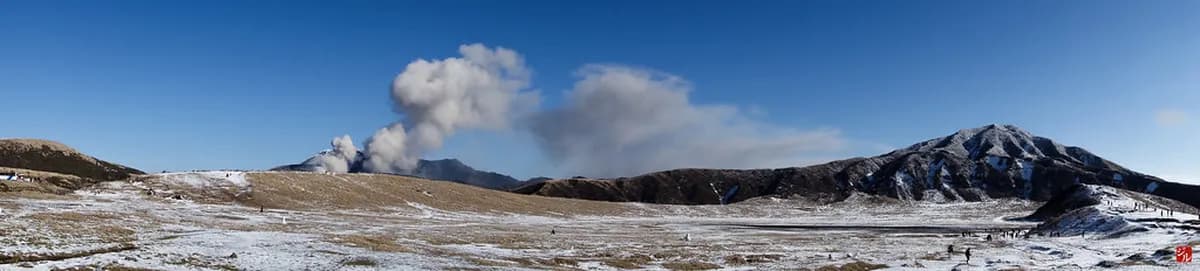
The Milk Road (Route 339) is the scenic two-lane highway that climbs from the Kumamoto plains up to the northern rim of the Aso caldera. The drive from the city takes around 60 to 90 minutes depending on traffic. Aim to leave Kumamoto by 08:00 at the latest. Morning light is the best light for caldera photography, and early departure gives you the best chance of clear skies before valley fog rises. On days when fog is forecast, the views from the rim are completely lost — check the Aso weather forecast the night before and be ready to adjust.
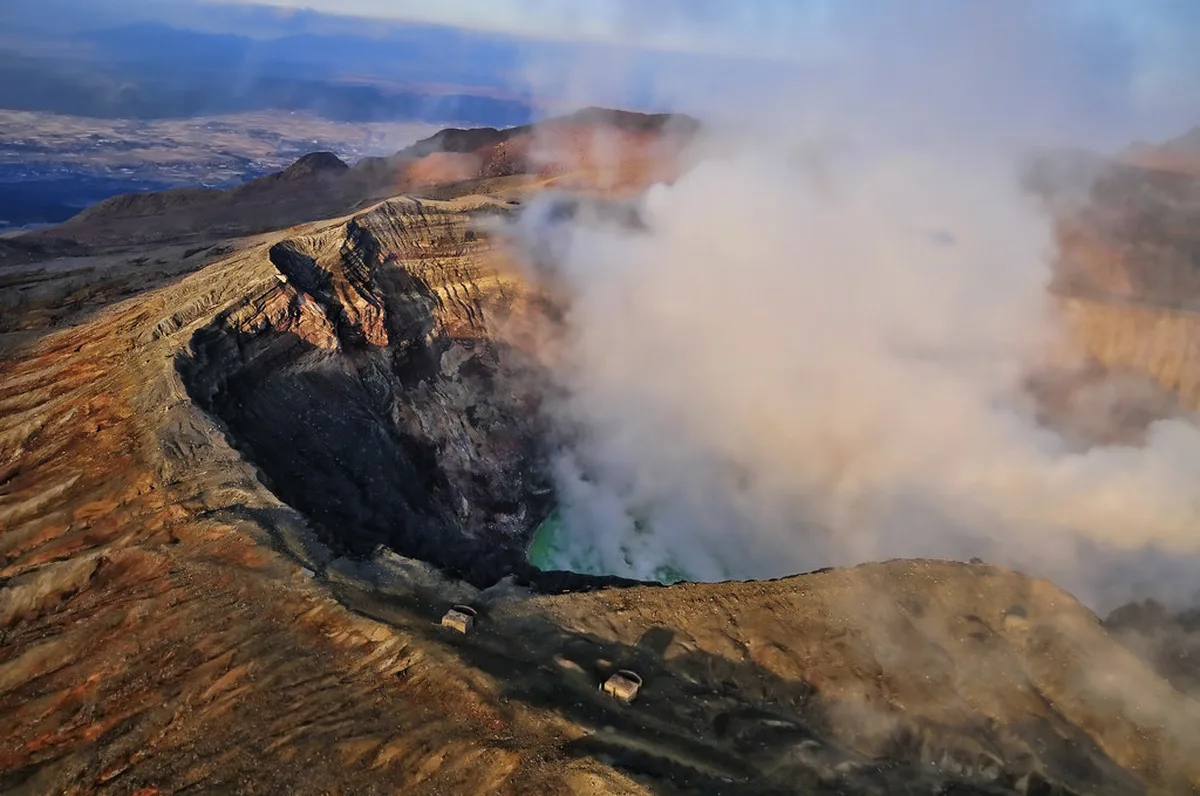
About an hour into the drive, stop at Kabutoiwa Viewpoint (marked as かぶと岩展望所 in Google Maps). This intermediate lookout sits above the caldera walls and offers a sweeping view that, on a clear day, rivals the famous Daikanbo point itself. Most guidebooks skip it. Allow 20 minutes here before continuing the final 10 minutes to Daikanbo.
Daikanbo itself sits at the highest point on the caldera's northern rim. From the viewpoint you can see all five peaks of Mount Aso, and the scale of the ancient caldera — one of the largest in the world — is only comprehensible from this height. Parking is free. There is a small shop at the top selling snacks and Aso dairy products including fresh milk and soft-serve. Bring a light jacket regardless of season; wind at the rim is persistent and temperatures drop quickly. You can plan your full Kumamoto day trip using our Kumamoto Day Trip Itinerary: 10 Best Things to Do in One Day guide, which includes a suggested timeline for combining the castle with the Aso drive.
Frequently Asked Questions
Is Kumamoto Castle open after the earthquake?
Yes, the main keep of Kumamoto Castle is fully open to the public following extensive repairs. Visitors can explore the interior museum and enjoy views from the top floor. Some stone walls are still being restored, but elevated walkways provide safe access to the grounds. Read the Japan Post News on the Kumamoto 2016 Earthquake for more context.
Can you do a day trip to Kumamoto from Fukuoka?
A day trip is very easy thanks to the Kyushu Shinkansen. The train ride from Hakata Station takes only 40 minutes, making it a perfect quick getaway. You can see the castle, Suizenji Garden, and enjoy a local lunch before returning to Fukuoka in the evening. It is a highly recommended excursion.
How much time should you plan for Kumamoto?
One full day is enough to see the city's main historical highlights and shopping districts. However, you should plan for two or three days if you want to explore the Mount Aso region. This extra time allows for a more relaxed pace and a deeper dive into the local food scene.
Kumamoto rewards travelers who look past the standard castle-and-garden itinerary. The post-earthquake city has rebuilt in ways that are genuinely interesting to visit — the castle restoration walkways, the One Piece statues placed by Oda as a gift to his hometown, the caldera drive that most Kyushu visitors skip entirely. These are the things that make Kumamoto feel distinct rather than interchangeable with any other Japanese castle city.
Use the transport logistics above to avoid the common friction points — luggage on the tram, GPS car rentals, Shinkansen seat reservations — and you will find a city that is easy to move through and genuinely worth the time. Two nights gives you the castle, the garden, the food, and a morning drive to Daikanbo. That is a solid return on one stop in Kyushu.
Planning the rest of your trip? See our complete Kumamoto attractions guide for the complete Kumamoto overview.
Free: The Kumamoto Essentials guide
Top things to do, where to stay, a perfect day plan, getting around, and the best time to go — a Kumamoto mini-guide you can take offline.
You might also like

Continue reading
More guides you'll find useful