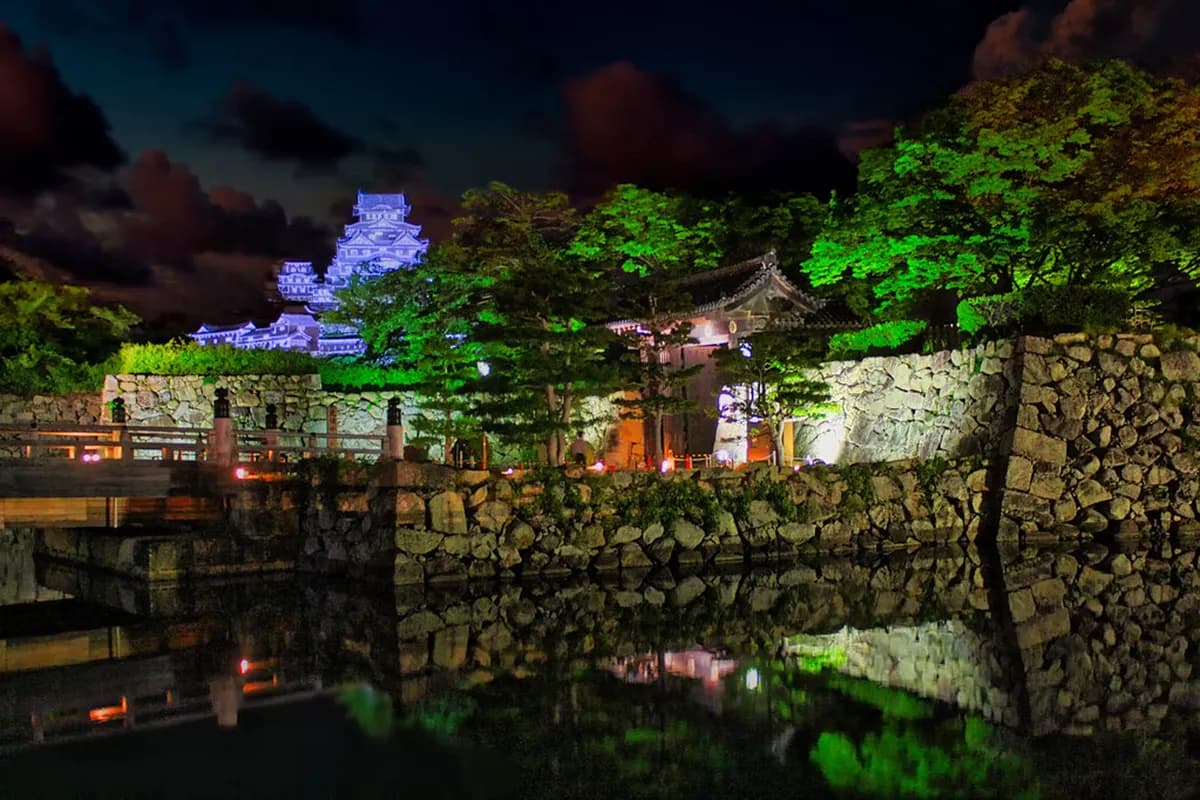
Kumamoto Best Time to Visit: Late March, Essential Planning Tips
Late March to early April brings peak cherry blossoms at Kumamoto Castle. Book 2 months ahead; May and October are quieter. Weather and transport tips.
On this page
Late March to early April is the absolute best time to visit Kumamoto. This window provides the peak cherry blossom season at the castle. The pink petals against the reconstructed keep make for one of the most photogenic scenes in Kyushu. Book accommodation at least two months ahead if you plan for this window.
Shoulder months like May and October also offer fantastic weather. You will find fewer crowds during these times compared to the blossom peak. Temperatures stay mild, making it perfect for exploring Things to Do in Kumamoto: 20+ Top Attractions & Travel Guide on foot. These months are the best balance of good conditions and reasonable prices.
Best Time to Visit Kumamoto: Seasonal Weather and Crowds
Spring brings mild temperatures and the most famous scenery in the city. Temperatures range from 12–20°C / 54–68°F during April, with low rainfall compared to summer. The city experiences a unique regional weather quirk known as the basin effect (bonchi). This traps humidity and heat during peak summer, making July and August feel significantly hotter than coastal Kyushu cities like Fukuoka.
Peak cherry blossoms at Kumamoto Castle occur in the final week of March through the first week of April. This is Kyushu's most celebrated sakura window — book hotels 8–10 weeks ahead and expect crowded castle grounds during this period.
Autumn is another spectacular time for outdoor exploration. Late October through November features crisp air and vibrant fall foliage. Average temperatures sit comfortably between 15–23°C / 59–73°F during this period. Clear skies make autumn ideal for visiting the Aso volcanic highlands, which can be cloud-covered in summer.
| Season | Weather | Crowds | Prices | Events | Best for |
|---|---|---|---|---|---|
| Spring (late March to mid-May) | 12–20°C / 54–68°F | Very High | High | Sakura Matsuri | Blossoms |
| Summer (June to August) | 24–32°C / 75–90°F | Medium | Moderate | Castle Festival | Culture |
| Fall (September to November) | 15–23°C / 59–73°F | Moderate | Moderate | Mizu-akari | Foliage |
| Winter (December to early March) | 2–11°C / 36–52°F | Low | Low | New Year | Budget |
June and July bring the rainy season (tsuyu) to Kyushu. Rain falls almost daily and can affect outdoor plans significantly. If you visit during this window, build indoor options into each day — museums, covered shopping arcades, and the castle museum are reliable rainy-day alternatives.
The Mizu-akari lantern festival in late October is an underrated reason to target autumn — thousands of candles and lanterns line the city's waterways after dark.
Top Seasonal Attractions: Kumamoto Castle and Suizenji Garden
Kumamoto Castle is the city's defining landmark, built by lord Kato Kiyomasa in the early 1600s. It is one of Japan's most impressive surviving castle complexes, covering over 98 hectares. In spring, the castle grounds host one of Kyushu's best hanami (blossom-viewing) events. The sakura trees lining the stone walls peak between late March and early April each year.
Suizenji Jojuen Garden is just a few tram stops from the castle and deserves equal time. This 17th-century strolling garden recreates the 53 post stations of the Tokaido road in miniature landscape form. It is most beautiful in spring and autumn when the colors around the central pond are at their best. The garden teahouse serves matcha and wagashi sweets — worth pausing for even a 20-minute break.
Getting between the two sites without a car is straightforward. Kumamoto's tram network (City Tram Line 2) runs from Kumamoto Station to Suizenji-mae stop in about 25 minutes for 180 yen. The stop for the castle is Kumamotojo-mae, two stops before the end of the line. A one-day tram pass costs 500 yen and is available at the station — good value if you plan to use it more than twice.
Museums, Art, and Culture: Best Times for Indoor Exploration
Kumamoto Prefectural Museum of Art holds a solid collection of Western and Japanese works, including pieces connected to Kumamoto's samurai heritage. It sits near the castle and is open Tuesday through Sunday, 09:30–17:15, with admission around 260 yen for the permanent collection. This makes it a practical refuge on rainy summer days or during the heat of a July afternoon.
Honmyoji temple, northwest of the city center, is an undervisited highlight. Built in 1614, it sits on a hillside that doubles as one of the best free viewpoints in Kumamoto — looking directly over the castle and the Shinkansen corridor below. It is accessible year-round and is never crowded, even during the spring peak at the castle grounds.
The Kumamoto City Museum covers local history from the Edo period through the 2016 earthquake recovery. Exhibits include scale models of the castle at various stages of reconstruction. It is a useful stop before visiting the castle itself, particularly for first-time visitors who want context for what they are seeing during the ongoing restoration work.
Parks and Outdoor Spots: Peak Blooms and Autumn Foliage
Beyond the castle and garden, Kumamoto city has several parks worth building into your schedule. Fujisaki Hachimangu shrine grounds are pleasant in cherry blossom season and see far fewer visitors than the castle. The shrine itself holds an important annual festival in September — one of the largest in Kyushu — that draws portable shrine processions through the streets.
For day trips, Takachiho Gorge sits in neighboring Miyazaki Prefecture but is actually closer to Kumamoto city than to Miyazaki city itself. The gorge features dramatic basalt columns and a rowing boat hire that gets you directly into the canyon. It is best visited in autumn when the surrounding forest turns. Getting there requires a car or a long multi-connection bus journey.
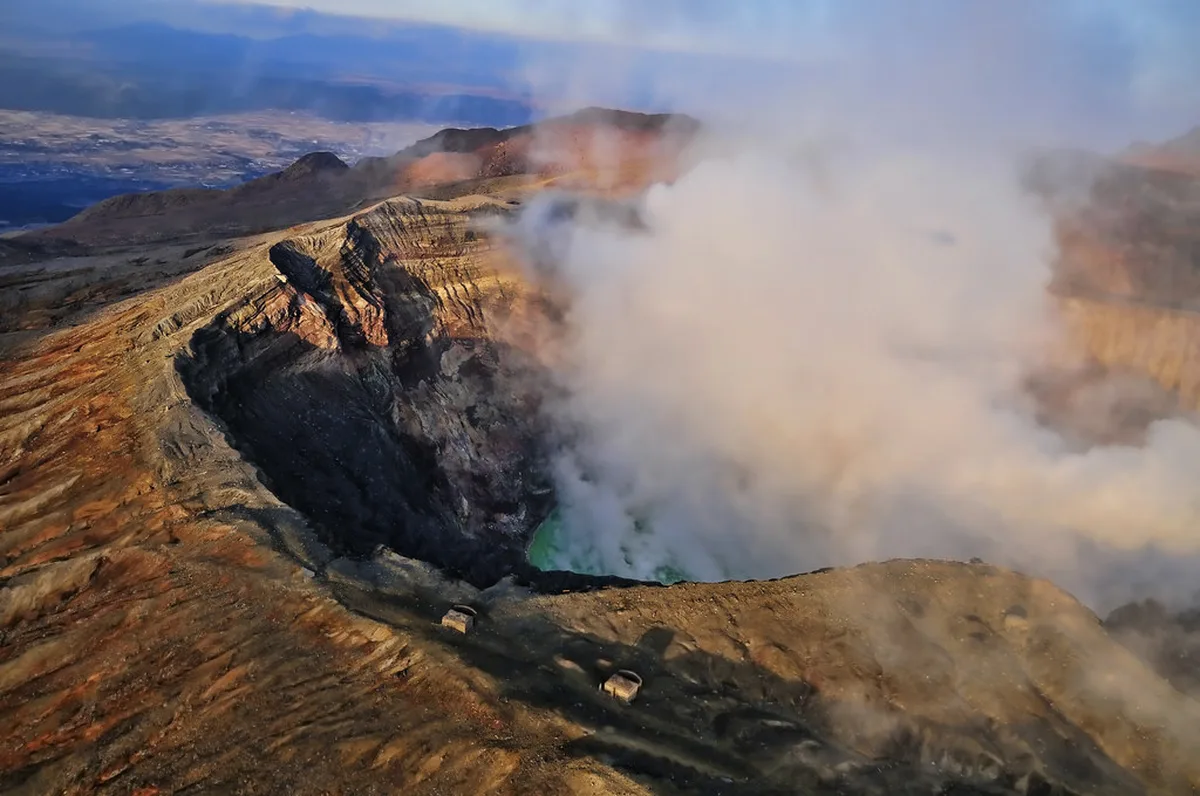
The Mount Aso day trip from Kumamoto remains the region's biggest outdoor draw. The Aso Geopark caldera is one of the largest in the world and the surrounding volcanic highlands — sometimes compared to alpine scenery — offer hiking, cycling, and viewpoint drives unlike anywhere else in Japan. Note that Mount Aso is technically in Kumamoto Prefecture, not in Kumamoto city: the city is the gateway, not the mountain itself.
Is Kumamoto Worth Visiting? (Post-Earthquake Update)
Many travelers wonder if the city has recovered from the 2016 earthquake. The short answer is yes — and the castle is now better to visit in 2026 than it was for several years post-quake. The main keep (tenshukaku) reopened to the public in April 2021, meaning visitors can enter the interior and climb to the top floor for the first time since the disaster. The castle grounds that were roped off for years are now largely accessible.
Full restoration of the castle complex is expected to continue into the 2030s. Some of the stone walls and secondary structures remain under scaffolding or off-limits. But the core experience — walking the grounds, seeing the keep up close, and understanding the remarkable earthquake-resistant engineering of its original architects — is fully available. Entry to the castle grounds costs 800 yen for adults in 2026.
You can check the Japan Post News on the Kumamoto 2016 Earthquake for historical context on the disaster. The Kumamoto Earthquake from Welcome Kyushu page lists current safety alerts for the Aso volcanic area. Local resilience is visible across the city — rebuilt streets, restored shop fronts, and a community that has genuinely welcomed tourism back as part of its recovery.
Kumamoto Specialties: Kumamon and Ikinari Dango
No trip to Kumamoto is complete without encountering the famous black bear mascot. Kumamon was created by the prefecture to boost tourism after years of slow visitor numbers, and the strategy worked spectacularly. You will see him on cakes, magnets, shirts, and packaging at the station before you have even left the concourse. There is also a giant Kumamon head display in the station lobby that is hard to miss.
Kumamon Square, a short walk from the castle, is where you can see the mascot in live performance. Staff dance routines and photo opportunities happen at scheduled times — check the official website before you go as the schedule varies by day and season. The square also stocks a wider range of Kumamon merchandise than the station shops if you want something beyond the standard range.
Ikinari Dango is the essential food souvenir. This Kumamoto dumpling is filled with red bean paste and sweet potato, steamed fresh and served warm. The name translates roughly as "sudden dumpling" — Kumamoto slang for something you can eat instantly, without ceremony. You can find it at the station souvenir store and at street vendors near the castle, but it tastes best warm from a dedicated maker. Our Kumamoto Foods and Dining Tips lists the best shops in the city center for this and other local specialties.
How to Get to Kumamoto from Fukuoka: Transport Trade-offs
Most visitors arrive from Fukuoka, the main international gateway into Kyushu. Learning How to Get to Kumamoto: The Complete Transport Guide is straightforward — there are two main options and the choice comes down to time versus money. The Kyushu Shinkansen (bullet train) from Hakata Station reaches Kumamoto in 40 minutes and departs every 15 minutes. If you have a JR Pass, this leg is included at no extra cost.
The highway bus takes around two hours and is significantly cheaper — typically 1,000–1,500 yen versus 4,000+ yen for the Shinkansen without a pass. The bus drops you at Kumamoto's main bus terminal, which is adjacent to the shopping arcades and a short walk from the tram stops. Budget travelers doing a day trip from Fukuoka will often take the bus one way and the Shinkansen back, or vice versa depending on energy levels.
How to Rent a Car from Kumamoto Station for Aso Trips
A rental car is the most practical way to reach the Aso highlands. Several rental companies operate from directly outside Kumamoto Station's west exit, including Nippon Rent-A-Car and Toyota Rent-A-Car. A 12-hour rental for a compact car typically runs 8,000–10,000 yen including basic insurance. Nippon is a reliable default — English-speaking staff at the station branch can assist even if your Japanese is limited, and all cars come with GPS systems that switch to English on request.
You must hold an International Driving Permit (IDP) issued in your home country before arriving in Japan — Japanese law does not accept foreign licences alone. Apply for your IDP through your national automobile association before departure. Most permits are issued same-day or within a week. Keep both the IDP and your original licence with you at all times when driving.
Check road conditions before heading toward Aso. The mountain roads can close without notice due to volcanic gas readings at the Nakadake crater. The rental company will usually have a current road closure map to hand when you pick up the car. Always ask before you leave the lot rather than discovering a closure mid-route.
Day Trip Extension: Driving Route 339 to Daikanbo
The drive from Kumamoto city to the Daikanbo viewpoint is the highlight of any Aso road trip. Follow Route 339 northeast out of the city — it becomes narrow and winding as it climbs the caldera rim, but the road is well-maintained and signposted. The full drive from Kumamoto Station to Daikanbo takes under two hours. This ridge route is sometimes called the Milk Road for the dairy farms that line the highland plateau.
Stop at Kabutoiwa Viewpoint (marked as かぶと岩展望所 on Google Maps) roughly an hour into the drive. This pull-off looks directly into the caldera and is worth at least 20 minutes even if you are pressed for time. The views here are, in reality, comparable to Daikanbo itself — if cloud rolls in before you reach the summit, Kabutoiwa will already have given you the essential scene.
Daikanbo — which translates as "peak of great view" — sits at the northern rim of the caldera. Park at the small lot and walk five minutes to the viewpoint. On clear days the full scale of the Aso caldera is visible, one of the largest active calderas in the world. Paragliders often launch from the ridge on windy days, which adds an unexpectedly dramatic visual to the panorama. Allow half a day for the return drive including stops.
Where to Stay in Kumamoto: Best Neighborhoods and Hotels
The Shimotori and Kamitori covered shopping arcades form the heart of the city center and the best base for most visitors. Hotels here put you within walking distance of the castle, tram stops for Suizenji Garden, and the main restaurant and bar streets. This area has the widest range of accommodation and is where you want to be if you plan to explore the city on foot.
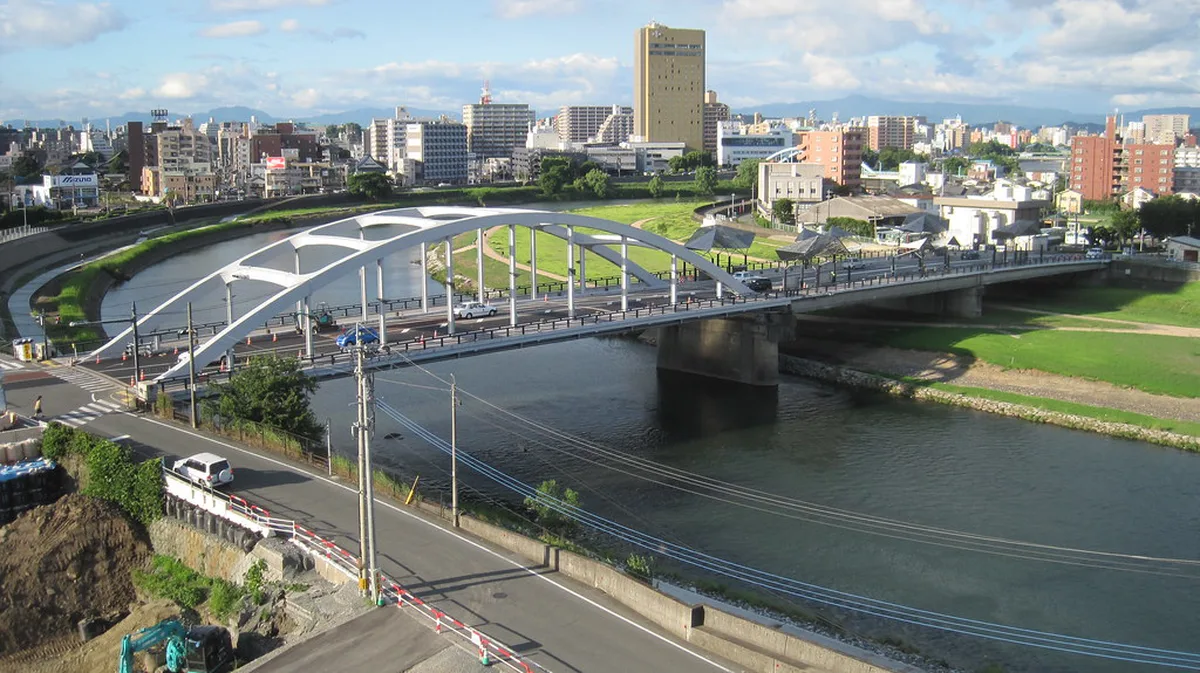
The Suizenji neighborhood, at the eastern end of the tram line, suits travelers who want quieter surroundings and more traditional atmosphere. The garden is literally outside your door and the area has a handful of ryokan-style properties. It is less convenient for the castle but the tram makes the 25-minute commute into the center easy enough.
For city-center business hotels, the Mitsui Garden Hotel is the reliable mid-range choice — central location, good breakfast, and walking distance to the castle. Hotel Wing International is a cheaper alternative in the same district. For a traditional stay, Ryotei Matsuya Honkan near Suizenji is one of the few genuine ryokan options in the city. If you plan to spend a night in the Aso area itself, vacation rentals within the caldera are the most practical option as hotel supply is thin there.
Frequently Asked Questions
Is Kumamoto worth visiting after the earthquake?
Yes, the city has recovered significantly since 2016. Most of the castle is open for visitors to enjoy. The local culture remains vibrant and welcoming to all tourists.
What is the best month for cherry blossoms in Kumamoto?
Late March to early April is the peak time for blossoms. The castle grounds become a sea of pink flowers. This period is very popular and requires early booking.
How many days should I spend in Kumamoto?
Two days are usually enough for the main city highlights. You should add a third day for Mount Aso. This allows for a relaxed and thorough exploration.
Kumamoto is a city of history, resilience, and natural beauty. Choosing the right month ensures a comfortable and memorable journey. Whether you want blossoms or fall colors, this city never disappoints. Plan your transport and accommodation in advance to avoid high prices during spring peak.
The shoulder seasons of May and October remain the best all-round bet for most travelers — good weather, manageable crowds, and reasonable rates. The combination of the castle, Suizenji Garden, the Aso highlands, and Kumamon is genuinely unlike anything else in Kyushu.
Free: The Kumamoto Essentials guide
Top things to do, where to stay, a perfect day plan, getting around, and the best time to go — a Kumamoto mini-guide you can take offline.
You might also like

Continue reading
More guides you'll find useful